 English
  Español
  Français
  Deutsch
  Português (Brasil)
  Русский
  العربية
G652D Low-Loss Fiber Cable for Reliable Transmission
 China
China





Supplier's customization ability
- Drawing-based customization
- Sample-based customization
- Full customization
Minimum order quantity: 1 kilometers
Shipping total: To be negotiated
- Lead time:
- confirmed with the quotation
- Packaging:
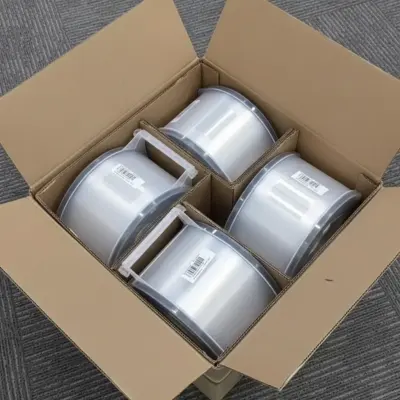
- standard export packing
- Samples:
- available on request
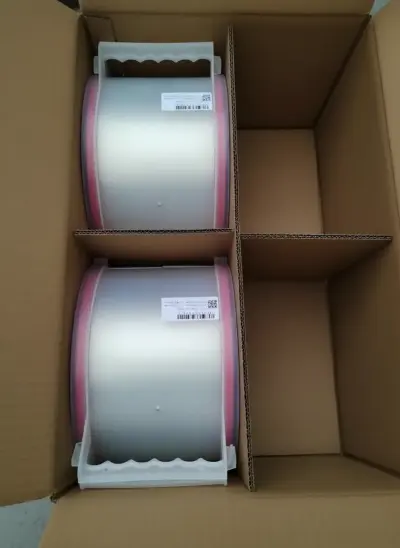
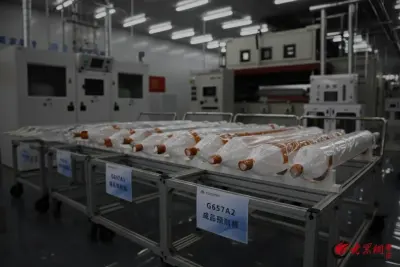
Product details
Technical Specifications of G652D Low-Loss Fiber
| Property | Parameter | Description |
|---|---|---|
| Optical Fiber Product Name | G652D Low-Loss Fiber | Single-mode optical fiber compliant with ITU-T G.652.D standard, optimized for minimal signal attenuation |
| Fiber Grade & ITU-T Classification | ITU-T G.652.D / IEC 60793-2-50 Type B1.3 | Standard single-mode fiber with low water peak, suitable for full-spectrum transmission from 1260 nm to 1625 nm |
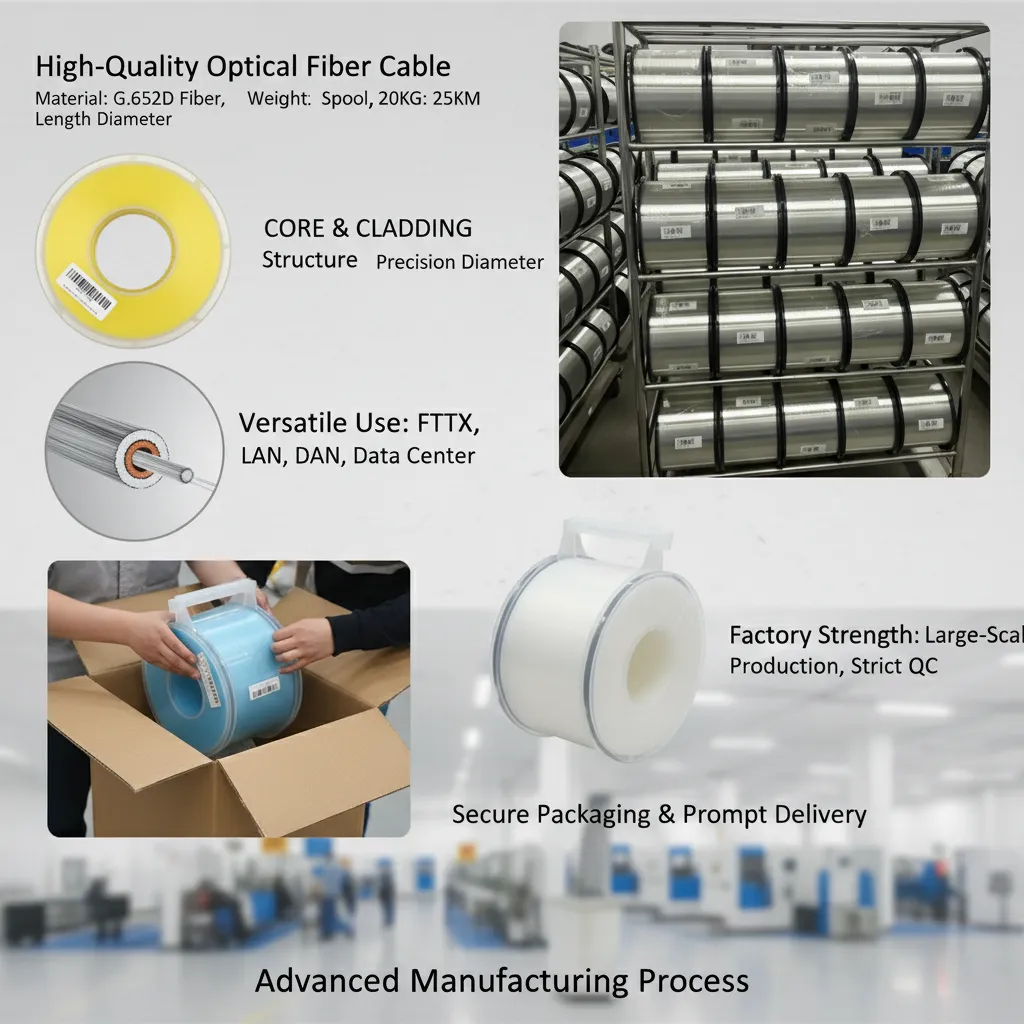
| Core & Cladding Diameter Range | Core: 8.2 ± 0.4 µm; Cladding: 125.0 ± 0.7 µm | Tight dimensional tolerance ensures consistent splicing performance and low splice loss across production batches |
| Attenuation Coefficient at 1310 nm | ≤ 0.34 dB/km | Low attenuation at the O-band supports long-haul and metro network deployments with reduced amplification requirements |
| Attenuation Coefficient at 1550 nm | ≤ 0.18 dB/km | Ultra-low attenuation at the C-band enables extended transmission distances in DWDM and coherent optical systems |
| Macrobending Loss Performance | ≤ 0.1 dB at R=30 mm (100 turns, 1550 nm) | Excellent macrobend resistance reduces installation-induced losses in cable ducts, splice closures, and tight routing paths |
| Chromatic Dispersion Coefficient | ≤ 18 ps/(nm·km) at 1550 nm; Zero Dispersion: 1300–1324 nm | Controlled dispersion profile compatible with standard dispersion compensation modules in high-speed transmission links |
| Polarization Mode Dispersion (PMD) | ≤ 0.1 ps/√km (link design value) | Low PMD coefficient supports 10 Gbps and 40 Gbps transmission without additional PMD compensation |
| Batch Qualification Rate | ≥ 99.5% | Stringent in-process quality control and 100% end-of-line optical testing ensure consistent batch-to-batch performance |
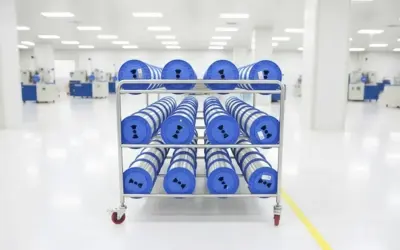
| Manufacturing Environment Standards | ISO Class 7 (ISO 14644-1) Cleanroom; Temperature: 22 ± 2 °C; Humidity: 45–60% RH | Controlled cleanroom environment minimizes particulate contamination during fiber drawing and coating processes |
| Core Raw Material Source | High-purity synthetic silica (SiO₂ purity ≥ 99.999%); PCVD / OVD / VAD process | Premium-grade silica preform produced via vapor deposition ensures homogeneous refractive index profile and low impurity levels |
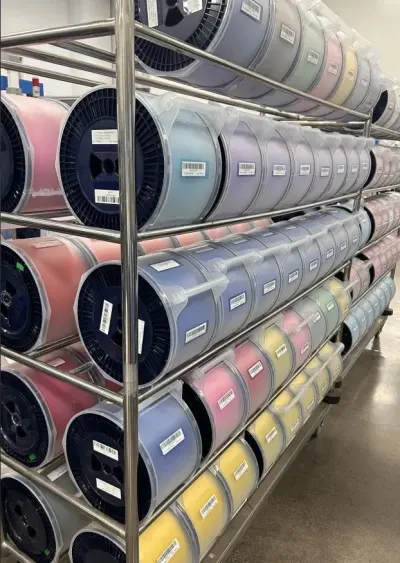
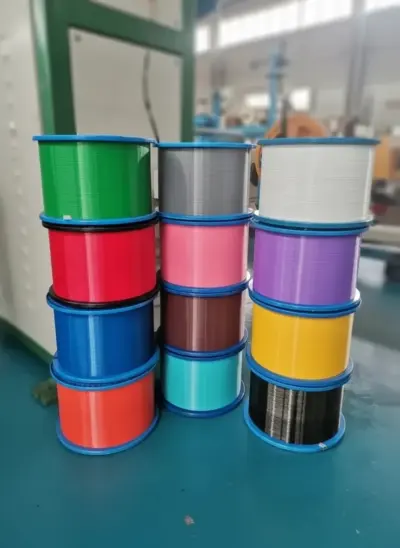
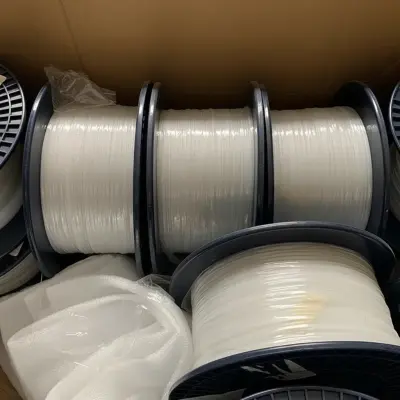
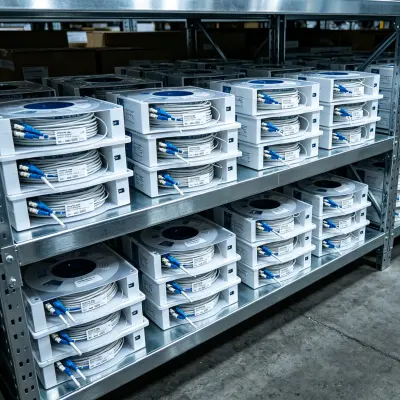
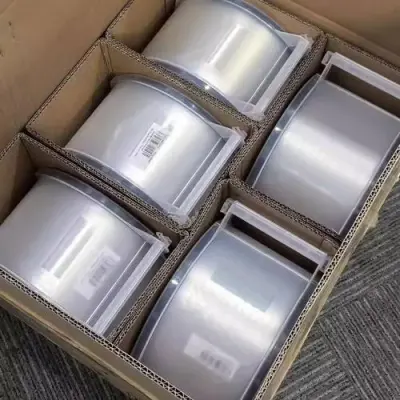
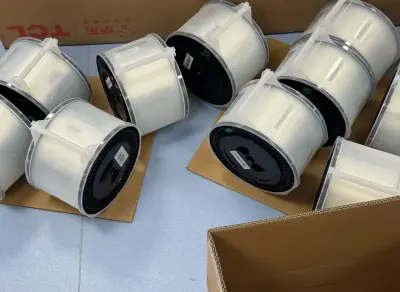
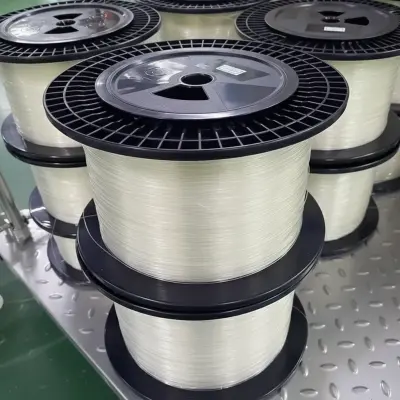
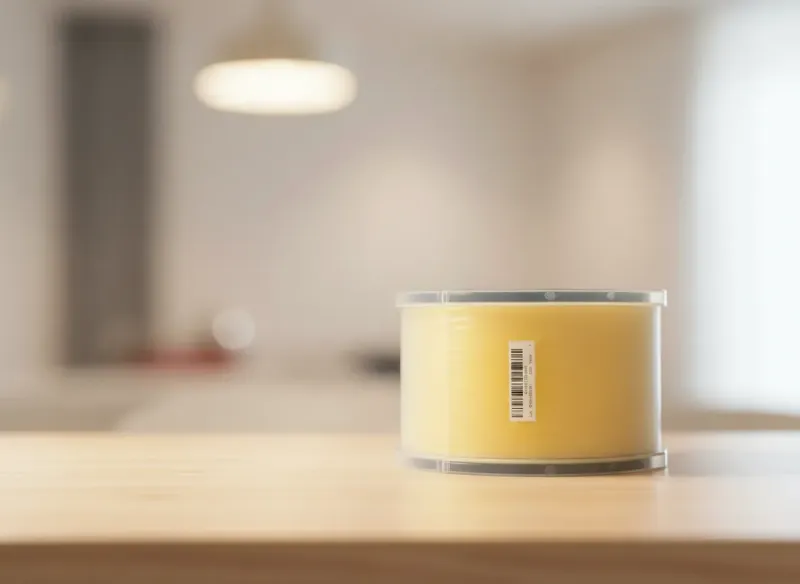
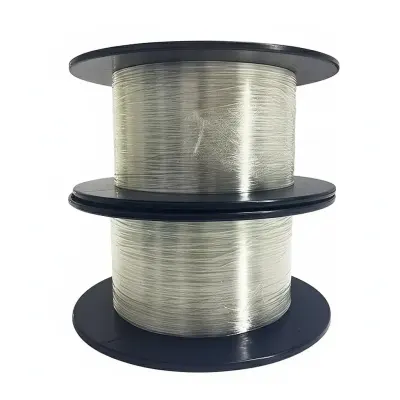
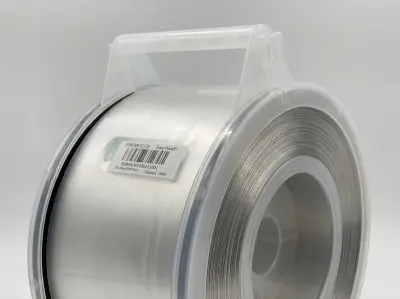
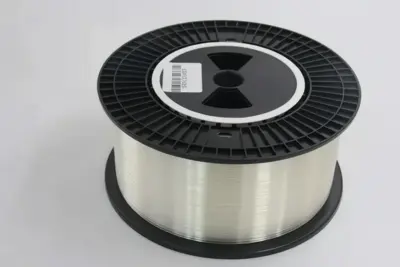
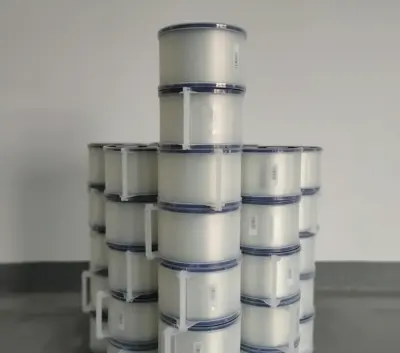
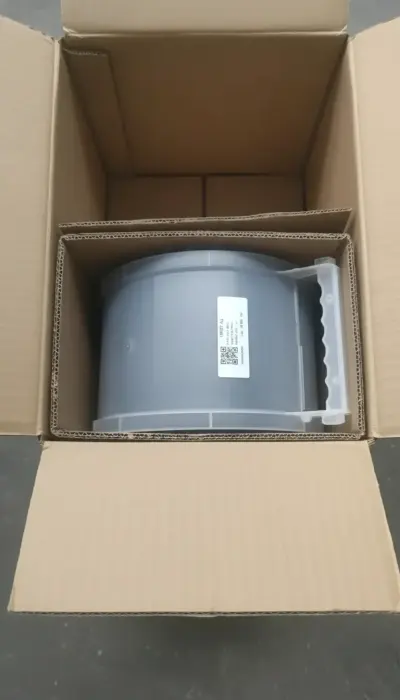
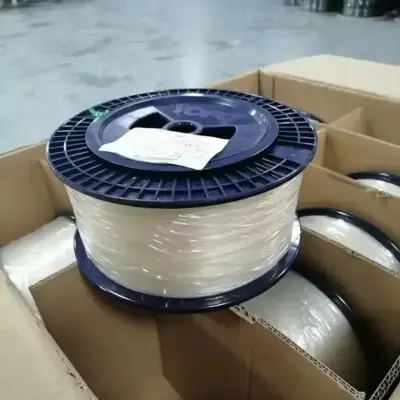
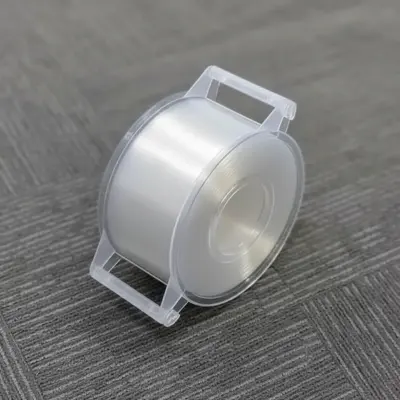
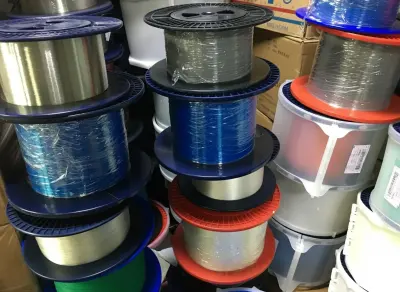
| Packaging Specification | Standard reel: 5 km, 10 km, 25 km per spool; Wooden drum or plastic bobbin available | Reels are individually sealed with moisture-barrier film and labeled with full traceability data including batch number and test report |
| Storage Conditions | Temperature: -20 °C to +60 °C; Humidity: ≤ 85% RH (non-condensing); Avoid direct UV exposure | Proper storage conditions prevent coating degradation and maintain optical and mechanical properties throughout shelf life |
| Valid Shelf Life | ≥ 25 years (under recommended storage conditions) | Hermetically sealed silica core and dual-layer acrylate coating provide long-term protection against hydrogen aging and moisture ingress |
| Application Scenarios | FTTH/FTTX access networks; Long-haul backbone; Metro DWDM; 5G fronthaul/backhaul; Data center interconnect | |
| Compliance & Certification | ITU-T G.652.D; IEC 60793-2-50; Telcordia GR-20; RoHS 2011/65/EU; REACH compliant | Full compliance with international telecom and environmental standards facilitates global project qualification and procurement approval |
| Minimum Order Quantity (MOQ) | 50 km per order | Flexible MOQ policy available for qualified system integrators and long-term contract customers upon negotiation |
| Monthly Supply Capacity | ≥ 500,000 km/month | Large-scale production capacity with dedicated inventory buffer ensures on-time delivery for major infrastructure rollout projects |
G652D Low-Loss Fiber Cable for Reliable Transmission
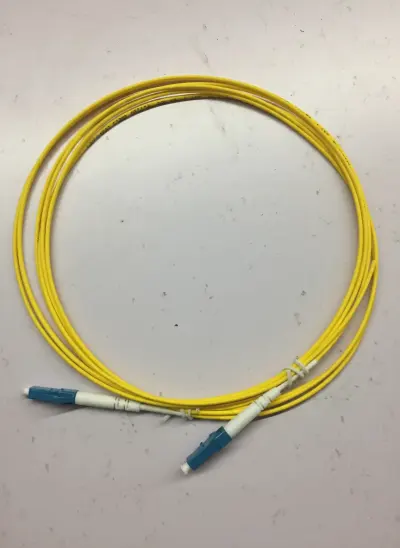
G652D low-loss fiber has become the backbone of modern optical communication infrastructure, delivering unmatched signal integrity across metropolitan, long-haul, and access network deployments worldwide. As the most widely deployed single-mode optical fiber standard globally, this ITU-T G.652D compliant cable supports high-bandwidth data transmission with minimal attenuation, making it the preferred choice for telecom carriers, FTTH rollouts, data center interconnects, and enterprise backbone networks. Its exceptional compatibility with DWDM systems and zero-water-peak performance across the full E-band spectrum (1360–1460 nm) position it as a future-proof investment for network operators seeking to maximize transmission reliability and minimize long-term operational costs. With growing demand for ultra-low attenuation fiber solutions in 5G backhaul and cloud infrastructure, G652D single-mode fiber continues to dominate procurement decisions in both emerging and established telecom markets.
What is G652D Low-Loss Fiber?
G652D low-loss fiber is a non-dispersion-shifted single-mode optical fiber defined under the ITU-T G.652D standard. It is characterized by a zero-water-peak attenuation profile, enabling seamless operation across the O, E, S, C, and L bands. This standard fiber type supports transmission wavelengths of 1310 nm and 1550 nm and is fully compatible with both legacy and next-generation passive optical network (PON) architectures, making it the industry's most versatile and cost-effective fiber solution.
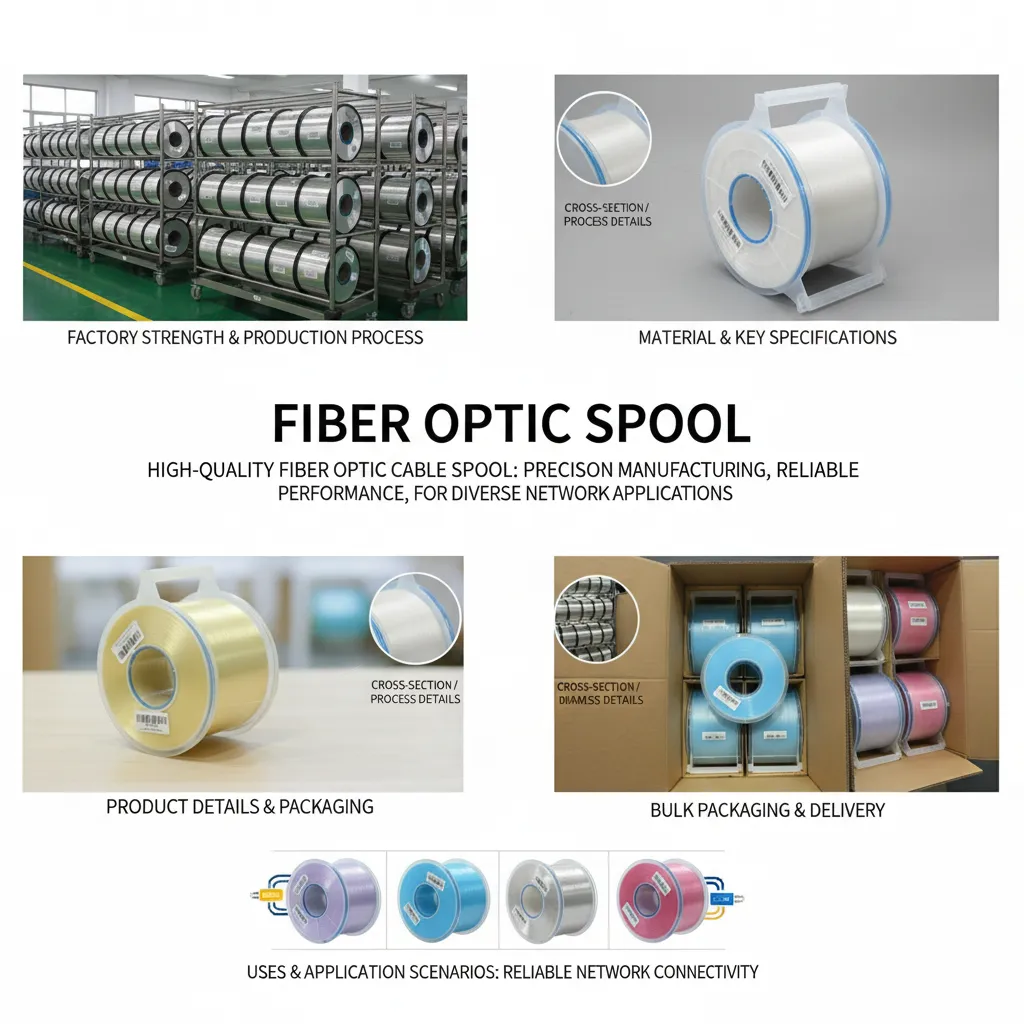
G652D Low-Loss Fiber Manufacturing and Production Process
Produced in ISO-certified cleanroom environments, G652D single-mode fiber is manufactured using the Modified Chemical Vapor Deposition (MCVD) or Outside Vapor Deposition (OVD) process to achieve ultra-pure silica preforms with tightly controlled refractive index profiles. Each fiber draw undergoes real-time attenuation and geometry monitoring, followed by dual-layer UV-cured acrylate coating application. Finished cables comply with IEC 60793-2-50, ITU-T G.652D, RoHS, and Telcordia GR-20 standards, ensuring consistent batch-to-batch quality and global regulatory compliance.
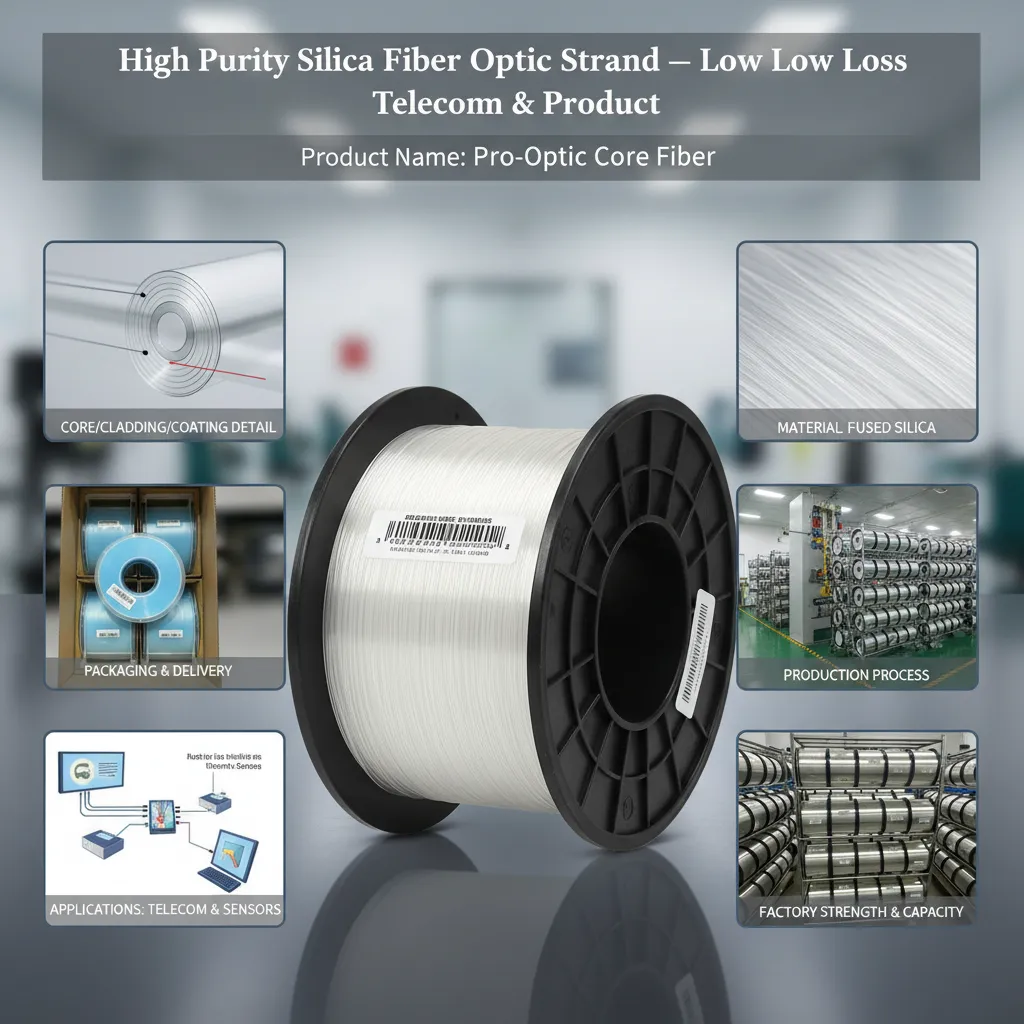
G652D Low-Loss Fiber Technical Specifications
This zero-water-peak fiber delivers a maximum attenuation of ≤0.20 dB/km at 1550 nm and ≤0.40 dB/km at 1310 nm. Chromatic dispersion is ≤18 ps/(nm·km) at 1550 nm, with a polarization mode dispersion (PMD) coefficient of ≤0.1 ps/√km. The mode field diameter measures 9.2 ±0.4 µm at 1310 nm, cladding diameter is 125.0 ±0.7 µm, and the cable cutoff wavelength is ≤1260 nm. Operating temperature range spans −60°C to +85°C, supporting deployment in extreme environmental conditions.
Get a Competitive Quote for G652D Low-Loss Fiber
Whether you are sourcing G652D low-loss fiber cable for large-scale FTTH projects, 5G backhaul deployments, or data center builds, our team offers competitive wholesale pricing, flexible MOQ policies, and guaranteed on-time delivery with full export documentation. Contact us now to receive a customized bulk quote tailored to your network specifications.
- 24/7 expert optical communication engineer support
- Full ITU-T, ISO, RoHS compliance guarantee for all batches
- Exclusive wholesale discounts for bulk telecom, FTTH and data center orders
- Complete technical data sheets and on-site deployment guidance included
Contact us today to get your free quote and full specification sheet within 24 hours!