 English
  Español
  Français
  Deutsch
  Português (Brasil)
  Русский
  العربية
Specialty Optical Fibers for High-Temp - Supplier
 China
China

Supplier's customization ability
- Drawing-based customization
- Sample-based customization
- Full customization
Minimum order quantity: 1 km
Shipping total: To be negotiated
- Lead time:
- confirmed with the quotation
- Packaging:
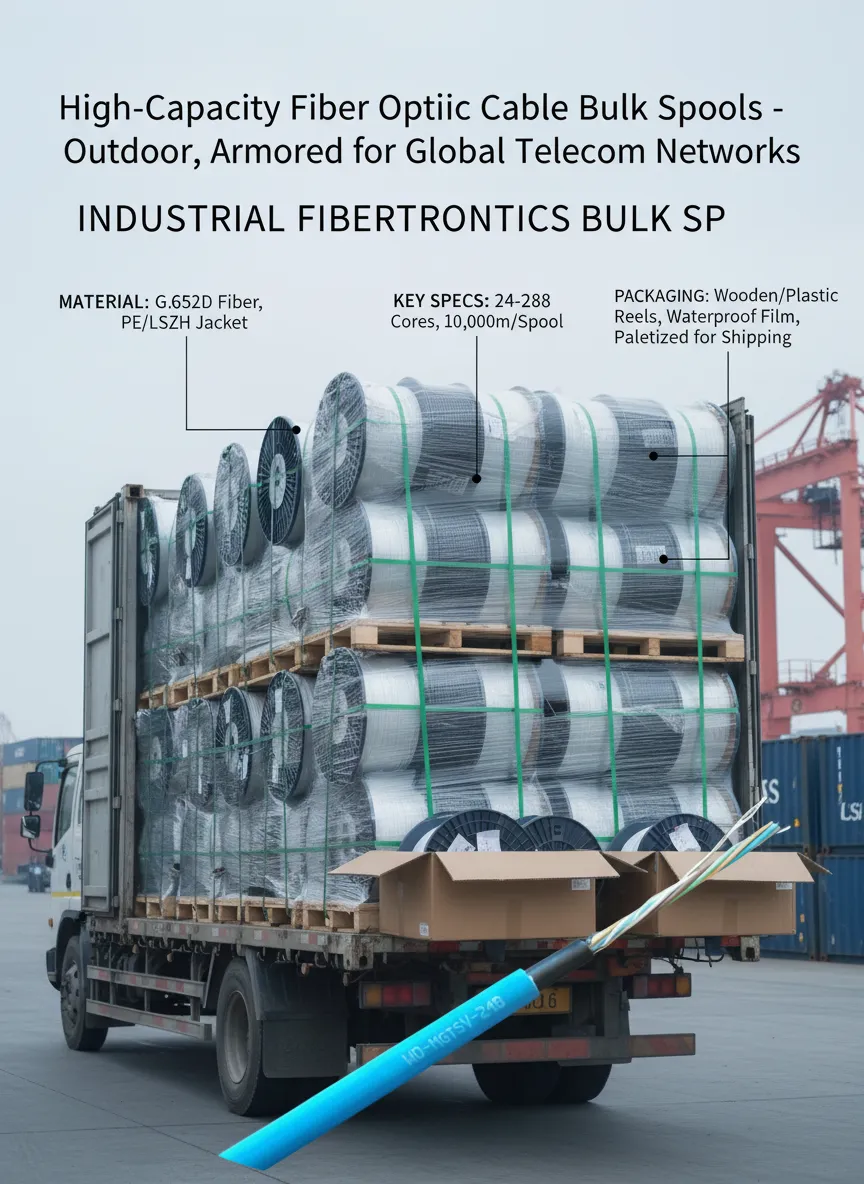
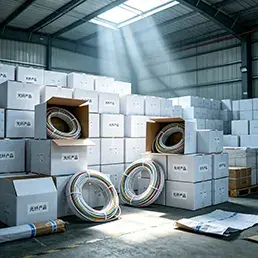
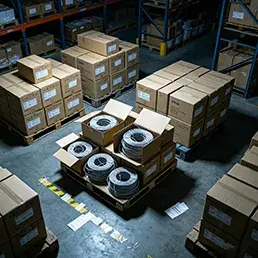
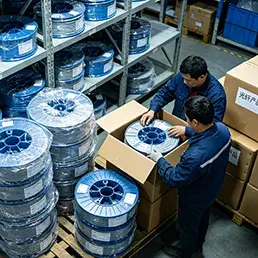
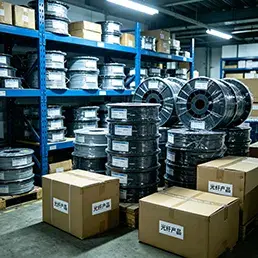
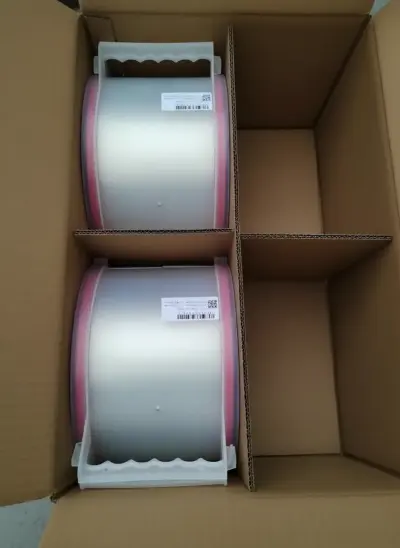
- standard export packing
- Samples:
- available on request
Product details
Technical Specifications of Specialty Optical Fibers for High-Temperature Applications
| Property | Parameter | Description |
|---|---|---|
| Product Name | Specialty Optical Fibers for High-Temperature Applications | Single-mode and multimode optical fibers engineered for extreme thermal environments |
| Material Grade | Pure Silica Core / Fluorine-Doped Silica Cladding; Equivalent: Heraeus F300, Momentive HPFS 7980 | High-purity fused silica with low OH content or high OH content variants available |
| Standard Compliance | IEC 60793-2-50, IEC 60793-1-40, MIL-PRF-49291, Telcordia GR-20 | Compliant with international optical fiber performance and reliability standards |
| Core Composition | SiO₂ ≥99.99%; OH⁻ <1 ppm (low-OH) or OH⁻ 600–1200 ppm (high-OH) | Ultra-pure silica core minimizes transmission loss at elevated temperatures |
| Cladding Composition | F-doped SiO₂; Refractive Index Difference (Δn): 0.003–0.013 | Fluorine-doped cladding ensures stable numerical aperture under thermal stress |
| Coating Material | Polyimide (PI), Carbon + Polyimide, Gold, or Aluminum | Polyimide rated to 300°C; Gold/Aluminum coatings rated to 700°C continuous use |
| Operating Temperature Range | -60°C to +700°C (coating-dependent); Bare silica: up to 1000°C | Polyimide: up to 300°C; Al-coated: up to 400°C; Au-coated: up to 700°C |
| Tensile Strength | ≥50 kpsi (345 MPa) per IEC 60793-1-31 proof test | Standard proof test ensures mechanical integrity for installation and long-term use |
| Yield Strength | N/A (brittle material); Bend Radius: ≥10× fiber diameter (static) | Minimum bend radius specified to prevent microfracture and optical loss increase |
| Elongation | Fracture Strain: ≤1% (fused silica); Dynamic Fatigue Parameter n ≥20 | Low elongation characteristic of amorphous silica; fatigue resistance critical for longevity |
| Fiber Dimensions | Core Diameter: 50–600 µm; Cladding OD: 125–660 µm; Coating OD: 155–730 µm | Custom core/cladding ratios available; standard 125 µm cladding for telecom-compatible designs |
| Attenuation | ≤0.5 dB/km @ 1310 nm; ≤1.0 dB/km @ 850 nm (single-mode reference) | Attenuation may increase at elevated temperatures; characterized per IEC 60793-1-40 |
| Surface Finish / Cleave Quality | End-face surface roughness Ra ≤0.1 µm; Cleave angle ≤0.5° | Precision cleaving or polishing required for low-insertion-loss connectorization |
| Application | Industrial sensing, oil & gas downhole monitoring, aerospace, nuclear facilities, laser power delivery, distributed temperature sensing (DTS) | Suitable for environments where standard acrylate-coated fibers fail due to thermal degradation |
| Certification | RoHS 2011/65/EU, REACH SVHC compliant; ISO 9001:2015 manufacturing; MIL-SPEC available on request | Third-party test reports and material traceability documentation provided |
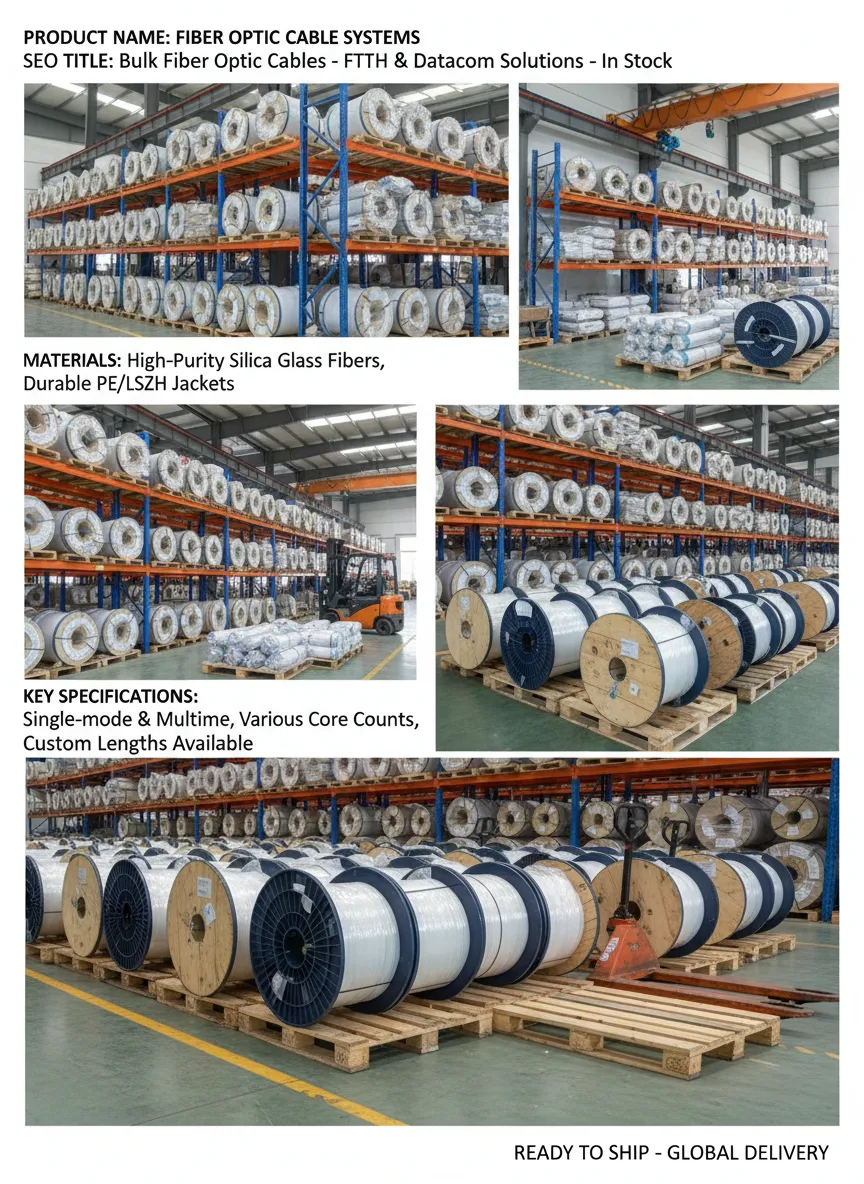
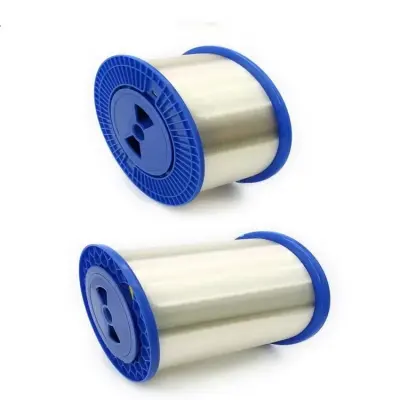
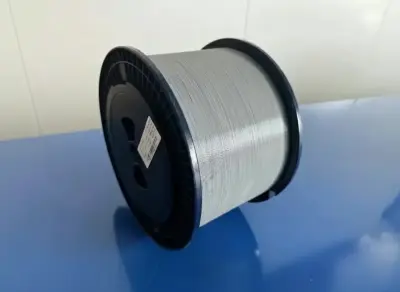
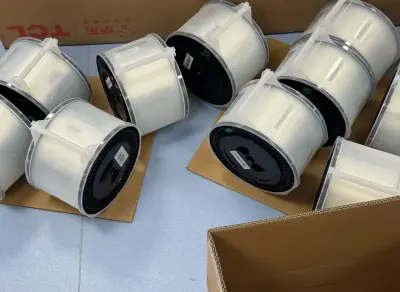
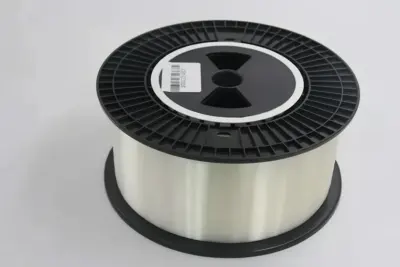
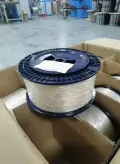
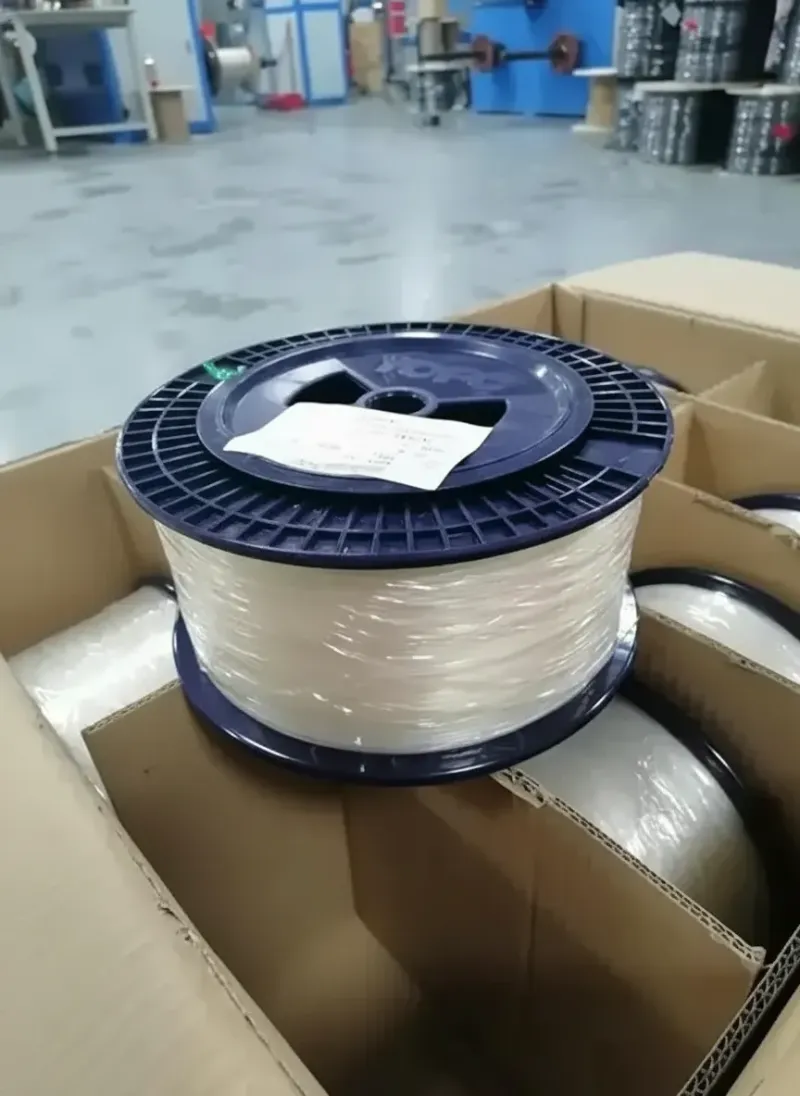
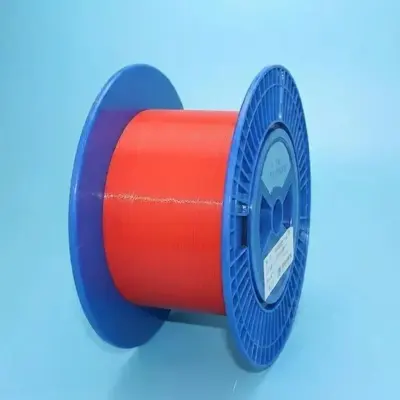
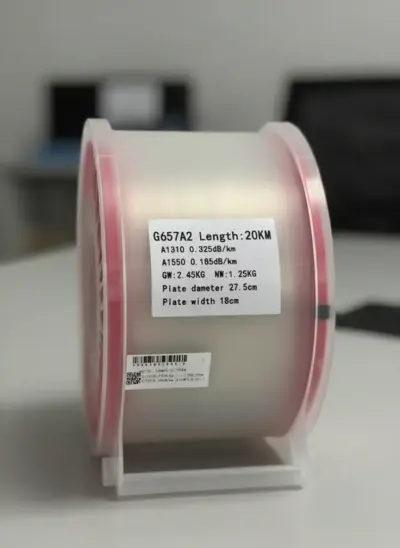
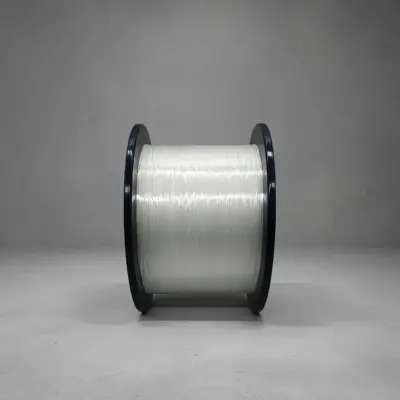
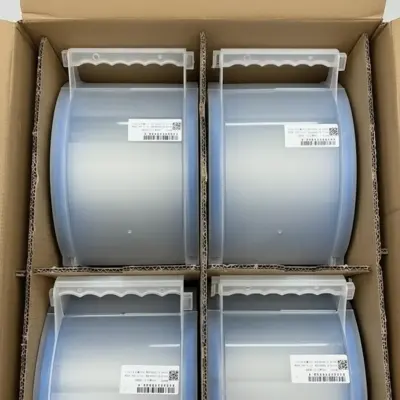
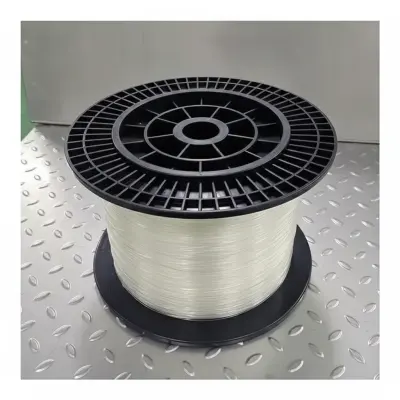
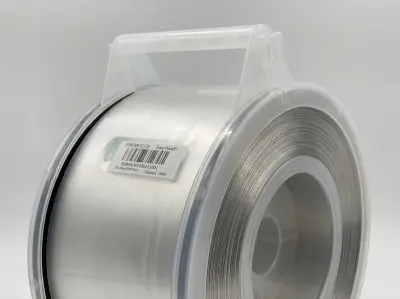
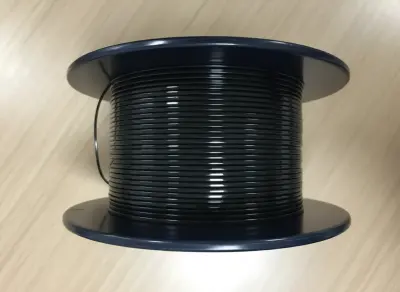
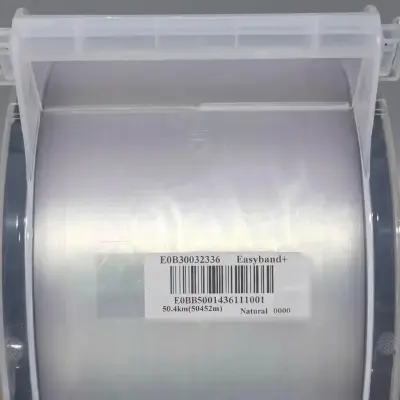
| Packaging | Spools: 100 m, 500 m, 1000 m, 2000 m; Custom lengths available; hermetically sealed packaging for gold/Al-coated fibers | Spools labeled with batch number, fiber type, coating, and test data sheet |
| MOQ | 100 m per fiber type; Custom orders from 1 m for prototype/R&D | Volume pricing available for orders ≥1000 m; lead time 2–6 weeks depending on specification |
Specialty Optical Fibers for High-Temp - Supplier
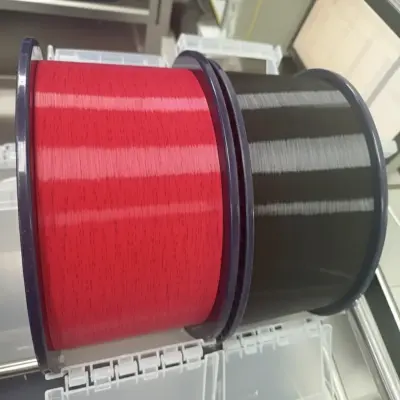
Specialty optical fibers for high-temperature applications serve critical roles in industries where conventional silica-based fibers fail under extreme thermal stress. Engineered to maintain stable signal transmission at sustained temperatures ranging from 300°C up to 1,000°C or beyond, these advanced fibers are indispensable in aerospace sensing systems, industrial furnace monitoring, oil and gas downhole instrumentation, and nuclear facility diagnostics. Unlike standard telecom-grade fibers, specialty high-temperature optical fibers incorporate refractory coatings — such as polyimide, gold, carbon, or aluminum — that preserve mechanical integrity and optical clarity under prolonged thermal cycling. The result is a fiber solution capable of delivering consistent attenuation performance (typically ≤1.0 dB/km at 1310 nm) even in oxidizing or chemically aggressive environments. As demand for real-time thermal sensing and distributed temperature measurement grows across critical infrastructure sectors, sourcing a reliable supplier of premium-grade specialty optical fibers for high-temp environments becomes a strategic priority for engineers and procurement teams worldwide.
What are Specialty Optical Fibers for High-Temperature Applications?
Specialty optical fibers for high-temperature applications are purpose-engineered waveguides designed to transmit light signals reliably under extreme heat conditions that would degrade or destroy standard fiber optics. They feature thermally stable core and cladding materials — commonly pure silica or fluorine-doped silica — combined with high-performance metallic or ceramic coatings. These fibers find extensive application in distributed temperature sensing (DTS), structural health monitoring, and high-power laser delivery systems operating in thermally demanding environments.
Specialty Optical Fibers for High-Temperature Applications Manufacturing Process
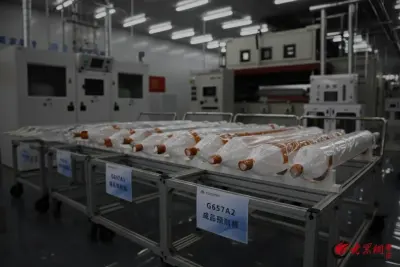
Production begins with Modified Chemical Vapor Deposition (MCVD) or Outside Vapor Deposition (OVD) to form a precisely doped silica preform with a controlled refractive index profile. The preform is then drawn into fiber at approximately 2,000°C in a precision draw tower, achieving core diameters of 50 µm, 62.5 µm, or custom dimensions. Immediately post-draw, the fiber receives its high-temperature coating — polyimide rated to 350°C, gold-coated versions rated to 700°C, or carbon-hermetic coatings — applied inline under tightly controlled tension to ensure concentricity within ±1 µm tolerance. Final spooling and proof-testing at 100 kpsi tensile load ensure zero-defect delivery.
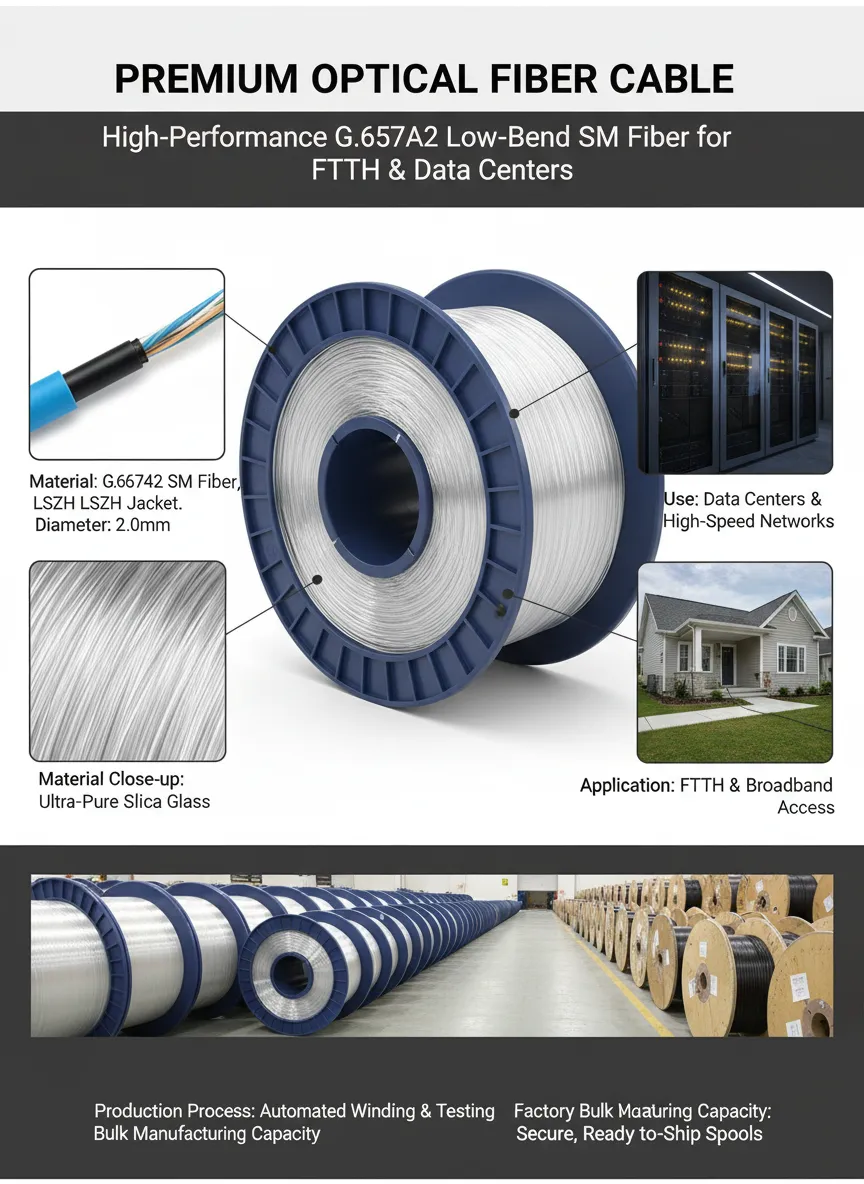
Specialty Optical Fibers for High-Temperature Applications Technical Specifications
Key parameters for our specialty optical fibers for high-temp service include: core/cladding diameter options of 50/125 µm, 62.5/125 µm, and 100/140 µm; numerical aperture (NA) of 0.12–0.22; attenuation ≤1.0 dB/km at 1310 nm and ≤0.5 dB/km at 1550 nm; operating temperature range of −65°C to +700°C (gold-coated) or up to 350°C (polyimide-coated); tensile proof test load of 100 kpsi (0.69 GPa); coating outer diameter 155 µm ± 5 µm; and compliance with IEC 60793-2 and MIL-PRF-49291 standards for demanding defense and industrial deployments.
Get a Competitive Quote for Specialty Optical Fibers for High-Temperature Applications
Partner with a trusted supplier offering mill-direct rates and rapid lead times on specialty optical fibers for high-temperature applications. Whether you require standard catalog specifications or fully customized fiber geometries, our engineering team is ready to deliver cost-effective solutions tailored to your exact thermal and optical requirements. Reach out today for a no-obligation consultation.
- 24/7 customer support available
- Free samples for quality evaluation
- Competitive pricing for bulk orders
- Professional technical consultation
Contact us today to get your free quote within 24 hours!