 English
 Español
 Français
 Deutsch
 Português (Brasil)
 Русский
 العربية

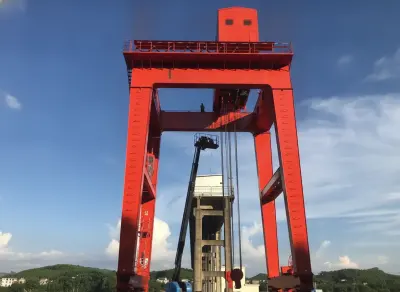
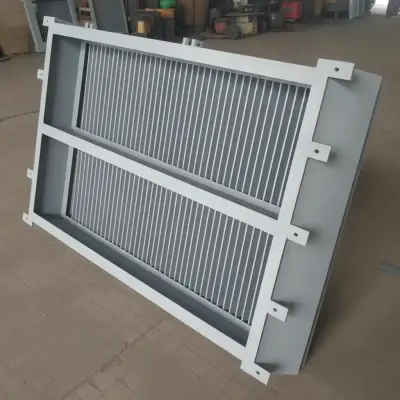
Fixed-Wheel Gate: Reliable Industrial Gate Valve for Efficient Flow Control

 China

Supplier's customization ability
- Drawing-based customization
- Sample-based customization
- Full customization
Minimum order quantity: 1 pieces
Shipping total: To be negotiated
- Lead time:
- confirmed with the quotation
- Packaging:
- standard export packing
- Samples:
- available on request
Product details
Fixed-Wheel Gate Technical Specifications
| Parameter | Specification |
|---|---|
| Product Name | Fixed-Wheel Gate |
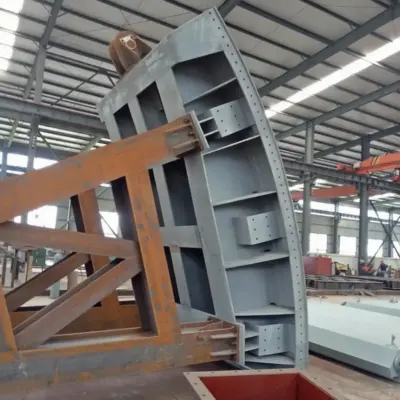
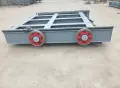
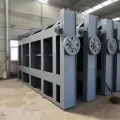
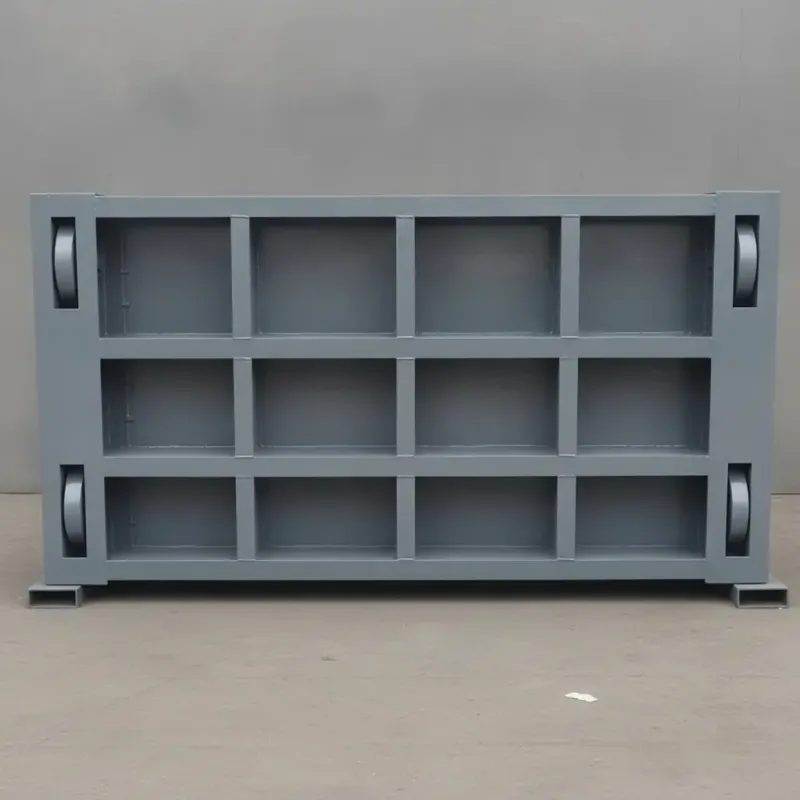
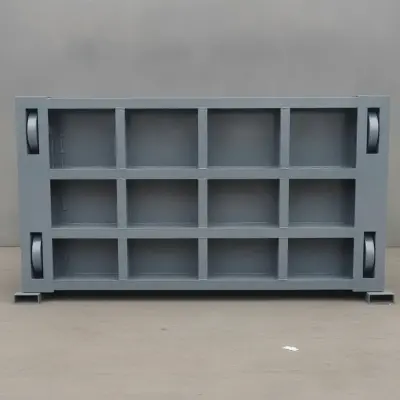
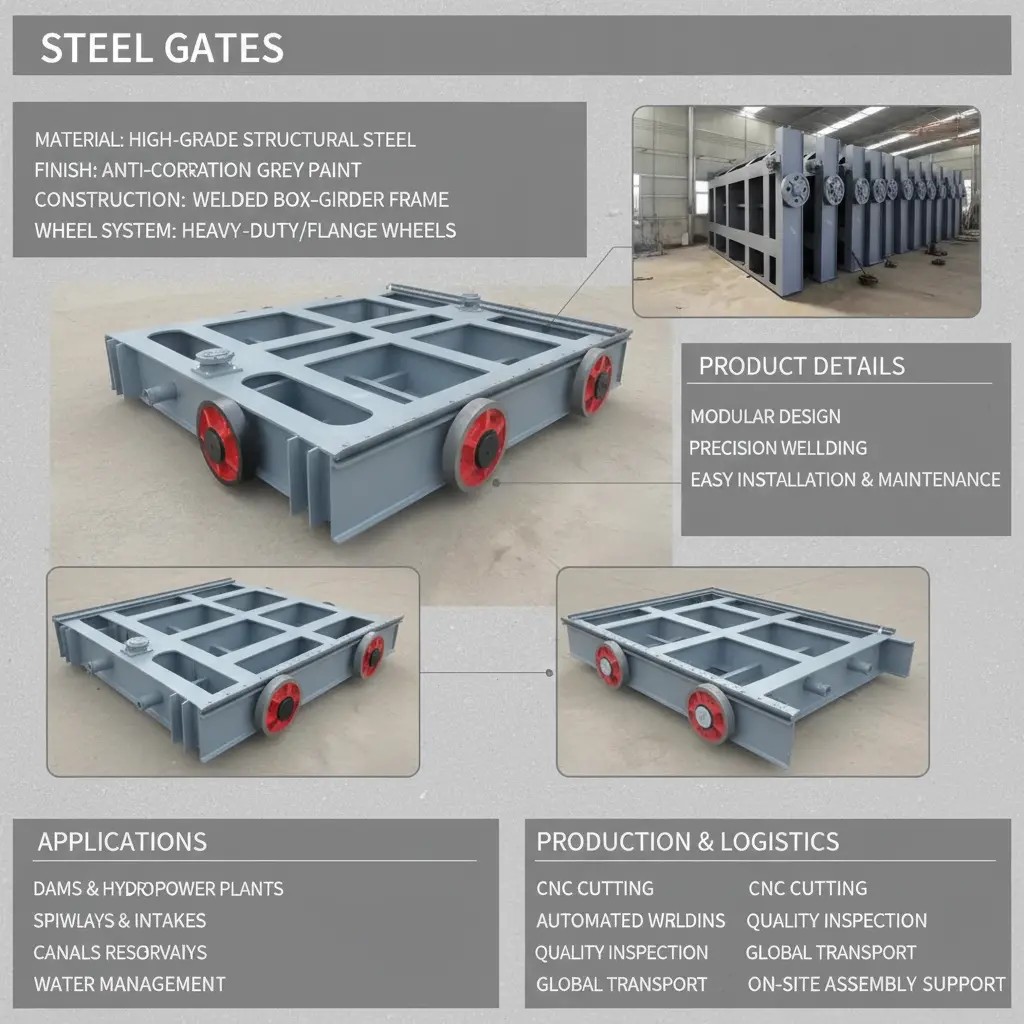
| Product Type | Steel hydraulic sluice gate with fixed wheel assemblies |
| Primary Application | Water conservancy, irrigation, drainage, flood control, reservoirs, canals, hydropower stations, and industrial water systems |
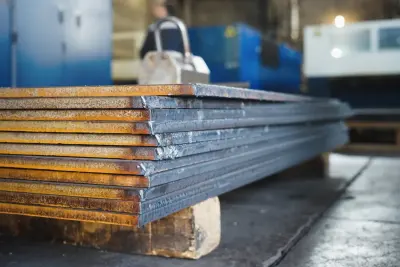
| Gate Material | Carbon steel, stainless steel, or other specified structural steel grades |
| Wheel Assembly | Fixed guide wheels designed to support gate movement and maintain alignment within the embedded guides |
| Sealing System | Replaceable rubber seals, typically side and bottom seals, with optional top seal arrangements |
| Hoisting Method | Manual hoist, electric hoist, hydraulic hoist, or wire-rope hoisting system according to operating requirements |
| Gate Configuration | Single-panel or multi-panel construction; flat-panel, box-type, or reinforced plate design |
| Flow Control | Isolation, water-level regulation, discharge control, and emergency shutoff |
| Design Head | Custom engineered according to upstream and downstream water levels, hydrostatic pressure, and operating conditions |
| Nominal Width | Available in custom dimensions to match the channel, intake, spillway, or penstock opening |
| Nominal Height | Available in custom dimensions based on opening size and required water head |
| Surface Treatment | Shot blasting followed by epoxy coating, polyurethane coating, hot-dip galvanizing, or other specified corrosion-protection systems |
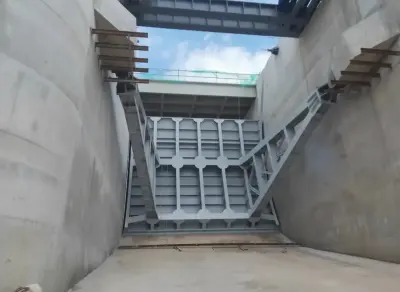
| Installation | Embedded steel guides and anchor components installed in concrete structures; final configuration subject to project drawings |
| Operating Temperature | Project-specific; selected according to ambient temperature, water conditions, seal material, and coating system |
| Inspection and Testing | Dimensional inspection, weld inspection, coating inspection, seal inspection, wheel alignment check, and operational testing |
| Customization | Width, height, design head, wheel arrangement, seal profile, hoist type, materials, coating, and connection details can be customized |
Fixed-Wheel Gate: Reliable Industrial Gate Valve for Efficient Flow Control
A Fixed-Wheel Gate is an industrial gate valve assembly designed for buyers who need dependable isolation in waterworks, process piping, utilities, and other demanding flow-control systems. Its fixed operating wheel gives the valve a clear, familiar manual control point while the gate moves through the valve body to open or close the passage. International distributors, EPC contractors, municipal authorities, and maintenance teams typically evaluate this product by pressure class, nominal size, end connection, material compatibility, sealing arrangement, inspection documentation, and delivery requirements. This guide explains the practical specification and purchasing questions that should be confirmed before requesting a quotation for a Fixed-Wheel Gate.
Product Overview: Fixed-Wheel Gate
A Fixed-Wheel Gate is generally understood as a manually operated gate valve with a stationary handwheel arrangement. The wheel remains in a fixed position during operation, while the stem transfers the operator's rotation to the gate. This arrangement can be useful where a consistent operating point is preferred and where the installation requires a recognizable manual control interface.
The valve's primary function is isolation rather than continuous throttling. In a fully open position, the gate is intended to leave the main flow path substantially unobstructed. In a fully closed position, the gate and seats provide a barrier that separates upstream and downstream sections. Operators should avoid using a standard gate valve as a routine flow-regulating device unless the manufacturer has specifically approved that service, because partially open operation can increase turbulence, vibration, seat wear, and erosion.
Construction details vary by design and service. A typical procurement specification may address the body, bonnet, gate, stem, seats, handwheel, packing, bolting, coatings, and end connections. Carbon steel, stainless steel, ductile iron, cast iron, and alloy materials may be available in different product families, but the correct material depends on pressure, temperature, fluid chemistry, corrosion exposure, and applicable code requirements. Material selection should therefore be stated as a project requirement rather than assumed from the product name.
Buyers comparing a Fixed-Wheel Gate with other isolation products should also review [[INTERNAL_LINK]] for related gate valve configurations and [[INTERNAL_LINK]] for manual valve operating options. The key comparison is not simply the handwheel style. It includes whether the valve is rising-stem or non-rising-stem, wedge or parallel-gate, bolted or pressure-seal bonnet, resilient-seated or metal-seated, and intended for above-ground or buried installation.
Specifications & Standards for Fixed-Wheel Gate
A Fixed-Wheel Gate should be quoted against a complete technical data sheet. The product name alone does not define the pressure rating, face-to-face dimension, body material, trim, seat design, testing level, or end-to-end connection. Ask the supplier to identify every item that affects interchangeability and service suitability.
| Specification item | What the buyer should confirm | Why it matters |
|---|---|---|
| Nominal size | Project pipe size and the supplier's available size range | Determines connection compatibility, handling requirements, and flow-path dimensions |
| Pressure class or rating | Required design pressure, temperature basis, and rating designation | Confirms that the valve is suitable for the system's operating envelope |
| Body and bonnet | Material grade, casting or fabrication method, corrosion protection, and bonnet construction | Influences strength, corrosion resistance, maintenance, and service life |
| Gate and stem | Gate configuration, stem material, stem finish, and operating direction | Affects sealing behavior, torque, and resistance to wear |
| Seats and packing | Seat material, resilient or metal seating, packing type, and fluid compatibility | Controls shutoff performance and leakage risk |
| End connections | Flanged, threaded, welded, grooved, or other connection; drilling and dimensions | Prevents installation conflicts with existing piping |
| Operation | Fixed handwheel arrangement, stem visibility, opening direction, and required accessories | Ensures that the valve can be operated safely in its installed location |
| Inspection documents | Material certificates, pressure-test records, dimensional reports, and final inspection records | Supports traceability, acceptance, and project documentation |
Applicable standards depend on valve type, market, connection, and project specification. For industrial steel valves, ASME B16.34 addresses pressure-temperature ratings, dimensions, materials, nondestructive examination, and testing-related requirements within its scope. API 6D is commonly referenced for pipeline valves where the project requires that standard. API 598 provides a widely used inspection and testing reference for valves, while ISO 5208 addresses pressure testing of metallic valves and leakage-rate designations. EN 1984 is a relevant European standard for cast iron and steel gate valves. For projects using Chinese standards, GB/T 12221 addresses metal valve structure lengths, and the applicable GB/T product and testing requirements should be confirmed from the purchase specification.
These references should not be treated as interchangeable certificates. A buyer should state which standard governs design, which governs testing, which governs face-to-face dimensions, and which documents are required at shipment. A supplier should confirm the exact edition and scope before production. For standards guidance and valve terminology, buyers may also review [[INTERNAL_LINK]] and request a compliance matrix showing the relationship between the offered design and the project standard.
Chemical composition and mechanical properties must be tied to the selected material grade. Because no grade, size, pressure class, or manufacturer data has been provided for this Fixed-Wheel Gate, numerical chemistry and strength values should not be assumed. The supplier should provide the relevant material certificate and identify the governing material standard. A suitable document package may include heat or cast number traceability, chemical composition, tensile or yield results where required, hardness results where required, and confirmation of any coating or lining specification.
For flanged valves, confirm flange standard, nominal pressure designation, facing, bolt-hole arrangement, gasket compatibility, and face-to-face dimension. For buried or outdoor service, confirm coating system, operating access, stem extension, drainage, and protection against soil or atmospheric exposure. Installation and maintenance requirements should be checked against [[INTERNAL_LINK]] before the purchase order is released.
Applications of Fixed-Wheel Gate
The Fixed-Wheel Gate is suited to applications where the system needs a positive isolation point and the valve is normally operated fully open or fully closed. The following examples are common service categories, but the final selection must be based on the actual medium and design conditions.
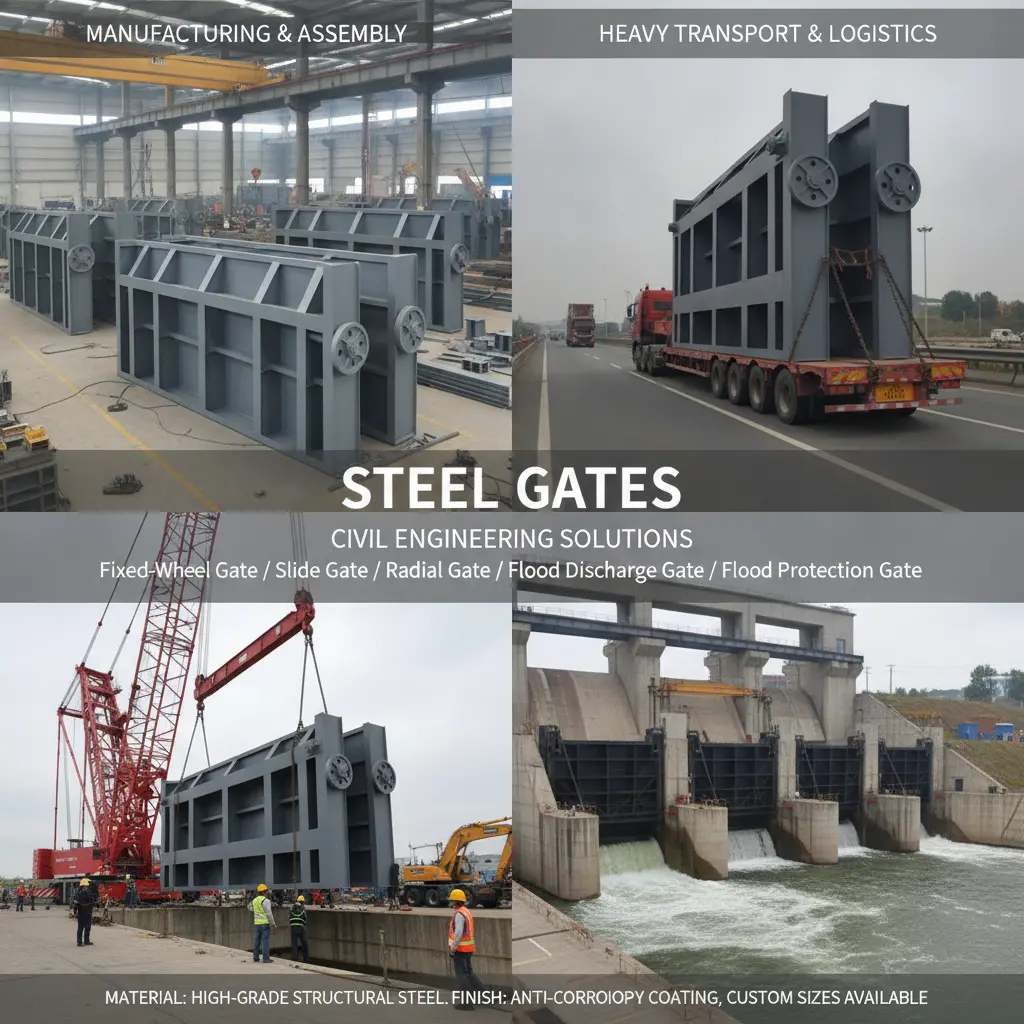
- Water transmission and distribution: Isolation points in municipal pipelines, treatment facilities, reservoirs, and pumping stations may use manual gate valves to divide a network for maintenance or emergency response.
- Industrial utility systems: Cooling water, fire-water, raw-water, and general service lines may require a manually accessible isolation valve at equipment boundaries and sectionalizing points.
- Process plant piping: Refineries, chemical plants, power facilities, and manufacturing sites may specify gate valves for line isolation when the selected body, trim, seat, and pressure rating match the fluid and operating conditions.
- Pipeline and terminal installations: Transfer lines and storage facilities may use gate valves where the project standard, connection type, actuation method, and testing requirements are clearly defined.
- Maintenance and bypass arrangements: A Fixed-Wheel Gate can be considered for branch isolation, equipment removal, or controlled access to sections of a piping system, provided sufficient clearance is available for operation and servicing.
Valve placement affects usability. A handwheel should remain accessible, and the operator should be able to see or determine the valve position through the specified stem or indicator arrangement. Where the valve is installed below grade, in a pit, or behind equipment, the buyer should state whether a stem extension, operating key, gearbox, or position indication is required. For related waterworks equipment, see [[INTERNAL_LINK]].
How to Choose / Buying Guide for Fixed-Wheel Gate
Purchasing managers should begin with the service conditions, not with a generic catalog description. Prepare a valve schedule containing the medium, normal and design pressure, operating and design temperature, required flow direction, installation orientation, ambient conditions, pipe size, end connection, and expected operating frequency. Fluid hazards, toxicity, flammability, solids content, and corrosion potential may change the acceptable materials and sealing design.
Next, define the technical configuration. Confirm whether the project needs a resilient-seated or metal-seated valve, rising or non-rising stem, wedge or parallel gate, outside-screw-and-yoke arrangement, and a particular bonnet or packing design. State whether the Fixed-Wheel Gate is for above-ground service, buried service, indoor equipment, offshore exposure, or a corrosive atmosphere. If the valve will be operated infrequently, manual operation may be appropriate; if rapid, remote, or frequent operation is required, ask whether an actuator or gearbox is needed.
Certification should be explicit. Request the manufacturer's declaration of conformity or compliance where applicable, pressure-test records, material certificates, dimensional drawings, operation and maintenance instructions, and coating records when coating is specified. If the project requires third-party inspection, witness points, radiography, dye penetrant examination, ultrasonic examination, or special marking, include those requirements in the request for quotation. Do not rely on a general statement that a valve is “standard” without identifying the governing standard and inspection scope.
MOQ and commercial terms depend on the supplier, configuration, size, customization, and destination. The reference information for this product does not establish a minimum order quantity, so the buyer should request the supplier's current MOQ for the exact specification. Ask whether mixed sizes or materials can be combined in one order, whether sample or prototype quantities are available, and whether documentation fees or inspection charges apply.
Lead time should be quoted from a defined milestone, such as approved drawing, purchase-order confirmation, or receipt of advance payment. Ask the supplier to separate manufacturing time from testing, inspection, packing, and transport. Also confirm whether critical castings, forgings, trim, or coatings are stocked or made to order. Delivery estimates are meaningful only after the size, rating, material, standard, quantity, and document requirements are fixed.
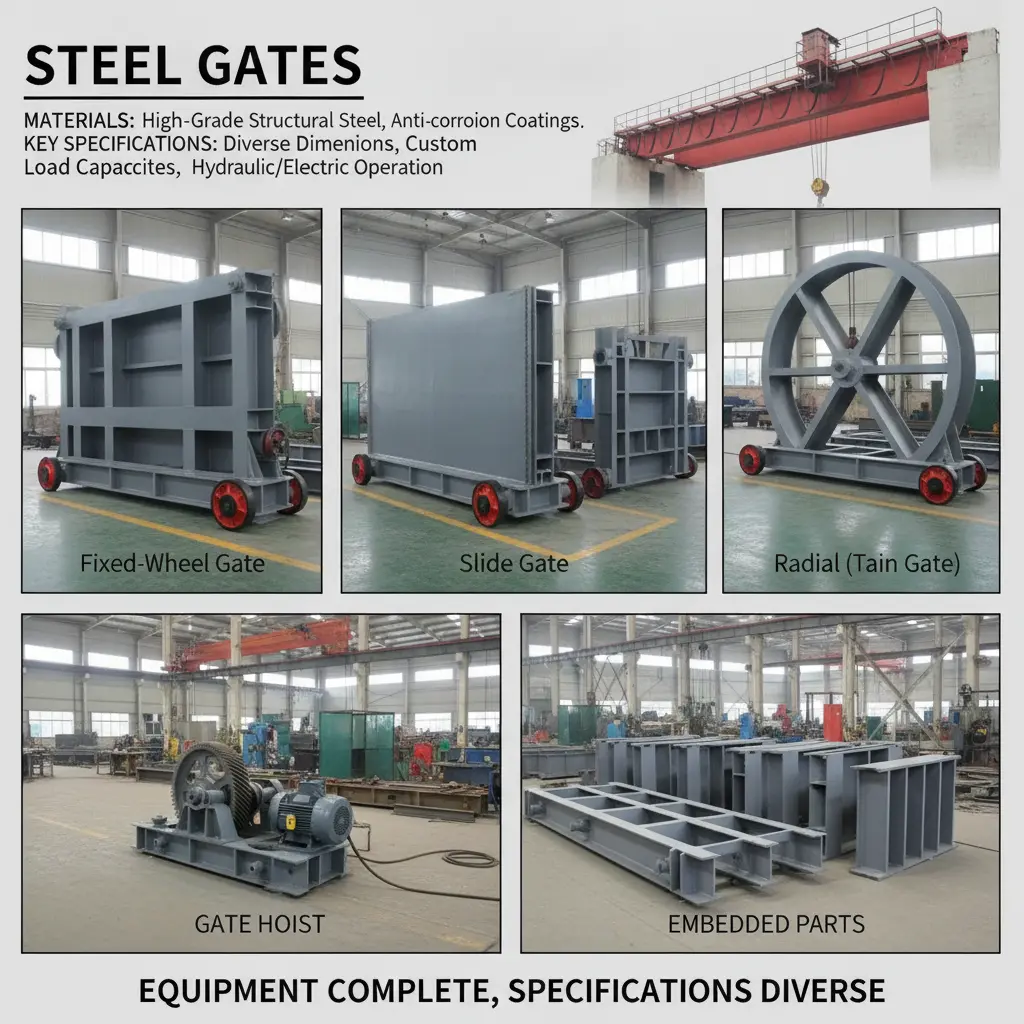
Logistics planning should cover package dimensions, gross weight, lifting points, corrosion protection during transport, marking, spare parts, and export documents. Confirm the delivery term under Incoterms, named place or port, insurance responsibility, and whether the quote includes local charges. A buyer comparing offers should compare the complete delivered scope rather than unit price alone. For quotation preparation, use [[INTERNAL_LINK]] and provide a line-by-line valve schedule.
Frequently Asked Questions About Fixed-Wheel Gate
Q: What is a Fixed-Wheel Gate?
A: A Fixed-Wheel Gate is generally a manually operated gate valve with a handwheel that stays in a fixed operating position while the stem moves the gate. The exact construction should be confirmed on the supplier's drawing because terminology can differ between manufacturers and markets.
Q: How is a Fixed-Wheel Gate different from other gate valve designs?
A: The distinguishing feature is the operating-wheel and stem arrangement. Other important differences may include rising or non-rising stem, wedge or parallel gate, resilient or metal seat, body material, bonnet design, pressure class, and end connection. Buyers should compare the complete data sheet rather than the name alone.
Q: Can this valve be used for throttling?
A: Gate valves are normally selected for isolation, with the gate fully open or fully closed. Continuous throttling can create turbulence and wear unless the manufacturer has approved the specific design for that duty. A control valve or another regulating device may be more appropriate for sustained flow adjustment.
Q: Which certifications should an overseas buyer request?
A: Request the standards and documents required by the project, which may include a declaration of conformity, material certificates, pressure-test records, dimensional inspection, coating records, and third-party inspection reports. The relevant standard may be ASME B16.34, API 6D, API 598, ISO 5208, EN 1984, GB/T 12221, or another specified document, depending on the valve and market.
Q: What is the minimum order quantity for a Fixed-Wheel Gate?
A: No universal MOQ applies. It depends on the supplier, valve size, material, pressure rating, customization, and stock status. Since no product-specific MOQ is provided here, ask for the current MOQ for the exact configuration and whether mixed specifications can be included in one shipment.
Q: What payment methods are available?
A: Payment terms are commercial conditions agreed between buyer and supplier. Common structures in international trade may include a deposit with the balance before shipment, documentary credit, or other agreed arrangements, but availability, percentages, banking costs, and credit requirements vary. The pro forma invoice should state the payment method, currency, timing, inspection condition, and responsible party for charges.
Q: What is the typical delivery time?
A: Delivery time cannot be established without the required size, rating, material, quantity, documentation, and destination. Stock items and made-to-order valves may have different schedules. Request a written production and dispatch estimate based on an agreed milestone and ask the supplier to identify the time required for testing, inspection, packing, and transport.
Q: What information should accompany a request for quotation?
A: Include nominal size, pressure or class rating, medium, temperature, design pressure, body and trim material, seat type, end connection, face-to-face requirement, operating arrangement, applicable standards, quantity, destination, Incoterms, inspection requirements, certificates, and required delivery date. A drawing or valve schedule reduces the risk of receiving non-comparable offers.
For a Fixed-Wheel Gate quotation matched to your operating conditions, send the valve schedule, applicable standard, required documents, quantity, destination, and target delivery date. Request a technical drawing, compliance matrix, inspection plan, and commercial quotation so your engineering and purchasing teams can evaluate the offer on a like-for-like basis.
Ratings & Reviews

Know your supplier
Supplier's customization ability
- Drawing-based customization
- Sample-based customization
- Full customization
Minimum order quantity: 1 pieces
Shipping total: To be negotiated
- Lead time:
- confirmed with the quotation
- Packaging:
- standard export packing
- Samples:
- available on request