 English
 Español
 Français
 Deutsch
 Português (Brasil)
 Русский
 العربية

Electric Hoist: High-Performance Lifting Solutions for Industrial Applications

 China


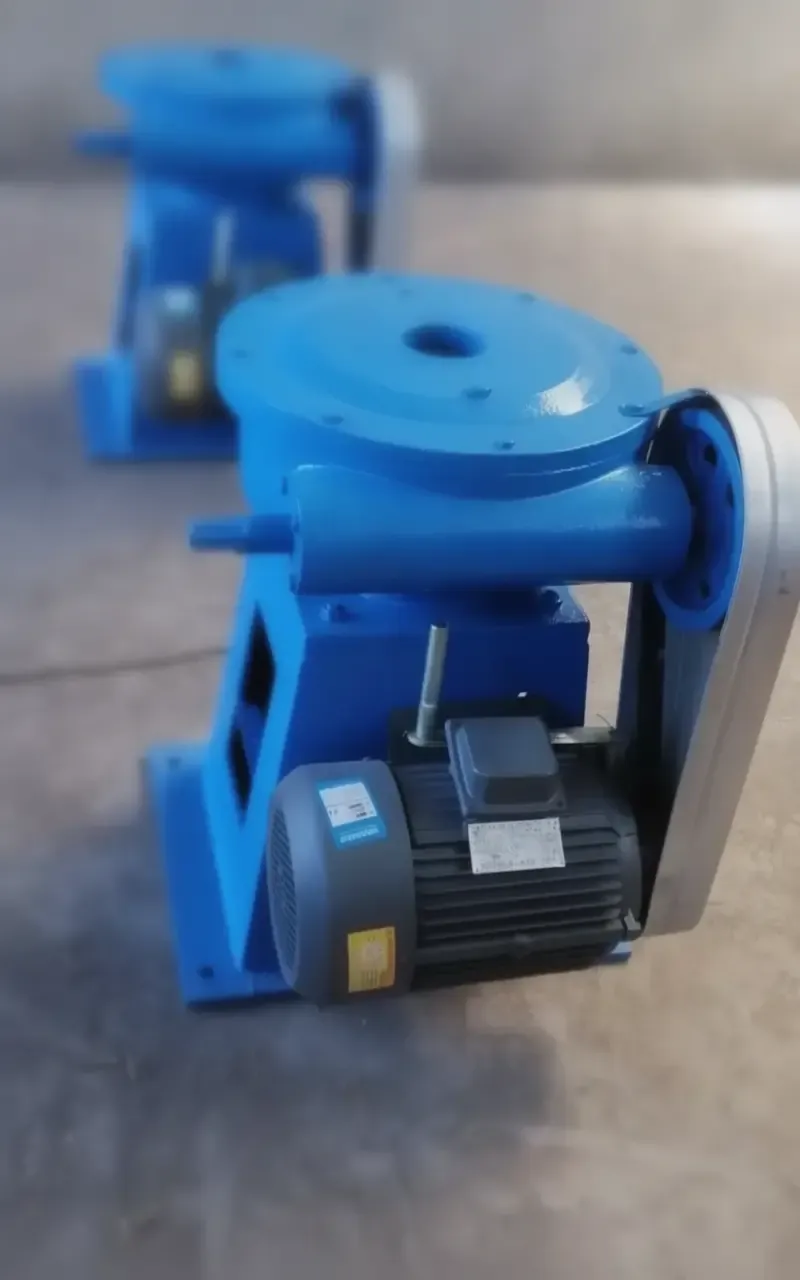
Supplier's customization ability
- Drawing-based customization
- Sample-based customization
- Full customization
Minimum order quantity: 1 pieces
Shipping total: To be negotiated
- Lead time:
- confirmed with the quotation
- Packaging:
- standard export packing
- Samples:
- available on request
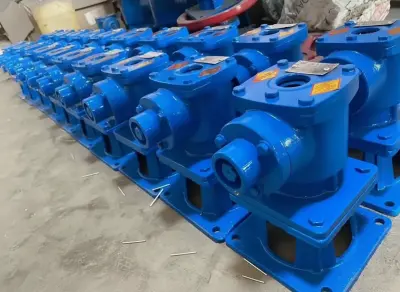
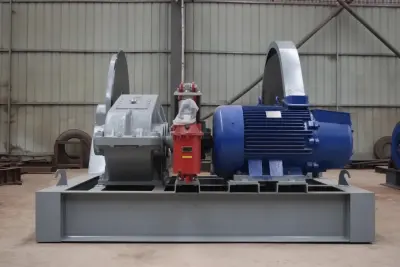
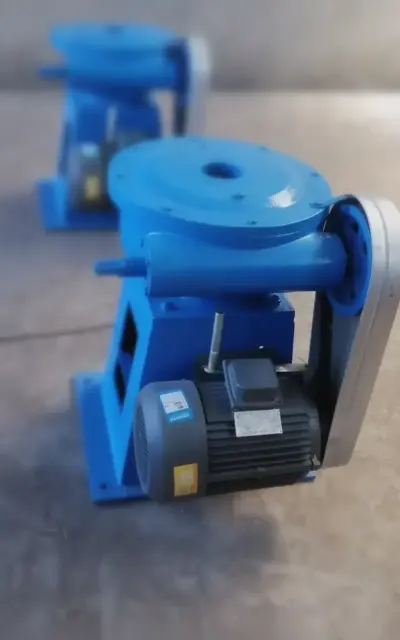
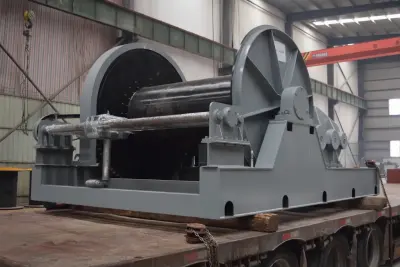
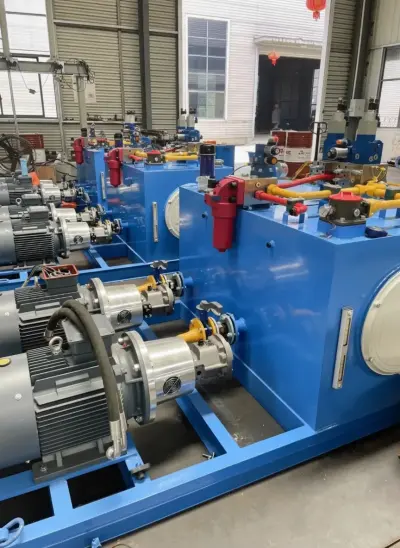
Product details
Electric Hoist Technical Specifications
| Attribute | Specification |
|---|---|
| Product Name | Electric Hoist |
| Hoist Type | Electric wire rope hoist or electric chain hoist |
| Rated Lifting Capacity | Available from 0.5 t to 50 t, customized capacity available |
| Lifting Height | Standard lifting height 6 m, 9 m, 12 m, or customized |
| Lifting Speed | Single-speed or dual-speed configuration; typically 0.8–8 m/min |
| Travel Speed | Optional electric trolley travel speed, typically 10–20 m/min |
| Working Duty | FEM 2m–4m or ISO M5–M8, depending on configuration |
| Motor Type | Squirrel-cage induction motor with thermal overload protection |
| Motor Insulation Class | Class F |
| Motor Protection Grade | IP54 or IP55; higher protection grades available for demanding environments |
| Power Supply | 380 V, 400 V, 415 V, 440 V, or customized; 3-phase, 50/60 Hz |
| Control Voltage | 24 V, 36 V, 48 V, or 110 V low-voltage control |
| Control Method | Pendant push-button control, wireless remote control, or cabin control |
| Brake System | Fail-safe electromagnetic or electro-hydraulic braking system |
| Load Chain or Wire Rope | High-strength alloy load chain or galvanized wire rope, selected according to rated capacity |
| Hook Type | Forged alloy steel safety hook with hook latch |
| Limit Protection | Upper and lower lifting limit switches with emergency stop protection |
| Overload Protection | Mechanical or electronic overload limiter |
| Ambient Temperature | -20°C to +40°C; special configurations available for extreme temperatures |
| Working Environment | Indoor or outdoor lifting applications; weatherproof and explosion-proof options available |
| Installation Type | Fixed suspension, electric trolley, monorail trolley, or bridge crane installation |
| Safety Standards | Designed according to applicable EN, FEM, ISO, GB/T, or ASME requirements |
| Applications | Factories, warehouses, workshops, construction sites, logistics centers, shipyards, and maintenance facilities |
| Customization Options | Customized lifting capacity, lifting height, power supply, control system, trolley type, duty class, and environmental protection |
Electric Hoist: High-Performance Lifting Solutions for Industrial Applications
Electric hoists provide powered vertical lifting for factories, warehouses, workshops, construction sites, maintenance teams, and material-handling contractors. Designed for overseas buyers who need repeatable load movement, an electric hoist can reduce manual handling, improve lifting control, and integrate with overhead cranes, monorail systems, gantries, or dedicated lifting stations. The suitable configuration depends on rated capacity, lifting height, duty cycle, lifting speed, power supply, control method, installation environment, and applicable safety requirements. For procurement teams, the main value is a clearly specified lifting unit supported by traceable inspection documents, practical service information, and delivery terms that match the installation schedule.
Product Overview: Electric Hoist Design, Materials, and Features
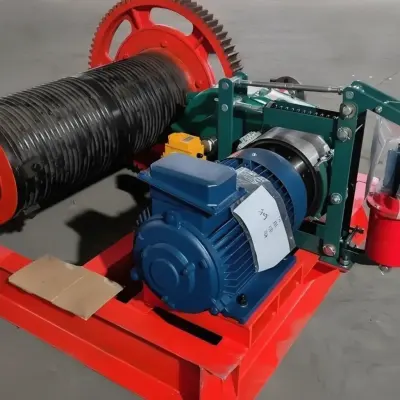
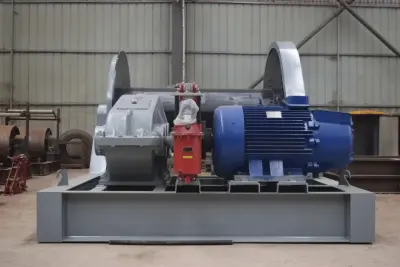
An electric hoist is a powered lifting device that raises and lowers a suspended load through an electric motor, transmission mechanism, lifting medium, braking system, and control assembly. Depending on the configuration, the lifting medium may be a wire rope or a load chain. The unit may be supplied as a fixed hoist, trolley-mounted hoist, monorail hoist, or a component for an overhead crane system. Buyers should confirm the exact arrangement before quotation because the hoist body, trolley, hook position, headroom, and supporting structure all affect installation compatibility.
The main structural components are commonly manufactured from engineered steel or other specified industrial materials selected for load-bearing, wear, and environmental requirements. However, the exact material grade, surface treatment, rope or chain specification, and component origin must be confirmed in the supplier’s technical offer. A product page should not be treated as a substitute for a project-specific datasheet, particularly where lifting equipment will be installed in a regulated workplace.
Typical electric hoist features include an electric lifting motor, mechanical reduction gearbox, electromagnetic or fail-safe braking arrangement, upper and lower travel limitation, load hook, pendant control or remote control, and optional trolley travel. Depending on the model and application, buyers may also request variable-speed control, overload protection, dual lifting speeds, rain protection, corrosion-resistant finishing, low-headroom construction, or adaptations for hazardous or high-temperature areas. These options should be specified before production because they can influence motor selection, enclosure design, inspection procedures, and lead time.
For projects requiring an overhead travel system, an electric hoist can be matched with a single girder overhead crane, double girder crane, gantry crane, jib crane, or monorail track. For a replacement purchase, provide the existing hoist model, mounting dimensions, hook travel, trolley flange width, electrical data, and photographs of the connection points. This information helps prevent a technically suitable hoist from being incompatible with the existing runway or support structure.
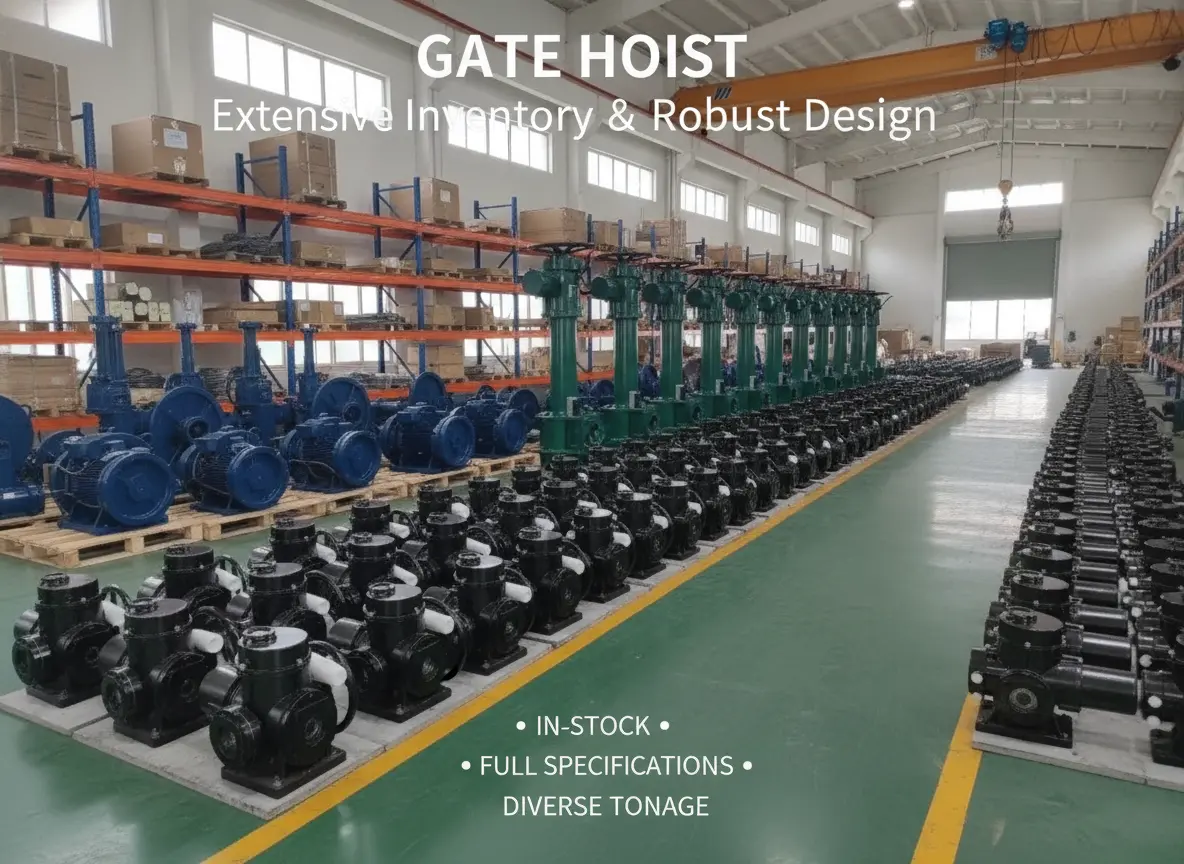
Specifications & Standards for Electric Hoist Procurement
Electric hoist specifications should be confirmed through a formal technical datasheet and, where required, approved drawings. The following parameters are normally reviewed during inquiry and engineering evaluation:
| Parameter | What the buyer should specify | Why it matters |
|---|---|---|
| Rated lifting capacity | Required working load in the selected unit of measure | Determines motor, brake, gearbox, hook, chain or rope, and supporting structure requirements |
| Lifting height | Required hook travel and available headroom | Influences rope length, chain bag or chain container, drum arrangement, and installation clearance |
| Lifting speed | Single-speed, dual-speed, or variable-speed requirement | Balances productivity, positioning accuracy, motor selection, and control complexity |
| Travel arrangement | Fixed, manual trolley, geared trolley, or electric trolley | Determines whether the unit can move along a beam, monorail, crane girder, or runway |
| Power supply | Voltage, frequency, phase, and permissible variation | Ensures compatibility with the installation site and control equipment |
| Control method | Pendant, push-button station, radio remote, or integrated control system | Affects operator visibility, cable routing, safety procedures, and operating range |
| Duty and operating environment | Working frequency, ambient temperature, dust, moisture, outdoor exposure, and special hazards | Supports appropriate motor rating, enclosure protection, cooling, and maintenance planning |
For European projects, EN 14492-2, Cranes — Power driven winches and hoists — Part 2: Power driven hoists, is a relevant reference for powered hoist design and safety considerations. EN 60204-32 addresses electrical equipment of lifting machines and is relevant to electrical design and control interfaces. For projects using Chinese national requirements, GB/T 3811, Design Rules for Cranes, is commonly reviewed alongside product-specific requirements and local regulatory obligations. Buyers may also need to compare the offer with ASME B30.16, which covers overhead underhung and stationary hoists, depending on the destination market, employer requirements, and inspection regime.
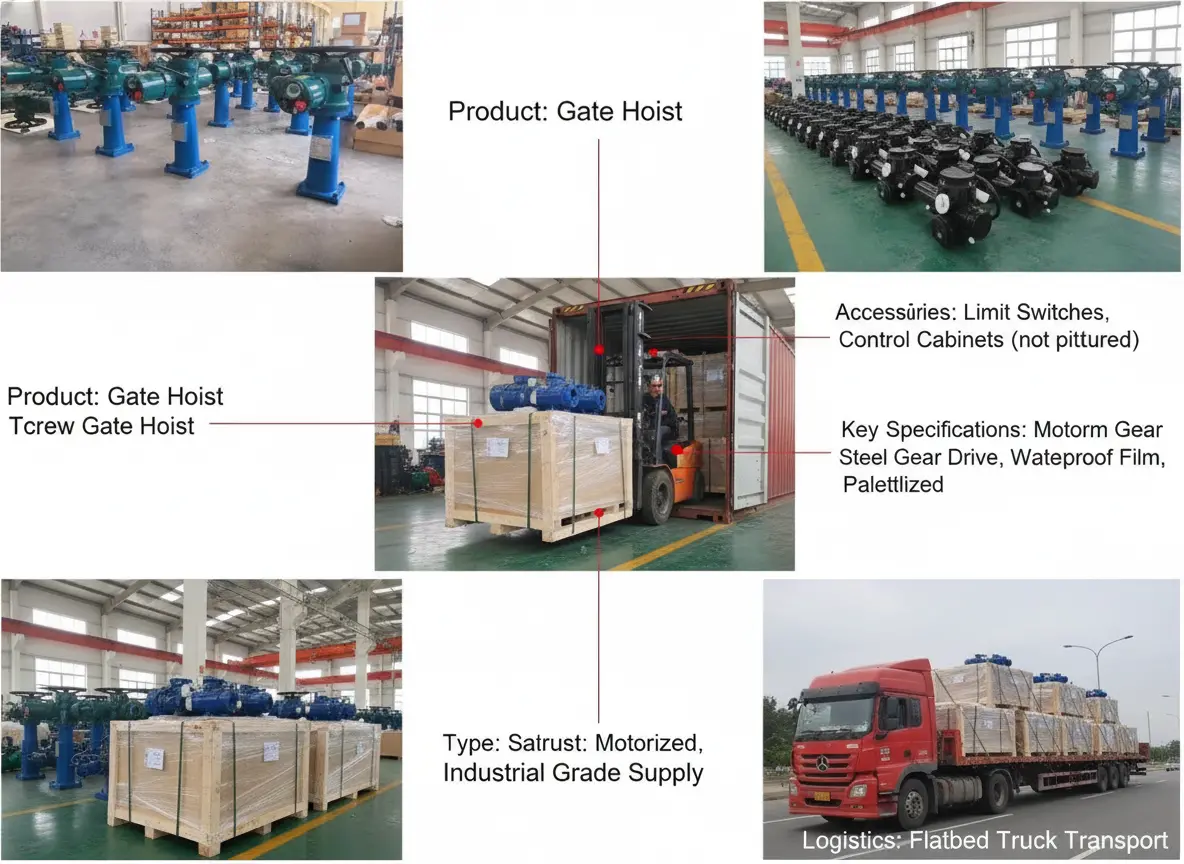
These references do not automatically mean that every configuration is certified to every standard. The supplier should identify which standard has been used for design, manufacturing, testing, and documentation. Request the applicable declaration, inspection record, test certificate, operating manual, spare-parts list, and nameplate information before shipment. Where a project specifies ASTM, JIS, or another material standard for structural or machined components, the required grade and test documentation must be stated in the purchase specification. No material grade should be assumed solely from the product name.
Where chemical composition or mechanical performance is contractually required, ask for a material certificate showing the actual grade and test results rather than accepting a general statement. For the lifting chain, wire rope, hook, brake, and load-bearing components, the relevant component standard and inspection method should be listed in the technical offer. A useful lifting equipment inspection guide can help procurement and maintenance teams align documentation with site requirements.
Applications of Electric Hoist Equipment
Manufacturing and Fabrication Workshops
Electric hoists are used to position dies, molds, motors, gearboxes, steel sections, fabricated assemblies, and maintenance parts. A trolley-mounted arrangement can move loads horizontally along a beam, while a fixed unit can serve a single work position. Buyers should evaluate available headroom and the required hook approach distance so that the hoist can reach the working area without obstructing production equipment.
Warehousing and Distribution Facilities
Warehouses may use lifting equipment for machine installation, palletized components, maintenance operations, and handling items that cannot be safely moved by forklift. The correct system depends on the building structure, lifting frequency, aisle arrangement, and operator location. An electric hoist is often paired with a light crane system or workstation crane; the building structure must be assessed before any suspended load equipment is installed.
Steel, Metalworking, and Engineering Plants
Metalworking environments require careful consideration of dust, heat, sharp edges, impact risk, and heavy repetitive loads. Electric hoists can support coil handling, fabricated steel movement, equipment servicing, and transfer between process stations. The selection should address duty cycle, brake performance, thermal protection, hook access, and the protection of electrical components from the surrounding environment.
Construction and Building Services
Construction contractors and mechanical installation teams use electric hoists to raise pumps, ventilation equipment, pipe sections, generators, and other components where a fixed lifting point or temporary lifting arrangement is available. Site conditions can change quickly, so the equipment must be selected for the actual support structure, weather exposure, power availability, and controlled lifting procedure. Temporary use does not remove the need for inspection and competent operation.
Maintenance, Utilities, and Process Facilities
Power plants, water-treatment facilities, process plants, and utility workshops may use hoists for periodic removal and installation of valves, pumps, motors, covers, and service equipment. In these applications, access, corrosion exposure, maintenance intervals, and the availability of spare parts can be as important as lifting capacity. A compatible jib crane system or workstation lifting solution may be more appropriate when the load only needs to move within a limited service area.
How to Choose / Buying Guide for an Electric Hoist
Procurement managers should begin with the load profile rather than the motor rating. Identify the heaviest intended load, the usual working load, the load shape, lifting points, center of gravity, and whether the load may swing. The rated capacity must be suitable for the planned working load and must not be treated as permission to lift beyond the supporting structure’s capacity. If shock loading, tandem lifting, or below-hook attachments are involved, obtain an engineering review before ordering.
Confirm the mechanical configuration
Decide whether the electric hoist will be fixed or travel along a beam. For trolley-mounted units, confirm beam flange width, beam profile, runway alignment, wheel loading, end clearances, and available headroom. For a replacement, compare the old and new mounting dimensions, hook travel, reeving or chain arrangement, and electrical connection. A dimensional drawing should be part of the approval package.
Match the duty cycle and environment
Capacity alone does not define performance. Tell the supplier how often the hoist will operate, the average lifting duration, expected starts per hour, and whether the load is handled continuously or occasionally. Describe indoor or outdoor installation, moisture, dust, corrosive atmosphere, high temperature, low temperature, and any potentially explosive area. A standard workshop configuration may not be suitable for a chemical plant, foundry, marine location, or hazardous zone without specific engineering changes.
Review standards and certification documents
Ask the supplier to state the design and manufacturing standards used, such as EN 14492-2, EN 60204-32, GB/T 3811, ASME B30.16, or another project-specified reference. Request certificates that correspond to the actual serial number or batch where applicable. Confirm whether load testing, functional testing, electrical testing, brake testing, and dimensional inspection are included. Destination-country rules may require additional third-party inspection, local registration, or certification by an approved body.
Set realistic commercial and delivery requirements
Minimum order quantity is supplier- and configuration-dependent. Standard stock units may be available under different conditions from engineered or customized hoists, so ask for the applicable MOQ, production lead time, and validity period of the quotation. Delivery should be discussed together with drawing approval, payment confirmation, factory testing, inspection release, packing, and export documentation. A stated lead time that excludes approval and inspection may not reflect the project schedule.
Clarify payment, packing, and logistics
Payment terms should be agreed in the pro forma invoice or sales contract. Common structures in international machinery trade may include a deposit with the balance before shipment, payment against shipping documents, or another mutually accepted arrangement, but the exact terms must be confirmed with the supplier. Request packing dimensions, gross weight, lifting points, moisture protection, spare-parts packaging, and shipping marks before booking transportation. Compare the offered Incoterms rule, insurance responsibility, export clearance, and destination charges. The buyer’s nominated forwarder should receive accurate cargo information.
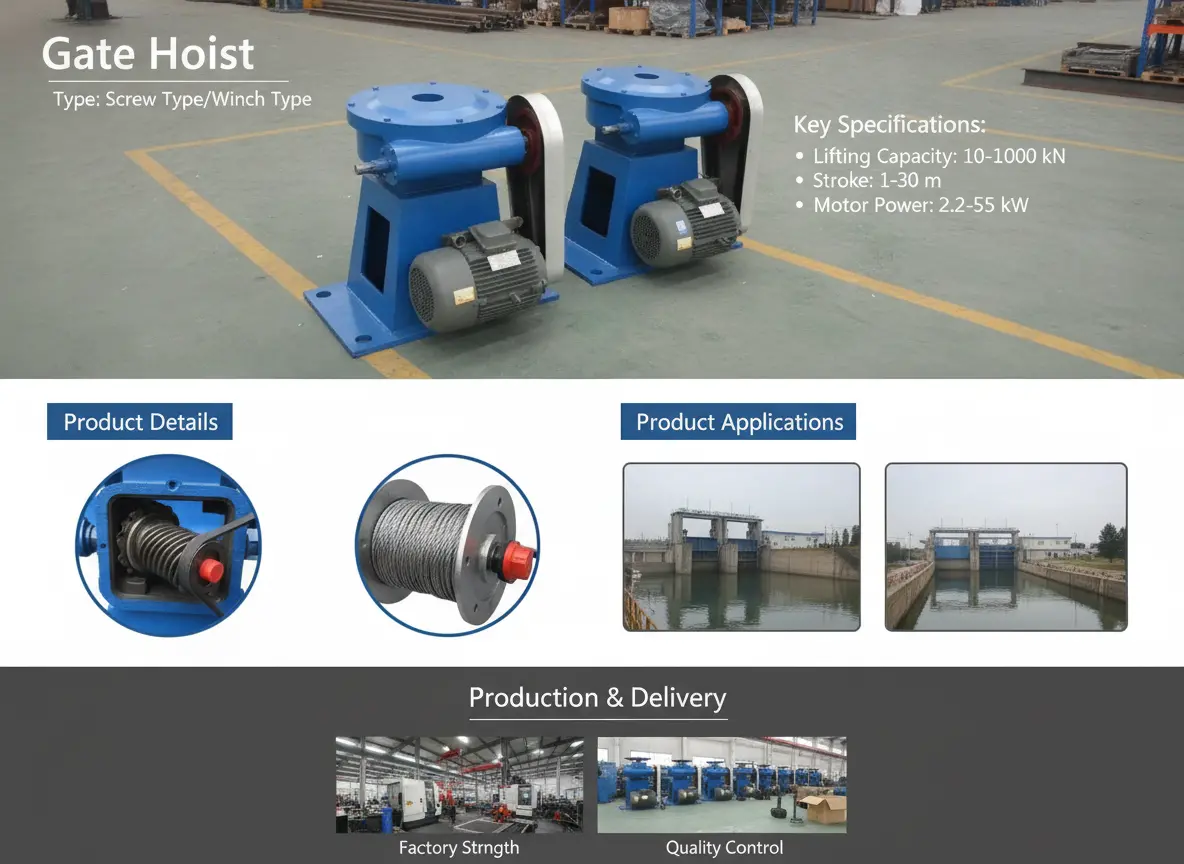
For larger projects, consolidate the electric hoist specification with the full overhead crane quotation checklist and request a line-by-line technical compliance table. This makes it easier to identify exclusions such as power cables, festoon systems, beam structures, installation tools, commissioning, operator training, or spare brakes and contactors.
Frequently Asked Questions About Electric Hoist
Q: What is the difference between a wire rope electric hoist and a chain electric hoist?
A: A wire rope electric hoist generally uses a drum and reeving arrangement, while a chain electric hoist uses a load chain and chain container or guide. The appropriate type depends on capacity, lifting height, headroom, duty cycle, positioning needs, maintenance access, and the installation layout. The supplier should recommend a configuration against the actual load and operating profile rather than capacity alone.
Q: Can an electric hoist be installed on an existing crane or beam?
A: It may be possible, but compatibility must be checked. Important data includes beam dimensions, trolley flange range, wheel loads, hook approach, headroom, runway condition, power supply, and control arrangement. A dimensional drawing and site measurements should be reviewed before purchase. The existing structure must also be confirmed as suitable for the total imposed loads.
Q: Which certifications are supplied with an electric hoist?
A: Documentation varies by supplier, model, destination, and contract. It may include a manual, nameplate data, inspection or test records, electrical test information, material certificates for specified components, and a declaration or certificate against the agreed standard. Ask specifically for documents referencing the supplied serial number or batch and confirm whether third-party inspection is required.
Q: What is the usual MOQ for an electric hoist?
A: There is no universal MOQ. It depends on whether the unit is a standard configuration, a replacement, or an engineered system with customized voltage, trolley, lifting height, controls, or environmental protection. Request the supplier’s MOQ and quotation conditions for the exact specification. One-unit orders may be commercially possible, but pricing, customization, and inspection terms can differ.
Q: What payment methods are available for international orders?
A: Payment methods and terms are agreed between buyer and supplier and should be recorded in the sales contract. Possible arrangements include bank transfer under an agreed milestone schedule, documentary payment, or other contractually accepted methods. Confirm the deposit percentage, balance trigger, bank charges, inspection conditions, and treatment of any approved changes before placing the order.
Q: How long does delivery take?
A: Delivery time depends on configuration, production capacity, drawing approval, testing, inspection, packing, and shipping route. Standard units may follow a different schedule from customized equipment. Ask for a written timeline that separates engineering approval, manufacturing, factory testing, inspection release, and dispatch. This is more useful than relying on a single delivery estimate without defined milestones.
Q: Can the electric hoist operate outdoors or in a corrosive environment?
A: It can be designed for some outdoor or corrosive applications, but the required protection must be specified in advance. Discuss enclosure protection, paint or coating system, motor protection, drainage, temperature range, rain exposure, and maintenance access. Do not assume that an indoor hoist is suitable for outdoor installation. Potentially explosive areas require separate review of the applicable equipment classification and certification.
Q: What spare parts should be ordered with an electric hoist?
A: Commonly considered spares include brake components, contactors or control components, fuses, push-buttons, pendant parts, limit switches, chains or rope-related parts, and seals, depending on the design. The supplier should provide a recommended spare-parts list linked to the model and serial number. The correct list depends on duty, operating environment, expected service period, and the buyer’s maintenance strategy.
Q: Does the supplier provide installation and commissioning?
A: Installation and commissioning may be included, excluded, or offered as a separate service. Confirm the scope in writing, including mechanical installation, electrical connection, load testing, operator training, inspection support, and site acceptance. If the buyer uses a local contractor, request installation drawings, wiring diagrams, torque requirements, test procedures, and maintenance instructions before shipment.
Send your required lifting capacity, lifting height, travel arrangement, power supply, duty cycle, operating environment, destination, applicable standard, and target delivery schedule to receive an electric hoist recommendation and a structured quotation. Request the technical datasheet, dimensional drawing, certification package, packing details, and spare-parts proposal together so your engineering, purchasing, and logistics teams can evaluate the offer efficiently.
Ratings & Reviews

Know your supplier
Supplier's customization ability
- Drawing-based customization
- Sample-based customization
- Full customization
Minimum order quantity: 1 pieces
Shipping total: To be negotiated
- Lead time:
- confirmed with the quotation
- Packaging:
- standard export packing
- Samples:
- available on request