 English
 Español
 Français
 Deutsch
 Português (Brasil)
 Русский
 العربية

Heavy-Duty Trash Rack for Hydropower Plants | Custom Steel Debris Screen Manufacturer

 China

Supplier's customization ability
- Drawing-based customization
- Sample-based customization
- Full customization
Minimum order quantity: 1 pieces
Shipping total: To be negotiated
- Lead time:
- confirmed with the quotation
- Packaging:
- standard export packing
- Samples:
- available on request
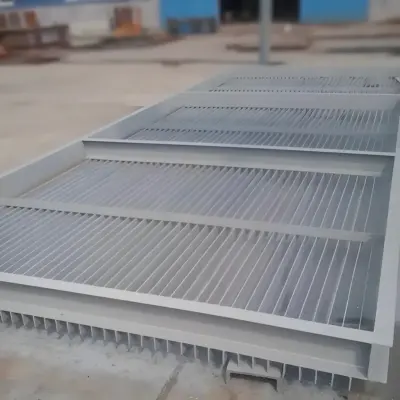
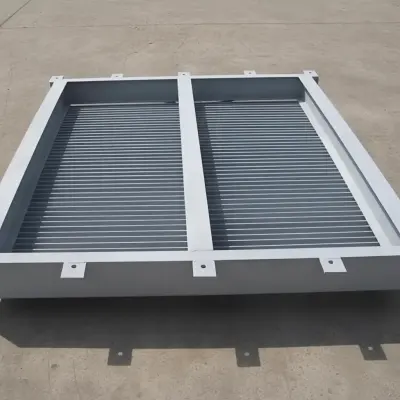
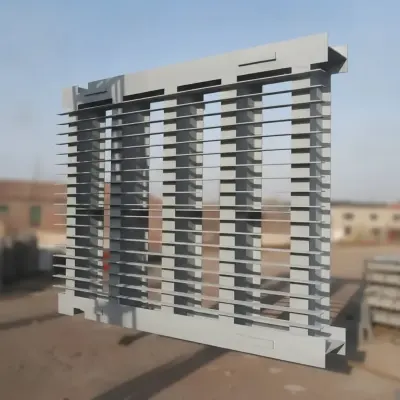
Product details
Trash Rack Technical Specifications
| Technical Parameter | Specification |
|---|---|
| Product Name | Steel Trash Rack |
| Application | Debris screening for water intakes, drainage channels, pumping stations, hydropower plants, reservoirs and wastewater facilities |
| Rack Type | Fixed, removable, inclined or vertical trash rack |
| Material | Carbon steel, galvanized steel or stainless steel |
| Common Steel Grades | ASTM A36, ASTM A572 Grade 50, EN 10025 S235JR/S355JR, stainless steel 304/316; other grades available upon request |
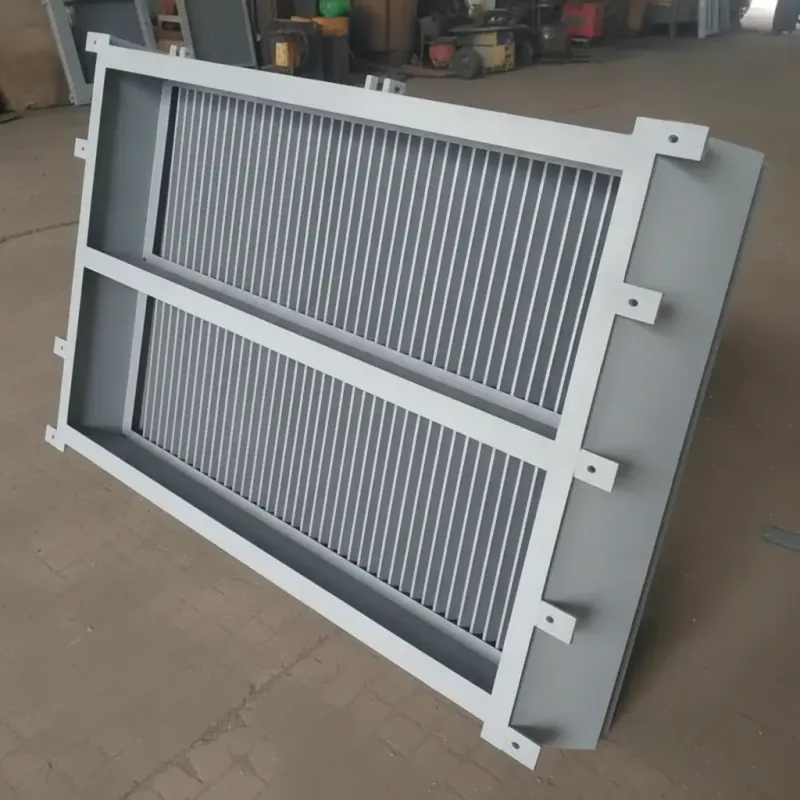
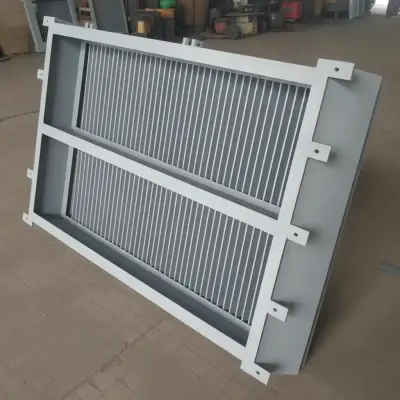
| Construction | Parallel steel bars welded or mechanically secured to horizontal support members |
| Bar Profile | Flat bar, rectangular bar, round bar or streamlined profile |
| Clear Bar Spacing | Custom engineered according to debris size, hydraulic flow and project requirements |
| Overall Dimensions | Manufactured to customer drawings, channel dimensions and installation conditions |
| Design Load | Calculated according to differential water pressure, debris load and cleaning method |
| Installation Angle | Vertical or inclined configuration; customized to site requirements |
| Surface Treatment | Hot-dip galvanizing, epoxy coating, zinc-rich primer, paint system, pickling and passivation, or untreated finish |
| Corrosion Protection | Selected according to freshwater, seawater, wastewater and industrial exposure conditions |
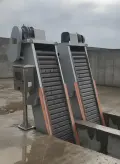
| Cleaning Method | Manual rake, mechanical rake or automated trash rack cleaning system |
| Fabrication Process | Cutting, forming, welding, dimensional inspection, surface preparation and protective finishing |
| Welding | Qualified welding procedures available in accordance with AWS D1.1, EN ISO 3834 or project specifications |
| Manufacturing Tolerance | In accordance with approved drawings, applicable standards and customer requirements |
| Inspection | Material verification, weld inspection, dimensional inspection and coating thickness testing as required |
| Accessories | Guide rails, lifting lugs, anchor plates, support frames, fasteners and cleaning equipment available |
| Documentation | Material certificates, inspection reports, coating reports and fabrication drawings available upon request |
| Customization | Material grade, bar size, spacing, frame design, load capacity, dimensions and coating system can be customized |
Heavy-Duty Trash Rack for Hydropower Plants | Custom Steel Debris Screen Manufacturer
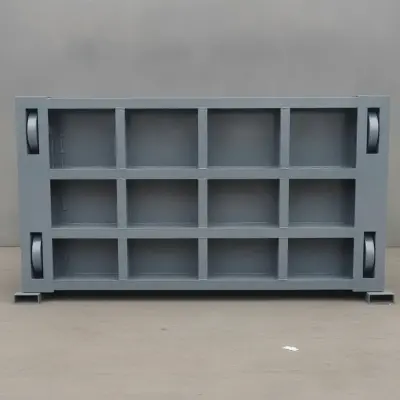
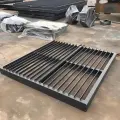
A steel Trash Rack is a protective intake screen designed to intercept logs, branches, vegetation, plastic waste, and other floating debris before it reaches turbines, pumps, gates, or downstream water-control equipment. It is intended for hydropower developers, dam contractors, waterworks operators, EPC companies, and industrial procurement teams that require a fabricated screen matched to site-specific hydraulic and structural conditions. A properly engineered rack combines suitable bar spacing, adequate flow area, structural stiffness, corrosion protection, and maintainable installation details, helping reduce equipment damage, unplanned shutdowns, and debris-removal costs throughout the operating life of the intake.
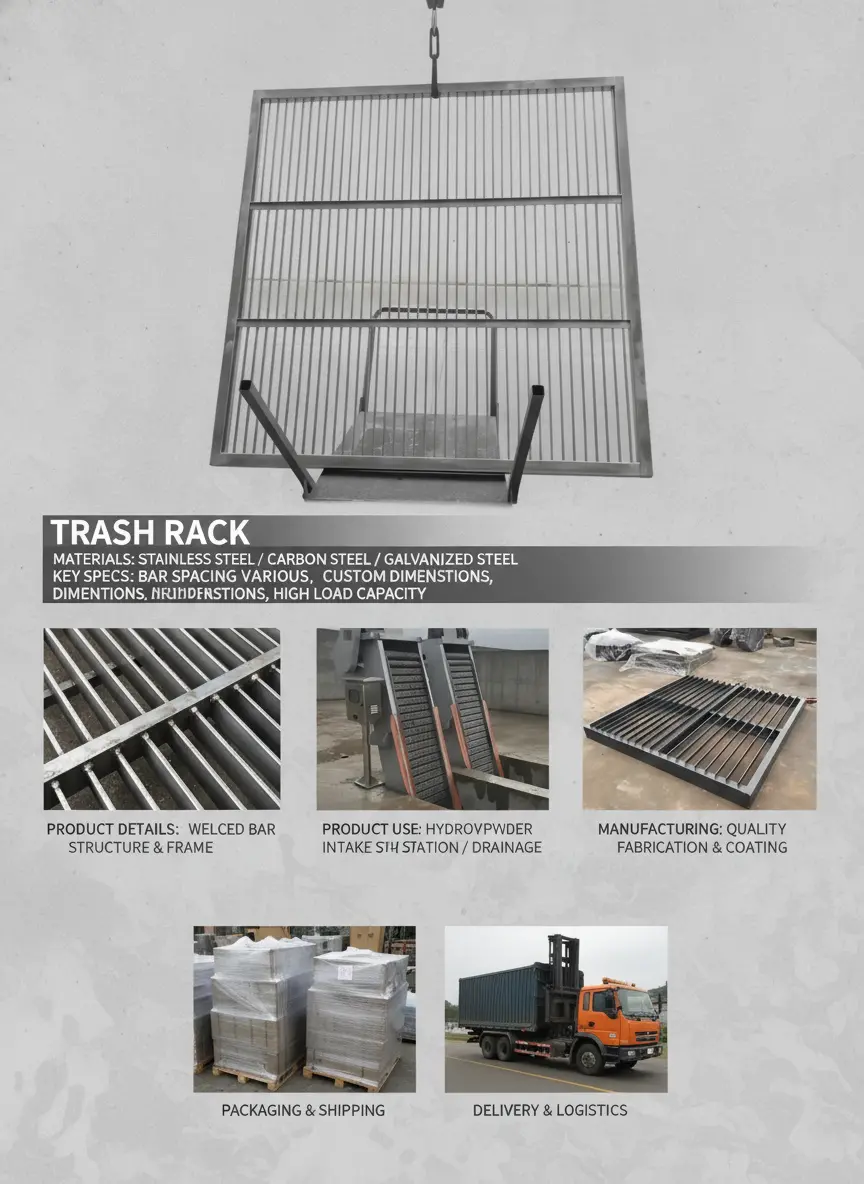
Trash Rack Product Overview
A Trash Rack is normally installed at the upstream face of a hydropower intake, pumping station, spillway, diversion channel, irrigation structure, or raw-water inlet. Its primary function is mechanical screening: water passes through the clear openings while debris larger than the specified bar spacing is retained for manual or mechanical removal. Unlike fine filtration equipment, the rack is a robust structural assembly intended to tolerate continuous water exposure, hydraulic loading, impact from floating objects, and forces generated during cleaning.
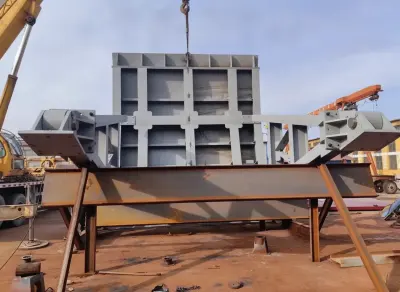
A typical assembly consists of vertical or inclined screening bars, horizontal supports, perimeter framing, lifting points, connection plates, anchors, and optional guides. Depending on the intake arrangement, the Trash Rack may be fabricated as a single panel or divided into modular panels for transport, installation, and future replacement. Removable modules can be useful where crane capacity, access dimensions, or overseas shipping restrictions make one-piece construction impractical. Related intake gates and embedded steel components may be coordinated through [[INTERNAL_LINK]].
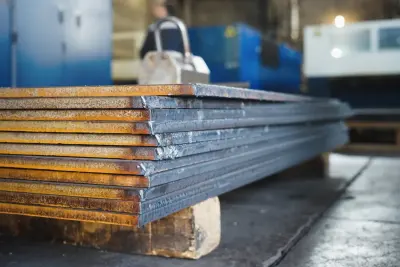
Structural carbon steel is widely used because it offers predictable fabrication, weldability, and availability under recognized material standards. Common procurement references include ASTM A36/A36M, ASTM A572/A572M, EN 10025-2, JIS G 3101, and GB/T 700. The final grade should be selected according to design loads, welding procedures, corrosion allowance, temperature, and the material requirements stated in the project drawings. Stainless steel or stainless-clad components may be considered for unusually aggressive water conditions, but material selection should follow a documented corrosion assessment rather than a generic assumption.
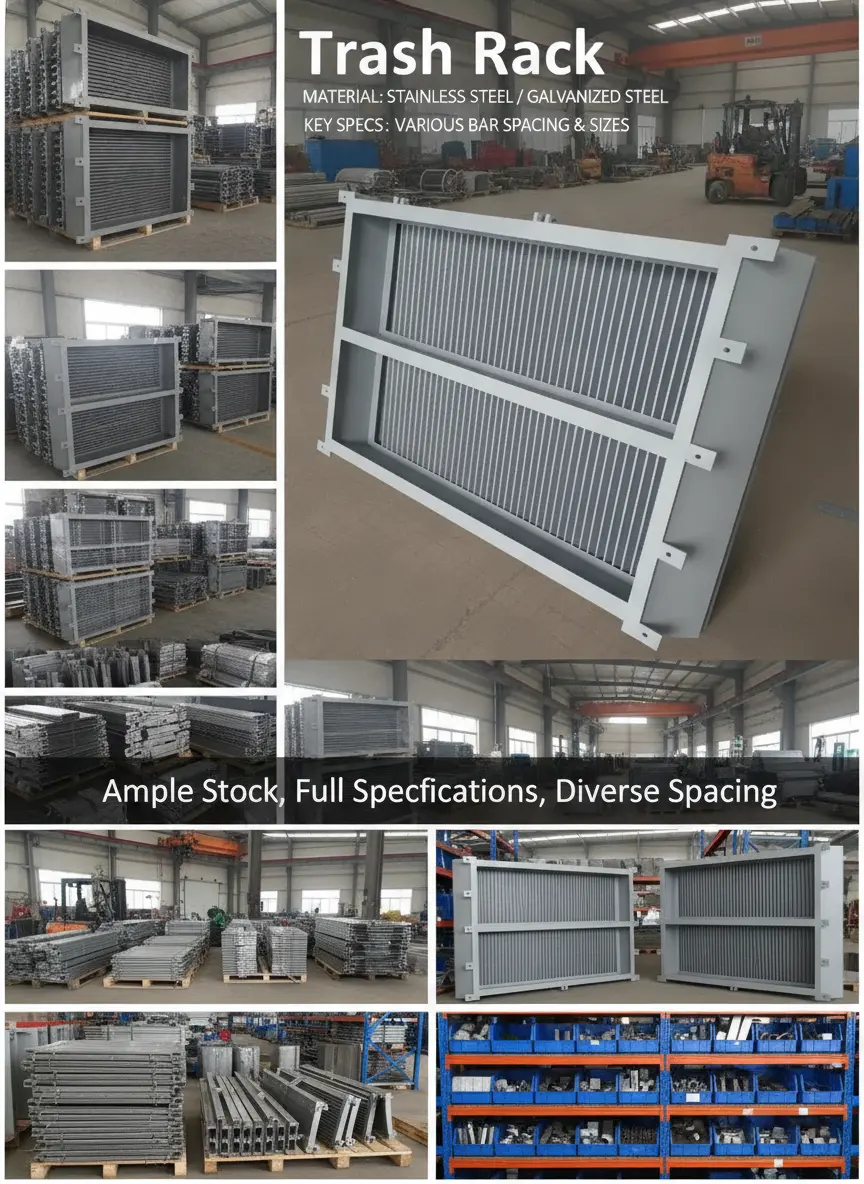
Key Trash Rack design characteristics include clear bar spacing, bar cross-section, panel width and height, rack inclination, support spacing, allowable deflection, open-area ratio, and the expected differential water head. The bar profile also affects hydraulic resistance and cleaning performance. Rectangular flat bars are common, while streamlined or shaped bars may be evaluated where head loss and energy efficiency are critical. Custom fabrication should be based on approved drawings and verified design inputs, not only on an overall width and height.
Corrosion protection may include a project-specified coating system, hot-dip galvanizing where component geometry permits, or another treatment suitable for immersion or splash-zone service. Coating selection should consider water chemistry, abrasion from sediment and debris, site maintenance capability, and whether field welding will be required. Guidance on fabricated steel and protective finishes can be reviewed at [[INTERNAL_LINK]].
Trash Rack Specifications & Standards
Every Trash Rack should be specified by a coordinated set of structural, hydraulic, material, fabrication, inspection, and coating requirements. There is no universal bar spacing or panel thickness suitable for every hydropower plant. The correct configuration depends on the minimum debris size to be blocked, acceptable head loss, approach velocity, maximum differential head, cleaning method, support conditions, and the dimensions of the equipment being protected.
| Specification Item | Procurement Requirement | Engineering Significance |
|---|---|---|
| Overall dimensions | Width, height, depth, and panel segmentation according to approved drawings | Controls fit within the intake opening, guides, and embedded frame |
| Clear bar spacing | Specified by the hydraulic designer or equipment supplier | Determines which debris is retained and influences open flow area |
| Bar size and profile | Flat, rectangular, streamlined, or project-defined section | Affects strength, vibration resistance, head loss, and cleaning |
| Rack angle | Vertical or inclined as required by the intake arrangement | Influences debris accumulation and compatibility with raking equipment |
| Design differential head | Maximum project-defined water-level difference across a blocked rack | Provides the principal hydraulic load for structural verification |
| Connections | Welded, bolted, removable, or guided installation | Determines load transfer, installation procedure, and maintenance access |
| Surface protection | Coating, galvanizing, or project-specific corrosion system | Supports service life under immersion, splash, and atmospheric exposure |
| Inspection documents | Material certificates, dimensional reports, weld records, and coating reports as contracted | Provides traceability and confirms compliance with purchase requirements |
The following standards are commonly relevant to steel Trash Rack procurement. Their use must be stated in the purchase specification because grades from different systems are not automatically interchangeable. A substitution should be accepted only after the chemical composition, mechanical properties, dimensions, weldability, and certification level have been reviewed.
| Standard | Typical Reference | Scope Relevant to a Trash Rack |
|---|---|---|
| ASTM A36/A36M | Structural carbon steel | Common reference for plates, bars, and structural shapes used in welded assemblies |
| ASTM A572/A572M | High-strength low-alloy structural steel | May be considered where higher specified strength is required by the design |
| EN 10025-2 | Hot-rolled structural steel | Defines technical delivery conditions for non-alloy structural steel grades such as S235 and S355 families |
| JIS G 3101 | Rolled steels for general structure | Includes grades used for general structural fabrication, subject to project approval |
| GB/T 700 | Carbon structural steels | Provides requirements for carbon structural grades used in fabricated steelwork |
| ASTM A123/A123M | Hot-dip zinc coating | Applicable when fabricated iron or steel products are specified for hot-dip galvanizing |
| ASTM F3125/F3125M | Structural bolts | May apply to high-strength structural bolting when required by the connection design |
Mechanical properties and chemical limits must be verified against the current edition of the selected material standard and the exact product form and thickness. For example, the requirements for ASTM A36/A36M, ASTM A572/A572M, and EN 10025-2 vary by grade, thickness, delivery condition, and product type. A mill test certificate should therefore identify the heat number, grade, dimensions, applicable standard, and reported test results. Buyers can compare structural steel documentation practices through [[INTERNAL_LINK]].
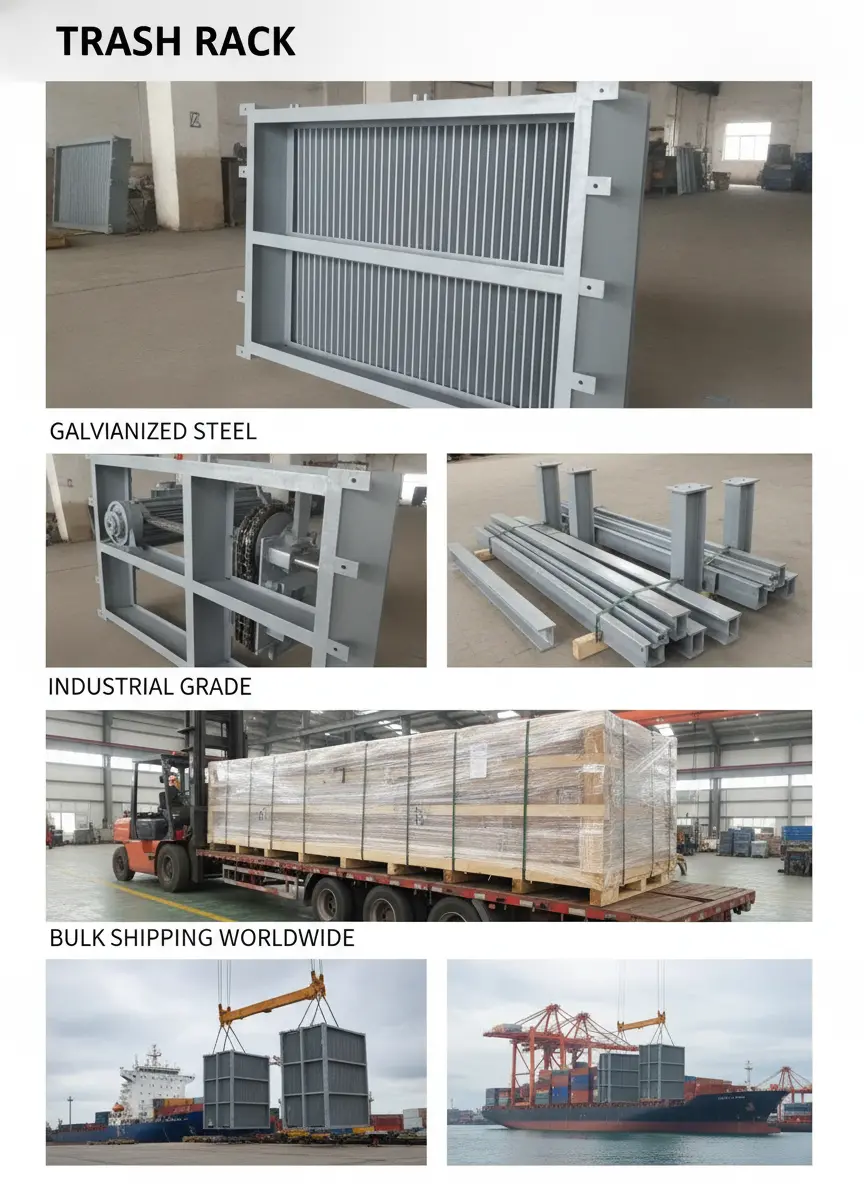
Welding should follow approved procedures appropriate to the selected steel and joint configuration. Purchase documents may require welder qualifications, welding procedure specifications, visual inspection, and non-destructive examination of designated joints. Coating inspection can include surface-preparation records, dry-film-thickness readings, repair procedures, and final visual checks. If hot-dip galvanizing is selected, drainage, venting, panel distortion, and transport size must be considered before fabrication begins.
Trash Rack Applications
A Trash Rack can serve several water-control and industrial intake environments, but each application imposes different debris, hydraulic, and maintenance demands. The following are common uses rather than interchangeable standard designs.
Hydropower Plant Intakes
At a hydropower plant, the rack protects turbines, penstocks, intake gates, and related equipment from large debris. The design must account for differential head as blockage increases, as well as the cleaning method and permissible head loss. Rack geometry should be coordinated with turbine supplier requirements and the plant’s hydraulic design. Hydropower intake components are discussed further at [[INTERNAL_LINK]].
Pumping Stations
Municipal, drainage, irrigation, and industrial pumping stations use Trash Rack panels to prevent branches, vegetation, packaging waste, and other objects from reaching pump impellers. Bar spacing should reflect the pump’s passage capability and any downstream screening stage. The rack must also remain accessible for routine cleaning, particularly at unmanned or seasonally overloaded stations.
Dams, Spillways, and Diversion Structures
Water-control structures may require debris screens ahead of gates, culverts, outlet works, or diversion tunnels. Impact risk can be significant where storm flows carry logs or construction debris. Structural supports, anchors, and embedded frames therefore require careful load-path analysis rather than treatment as secondary accessories.
Raw-Water and Industrial Intakes
Power stations, process plants, mines, and water-treatment facilities may install coarse screening before finer filtration equipment. A Trash Rack at the first intake stage reduces the volume of oversized debris reaching traveling screens, strainers, or process pumps. For staged screening solutions, see [[INTERNAL_LINK]].
Irrigation and Canal Systems
Canals and agricultural water systems use steel racks at control gates, siphons, and distribution inlets. These locations may experience reeds, weeds, sediment-laden debris, and seasonal flow changes. Removable panels can simplify maintenance where permanent crane equipment is unavailable, provided the lifting arrangement is engineered for the panel mass and site access.
How to Choose a Trash Rack / Buying Guide
Procurement should begin with a complete data sheet rather than a request based only on “custom size.” A usable inquiry normally includes opening dimensions, design water levels, maximum differential head, approach velocity if available, required clear spacing, rack angle, support arrangement, preferred material standard, corrosion-protection requirement, and applicable drawing or project specification.
Confirm Hydraulic and Structural Inputs
The purchaser should distinguish operating head loss from the maximum structural differential head. A partially or fully blocked Trash Rack can experience substantially different loading from a clean screen. The design basis should also identify debris impact, vibration, sediment abrasion, ice exposure where relevant, seismic requirements if specified by the project, and loads introduced by mechanical raking. These inputs should be confirmed by the responsible project engineer.
Define Dimensions and Installation Interfaces
Provide the clear intake opening, frame dimensions, guide details, anchor locations, allowable installation tolerances, and available lifting space. For replacement projects, field measurements and photographs help identify irregular civil surfaces or legacy interfaces. Modular panel joints should not interfere with raking equipment or create unsupported bar lengths. Coordinate lifting beams, guides, and embedded parts through [[INTERNAL_LINK]].
Select Material and Corrosion Protection
State the required steel grade and standard instead of requesting a vague “equivalent steel.” If alternatives are permitted, require a documented comparison before approval. The coating specification should define surface preparation, coating system, target thickness, immersion category, color if relevant, inspection method, and field-repair procedure. Hot-dip galvanizing must be evaluated for component size, geometry, distortion risk, and compatibility with subsequent welding.
Specify Certification and Inspection
Overseas procurement contracts should clearly list the required documentation. Depending on the project, this may include mill test certificates, traceability records, approved shop drawings, welding procedures, welder qualification records, dimensional inspection reports, non-destructive examination reports, coating inspection records, and packing lists. EN-based projects may request inspection documents under EN 10204, with the exact document type stated in the purchase order.
Clarify MOQ, Production Schedule, and Commercial Terms
The minimum order quantity for a custom Trash Rack depends on panel dimensions, material availability, fabrication complexity, and whether special tooling or coating processes are needed. Buyers should request confirmation instead of assuming a fixed MOQ. Lead time should be quoted only after drawings, quantities, inspection scope, and surface treatment are agreed. Commercial discussions should separately confirm payment milestones, drawing-approval time, production duration, inspection hold points, and shipment readiness.
Plan Export Packing and Logistics
Large welded panels may exceed standard container dimensions, while smaller modules can reduce freight complexity but require more field assembly. Before production, compare one-piece and sectional designs based on container loading, lifting capacity, route restrictions, installation labor, and connection requirements. Export packing should protect coated surfaces, bar edges, lifting points, and loose fasteners. Shipping marks and panel identification should correspond to the erection drawings. Additional steel packing guidance is available at [[INTERNAL_LINK]].
Trash Rack Frequently Asked Questions
Q: What is the difference between a Trash Rack and a fine water screen?
A: A Trash Rack is a coarse structural screen that intercepts larger debris such as branches, logs, vegetation, and waste before it enters an intake. A fine screen has smaller openings and is intended to remove smaller solids. Many facilities use staged screening: the rack protects downstream fine screens, pumps, turbines, or filtration equipment from oversized objects.
Q: Which steel grade should be used for a hydropower Trash Rack?
A: The grade should be selected from the project’s structural design and applicable material system. ASTM A36/A36M, ASTM A572/A572M, EN 10025-2, JIS G 3101, and GB/T 700 are possible procurement references, but they are not direct substitutes in every case. Strength, thickness, weldability, toughness, certification, and corrosion protection must be reviewed before approving a grade.
Q: How is the correct bar spacing determined?
A: Clear spacing is determined by the size of debris that must be excluded, the passage capability of downstream equipment, acceptable hydraulic loss, approach velocity, and cleaning method. Narrower spacing can capture smaller objects but may increase blockage frequency and head loss. The turbine, pump, or process-equipment supplier should confirm the maximum permissible debris size.
Q: Can a Trash Rack be manufactured as removable modular panels?
A: Yes, a large rack can be divided into removable sections when required by transportation limits, installation access, crane capacity, or maintenance planning. Panel joints, guides, lifting points, and load transfer must be engineered so that segmentation does not reduce structural performance or interfere with manual or mechanical cleaning.
Q: What certifications can be supplied with the order?
A: Certification requirements should be agreed before quotation and production. Common documents may include material certificates, heat-number traceability, dimensional inspection reports, welding records, non-destructive examination reports, coating reports, and packing documentation. The exact scope depends on the specified standard, contract requirements, and third-party inspection plan.
Q: What is the minimum order quantity?
A: There is no universal MOQ for a custom Trash Rack. The practical minimum depends on dimensions, steel grade, panel quantity, fabrication complexity, coating process, and material purchasing conditions. Buyers should submit drawings or a technical data sheet so the supplier can confirm the feasible order quantity and any material-batch considerations.
Q: What payment methods are available for international orders?
A: Payment terms are normally agreed according to order value, customization level, documentation requirements, and commercial risk assessment. Common international arrangements may include bank transfer or letter of credit, subject to agreement between buyer and seller. The contract should clearly define deposit or milestone payments, balance conditions, bank charges, and the documents required for release.
Q: How long does production and delivery take?
A: Lead time depends on drawing approval, material availability, panel quantity, welding complexity, inspection scope, corrosion protection, and packing requirements. International delivery time also varies by shipping method and destination. A reliable schedule can be established only after the technical scope and commercial terms are confirmed; drawing-review time should be included in the overall project plan.
Q: Is galvanizing or coating more suitable for submerged service?
A: The choice depends on water chemistry, abrasion, expected service life, maintenance access, fabrication geometry, and project specifications. Hot-dip galvanizing may be specified under ASTM A123/A123M for suitable fabricated components. Engineered coating systems may offer other advantages for immersion exposure. Neither option should be selected without assessing surface preparation, repair procedures, and compatibility with installation welding.
Q: What information is needed for an accurate quotation?
A: Provide quantity, overall dimensions, clear bar spacing, bar orientation, design differential head, support conditions, rack angle, material standard, coating requirement, connection details, inspection documents, destination, and preferred shipping terms. Drawings are especially important for replacement racks and assemblies that must fit existing guides or embedded frames.
Send your Trash Rack drawings, intake dimensions, design loads, material specification, required documentation, and delivery destination to request a technical review and project quotation. A complete inquiry allows the fabrication scope, panel arrangement, corrosion protection, inspection plan, packing method, MOQ, and achievable lead time to be evaluated before an offer is issued.
Ratings & Reviews

Know your supplier
Supplier's customization ability
- Drawing-based customization
- Sample-based customization
- Full customization
Minimum order quantity: 1 pieces
Shipping total: To be negotiated
- Lead time:
- confirmed with the quotation
- Packaging:
- standard export packing
- Samples:
- available on request