 English
 Español
 Français
 Deutsch
 Português (Brasil)
 Русский
 العربية

Penstock Branch Pipe Manufacturer | Custom Steel Bifurcation Pipes for Hydropower Projects

 China
Supplier's customization ability
- Drawing-based customization
- Sample-based customization
- Full customization
Minimum order quantity: 1 ton
Shipping total: To be negotiated
- Lead time:
- confirmed with the quotation
- Packaging:
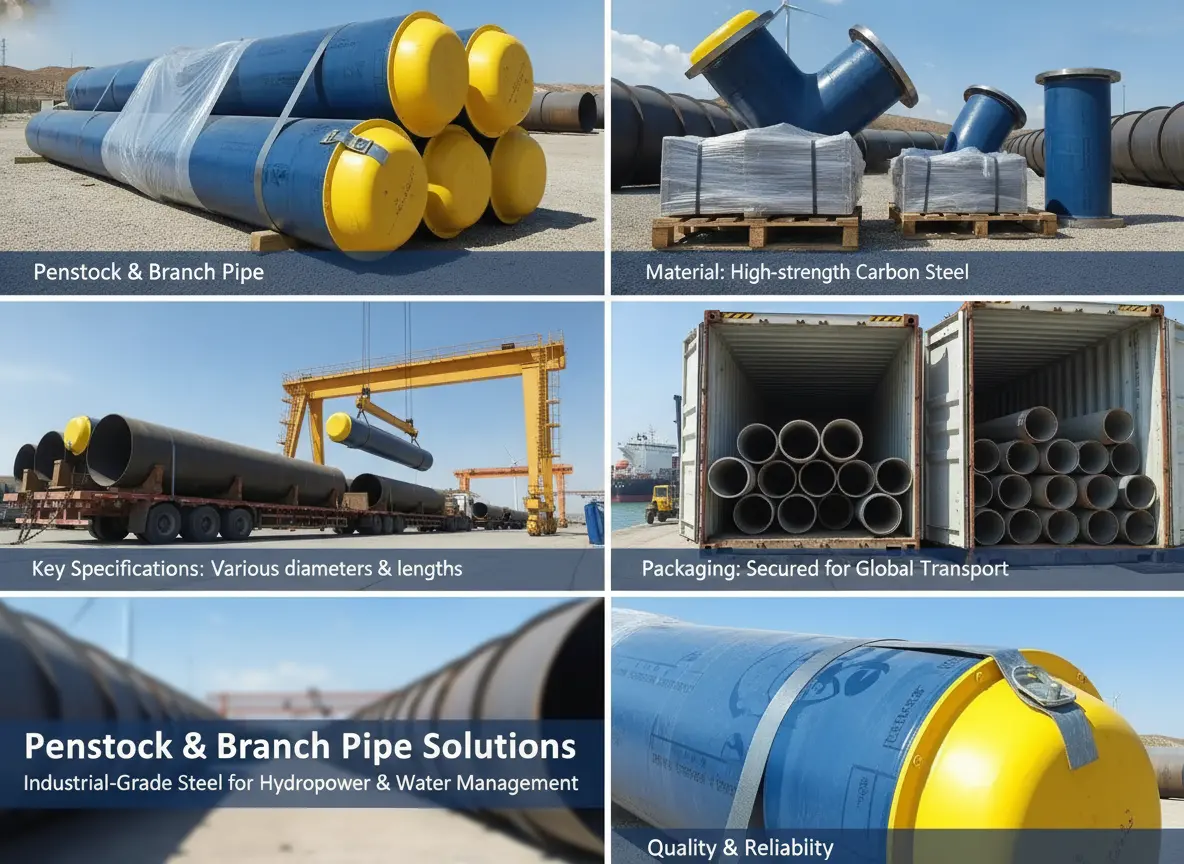
- standard export packing
- Samples:
- available on request
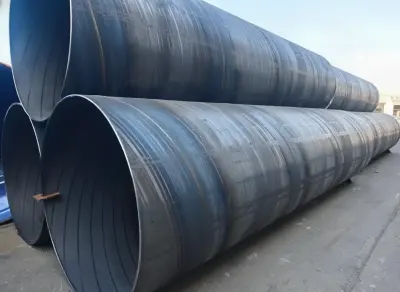
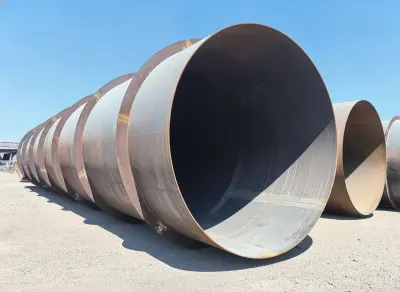
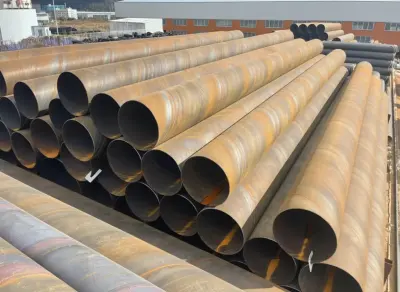
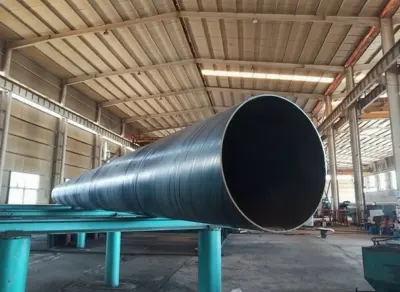
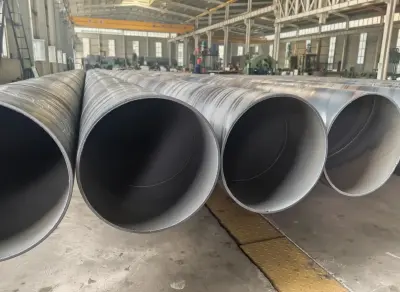
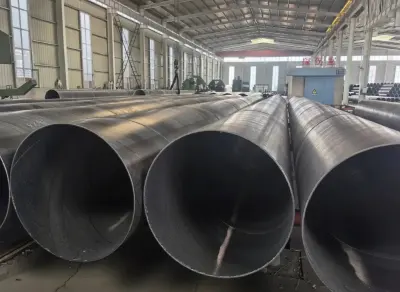
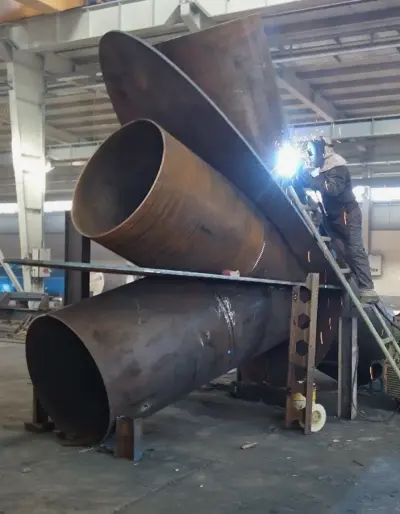
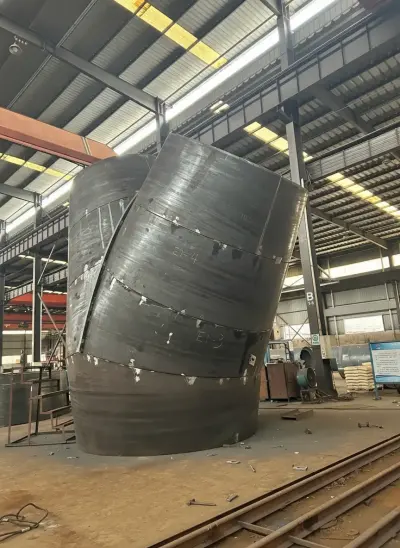
Product details
Penstock Branch Pipe Technical Specifications
| Parameter | Specification |
|---|---|
| Product Name | Penstock Branch Pipe |
| Product Type | Steel penstock branch pipe for hydropower, water conveyance and industrial pipeline systems |
| Material | Carbon steel, low-alloy structural steel or stainless steel according to project requirements |
| Common Steel Grades | ASTM A36, ASTM A572 Gr.50, Q235B, Q355B, S275JR, S355JR or equivalent |
| Main Pipe Diameter | Custom manufactured according to design drawings and hydraulic requirements |
| Branch Pipe Diameter | Custom manufactured according to flow rate, branch ratio and connection design |
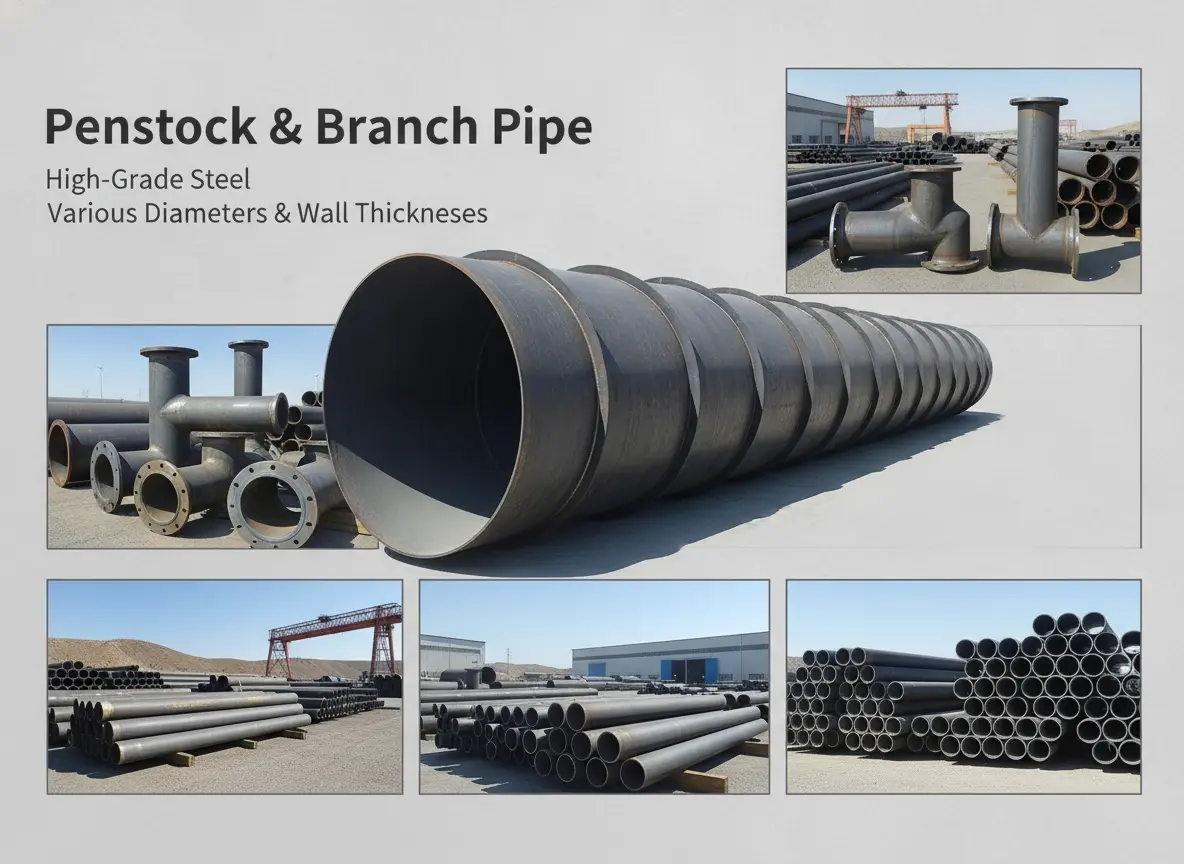
| Wall Thickness | Engineering design thickness, typically selected according to internal pressure, water hammer and structural calculations |
| Branch Configuration | Y-branch, T-branch, lateral branch, bifurcation or multi-branch configuration |
| Branch Angle | Commonly 30°, 45°, 60° or 90°; custom angles available |
| Fabrication Method | Steel plate cutting, forming, submerged arc welding, circumferential welding and precision assembly |
| Welding Standard | ASME Section IX, AWS D1.1, EN ISO 15614-1 or project-specified welding procedure |
| Dimensional Tolerance | Manufactured according to approved fabrication drawings and applicable steel structure tolerances |
| Design Pressure | Determined by the penstock hydraulic design, operating head and transient pressure conditions |
| Connection Type | Butt-welded, flanged, bolted or integrated connection according to pipeline layout |
| Surface Treatment | Shot blasting to Sa 2.5 or equivalent preparation grade, followed by specified protective coating |
| Protective Coating | Fusion-bonded epoxy, liquid epoxy, polyurethane, coal tar epoxy or other hydroelectric coating system |
| Inspection and Testing | Visual inspection, dimensional inspection, weld inspection, ultrasonic testing and radiographic testing when specified |
| Applicable Standards | ASTM, ASME, AWS, EN, ISO, AWWA or customer-specified hydropower and pressure-pipeline standards |
| Application | Hydropower penstocks, water diversion systems, pressure pipelines, irrigation projects and industrial water conveyance |
| Customization | Customized diameter, wall thickness, branch angle, reinforcement, flange arrangement, coating and inspection documentation |
Penstock Branch Pipe Manufacturer | Custom Steel Bifurcation Pipes for Hydropower Projects
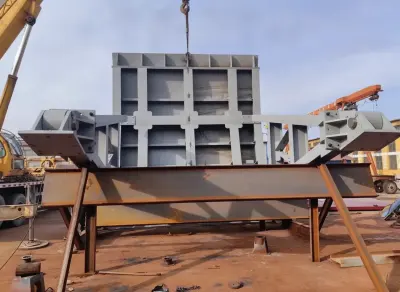
Penstock branch pipes are fabricated steel bifurcation assemblies that divide pressurized water flow from one hydropower penstock into two or more downstream lines. Hydropower EPC contractors, turbine package suppliers, utility owners, and specialist steel fabricators use them where hydraulic performance, weld integrity, dimensional control, and documented traceability are essential. A project-specific penstock branch pipe can be engineered around the design head, pipe diameter, branch arrangement, support conditions, and site installation method. The purchasing value is not simply the fabricated shell: it is coordinated design review, controlled material selection, qualified welding, inspection records, and export-ready delivery aligned with the project schedule. [[INTERNAL_LINK]]
Product Overview: Penstock Branch Pipe
A penstock branch pipe, also called a penstock bifurcation pipe or hydropower bifurcation, is a pressure-retaining steel fitting installed in a water conveyance system. It receives flow from an upstream penstock and distributes that flow into separate branches leading to turbines, manifolds, surge-related equipment, or other hydraulic structures. Unlike a standard low-pressure pipe tee, a penstock branch pipe must be treated as a designed pressure vessel-like fabricated component because the geometry creates complex stress concentrations at the crotch, knuckle, crown, and transition zones.
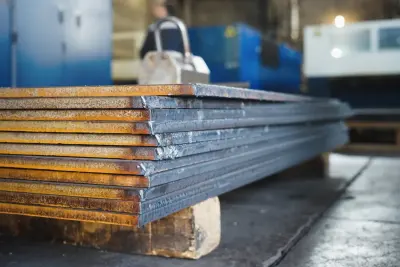
The assembly is normally manufactured from certified steel plate, fabricated pipe, or a combination of plate and formed components selected according to the project specification. The final material grade, thickness, toughness requirement, weldability, and corrosion allowance must be confirmed against the approved design rather than assumed from a generic catalogue. Carbon steel and weldable structural or pressure-service plate may be considered depending on the design basis, water conditions, operating pressure, temperature, and applicable code.
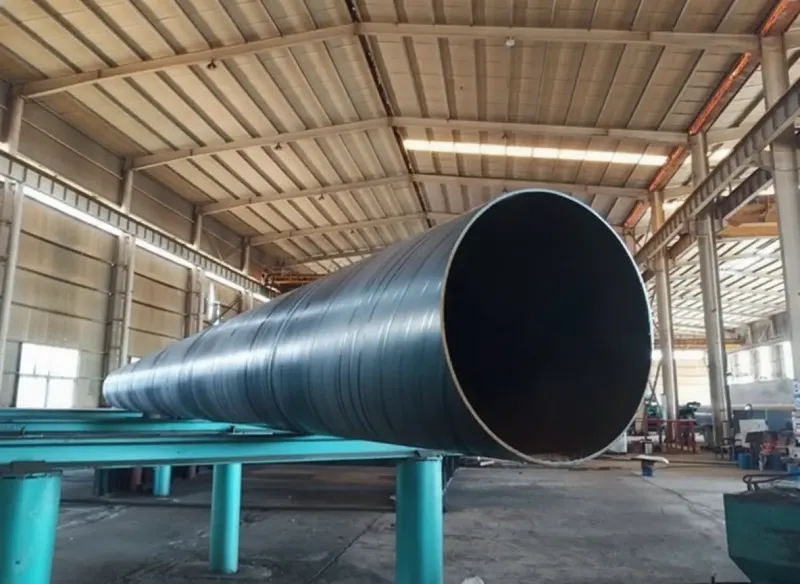
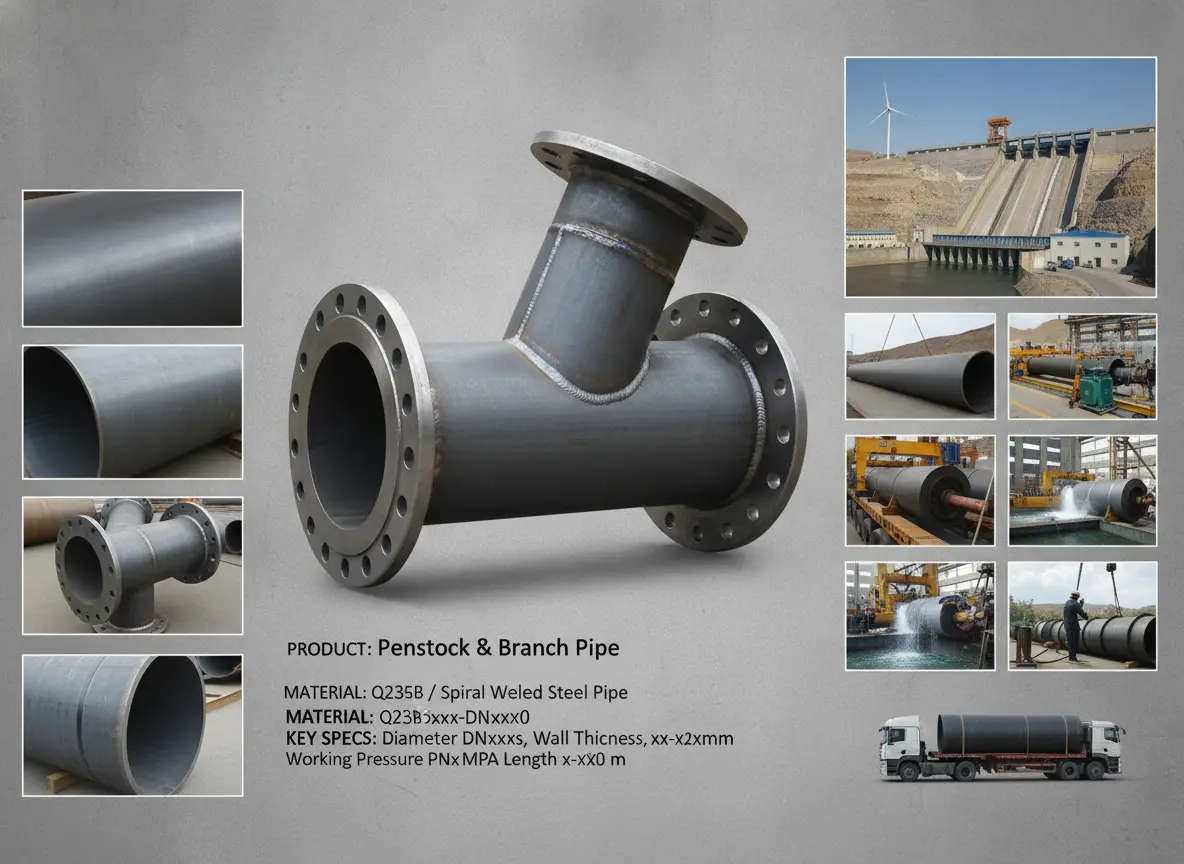
Typical construction features include a main barrel, one or more branch outlets, reinforced crotch areas, transition cones, circumferential and longitudinal welds, end bevels, lifting points, and temporary or permanent stiffening arrangements. The branch angle and outlet diameter are determined by the hydraulic layout and available space. Large-diameter bifurcations may be supplied as transportable sections for field assembly, while smaller or more accessible units may be delivered as a substantially completed shop-fabricated assembly.
Key engineering and manufacturing considerations include:
- Design pressure, static head, transient pressure, and any specified hydrostatic test pressure.
- Main pipe diameter, branch diameter, wall thickness, branch angle, and centreline arrangement.
- Stress distribution around the crotch and branch connection, including local reinforcement where required.
- Steel grade, plate thickness availability, impact toughness, weldability, and material traceability.
- Welding procedure qualification, welder qualification, preheating, interpass control, and heat treatment where specified.
- Dimensional tolerances for fit-up with embedded pipes, valves, turbine inlets, and downstream penstock sections.
- Inspection, coating, preservation, packing, lifting, and transportation limitations.
For related supply planning, buyers may also review [[INTERNAL_LINK]] and the company’s [[INTERNAL_LINK]] to compare compatible upstream and downstream components.
Specifications & Standards for Penstock Branch Pipe
Penstock branch pipe specifications should be established through approved drawings, hydraulic calculations, structural checks, welding documents, inspection plans, and the buyer’s technical specification. There is no single universal material grade or wall thickness suitable for every hydropower project. The information below identifies commonly relevant standards and procurement parameters; the contract documents remain the controlling source.
Typical procurement specification
| Item | Specification basis | Purchasing information to confirm |
|---|---|---|
| Product type | Fabricated steel penstock bifurcation or branch pipe | Main barrel, two-way branch, three-way branch, reducer-bifurcation, or custom geometry |
| Dimensions | Project-approved fabrication drawing | Main diameter, branch diameter, branch angle, centreline elevation, tangent length, and end preparation |
| Wall thickness | Design calculation and approved drawing | Nominal thickness, corrosion allowance, negative tolerance, and local reinforcement |
| Material | Specified steel plate or pipe grade | Grade, heat number, delivery condition, impact testing, weldability, and mill certificate requirements |
| Welding | Approved WPS/PQR and qualified welders | Joint category, consumable classification, preheat, interpass temperature, PWHT, and repair procedure |
| Inspection | Project ITP and applicable inspection standard | Visual inspection, dimensional inspection, UT, RT, MT or PT, hydrostatic testing, and witness points |
| Surface protection | Project coating and corrosion-control specification | Internal or external coating system, surface preparation, dry-film thickness, holiday testing, and touch-up method |
| Delivery | Approved packing and logistics plan | Section weight, lifting points, maximum transport dimensions, marking, documents, and site assembly sequence |
Relevant material and fabrication standards
Depending on the selected material and project jurisdiction, the following standards may be referenced. ASTM A516/A516M is commonly used as a reference for carbon steel plates intended for pressure-vessel service where its specified grade and delivery requirements match the design. ASTM A36/A36M may be relevant for certain structural steel applications, but it should not be substituted for a pressure-service material without engineering approval. EN 10025-2 covers hot-rolled structural steel products, while EN 10025-3 and EN 10025-4 address normalized or thermomechanically rolled weldable fine-grain structural steels. The applicable EN grade must be selected based on the required strength, toughness, thickness, and delivery condition.
For steel products supplied under Japanese specifications, JIS G 3106 covers rolled steels for welded structures and may be relevant where the project requires a JIS material route. For Chinese-standard procurement, GB/T 700 covers carbon structural steels, while GB/T 1591 covers high-strength low-alloy structural steels. These standards describe material categories and properties, but they do not by themselves replace the penstock design specification, welding code, or inspection plan.
Dimensional and surface requirements should be stated clearly. EN 10029 is relevant to tolerances on dimensions and shape for hot-rolled steel plate. GB/T 709 provides dimensions, shape, weight, and permissible deviations for hot-rolled steel plate and strip. Where fabricated pipe sections are included, the purchasing specification may also reference a suitable welded pipe standard such as EN 10219-1 or another project-approved pipe standard. The correct reference depends on whether the supplied item is a standard pipe product or a custom pressure-retaining fabrication.
Testing and documentation
Non-destructive examination should be defined in the inspection and test plan. Ultrasonic testing may be specified for plate laminations and weld integrity; radiographic testing, magnetic particle testing, or penetrant testing may be applied to selected welds according to joint type and the governing fabrication code. ISO 17635 provides general rules for selecting NDT methods for welds, while ISO 17640 addresses ultrasonic testing of fusion-welded joints and ISO 17638 addresses magnetic particle testing of welds. These standards should be used together with the acceptance criteria stated in the project code.
A complete manufacturing dossier may include material test certificates, heat-number traceability, approved drawings, welding procedure specifications, procedure qualification records, welder certificates, fit-up and dimensional reports, NDT reports, repair records, coating reports, hydrostatic test records where applicable, and a final inspection release. Buyers should request the required document index before production begins. [[INTERNAL_LINK]]
Applications of Penstock Branch Pipe
Multi-unit hydropower stations
The most common application is the division of one high-pressure waterway into separate turbine inlet lines. A custom bifurcation allows several generating units to share an upstream penstock while maintaining the required layout, elevation, and connection geometry. The branch design must account for pressure loading and the interaction between the branch outlet, supports, anchors, and adjacent pipe sections.
Underground hydropower plants
Underground stations often have restricted access, irregular excavation profiles, and demanding installation sequences. A penstock branch pipe can be divided into manageable transport sections and designed with field welds or flanged connections where the project permits them. Dimensional control is particularly important because corrections inside a cavern or shaft can be costly and disruptive.
High-head water conveyance systems
High-head projects subject the steel lining and bifurcation to substantial static and transient loads. The branch transition, crotch region, reinforcement details, and anchorage arrangement therefore require project-specific analysis. Buyers should ensure that the supplier receives the governing pressure cases, including any water-hammer or emergency shutdown condition specified by the hydraulic designer.
Penstock manifolds and industrial water systems
Custom steel bifurcations are also used in large water intake, pumped-storage, industrial cooling-water, and process-water systems where a single pressurized line feeds multiple branches. The required material, lining, coating, cleanliness, and testing can differ significantly from those of a conventional hydropower penstock, so the service medium and operating cycle must be stated in the inquiry.
How to Choose / Buying Guide for Penstock Branch Pipe
Procurement managers should evaluate a penstock branch pipe as an engineered package rather than a standard off-the-shelf fitting. The following sequence helps reduce technical clarification, fabrication changes, and delivery risk.
1. Freeze the design inputs
Provide the supplier with the latest approved drawing or, at minimum, the main and branch diameters, branch angle, design head, operating pressure, transient pressure, water temperature, installation elevation, support arrangement, and connection details. State whether the branch will be fully shop welded, field assembled, or connected to embedded steelwork. An incomplete geometry package makes it difficult to quote accurately and may result in assumptions that are unsuitable for fabrication.
2. Confirm the material route
Specify the governing standard and acceptable equivalent grades before requesting a commercial offer. Compare yield strength, tensile strength, elongation, impact toughness, plate thickness range, carbon equivalent, and weldability. Material equivalence is not determined by nominal strength alone. The project engineer should approve any substitution between ASTM, EN, JIS, and GB/T grades, especially for thick plate, low-temperature service, or dynamically loaded structures.
3. Define certification and inspection
Clarify whether inspection is conducted by the buyer, an independent third-party agency, or a combination of both. The inquiry should identify the required material certificate type, NDT extent, acceptance criteria, hydrostatic test requirements, dimensional tolerances, coating inspection, and document language. For traceability, ask how each plate or formed segment will remain linked to its heat number after cutting and welding. [[INTERNAL_LINK]]
4. Check MOQ and commercial conditions
Minimum order quantity for a custom penstock branch pipe is normally affected by engineering workload, raw-material purchasing, workshop capacity, and the number of assemblies in the project. Because no universal MOQ applies to every manufacturer, request a written quotation based on the actual drawing, material route, testing scope, and packaging requirements. Also confirm the quotation validity, currency, payment milestones, tooling or engineering charges, warranty wording, and the treatment of approved design changes.
5. Build a realistic delivery schedule
Lead time should be divided into design review, material approval and purchasing, plate cutting and forming, welding, NDT and repairs if required, dimensional inspection, coating, packing, and dispatch. Ask for the manufacturing schedule and document-submittal dates rather than relying on a single total-day estimate. Material availability, third-party inspection windows, custom forming, and transport restrictions can materially affect the final dispatch date.
6. Plan logistics before fabrication
Give the supplier the intended delivery location, permitted maximum dimensions, lifting limitations, unloading equipment, and site installation sequence. Large bifurcations may require split sections, temporary bracing, special saddles, or sea-transport packing. Confirm centre-of-gravity marking, lifting-lug certification where required, corrosion protection during storage, and the documents needed for customs clearance. A logistics review at the quotation stage can prevent a completed assembly from exceeding the route or site handling limits.
For a structured comparison of related fabrication options, buyers can consult [[INTERNAL_LINK]], [[INTERNAL_LINK]], and [[INTERNAL_LINK]] before issuing the final request for quotation.
Frequently Asked Questions About Penstock Branch Pipe
Q: What is the difference between a penstock branch pipe and a standard steel tee?
A: A penstock branch pipe is designed for a specific pressurized waterway and includes geometry, stress, support, welding, inspection, and connection requirements related to the project. A standard steel tee is generally a catalogued pipe fitting with defined dimensions and pressure classes. Large hydropower bifurcations are often custom-fabricated because their diameter, branch angle, wall thickness, and load conditions do not match standard fitting ranges.
Q: Which steel grade should be used for a penstock branch pipe?
A: The grade should be selected by the project designer based on pressure, thickness, toughness, weldability, temperature, and the governing material standard. ASTM, EN, JIS, and GB/T options may all be acceptable when technically equivalent and formally approved. A supplier should not choose a grade solely because it is commonly available. The inquiry should state the required standard, certificate level, impact testing, and any restrictions on equivalent material.
Q: Can the manufacturer provide a material certificate and full traceability?
A: Traceability can normally be included when it is defined in the purchase order and inspection plan. Typical records include the original mill certificate, heat number, cutting or nesting record, weld map, inspection reports, and final identification of each fabricated section. Buyers should confirm the certificate format, inspection level, language, retention period, and whether third-party verification is required before production starts.
Q: What information is needed to obtain a quotation?
A: The most useful quotation package includes the approved general arrangement drawing, main and branch diameters, wall thickness or design basis, branch angle, material standard, design and test pressures, coating requirements, weld and NDT requirements, delivery location, packing limits, inspection requirements, and target schedule. If some data are not yet fixed, identify them as provisional so the quotation clearly separates confirmed scope from assumptions.
Q: What is the MOQ for a custom penstock branch pipe?
A: There is no single industry-wide MOQ for this product. A project may require one custom bifurcation or several units, and the commercial minimum depends on engineering effort, material procurement, fabrication complexity, and inspection scope. Request a project-specific offer that states any minimum charge, engineering fee, raw-material batch condition, and pricing effect of ordering multiple identical assemblies.
Q: What payment methods are available for international orders?
A: Payment terms are agreed contractually and may depend on order value, customer qualification, project risk, inspection requirements, and trade route. Common structures in international B2B steel procurement can include an advance payment with progress or balance payment, documentary arrangements, or an irrevocable letter of credit. The quotation should state the proposed currency, bank charges, payment milestones, and the documents required for each release.
Q: How long does delivery take?
A: Delivery time depends on drawing maturity, approval cycles, steel availability, forming and welding complexity, NDT scope, coating, inspection release, and transport dimensions. A responsible schedule should show the time for engineering review, material purchasing, fabrication, testing, and dispatch separately. The supplier can provide a more reliable estimate after receiving the technical specification and delivery destination.
Q: Does the penstock branch pipe require a hydrostatic test?
A: The requirement depends on the design code, project specification, accessibility of the completed assembly, and the intended installation and commissioning procedure. Some projects specify a shop or site hydrostatic test, while others rely on weld NDT and system-level testing after installation. The test pressure, hold time, test medium, safety controls, and acceptance records must be approved before testing.
Q: Can a penstock branch pipe be supplied in sections for overseas shipment?
A: Yes, sectional delivery may be considered when the overall diameter, weight, route, port handling, or site access makes a single assembly impractical. The split locations, temporary supports, field-weld allowances, match marks, lifting points, and site welding requirements should be incorporated into the approved fabrication drawing. The selected sectional arrangement must also preserve dimensional accuracy and the specified inspection coverage.
Send the penstock branch pipe drawing, design pressure, material standard, inspection requirements, quantity, and delivery destination to request a project-specific quotation. Our engineering and export teams can review the bifurcation geometry, clarify open technical points, and prepare a documented offer covering fabrication scope, inspection records, packing, and delivery terms. [[INTERNAL_LINK]]
Ratings & Reviews

Know your supplier
Supplier's customization ability
- Drawing-based customization
- Sample-based customization
- Full customization
Minimum order quantity: 1 ton
Shipping total: To be negotiated
- Lead time:
- confirmed with the quotation
- Packaging:
- standard export packing
- Samples:
- available on request