 English
 Español
 Français
 Deutsch
 Português (Brasil)
 Русский
 العربية

Hot-Rolled Steel Plate Supplier | High-Strength, Custom Sizes & Global Delivery

 China


Supplier's customization ability
- Drawing-based customization
- Sample-based customization
- Full customization
Minimum order quantity: 25 ton
Shipping total: To be negotiated
- Lead time:
- confirmed with the quotation
- Packaging:
- standard export packing
- Samples:
- available on request
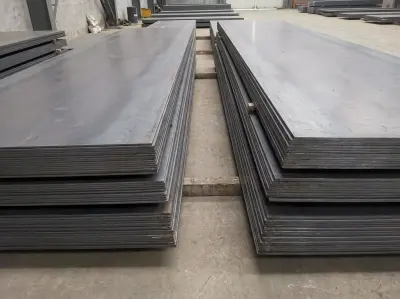
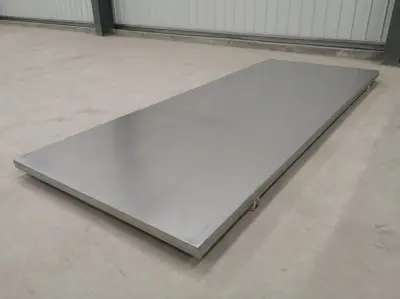
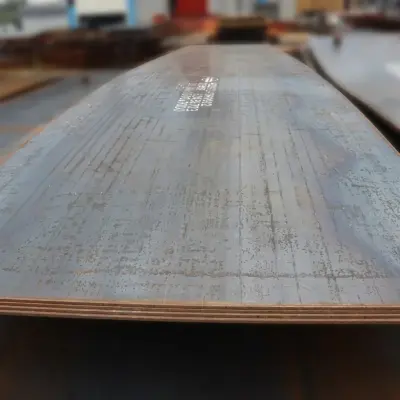
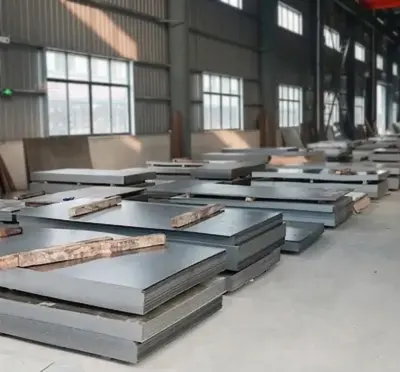
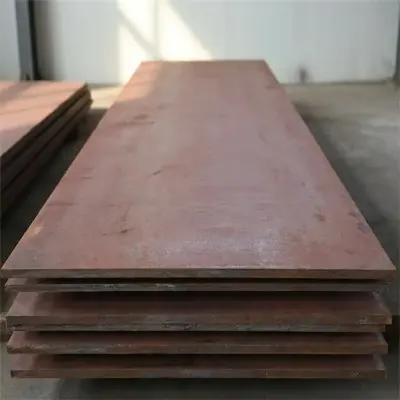
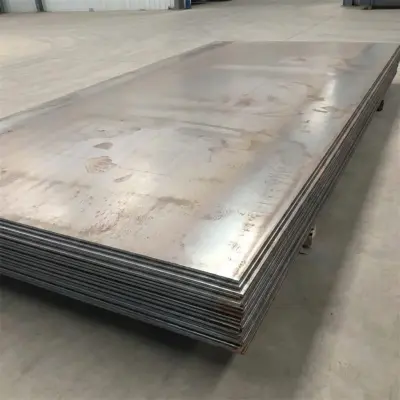
Product details
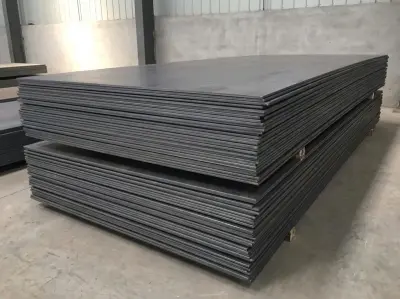
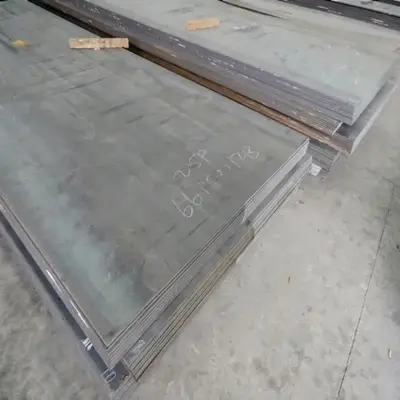
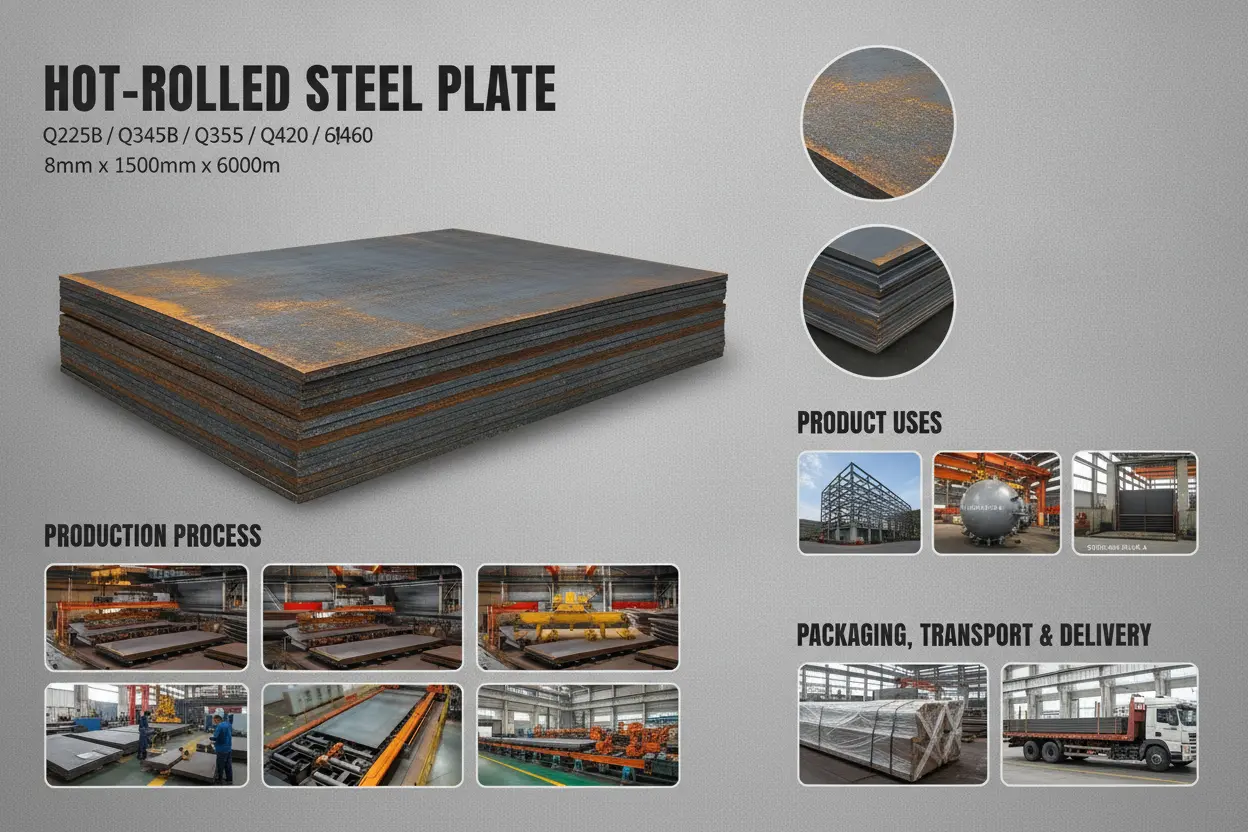
Hot-Rolled Steel Plate Technical Specifications
| Parameter | Specification |
|---|---|
| Product Name | Hot-Rolled Steel Plate |
| Material | Carbon steel, low-alloy steel or structural steel |
| Manufacturing Process | Hot rolled at high temperature, followed by cutting, leveling and surface inspection |
| Applicable Standards | ASTM A36, ASTM A572, ASTM A516, EN 10025, JIS G3101, JIS G4051, DIN and other customer-specified standards |
| Common Steel Grades | ASTM A36, A572 Grade 50, A516 Grade 60/70, S235JR, S275JR, S355JR, SS400, Q235B, Q355B and equivalent grades |
| Thickness | 3 mm–300 mm, customized according to project requirements |
| Width | 1,000 mm–4,000 mm, customized width available |
| Length | 2,000 mm–12,000 mm, fixed length or random length available |
| Dimensional Tolerance | According to ASTM, EN, JIS, GB or customer-specified tolerance requirements |
| Surface Condition | Hot-rolled black surface, descaled surface, shot-blasted surface, pickled surface or primed surface |
| Edge Type | Mill edge or trimmed edge |
| Flatness | Standard flatness or special flatness according to the applicable product standard |
| Heat Treatment | As-rolled, normalized, normalized rolled, quenched and tempered, or annealed condition |
| Typical Mechanical Properties | Yield strength, tensile strength and elongation vary according to steel grade and applicable standard |
| Weldability | Good weldability for suitable low-carbon and structural grades; welding procedure should match the material grade and thickness |
| Formability | Suitable for cutting, bending, drilling, machining and fabrication when the selected grade meets application requirements |
| Testing | Chemical composition analysis, tensile test, impact test, hardness test, ultrasonic testing and dimensional inspection available as required |
| Inspection Certificate | EN 10204 3.1 or 3.2 inspection certificate available upon request |
| Cutting Service | Plasma cutting, flame cutting, laser cutting and saw cutting available |
| Surface Protection | Waterproof packaging, steel strip bundling, rust preventive oil, painting or export seaworthy packing |
| Applications | Construction, bridges, machinery manufacturing, pressure vessels, shipbuilding, storage tanks, structural fabrication, automotive parts and industrial equipment |
| Customization | Custom grade, size, surface treatment, testing, marking and packaging available |
Hot-Rolled Steel Plate Supplier | High-Strength, Custom Sizes & Global Delivery
Hot-rolled steel plate provides a practical combination of structural strength, weldability, formability, and cost control for overseas manufacturers, fabricators, construction contractors, machinery builders, and steel service centers. Produced by rolling steel at elevated temperatures, hot-rolled steel plate is available in standard and cut-to-size formats for load-bearing frames, equipment, tanks, bridges, vessels, and general fabrication. Buyers can specify the required grade, thickness, width, length, surface condition, testing documents, edge condition, and delivery terms. A qualified supplier should also clarify the applicable ASTM, EN, JIS, or GB/T standard, mill certification, production schedule, packaging, and export documentation before confirming an order.
Product Overview
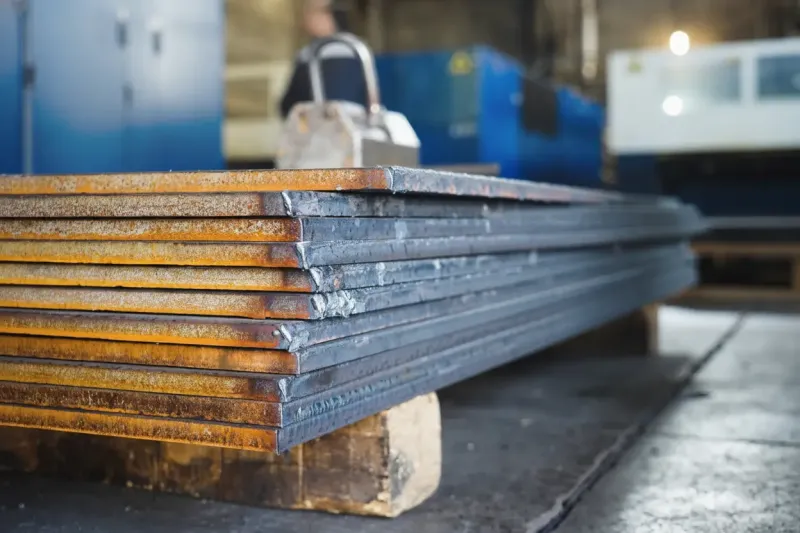
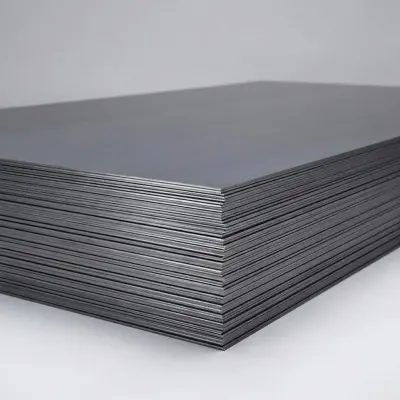
Hot-rolled steel plate is a flat carbon steel or low-alloy steel product manufactured through a high-temperature rolling process. Steel slabs are reheated and passed through rolling stands until they reach the required thickness. The plate is then cooled and supplied either in as-rolled condition or after additional processing such as leveling, shot blasting, cutting, or surface treatment.
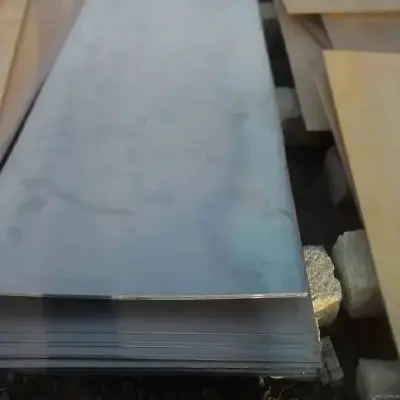
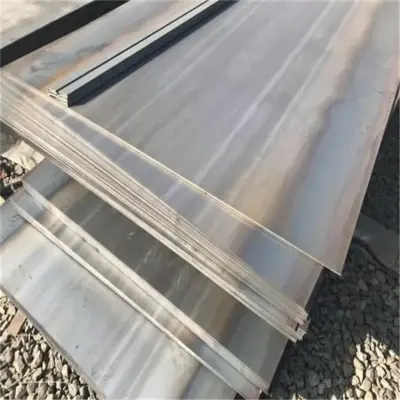
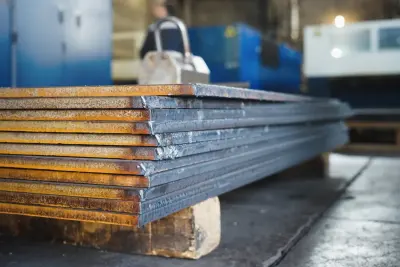
Compared with cold-rolled products, hot-rolled steel plate generally offers broader thickness availability and is well suited to applications where precise surface finish is less important than load capacity, fabrication efficiency, and overall material economy. The naturally formed mill scale on the surface may be acceptable for some structural applications, while other projects may require descaling, painting, galvanizing, or further machining.
Common product characteristics include:
- Structural capability: suitable for beams, frames, platforms, supports, brackets, and fabricated machinery components.
- Weldability: many carbon and low-alloy grades are designed for welding, subject to the grade, thickness, joint design, consumable selection, and applicable welding procedure.
- Cutting flexibility: plates can be supplied in mill sizes or cut by flame, plasma, laser, or other approved methods, depending on thickness and dimensional requirements.
- Custom dimensions: width, length, thickness, edge condition, and surface preparation can often be coordinated with the supplier before production.
- Documented traceability: export orders may include heat numbers, test certificates, packing lists, commercial invoices, and inspection records when specified in the purchase contract.
For projects requiring tighter thickness tolerance or a smoother finish, buyers may compare hot-rolled steel plate with cold-rolled steel sheet or pickled and oiled material. For demanding load-bearing applications, the selection should be based on design calculations and the exact requirements of the governing standard rather than on thickness alone.
Specifications & Standards
Hot-rolled steel plate should be ordered against a clearly identified product standard and grade. The standard determines requirements such as chemical composition, yield strength, tensile strength, elongation, impact testing, dimensional tolerances, inspection, and marking. The following standards are commonly referenced in international steel purchasing; the applicable choice depends on the project country, engineering specification, and end use.
| Standard | Typical product scope | Examples of grades | Buyer checks |
|---|---|---|---|
| ASTM A36/A36M | Carbon structural steel shapes, plates, and bars | ASTM A36 | Yield and tensile requirements, elongation, dimensional tolerance, and mill test report |
| ASTM A572/A572M | High-strength low-alloy structural steel | Grade 50 and other specified grades | Grade designation, alloy requirements, strength level, weldability conditions, and testing |
| ASTM A516/A516M | Pressure-vessel plates for moderate and lower-temperature service | Grades 60, 65, and 70 | Grade, heat treatment, impact requirements where applicable, and pressure-vessel documentation |
| EN 10025-2 | Hot-rolled non-alloy structural steels | S235JR, S275JR, S355JR and related grades | Subgrade, delivery condition, impact energy designation, thickness, and EN dimensional tolerances |
| JIS G3101 | Rolled steels for general structure | SS400 and related designations | Grade, tensile properties, bend requirements, thickness range, and inspection documents |
| GB/T 700 | Carbon structural steels | Q235B, Q275 and related grades | Quality level, chemical composition, mechanical properties, surface condition, and test certificate |
Available dimensions depend on the steel mill, grade, rolling schedule, and processing route. A purchase inquiry should state the nominal thickness, width, fixed or random length, quantity by size, required tolerance, and whether the plate is supplied as a full mill plate or cut piece. If the project requires a particular dimensional tolerance, buyers should refer to the tolerance clauses in the selected standard rather than relying on a general “standard size” description.
Where the contract requires chemical composition or mechanical performance, the supplier should provide results from the relevant mill test certificate. Typical certificate fields may include heat number, product standard, grade, thickness, carbon and alloying elements, yield strength, tensile strength, elongation, and impact results where specified. These values must be verified against the actual grade and thickness ordered. A general product page should not be treated as a substitute for the certified results of a specific production batch.
Surface and edge requirements should also be stated in writing. Buyers may request as-rolled mill scale, descaled material, shot-blasted plate, primed plate, trimmed edges, or sheared and thermally cut edges. For further information, compare the available structural steel grades, review the supplier’s mill test certificate guidance, and confirm whether third-party inspection is needed before shipment.
Applications
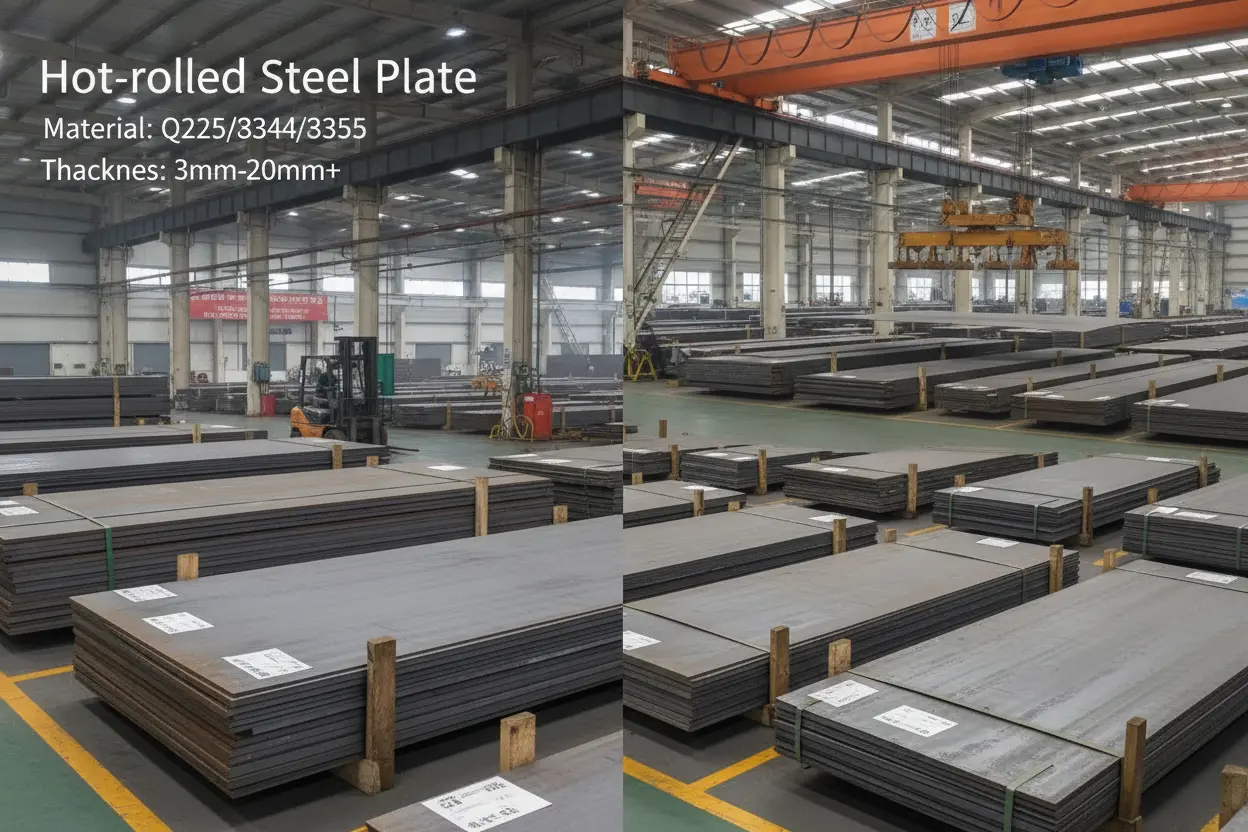
Hot-rolled steel plate is used across industries where steel sections must carry static or dynamic loads, withstand fabrication processes, or form part of a welded assembly. The correct grade and thickness must always be confirmed against the project design and applicable code.
Construction and infrastructure
Structural plate is used for building supports, base plates, columns, connection components, platforms, stair systems, and bridge-related fabrications. Projects may require structural grades certified to ASTM A36/A36M, ASTM A572/A572M, EN 10025-2, JIS G3101, or GB/T 700.
Heavy equipment and machinery
Manufacturers use hot-rolled plate for equipment frames, machine bases, hoppers, brackets, chassis components, agricultural machinery, and industrial handling systems. Selection may depend on yield strength, weldability, abrasion exposure, bending requirements, and machining allowance.
Storage tanks and pressure-related equipment
Some plate grades are produced for tank and pressure-vessel applications. These orders require especially careful review of the governing design code, material standard, heat treatment, impact testing, welding procedure, and inspection plan. Pressure-vessel plate should not be substituted with general structural plate without engineering approval.
Transportation and fabricated steel structures
Hot-rolled steel plate can be fabricated into trailer components, railway-related structures, shipyard assemblies, truck bodies, and support frames. The buyer should identify whether the end user imposes additional requirements for toughness, corrosion protection, fatigue performance, or weld qualification.
Energy, mining, and industrial plants
Steel plate is commonly incorporated into conveyor structures, chutes, bins, pipe supports, access platforms, skids, and plant maintenance fabrications. Where wear resistance or elevated-temperature service is involved, a dedicated wear-resistant steel plate or low-alloy product may be more suitable than ordinary carbon structural plate.
How to Choose / Buying Guide
A procurement team should define the complete technical and commercial requirement before comparing offers for hot-rolled steel plate. A low unit price does not provide a meaningful comparison if the quoted material has a different grade, tolerance, surface condition, or documentation level.
1. Confirm the design grade and governing standard
Start with the engineering specification. State the exact standard and grade, such as ASTM A36/A36M, ASTM A572/A572M Grade 50, EN 10025-2 S355JR, JIS G3101 SS400, or another approved designation when applicable. Do not use grade names from different standards interchangeably without technical approval, because similar labels do not necessarily have identical chemistry, strength, toughness, or inspection requirements.
2. Define dimensions and quantity precisely
List thickness, width, length, quantity, and size breakdown. Explain whether the requested length is fixed, random, or cut-to-size. Also state the acceptable dimensional tolerance and whether a small quantity of short pieces is acceptable. For repeated production, provide an annual or forecast volume if available; this helps the supplier assess rolling and cutting efficiency without assuming a fixed MOQ.
3. Specify surface, edge, and processing requirements
Clarify whether mill scale is acceptable, whether the plate will be painted, and whether descaling, shot blasting, priming, leveling, or edge trimming is required. If the material will be laser cut, formed, or welded, inform the supplier in advance. Processing requirements can affect achievable thickness, flatness, yield, packaging, and production lead time.
4. Request traceability and inspection documents
For many international orders, the expected document package includes a commercial invoice, packing list, certificate of origin where required, bill of lading, and mill test certificate. Projects with contractual quality controls may additionally require EN 10204 Type 3.1 inspection documentation or third-party inspection. The exact document level should be agreed before production, not after the material has been packed.
5. Check MOQ, production lead time, and shipment planning
MOQ and lead time vary by grade, thickness, mill availability, order quantity, cutting requirements, and inspection scope. A supplier should confirm these items against the requested size list rather than quoting a universal figure. Ask whether the order will be produced from a new rolling schedule or supplied from available stock. For export planning, also confirm packing method, bundle weight, marking, loading arrangement, container or breakbulk suitability, and the agreed Incoterm. Buyers can review steel plate export packaging and international shipping terms before finalizing the purchase order.
6. Agree payment and risk-control terms
Payment methods are normally negotiated according to order value, customer history, country risk, and supplier policy. Common arrangements may include a deposit with balance before shipment, documentary payment, letter of credit, or another mutually accepted structure. The quotation should state the currency, validity period, bank charges, inspection timing, and conditions for releasing shipping documents. Never assume that a payment method or credit term is available until it is confirmed in the pro forma invoice.
Frequently Asked Questions
Q: What is hot-rolled steel plate?
A: Hot-rolled steel plate is flat steel produced by rolling reheated slabs at high temperature. It is supplied in carbon steel, low-alloy, and specialized grades, depending on the applicable standard and end use. It is widely used for structural fabrication, machinery, tanks, platforms, and heavy industrial assemblies.
Q: How is hot-rolled steel plate different from cold-rolled steel?
A: Hot-rolled steel plate is formed at elevated temperature and is generally available in heavier sections with a mill-scale surface. Cold-rolled steel is processed at or near room temperature after hot rolling and normally offers tighter dimensional control and a smoother surface. The appropriate product depends on strength, thickness, finish, forming, and tolerance requirements. See the comparison of hot-rolled and cold-rolled steel for application-based selection.
Q: Which international standards can be used for hot-rolled steel plate?
A: Common references include ASTM A36/A36M and ASTM A572/A572M for structural applications, ASTM A516/A516M for certain pressure-vessel applications, EN 10025-2 for European structural grades, JIS G3101 for Japanese general structural steel, and GB/T 700 for Chinese carbon structural steel. The buyer should specify one governing standard and grade in the purchase order.
Q: Can the supplier provide a mill test certificate?
A: A mill test certificate can generally be requested, but the required document type must be confirmed before ordering. Depending on the contract, documentation may include heat traceability, chemical analysis, mechanical test results, product standard, dimensions, and inspection certification such as EN 10204 Type 3.1. The certificate should correspond to the actual heat and supplied material.
Q: What is the MOQ for hot-rolled steel plate?
A: There is no universal MOQ for every grade and size. The minimum order may depend on mill rolling requirements, available stock, cutting losses, thickness, width, destination, and packaging. Request an order-specific MOQ and ask whether mixed sizes or a trial quantity can be combined in one shipment.
Q: What payment methods are available for international orders?
A: Payment terms are negotiated between the buyer and supplier. Possible methods include bank transfer arrangements, letters of credit, documentary payment, or other agreed commercial terms. The final method depends on company policy, transaction value, customer qualification, and country-specific banking conditions, so it should be written into the pro forma invoice and sales contract.
Q: How long does delivery take?
A: Delivery time depends on whether the material is available from stock or requires new production, as well as the grade, quantity, cutting, inspection, and destination. Sea transit time is separate from production and processing time. Ask for a schedule showing order confirmation, production, inspection, packing, loading, and estimated transit milestones.
Q: Can hot-rolled steel plate be cut to custom sizes?
A: Many suppliers can provide cut-to-size plates using suitable thermal or mechanical cutting methods. Custom cutting may change the price, yield, flatness, edge condition, and lead time. Provide a cutting list, drawing, tolerance, and required edge finish so the supplier can confirm feasibility before quotation.
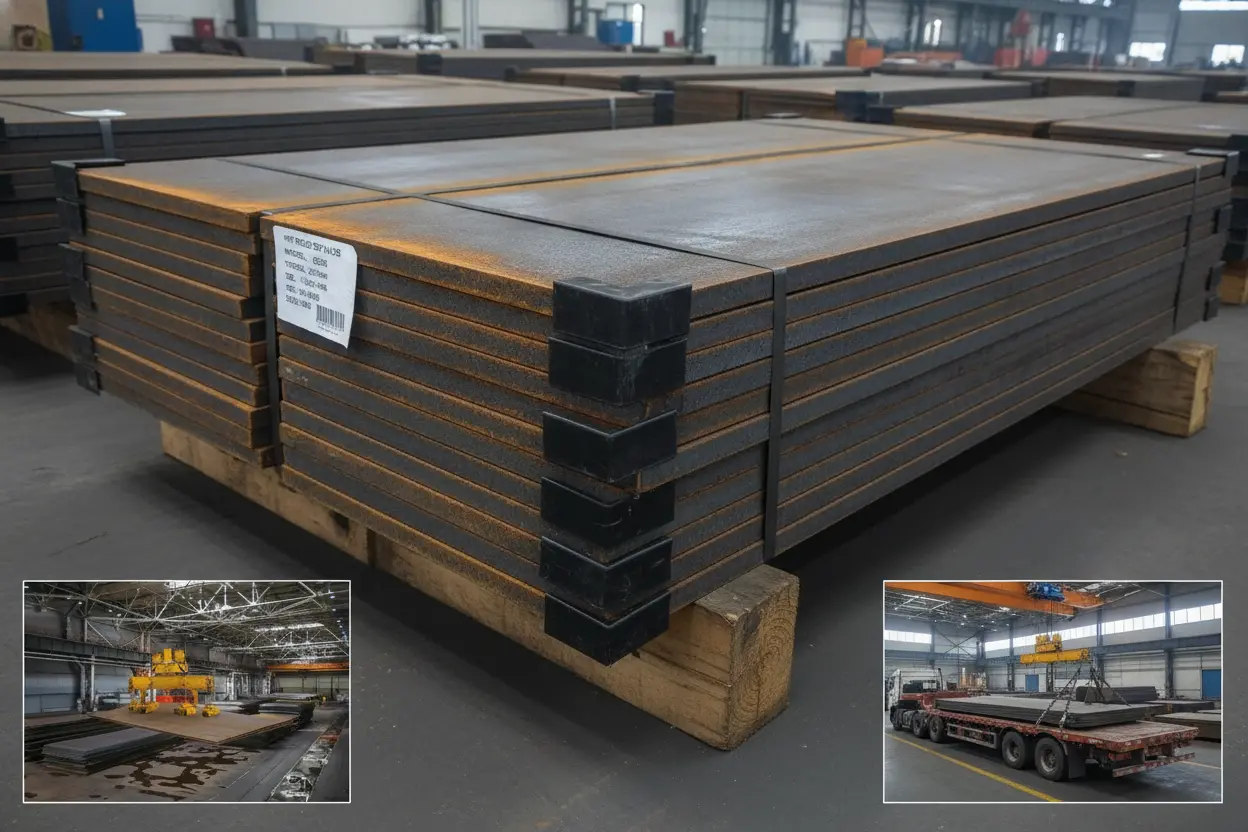
Q: How should hot-rolled steel plate be packed for export?
A: Export packing should protect the plate from shifting, impact, moisture exposure, and identification loss during handling. Typical arrangements may include bundled plates, steel straps, lifting points, durable marks, and packing adapted to container or vessel loading. The final packing plan should reflect plate dimensions, bundle weight, destination requirements, and the agreed Incoterm.
Send your required grade, standard, thickness, width, length, quantity, surface condition, testing documents, destination, and target delivery schedule to request a tailored quotation for hot-rolled steel plate. Our sales team can review the specification, clarify feasible production and processing options, and prepare a commercial offer with documentation, packing, and shipping terms for your project.
Ratings & Reviews

Know your supplier
Supplier's customization ability
- Drawing-based customization
- Sample-based customization
- Full customization
Minimum order quantity: 25 ton
Shipping total: To be negotiated
- Lead time:
- confirmed with the quotation
- Packaging:
- standard export packing
- Samples:
- available on request