 English
 Español
 Français
 Deutsch
 Português (Brasil)
 Русский
 العربية

Debris Discharge Gate | Heavy-Duty Steel Gate for Efficient Material Discharge

 China





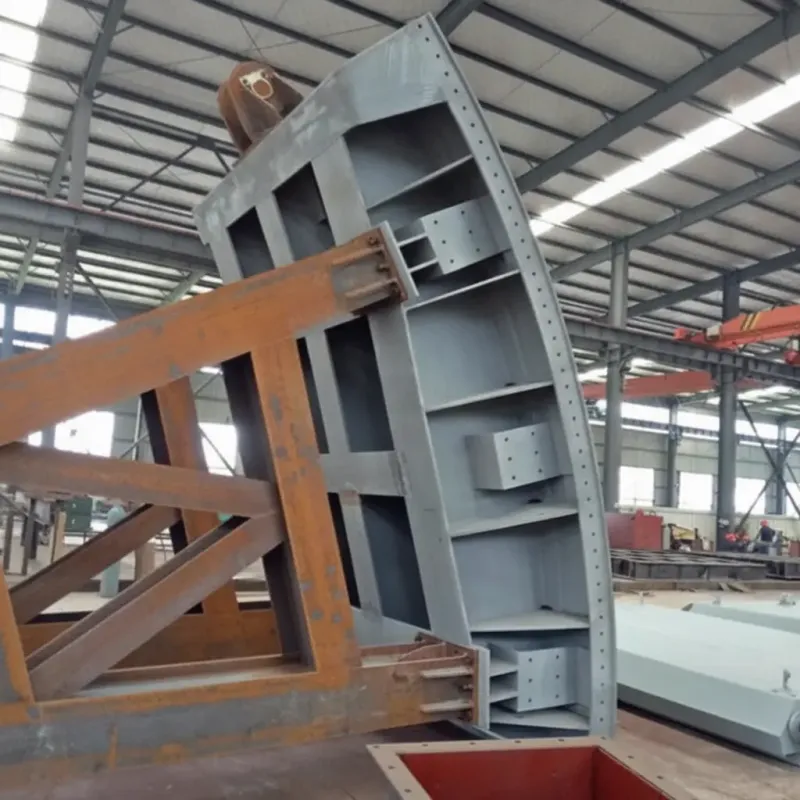
Supplier's customization ability
- Drawing-based customization
- Sample-based customization
- Full customization
Minimum order quantity: 1 pieces
Shipping total: To be negotiated
- Lead time:
- confirmed with the quotation
- Packaging:
- standard export packing
- Samples:
- available on request
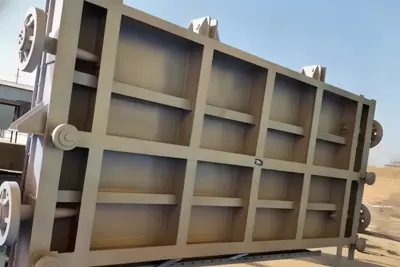

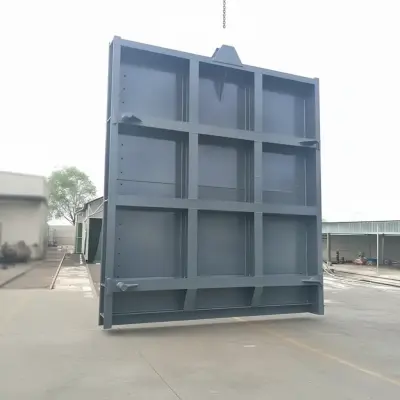
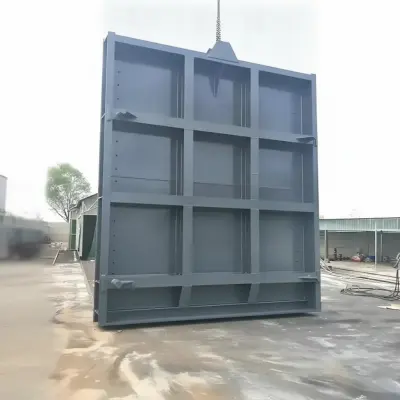
Product details
Debris Discharge Gate Technical Parameters
| Parameter | Specification |
|---|---|
| Product Name | Debris Discharge Gate |
| Product Type | Heavy-duty debris discharge and material flow control gate |
| Primary Function | Controls, isolates, and discharges debris, sediment, sludge, ash, aggregate, and other bulk materials |
| Applicable Systems | Hoppers, silos, chutes, bins, conveyors, dust collection systems, waste handling equipment, and material processing lines |
| Gate Design | Sliding plate, flap, knife gate, or customized discharge configuration |
| Nominal Size | Customizable according to chute, hopper, or pipeline dimensions |
| Body Material | Carbon steel, stainless steel 304, stainless steel 316, or wear-resistant alloy steel |
| Gate Plate Material | Carbon steel, stainless steel, hardened steel, or abrasion-resistant steel |
| Surface Treatment | Painted, powder coated, hot-dip galvanized, or epoxy coated |
| Drive Options | Manual handwheel, pneumatic cylinder, electric actuator, hydraulic actuator, or gravity-assisted operation |
| Sealing Options | Metal-to-metal seal, rubber seal, PTFE seal, or high-temperature packing seal |
| Material Temperature | Standard designs for ambient service; high-temperature configurations available for customized applications |
| Flow Media | Construction debris, mining residue, coal, ash, sand, gravel, cement, sludge, and industrial waste |
| Pressure Rating | Designed according to system pressure, gravity discharge requirements, and operating conditions |
| Installation Orientation | Horizontal, vertical, inclined, or customized installation |
| Connection Type | Flanged, bolted, welded, or hopper-mounted connection |
| Wear Protection | Optional replaceable wear liners and reinforced discharge surfaces for abrasive debris |
| Control Method | Local manual control, remote pneumatic control, electric control, or automated PLC integration |
| Safety Features | Mechanical stops, position indicators, locking device, protective guards, and optional limit switches |
| Customization | Available for opening size, actuator type, sealing material, liner design, flange dimensions, and operating environment |
| Typical Industries | Mining, construction, demolition, cement, aggregate processing, waste management, power generation, and bulk material handling |
Debris Discharge Gate | Heavy-Duty Steel Gate for Efficient Material Discharge
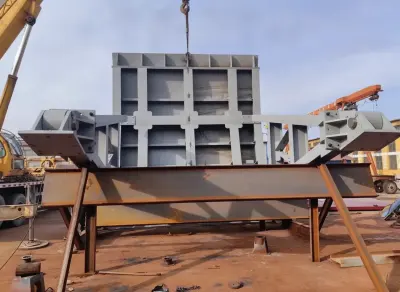
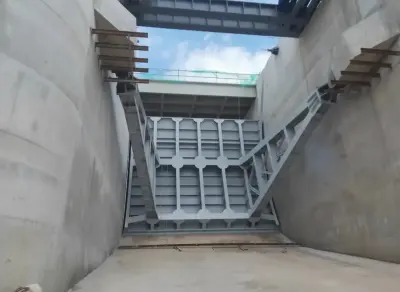
A debris discharge gate is a steel flow-control component used to release, isolate, or regulate loose material from a hopper, chute, bin, screen, conveyor transfer point, or similar handling system. It is intended for overseas equipment manufacturers, plant operators, engineering contractors, and industrial distributors that need a practical way to manage the discharge of abrasive or irregular debris. A properly specified debris discharge gate can support controlled emptying, safer maintenance access, reduced spillage, and more predictable material flow. Because the reference information does not define a fixed size range, grade, actuator, or configuration, the final design should be confirmed against the installation drawing, material characteristics, duty cycle, and applicable project requirements. Buyers can also compare related [[INTERNAL_LINK]] material-handling components when planning a complete discharge system.
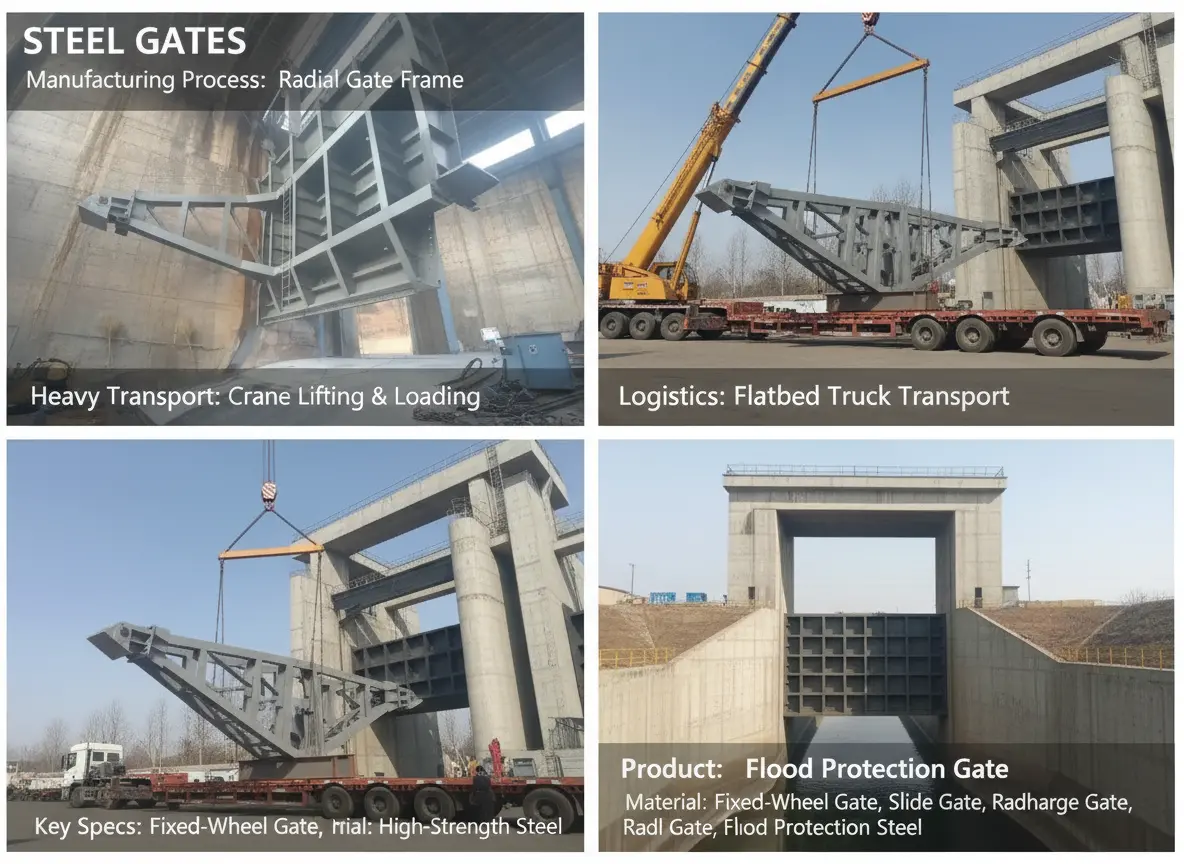
Product Overview: Debris Discharge Gate
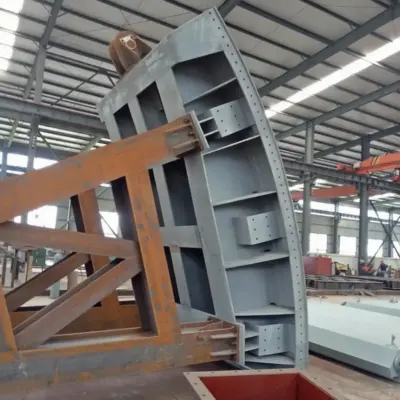
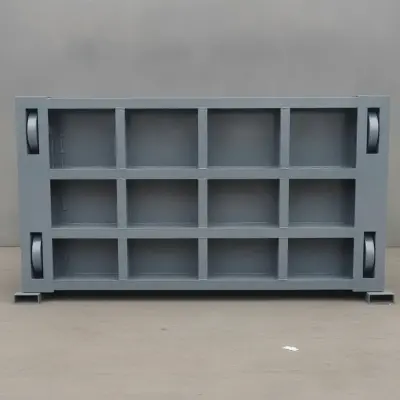
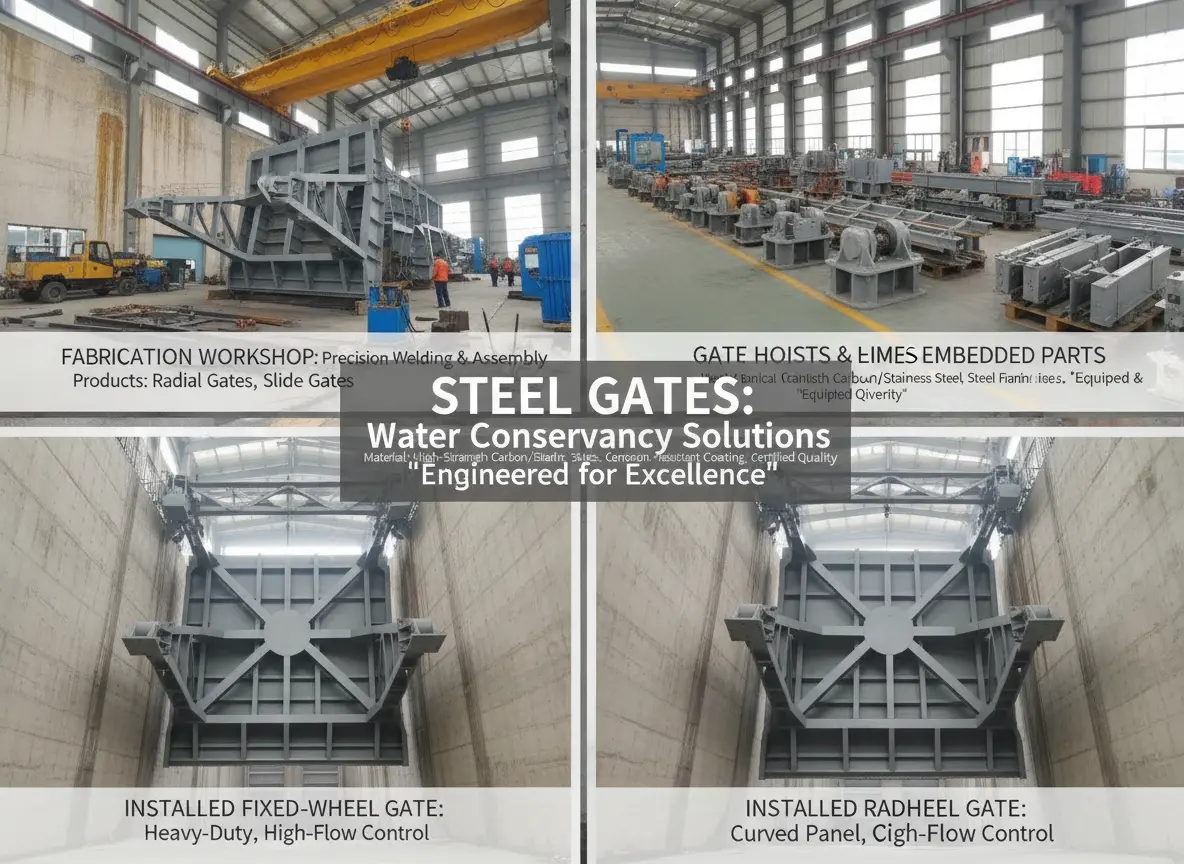
A debris discharge gate is generally installed at the outlet of a vessel or transfer section where material must be stopped or discharged on demand. The gate may operate as a simple open-close barrier or as part of a larger flow-control arrangement, depending on the equipment layout. Typical assemblies can include a steel gate plate, frame, guides, seals, hinges or sliding surfaces, stops, mounting hardware, and a manual, pneumatic, hydraulic, or electric operating mechanism. The exact arrangement is application-specific and should not be assumed from the product name alone.
The primary value of a debris discharge gate is controlled isolation. When closed, it can separate stored or moving material from downstream equipment during inspection, cleaning, blockage removal, or planned maintenance. When opened, it provides a defined discharge path. In systems handling mixed debris, scrap, aggregate, demolition material, ash, biomass residue, or other irregular solids, the opening geometry and clearances are especially important because oversized pieces can bridge or obstruct a narrow passage.
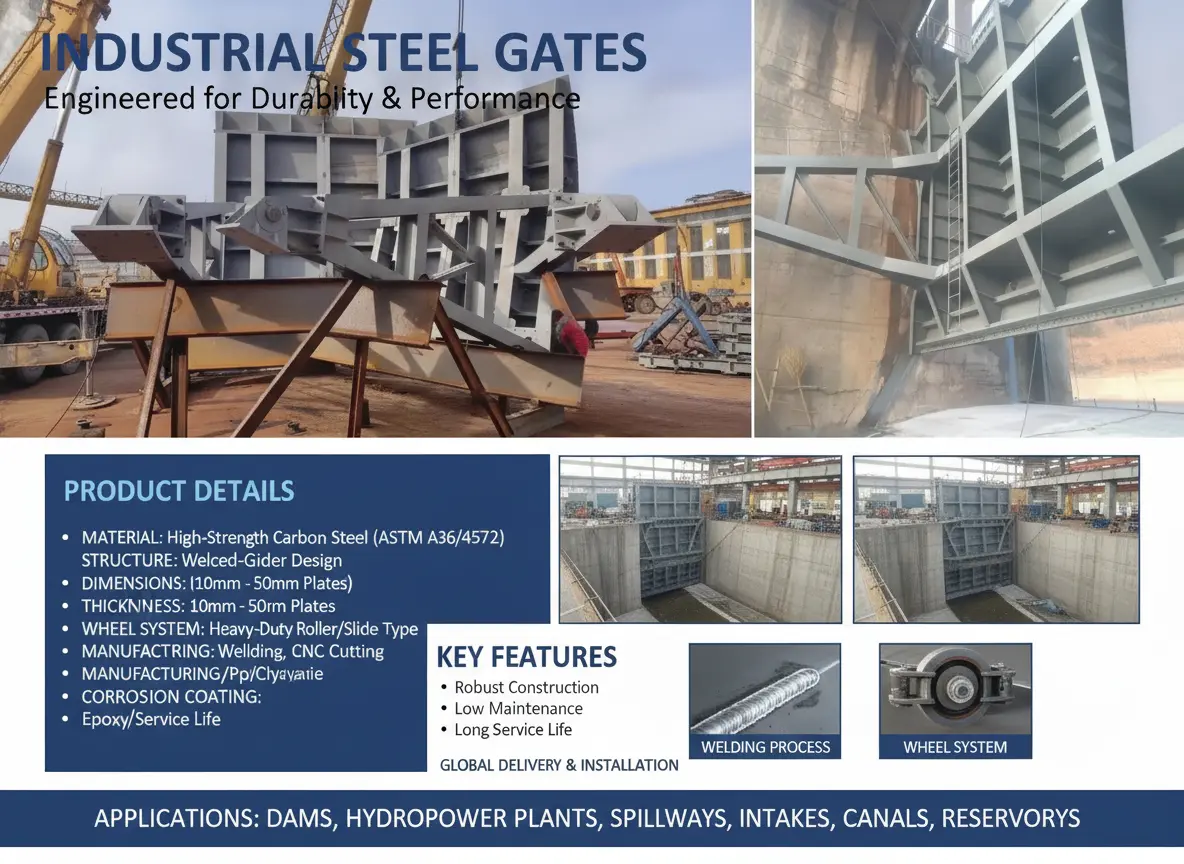
Steel is commonly selected for the load-bearing parts because it offers a practical balance of strength, fabricability, repairability, and cost for industrial equipment. The appropriate steel grade depends on loading, impact, abrasion, temperature, corrosion exposure, welding procedure, and local procurement requirements. Wear liners, replaceable edges, corrosion-resistant coatings, or stainless components may be considered where the service environment requires them. These features should be listed on the technical quotation rather than treated as automatic inclusions.
Buyers should distinguish a debris discharge gate from a process valve, slide gate, knife gate, flap gate, or diverter gate. Some products may perform similar functions, but their sealing ability, allowable particle size, actuator arrangement, and maintenance method can differ substantially. A supplier should review the [[INTERNAL_LINK]] equipment interface and provide a drawing showing the closed position, open position, mounting points, and service clearances.
Specifications & Standards for a Debris Discharge Gate
There is no single universal specification for every debris discharge gate. The purchaser should issue a datasheet or inquiry schedule covering the points below and ask the supplier to identify which items are standard, optional, or subject to engineering confirmation.
- Nominal opening dimensions, overall frame dimensions, and available installation space.
- Gate orientation, discharge direction, operating position, and access requirements.
- Design load, static head, impact exposure, material bulk density, and expected particle size.
- Operating frequency, required opening time, duty cycle, and fail position.
- Gate plate thickness, frame construction, guide design, edge details, and wear protection.
- Actuator type, supply requirements, control interface, local controls, and manual override.
- Seal arrangement, leakage expectation, temperature range, and dust or moisture exposure.
- Surface preparation, coating system, galvanizing, paint color, or other corrosion-protection requirements.
- Inspection records, welding documentation, dimensional reports, and packaging requirements.
Material and fabrication standards must be selected according to the project location and contract. ASTM A36 is commonly referenced for certain carbon-steel structural plate applications, while ASTM A572/A572M may be specified where a suitable high-strength structural plate grade is required. EN 10025-2 covers hot-rolled structural steel products in relevant European designations, and JIS G3101 covers commonly used rolled steels for general structure in Japan. GB/T 700 is a Chinese standard for carbon structural steels. These references are not interchangeable by name alone: the purchaser must confirm grade, thickness, delivery condition, impact requirements, and chemical and mechanical requirements with the fabricator.
Where stainless steel is necessary, the required grade and governing standard should be stated explicitly. Where the gate is part of a pressure-retaining or regulated installation, additional code requirements may apply. A debris discharge gate used on ordinary atmospheric material-handling equipment should not automatically be represented as a pressure vessel component or as a certified pressure boundary. The supplier should state the design basis and exclusions clearly.
The following table illustrates the type of information that should be confirmed. It intentionally avoids assigning unverified values to this product.
| Item | Requirement to Confirm | Possible Reference or Evidence |
|---|---|---|
| Gate body and frame | Steel grade, thickness, weld design, and dimensions | Approved drawing; ASTM, EN, JIS, or GB/T material certificate as specified |
| Mechanical performance | Design load, deflection limit, impact condition, and operating cycles | Project calculation or supplier engineering datasheet |
| Surface protection | Coating, galvanizing, or stainless construction | Project coating specification and inspection report |
| Actuation | Manual, pneumatic, hydraulic, or electric operation | Control schematic, actuator datasheet, and interface drawing |
| Inspection | Dimensions, weld quality, function, and final condition | Inspection and test plan agreed before production |
For fabricated carbon-steel assemblies, buyers may request mill certificates for the principal plate and sections, weld procedure information where relevant, dimensional inspection, and a functional open-close test. Nondestructive testing should be specified only where the design or project risk justifies it, with the method and acceptance criteria identified in advance. Additional [[INTERNAL_LINK]] steel fabrication documentation may help the purchasing team establish a consistent approval process.
Applications of a Debris Discharge Gate
A debris discharge gate can serve several industrial use cases, provided its opening, structure, and operating system are matched to the material and duty.
Waste and recycling equipment
Recycling plants and waste-processing lines may need to isolate a hopper, empty a collection chamber, or control the release of irregular material. In this setting, the gate should be reviewed for impact from large pieces, entanglement risks, access for clearing blockages, and compatibility with downstream conveyors or shredders.
Aggregate, quarry, and mineral handling
Crushed stone, sand, screening rejects, and mineral fragments can impose significant abrasive wear. A gate used below a hopper or screen should be checked for particle size distribution, bulk density, drop height, and the frequency of operation. A replaceable wear surface may be more practical than making every structural part excessively thick.
Construction and demolition material
Demolition debris is often mixed, angular, and difficult to predict. The equipment designer may need a large clear opening, robust stops, protected actuator components, and a layout that allows safe removal of oversized pieces. The gate should be evaluated together with the hopper and chute because a strong gate cannot correct a poorly proportioned discharge path.
Biomass, ash, and residue handling
Wood residue, fuel feedstock, bottom ash, and similar materials may require attention to dust, temperature, moisture, and bridging. The selected sealing and actuator arrangement should reflect the actual operating environment. Hot or chemically active residue can require materials and coatings beyond a standard carbon-steel arrangement.
Industrial process and maintenance isolation
Some plants use a discharge gate as an isolation point beneath storage or processing equipment. In this role, clear indication of gate position, lockout provisions, and access for inspection may be as important as the basic opening function. The procurement package should include the safety and control requirements applicable to the site.
How to Choose / Buying Guide for a Debris Discharge Gate
Begin with the installation rather than the product label. Send the supplier a general arrangement drawing, outlet dimensions, elevation, connection details, and photographs if the gate is replacing an existing unit. State whether the gate is installed horizontally, vertically, or at an angle. Also identify whether material is present above the closed gate during operation, since that condition can affect structural loading and actuator sizing.
Next, describe the material in measurable terms. Useful information includes material name, moisture, temperature, bulk density, maximum lump size, particle shape, abrasiveness, corrosiveness, and tendency to bridge or compact. “Debris” is not a sufficient engineering description by itself. If the material varies by batch, provide the normal range and the credible maximum case. This helps the supplier determine the clear opening, edge profile, plate design, lining, and operating force.
Confirm the required function. A gate for occasional emptying may have different requirements from one cycling every few minutes. Ask whether the gate must provide process isolation, dust control, or only basic discharge interruption. Define the desired fail position in the event of power or air loss, and identify whether the actuator must include a position switch, proximity sensor, local indicator, interlock, or emergency manual operation.
Certification should match the contract. Request the exact material standard and grade, certificates for critical materials, coating records, dimensional inspection, and a shop function test when these documents are relevant. If the project requires CE-related documentation, ATEX considerations, electrical certifications, site-specific safety compliance, or another regulatory package, identify that requirement before quotation. A generic claim of certification is not a substitute for naming the applicable directive, standard, or supplied document.
MOQ and lead time are commercial variables that depend on the final design, quantity, material selection, actuator, fabrication schedule, and inspection scope. Since no fixed MOQ or delivery period is provided for this product, the buyer should request those terms in writing for the exact configuration. Ask the quotation to separate the gate price from actuator packages, spare parts, special coatings, testing, export packing, and freight. This makes competing offers easier to compare.
Payment terms should also be confirmed in the pro forma invoice or sales contract. Common arrangements may vary by supplier and order value, but the buyer should verify the deposit, balance timing, inspection point, bank charges, currency, and documents required for release. Do not treat customary terms as a guaranteed offer. For international logistics, confirm packing dimensions, gross weight, lifting points, container suitability, export documentation, insurance responsibility, and the agreed Incoterm. The choice of port and final inland transport depends on the supplier location and destination, so it should be quoted rather than assumed. Related [[INTERNAL_LINK]] export packing guidance can be reviewed alongside the gate inquiry.
Finally, plan maintenance before placing the order. Ask how seals, wear plates, guide surfaces, hinges, and actuator parts are accessed and replaced. Request recommended spare parts and identify whether the gate can be serviced without removing the complete hopper or chute. A drawing that shows maintenance clearance can prevent avoidable downtime after installation.
Frequently Asked Questions About a Debris Discharge Gate
Q: What is a debris discharge gate used for?
A: It is used to control the release or isolation of loose material from equipment such as hoppers, bins, chutes, screens, and transfer sections. The exact function may be simple open-close isolation or controlled discharge, depending on the design and operating system.
Q: What material is normally used for a debris discharge gate?
A: Steel is a common choice for the gate plate and frame because it can be fabricated for industrial loads and repaired or modified in many markets. The correct grade depends on strength, impact, abrasion, temperature, corrosion, welding, and project standards. The grade should be stated on the quotation and material documentation.
Q: Is a debris discharge gate the same as a slide gate or knife gate?
A: Not necessarily. These names can describe different constructions and duties. A slide gate may be intended for bulk solids, while a knife gate may be designed around a thinner plate and a particular sealing arrangement. Compare the clear opening, particle size, pressure or head condition, leakage expectation, actuator, and maintenance requirements before substituting one product for another.
Q: Which standards can apply to the steel construction?
A: Depending on the project, the specification may reference ASTM A36, ASTM A572/A572M, EN 10025-2, JIS G3101, GB/T 700, or another applicable material standard. The selected standard and grade must be confirmed with the fabricator. Structural steel standards alone do not define the complete gate design, actuator, coating, or site safety requirements.
Q: Can the gate be supplied with an actuator?
A: It may be possible to supply manual, pneumatic, hydraulic, or electric operation, but the available arrangement depends on the gate geometry, operating force, cycle frequency, utilities, control system, and fail-position requirement. Include the actuator and control details in the inquiry so the supplier can confirm a compatible package.
Q: What information should I provide to request a quotation?
A: Provide the opening and connection dimensions, orientation, material description, maximum lump size, bulk density, temperature, moisture, abrasion or corrosion conditions, operating frequency, actuator preference, required documents, destination, and target delivery requirement. A drawing or photograph of the existing installation is useful for replacement projects. You can also review [[INTERNAL_LINK]] bulk-solids equipment selection information before preparing the RFQ.
Q: Is there a standard MOQ for a debris discharge gate?
A: No fixed MOQ is established in the available product information. Fabricated industrial gates are often quoted according to the design, quantity, material, actuator, and inspection requirements. Ask the supplier to confirm the minimum order quantity or whether a single custom unit can be produced.
Q: What is the expected delivery time?
A: Delivery depends on drawing approval, steel and actuator availability, fabrication capacity, coating, inspection, packing, and shipping arrangements. Because no confirmed lead time is provided, request a schedule with engineering, production, inspection, and dispatch milestones for the exact order.
Q: Which payment methods are available?
A: Payment terms are commercial conditions that must be agreed with the supplier. The contract or pro forma invoice should define the currency, deposit, balance, inspection or document release conditions, bank charges, and any credit arrangement. Buyers should not assume a standard term without written confirmation.
Q: How can I reduce maintenance problems after installation?
A: Match the opening and gate design to the real particle size and material behavior, provide adequate access, protect the actuator from impact and dust where necessary, and request wear-part and spare-part details before purchase. Commissioning should include an unloaded and loaded functional check, position verification, and confirmation that the gate does not bind under normal material conditions. The [[INTERNAL_LINK]] maintenance checklist for discharge equipment can support handover planning.
Request a Debris Discharge Gate Quotation
Send the outlet drawing, material data, operating conditions, preferred actuation, required standards, inspection documents, quantity, destination, and delivery target to obtain a configuration-specific quotation for a debris discharge gate. Ask for a dimensional drawing, material and coating description, commercial terms, packing information, and a clear list of exclusions. A complete inquiry allows the supplier to confirm suitability without inventing assumptions and gives your purchasing and engineering teams a firm basis for comparison. Request a quotation or technical review for your application today.
Ratings & Reviews

Know your supplier
Supplier's customization ability
- Drawing-based customization
- Sample-based customization
- Full customization
Minimum order quantity: 1 pieces
Shipping total: To be negotiated
- Lead time:
- confirmed with the quotation
- Packaging:
- standard export packing
- Samples:
- available on request