 English
 Español
 Français
 Deutsch
 Português (Brasil)
 Русский
 العربية

Double Drum Hoist Manufacturer | Heavy-Duty Industrial Lifting Equipment Supplier

 China
Supplier's customization ability
- Drawing-based customization
- Sample-based customization
- Full customization
Minimum order quantity: 1 pieces
Shipping total: To be negotiated
- Lead time:
- confirmed with the quotation
- Packaging:
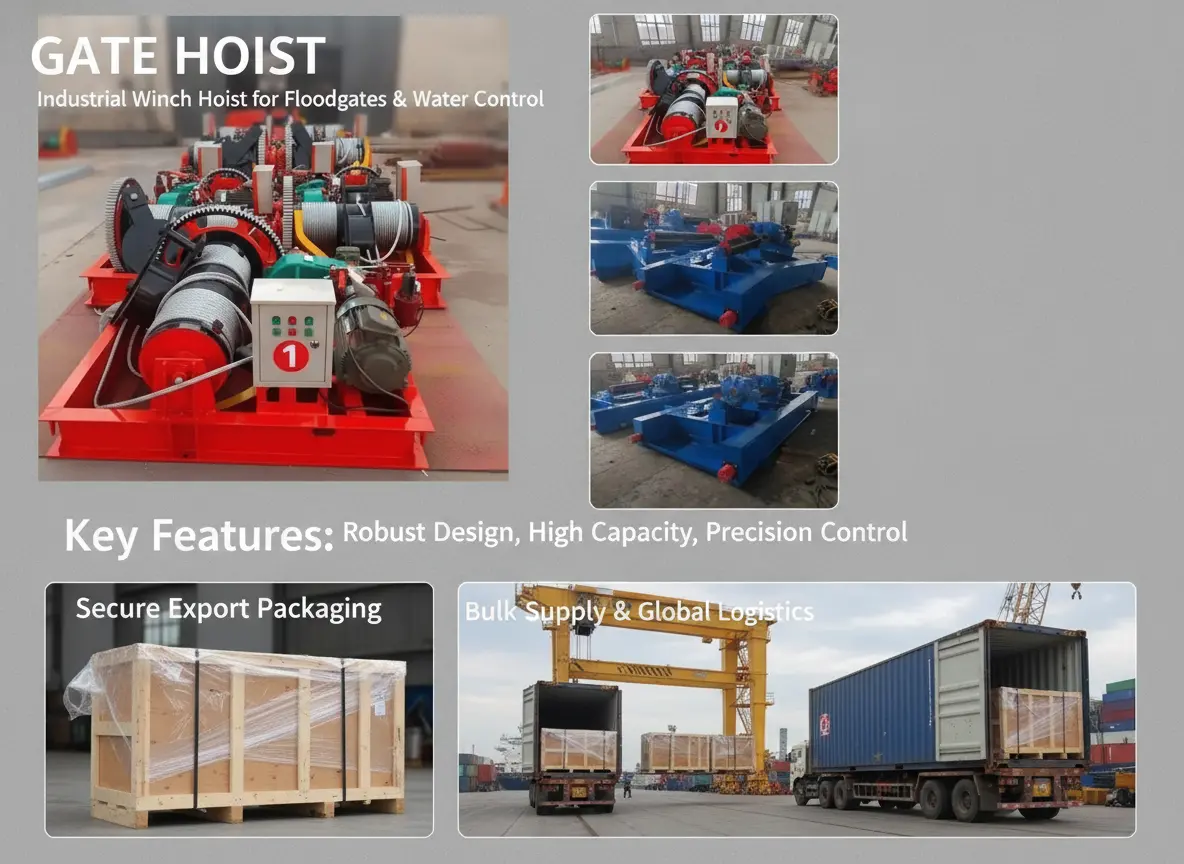
- standard export packing
- Samples:
- available on request
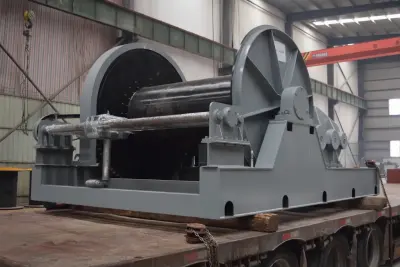
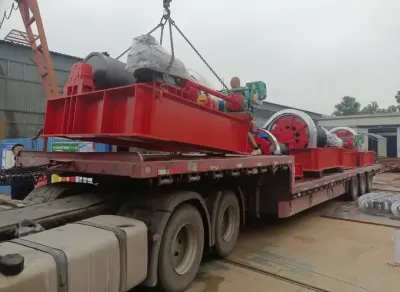
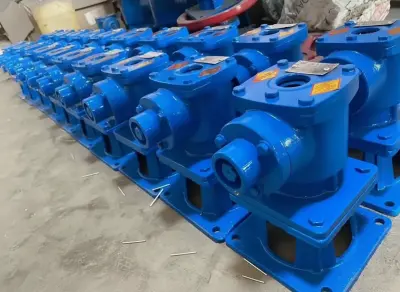
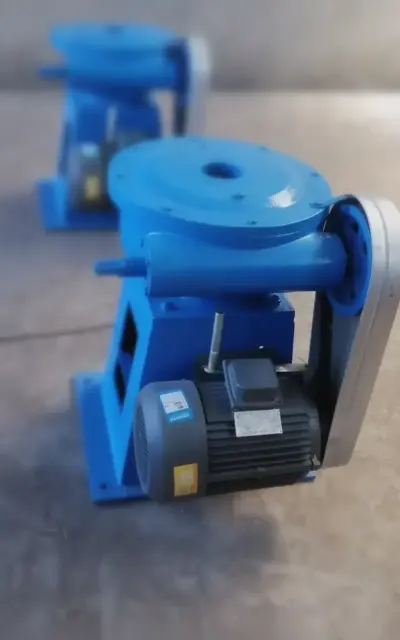
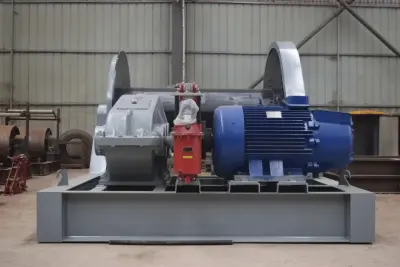
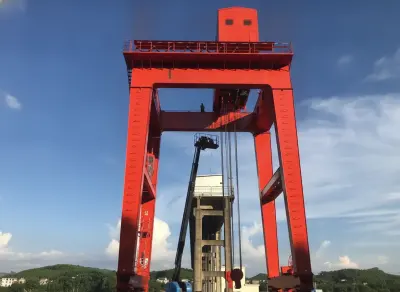
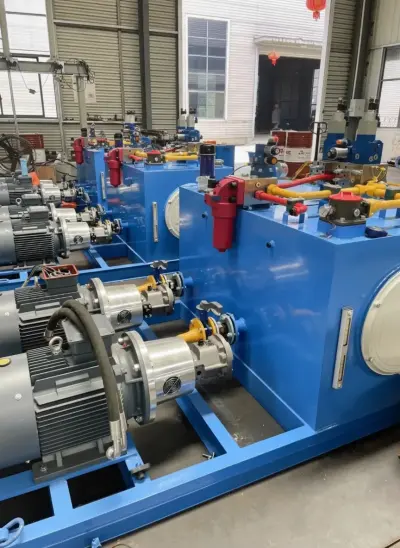
Product details
Double Drum Hoist Technical Parameters
| Parameter | Specification |
|---|---|
| Product Name | Double Drum Hoist |
| Hoist Type | Double-drum wire rope hoist for synchronized or independent lifting applications |
| Rated Lifting Capacity | Customized according to project requirements; commonly available in multiple capacity configurations |
| Rated Lifting Speed | Variable-speed or fixed-speed options available to meet lifting and positioning requirements |
| Maximum Lifting Height | Customized according to the installation layout, drum capacity, and wire rope length |
| Drum Configuration | Two grooved wire rope drums with independent or synchronized operation |
| Drum Material | High-strength carbon steel or alloy steel with machined rope grooves |
| Wire Rope Arrangement | Wire rope reeving and anchoring designed according to load, lift height, and working conditions |
| Motor Type | Three-phase AC electric motor, with inverter-controlled or two-speed drive options |
| Braking System | Fail-safe electromagnetic or electro-hydraulic brake for reliable load holding |
| Control Method | Pendant control, remote control, control panel, or PLC-based control system |
| Duty Classification | Designed according to required working class and operating cycle; final classification confirmed during engineering design |
| Power Supply | Available for common industrial power supplies such as 380V, 400V, or 415V at 50Hz/60Hz |
| Safety Features | Overload protection, upper and lower limit switches, emergency stop, drum guards, and rope slack protection where applicable |
| Installation Type | Suitable for fixed installation, gantry systems, lifting platforms, winch frames, and customized industrial equipment |
| Operating Environment | Indoor or outdoor applications; ambient temperature, humidity, dust, and corrosion requirements should be specified |
| Applicable Industries | Construction, shipbuilding, ports, mining, steel plants, power plants, water conservancy, and heavy machinery handling |
| Customization Options | Lifting capacity, lift height, drum size, rope arrangement, motor power, control system, protection grade, and mounting structure |
| Quality and Compliance | Manufactured and tested according to applicable customer specifications and relevant lifting equipment safety standards |
Double Drum Hoist Manufacturer | Heavy-Duty Industrial Lifting Equipment Supplier
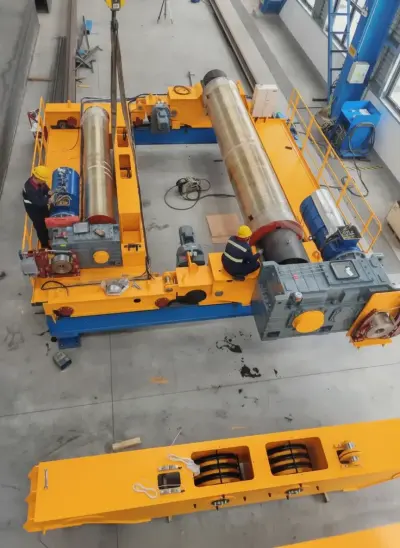
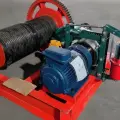
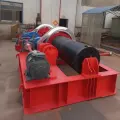
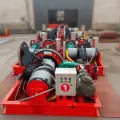
A double drum hoist is an industrial lifting machine that uses two rope drums to handle one coordinated lifting duty or two independent lifting movements, depending on its mechanical and control configuration. It serves overseas equipment distributors, crane integrators, mining contractors, steel mills, shipyards, construction companies, and plant maintenance departments that require controlled lifting for heavy or oversized loads. Compared with a single-drum arrangement, a double drum hoist can provide greater operational flexibility, improved load handling for long or wide components, and more practical integration into customized lifting systems. Buyers can specify the drum arrangement, lifting capacity, rope configuration, duty cycle, controls, and safety devices according to the actual operating environment.
Product Overview: Double Drum Hoist
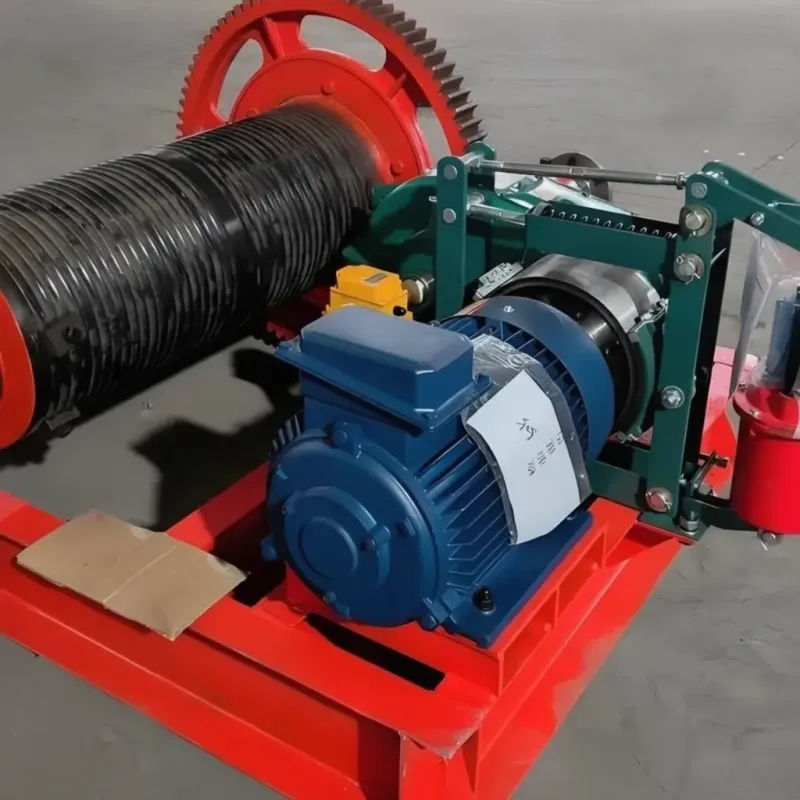
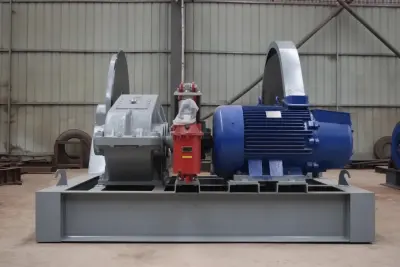
A double drum hoist is a powered wire-rope lifting unit equipped with two rope drums, each winding and unwinding wire rope through a dedicated rope path. The two drums may operate together for synchronized lifting, or separately where the application requires independent positioning. The final configuration depends on the equipment design, motor arrangement, gearbox, brake system, control architecture, and the lifting arrangement requested by the buyer.
The hoist can be supplied as a standalone lifting mechanism or integrated into a wider material-handling system such as an overhead crane, gantry crane, bridge crane, portal structure, transfer system, or special-purpose lifting frame. For related lifting equipment, buyers may also review [[INTERNAL_LINK]] and compare the double drum arrangement with a standard [[INTERNAL_LINK]].
Construction and operating principle
The primary components normally include a structural frame, two machined rope drums, wire ropes, rope guides or rope retainers, electric motors, reduction gearboxes, holding brakes, couplings, limit switches, electrical controls, and load-bearing connection points. Depending on the design, each drum may have its own drive or both drums may be driven through a common transmission system. A common drive can support coordinated movement, while separate drives may offer greater control over each rope line.
The drum diameter, rope groove profile, rope fleet angle, rope anchoring method, and number of rope falls influence service life and lifting performance. These details should be confirmed against the selected wire-rope construction and the intended load path. A hoist designed for indoor steel-plant service may require a different enclosure, cooling arrangement, brake protection, and surface treatment from a unit installed outdoors in a dusty or humid environment.
Key product advantages
- Two-rope handling capability: Two drums can support lifting arrangements for long, wide, or structurally sensitive loads where a single lifting point is unsuitable.
- Flexible control: The drums may be synchronized or operated independently, subject to the selected mechanical and electrical design.
- Adaptability: The hoist can be engineered for crane installation, fixed lifting stations, maintenance platforms, or specialized handling equipment.
- Controlled positioning: Variable-speed drives, encoders, limit devices, and anti-sway functions may be included where the application requires precise movement.
- Maintainability: Accessible gearboxes, brakes, rope ends, and inspection points simplify planned maintenance and replacement of wear components.
For buyers developing a complete lifting package, the hoist should be evaluated together with the crane runway, trolley, hooks, sheaves, electrical supply, supporting structure, and operator interface. A double drum hoist is not automatically suitable for every paired-rope application; drum synchronization, equalization, load distribution, and control safeguards must be addressed during engineering review.
Specifications & Standards for Double Drum Hoist
Double drum hoist specifications should be based on the actual duty rather than on lifting capacity alone. Important inputs include rated load, working load spectrum, lifting speed, lifting height, rope reeving, operating frequency, ambient temperature, installation location, power supply, and required control mode. Since the reference information does not define a fixed model range, capacity, dimensions, or motor rating, these values should be confirmed in the technical quotation and approved drawing.
| Specification item | What the buyer should confirm | Why it matters |
|---|---|---|
| Rated lifting capacity | Required working load and any special load combinations | Determines the structural design, rope selection, drum design, motor power, and brake capacity |
| Drum configuration | Common drive, separate drives, synchronized operation, or independent operation | Affects control logic, load equalization, positioning accuracy, and maintenance requirements |
| Lifting height | Required hook travel or rope take-up length | Determines drum length, rope capacity, installation space, and reeving arrangement |
| Lifting speed | Single speed, two speed, or variable speed | Influences productivity, positioning, motor selection, and energy consumption |
| Duty classification | Operating hours, starts per hour, load spectrum, and expected service life | Prevents under-sizing of the motor, gearbox, brake, drum, and structural frame |
| Wire-rope system | Rope diameter, construction, length, reeving, termination, and safety factor required by the design | Controls bending fatigue, drum compatibility, lifting geometry, and inspection intervals |
| Electrical and environmental conditions | Voltage, frequency, enclosure protection, indoor or outdoor installation, dust, humidity, and temperature | Guides motor insulation, control-panel design, protection level, and corrosion protection |
| Safety and control devices | Upper and lower limits, overload protection, emergency stop, brakes, encoders, and interlocks | Supports safe operation and integration with the customer’s lifting system |
Relevant international standards
The applicable standards depend on the complete lifting system, installation country, and contract specification. A manufacturer should identify the governing standard before final design, rather than applying a generic certificate to every configuration.
- EN 14492-2: This European standard addresses power-driven winches and hoists and can be relevant to the design and safety requirements of a powered wire-rope hoist.
- EN 13001 series: These European crane design standards may apply where the double drum hoist is integrated into a crane structure and the complete crane requires verification of loads and design principles.
- ISO 4301-1: This standard provides classification principles for cranes and related lifting appliances based on operating conditions and load spectrum. The selected duty group should match the purchaser’s actual usage.
- ASME B30.16: This standard is relevant to overhead hoists, including operational and safety considerations, when the equipment falls within its scope and the North American project requires ASME compliance.
- GB/T 3811: This Chinese standard covers crane design requirements and may be used for applicable crane and hoisting equipment manufactured to Chinese specifications.
- GB/T 6067.1: This standard addresses safety requirements for cranes and can be relevant to protective measures, operation, and safety provisions in applicable Chinese-market projects.
Standards do not replace a project-specific design review. The purchase order should identify the required standard, inspection scope, test documentation, marking requirements, and whether third-party witnessing is required. Buyers seeking a broader comparison of lifting standards can use [[INTERNAL_LINK]], while wire-rope selection information is available through [[INTERNAL_LINK]].
Applications of Double Drum Hoist
Steel mills and metal-processing plants
Steel producers use heavy lifting equipment to move coils, slabs, molds, ladles, rolls, fabricated assemblies, and maintenance components. A double drum hoist can be considered where a load needs two lifting points or where the handling arrangement must accommodate an extended load. Heat, scale, dust, and frequent operation make brake protection, motor cooling, inspection access, and duty classification especially important.
Shipyards and marine fabrication
Shipyard operations involve large plates, blocks, fixtures, pipes, engines, and marine equipment. Two rope lines can help support long components when the lifting plan requires balanced attachment points. The buyer should confirm outdoor corrosion protection, wind exposure, salt-laden air, installation height, and the communication method between the hoist operator and rigging team.
Mining and mineral-processing facilities
Mining sites require lifting equipment for crushers, screens, conveyors, pumps, gearboxes, motors, and replacement parts. Dust, remote locations, limited maintenance resources, and severe operating cycles influence the selection of enclosure protection, lubrication, spare parts, and service access. The hoist should be matched to the site’s power supply and maintenance procedures.
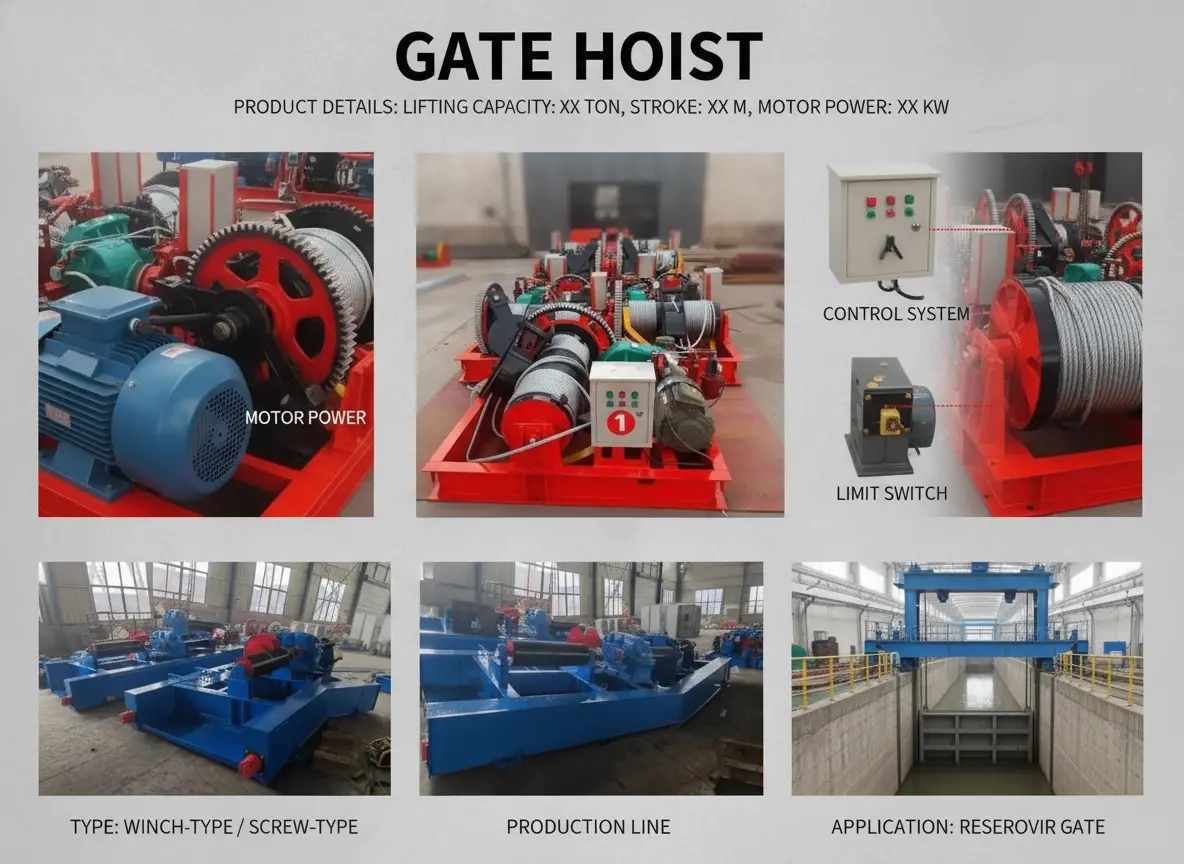
Power generation and industrial maintenance
Power stations and process plants use hoists for turbine components, valves, generators, heat exchangers, pumps, and periodic overhaul work. Precise low-speed positioning may be more important than maximum lifting speed. The project may also require documented proof-load testing, traceable components, and integration with plant lifting procedures.
Heavy fabrication and infrastructure projects
Fabrication workshops and infrastructure contractors may use double drum systems for bridges, pressure-vessel sections, structural modules, precast components, or special machinery. The exact lifting geometry should be reviewed with the rigging plan because unequal rope loading can occur if attachment points, load centers, or drum speeds are not properly controlled.
How to Choose / Buying Guide for a Double Drum Hoist
1. Define the real load case
Start with the maximum working load, not only the nominal weight of the main product. Include lifting beams, hooks, spreaders, slings, fixtures, and possible dynamic effects where required by the design method. Explain whether the two drums lift one load together or perform separate tasks. This distinction directly affects synchronization, control, and safety requirements.
2. Select the duty classification carefully
Record daily operating hours, average starts per hour, load distribution, lifting frequency, and expected years of service. A hoist used for occasional maintenance has a different duty requirement from one working continuously in a production line. Ask the supplier to state the proposed classification and the assumptions used, with reference to the applicable framework such as ISO 4301-1, EN 14492-2, or the project’s required national standard.
3. Check the complete rope and drum arrangement
Request a drawing showing drum diameter, groove pitch, rope direction, rope anchoring, sheaves, reeving, minimum hook position, and remaining safety wraps. Confirm how the system detects or manages unequal rope movement. If independent drum operation is requested, establish whether the controls include separate speed feedback, travel limits, overload monitoring, and an emergency strategy for abnormal movement.
4. Confirm certification and inspection documents
Ask for the manufacturer’s quality documentation, material certificates for critical parts where required, motor and brake data, test records, inspection procedures, operating instructions, maintenance manuals, and conformity documentation applicable to the destination market. If the buyer needs CE-related documentation, ASME project compliance, or a third-party inspection, state this before quotation. A certificate should identify the actual supplied configuration rather than a general product family.
5. Review MOQ, delivery, and export logistics
There is no universal minimum order quantity for a double drum hoist. MOQ, production time, and shipment planning depend on whether the unit is standard, customized, integrated with a crane, or subject to third-party inspection. Request a written commercial schedule that separates engineering approval, manufacturing, factory testing, packing, and dispatch. Confirm the delivery term, packing method, container or break-bulk requirements, gross dimensions, lifting points, and export documents. For guidance on industrial equipment shipping, see [[INTERNAL_LINK]].
6. Clarify payment and after-sales support
Payment terms should be agreed in the pro forma invoice or sales contract and may vary according to order value, customization, inspection requirements, and buyer-supplier history. Confirm which drawings require approval before production and when the balance becomes payable. Also request the recommended spare-parts list, warranty scope, remote commissioning support, troubleshooting procedure, and availability of replacement ropes, brakes, contactors, sensors, and gearbox components. Related maintenance planning can be reviewed at [[INTERNAL_LINK]].
Frequently Asked Questions About Double Drum Hoist
Q: What is the difference between a double drum hoist and a single drum hoist?
A: A single drum hoist uses one rope drum, while a double drum hoist uses two. The two-drum arrangement can support synchronized lifting with two rope lines or independent movement when the design includes separate drives and controls. It is useful for specialized load geometry, but it is mechanically and electrically more complex than a single-drum unit.
Q: Can both drums operate independently?
A: They can, if the hoist is engineered with suitable independent drives, brakes, controls, limits, and feedback devices. Some designs use a common drive for coordinated movement only. Buyers should not assume independent operation from the product name; the required operating mode must be stated in the technical specification.
Q: What information is needed for a quotation?
A: Provide the rated load, lifting height, lifting speed, duty cycle, drum operating mode, rope reeving, hook or attachment arrangement, installation type, power supply, indoor or outdoor conditions, ambient temperature, control requirements, applicable standard, destination country, and desired inspection documents. Drawings or photographs of the installation area are useful for customized projects.
Q: What standards can apply to this lifting equipment?
A: Depending on the market and complete installation, relevant references may include EN 14492-2, EN 13001, ISO 4301-1, ASME B30.16, GB/T 3811, and GB/T 6067.1. The correct standard depends on whether the unit is treated as a hoist, winch, crane component, or complete lifting appliance. The purchase specification should define the governing standard and inspection requirements.
Q: Is a fixed MOQ required for a double drum hoist?
A: No universal MOQ applies. A manufacturer may quote one customized unit, a project batch, or multiple units depending on the design and production plan. MOQ should be confirmed with the supplier, together with engineering charges, spare-parts requirements, and any third-party inspection costs.
Q: How long is the delivery time?
A: Delivery time varies with capacity, drum dimensions, motor and gearbox selection, control-panel requirements, customization, drawing approval, testing, and shipping arrangements. The reliable way to confirm timing is to request a project schedule that identifies technical approval, manufacturing, testing, packing, and dispatch milestones.
Q: What payment methods are available?
A: Payment terms are negotiated according to the contract, order value, customization, and buyer-supplier relationship. Common commercial structures may include an advance payment with a balance before shipment, documentary arrangements, or another agreed method. The final terms should appear in the signed quotation, pro forma invoice, and sales contract.
Q: Can the hoist be supplied for outdoor or harsh environments?
A: It may be configured for outdoor, dusty, humid, corrosive, or temperature-variable locations, but the environment must be stated at the inquiry stage. The supplier may need to review enclosure protection, motor insulation, brake covers, heater systems, paint or coating, stainless or protected electrical components, and lubrication requirements.
Q: What documents should accompany the shipment?
A: Depending on the contract, documents may include approved drawings, operating and maintenance manuals, packing lists, commercial invoices, inspection or test reports, conformity documentation, component certificates, spare-parts lists, and installation instructions. The required document package should be agreed before production begins.
Send your required load, lifting height, drum operating mode, duty cycle, installation conditions, destination market, and applicable standard to request a Double Drum Hoist quotation. Our engineering team can review the lifting arrangement, prepare a project-specific technical proposal, and provide drawings, documentation, delivery planning, and commercial terms for your procurement process. For a related equipment comparison, visit [[INTERNAL_LINK]], or submit an inquiry for a tailored specification and formal offer.
Ratings & Reviews

Know your supplier
Supplier's customization ability
- Drawing-based customization
- Sample-based customization
- Full customization
Minimum order quantity: 1 pieces
Shipping total: To be negotiated
- Lead time:
- confirmed with the quotation
- Packaging:
- standard export packing
- Samples:
- available on request