 English
 Español
 Français
 Deutsch
 Português (Brasil)
 Русский
 العربية

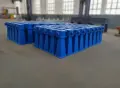
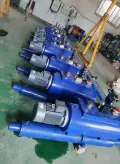
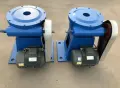
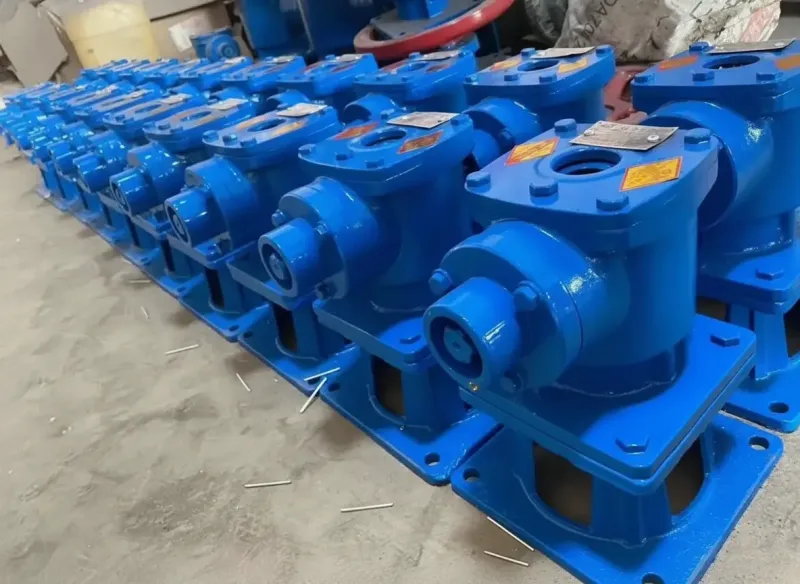
Screw Gate Hoist Manufacturer | Heavy-Duty Water Control Gate Lifting Solution

 China

Supplier's customization ability
- Drawing-based customization
- Sample-based customization
- Full customization
Minimum order quantity: 1 pieces
Shipping total: To be negotiated
- Lead time:
- confirmed with the quotation
- Packaging:
- standard export packing
- Samples:
- available on request
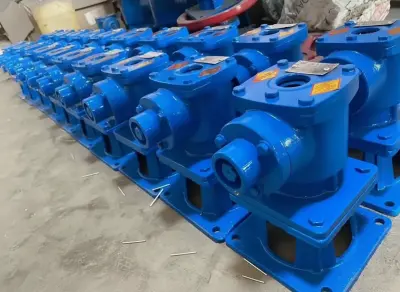
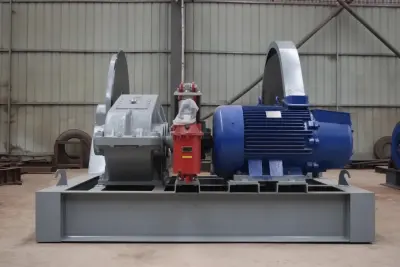
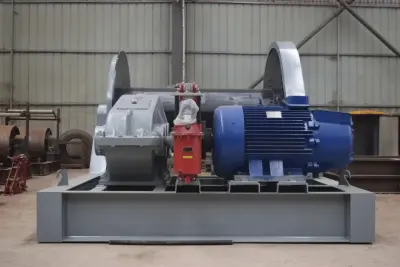
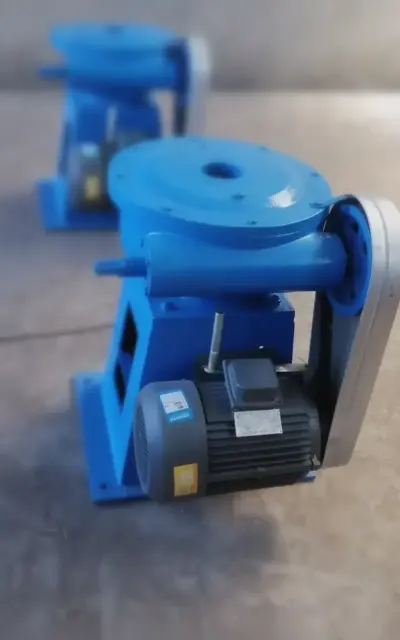
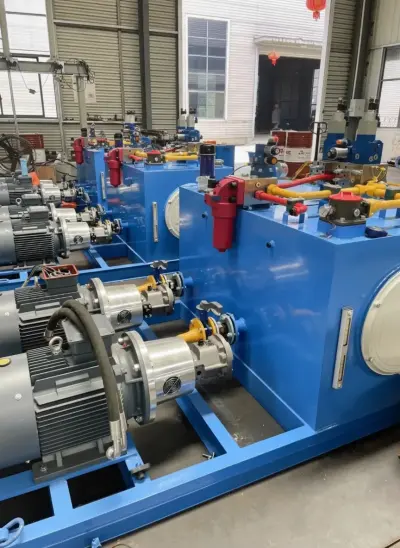
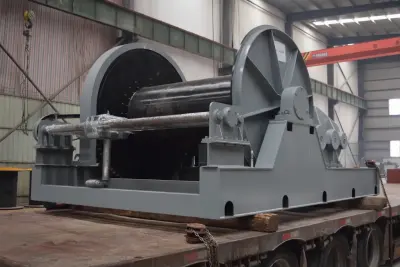
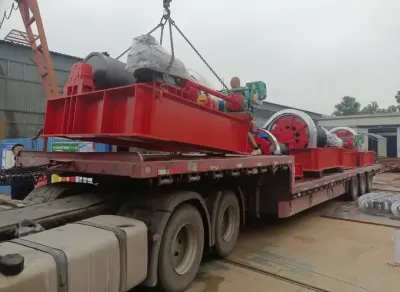
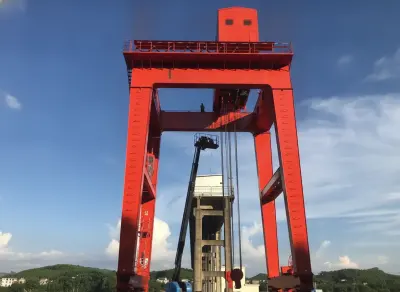
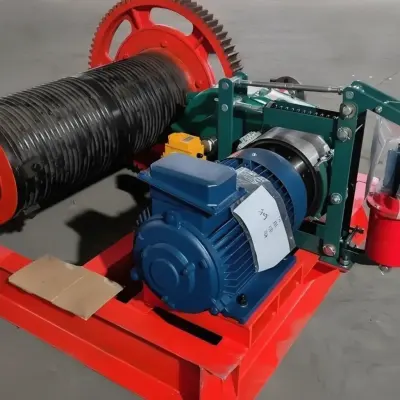
Product details
Screw Gate Hoist Technical Parameters
| Parameter | Technical Specification |
|---|---|
| Product Type | Screw Gate Hoist |
| Application | Raising and lowering slide gates, sluice gates, weir gates, and water-control gates in dams, irrigation systems, drainage channels, reservoirs, and hydropower stations |
| Operating Mechanism | Vertical lifting through a precision-machined screw, worm gearbox, and nut assembly |
| Rated Lifting Capacity | Customizable according to gate size, water head, friction load, and operating conditions |
| Hoist Configuration | Single-screw or twin-screw design; manual handwheel, electric actuator, or combined operation |
| Screw Material | High-strength carbon steel or stainless steel with corrosion-resistant surface treatment |
| Gearbox | Enclosed worm gear reducer with high torque transmission and stable self-locking performance |
| Control Mode | Manual, electric, remote, or integrated PLC control |
| Limit Protection | Adjustable upper and lower limit switches for controlled gate positioning |
| Load Holding | Self-locking screw transmission helps prevent unintended gate movement when power is removed |
| Structural Material | Fabricated steel frame with optional stainless-steel components for high-moisture environments |
| Surface Treatment | Shot blasting, zinc-rich primer, epoxy coating, polyurethane topcoat, or hot-dip galvanizing |
| Protection Rating | Electric components available with weatherproof enclosures, typically IP55 or higher |
| Installation | Top-mounted, pedestal-mounted, or platform-mounted installation depending on gate structure |
| Environmental Conditions | Suitable for outdoor hydraulic structures; ambient temperature and corrosion requirements are configurable |
| Customization | Lift height, screw diameter, lifting speed, mounting dimensions, drive power, and control system can be engineered to project requirements |
| Maintenance | Routine screw lubrication, gearbox inspection, fastener checks, limit-switch testing, and coating maintenance |
Screw Gate Hoist Manufacturer | Heavy-Duty Water Control Gate Lifting Solution
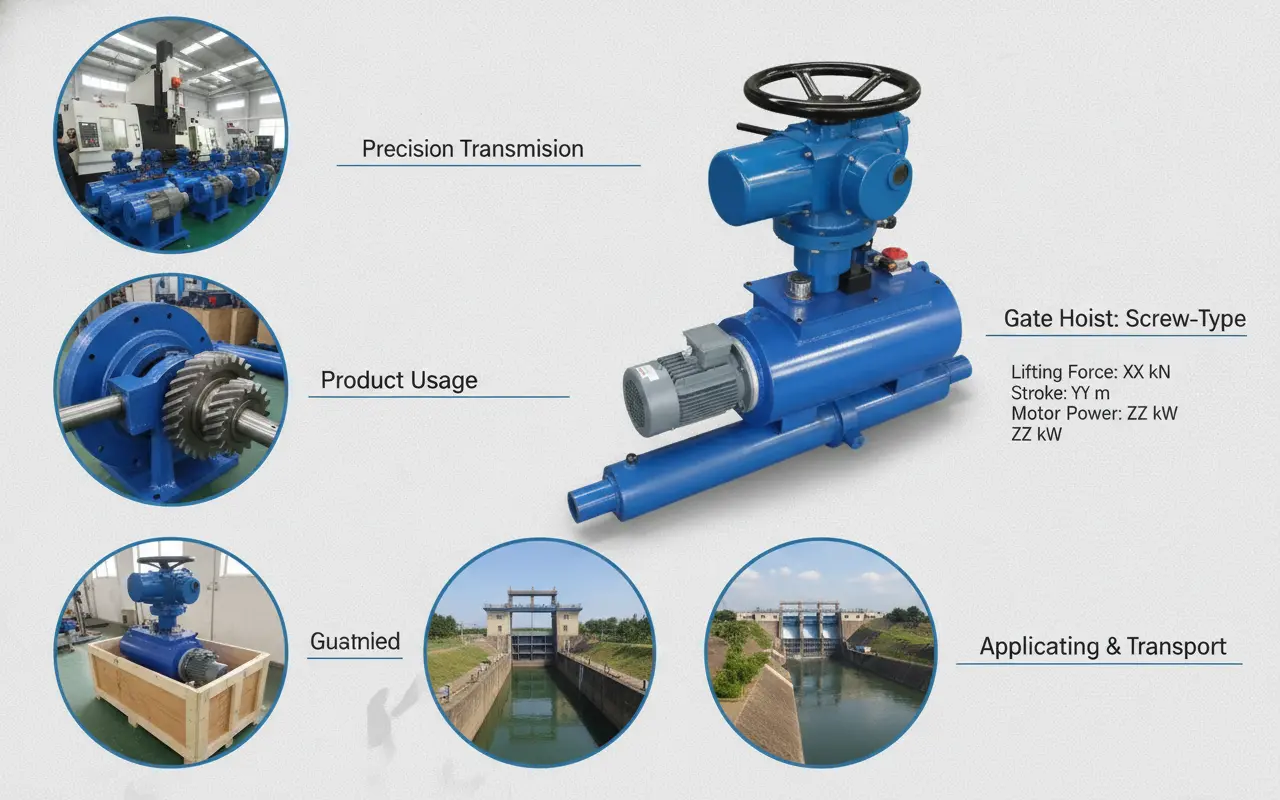
A screw gate hoist is a mechanical lifting assembly used to raise, lower, and hold a water control gate with controlled linear movement. Municipal water authorities, irrigation districts, hydroelectric operators, flood-control contractors, and industrial plant engineers use this equipment where dependable gate positioning matters more than rapid actuation. A correctly specified screw gate hoist transfers handwheel, motor, or gearbox torque through a threaded lifting screw to the gate stem or lifting nut. The result is precise travel, positive holding, and straightforward inspection. For buyers comparing a complete water control gate system, the hoist must be selected together with gate weight, head pressure, guide friction, operating frequency, environment, and the required installation arrangement.
Product Overview: Screw Gate Hoist
A screw gate hoist is the lifting mechanism mounted above or beside a sluice gate, slide gate, weir gate, or similar water-control barrier. Its main purpose is to convert rotary input into vertical gate movement while supporting the static load imposed by the gate and operating conditions. Depending on the project, the input may be a manual handwheel, chainwheel, bevel gearbox, electric actuator, or another drive arrangement.
The typical assembly includes a lifting screw or threaded stem, lifting nut, thrust-bearing arrangement, pedestal or frame, protective cover, coupling, and mounting hardware. Some designs use a rising stem that visibly travels as the gate opens; others use a non-rising stem with the lifting movement contained within the hoist body. The choice affects headroom, access, maintenance, and the position of the operating indicator.
Materials are selected according to load, corrosion exposure, temperature, and contact with water. Carbon structural steel may be used for frames and pedestals, while stainless steel is often considered for exposed stems, fasteners, or wetted components when the water chemistry and service environment justify it. Bronze, ductile iron, or engineered bearing materials may be used for lifting nuts or bushings where the design requires compatible sliding and load-bearing properties. The final material schedule should come from the approved engineering drawing and project specification rather than from a generic product description.
For related equipment, review the available sluice gate assemblies and stainless steel gate stems. A screw gate hoist is only one part of the load path, so compatibility between the hoist, gate stem, embedded frame, guides, and gate panel is essential.
Specifications & Standards for Screw Gate Hoist
There is no single universal dimension for a screw gate hoist. The appropriate configuration depends on the gate opening, stem length, gate mass, static water head, friction in the guides, emergency operating requirements, available operating force, and the installation elevation. A manufacturer normally needs the gate drawing, operating load or design head, travel, duty cycle, mounting arrangement, and environmental information before confirming a model.
Common specification items include:
- Gate travel and effective lifting stroke.
- Rated lifting and seating loads, including applicable safety factors defined by the project engineer.
- Lifting screw diameter, thread form, pitch, material, surface finish, and corrosion allowance where specified.
- Manual operating torque or actuator output torque.
- Rising-stem or non-rising-stem construction.
- Mounting pedestal dimensions, anchor-bolt pattern, and available headroom.
- Open, closed, and intermediate-position indication.
- Protection against rain, dust, splash, immersion, and aggressive atmospheric exposure.
- Inspection, coating, lubrication, and spare-parts requirements.
Applicable standards should be agreed in the contract because water-control projects often combine structural, mechanical, welding, coating, and electrical requirements. Depending on the materials and fabrication scope, structural steel components may be specified to EN 10025-2 or ASTM A36/A572, while steelwork execution may be addressed by EN 1090-2. If stainless steel products are used, the relevant material designation and product standard should be stated on the purchase documents rather than described only as “stainless.”
Where a powered screw gate hoist includes electrical equipment, the motor, actuator, enclosure, controls, and site electrical requirements need separate specification. Ingress protection may be stated using IEC 60529 IP ratings, but the required rating depends on the actual installation zone. Welding procedures and welder qualifications may be controlled through ISO 15614-1 and ISO 9606-1 where those standards are included in the project quality plan. These references do not replace the purchaser’s load calculation or acceptance criteria.
| Parameter | What the buyer should provide or confirm |
|---|---|
| Gate type | Slide gate, sluice gate, weir gate, stoplog-related equipment, or another water-control arrangement |
| Travel | Required opening stroke, closed position, intermediate positions, and available stem length |
| Operating load | Gate weight, water head, guide friction, seating or unseating load, and design safety factors |
| Drive method | Handwheel, chainwheel, gearbox, electric actuator, or another approved drive |
| Environment | Fresh water, wastewater, marine atmosphere, outdoor exposure, corrosive chemicals, or submerged service |
| Compliance | Project-specific ASTM, EN, JIS, GB/T, welding, coating, inspection, and documentation requirements |
For a complete procurement package, request a dimensional drawing, load and torque calculation, bill of materials, coating or surface-treatment schedule, inspection plan, and installation instructions. The water gate technical documents should identify revision status and the standards used for each major component.
Applications of a Screw Gate Hoist
A screw gate hoist is used wherever a vertical gate must be positioned accurately and held securely for water regulation, isolation, or level control.
Municipal water and wastewater plants
Operators use hoisted slide or sluice gates to isolate channels, control inlet and outlet flows, and manage tanks, grit chambers, clarifiers, and bypass routes. Wastewater atmospheres can contain moisture and corrosive gases, so coating, fastener selection, lubrication, and access for inspection deserve particular attention.
Irrigation and drainage infrastructure
Canal regulators, culverts, diversion structures, and drainage stations often require repeatable manual adjustment. A hand-operated screw gate hoist can provide a practical solution where electrical power is unavailable or where the operating sequence is occasional rather than continuous.
Flood-control and stormwater structures
Floodgates and stormwater control chambers may remain idle for long periods and then need to operate under difficult weather conditions. Buyers should evaluate standby corrosion protection, accessibility, debris exposure, travel indication, and the force required after a prolonged period without operation.
Hydropower and industrial process facilities
Hydroelectric intakes, cooling-water systems, reservoirs, and industrial water circuits use gates for isolation and flow management. These projects typically require tighter documentation, defined operating loads, coordinated interfaces, and clear inspection records for the mechanical equipment.
For installations exposed to salt air or brackish water, compare the hoist with a suitable corrosion-resistant water gate configuration. The gate panel, stem, guides, anchors, and hoist should be treated as one engineered system.
How to Choose / Buying Guide for a Screw Gate Hoist
Procurement should begin with the operating duty, not with a catalogue dimension. Ask the engineering team to establish the maximum load in opening, closing, seating, and unseating conditions. A gate that is light in dry air can require substantially more force when water pressure, guide friction, silt, ice, or differential head is present. The hoist’s rated capacity and operating torque must be checked against those conditions.
Confirm the geometry before requesting a quotation. Provide the gate opening width and height, travel, stem centerline, mounting elevation, pedestal or yoke dimensions, anchor pattern, and the available space above the gate. A rising stem may need additional vertical clearance, whereas a non-rising arrangement may simplify installation in a restricted building. The handwheel or actuator position should also be accessible to operators without creating a conflict with walkways or covers.
Material selection should follow the water chemistry and exposure category. Freshwater service does not automatically eliminate corrosion concerns, and wastewater or marine service may require a more comprehensive protection system. Request the exact material grades, coating system, dry-film thickness or inspection method where applicable, and the proposed lubrication arrangement. Avoid approving a quotation that identifies critical parts only by broad terms such as “metal” or “anti-rust material.”
Certification requirements must be stated before production. Depending on the purchaser and destination, the document package may include a certificate of conformity, material certificates, welding records, dimensional inspection results, coating reports, load or torque calculations, operation manuals, and packing records. If a third-party inspection agency is required, define the hold points and acceptance criteria in the purchase order. A general ISO 9001 certification can describe a manufacturer’s quality-management system, but it is not a substitute for product-specific inspection documents.
Ask for the minimum order quantity and production lead time in writing because these vary by design, material, customization, and current production schedule. The same applies to payment terms: exporters may offer different arrangements such as a deposit with balance before shipment, documentary payment, or another agreed commercial method. These terms are commercial conditions, not universal properties of a screw gate hoist.
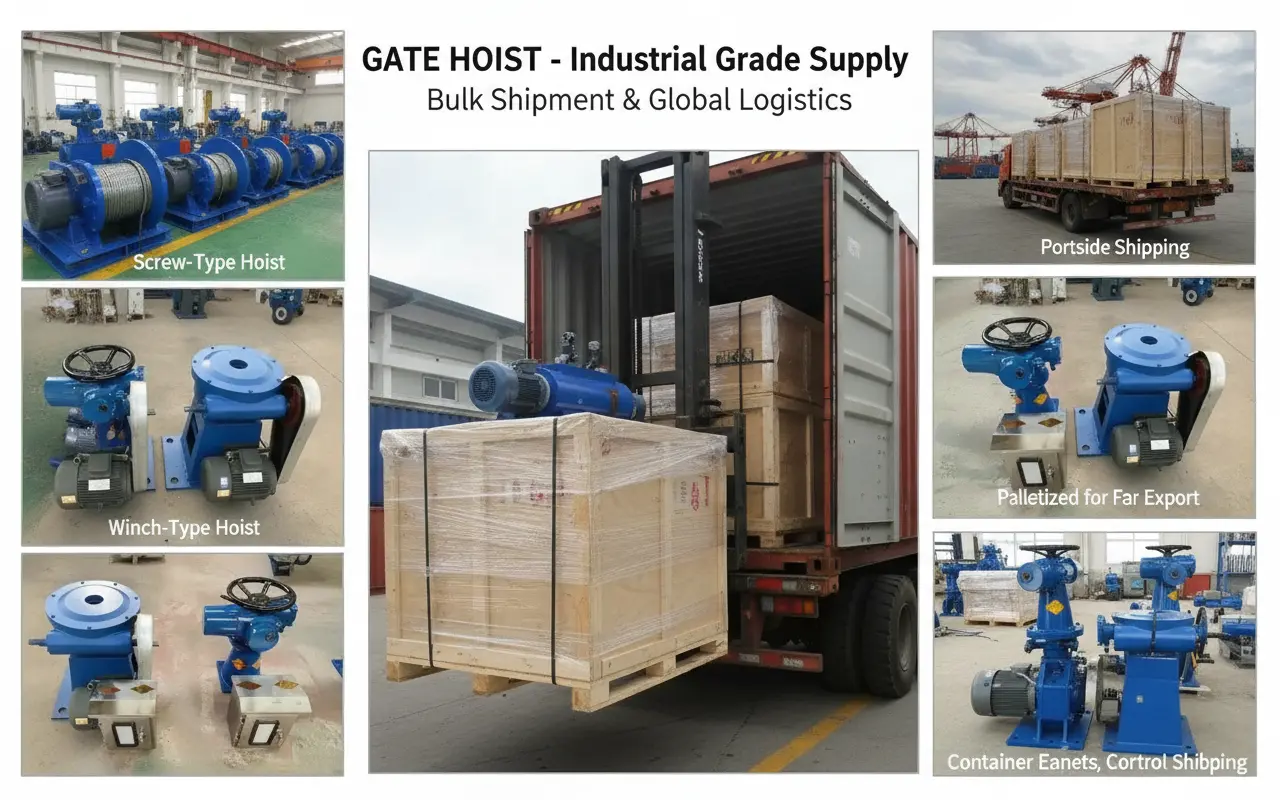
Logistics planning should cover the assembled dimensions, lifting points, protective packing, humidity protection, spare parts, and customs documentation. Confirm whether the quotation is EXW, FOB, CIF, or another Incoterm, and identify who handles inland transport, export clearance, insurance, and destination delivery. Review the industrial gate quotation checklist before issuing a purchase order, especially when the hoist is being supplied with a gate and embedded parts.
Frequently Asked Questions About Screw Gate Hoist
Q: What is the difference between a screw gate hoist and an electric gate actuator?
A: A screw gate hoist describes the mechanical lifting arrangement based on a threaded screw and lifting nut. It can be operated manually or connected to a motorized drive. An electric actuator is a powered input device that supplies rotation or linear force. A project may use a manual screw hoist, an electric actuator connected to a screw mechanism, or a gearbox between the motor and the lifting screw.
Q: How do I determine the required capacity of a screw gate hoist?
A: Start with the complete operating-load calculation, including gate mass, static and differential water head, guide friction, seating or unseating force, debris or ice assumptions where relevant, and the project’s required safety factors. The manufacturer then checks screw stress, nut loading, bearing capacity, buckling risk, torque, and mounting structure. Gate weight alone is not enough for final selection.
Q: Which materials are suitable for the lifting screw?
A: The suitable material depends on water chemistry, atmospheric exposure, load, thread design, maintenance access, and compatibility with the lifting nut. Stainless steel may be selected for exposed or corrosive service, while other engineered combinations may be appropriate for different duties. The exact grade and finish should be confirmed on the approved bill of materials and supported by material documentation.
Q: Can a screw gate hoist be supplied for manual operation?
A: Yes. Manual configurations commonly use a handwheel, chainwheel, or gearbox to keep operating effort within the project’s specified limit. The required input force depends on the lifting load, screw pitch, efficiency, lubrication, and mechanical advantage. Ask the supplier to state the expected operating torque and the conditions used for that calculation.
Q: What certifications should an overseas buyer request?
A: Request the documents required by the project specification and importing authority. Typical records can include material certificates, dimensional inspection, welding documentation where applicable, coating inspection, assembly test records, certificate of conformity, operation and maintenance instructions, and packing lists. Relevant standards may include EN 1090-2, EN 10025-2, ASTM material standards, ISO 15614-1, ISO 9606-1, or IEC 60529 when those scopes apply.
Q: What is a normal MOQ for a screw gate hoist?
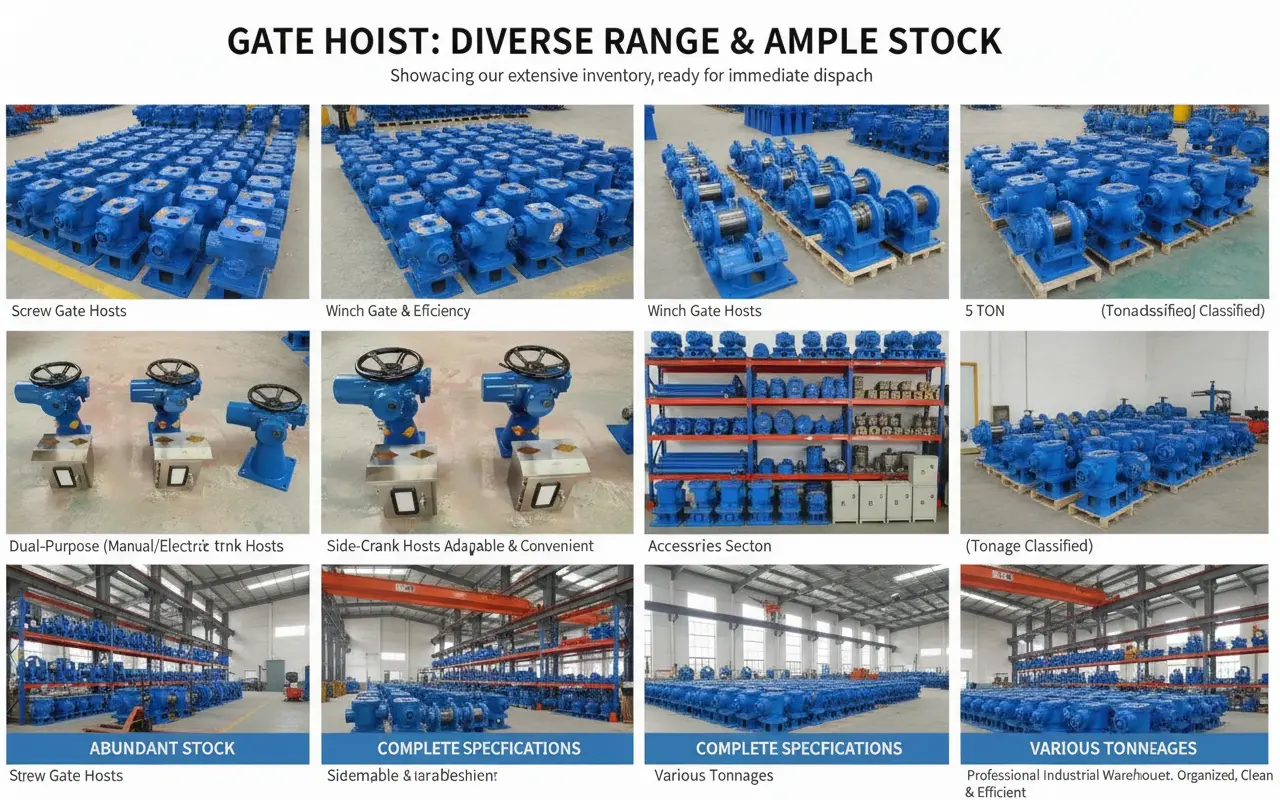
A: There is no reliable universal MOQ. A standard catalogue unit may be available in a small quantity, while a custom hoist matched to a gate, stem, pedestal, or actuator may be manufactured as a project order. Confirm MOQ, prototype policy, tooling charges, and whether spare stems or lifting nuts can be added to the same shipment.
Q: How long is the delivery time?
A: Delivery depends on engineering approval, material availability, fabrication, machining, coating, inspection, packing, and export arrangements. Custom water-control equipment usually requires a confirmed drawing and production schedule before a dependable date can be given. Ask for separate milestones covering drawing approval, manufacturing completion, inspection, and shipment readiness.
Q: What payment methods can an international buyer use?
A: Payment terms are negotiated with the manufacturer and may include bank transfer, documentary payment, letter of credit, or another agreed method. The contract should identify currency, deposit and balance timing, inspection conditions, bank charges, and the documents released against payment. Do not assume that a standard term applies to every supplier or order size.
Q: What maintenance does a screw gate hoist require?
A: Maintenance normally includes visual inspection, cleaning, lubrication according to the manufacturer’s instructions, checking fasteners and anchors, observing stem alignment, inspecting the lifting nut and bearings, and exercising the gate at an appropriate interval. Outdoor and wastewater installations may require more frequent corrosion and coating checks. The maintenance schedule should be based on the actual service environment and operating frequency.
Send the gate drawing, travel, operating-load data, material requirements, destination, and documentation standard to request a screw gate hoist quotation. The manufacturer can then confirm the mechanical arrangement, provide a technical proposal and inspection documents, and price the equipment with suitable packing and delivery terms.
Ratings & Reviews

Know your supplier
Supplier's customization ability
- Drawing-based customization
- Sample-based customization
- Full customization
Minimum order quantity: 1 pieces
Shipping total: To be negotiated
- Lead time:
- confirmed with the quotation
- Packaging:
- standard export packing
- Samples:
- available on request