 English
 Español
 Français
 Deutsch
 Português (Brasil)
 Русский
 العربية

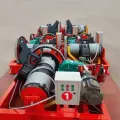
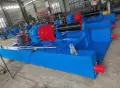
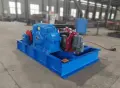
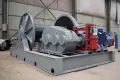
Electric-Driven Hydraulic Hoist Manufacturer for Heavy-Duty Lifting Applications

 China
Supplier's customization ability
- Drawing-based customization
- Sample-based customization
- Full customization
Minimum order quantity: 1 pieces
Shipping total: To be negotiated
- Lead time:
- confirmed with the quotation
- Packaging:
- standard export packing
- Samples:
- available on request
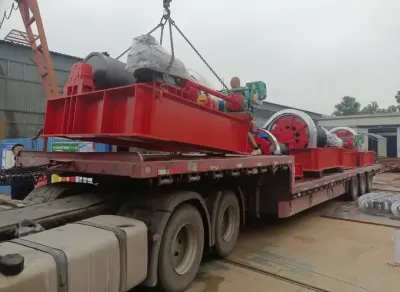
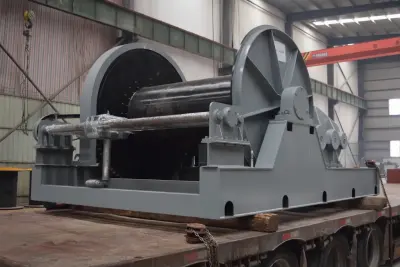
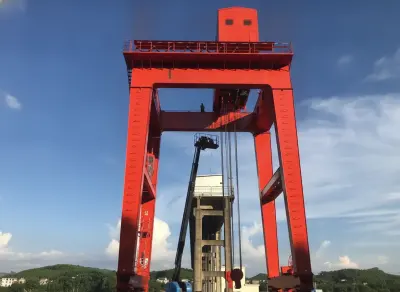
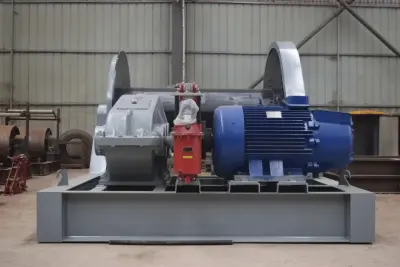
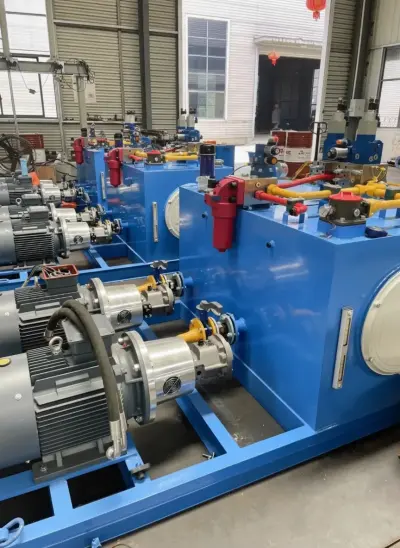
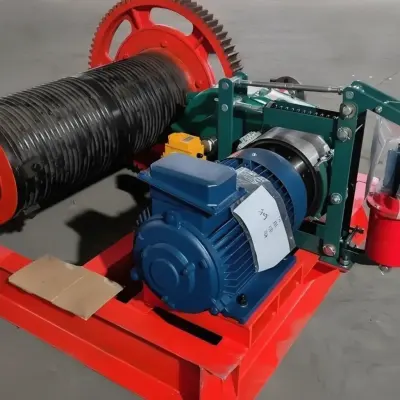
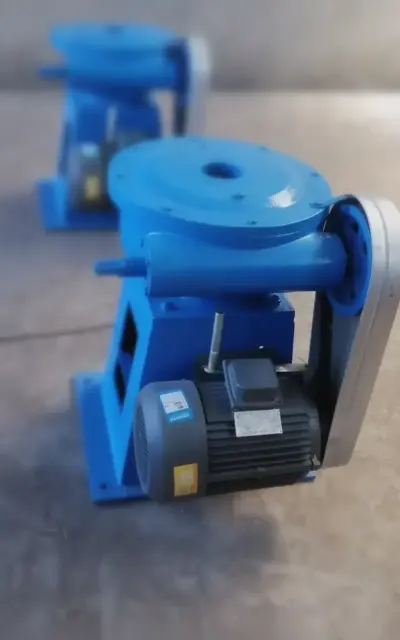
Product details
Electric-driven Hydraulic Hoist Technical Parameters
| Parameter | Technical Specification |
|---|---|
| Product Type | Electric-driven hydraulic hoist |
| Rated Lifting Capacity | Available in multiple capacities; confirm the required capacity before order |
| Lifting Mechanism | Hydraulic lifting system driven by an electric motor |
| Power Supply | AC electric power; voltage and frequency can be configured according to the installation site |
| Motor Type | Industrial electric motor suitable for intermittent lifting duty |
| Hydraulic Pump | High-efficiency hydraulic pump with stable pressure output |
| Control Mode | Electric control with wired pendant or control panel options |
| Lifting Speed | Configurable according to load capacity, hydraulic flow rate, and operating requirements |
| Working Pressure | Set according to the rated load and hydraulic system design |
| Hydraulic Protection | Integrated overload relief valve and hydraulic circuit protection |
| Safety Features | Emergency stop, overload protection, upper and lower limit protection, and load-holding function |
| Load-Holding Function | Hydraulic check valve helps prevent unintended load descent during power interruption |
| Structure | Heavy-duty steel frame with corrosion-resistant surface treatment options |
| Installation | Suitable for fixed or customized lifting installations, depending on the hoist configuration |
| Duty Class | Selected according to lifting frequency, operating cycle, and expected service life |
| Ambient Temperature | Typically suitable for industrial environments; final range depends on hydraulic oil and electrical components |
| Applications | Material handling, machinery assembly, production lines, warehouses, workshops, and industrial maintenance |
| Customization Options | Capacity, lifting height, power supply, control system, mounting arrangement, and hydraulic configuration |
| Compliance | Manufactured and tested according to applicable machinery, electrical, and lifting-equipment standards |
| Technical Confirmation | Confirm rated load, lifting height, duty cycle, power supply, installation method, and operating environment before procurement |
Electric-Driven Hydraulic Hoist Manufacturer for Heavy-Duty Lifting Applications
Electric-driven hydraulic hoists combine an electric power unit with hydraulic lifting control to move, position, and hold heavy loads in demanding industrial environments. This lifting equipment is intended for overseas procurement managers, plant engineers, distributors, contractors, and OEM buyers who need a controlled solution for maintenance, fabrication, construction, infrastructure, or material-handling work. Compared with manually operated lifting devices, an electric-driven hydraulic hoist can reduce operator effort and support more repeatable lifting cycles. The correct configuration depends on rated capacity, lifting height, duty cycle, installation method, power supply, load geometry, and the applicable safety requirements at the destination site. Buyers should therefore evaluate the complete hoist system, documentation, testing, and service support rather than selecting by capacity alone.
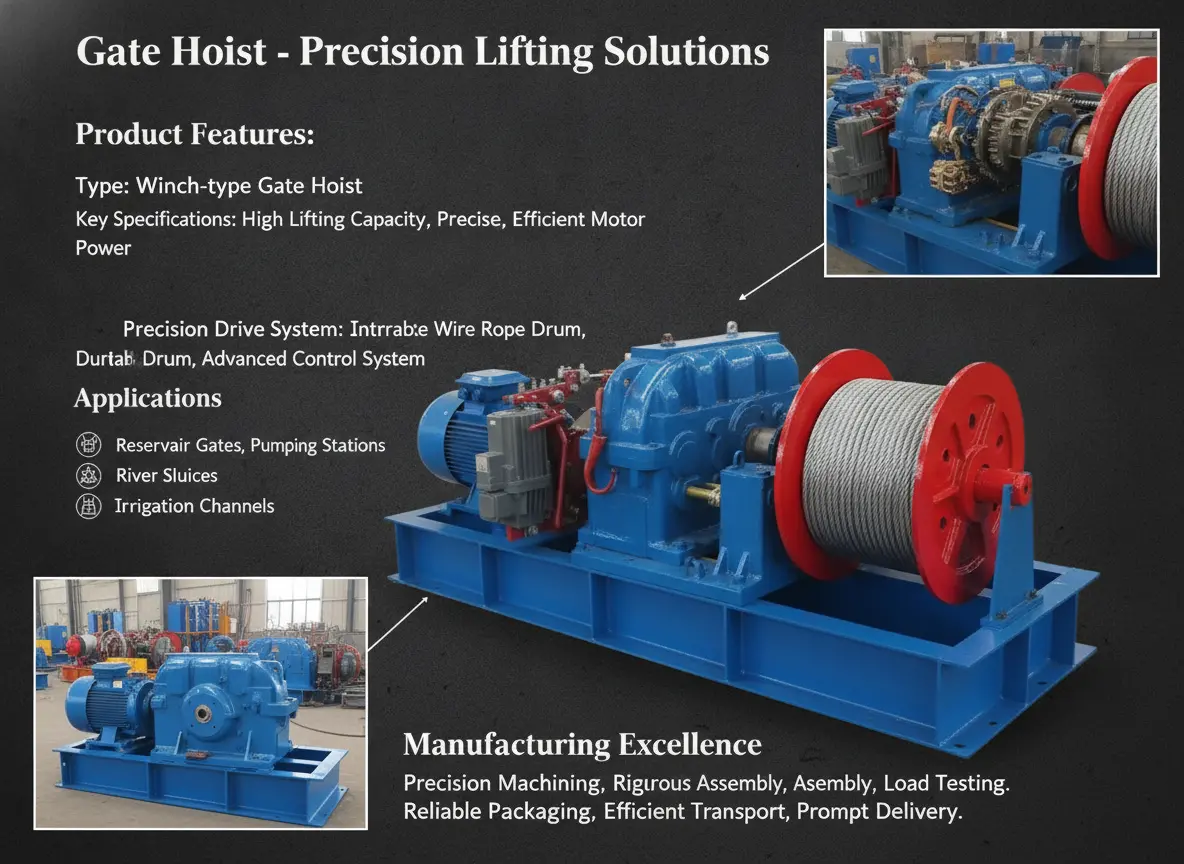
Product Overview
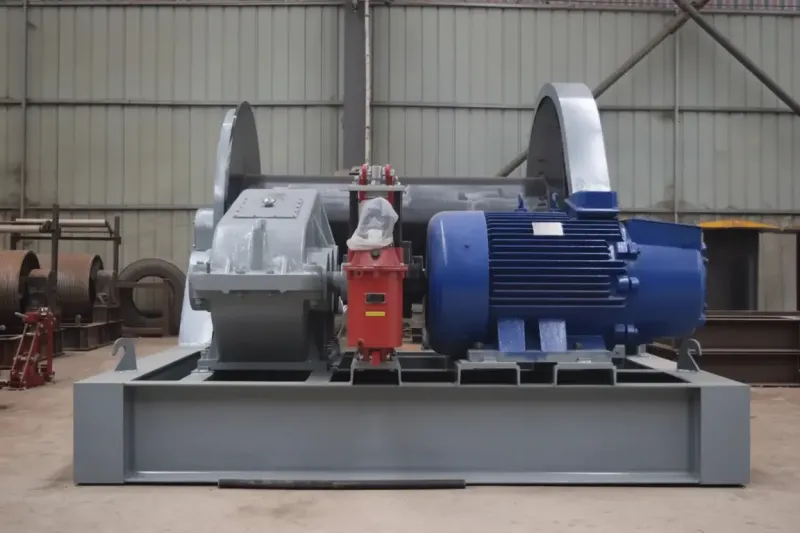
An electric-driven hydraulic hoist is a powered lifting device in which an electric motor drives a hydraulic pump. The pump sends pressurized hydraulic fluid to a cylinder, motor, or other actuator that raises, lowers, pulls, or positions the connected load. Depending on the design, the equipment may be supplied as a compact hydraulic hoist, a power pack with a separate lifting mechanism, or part of a larger handling system.
The main components normally include an electric motor, hydraulic pump, reservoir, valves, hoses or rigid piping, actuator, load attachment, structural frame, control station, and protective devices. A relief valve helps limit excessive hydraulic pressure, while directional controls regulate movement. A load-holding or counterbalance arrangement may be used to help control the load during stopping or lowering. The exact architecture varies by manufacturer and application, so the technical data sheet and approved configuration should govern procurement.
Typical advantages include controlled low-speed movement, compact power transmission, flexible installation, and the ability to generate substantial lifting force from a relatively small actuator. Hydraulic operation can also be useful where the load must be positioned carefully rather than moved only at full speed. An electric-driven hydraulic hoist may be integrated with industrial lifting equipment, workshop handling systems, maintenance platforms, or custom material-handling machinery.
Material selection is application-specific. Structural members may use carbon steel or other engineering steel grades selected by the manufacturer for load, weldability, and fabrication requirements. Hydraulic cylinders commonly use honed steel tubes, precision piston rods, seals, and corrosion-protection treatments appropriate to the fluid and environment. Load hooks, shackles, chains, wire rope, or lifting eyes must be compatible with the rated load path. Surface treatment may include paint, powder coating, galvanizing, or another finish where exposure to moisture, chemicals, dust, or outdoor service requires additional protection.
Specifications & Standards
Electric-driven hydraulic hoist specifications should be reviewed as a complete lifting system. A quotation should identify rated lifting capacity, working load limit, lifting or pulling speed, effective stroke or lift height, duty classification, motor power, voltage, frequency, hydraulic operating pressure, reservoir volume, control mode, installation orientation, net weight, dimensions, and connection details. Where the equipment uses a hook, chain, wire rope, or lifting eye, the load attachment and its rating should be listed separately.
International standards are not interchangeable with a general statement such as “CE compliant.” The applicable requirements depend on the product design, destination market, intended use, and whether the hoist is incorporated into a larger machine. For lifting appliances and components, buyers may need to review relevant provisions of ASME B30.16 for overhead hoists, ASME B30.26 for rigging hardware, EN 14492-2 for powered hoists, EN 13157 for hand-powered cranes and hoists where relevant, and ISO 4301-1 for crane classification principles. If the unit is supplied as machinery for the European market, the manufacturer should identify the conformity route and provide the applicable declaration and technical documentation. Local regulations can impose additional requirements.
Hydraulic components and electrical equipment may also be selected against separate standards. Examples include ISO 4413 for hydraulic fluid power safety principles, IEC 60204-1 for electrical equipment of machines, and IEC 60529 for enclosure ingress protection ratings. These references should be confirmed against the final design rather than assumed from the product name. For steel parts, material certificates may cite standards such as ASTM A36, EN 10025-2, JIS G3101, or GB/T 700 when those grades are actually used. The exact grade, thickness, heat treatment, and certificate type must appear in the approved technical specification.
For components with declared chemical composition or mechanical properties, request a mill test certificate or manufacturer certificate that identifies the material standard and heat or batch number. The following table illustrates the types of information buyers should request; it does not replace the supplier’s final material schedule.
| Item | Specification to Confirm | Reference or Evidence |
|---|---|---|
| Structural steel | Grade, thickness, yield strength, tensile strength, elongation, weld procedure | Applicable ASTM, EN, JIS, or GB/T grade plus material certificate |
| Hydraulic cylinder | Bore, rod diameter, stroke, rated pressure, seal material, test pressure | Approved drawing, hydraulic test record, and component data |
| Electric motor | Rated power, voltage, frequency, phase, enclosure, insulation class, duty | Motor nameplate, test report, and IEC or destination-market requirements |
| Load attachment | Hook, chain, rope, eye, or shackle rating and traceability | Component certificate and applicable lifting standard |
| Hydraulic fluid circuit | Maximum pressure, flow, reservoir capacity, filtration, hose rating | Hydraulic schematic and ISO 4413-based safety review where applicable |
Factory inspection should cover no-load and loaded operation, emergency stopping, controlled lowering, leakage, motor performance, valve function, limit devices where fitted, and nameplate accuracy. Ask for inspection and test plans, dimensional drawings, spare-parts lists, operation manuals, packing details, and serial-number traceability. Documentation for hydraulic lifting systems is particularly important when the hoist will be installed into a customer’s machinery.
Applications
Electric-driven hydraulic hoists are used in several heavy-duty settings where force, control, and repeatable positioning matter:
- Industrial maintenance: Plants use powered hydraulic lifting equipment to remove pumps, motors, gearboxes, valves, and other service components during planned shutdowns.
- Steel and metal fabrication: Fabricators may use a hoist for positioning dies, fixtures, plates, fabricated assemblies, or heavy tooling before welding, machining, or inspection.
- Construction and infrastructure: Contractors can specify hydraulic lifting equipment for controlled installation of structural sections, mechanical services, bridge components, or temporary support operations, subject to an engineered lifting plan.
- Power-generation facilities: Maintenance teams may need accurate lifting and lowering around turbines, generators, transformers, and auxiliary systems where access and alignment are restricted.
- Material-handling and OEM machinery: Equipment builders can integrate a hydraulic hoist into a customized workstation, service vehicle, production line, or handling frame when standard overhead equipment is unsuitable.
Every application requires a documented assessment of the load, center of gravity, lifting points, ground or support conditions, operator position, travel path, environmental exposure, and foreseeable failure modes. The hoist should not be used above its rated working load limit or outside the operating conditions stated by the manufacturer.
How to Choose / Buying Guide
Start with the real load profile rather than the nominal maximum load. Record the heaviest load, normal operating load, center of gravity, lifting points, required lift height, stroke, number of cycles per hour, and expected annual operating hours. A hoist that is adequate for an occasional static lift may be unsuitable for frequent production cycles. Ask the supplier to confirm the duty rating and any derating caused by ambient temperature, installation angle, hydraulic fluid, or continuous operation.
Next, define the interface. Confirm whether the unit will be floor-mounted, frame-mounted, suspended, vehicle-mounted, or integrated into a customer-built machine. Provide the available envelope, mounting-hole pattern, attachment geometry, clearance, and access requirements. If the load moves horizontally, establish whether a separate trolley, winch, crane, guide system, or custom lifting solution is required. A hydraulic cylinder that can generate sufficient force does not automatically provide a complete guided lifting system.
Power compatibility must be settled before production. Specify voltage, phase, frequency, motor starting method, control voltage, plug or terminal requirements, and any hazardous-area or washdown requirements. For export orders, confirm the destination electrical rules and whether an approved local electrician must complete final connection. The hydraulic circuit should state the recommended fluid type, filtration level, operating temperature range, hose connections, and maintenance intervals.
Certification and inspection should be written into the purchase order. Request a general arrangement drawing, hydraulic schematic, parts list, risk or safety information, operating instructions, load test procedure, inspection report, and certificates for critical load-bearing components. If the buyer needs third-party inspection, define the agency, inspection point, acceptance criteria, and documentation deadline before manufacturing begins. A lifting equipment certificate package is easier to manage when each serial number and component record is traceable.
Commercial terms need equal attention. The supplier should state the minimum order quantity, if any, in the quotation rather than leaving it implicit. For customized hoists, MOQ may be determined by engineering and component sourcing, while a standard unit may be available individually. Confirm the production lead time after drawing approval, not only the time from purchase order. Also clarify payment milestones, warranty scope, spare-parts availability, packaging method, export documents, and the responsibilities of each party under the agreed Incoterm.
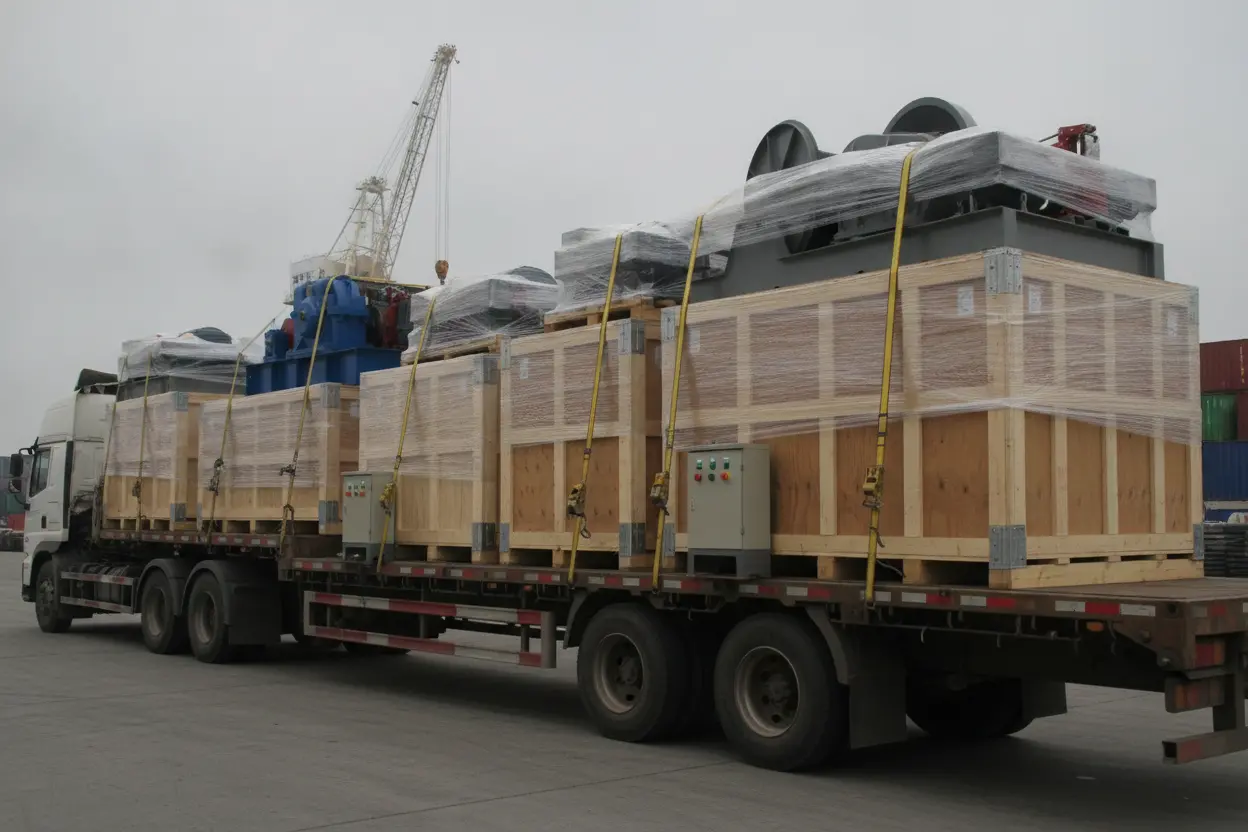
For logistics, provide the destination country, delivery address or port, preferred transport mode, and any limits on package length, width, height, or weight. Hydraulic equipment should be packed to protect machined surfaces, electrical controls, hoses, and seals from impact and moisture. Request the packed dimensions and gross weight for freight planning. The buyer should also confirm whether the equipment arrives filled with hydraulic fluid, drained for transport, or supplied with fluid separately. These details affect customs handling and commissioning.
Frequently Asked Questions
Q: What is the difference between an electric-driven hydraulic hoist and an electric chain hoist?
A: An electric-driven hydraulic hoist uses an electric motor to power a hydraulic circuit and actuator, while an electric chain hoist uses a motor and mechanical transmission to drive a load chain. Hydraulic equipment can offer flexible actuator placement and controlled force, whereas chain hoists may be more straightforward for vertical suspension from a suitable overhead structure. The better choice depends on capacity, stroke, duty cycle, installation, maintenance resources, and the required lifting geometry.
Q: What information should I provide when requesting a quotation?
A: Provide the rated load, maximum load, lift height or stroke, lifting speed, operating frequency, load attachment, mounting arrangement, dimensions, ambient conditions, power supply, destination country, required standards, delivery location, and target delivery schedule. Drawings, photographs, and load-center information are useful for custom designs. Missing interface data can lead to a technically correct hoist that cannot be installed without modification.
Q: Can the hoist be manufactured for a specific voltage and frequency?
A: Many electric-driven hydraulic hoists can be configured for a specified voltage, phase, and frequency, subject to motor and control availability. The requested electrical data should be confirmed before the quotation is finalized. Buyers should also specify control-panel requirements, enclosure protection, cable entry, emergency-stop arrangement, and any local electrical certification needed for commissioning.
Q: What certificates are normally available?
A: Depending on the design and contract, documentation may include a declaration of conformity, material certificates, factory test records, hydraulic pressure test results, motor certificates, load test records, inspection reports, operation manuals, and packing lists. The required package varies by market and application. Buyers should identify mandatory documents in the purchase order and request sample certificates for review before shipment.
Q: Is there a standard MOQ for an electric-driven hydraulic hoist?
A: There is no universal MOQ for this product category. A standard catalog configuration may be ordered as a single unit, while customized systems may involve engineering, prototype, or component quantities agreed with the manufacturer. The supplier should state the applicable MOQ, tooling or design charges, and whether repeat orders can use the same approved drawings.
Q: What is the typical production lead time?
A: Lead time depends on capacity, customization, motor and valve availability, documentation, inspection requirements, and the supplier’s production schedule. The reliable reference point is the confirmed lead time after technical specifications, drawings, and payment conditions are approved. Request separate milestones for drawing approval, manufacturing completion, testing, and dispatch so the project schedule is visible.
Q: Which payment methods are available for export orders?
A: Export suppliers commonly negotiate methods such as bank transfer, letter of credit, or other agreed commercial instruments, but availability and terms vary by supplier, order value, destination, and credit arrangements. The quotation should state the payment schedule, balance-payment documents, bank charges, and any relationship between payment and drawing approval, inspection, or shipment.
Q: How should an electric-driven hydraulic hoist be maintained?
A: Maintenance normally includes checking hydraulic fluid level and condition, inspecting hoses and fittings for leaks, checking seals and load-bearing components, verifying valves and controls, cleaning or replacing filters, inspecting electrical connections, and testing safety devices according to the manual and applicable local rules. Maintenance intervals should reflect duty cycle and environment. Repairs and periodic inspections should be performed by competent personnel.
Request a Quotation
Share your load data, lift height, operating cycle, mounting arrangement, power supply, destination, standards, and documentation requirements with an experienced electric-driven hydraulic hoist manufacturer. The supplier can then recommend a suitable configuration, prepare drawings for approval, confirm testing and certification, and provide a realistic commercial offer. Contact the sales team to request a quotation, technical datasheet, delivery estimate, and the documentation package required for your project. [[INTERNAL_LINK]] [[INTERNAL_LINK]]
Ratings & Reviews

Know your supplier
Supplier's customization ability
- Drawing-based customization
- Sample-based customization
- Full customization
Minimum order quantity: 1 pieces
Shipping total: To be negotiated
- Lead time:
- confirmed with the quotation
- Packaging:
- standard export packing
- Samples:
- available on request