 English
 Español
 Français
 Deutsch
 Português (Brasil)
 Русский
 العربية

Premium Steel Pieces in Custom Sizes | Bulk Supply & Factory Direct Pricing

 China
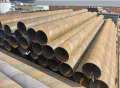

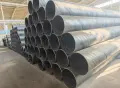
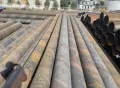
Supplier's customization ability
- Drawing-based customization
- Sample-based customization
- Full customization
Minimum order quantity: 1 ton
Shipping total: To be negotiated
- Lead time:
- confirmed with the quotation
- Packaging:
- standard export packing
- Samples:
- available on request
Product details
Steel Pieces Technical Specifications
| Parameter | Specification |
|---|---|
| Product Name | Steel Pieces |
| Product Form | Cut-to-size steel pieces, steel blanks, or custom steel components |
| Material | Carbon steel, stainless steel, alloy steel, or customer-specified grade |
| Material Grade | ASTM, AISI, EN, DIN, JIS, GB, or customer-specified grade |
| Dimensions | Custom length, width, thickness, diameter, or geometry according to drawings |
| Dimensional Tolerance | According to applicable material standard, machining requirements, or customer drawings |
| Manufacturing Process | Cutting, shearing, sawing, laser cutting, plasma cutting, flame cutting, stamping, or machining |
| Surface Finish | Mill finish, pickled, polished, brushed, galvanized, painted, or customer-specified finish |
| Heat Treatment | As rolled, annealed, normalized, quenched and tempered, or customer-specified condition |
| Inspection | Dimensional inspection, chemical composition analysis, mechanical testing, surface inspection, and optional third-party inspection |
| Applicable Standards | ASTM, AISI, EN, DIN, JIS, GB, ISO, or customer-specified standards |
| Application | Fabrication, machinery manufacturing, construction, structural components, industrial equipment, and custom metalworking |
| Packaging | Bundled with steel straps, pallets, wooden cases, protective film, or seaworthy export packaging |
| Customization | Available for material grade, size, shape, surface treatment, marking, packaging, and inspection requirements |
| Minimum Order Quantity | Subject to material grade, dimensions, processing method, and order requirements |
| Delivery | Delivery time is based on stock availability, customization requirements, and order quantity |
Premium Steel Pieces in Custom Sizes | Bulk Supply & Factory Direct Pricing
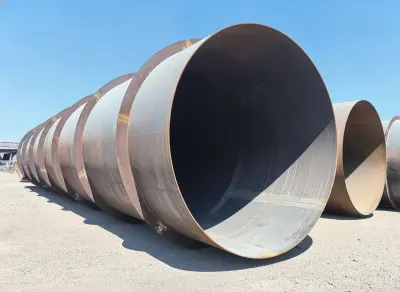
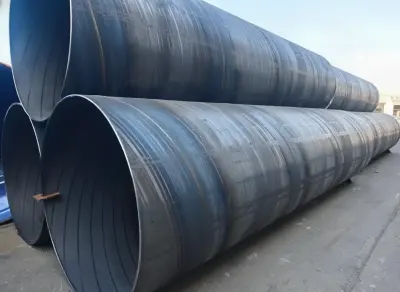
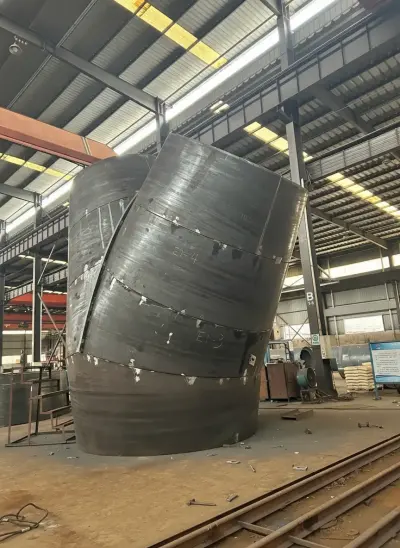
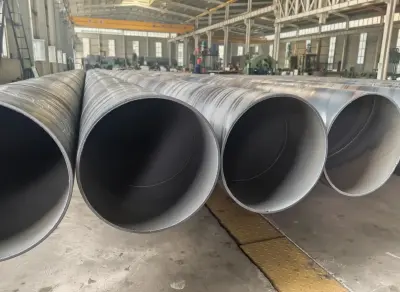
Steel pieces are cut, shaped, or supplied steel components prepared for industrial fabrication, maintenance, construction, and machinery projects. Overseas importers, steel service centers, OEM purchasing teams, fabricators, and distributors can source these pieces in agreed grades, dimensions, surface conditions, and packaging formats. Their main value is purchasing material closer to the required production size, which can help simplify workshop processing and support more controlled material planning. Because “pieces” may describe plates, bars, sections, blanks, or custom-cut components, every quotation should be based on a clear technical specification, applicable standard, inspection requirement, quantity, and delivery schedule. Use this page as a starting point for a project-specific steel sourcing discussion.
Product Overview: Steel Pieces
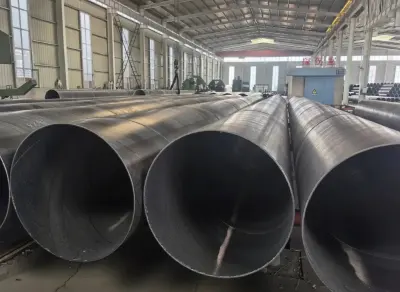
Steel pieces are individual steel units supplied for further processing, assembly, installation, or resale. Depending on the project, the term can refer to cut plate pieces, bar sections, structural steel blanks, machined preforms, or other steel items produced from standard mill products. The final form is determined by the buyer’s drawing, bill of materials, cutting list, or dimensional schedule.
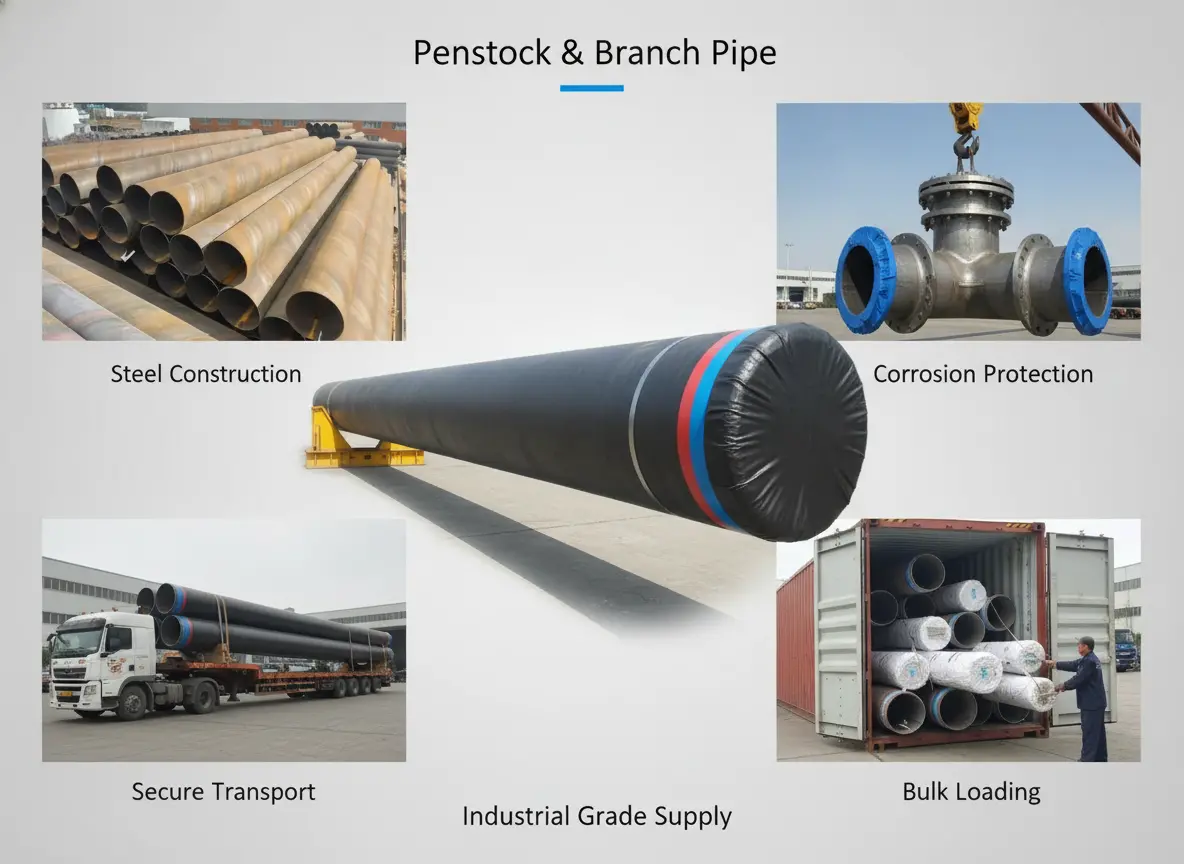
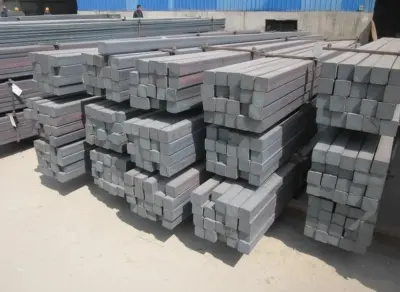
Common supply formats may include rectangular pieces, square pieces, round sections, flat pieces, irregular profiles, and cut-to-drawing components. The base material may be carbon steel, low-alloy steel, stainless steel, or another agreed steel grade. The correct material should be selected according to load, corrosion exposure, temperature, welding method, machining requirements, and the governing standard for the finished application.
For buyers who need standard feedstock before cutting, related options may include steel plates, steel bars, and structural steel sections. For buyers with a production drawing, the supplier should confirm whether the requested pieces can be supplied as cut-only items or whether additional drilling, beveling, bending, machining, marking, or surface treatment is required.
Material and Surface Options
Carbon steel pieces are often considered for general fabrication, structural work, bases, brackets, supports, frames, and machinery components. Low-alloy pieces may be selected where the design requires a specified combination of strength, toughness, weldability, or resistance to particular service conditions. Stainless steel pieces are used where corrosion resistance, hygiene, appearance, or chemical exposure is important. Material selection must be tied to a documented grade rather than to the general word “steel.”
Surface conditions can vary according to the source product and processing route. Pieces may be supplied with a mill finish, hot-rolled surface, cold-finished surface, pickled surface, shot-blasted surface, or another agreed condition. Edges may be as-cut, sawn, sheared, flame-cut, plasma-cut, laser-cut, machined, or deburred. The quotation should identify the edge condition because it can affect fit-up, welding preparation, dimensional tolerance, and downstream labor.
Custom Processing for Steel Pieces
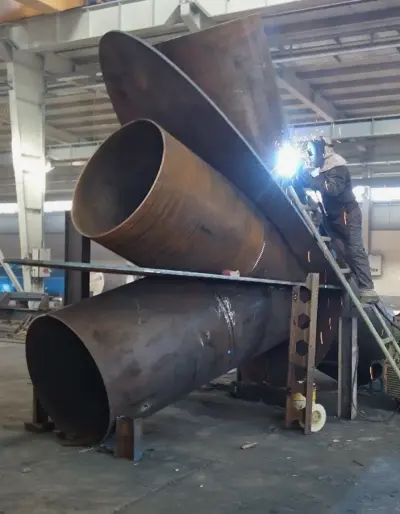
Custom processing is normally specified through a drawing or cutting list. Important details include overall dimensions, thickness or diameter, hole locations, angle cuts, corner radii, bevel geometry, flatness, straightness, burr limits, identification marks, and allowable dimensional variation. A supplier may also need the buyer to define whether dimensions are nominal, minimum, maximum, or subject to a referenced standard.
For repeat orders, a controlled piece list with item numbers and revision status helps prevent confusion between similar components. Buyers can also review custom steel cutting services and steel fabrication materials when the project involves multiple processing steps.
Specifications & Standards for Steel Pieces
There is no single international standard covering every type of steel piece. The applicable standard depends on the material category, product form, grade, manufacturing method, and end use. A responsible quotation should therefore state the proposed standard and identify any points that require buyer confirmation. The following references are commonly relevant when the corresponding product form is selected:
| Specification item | Typical requirement to confirm | Potential reference standard |
|---|---|---|
| Carbon or alloy steel plate, sheet, or general flat product | Grade, thickness, width, length, flatness, surface condition, and test documentation | ASTM A6/A6M where applicable to structural products; other product-specific ASTM standards may apply |
| Stainless steel flat pieces | Stainless grade, thickness, finish, corrosion environment, edge condition, and inspection level | ASTM A480/A480M for general requirements for flat-rolled stainless and heat-resisting steel products |
| Carbon and alloy steel bars | Round, square, hexagonal, or flat form; grade; diameter or section size; straightness; and finish | ASTM A29/A29M where applicable to general requirements for steel bars |
| Hot-rolled structural steel pieces | Structural grade, product form, yield requirements, weldability, and delivery condition | EN 10025-2 for non-alloy structural steels, when the supplied product falls within its scope |
| European inspection documentation | Certificate type, traceability, test results, and authorized issuing arrangements | EN 10204, including the inspection document type agreed in the purchase order |
| Japanese structural steel | Grade, product shape, dimensional tolerance, testing, and marking | JIS G3101 for rolled steels for general structure, when applicable |
| Chinese carbon structural steel | Grade, thickness or section size, mechanical requirements, and certificate details | GB/T 700 for carbon structural steels, when applicable |
These references are not interchangeable by default. For example, a buyer should not assume that a grade listed under JIS, EN, ASTM, or GB/T is automatically equivalent to a grade under another system. Chemical composition, tensile properties, impact requirements, heat treatment, dimensional tolerances, and testing conditions may differ. Any cross-reference should be reviewed by the buyer’s engineer or approved according to the project specification.
Dimensional and Inspection Information
A complete inquiry for steel pieces should include material grade, product form, thickness or section size, length and width, quantity by piece and total weight if available, cutting tolerance, edge condition, surface requirement, and packaging instructions. If the components are manufactured from plate or bar, the buyer should also state whether material certification and heat-number traceability must follow each piece or each production batch.
Chemical composition and mechanical properties should be taken from the applicable material standard and the actual mill test certificate. Since the reference information provided for this page does not specify a grade, no universal chemistry or strength values should be assigned to these pieces. The following verification table shows what should be requested:
| Certificate or inspection field | What the buyer should verify |
|---|---|
| Chemical composition | Element limits and actual reported values for the specified grade and heat number |
| Mechanical properties | Yield strength, tensile strength, elongation, hardness, impact performance, or other values required by the selected standard |
| Dimensions | Measured thickness, width, length, section size, hole position, and agreed tolerances |
| Traceability | Heat number, batch identification, material marking, and certificate linkage |
| Inspection document | Certificate format, test scope, issuing party, and any third-party inspection requirement |
Projects requiring formal quality records may also need mill test certificates, dimensional inspection reports, non-destructive testing, or third-party inspection. These requirements should be stated before production because they can affect processing, documentation, and lead time.
Applications of Steel Pieces
Construction and Structural Fabrication
Cut steel pieces can be used for base plates, gussets, connection components, brackets, stiffeners, cleats, supports, and other fabricated structural items. The relevant grade and standard depend on the design code, loading conditions, welding procedure, and local approval requirements. Components that will carry structural loads should be purchased against a controlled drawing and an approved material specification.
Machinery and Equipment Manufacturing
Manufacturers may purchase steel pieces as blanks or pre-cut inputs for machine frames, mounting plates, guards, support assemblies, wear components, and replacement parts. Buyers should distinguish between pieces intended for welding and pieces intended for machining. Machining allowances, flatness, hardness, and stress-relief requirements may be important for dimensional stability.
Industrial Maintenance and Replacement Parts
Maintenance contractors and plant operators often need small or medium quantities of steel pieces to repair platforms, conveyors, hoppers, ducts, frames, tanks, and handling equipment. In these cases, accurate identification is essential. The original drawing, removed component, measured dimensions, service environment, and previous material certificate can help the supplier recommend a technically suitable replacement.
Energy, Transport, and Infrastructure Projects
Steel pieces may be incorporated into equipment skids, access systems, rail-related structures, utility supports, bridge auxiliaries, and industrial infrastructure. These sectors can impose additional requirements for impact testing, weldability, traceability, coating compatibility, or inspection documentation. The buyer should provide the project specification rather than relying only on a generic product name.
Steel Distribution and Further Processing
Distributors and service centers may buy pieces in standard or mixed dimensions for local cutting, fabrication, or resale. A clear packing list is especially useful for mixed-size shipments. Each bundle or package should be identified with item number, grade, size, quantity, and weight where required by the purchase order.
How to Choose / Buying Guide for Steel Pieces
1. Define the Product Before Requesting a Quote
“Pieces” is a commercial description, not a complete technical specification. Start with a drawing, cutting schedule, or a table listing each item. Include the steel grade or the required performance, product form, dimensions, tolerances, quantity, and intended application. A photograph may assist communication, but it should not replace a dimensioned drawing when fit or safety is important.
2. Confirm the Material Standard and Certification
Ask the supplier to quote against a specific standard such as ASTM, EN, JIS, or GB/T where appropriate. Confirm whether the order requires a manufacturer’s certificate, EN 10204 inspection document, heat-number traceability, independent inspection, or testing beyond the base standard. Buyers should also clarify whether certificates must be supplied in English and whether digital documents are acceptable for customs and internal quality control.
3. Review Cutting and Dimensional Tolerances
The required tolerance depends on the next manufacturing step. As-cut pieces for general fabrication may not need the same dimensional control as machined blanks or precision assembly parts. State the cutting method, edge quality, burr allowance, hole tolerance, flatness, and any machining allowance. If the supplier proposes a substitute cutting process, request confirmation that the resulting edges and heat-affected areas are acceptable.
4. Check Quantity, MOQ, and Mixed-Item Rules
Minimum order quantity is not universal for steel pieces. It may vary with grade availability, raw material size, cutting setup, minimum charge, and whether the order contains many different item numbers. Ask for the MOQ per grade, per size, or per drawing item, as well as any setup or processing charges. For a trial order, a supplier may be able to offer a workable quantity, but this must be confirmed in the commercial quotation.
5. Plan Lead Time Around Approval Stages
Lead time may include technical review, drawing confirmation, raw material procurement, cutting or machining, inspection, packing, and export documentation. Request separate estimates for material availability and processing time. Drawing revisions after approval can affect both schedule and cost, so the purchase order should identify the approved revision and a formal change-control process.
6. Select Packaging and Logistics Carefully
Steel pieces can be dense and may have sharp edges, so packaging should protect workers, cargo, finished surfaces, and container equipment. Confirm bundle limits, lifting points, moisture protection, marking, packing-list format, and whether mixed items can be packed together. Freight planning should use the estimated packed weight and dimensions rather than the bare steel weight alone. The delivery term, export documents, and responsibility for inland transport should be stated clearly in the sales contract.
7. Compare the Total Procurement Cost
Factory-direct pricing can be useful, but the lowest unit price does not necessarily produce the lowest delivered cost. Compare raw material, cutting, machining, inspection, packaging, documentation, freight, duties, and possible local rework. A quotation that clearly separates these elements makes supplier comparison more reliable. For larger projects, buyers may also review bulk steel procurement guidance and steel export packaging requirements.
Frequently Asked Questions About Steel Pieces
Q: What does “steel pieces” mean in an export quotation?
A: “Steel pieces” generally means individual steel units supplied as cut lengths, blanks, sections, or custom components. It does not identify a particular grade, shape, standard, or tolerance. The buyer should provide a drawing or itemized specification so the supplier can quote the correct material and processing route.
Q: Can steel pieces be supplied in custom sizes?
A: Custom sizes are commonly discussed for cut plate, bar, and section products, subject to the available parent material, equipment, tolerance, and commercial quantity. Confirm the requested dimensions, cutting method, edge condition, and quantity per item before placing the order.
Q: How are carbon steel pieces different from stainless steel pieces?
A: Carbon steel is commonly selected for general structural and fabrication work, while stainless steel is selected when corrosion resistance, hygiene, or appearance is a key requirement. The two material families differ in chemistry, fabrication behavior, surface requirements, and cost. The correct choice depends on the service environment and applicable design specification.
Q: What certificates can be provided with steel pieces?
A: Available documentation depends on the ordered grade, source material, and contract. Buyers may request a mill test certificate, heat-number traceability, dimensional inspection report, or an EN 10204 inspection document where applicable. The required certificate type and inspection scope should be written into the purchase order before production.
Q: Is there a standard MOQ for custom steel pieces?
A: No universal MOQ applies to all steel pieces. The minimum quantity may depend on material availability, cutting setup, number of item types, processing charges, and packing requirements. Request the MOQ by grade and item number, and ask whether a mixed-size order can be consolidated.
Q: What payment methods are available for an international order?
A: Payment terms are commercial conditions agreed between the buyer and supplier. Common arrangements may include a bank transfer schedule, documentary payment, or another mutually accepted method, subject to company policy and order value. Confirm the currency, deposit or balance structure, banking charges, and release conditions in the pro forma invoice.
Q: How long does delivery take for steel pieces?
A: Delivery time depends on whether the material is available, whether it must be produced, the number of cutting operations, inspection requirements, packaging, and the destination logistics plan. Ask for a schedule covering technical approval, production, inspection, dispatch, and estimated transit separately. No fixed lead time should be assumed without reviewing the order details.
Q: Can the supplier process holes, bevels, or other features?
A: Some suppliers can provide additional cutting, drilling, beveling, bending, machining, marking, or surface preparation. Capability and tolerance must be confirmed against the drawing. The buyer should identify critical dimensions and inspection points so the supplier does not treat precision features as ordinary rough cutting.
Q: How should steel pieces be packed for sea freight?
A: Packing should account for piece weight, sharp edges, lifting, moisture exposure, and separation of different item numbers. Agree on bundle identification, protective materials, packing lists, and handling marks. The final method should comply with the buyer’s receiving process and the carrier’s cargo-handling requirements.
Send your drawings, grade requirements, dimensions, quantity schedule, inspection needs, and destination details to request a tailored quotation for steel pieces. Our sales and technical teams can review the specification, clarify applicable ASTM, EN, JIS, or GB/T requirements, and prepare a commercial offer covering processing, documentation, packaging, and delivery terms.
Ratings & Reviews

Know your supplier
Supplier's customization ability
- Drawing-based customization
- Sample-based customization
- Full customization
Minimum order quantity: 1 ton
Shipping total: To be negotiated
- Lead time:
- confirmed with the quotation
- Packaging:
- standard export packing
- Samples:
- available on request