 English
 Español
 Français
 Deutsch
 Português (Brasil)
 Русский
 العربية

Fixed Wire Rope Hoist | Heavy-Duty Electric Lifting Solution

 China

Supplier's customization ability
- Drawing-based customization
- Sample-based customization
- Full customization
Minimum order quantity: 1 pieces
Shipping total: To be negotiated
- Lead time:
- confirmed with the quotation
- Packaging:
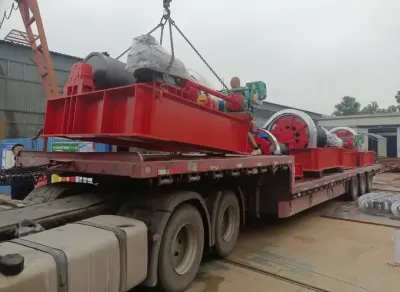
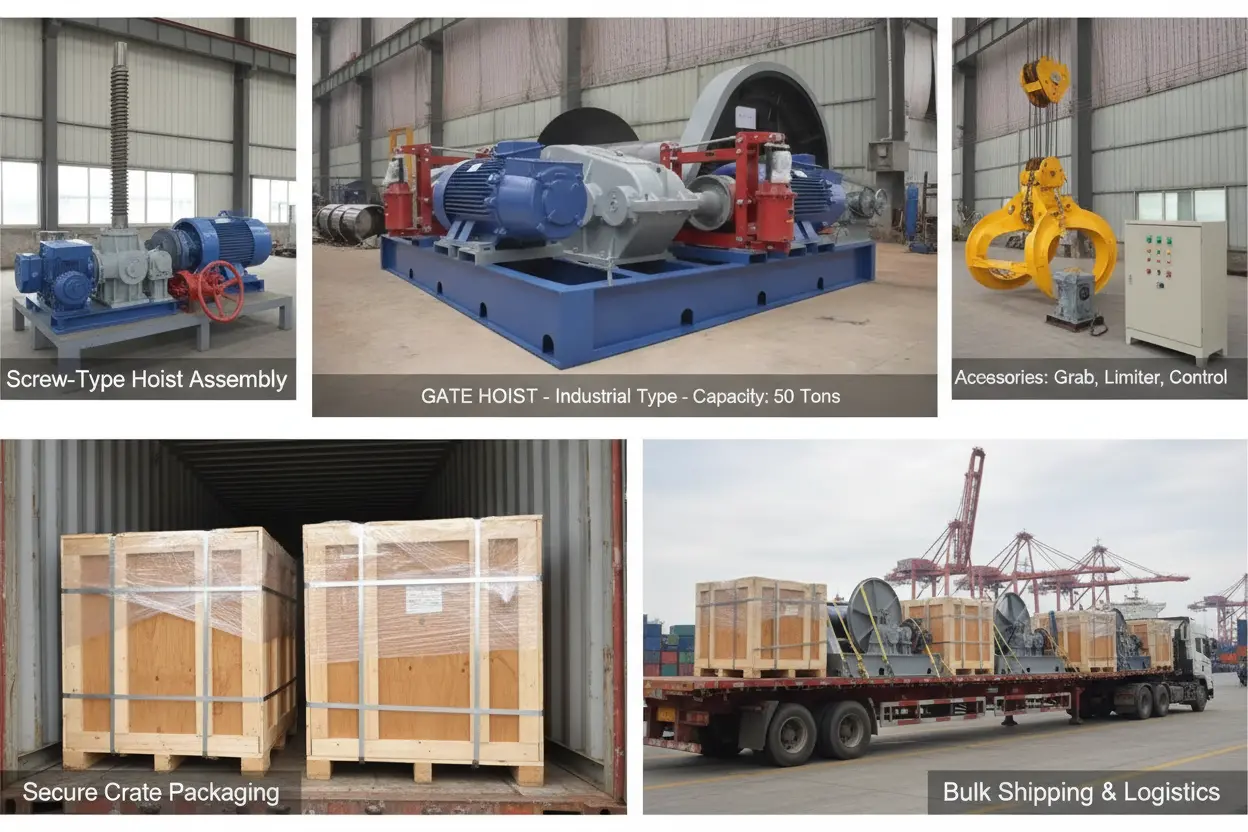
- standard export packing
- Samples:
- available on request
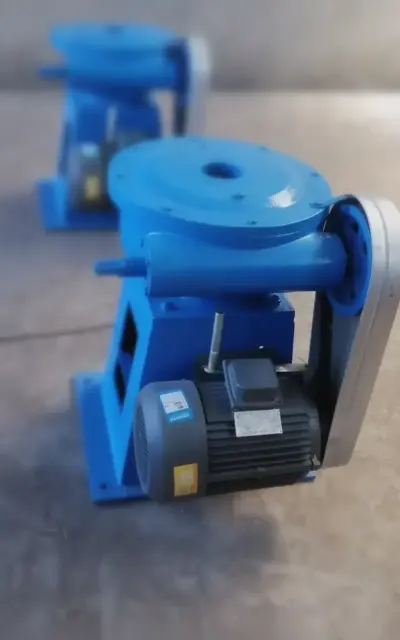
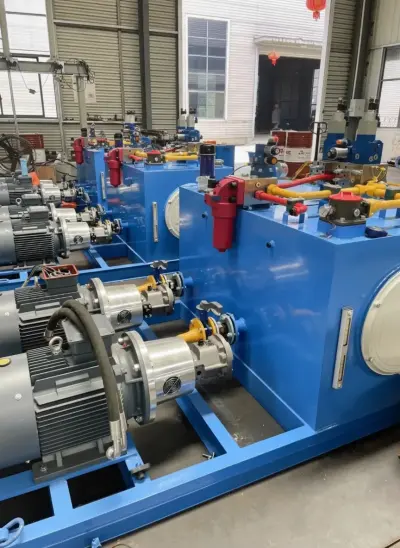
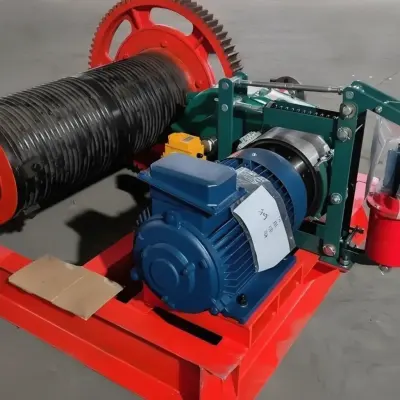
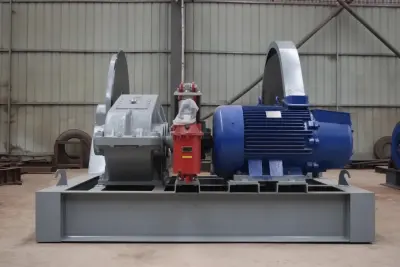
Product details
Fixed Wire Rope Hoist Technical Parameters
| Parameter | Specification |
|---|---|
| Product Type | Fixed Wire Rope Hoist |
| Rated Capacity | 1-50 t |
| Lifting Height | 3-30 m |
| Lifting Speed | 0.8-8 m/min, customizable |
| Travel Speed | Optional, according to supporting trolley configuration |
| Working Class | FEM 1Am-4m / ISO M4-M7 |
| Power Supply | 3-phase, 380 V, 50 Hz; customizable |
| Control Voltage | 24 V, 36 V, 48 V, or 110 V |
| Motor Protection Grade | IP54-IP65 |
| Insulation Class | F or H |
| Wire Rope | High-strength galvanized or ungalvanized wire rope, matched to load capacity |
| Limit Protection | Upper and lower lifting limit switches |
| Brake System | Fail-safe electromagnetic or hydraulic disc brake |
| Operating Temperature | -20 °C to +40 °C |
| Installation | Fixed mounting by base plate, suspension frame, or anchoring structure |
| Safety Features | Overload protection, emergency stop, phase-loss protection, overheat protection, and mechanical limit protection |
| Application | Factory workshops, warehouses, maintenance stations, construction sites, shipyards, and material-handling systems |
Fixed Wire Rope Hoist | Heavy-Duty Electric Lifting Solution
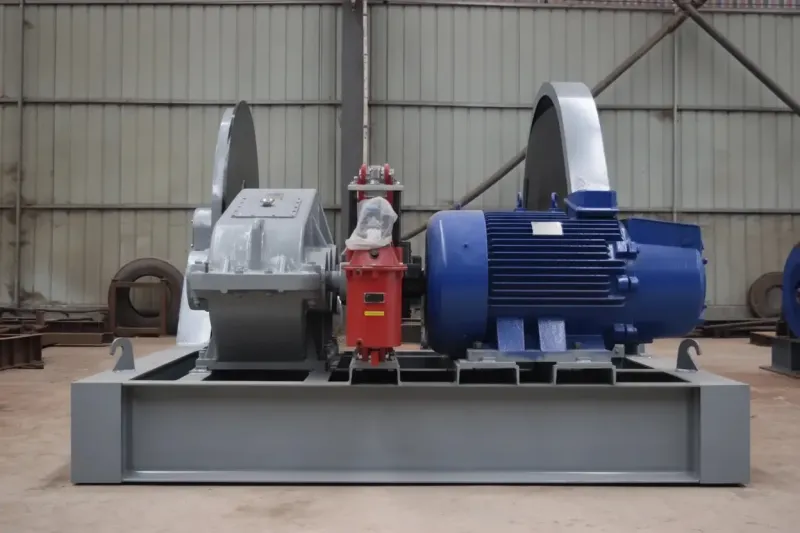
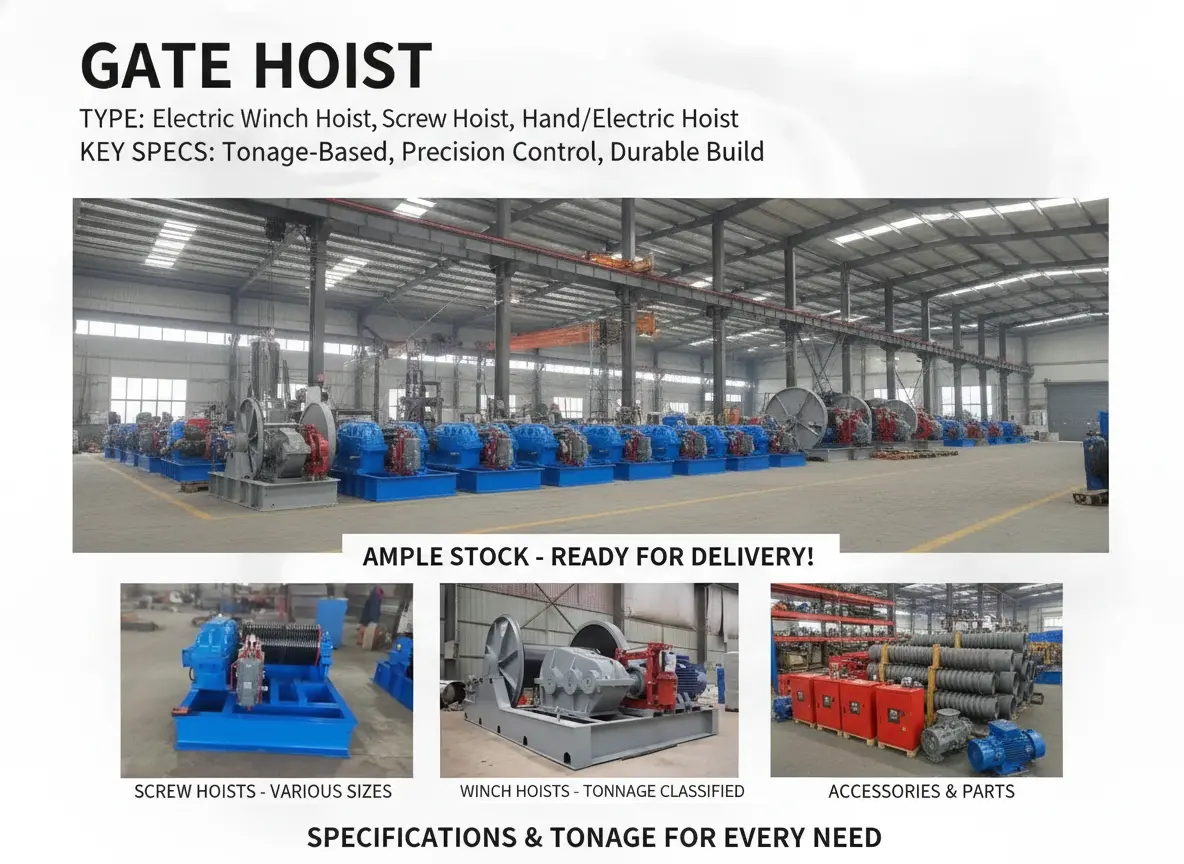
A fixed wire rope hoist is an electrically powered lifting machine designed for vertical handling of loads in workshops, warehouses, fabrication plants, construction sites, maintenance facilities, and process industries. The equipment is intended for overseas distributors, lifting-equipment integrators, crane builders, plant engineering contractors, and industrial buyers who need a dependable hoisting unit installed at a fixed location or integrated into an overhead crane system. A fixed wire rope hoist combines a motor, gearbox, grooved drum, wire rope, lifting hook, brake, controls, and protective structure in one coordinated assembly. Its value lies in controlled lifting, repeatable positioning, adaptable mounting, and serviceable components that can be specified for the working environment and duty cycle. Buyers can also compare this solution with [[INTERNAL_LINK]] before preparing a technical inquiry.
Product Overview
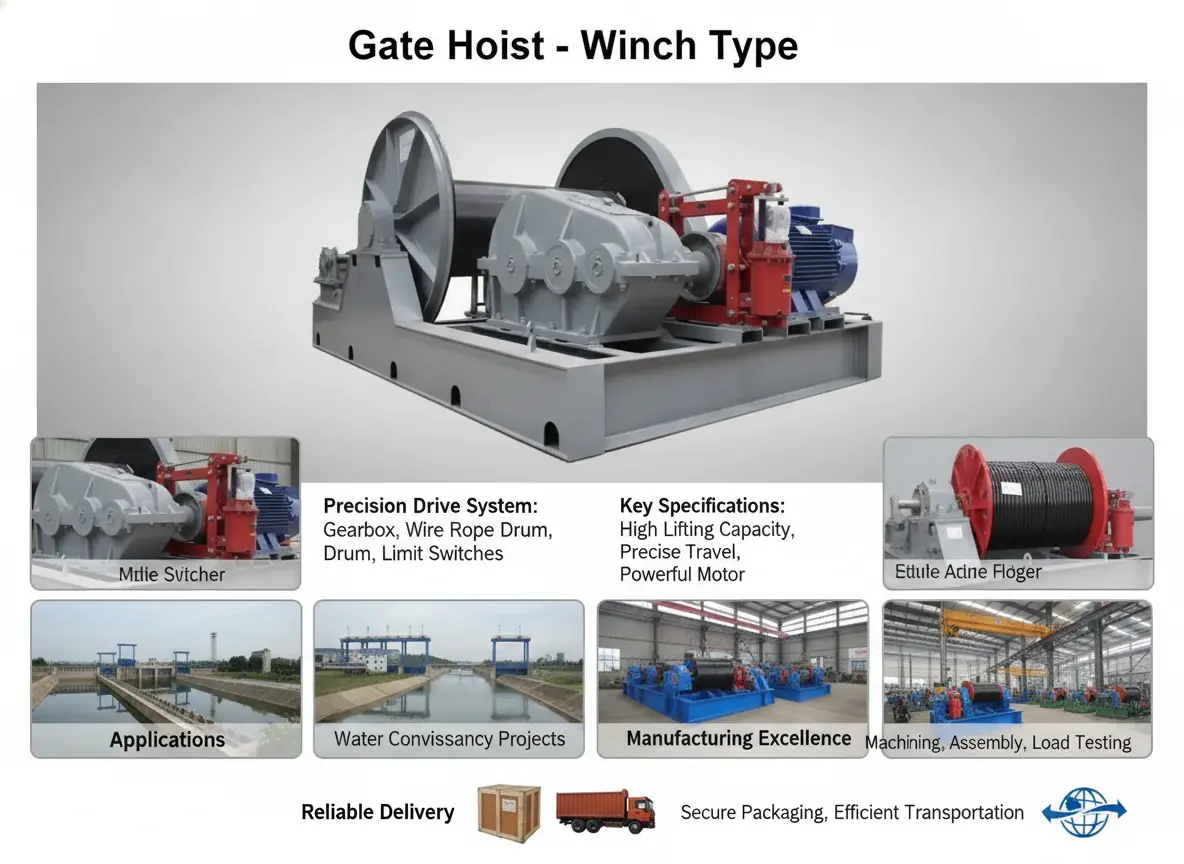
A fixed wire rope hoist lifts and lowers a suspended load by winding wire rope onto a powered drum. Unlike a chain hoist, it uses a steel wire rope and drum arrangement that is suitable for a broad range of industrial lifting configurations. The hoist may be installed on a fixed support, monorail, gantry, jib structure, runway, or overhead crane, depending on the selected body design and mounting arrangement. It can also be supplied as a component for a complete [[INTERNAL_LINK]].
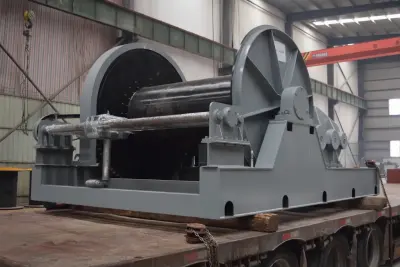
The main assembly normally includes an electric lifting motor, reduction gearbox, rope drum, wire rope, upper and lower limit devices, mechanical load brake, hook block or hook assembly, control enclosure, and pendant or remote-control interface. A trolley can be added when horizontal travel is required, but a fixed configuration is selected when the hoist body remains attached to a support point or when another mechanism provides movement.
Configuration should be based on the actual load path rather than rated capacity alone. Important variables include working load, lift height, lifting speed, starts per hour, operating hours, available power supply, ambient temperature, indoor or outdoor installation, dust or moisture exposure, and the required control method. For corrosive or demanding locations, buyers may request suitable enclosure protection, surface treatment, electrical components, rope materials, and maintenance access. Details such as the rope reeving arrangement, drum length, hook travel, and installation orientation should be confirmed on the supplier's technical drawing.
For applications requiring frequent handling, the fixed wire rope hoist can be specified with features such as two-speed lifting, variable-speed control, electromagnetic braking, overload protection, phase-loss protection, emergency stop control, and upper or lower travel limits. These features should be matched to the operating risk assessment and local regulations instead of treated as interchangeable options. Related equipment can be reviewed through [[INTERNAL_LINK]] and [[INTERNAL_LINK]].
Specifications & Standards
There is no single universal specification for every fixed wire rope hoist. A responsible quotation should identify the rated capacity, duty classification, lift height, lifting speed, motor rating, power supply, rope diameter, reeving, hook type, control voltage, mounting dimensions, net weight, and environmental requirements. The final selection should also state the applicable national or project standards. Common references include EN 14492-2 for power-driven winches and hoists, EN 60204-32 for electrical equipment of lifting machines, ISO 4301-1 for classification of cranes and lifting appliances, and ASME B30.16 for overhead hoists where that code is required by the project. Some projects may additionally specify GB/T requirements or JIS requirements; the purchaser should identify the required conformity route before production.
| Parameter | What the buyer should confirm | Why it matters |
|---|---|---|
| Rated capacity | Maximum working load, including any hook block or lifting attachment assumptions | Determines the structural and braking requirements |
| Lift height | Required hook travel and any minimum approach dimensions | Determines rope length, drum arrangement, and installation space |
| Duty classification | Expected starts, operating hours, load spectrum, and duty group | Influences motor heating, brake life, gearbox selection, and service intervals |
| Lifting speed | Single-speed, two-speed, or variable-speed operation | Affects productivity, positioning accuracy, and motor/control design |
| Electrical supply | Voltage, frequency, phases, control voltage, and site electrical requirements | Prevents compatibility problems during commissioning |
| Installation | Fixed mounting dimensions, support reactions, headroom, and access clearances | Confirms that the structure and maintenance area are adequate |
| Environment | Indoor or outdoor use, temperature, humidity, dust, rain, and hazardous-area needs | Guides enclosure, coating, insulation, and component selection |
Material and performance documentation should be tied to the supplied configuration. The load-bearing frame, drum, hook, shafts, and fasteners may use different grades and should not be described with one generic material statement. Where the project requires steel traceability, the buyer can request mill certificates or inspection records for relevant parts. Chemical composition and mechanical properties should be reported against the actual material grade and its governing standard, not estimated from a product category.
| Documentation item | Recommended basis | Purchasing purpose |
|---|---|---|
| Design and inspection basis | Applicable project code, EN 14492-2, ISO 4301-1, ASME B30.16, GB/T, or JIS requirement as specified | Establishes the acceptance framework |
| Electrical documentation | EN 60204-32 or the required local electrical code | Supports wiring review and commissioning |
| Material certificates | Certificate for the particular grade and component supplied | Provides traceability where contractually required |
| Test records | Factory inspection, no-load test, functional test, and load test where required | Confirms operation before shipment or site installation |
Because standards and certification requirements vary by destination, the quotation should list the exact documents available. CE-related documentation, third-party inspection, proof-load testing, or local registration may be needed for some projects, but they should be agreed before order placement. A guide to [[INTERNAL_LINK]] can help buyers organize these requirements.
Applications
Manufacturing and fabrication: A fixed wire rope hoist can handle dies, molds, steel sections, fabricated assemblies, and maintenance components where accurate lifting is needed around a production cell.
Warehousing and logistics: It can serve a dedicated loading, repair, or handling station for machinery and heavy goods. The support structure, floor loading, access route, and lifting zone must be checked before installation.
Construction and infrastructure: Contractors may use fixed hoists for material handling in workshops, assembly yards, and service areas. Outdoor deployment requires an appropriate environmental specification and a protected electrical installation.
Power, mining, and process plants: Maintenance teams may specify a hoist for pumps, valves, motors, covers, and other service parts. Dust, temperature, corrosive media, and inspection access become important selection criteria.
Crane and lifting-system integration: Crane manufacturers and system integrators can use the fixed wire rope hoist as the lifting module in an overhead crane, monorail, jib, gantry, or purpose-built handling machine. The interface dimensions and control signals must be finalized with the complete system design.
How to Choose / Buying Guide
Start with a clear load schedule. State the normal working load, maximum load, load shape, lifting points, center of gravity, and whether the load includes slings, spreader beams, or other accessories. Do not select capacity only from an occasional peak if the equipment will repeatedly operate near that value. Ask the supplier to confirm the proposed duty classification and service conditions.
Next, define the installation. Provide a drawing or dimensions for the support bracket, beam, runway, or crane frame, including available headroom, approach distance, maintenance clearance, and support reactions. A fixed wire rope hoist may be mechanically suitable but still unusable if the hook cannot reach the required position or if the support cannot accept the imposed forces. Request a general arrangement drawing before approving fabrication.
Electrical compatibility should be checked early. Confirm the site voltage and frequency, phase arrangement, motor starting method, control voltage, cable length, and control station location. If the hoist will operate with a variable-frequency drive or interface with a crane control system, specify the communication and safety requirements in the inquiry.
Certification should be treated as a contract deliverable. Ask which standards govern design, manufacturing, inspection, electrical construction, and testing. Confirm whether the destination requires a declaration of conformity, third-party witness inspection, proof-load certificate, serial-number plate, operating manual, spare-parts list, and risk-assessment documentation. The exact scope should appear on the pro forma invoice or technical agreement.
Commercial terms also need definition. Request the supplier's actual MOQ, quotation validity, production lead time, packing method, shipping dimensions, gross weight, delivery term, warranty conditions, and recommended spare parts. MOQ and lead time depend on configuration and should be confirmed for each order. For export shipments, establish who arranges inland transport, export clearance, marine insurance, and destination handling. Payment terms may vary by supplier and order value, so agree the accepted method and milestones in writing rather than assuming a standard arrangement.
Before dispatch, review nameplate data, rotation direction, brake operation, limit devices, hook condition, rope winding, fastener security, paint or coating condition, and supplied documents. Keep installation and commissioning records, and schedule inspections according to the applicable code, site rules, and manufacturer's instructions. More information about [[INTERNAL_LINK]] and [[INTERNAL_LINK]] may be useful when comparing complete lifting packages.
Frequently Asked Questions
Q: What is the difference between a fixed wire rope hoist and a chain hoist?
A: A fixed wire rope hoist uses a steel wire rope wound on a drum, while a chain hoist uses load chain running through a chain wheel. Wire rope systems are commonly selected for longer lifts, higher handling demands, or integration with crane machinery. Chain hoists can be compact and practical for shorter lifts and lighter applications. The correct choice depends on capacity, lift height, duty, installation space, and project standards.
Q: Can the hoist be supplied with a trolley?
A: A fixed wire rope hoist is normally mounted without powered horizontal travel, but a compatible trolley or complete crane arrangement may be specified when the load must move along a beam or runway. The supplier needs the beam dimensions, flange width, load data, travel speed, and control requirements to verify compatibility.
Q: Which certifications are available?
A: Certification depends on the destination, contract, and selected configuration. Buyers may request documentation based on EN 14492-2, EN 60204-32, ISO 4301-1, ASME B30.16, GB/T, or JIS requirements where applicable. Confirm the exact certificate, inspection report, declaration, and test record before ordering because availability and legal acceptance vary by market.
Q: What is the minimum order quantity?
A: MOQ is not universal for a fixed wire rope hoist. It can depend on capacity, customization, control equipment, mounting design, and whether the order is a single unit or part of a larger lifting project. Ask for the MOQ and commercial terms for the specific configuration shown on the quotation.
Q: What payment methods can overseas buyers use?
A: Common arrangements may include a bank transfer against agreed milestones, a letter of credit, or another method accepted by both parties. The payment schedule should identify the deposit, drawing approval, inspection, balance, and shipping documents where relevant. The supplier's written quotation and sales contract should control the final terms.
Q: How long is the delivery time?
A: Delivery time varies with capacity, duty classification, motor and brake configuration, certification, customization, inspection scope, and production schedule. The supplier should provide a project-specific lead time after technical details are frozen. Export transit time, customs clearance, and destination delivery are separate from manufacturing time.
Q: What maintenance does a fixed wire rope hoist require?
A: Maintenance normally includes inspection of the wire rope, hook, hook latch, drum, brake, gearbox, limit devices, electrical connections, fasteners, and structural mounting. Lubrication and replacement intervals should follow the manufacturer's manual and the applicable site or statutory inspection rules. Any damaged rope, hook, brake, or safety device should be taken out of service until assessed by a qualified person.
Q: Can the hoist operate outdoors or in a corrosive environment?
A: It may be configured for outdoor service, but the required enclosure, coating system, insulation, seals, heater, drainage, and corrosion protection must be specified for the actual environment. Outdoor suitability should not be assumed from the standard indoor model. Hazardous-area applications require a separate assessment and equipment approval appropriate to the classified zone.
Send the rated capacity, lift height, duty cycle, lifting speed, power supply, mounting arrangement, destination, applicable standard, and required delivery terms to request a project-specific quotation for a fixed wire rope hoist. Include drawings and certification requirements where available so the supplier can confirm the configuration, documentation, and shipping scope accurately.
Ratings & Reviews

Know your supplier
Supplier's customization ability
- Drawing-based customization
- Sample-based customization
- Full customization
Minimum order quantity: 1 pieces
Shipping total: To be negotiated
- Lead time:
- confirmed with the quotation
- Packaging:
- standard export packing
- Samples:
- available on request