 English
 Español
 Français
 Deutsch
 Português (Brasil)
 Русский
 العربية

Mobile Hoist | Portable Lifting Equipment for Safe, Efficient Material Handling

 China
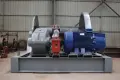
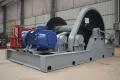
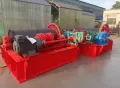
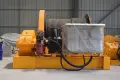
Supplier's customization ability
- Drawing-based customization
- Sample-based customization
- Full customization
Minimum order quantity: 1 pieces
Shipping total: To be negotiated
- Lead time:
- confirmed with the quotation
- Packaging:
- standard export packing
- Samples:
- available on request
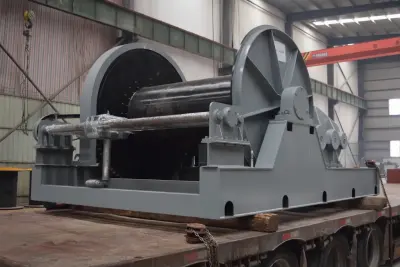
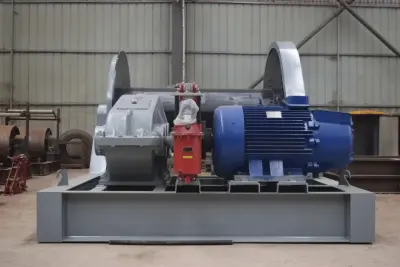
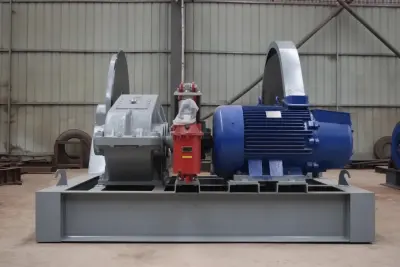
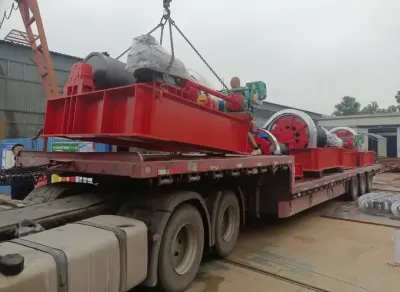
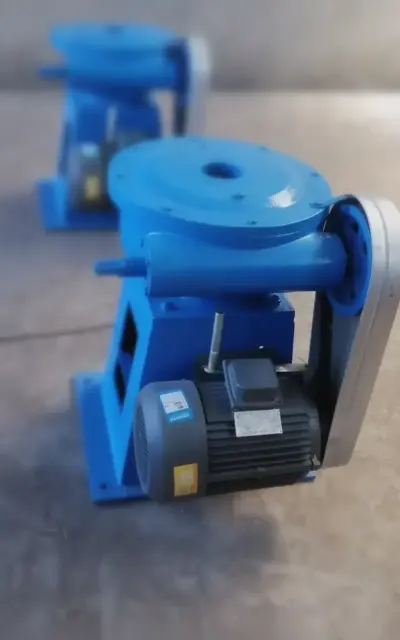
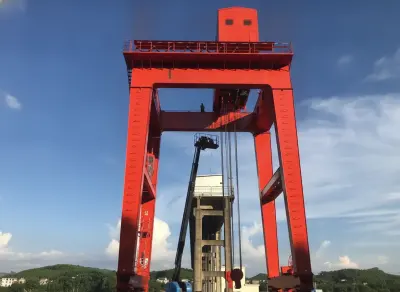
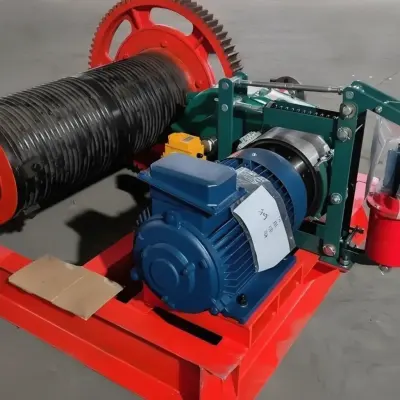
Product details
Mobile Hoist Technical Specification
| Parameter | Technical Specification | Description |
|---|---|---|
| Product Name | Mobile Hoist | Mobile lifting crane designed for flexible material handling and lifting operations |
| Rated Lifting Capacity | 250–1,000 kg | Configurable according to the specific model and operating conditions |
| Maximum Lifting Height | 1,500–3,000 mm | Measured from the ground to the highest hook position |
| Effective Working Radius | 800–1,500 mm | Determined by boom length and boom extension position |
| Lifting Method | Manual, hydraulic, or electric | Selected according to operating frequency and load requirements |
| Boom Structure | Telescopic or fixed | High-strength steel boom supporting multiple configurations |
| Base Type | Mobile outrigger base | Equipped with casters and adjustable outriggers for improved mobility and stability |
| Caster Configuration | Heavy-duty swivel casters with brakes | Suitable for factory floors, warehouses, maintenance workshops, and other indoor working environments |
| Lifting Speed | Approx. 2–8 m/min | Actual parameters vary depending on the electric or hydraulic configuration |
| Power Configuration | Manual hydraulic, battery-powered, or AC power | Supports different working environments and power supply conditions |
| Main Material | High-strength carbon steel | Powder-coated or painted surface for improved wear and corrosion resistance |
| Safety Devices | Mechanical limit stop, overload protection, and safety hook latch | Helps reduce the risks of overloading, load slipping, and improper operation |
| Surface Treatment | Powder coating or industrial painting | Customized colors and corrosion protection grades are available |
| Applications | Warehousing, production lines, equipment maintenance, and mold handling | Suitable for short-distance material movement and on-site lifting operations |
| Customization Options | Lifting capacity, boom length, lifting height, and power system | Non-standard designs can be provided according to customer operating conditions |
Mobile Hoist | Portable Lifting Equipment for Safe, Efficient Material Handling
A mobile hoist is portable lifting equipment designed to raise, position, and lower loads where a fixed overhead crane or permanent lifting station is unavailable or impractical. Maintenance contractors, machinery distributors, warehouse operators, construction companies, plant engineers, and overseas industrial buyers use mobile hoists for controlled material handling across changing work areas. The main value is adaptable lifting capacity in a compact, relocatable format, combined with a lifting configuration that can be selected for the load, working height, floor conditions, and available power. Buyers can use a mobile hoist to reduce manual handling, support installation work, and improve job-site flexibility without committing to permanent structural modifications.
Mobile Hoist Product Overview
A mobile hoist combines a lifting mechanism with a movable support frame, base, trolley, or other portable structure. Depending on the design, the unit may use an electric chain hoist, wire rope hoist, manual chain block, hydraulic actuator, or another approved lifting system. The support arrangement can include fixed-height legs, adjustable legs, a folding frame, a wheeled gantry structure, or a compact service crane configuration. These differences matter because a hoist is not defined only by its motor or hook; the complete lifting system must safely support the rated working load throughout the intended operating range.
Typical mobile hoist assemblies include a structural frame, lifting beam or jib, hoist body, load chain or wire rope, hook assembly, wheels or casters, brakes, pins, locking devices, controls, and overload or travel-limiting provisions where specified by the design. Some models are intended for indoor maintenance bays, while others are configured for workshops, warehouses, production lines, utility work, or controlled outdoor service. A suitable portable lifting equipment configuration should match the actual task rather than relying on a nominal capacity alone.
Frame material is commonly selected from structural carbon steel or other engineering steel grades appropriate to the design, with surface treatment chosen for the operating environment. Paint, powder coating, galvanizing, or other protection may be considered according to exposure, cleaning requirements, and corrosion risk. The hoist mechanism and load-bearing components require separate technical review. A buyer should request the material certificates, design calculations, weld quality documentation, inspection records, and operating instructions applicable to the supplied model.
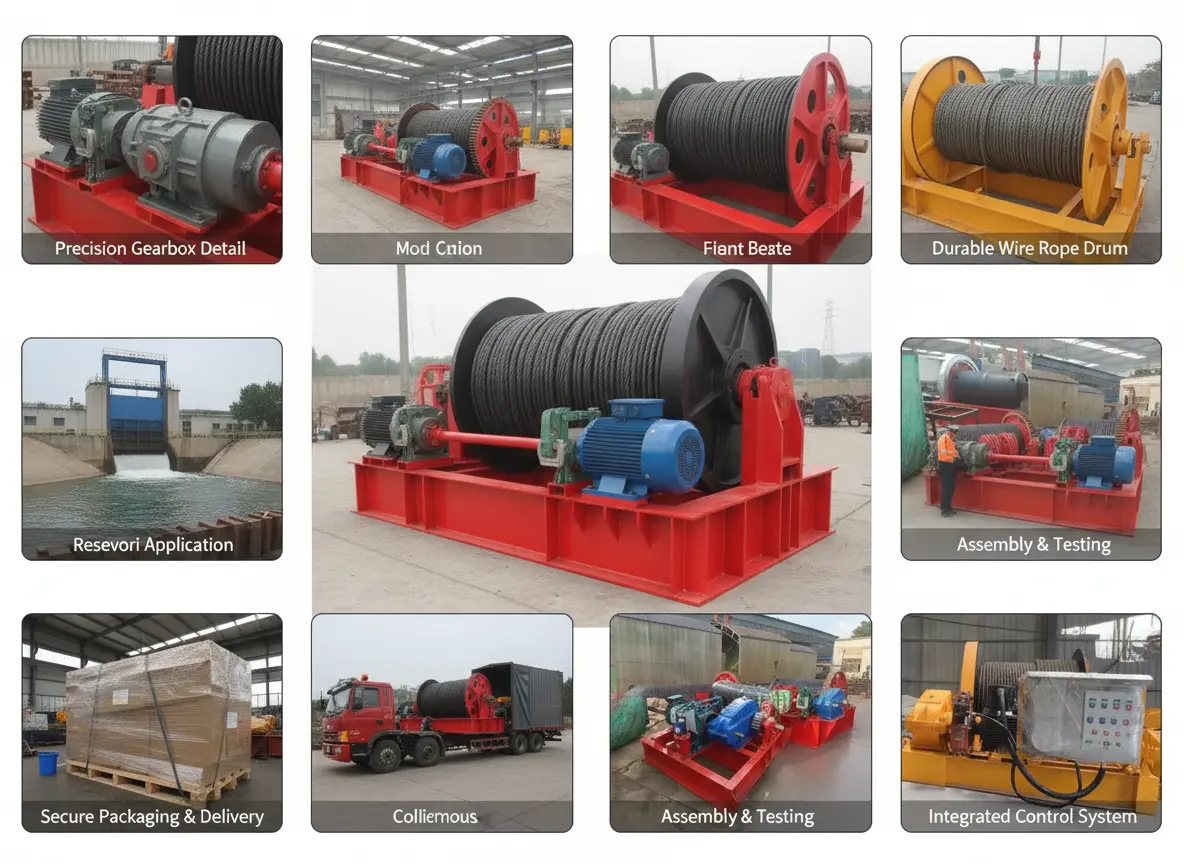
Mobility can be useful during equipment installation, die changes, motor replacement, pump maintenance, and warehouse handling. However, wheels do not make a load safe to move under every condition. The floor must be sufficiently level and strong, the load must be secured and centered, the travel route must be clear, and the manufacturer’s operating restrictions must be followed. Mobile operation and lifting operation should be assessed as connected but separate risks.
For comparison with other lifting solutions, review [[INTERNAL_LINK]] and [[INTERNAL_LINK]] to evaluate whether a mobile hoist, a fixed gantry crane, a jib crane, or a standard chain hoist better suits the work area.
Mobile Hoist Specifications & Standards
Mobile hoist specifications should be stated on the technical data sheet and nameplate. Important fields include rated capacity or safe working load, maximum lifting height, minimum hook height, lifting speed, power supply, duty classification, frame dimensions, wheel type, wheel lock arrangement, net weight, operating temperature range, and any restrictions on travel with a suspended load. The exact values depend on the selected configuration and should be confirmed before quotation or purchase.
International requirements vary by product type, lifting mechanism, destination market, and intended use. The following standards are common reference points, but they do not automatically apply to every mobile hoist. The manufacturer and importer should identify the standards required for the complete assembly and local regulations.
| Reference | Scope or relevance | Buyer verification point |
|---|---|---|
| ASME B30.16 | Overhead hoists, including design and safe-use provisions for relevant hoist types | Confirm whether the supplied hoist mechanism falls within the standard’s scope and obtain applicable inspection instructions |
| ASME B30.17 | Overhead and gantry cranes, including equipment that may be relevant to mobile gantry-style lifting frames | Verify the complete frame, trolley, and operating arrangement rather than reviewing the hoist alone |
| EN 13157 | Hand-powered cranes, including manually operated lifting equipment within its scope | Use for applicable manual configurations and confirm the declared design category |
| EN 14492-2 | Power-driven winches and hoists | Check applicability to the powered hoist mechanism, controls, guarding, and declared performance |
| EN 13001 series | General principles and limits for crane design | Ask which design calculations and classifications were used for the load-bearing structure |
| JIS B 8815 | Electric chain blocks and related lifting equipment provisions in the Japanese standards framework | Confirm the exact edition, product scope, and any Japan-specific conformity documentation |
| GB/T 3811 | Design rules for cranes in the Chinese standards system | Request the design basis and conformity records when the product is manufactured or specified to Chinese requirements |
A quotation should distinguish the rated lifting capacity from any reduced capacity caused by frame extension, boom position, eccentric loading, travel conditions, or a particular support configuration. Buyers should also clarify whether the stated capacity applies to the hoist, the beam, the frame, the wheels, and the complete mobile hoist assembly. The lowest governing rating controls the safe working load.
Do not accept an unqualified claim that a product is “CE certified” or compliant with an international standard. Request the declaration of conformity where applicable, risk assessment, test certificate, load test report, user manual, spare-parts list, and serial-number traceability. For welded structural products, welding procedure and inspection documentation may be relevant. For electrical models, ask for voltage, frequency, enclosure rating, control voltage, grounding provisions, and documentation required by the destination market. More information about [[INTERNAL_LINK]] can help procurement teams prepare a consistent document checklist.
Mobile Hoist Applications
- Industrial maintenance: A mobile hoist can support removal and installation of motors, gearboxes, pumps, valves, tooling, and other service components when a production area lacks a fixed crane.
- Machinery installation: Equipment distributors and installation contractors may use portable lifting equipment to position machinery during assembly, alignment, and replacement work.
- Workshops and repair centers: A movable lifting unit can serve multiple workstations, provided the floor, clearances, and rated load requirements are suitable.
- Warehousing and logistics: Selected mobile hoist designs can assist with controlled handling of heavy parts, crated components, and maintenance loads in areas not served by overhead handling equipment.
- Construction and facilities work: Contractors may use a compact mobile hoist for service tasks in buildings, plants, and infrastructure sites, subject to ground conditions, access limits, wind restrictions, and local safety rules.
Each application needs a task-specific assessment. A unit suitable for lifting a component vertically in a workshop may not be suitable for outdoor travel, repetitive production duty, side loading, or lifting people. Personnel lifting should never be assumed to be permitted merely because the hoist can raise a load. Consult [[INTERNAL_LINK]] for related equipment categories and application differences.
How to Choose / Buying Guide for a Mobile Hoist
Start with the heaviest load that must be lifted, not the average load. Record the load’s dimensions, center of gravity, lifting points, surface sensitivity, and required hook height. Then determine whether the mobile hoist must lift only, lift and travel, or position a load over a fixed footprint. If the load has an unknown center of gravity or requires side pulling, raise that issue before selecting the equipment.
Next, check the working envelope. Measure doorway width, ceiling height, aisle width, storage space, turning radius, and the distance between the wheels or supports. An adjustable frame can improve versatility but may introduce multiple rated positions and additional inspection points. Confirm the maximum and minimum hook heights at the actual configuration, including the space occupied by slings, shackles, spreader beams, and the load itself.
Review duty and operating conditions. Occasional workshop maintenance, multi-shift production handling, and short-term project use can require different hoist classifications, motors, brakes, controls, and inspection intervals. Identify ambient temperature, humidity, dust, washdown exposure, corrosive chemicals, outdoor use, and available electrical supply. For a battery, hydraulic, or manual model, confirm the operating duration and maintenance requirements.
Ask the supplier to state the complete supplied scope. This may include the frame, hoist, pendant, control panel, power cable, wheels, brakes, hooks, chains, slings, trolley, load indicator, manuals, spare parts, and test documentation. Do not assume lifting accessories are included. Compare the working load limit and compatibility of every accessory with the mobile hoist.
Certification requirements should be agreed before production. The destination country may require particular declarations, inspection by an authorized body, electrical approvals, language versions of manuals, or site acceptance testing. A pre-shipment inspection can verify dimensions, nameplate data, weld appearance, controls, emergency stop function, brake holding, unloaded travel, and the required load test documentation.
MOQ, payment terms, and lead time are commercial items that must be confirmed in the supplier’s quotation. They vary by configuration, customization, production schedule, and order volume, so buyers should request written terms rather than relying on general catalog information. The same applies to shipping: confirm packed dimensions, gross weight, lifting points, export packaging, delivery term, insurance responsibility, and whether the unit can be handled at the receiving site. Use [[INTERNAL_LINK]] for a structured inquiry checklist and include drawings when the available installation space is limited.
Frequently Asked Questions About Mobile Hoists
Q: What is the difference between a mobile hoist and a fixed hoist?
A: A mobile hoist is mounted on or integrated with a relocatable frame, base, or support system. A fixed hoist is installed at a permanent point such as a beam, monorail, jib, or overhead crane. Mobility improves access to multiple work areas, but the floor, frame stability, wheel locks, and travel restrictions must be assessed for each task.
Q: How do I specify the correct mobile hoist capacity?
A: Specify the maximum lifted load, required hook height, lifting accessories, load center, and whether the load must travel while suspended. The complete assembly must be rated for the application. Ask the supplier for the capacity at each adjustable position and for any derating caused by boom extension, frame width, eccentric loading, or travel.
Q: What certifications should an overseas buyer request?
A: Request the applicable declaration of conformity, test or load-test report, user manual, nameplate details, inspection records, and material or welding documentation where relevant. The exact package depends on the destination country, hoist type, and applicable standards such as ASME B30.16, EN 14492-2, EN 13157, JIS B 8815, or GB/T 3811. Verify the documents against the supplied serial number and configuration.
Q: What is the typical MOQ for a mobile hoist?
A: There is no universal MOQ. A standard catalog model may be available in a smaller order quantity, while a customized frame, special voltage, nonstandard hook height, or private-label project may have different commercial requirements. Ask for the MOQ, sample policy, tooling charges, and production conditions in the quotation.
Q: What payment methods are available for international orders?
A: Payment terms depend on the supplier, order size, customer qualification, and contract. Common arrangements may include a deposit with the balance before shipment, documentary arrangements, or other mutually agreed trade terms. Confirm the currency, bank details, payment milestones, inspection conditions, and documentary requirements in the signed pro forma invoice or sales contract.
Q: How long does delivery take?
A: Lead time depends on stock status, frame customization, hoist availability, testing, documentation, packaging, and destination logistics. Request separate dates for drawing approval, production completion, inspection, dispatch, and estimated transit. A confirmed quotation should identify what event starts the production schedule.
Q: Can a mobile hoist lift people?
A: Not unless the complete equipment is specifically designed, certified, and approved for personnel lifting under the applicable regulations. A standard material-handling mobile hoist should be treated as equipment for loads only. Never attach a personnel basket or platform without written engineering approval and compliance documentation.
Q: Can a mobile hoist be used outdoors?
A: Some models can be used outdoors, but this must be confirmed by the manufacturer. Review wind limits, rain and corrosion protection, ground bearing capacity, electrical protection, temperature range, wheel stability, and storage requirements. Outdoor use can impose restrictions that do not apply in a controlled workshop.
For a suitable mobile hoist recommendation, send the required capacity, hook height, load dimensions, lifting frequency, floor conditions, power supply, destination country, documentation requirements, and target delivery schedule. Request a configuration drawing, technical datasheet, certification package, and commercial quotation so the equipment can be evaluated before purchase.
Ratings & Reviews

Know your supplier
Supplier's customization ability
- Drawing-based customization
- Sample-based customization
- Full customization
Minimum order quantity: 1 pieces
Shipping total: To be negotiated
- Lead time:
- confirmed with the quotation
- Packaging:
- standard export packing
- Samples:
- available on request