 English
 Español
 Français
 Deutsch
 Português (Brasil)
 Русский
 العربية

Roofing Panel Manufacturer | Durable Steel Roof Panels
 China
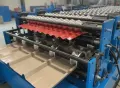
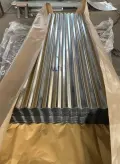
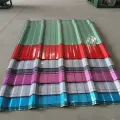
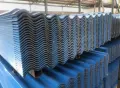
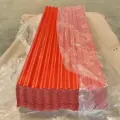
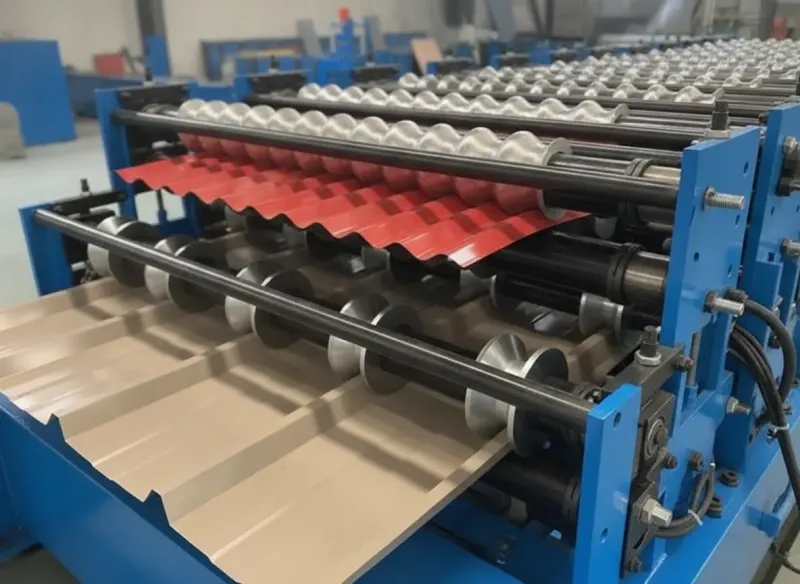
Supplier's customization ability
- Drawing-based customization
- Sample-based customization
- Full customization
Minimum order quantity: 5 ton
Shipping total: To be negotiated
- Lead time:
- confirmed with the quotation
- Packaging:
- standard export packing
- Samples:
- available on request
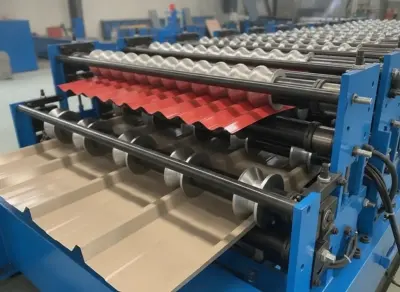
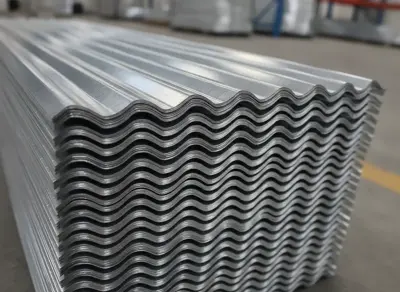
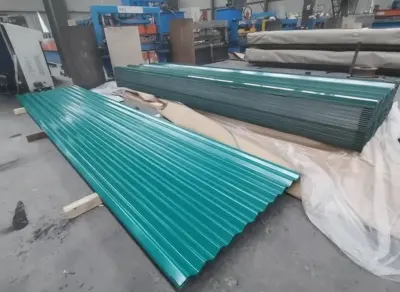
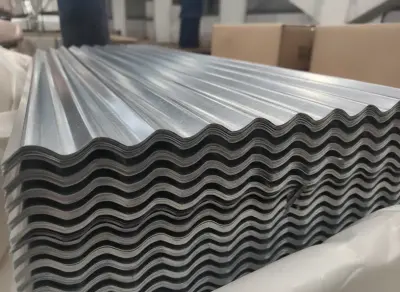
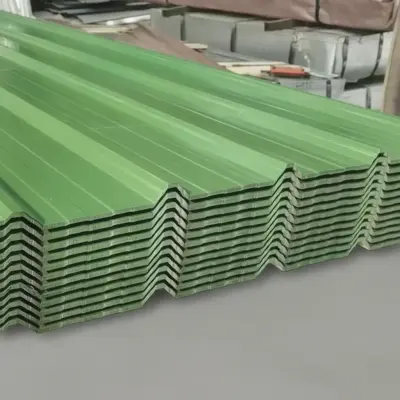
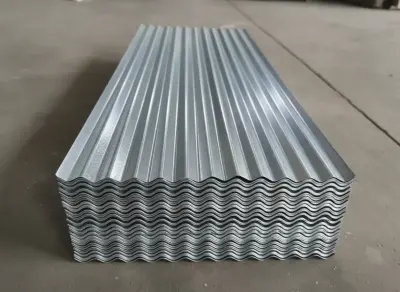
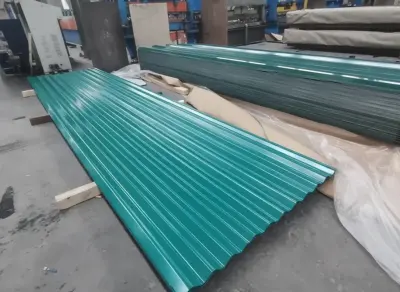
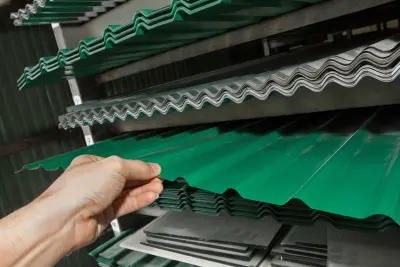
Product details
Roofing Panel Technical Specifications
| Product | Steel Roofing Panel |
|---|---|
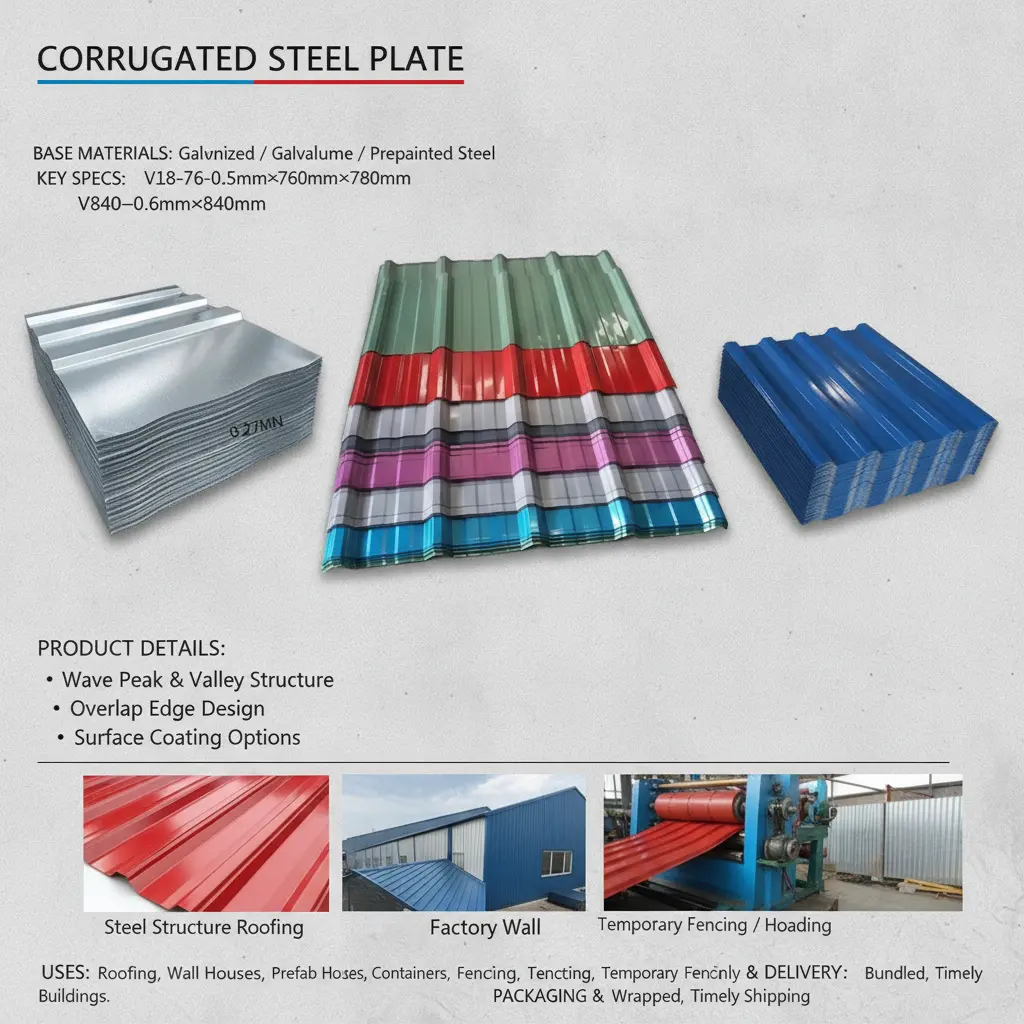
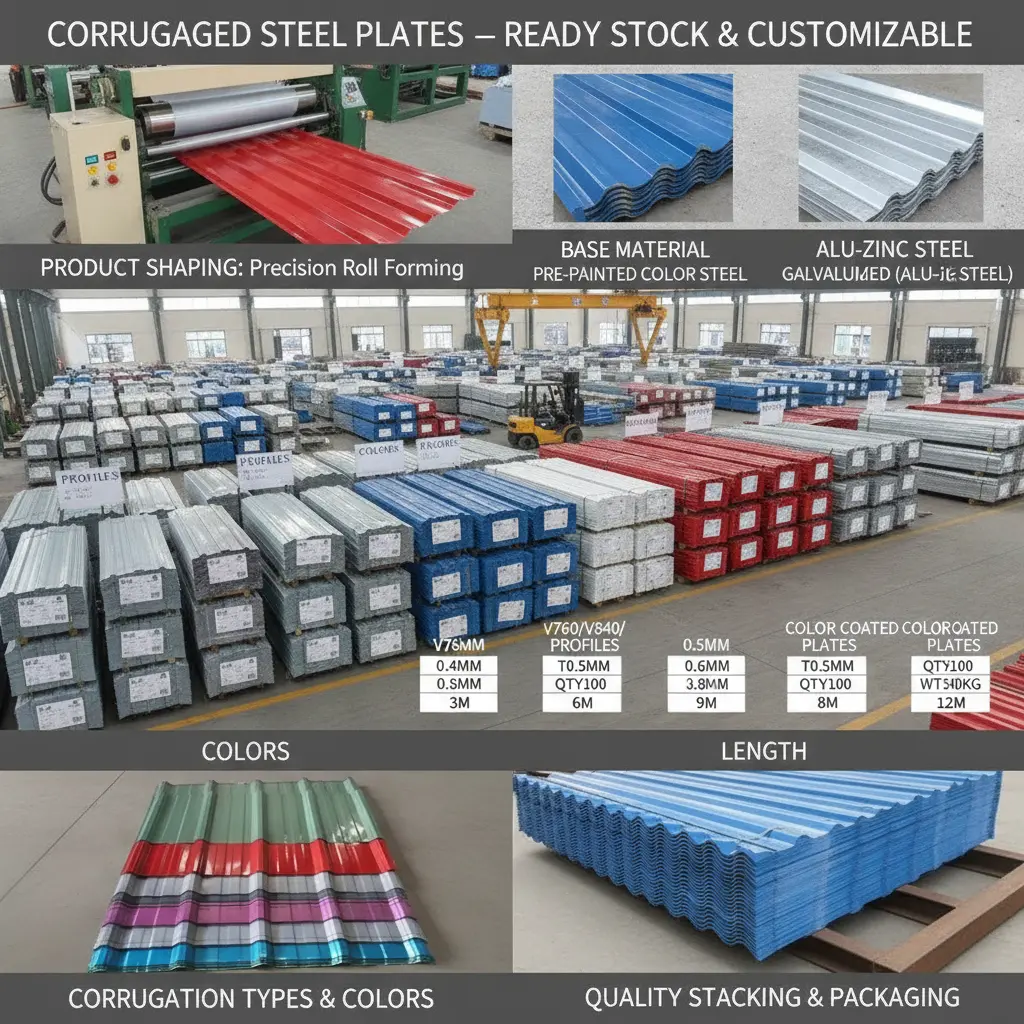
| Base Material | Galvanized Steel, Galvalume Steel, Pre-Painted Galvanized Steel (PPGI), Pre-Painted Galvalume Steel (PPGL) |
| Steel Grade | DX51D, DX52D, DX53D, S250GD, S280GD, S320GD, S350GD, S550GD or equivalent |
| Applicable Standards | ASTM A653/A653M, ASTM A792/A792M, EN 10346, JIS G3302, JIS G3321 |
| Panel Type | Corrugated Roofing Panel, Trapezoidal Roofing Panel, Ribbed Roofing Sheet, Tile-Profile Roofing Panel, Standing Seam Panel |
| Thickness | 0.20–1.20 mm; custom thickness available |
| Overall Width | 600–1,250 mm, depending on profile |
| Effective Cover Width | 600–1,150 mm, depending on profile and overlap |
| Panel Length | 1,000–12,000 mm or customized |
| Profile Height | 8–75 mm; custom profiles available |
| Zinc Coating | Z30–Z275 g/m² |
| Al-Zn Coating | AZ30–AZ200 g/m² |
| Paint Coating System | Polyester (PE), High-Durability Polyester (HDP), Silicone-Modified Polyester (SMP), PVDF |
| Top Paint Thickness | 15–35 μm |
| Back Paint Thickness | 5–15 μm |
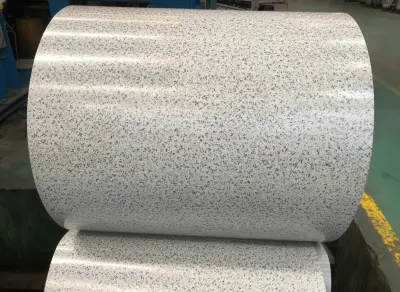
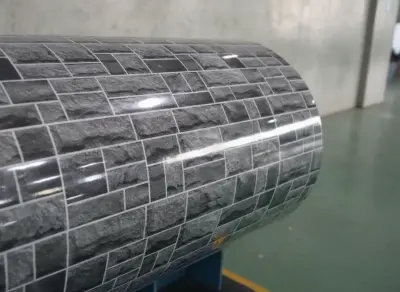
| Surface Finish | Glossy, Matte, Wrinkle, Embossed, Wood Grain, Stone Pattern |
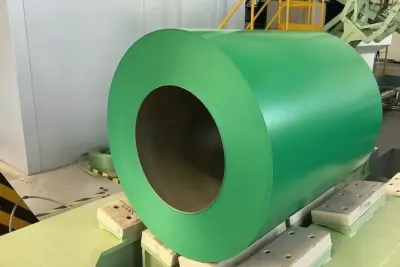
| Available Colors | RAL colors or customer-specified colors |
| Yield Strength | 250–550 MPa, subject to steel grade |
| Tolerance | According to applicable ASTM, EN, JIS standards or agreed specifications |
| Key Features | High strength, corrosion resistance, weather resistance, lightweight construction, easy installation and low maintenance |
| Applications | Industrial buildings, warehouses, workshops, commercial facilities, agricultural buildings, residential roofing and wall cladding |
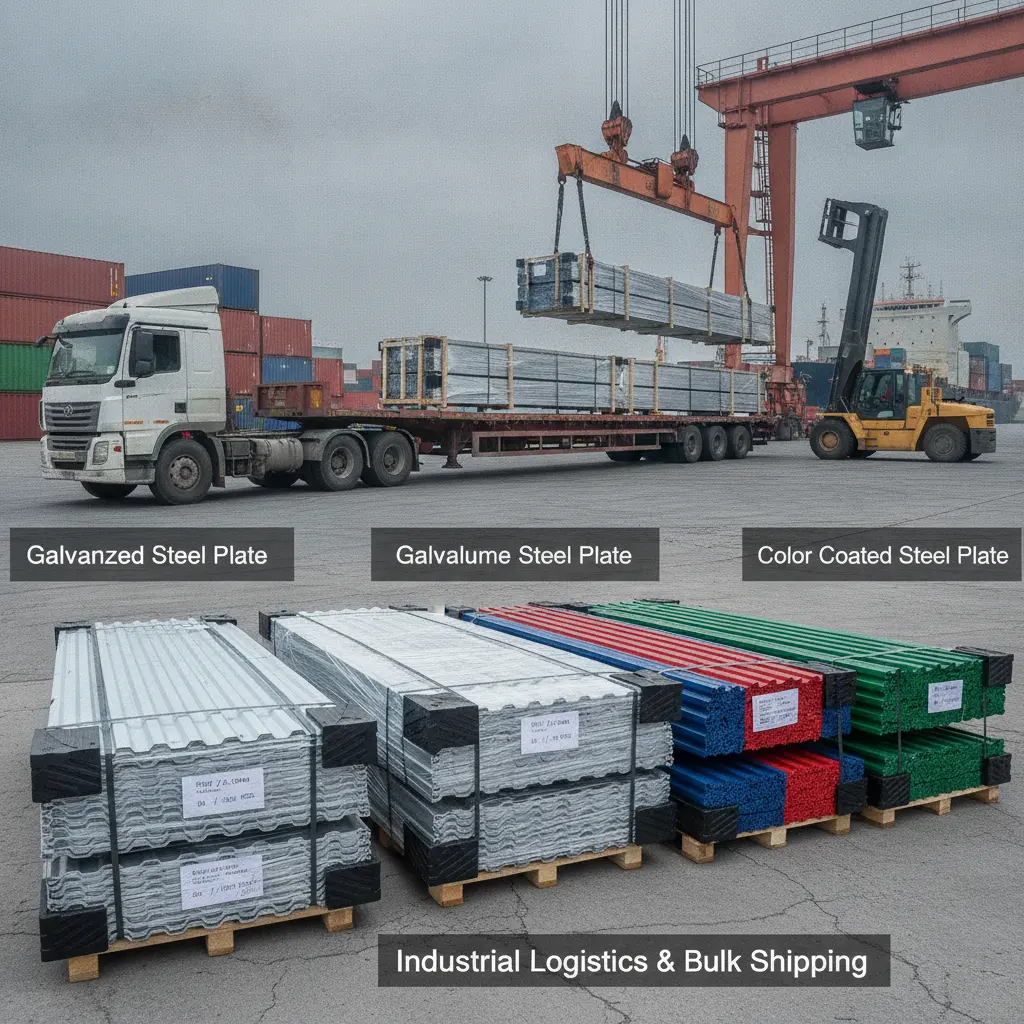
| Packaging | Waterproof paper, protective film, steel strapping and export-standard metal pallet |
| Customization | Thickness, width, length, profile, coating weight, paint system, color and packaging can be customized |
Roofing Panel Manufacturer | Durable Steel Roof Panels
Roofing panel systems provide a practical steel covering for commercial buildings, industrial facilities, agricultural structures, warehouses, workshops, and residential projects. International buyers source these panels when they need a durable roof envelope, repeatable dimensions, efficient installation, and material documentation suitable for project approval. A roofing panel can be supplied in galvanized steel, aluminum-zinc coated steel, or pre-painted coated steel, with profile, thickness, coating, length, and color selected for the intended environment. This page explains the available material options, applicable standards, purchasing considerations, and information required to request a technically accurate quotation from a roofing panel manufacturer.
Roofing Panel Product Overview
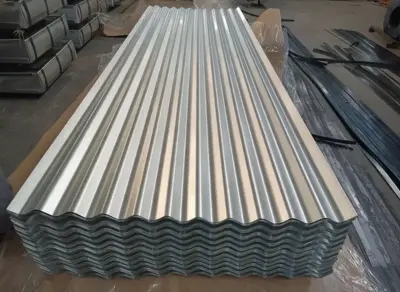
A roofing panel is a profiled sheet designed to form the external or internal roof covering of a building. The profile creates additional stiffness compared with a flat sheet, allowing the panel to span between supports according to the project design, while the protective metallic or organic coating helps the steel withstand normal atmospheric exposure.
Steel roofing panels are commonly manufactured from cold-rolled steel substrate with a metallic coating or a metallic coating plus a pre-painted finish. The suitable construction depends on the building location, roof pitch, support spacing, drainage design, insulation arrangement, and expected service environment. Buyers should confirm whether the required panel is intended for a simple single-skin roof, an insulated sandwich roof system, a liner application, or a retrofit over an existing structure. Related options may be reviewed through [[INTERNAL_LINK]] for pre-painted steel coils and [[INTERNAL_LINK]] for insulated roof panel systems.
Material and coating options
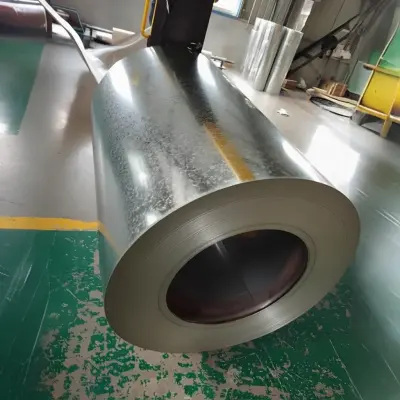
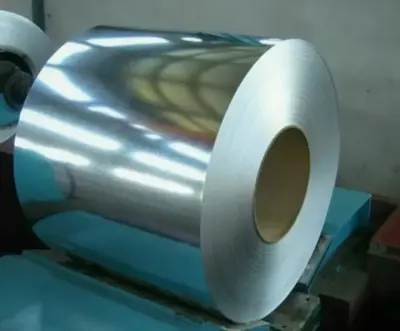
- Hot-dip galvanized steel: A zinc coating provides sacrificial corrosion protection to the steel substrate. This option is widely used for general building applications where the exposure conditions are moderate and a metallic zinc finish is acceptable.
- Aluminum-zinc alloy coated steel: Often selected for improved corrosion resistance and heat-reflective performance compared with conventional galvanized material, subject to the exact coating designation and project environment.
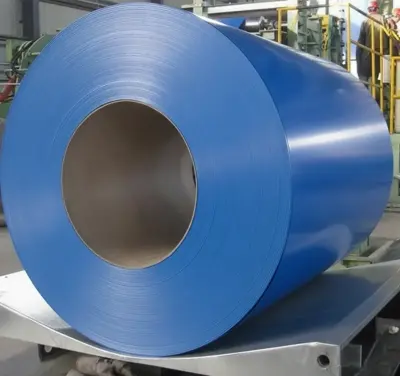
- Pre-painted coated steel: A metallic-coated substrate receives a primer and topcoat system. Buyers can specify a color reference, coating system, gloss, and reverse-side finish according to the project requirements.
- Accessories and flashings: Ridge caps, eave trims, gable trims, valleys, closures, fasteners, sealants, and other formed parts should be coordinated with the roofing panel profile to reduce installation problems.
Profile and manufacturing features
Roofing panel profiles vary by rib geometry, pitch, crest height, effective cover width, and connection method. A deeper or more closely spaced rib can increase profile stiffness, but the final allowable span and loading capacity must come from the manufacturer’s tested data or a project-specific engineering calculation. Panels may be produced by roll forming to a specified cut length. The cut-length tolerance, end squareness, edge condition, and surface protection should be agreed before production.
For projects requiring a coordinated external envelope, buyers may also compare [[INTERNAL_LINK]] for wall cladding panels, [[INTERNAL_LINK]] for galvanized steel sheets, and [[INTERNAL_LINK]] for pre-painted roofing materials. The correct comparison is based on the complete system rather than sheet price alone: substrate, coating, profile, accessories, packaging, installation method, and expected maintenance all affect the delivered cost.
Roofing Panel Specifications & Standards
Exact roofing panel specifications are project-dependent. A professional inquiry should state the required substrate, nominal thickness, coating mass, panel profile, effective cover width, cut length, color, quantity, packaging, and destination. Because the reference information does not define a particular grade, profile, or coating mass, these values should be confirmed against the supplier’s current product range and the buyer’s structural design.
| Specification item | Typical purchasing description | What the buyer should confirm |
|---|---|---|
| Base material | Cold-rolled steel with metallic coating, or pre-painted coated steel | Steel grade, yield strength range, tensile requirements, and certificate availability |
| Nominal thickness | Specified by the project design and product profile | Whether thickness includes coating, permitted tolerance, and measurement method |
| Metallic coating | Zinc or aluminum-zinc alloy coating | Coating designation or mass, surface condition, and test documentation |
| Organic coating | Primer and topcoat system for pre-painted panels | Paint system, color reference, gloss, exposed/reverse face, and warranty terms |
| Panel geometry | Profile height, rib spacing, effective cover width, and overall width | Approved profile drawing, overlap arrangement, fastener location, and accessories |
| Length and packing | Cut-to-length panels supplied in protective bundles | Maximum transportable length, bundle weight, lifting method, and moisture protection |
Applicable international standards
The following standards may be relevant, depending on the selected material and the destination market. The applicable edition and acceptance criteria should be written into the purchase specification rather than assumed from a product name.
| Standard | Relevant scope | Use in a roofing panel inquiry |
|---|---|---|
| ASTM A653/A653M | Steel sheet, zinc-coated or zinc-iron alloy-coated by the hot-dip process | Reference for galvanized steel substrate, coating designation, mechanical properties, and testing requirements |
| ASTM A792/A792M | Steel sheet, aluminum-zinc alloy-coated by the hot-dip process | Reference for aluminum-zinc coated steel material requirements |
| ASTM A755/A755M | Steel sheet with metallic coating by the hot-dip process and an organic coating | Reference for pre-painted metallic-coated steel sheet used in building products |
| EN 10346 | Continuously hot-dip coated flat steel products for cold forming | Relevant to galvanized and other metallic-coated steel supplied to European specifications |
| EN 10169 | Continuously organic coated steel flat products | Relevant to paint coating performance, designation, and product requirements |
| JIS G3302 | Hot-dip zinc-coated steel sheet and strip | Relevant when the project or customer specification follows Japanese standards |
| JIS G3321 | 55% aluminum-zinc alloy-coated steel sheet and strip | Relevant to aluminum-zinc coated roofing material under JIS requirements |
| GB/T 2518 | Continuously hot-dip galvanized steel sheet and strip | Relevant to galvanized steel manufactured or inspected under Chinese national standards |
| GB/T 12754 | Color-coated steel sheet and strip | Relevant to pre-painted steel sheet used for roofing and wall applications |
Standards for the coil or sheet do not automatically establish the structural capacity of every formed profile. Wind uplift, imposed load, snow load, seismic requirements, fire performance, water drainage, fastener pull-out, and deflection limits may be governed by local building regulations and project engineering documents. Buyers should request profile-specific load tables, test reports, or calculations where required. Documentation may include a mill test certificate, coating test results, paint technical data, dimensional inspection records, and packing photographs. [[INTERNAL_LINK]] can be used for related guidance on steel coating standards and inspection documents.
Roofing Panel Applications
Roofing panel products are used across several building sectors, but the material and profile must match the exposure and structural requirements of each application.
Industrial warehouses and logistics buildings
Large warehouses often require long, repeatable panels, coordinated ridge and eave flashings, and compatibility with insulation or liner systems. The purchasing specification should consider roof span, purlin spacing, forklift or crane installation access, and local wind pressure.
Commercial and retail buildings
Commercial roofs place greater emphasis on appearance, color consistency, drainage, and long-term coating performance. Pre-painted panels can be coordinated with wall cladding, fascia, gutters, and architectural trims. Color matching should be approved using an agreed standard or physical sample.
Agricultural buildings
Barns, storage sheds, and farm buildings may use galvanized or pre-painted steel roofing panels. The buyer should pay attention to condensation control, ventilation, fertilizer or chemical exposure, and the corrosive effect of livestock environments. A coating suitable for ordinary rural exposure may not be suitable for aggressive internal conditions.
Workshops and light industrial structures
Workshops commonly require economical roof coverage with reliable fastening and easy replacement. Profile selection should account for access loads during maintenance and the risk of damage from nearby operations, airborne particles, or industrial chemicals.
Residential and modular construction
Residential roofs and modular buildings may use lightweight profiled panels where appearance, acoustic performance, thermal insulation, and water tightness are important. The roofing panel should be coordinated with underlayment, insulation, ventilation, and flashing details rather than specified as an isolated sheet.
How to Choose / Buying Guide for Roofing Panel Projects
1. Define the design conditions
Start with the building location, roof pitch, support spacing, wind zone, snow or imposed load, drainage arrangement, and exposure classification. A supplier can recommend a profile more accurately when these inputs are available. For coastal, industrial, high-humidity, or chemically exposed locations, request a coating recommendation based on the actual environment.
2. Select the substrate and coating
Galvanized steel, aluminum-zinc coated steel, and pre-painted steel are not interchangeable in every application. Compare coating type, coating mass or designation, paint system, edge protection, expected maintenance, and compatibility with fasteners and sealants. The selected material should be stated by standard and designation where possible, such as an applicable ASTM, EN, JIS, or GB/T reference.
3. Verify profile and structural information
Ask for a profile drawing showing overall width, effective cover width, rib dimensions, overlap, and recommended fastener positions. Request span and load data for the exact thickness and steel grade. Do not rely on a generic claim that a deeper profile is always stronger; structural performance depends on geometry, material properties, support conditions, fastening, and loading.
4. Confirm quality documents and inspection
For an export order, establish which documents are included before production. Depending on the contract, these may include a commercial invoice, packing list, certificate of origin, mill test certificate, coating inspection record, dimensional report, and pre-shipment inspection report. Certification requirements differ by market, so clarify whether third-party inspection, factory audit, or project-specific declarations are needed.
5. Discuss MOQ, production time, and shipping
Minimum order quantity and lead time depend on the profile, color, thickness, raw material availability, production schedule, and customization level. Request a written quotation showing whether the price is based on effective cover area, actual sheet area, weight, or another unit. Confirm production lead time after technical approval and deposit, packing dimensions, bundle weight, loading method, and the agreed trade term. [[INTERNAL_LINK]] may provide related information about steel export packaging and shipment preparation.
6. Review installation and after-sales requirements
Ask whether the supplier provides installation drawings, screw recommendations, flashing details, cutting guidance, and touch-up instructions. The panels should be stored dry, protected from trapped moisture, and handled without dragging across coated surfaces. The final quotation should identify what is included, what is optional, and which installation responsibilities remain with the contractor.
Frequently Asked Questions About Roofing Panel
Q: What is the difference between galvanized and aluminum-zinc roofing panel material?
A: Galvanized steel uses a zinc coating, while aluminum-zinc steel uses an aluminum-zinc alloy coating. Their corrosion behavior, coating designations, forming characteristics, and suitability can differ by environment and specification. The correct choice should be based on the project exposure, applicable standard, required service life, profile forming requirements, and available technical documentation.
Q: Can roofing panels be supplied in custom lengths and colors?
A: Roofing panels are commonly produced to requested cut lengths and may be available in multiple pre-painted colors, subject to the manufacturer’s equipment, raw material availability, transport limits, and order quantity. The buyer should confirm the approved color reference, coating system, length tolerance, and whether color matching requires a physical sample.
Q: What certifications or documents can an overseas buyer request?
A: Typical documents can include a mill test certificate, dimensional inspection report, coating test results, paint technical data, packing list, commercial invoice, and certificate of origin. The exact package depends on the contract, destination, project owner, and applicable standard. Third-party inspection or factory audit should be agreed before production if it is a project requirement.
Q: What is the minimum order quantity for roofing panel?
A: MOQ is not fixed by the product name. It may depend on profile setup, thickness, color, coating, cut length, raw material purchasing, and production efficiency. Buyers should request the current MOQ for the exact specification and also ask whether mixed lengths, mixed colors, or accessory quantities are permitted within one order.
Q: How long is the production lead time?
A: Lead time depends on technical confirmation, raw material availability, profile selection, color, order quantity, production capacity, and inspection requirements. A reliable quotation should separate the time needed for drawing approval, material preparation, manufacturing, inspection, and dispatch. The supplier should confirm the schedule in writing after the order details are finalized.
Q: What payment methods are available for an export roofing panel order?
A: Payment terms vary by supplier, order value, customer relationship, destination, and risk allocation. Common commercial arrangements may include a bank transfer against agreed milestones, documentary arrangements, or other methods accepted by both parties. The quotation should clearly state the payment schedule, currency, banking charges, and the documents required before shipment.
Q: How should roofing panels be packed for international transport?
A: Panels should be bundled and protected against abrasion, deformation, rainwater, and trapped moisture during handling and transit. Packing details should cover bundle dimensions, weight, lifting points, edge protection, wrapping, labeling, and container loading. The final method must consider the panel length, profile, destination route, and unloading equipment available at the receiving site.
Q: Can the manufacturer supply trims and roofing accessories?
A: Many roofing panel manufacturers can coordinate ridge caps, eave trims, gable trims, valleys, closures, fasteners, and sealants, but availability depends on the profile and production capability. Request an accessory drawing and a quantity schedule so that the trims match the effective cover width, overlap direction, roof pitch, and installation method.
Send your required profile, steel grade or coating standard, nominal thickness, panel length, color, quantity, destination, and documentation requirements to receive a roofing panel quotation based on your project conditions. Our sales and technical team can review the specification, clarify available options, and prepare a practical offer covering panels, accessories, inspection documents, packaging, and delivery terms.
Ratings & Reviews

Know your supplier
Supplier's customization ability
- Drawing-based customization
- Sample-based customization
- Full customization
Minimum order quantity: 5 ton
Shipping total: To be negotiated
- Lead time:
- confirmed with the quotation
- Packaging:
- standard export packing
- Samples:
- available on request