 English
 Español
 Français
 Deutsch
 Português (Brasil)
 Русский
 العربية

Galvalume Roofing Sheet For Durable Industrial Projects
 China
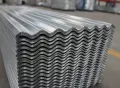
Supplier's customization ability
- Drawing-based customization
- Sample-based customization
- Full customization
Minimum order quantity: 1 ton
Shipping total: To be negotiated
- Lead time:
- confirmed with the quotation
- Packaging:
- standard export packing
- Samples:
- available on request
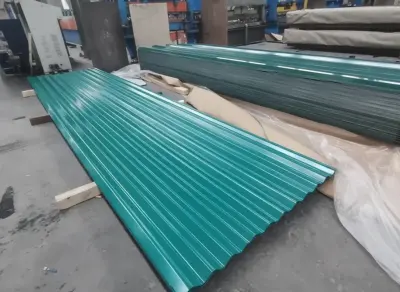
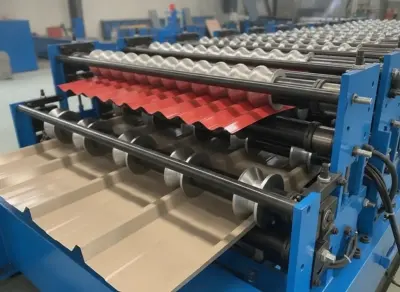
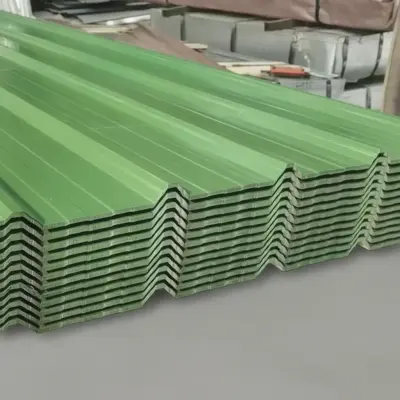
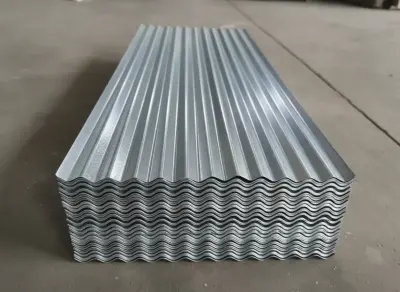
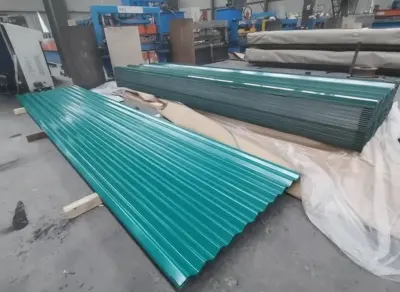
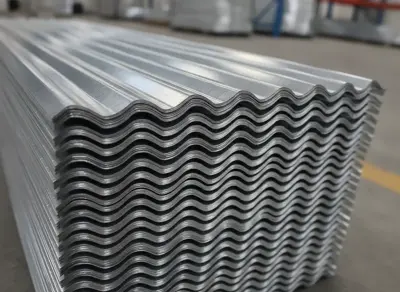
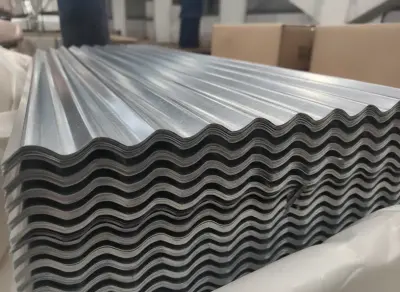
Product details
Technical Specifications of Galvalume Roofing Sheet
| Property | Parameter | Description |
|---|---|---|
| Product Name | Galvalume Roofing Sheet | Profiled steel roofing sheet coated with an aluminum-zinc-silicon alloy for enhanced corrosion resistance. |
| Product Type | Corrugated, trapezoidal, tile-profile or standing-seam sheet | Profile geometry can be customized for industrial, commercial and residential roofing systems. |
| Material Grade | ASTM A792/A792M CS Type B or SS Grades 33–80; EN 10346 DX51D+AZ or S250GD–S550GD+AZ; JIS G 3321 SGLCC/SGLC; GB/T 14978 grades | Grade selection depends on forming requirements, structural strength and applicable regional standards. |
| Standard Compliance | ASTM A792/A792M, EN 10346, JIS G 3321, GB/T 14978 | Applicable standards cover aluminum-zinc alloy-coated steel sheet dimensions, coating and performance. |
| Coating Composition | Approximately 55% Al, 43.4% Zn and 1.6% Si by mass | Aluminum provides barrier protection, zinc provides sacrificial protection and silicon controls the coating reaction. |
| Chemical Composition | Typical low-carbon substrate: C ≤0.15%, Mn ≤0.80%, P ≤0.05%, S ≤0.05%; Si, Cr, Ni and Mo controlled according to grade | Exact ladle analysis varies by steel grade and shall comply with the specified ASTM, EN, JIS or GB standard. |
| Coating Mass | AZ50–AZ200 g/m², total both sides | Common roofing specifications include AZ100, AZ150 and AZ165; heavier coatings improve service life in corrosive environments. |
| Tensile Strength | 310–550 MPa typical; ≥330 MPa for EN 10346 S250GD+AZ | Actual tensile strength is grade-dependent and verified according to the selected standard. |
| Yield Strength | ≥230 MPa for ASTM A792/A792M Grade 33; ≥250 MPa for EN 10346 S250GD+AZ | Higher-strength grades up to 550 MPa minimum yield strength are available for structural profiles. |
| Elongation | Typically 10–22% over the specified gauge length | Elongation depends on grade, thickness and test orientation; forming grades generally provide higher ductility. |
| Thickness Range | 0.20–1.20 mm | Base metal thickness or total coated thickness can be specified according to purchase requirements. |
| Width and Length | Effective width 600–1,250 mm; length 1,000–12,000 mm | Cut-to-length sheets and customized cover widths are available based on the roofing profile. |
| Profile Dimensions | Wave height 15–75 mm; pitch 60–300 mm | Profile depth and spacing are selected according to span, drainage capacity and design load. |
| Surface Finish | Regular spangle, minimized spangle, chromated, non-chromated, oiled or anti-fingerprint | Optional surface treatments improve handling, appearance, forming performance and temporary storage resistance. |
| Application | Factories, warehouses, workshops, agricultural buildings, garages, canopies and residential roofs | Suitable for roofing, wall cladding, rainwater protection and lightweight building-envelope systems. |
| Packaging | Waterproof paper, protective film, steel edge guards, steel straps and export-grade metal pallet | Packaging method can be adapted for container loading, inland transport and marine shipment. |
| MOQ | Typically 5–25 metric tons per specification | Minimum order quantity depends on grade, coating mass, thickness, profile and production schedule. |
Galvalume Roofing Sheet For Durable Industrial Projects
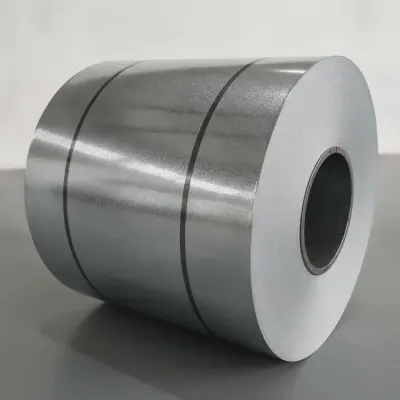
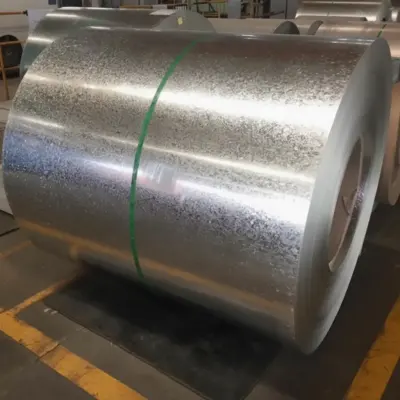
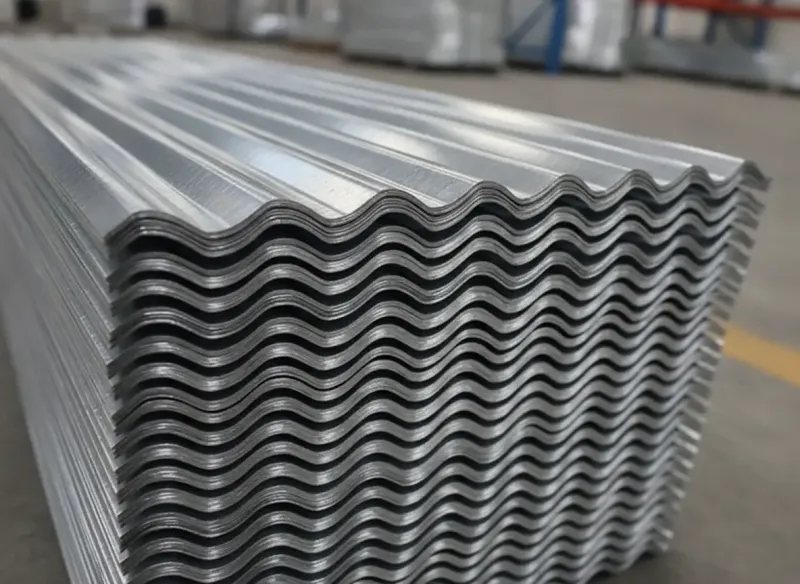
Galvalume Roofing Sheet is a hot-dip aluminum-zinc alloy coated steel product supplied for roofing, cladding, and building envelope systems. It is designed for overseas importers, roofing contractors, steel service centers, distributors, and industrial construction buyers who need a corrosion-resistant sheet with a practical service life and consistent forming performance. The coating combines aluminum’s barrier protection with zinc’s sacrificial protection, while the steel substrate provides structural strength. For project purchasing, the key value is not a generic “best” grade, but a clearly specified combination of substrate, coating mass, dimensions, surface finish, certification, packaging, and delivery terms.
Product Overview: Galvalume Roofing Sheet
Galvalume roofing sheet is produced by continuously hot-dip coating cold-rolled steel with an aluminum-zinc alloy. The commonly recognized coating composition is approximately 55% aluminum, 43.4% zinc, and 1.6% silicon by weight; the exact chemistry and coating designation must be confirmed against the applicable product standard and mill certificate. The aluminum-rich phase forms a stable barrier layer, while zinc helps protect exposed edges and minor surface damage through sacrificial action.
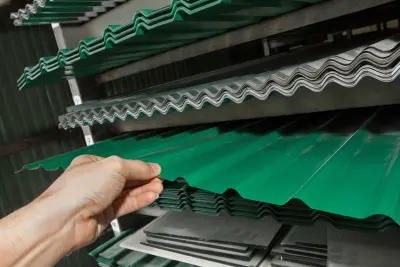
The product can be supplied as flat sheets or coils for further profiling. Depending on the buyer’s roofing system, it may be processed into corrugated panels, trapezoidal roofing sheets, standing-seam panels, wall cladding, or custom roll-formed profiles. It can also be ordered with different surface conditions, including regular spangle, minimized spangle, or other appearances where available from the producer.
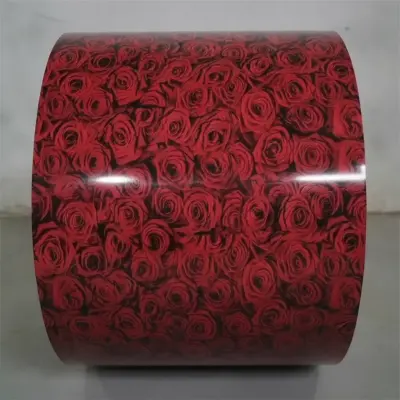
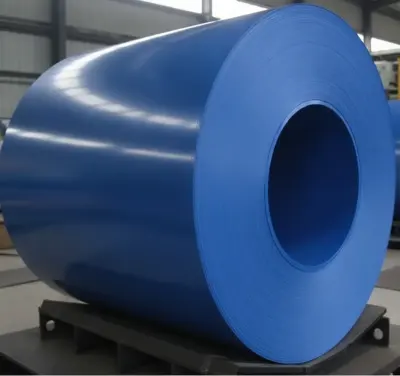
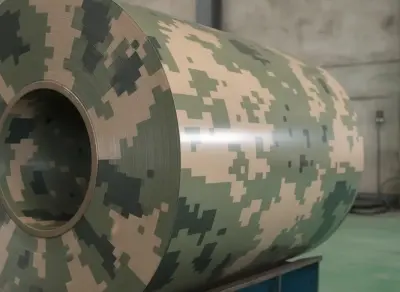
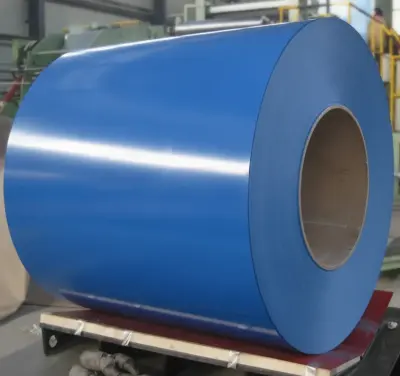
Important commercial parameters include the steel grade, nominal thickness, width, cut length, coating designation, surface treatment, dimensional tolerances, and packaging method. Buyers comparing this product with prepainted roofing steel should distinguish between bare Galvalume sheet and factory-painted coated steel. A bare sheet may be used directly in suitable environments or sent to a downstream coating and profiling line, while a prepainted product includes an additional organic coating system.
Specifications & Standards for Galvalume Roofing Sheet
Galvalume roofing sheet should be purchased against a clearly stated standard rather than by product name alone. ASTM A792/A792M covers steel sheet, 55% aluminum-zinc alloy-coated by the hot-dip process. EN 10346 covers continuously hot-dip coated steel flat products and may be relevant for European projects. JIS G 3321 covers hot-dip 55% aluminum-zinc alloy-coated steel sheets and coils, while GB/T 14978 is a relevant Chinese standard for continuously hot-dip aluminum-zinc alloy-coated steel sheets and strips. The supplier should confirm the current edition, grade designation, coating class, and any project-specific deviations before production.
| Parameter | Typical purchasing description | Buyer confirmation required |
|---|---|---|
| Product form | Coil, flat sheet, or roll-formed roofing panel | Required form, profile, and cut length |
| Steel substrate | Structural, commercial, or forming-grade steel | Grade, yield strength, tensile strength, and elongation |
| Coating | Aluminum-zinc alloy coating, commonly identified by coating mass or designation | Total coating mass, test method, and both-side requirement |
| Dimensions | Specified thickness, width, length, and profile geometry | Nominal or minimum thickness, tolerance, and effective cover width |
| Surface | Regular or minimized spangle; passivated, oiled, or otherwise treated | Appearance, storage protection, and forming requirements |
| Inspection | Mill test certificate and dimensional or coating inspection records | Third-party inspection, sampling plan, and certificate format |
Chemical composition and mechanical properties depend on the selected substrate grade and standard. They should not be copied from a general catalogue into a purchase order. Instead, the contract should identify the exact grade and require the manufacturer’s certificate to report the applicable chemistry and mechanical results. ASTM A792/A792M, EN 10346, JIS G 3321, or GB/T 14978 may define different grade systems and testing arrangements. For a related comparison of coated steel products, review hot-dip galvanized steel sheet specifications.
For roofing applications, coating mass is only one part of durability. The project should also consider cut-edge exposure, condensation, pollution, salt spray, contact with dissimilar metals, drainage design, fastener compatibility, and whether the sheet will be painted. Galvalume is not automatically suitable for every chemical or marine environment. The final selection should follow the roofing system designer’s environmental assessment and the manufacturer’s technical recommendations.
Applications of Galvalume Roofing Sheet
Industrial buildings: Factories, workshops, warehouses, and logistics facilities commonly use Galvalume roofing sheet for long roof runs and sidewall cladding. The material can be profiled into the geometry required for the building structure and ordered in lengths that reduce transverse joints, subject to transport limitations.
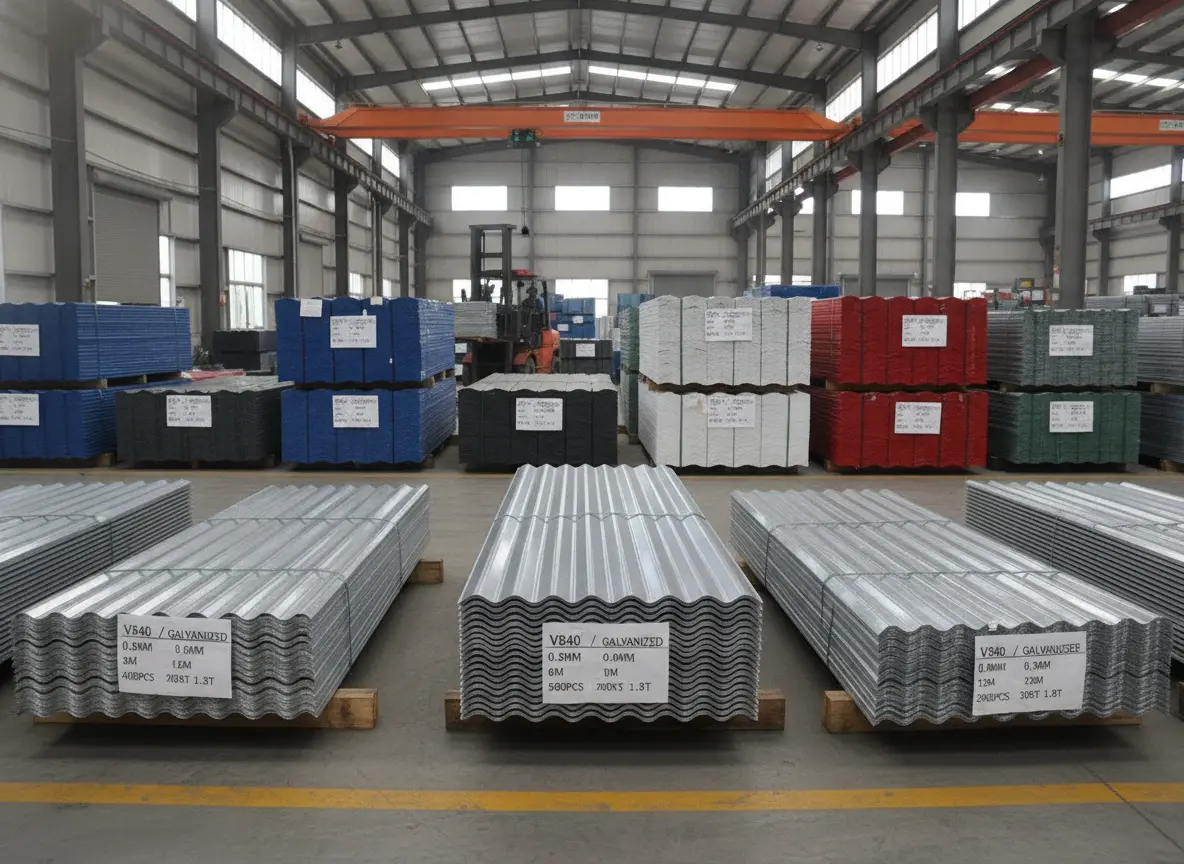
Agricultural structures: Farm buildings, equipment shelters, storage sheds, and livestock-related structures may use the product where the exposure conditions are compatible with the coating and ventilation is properly designed. Buyers should assess ammonia, moisture, and chemical exposure before approving the material for enclosed agricultural environments.
Commercial and public buildings: Retail buildings, schools, offices, and low-rise facilities may use bare or painted Galvalume panels for roofs, façades, canopies, and architectural metalwork. Appearance requirements often determine whether regular spangle, minimized spangle, or prepainted Galvalume roofing sheet is the better option.
Temporary and modular buildings: Site offices, portable buildings, prefabricated structures, and construction shelters benefit from a lightweight panel material that can be roll-formed and installed using established roofing methods.
Roofing distribution: Steel distributors and profile manufacturers may purchase coils for slitting, roll forming, and supply to local contractors. In this case, edge condition, coil weight, inner diameter, winding quality, and processing compatibility are as important as the nominal coating.
How to Choose / Buying Guide for Galvalume Roofing Sheet
1. Define the finished application. Start with the roof type, structural span, purlin spacing, climate, drainage, and expected maintenance plan. A roofing contractor may need a profiled panel, while a service center may need coil. The required product form changes the specification, packing, and transport calculation.
2. Select the substrate and coating together. A thicker sheet is not automatically the correct solution if the profile, span, and structural design are different. Confirm the steel grade, coating designation or mass, minimum thickness, and forming direction. Ask for the manufacturer’s technical data and certificate rather than relying on an informal description such as “55% aluminum zinc.” Buyers can compare related options through metal roofing material selection guidance.
3. Confirm dimensions and tolerances. State whether thickness means base metal thickness or total coated thickness. Specify width, length, profile height, effective cover width, hole positions, overlap requirements, and permissible tolerances. For coils, include the maximum outside diameter, coil weight range, and required inner diameter if the buyer’s profiling line has limits.
4. Request relevant documentation. The order may require a mill test certificate, certificate of conformity, coating inspection results, dimensional records, packing photographs, and a certificate of origin. If a project requires ISO 9001, CE-related documentation, or a third-party inspection, establish the requirement before production. Certification must match the destination market and the exact product scope; a general company certificate does not replace a product certificate.
5. Clarify MOQ and commercial terms. Minimum order quantity depends on the mill, thickness, coating designation, color or surface treatment, profile, and whether the material is standard stock or made to order. Request the supplier’s actual MOQ and ask whether mixed sizes or mixed specifications can be combined. Confirm payment terms, currency, inspection responsibility, claim procedure, and validity of the quotation in writing.
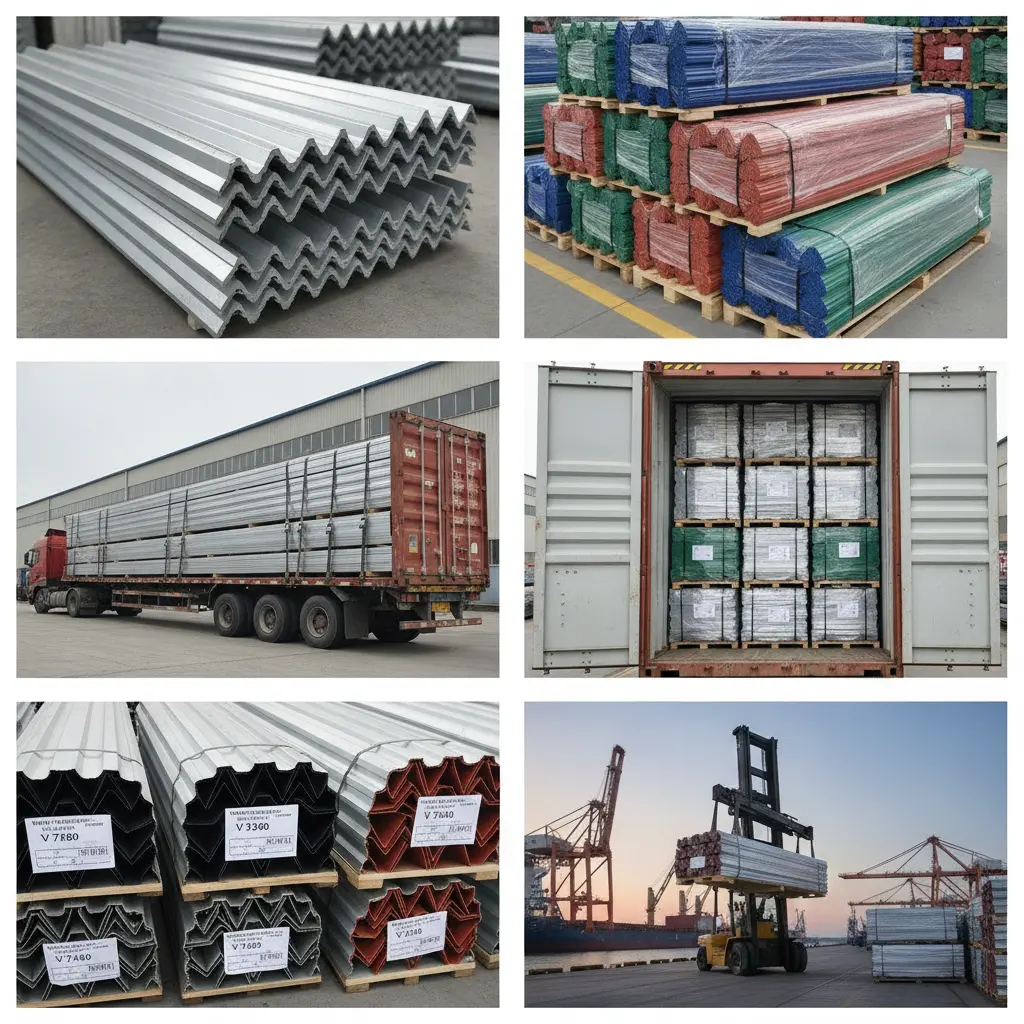
6. Plan production and logistics. Lead time may include raw material allocation, rolling, coating, profiling, inspection, packing, and port dispatch. The supplier should provide a production schedule after specification approval, not only a general estimate. For international shipping, confirm seaworthy packaging, moisture protection, lifting points, container or break-bulk suitability, shipping marks, and the agreed Incoterm. See steel coil export packaging requirements and roofing sheet container loading guidance for procurement preparation.
Frequently Asked Questions About Galvalume Roofing Sheet
Q: What is the difference between Galvalume and galvanized roofing sheet?
A: Galvalume uses an aluminum-zinc alloy coating, while galvanized sheet uses a predominantly zinc coating. Galvalume is often selected for its aluminum-rich barrier protection and appearance, whereas galvanized sheet may be preferred for certain forming, repair, or project-standard requirements. The correct choice depends on the environment, design, and applicable specification.
Q: Which standards can be used for Galvalume roofing sheet?
A: Commonly referenced standards include ASTM A792/A792M, EN 10346, JIS G 3321, and GB/T 14978. The buyer should identify one governing standard in the purchase order and confirm the precise grade, coating designation, tolerances, and testing requirements with the supplier.
Q: Can the sheet be supplied with a mill test certificate?
A: A mill test certificate can generally be requested, but the exact contents depend on the supplier and order terms. Ask the certificate to identify the coil or batch, grade, dimensions, coating information, mechanical results where applicable, and relevant standard. Third-party inspection should be arranged before production if it is mandatory for the project.
Q: What is the minimum order quantity?
A: There is no universal MOQ for Galvalume roofing sheet. It varies with the product form, thickness, width, coating, profile, color, and production schedule. Request a written MOQ for the exact combination required, including whether several sizes can be consolidated into one order.
Q: How long is the delivery time?
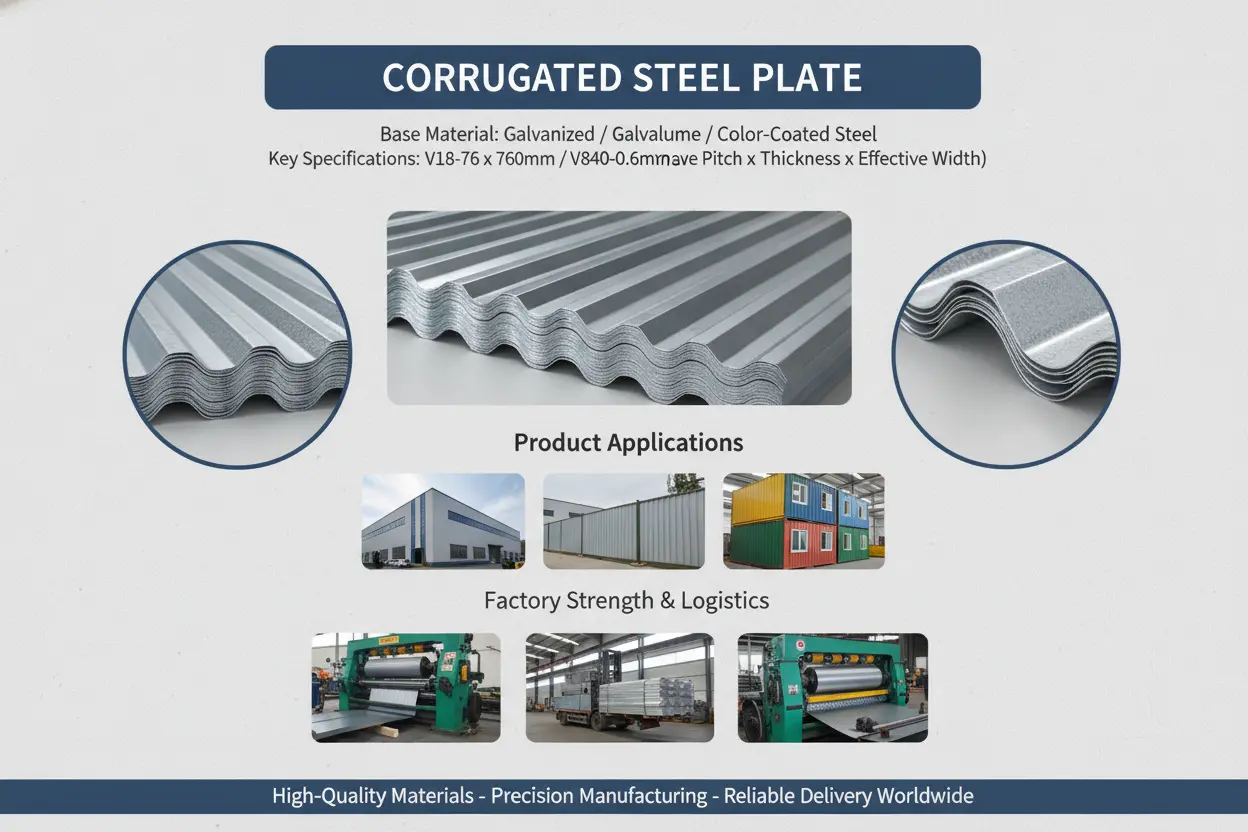
A: Delivery time depends on stock status, production capacity, profiling, inspection, packaging, and destination logistics. Standard coils may be available sooner than custom profiles or special dimensions. The supplier should provide separate estimates for production completion and shipping transit.
Q: What payment methods are normally available?
A: Payment terms are negotiated between the buyer and supplier and may include bank transfer arrangements, documentary credit, or other agreed methods. The quotation should state the deposit or credit structure, balance timing, bank charges, inspection conditions, and documents released against payment.
Q: How should Galvalume roofing sheet be stored after arrival?
A: Store the material in a dry, ventilated location, protected from direct weather exposure and standing water. Avoid trapping moisture between sheets or coils, and use suitable supports to prevent deformation. Follow the supplier’s handling guidance, particularly for long-term storage and products with passivation or surface treatment.
Send your required standard, steel grade, thickness, width, length or profile, coating designation, quantity, destination, and documentation requirements to request a Galvalume Roofing Sheet quotation. Our team can review the specification, confirm production feasibility, provide packing and delivery options, and prepare the technical and commercial documents needed for your project.
Ratings & Reviews

Know your supplier
Supplier's customization ability
- Drawing-based customization
- Sample-based customization
- Full customization
Minimum order quantity: 1 ton
Shipping total: To be negotiated
- Lead time:
- confirmed with the quotation
- Packaging:
- standard export packing
- Samples:
- available on request