 English
 Español
 Français
 Deutsch
 Português (Brasil)
 Русский
 العربية

Metal Roofing Sheet Manufacturer For Industrial Projects
 China
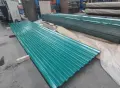
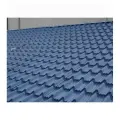
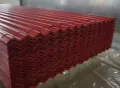
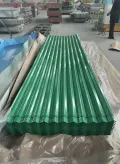
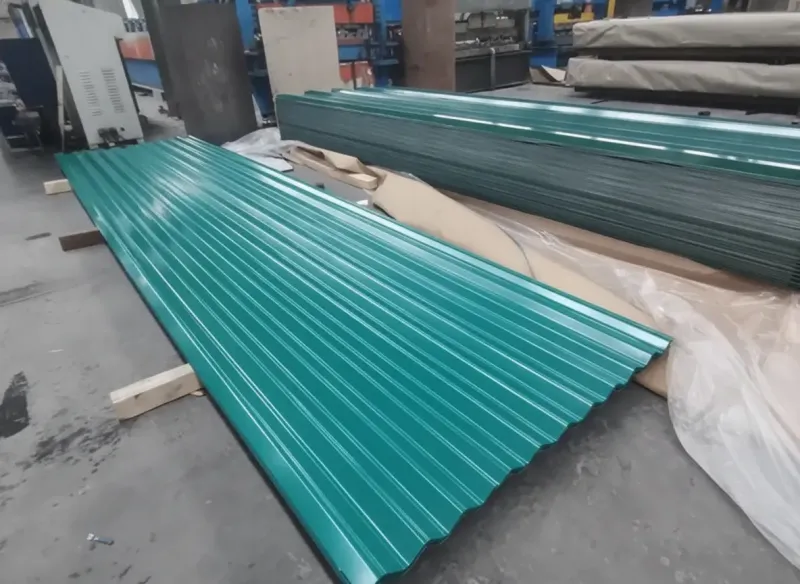
Supplier's customization ability
- Drawing-based customization
- Sample-based customization
- Full customization
Minimum order quantity: 1 ton
Shipping total: To be negotiated
- Lead time:
- confirmed with the quotation
- Packaging:
- standard export packing
- Samples:
- available on request
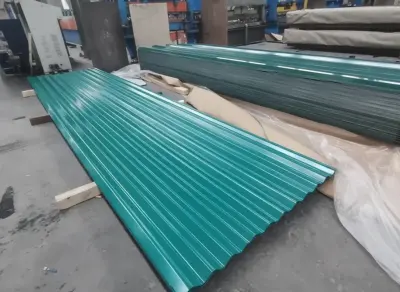
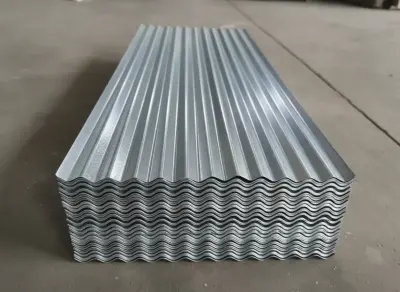
Product details
Technical Specifications of Metal Roofing Sheet
| Property | Parameter | Description |
|---|---|---|
| Product Name | Metal Roofing Sheet | Profiled steel roofing sheet available with galvanized, galvalume, or pre-painted metallic coating. |
| Material Grade | DX51D+Z/AZ, S350GD+Z/AZ, SGCC, ASTM A653 SS Grade 50, ASTM A792 Grade 50 | Common comparable grades include EN DX51D, JIS SGCC, and commercial-quality ASTM metallic-coated steel; final equivalence depends on mechanical properties and coating type. |
| Standard Compliance | ASTM A653/A653M, ASTM A792/A792M, EN 10346, JIS G 3302, JIS G 3321, GB/T 2518, GB/T 12754 | Applicable standards cover zinc-coated, aluminum-zinc-coated, and pre-painted steel sheet products. |
| Chemical Composition | C ≤0.20%, Mn ≤1.70%, Si ≤0.60%, P ≤0.10%, S ≤0.045%; Cr, Ni and Mo not routinely specified | Representative maximum values for EN 10346 S350GD substrate; exact composition varies by selected grade and manufacturing standard. |
| Tensile Strength | DX51D: 270-500 MPa; S350GD: 420-560 MPa | Typical specified ranges according to EN 10346, subject to grade, thickness, and test orientation. |
| Yield Strength | DX51D: 140-300 MPa; S350GD: ≥350 MPa; ASTM Grade 50: ≥345 MPa | Minimum or specified yield strength according to EN 10346 or ASTM A653/A792 grade requirements. |
| Elongation | DX51D: ≥22%; S350GD: ≥16% | Typical minimum elongation for qualifying thickness ranges under EN 10346; values vary with thickness and grade. |
| Sheet Thickness | 0.20-1.20 mm | Finished thickness can be customized according to roofing profile, span, wind load, and project requirements. |
| Effective Width | 600-1,100 mm | Coverage width depends on corrugation, trapezoidal profile, rib height, and side-lap design. |
| Sheet Length | 1,000-12,000 mm | Standard or cut-to-length production is available within transport and installation limits. |
| Metallic Coating | Zinc: 60-275 g/m²; aluminum-zinc: 30-200 g/m² | Total coating mass on both sides; coating designation is selected according to corrosion-resistance requirements. |
| Paint Coating | Top: 15-35 μm; back: 5-15 μm | Optional polyester, silicon-modified polyester, high-durability polyester, or PVDF coating systems. |
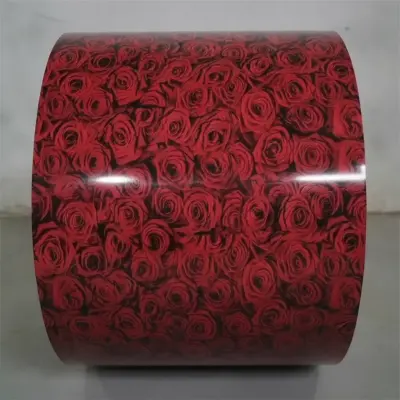
| Surface Finish | Regular spangle, minimized spangle, smooth, matte, embossed, or color-coated | Surface appearance and color can be selected for architectural and industrial roofing applications. |
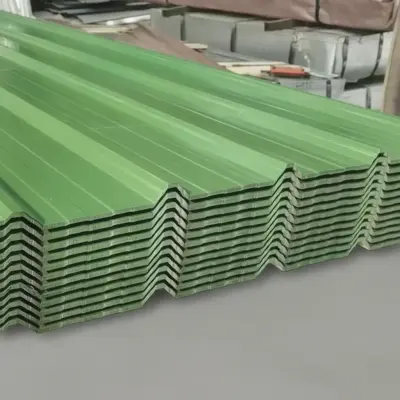
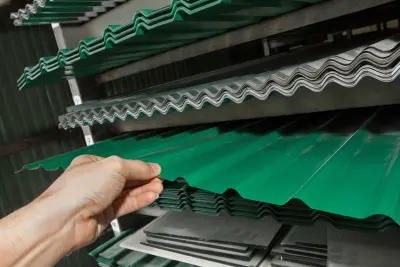
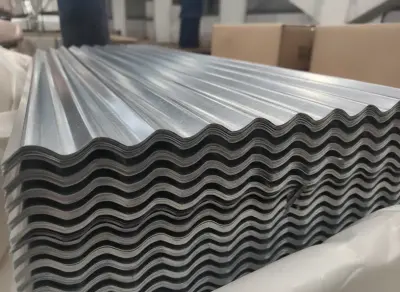
| Profile Type | Corrugated, trapezoidal, tile-effect, standing-seam, or ribbed | Profile geometry is customizable based on drainage, structural load, and aesthetic requirements. |
| Application | Industrial buildings, warehouses, workshops, agricultural structures, residential roofs, and wall cladding | Suitable for lightweight roofing, siding, renovation, and prefabricated building systems. |
| Packaging | Waterproof paper, protective film, steel edge guards, metal straps, and export-grade pallets | Packaging method is selected to protect sheet surfaces and edges during handling and shipment. |
| MOQ | Typically 5-25 metric tons | Minimum order quantity depends on grade, thickness, coating mass, color, profile, and production schedule. |
Metal Roofing Sheet Manufacturer for Industrial Projects
Metal roofing sheet is a profiled building material engineered for durable roof and wall systems in factories, warehouses, logistics centers, agricultural buildings, and commercial facilities. It serves contractors, roofing-system distributors, steel service centers, and project procurement teams that require consistent dimensions, documented coating performance, and efficient international delivery. Available with galvanized, aluminum-zinc alloy-coated, prepainted steel, or aluminum substrates, these sheets combine structural strength with weather resistance and fast installation. Buyers can specify the substrate grade, profile, thickness, coating mass, paint system, color, and order length according to structural calculations, environmental exposure, and local building requirements.
Product Overview of Metal Roofing Sheet
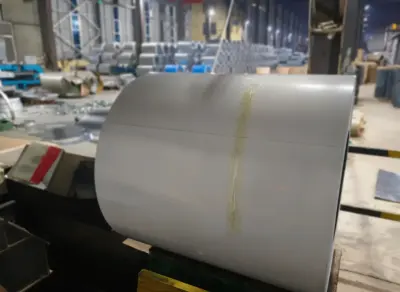
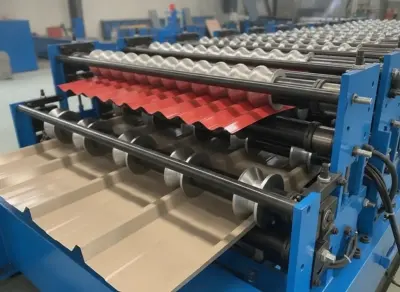
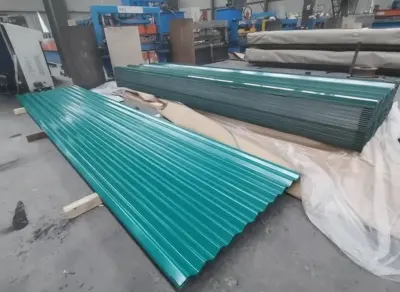
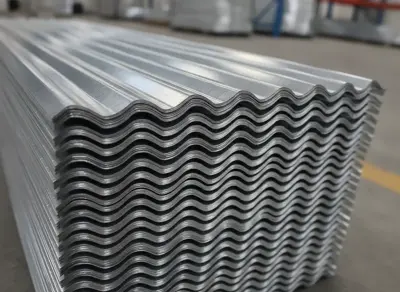
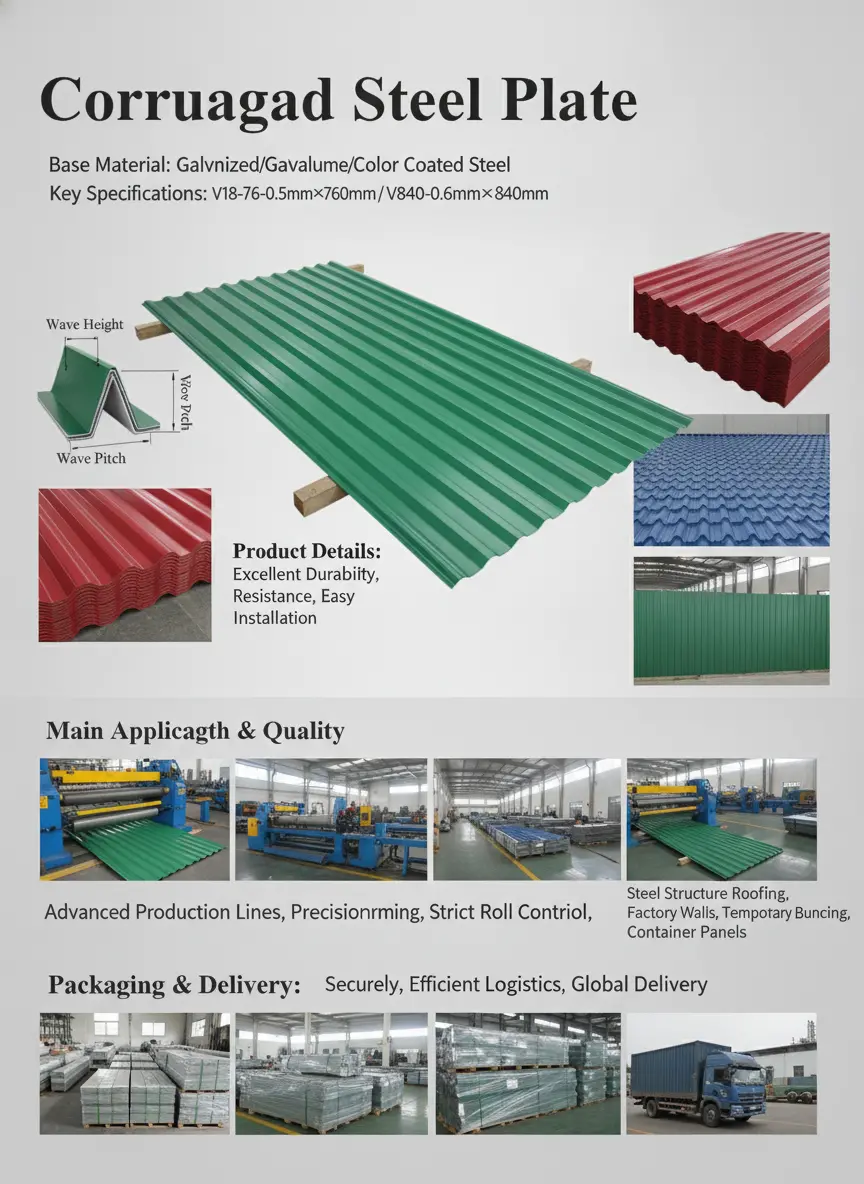
A metal roofing sheet is manufactured by roll forming flat steel or aluminum coil into corrugated, trapezoidal, ribbed, or tile-effect profiles. The formed ribs increase rigidity, support water drainage, and enable sheets to span between roof purlins. Depending on the selected profile and engineering design, the product may be used as single-skin cladding or as the external layer of an insulated roofing assembly.
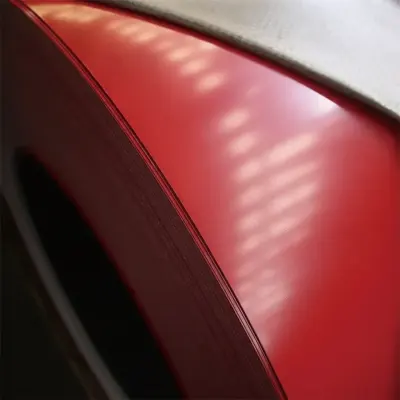
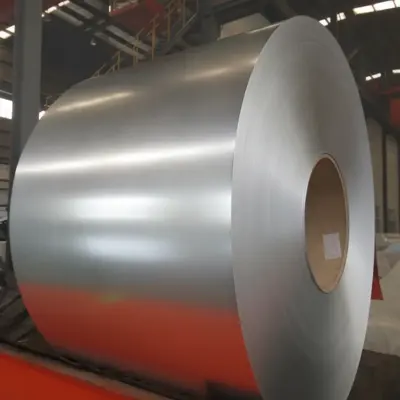
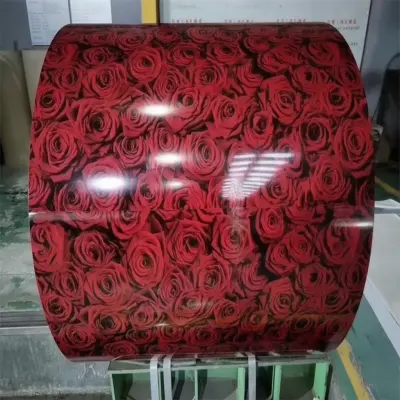
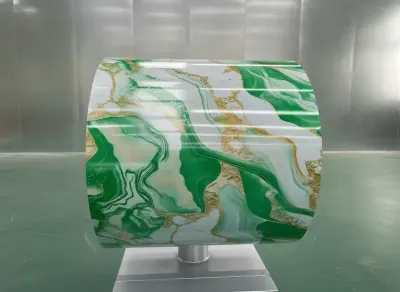
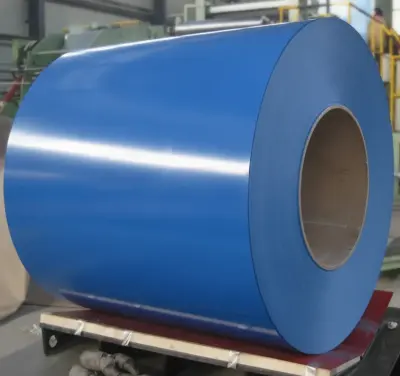
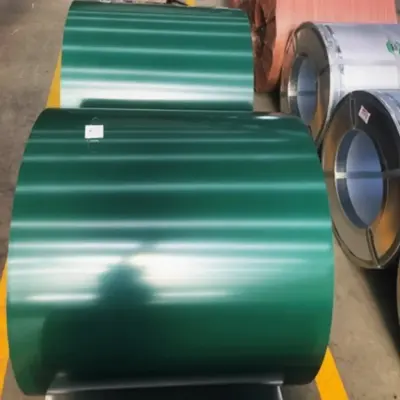
Common substrate options include hot-dip galvanized steel, aluminum-zinc alloy-coated steel, prepainted metallic-coated steel, and aluminum sheet. Galvanized steel uses a zinc coating to protect exposed steel through barrier and sacrificial action. Aluminum-zinc alloy coatings provide an alternative protection system for atmospheric exposure, while factory-applied paint adds color, surface protection, and architectural consistency. Related coil and coating options are available through [[INTERNAL_LINK]].
Key characteristics of metal roof panels include a favorable strength-to-weight ratio, repeatable profile geometry, rapid mechanical fastening, compatibility with insulation systems, and relatively low maintenance when the coating is correctly selected. Long sheet lengths can reduce end laps, but transport restrictions, handling conditions, and thermal movement must be evaluated before finalizing dimensions.
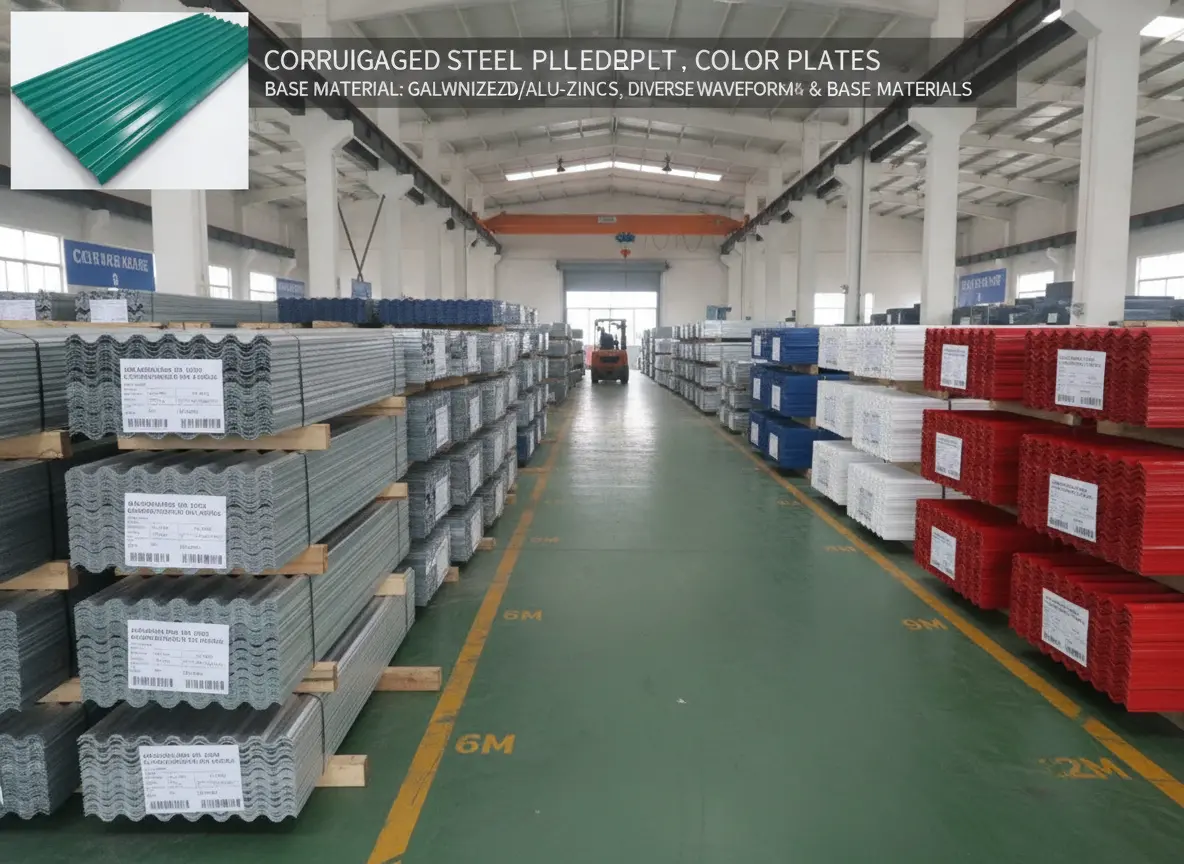
Roof performance depends on the complete system rather than the sheet alone. Profile depth, support spacing, fastener type, sealant, flashing, drainage slope, ventilation, and installation workmanship all affect wind resistance and water tightness. Procurement specifications should therefore match the metal roofing sheet with approved accessories and project-specific engineering requirements. See [[INTERNAL_LINK]] for compatible roofing components.
Metal Roofing Sheet Specifications & Standards
Metal roofing sheet specifications should identify both the base material and the finished profile. Thickness may be stated as base metal thickness or total coated thickness; buyers should clarify this point because coating and paint layers can affect measured values. Width should also distinguish between overall width and effective cover width after side-lap installation.
| Parameter | Available Specification | Procurement Note |
|---|---|---|
| Substrate | Galvanized steel, aluminum-zinc coated steel, prepainted steel, or aluminum | Select according to corrosion exposure, structural design, and budget |
| Profile | Corrugated, trapezoidal, ribbed, standing-seam compatible, or tile-effect | Confirm profile drawing, rib pitch, depth, and side-lap geometry |
| Thickness | Project-specific | State whether the requirement is base metal thickness or coated thickness |
| Width | Profile- and equipment-dependent | Confirm both overall width and effective cover width |
| Length | Cut to order within production and transport limits | Balance fewer roof laps against container loading and site handling |
| Metallic coating | Zinc or aluminum-zinc alloy coating in specified coating mass | Request coating designation and test documentation |
| Paint finish | Primer plus topcoat and backing coat; system subject to specification | Select coating chemistry and color for the service environment |
| Surface | Regular finish, textured finish, embossed finish, or protective film where applicable | Protective film must be removed within the supplier’s recommended period |
| Tolerances | According to the agreed product standard or approved drawing | Include thickness, width, length, camber, and profile tolerances in the purchase order |
Relevant international standards depend on material type and destination market. Hot-dip galvanized steel sheet can be specified to ASTM A653/A653M, EN 10346, JIS G 3302, or GB/T 2518. Aluminum-zinc alloy-coated steel is commonly covered by ASTM A792/A792M, JIS G 3321, or applicable EN 10346 coating designations. Prepainted steel sheet can be ordered with reference to ASTM A755/A755M, JIS G 3312, or GB/T 12754. Aluminum roofing products may reference ASTM B209/B209M or EN 485 series requirements, depending on alloy and supply condition.
These standards are not automatically interchangeable. Their grade names, coating designations, test methods, and dimensional tolerances differ. The purchase contract should state one governing standard, the required grade, metallic coating designation, paint system, profile drawing, and inspection documents. Material comparisons are discussed further at [[INTERNAL_LINK]].
Mechanical properties and chemical composition are determined by the selected substrate grade rather than by the roofing profile alone. Instead of accepting a generic description, purchasers should request a mill test certificate showing the specified grade, heat or coil traceability, and reported properties required by the governing standard. For structural projects, minimum yield strength and design loads should be approved by the project engineer.
Applications of Metal Roofing Sheet
Industrial factories and workshops: Metal roofing sheet is widely used for large roof areas where installation speed, standardized detailing, and compatibility with insulation are important. Trapezoidal profiles are commonly incorporated into single-skin or built-up roof systems. Industrial cladding solutions can be reviewed at [[INTERNAL_LINK]].
Warehouses and logistics facilities: Long, profiled sheets help create practical weather enclosures for distribution centers and storage buildings. The coating system should reflect local humidity, airborne pollutants, and the intended service environment.
Agricultural buildings: Roofing sheets are used for barns, machinery shelters, storage sheds, and processing structures. Environments containing fertilizer, animal waste, or persistent condensation require careful coating selection, ventilation, and maintenance planning.
Commercial and public buildings: Prepainted profiles can provide uniform colors and defined architectural lines for retail units, transport buildings, canopies, and sports facilities. Trim, ridge caps, gutters, and wall panels can be coordinated as part of the envelope package through [[INTERNAL_LINK]].
Renovation and retrofit projects: Lightweight metal panels may be suitable for replacing deteriorated roofing or installing over an engineered secondary support system. The existing structure must be assessed for load capacity, drainage, fastener retention, and local code compliance before installation.
How to Choose Metal Roofing Sheet: Buying Guide
Define the roof system first. Provide roof slope, purlin spacing, expected wind and snow loads, insulation arrangement, and required service life. These details help determine profile geometry, substrate strength, sheet thickness, and fastening layout. A visually similar panel may not have the same load-bearing capacity.
Match the coating to the environment. Inland industrial, coastal, high-humidity, agricultural, and chemically exposed locations impose different corrosion risks. Buyers should specify the metallic coating and paint system rather than ordering only by color. For color-coated metal roofing sheet, confirm topcoat type, nominal paint thickness, gloss range, backing coat, and approved color reference. Additional coating guidance is available at [[INTERNAL_LINK]].
Verify documentation. Ask what inspection certificate can be supplied and whether it includes substrate grade, coating designation, dimensions, and traceability. If third-party inspection, laboratory testing, or a certificate of origin is required, state this before quotation because it can affect cost and lead time.
Confirm the commercial unit. Quotations may be calculated by metric ton, square meter, or linear meter. Compare offers using effective cover width and actual ordered thickness, not only nominal dimensions. Request a profile drawing and packing details to avoid discrepancies after delivery.
Discuss MOQ and production planning. Minimum order quantity depends on the substrate, color, profile, sheet length, and production schedule. Standard materials may permit more flexible quantities than custom paint colors or uncommon profiles. Buyers should provide the required quantity per specification so the manufacturer can confirm an achievable MOQ.
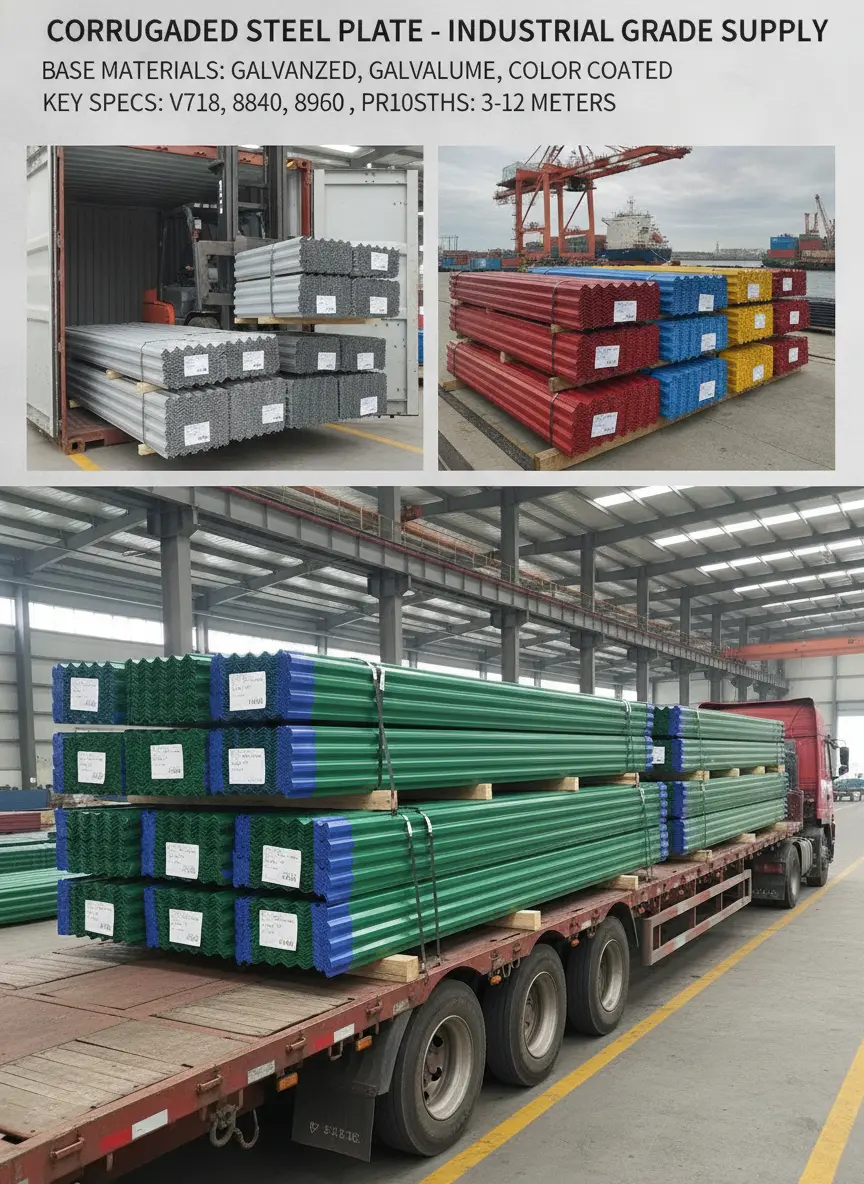
Plan lead time and logistics. Production timing depends on raw-material availability, coating requirements, profiling volume, and inspection arrangements. Very long roofing sheets can be difficult to load in standard containers and handle at the jobsite. Confirm bundle weight, lifting method, moisture protection, container plan, destination terms, and unloading capability. Packaging options are explained at [[INTERNAL_LINK]].
Frequently Asked Questions About Metal Roofing Sheet
Q: What is the difference between galvanized and aluminum-zinc metal roofing sheet?
A: Galvanized sheet is coated primarily with zinc, while aluminum-zinc coated sheet uses an alloy coating containing aluminum and zinc. Their corrosion behavior, standard designations, appearance, and suitability vary by environment. Selection should be based on exposure conditions, project specifications, and compatibility with fasteners and accessories.
Q: Which thickness should I order for an industrial roof?
A: Thickness cannot be selected independently of profile depth, substrate strength, purlin spacing, wind uplift, snow load, and maintenance access. Provide structural and installation data so an appropriate specification can be evaluated. Final approval should follow the project engineer’s calculations and applicable building regulations.
Q: Can you supply certificates for metal roofing sheets?
A: Inspection documentation can generally be arranged according to the material and order terms. Buyers should specify whether they need a mill test certificate, coating report, third-party inspection, certificate of origin, or other export documents before placing the order. Document format and scope must be agreed in the contract.
Q: What is the minimum order quantity?
A: MOQ varies with substrate type, coating, color, profile, and length combination. A standard profile produced from available coil may have different requirements from a custom color or dedicated profile. Submit a specification list and quantity breakdown for confirmation.
Q: What payment methods are available for export orders?
A: Payment terms are negotiated according to order value, production requirements, destination, and credit arrangements. Common international trade methods may include bank transfer or letter of credit, subject to supplier approval. The agreed currency, deposit, balance conditions, and banking charges should appear in the sales contract.
Q: How long does production and delivery take?
A: Lead time depends on coil availability, paint color, profiling schedule, order volume, testing, and packing requirements. Shipping time depends on the destination and selected transport route. A reliable schedule can be issued after the complete specification and commercial terms are confirmed.
Q: How should metal roofing sheet be packed and stored?
A: Bundles should be supported, secured, and protected against movement and water ingress during transport. At the site, store sheets off the ground, under ventilation, and with a slight slope so trapped moisture can drain. Wet packaging should be removed promptly to reduce the risk of storage staining or coating damage.
Q: Can roofing sheets be produced in custom profiles and colors?
A: Customization may be possible, subject to forming equipment, coil width, profile tooling, color availability, and minimum production quantity. Buyers should submit a profile drawing, effective cover width, material standard, color reference, and expected annual volume for technical review. See [[INTERNAL_LINK]] for customization considerations.
Send your metal roofing sheet profile, thickness, coating, color, quantity, destination, and applicable standard to request a technical review and export quotation. Our team can help compare material options, confirm manufacturability, and prepare a supply proposal aligned with your industrial project and delivery plan.
Ratings & Reviews

Know your supplier
Supplier's customization ability
- Drawing-based customization
- Sample-based customization
- Full customization
Minimum order quantity: 1 ton
Shipping total: To be negotiated
- Lead time:
- confirmed with the quotation
- Packaging:
- standard export packing
- Samples:
- available on request