 English
 Español
 Français
 Deutsch
 Português (Brasil)
 Русский
 العربية

Hot-Dip Galvanized Steel Coil Supplier | Custom GI Coil
 China


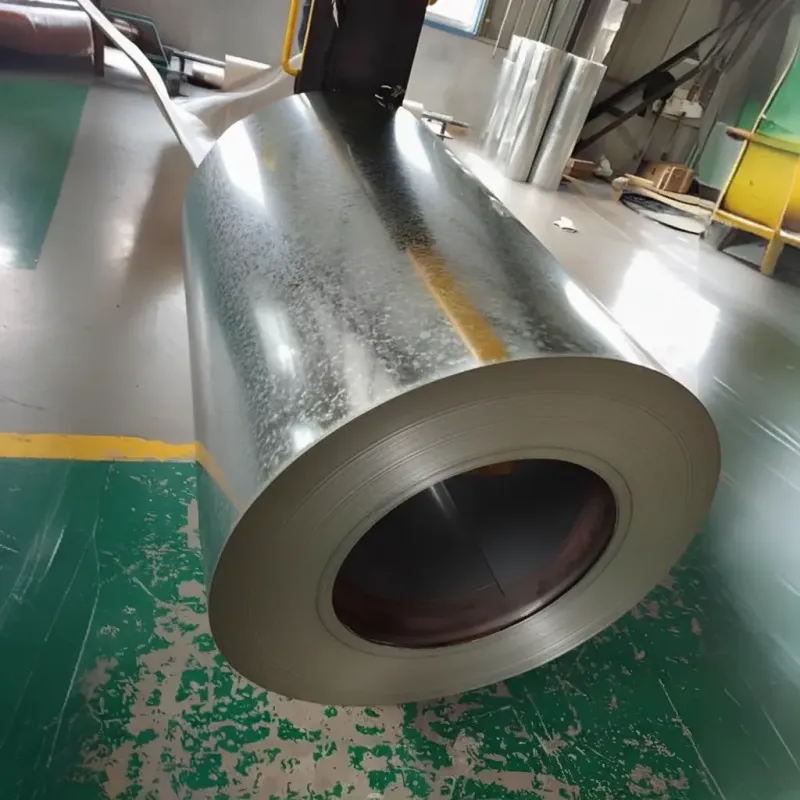
Supplier's customization ability
- Drawing-based customization
- Sample-based customization
- Full customization
Minimum order quantity: 50 ton
Shipping total: To be negotiated
- Lead time:
- confirmed with the quotation
- Packaging:
- standard export packing
- Samples:
- available on request
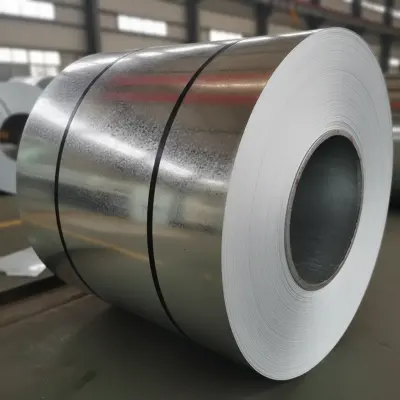
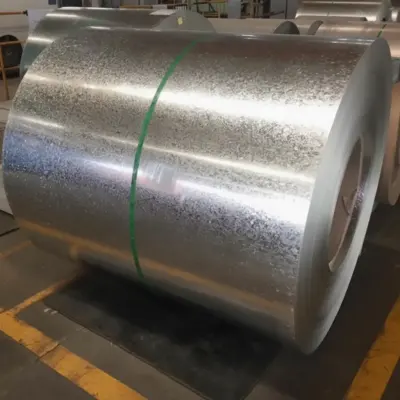
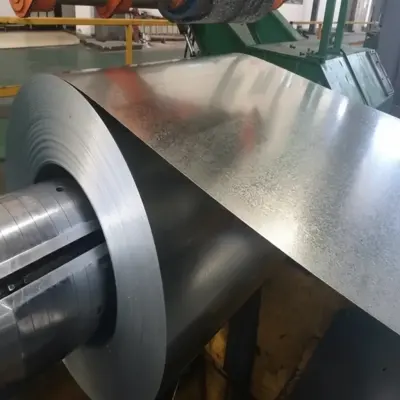
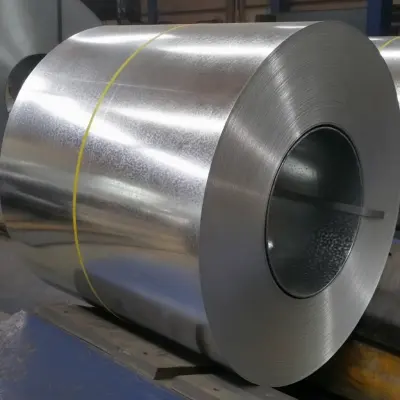
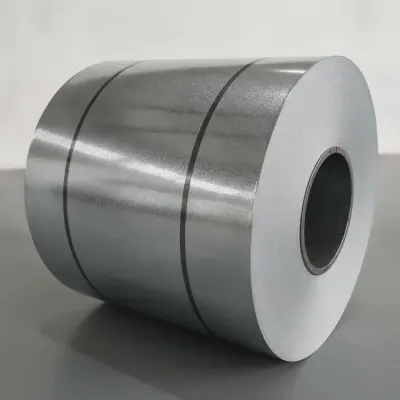
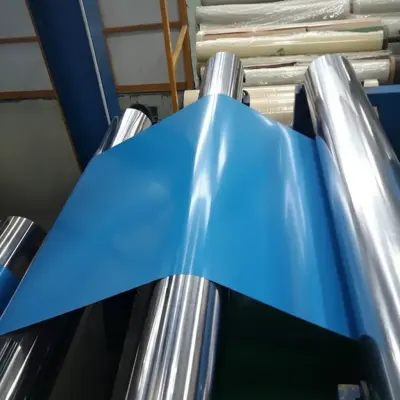
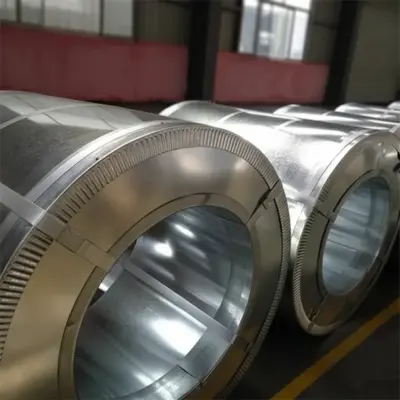
Product details
Hot-Dip Galvanized Steel Coil 技术参数
| 参数类别 | 技术参数 | 可选范围/说明 |
|---|---|---|
| 产品名称 | Hot-Dip Galvanized Steel Coil | 热浸镀锌钢卷 |
| 生产工艺 | 连续热浸镀锌 | 冷轧基板经酸洗、退火、熔融锌浴镀层及光整工艺生产 |
| 适用标准 | ASTM A653/A653M、EN 10346、JIS G3302、DX51D、GB/T 2518 | 可根据客户要求执行指定标准 |
| 基材类型 | 冷轧低碳钢 | 商业级、冲压级、深冲级及结构级 |
| 钢种 | DX51D+Z、DX52D+Z、DX53D+Z、SGCC、SGCD、CS-B、CQ、H340LAD等 | 可提供定制钢种及牌号 |
| 厚度 | 0.20–3.00 mm | 常用厚度:0.30–2.00 mm |
| 宽度 | 600–1,250 mm | 可按订单要求定尺分条 |
| 内径 | 508 mm或610 mm | 根据卷重、厚度及客户设备要求选择 |
| 外径 | 约1,000–2,000 mm | 以实际卷重和规格为准 |
| 锌层类型 | 纯锌镀层 | 可选正常锌花、无锌花或小锌花表面 |
| 镀层重量 | Z40–Z350 g/m² | 双面镀层总重量;常用Z60、Z80、Z100、Z120、Z180、Z275 |
| 镀层代号 | Z | 可根据标准和应用要求选择镀锌量 |
| 表面处理 | 钝化、耐指纹、涂油或不处理 | 用于提高耐腐蚀性、储运保护及后续涂装性能 |
| 表面质量 | FA、FB或FC | 可提供普通表面、较高级表面及高级表面质量 |
| 表面状态 | 光整、拉矫、平整 | 改善板形、表面粗糙度及尺寸精度 |
| 屈服强度 | 140–550 MPa | 根据钢种及标准要求确定 |
| 抗拉强度 | 270–650 MPa | 根据钢种、厚度和交货状态确定 |
| 伸长率 | ≥12%–≥34% | 深冲级钢材具有更高延伸率 |
| 尺寸公差 | 符合ASTM、EN、JIS或GB标准 | 可提供普通精度、高级精度或客户指定公差 |
| 板形 | 平整,无明显波浪、折痕及边裂 | 适用于冲压、折弯、成型及焊接加工 |
| 卷重 | 3–15吨/卷 | 可根据装柜、吊装及生产线要求定制 |
| 分条服务 | 支持分条加工 | 可按客户要求提供指定宽度钢带 |
| 包装方式 | 出口标准防潮包装 | 钢带捆扎,内外护角,防水纸及镀锌钢板外包装 |
| 装运方式 | 集装箱或散货船运输 | 可采用卧卷或立卷装运 |
| 典型应用 | 建筑、汽车、家电、通风管道、钢结构、光伏支架及制造业 | 适用于屋面板、墙面板、门窗、管道、货架及零部件加工 |
| 质量检验 | 化学成分、力学性能、镀层重量、尺寸公差及表面质量检验 | 可提供材质证明书、检验报告及第三方检测服务 |
Hot-Dip Galvanized Steel Coil Supplier | Custom GI Coil
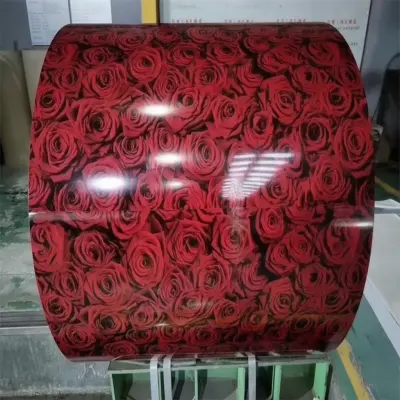
Hot-Dip Galvanized Steel Coil is carbon steel sheet continuously coated with zinc to improve corrosion resistance while retaining the formability and processing efficiency of coil-fed steel. It is purchased by overseas manufacturers, steel service centers, construction-material distributors, appliance producers, and fabricators that require consistent dimensions, documented coating performance, and reliable export packaging. Available requirements may cover substrate grade, thickness, width, zinc coating designation, surface finish, spangle, passivation, oiling, and coil weight. By defining these parameters against a recognized standard, importers can source GI coil that fits their forming, cutting, welding, painting, and outdoor-service requirements.
Product Overview: Hot-Dip Galvanized Steel Coil
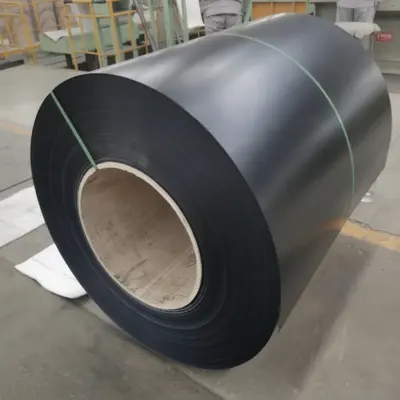
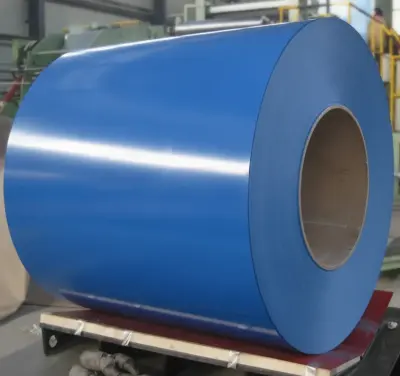
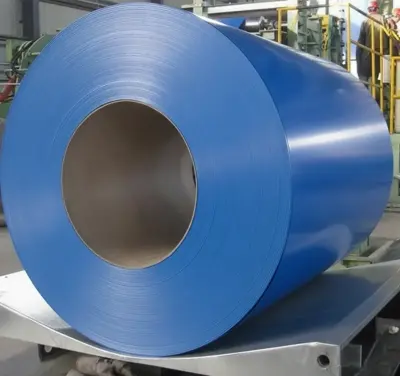
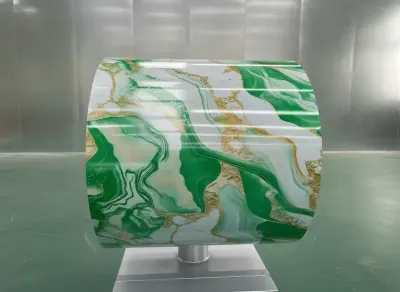
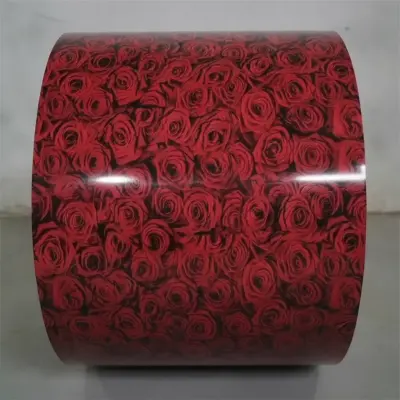
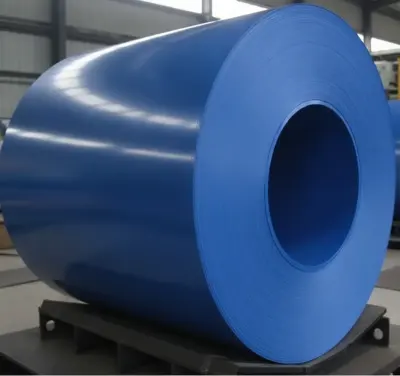
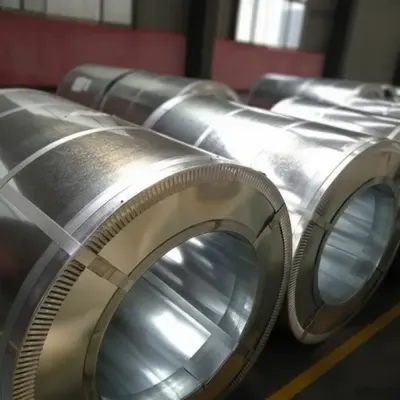
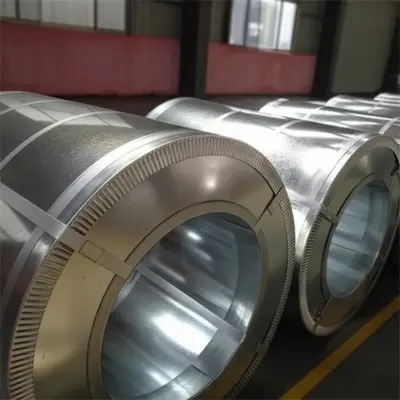
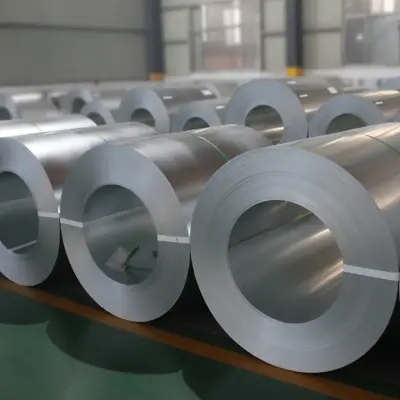
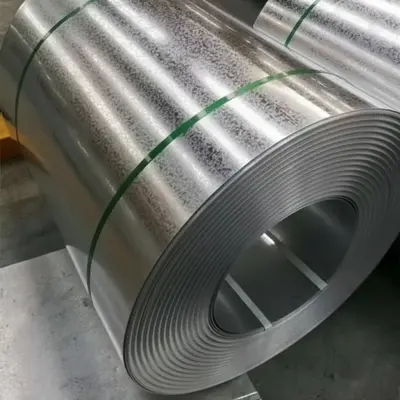
Hot-Dip Galvanized Steel Coil, commonly called GI coil, is produced by passing a prepared steel strip through a bath of molten zinc in a continuous galvanizing line. The zinc adheres metallurgically to the substrate and creates a protective layer on both sides of the strip. This coating acts as a physical barrier and also provides sacrificial protection to exposed steel at small scratches or cut edges.
The substrate is generally low-carbon or structural-quality steel selected according to the required strength and forming performance. Depending on the applicable specification, orders may cover commercial quality, drawing quality, deep-drawing quality, structural grades, or higher-strength low-alloy grades. These categories are not interchangeable: a panel requiring severe forming needs different properties from a roofing profile or load-bearing section. Buyers should therefore specify the intended fabrication process instead of ordering solely by thickness and coating weight. Guidance on related substrate options is available through [[INTERNAL_LINK]].
Surface condition also affects downstream use. Common requirements include regular, minimized, or controlled spangle appearances, although the terminology and available finishes depend on the governing standard and production route. Chemical passivation can reduce the risk of white rust during storage, while oiling provides temporary protection and may assist certain forming operations. For painted or laminated components, buyers should confirm whether the surface treatment is compatible with pretreatment, adhesive, or coating systems. See [[INTERNAL_LINK]] for information on coated-steel surface preparation.
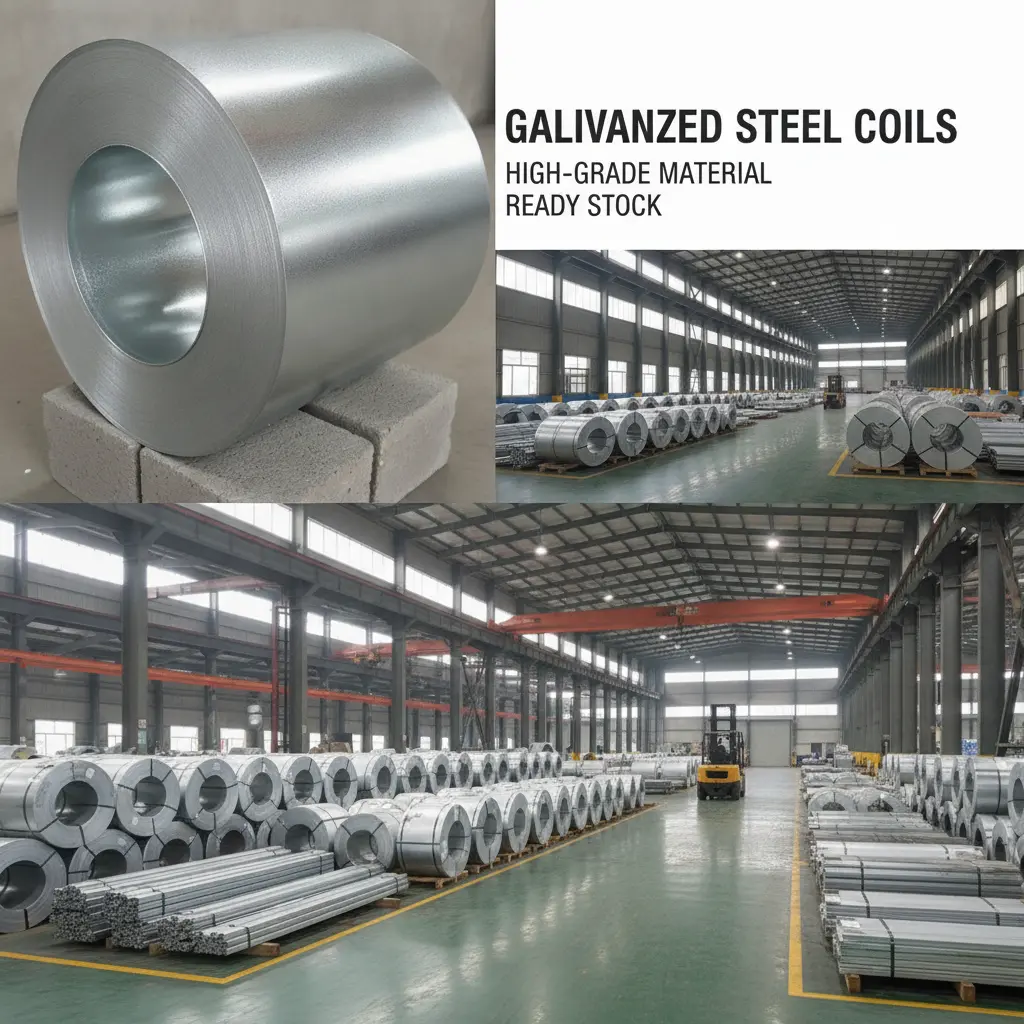
Key purchasing advantages of Hot-Dip Galvanized Steel Coil include efficient coil-fed processing, a durable zinc barrier, dimensional consistency, and suitability for slitting, cut-to-length processing, roll forming, stamping, and fabrication. Actual corrosion life cannot be stated from coating designation alone. It varies with zinc mass, atmosphere, humidity, condensation, pollutants, cut-edge exposure, installation design, and maintenance.
Hot-Dip Galvanized Steel Coil Specifications & Standards
Hot-Dip Galvanized Steel Coil should be ordered to a clearly identified product standard and grade. Widely referenced standards include ASTM A653/A653M for steel sheet, zinc-coated or zinc-iron alloy-coated by the hot-dip process; EN 10346 for continuously hot-dip coated steel flat products for cold forming; JIS G 3302 for hot-dip zinc-coated steel sheet and strip; and GB/T 2518 for continuously hot-dip zinc-coated steel sheet and strip. The standard edition, grade, coating designation, dimensions, tolerances, surface treatment, and inspection document should be written into the purchase order.
| Specification Item | Purchasing Options or Requirements | Why It Matters |
|---|---|---|
| Product standard | ASTM A653/A653M, EN 10346, JIS G 3302, GB/T 2518, or an agreed customer specification | Defines grade terminology, coating designation, test methods, tolerances, and acceptance criteria. |
| Base steel grade | Commercial, forming, drawing, deep-drawing, structural, or higher-strength category as defined by the selected standard | Controls forming behavior, strength, elongation, and suitability for the final component. |
| Thickness and width | Specified nominal values with tolerances according to the selected standard or purchase agreement | Determines fit, yield, processing settings, component weight, and material utilization. |
| Zinc coating | Coating designation stated under the chosen ASTM, EN, JIS, or GB/T system | Influences corrosion protection, forming behavior, weldability, and coating cost. |
| Surface finish | Finish and surface quality appropriate for exposed, unexposed, painted, or formed applications | Affects appearance and the suitability of subsequent painting or lamination. |
| Surface treatment | Passivated, oiled, passivated and oiled, or another agreed treatment where available | Helps manage storage corrosion and compatibility with downstream processing. |
| Coil configuration | Coil weight, inside diameter, outside-diameter limit, edge condition, and winding orientation | Must match unloading equipment, storage racks, decoilers, and processing lines. |
| Documentation | Inspection certificate, test report, packing list, certificate of origin, or other agreed documents | Supports incoming inspection, traceability, customs clearance, and project compliance. |
Coating designations must be interpreted under their own standard. For example, ASTM A653/A653M uses coating designations such as G-series classifications, while EN 10346 commonly identifies zinc coating with Z designations. JIS G 3302 and GB/T 2518 use their respective systems and testing rules. Similar-looking numbers across standards should not be treated as automatically equivalent because test units, minimum values, grade definitions, and acceptance methods may differ. A formal cross-reference should be reviewed before substituting one specification for another. Additional guidance on coating terminology can be found at [[INTERNAL_LINK]].
Chemical composition and mechanical properties depend on the exact substrate grade rather than on the general name Hot-Dip Galvanized Steel Coil. Because no grade has been specified here, fixed carbon limits, yield strength, tensile strength, or elongation values would be misleading. These values should be confirmed in the applicable grade table of ASTM A653/A653M, EN 10346, JIS G 3302, or GB/T 2518 and verified against the supplier’s inspection documentation.
| Property Group | Required Source | Recommended Verification |
|---|---|---|
| Chemical composition | The selected grade and standard, including any agreed alloy or residual-element limits | Review the heat analysis or product analysis stated in the inspection documentation. |
| Yield strength | The mechanical-property table for the specified structural or forming grade | Compare reported results with the required minimum or range. |
| Tensile strength | The selected standard and grade | Confirm test direction, specimen basis, and acceptance criteria where relevant. |
| Elongation | The selected grade, nominal thickness, and test method | Check whether the reported gauge length and specimen orientation match the standard. |
| Coating mass | The ordered coating designation and coating-mass test provisions | Verify total or single-side reporting conventions before comparing results. |
Dimensional tolerances are equally important. The buyer should state whether thickness is measured as coated product thickness, how edge condition is defined, and whether special width, flatness, or camber limits are necessary. Standard tolerances may be adequate for general profiling but insufficient for precision stamping. Procurement teams planning slit-coil production should also review [[INTERNAL_LINK]].
Hot-Dip Galvanized Steel Coil Applications
Hot-Dip Galvanized Steel Coil is used where manufacturers need the productivity of flat-rolled steel together with zinc-based corrosion protection. Grade, coating, and surface requirements should be matched to the actual exposure and forming process. Typical applications include:
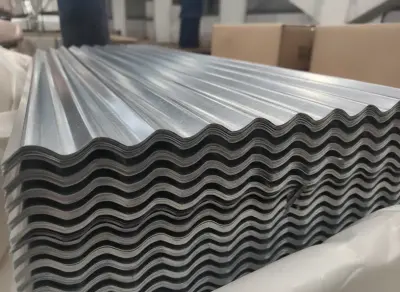
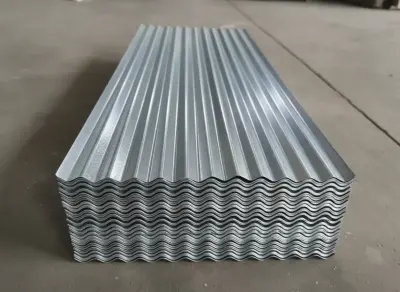
- Roofing, wall cladding, and rainwater systems: GI coil can be roll formed into corrugated sheets, profiles, flashings, gutters, and related building products. Coating selection should reflect the installation environment, expected service period, and whether a post-painted finish will be applied. Related roofing materials are covered at [[INTERNAL_LINK]].
- Light-gauge steel framing and construction sections: Structural or forming grades may be converted into studs, tracks, channels, purlins, and accessory profiles. Strength, thickness tolerance, coating designation, and forming radius must be coordinated with the section design.
- HVAC and ventilation components: Ductwork, housings, equipment panels, and internal components often require clean forming, lock-seaming, punching, and joining. Buyers should confirm surface treatment and zinc coating compatibility with fabrication operations.
- Appliance and general manufacturing components: Galvanized sheet may be used for non-exposed housings, brackets, trays, cabinets, and formed parts. Surface quality becomes especially important when the component will be painted, powder coated, or bonded. More processing information is available through [[INTERNAL_LINK]].
- Automotive and transport-related parts: Suitable grades can be specified for selected reinforcement, enclosure, and non-cosmetic components. These orders normally require tighter control of formability, surface quality, weld behavior, traceability, and customer-specific approvals.
The product should not be selected on the assumption that all zinc-coated coil performs identically. Coastal atmospheres, industrial pollutants, continuous wetness, contact with incompatible materials, and poorly ventilated storage can accelerate corrosion. In severe environments, a heavier coating, painted galvanized system, alternative metallic coating, or different alloy may be more appropriate. Buyers comparing coating systems can consult [[INTERNAL_LINK]].
How to Choose Hot-Dip Galvanized Steel Coil / Buying Guide
Purchasing Hot-Dip Galvanized Steel Coil begins with a complete technical inquiry. A clear request reduces quotation revisions, avoids unsuitable substitutions, and allows the supplier to assess production and shipping feasibility. Procurement managers should address the following points before approving an order.
- Define the governing standard and grade. State the full designation, such as the required grade under ASTM A653/A653M, EN 10346, JIS G 3302, or GB/T 2518. If an equivalent grade is acceptable, require the supplier to submit a documented comparison for technical approval rather than relying on a commercial label.
- Specify dimensions and tolerances. Provide nominal thickness, width, quantity, edge condition, and any special tolerance. Include the final process, such as roll forming, stamping, slitting, or cut-to-length work, because processing can influence the recommended substrate and dimensional control.
- Identify coating and surface requirements. State the zinc coating designation, surface quality, spangle preference where applicable, passivation, oiling, and painting or bonding requirements. Confirm whether the product must be free from specific treatments due to environmental, health, or downstream-coating restrictions.
- Request appropriate certification. Specify the required inspection document and test information before quotation. Depending on the order and market, documentation may include chemical and mechanical test results, coating-mass results, dimensional records, traceability references, certificate of origin, or third-party inspection. Availability must be confirmed for the selected product and contract.
- Confirm MOQ and production feasibility. Minimum order quantity is not universal. It can vary by grade, coating, width, thickness, coil weight, surface treatment, mill campaign, and whether slitting is required. Ask for the MOQ by individual size as well as the minimum total shipment quantity.
- Compare lead time on the same basis. Determine whether the quoted lead time starts after order confirmation, deposit receipt, technical approval, or production scheduling. Separate manufacturing time from inland transport, export handling, and ocean transit. Material requiring an uncommon grade or coating may need a different schedule from standard production.
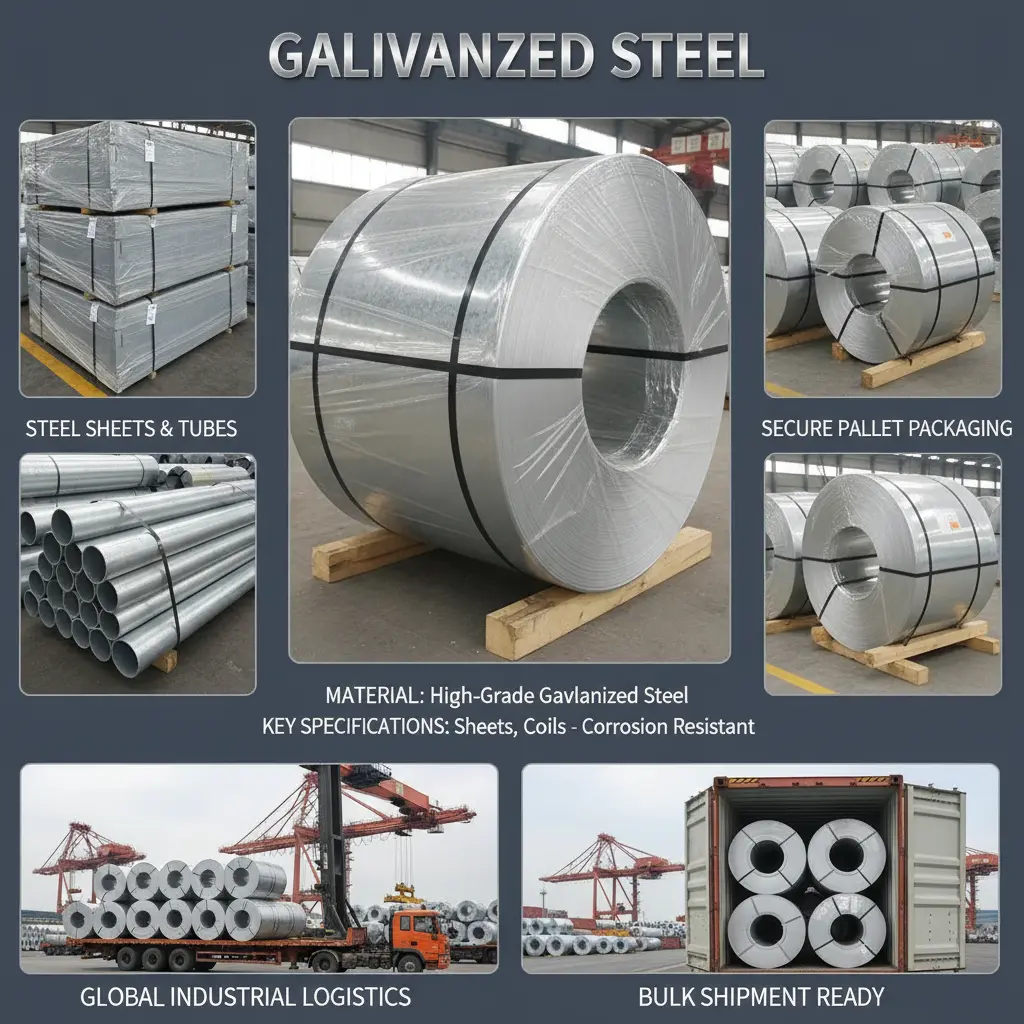
- Plan packaging and logistics. Export packing should be agreed according to transport mode and destination conditions. Specify coil eye orientation, lifting method, moisture protection, edge protection, identification labels, maximum coil weight, and container or breakbulk constraints. The receiver must have equipment suitable for unloading and handling the stated coil dimensions. See [[INTERNAL_LINK]] for steel-coil handling considerations.
A useful inquiry also states the destination country, delivery term, target shipment window, end application, estimated order volume, and any destination-market compliance requirements. Payment methods and Incoterms should be negotiated in the commercial offer. Buyers should compare quotations by total specification compliance and landed cost, not only by the quoted price per metric ton.
Frequently Asked Questions About Hot-Dip Galvanized Steel Coil
Q: What is the difference between Hot-Dip Galvanized Steel Coil and cold-rolled steel coil?
A: Cold-rolled steel coil is primarily defined by its rolling and surface-finishing process and normally does not include a protective zinc layer unless it undergoes a subsequent coating operation. Hot-Dip Galvanized Steel Coil uses a steel substrate with a zinc coating applied by continuous hot dipping. The zinc improves corrosion resistance, while the selected substrate grade determines much of the product’s strength and forming behavior. For additional comparisons of flat-steel products, refer to [[INTERNAL_LINK]].
Q: How does galvanized coil differ from Galvalume or zinc-aluminum-coated coil?
A: Galvanized coil is coated primarily with zinc, while zinc-aluminum or aluminum-zinc products use different coating chemistries. These metallic coatings differ in corrosion behavior, heat response, cut-edge protection, appearance, forming characteristics, and applicable standards. One should not be substituted for another without reviewing the service environment, fabrication method, warranty conditions, and project specification.
Q: Which standard should an overseas buyer specify?
A: The correct standard depends on the destination market, engineering documents, customer approval system, and end use. ASTM A653/A653M is widely referenced for zinc-coated and zinc-iron alloy-coated steel sheet; EN 10346 applies to continuously hot-dip coated flat products for cold forming; JIS G 3302 covers hot-dip zinc-coated steel sheet and strip; and GB/T 2518 covers continuously hot-dip zinc-coated steel sheet and strip. The purchase order should include both the standard and the exact grade.
Q: Can certificates and test reports be supplied with the order?
A: Certification can be requested, but the exact document type and reported tests should be confirmed before contract approval. Buyers should state whether they need chemical composition, mechanical properties, coating mass, dimensional inspection, traceability, certificate of origin, or independent inspection. Documentation availability can depend on the production source, grade, order quantity, and agreed inspection plan.
Q: What is the minimum order quantity for Hot-Dip Galvanized Steel Coil?
A: There is no single industry-wide MOQ. The minimum depends on the requested grade, coating designation, thickness, width, surface treatment, coil weight, and production schedule. Standard specifications may support smaller commercial quantities than uncommon combinations. A supplier needs a complete size and quantity list to confirm the MOQ for each item and for the overall order.
Q: What payment methods are available for international orders?
A: Payment terms are subject to commercial agreement, order value, credit review, destination, and risk allocation. Common international trade arrangements may include bank transfer or documentary instruments, but no method should be assumed until it appears in the formal quotation or sales contract. Buyers should verify bank details through an established channel before making payment.
Q: How long is the lead time for galvanized steel coil?
A: Lead time varies with raw-material availability, mill scheduling, specification complexity, quantity, processing, inspection, packing, and shipping arrangements. Production lead time should be distinguished from ocean transit time. Buyers with fixed project dates should request a shipment schedule tied to technical approval and order confirmation, then allow time for customs clearance and inland delivery.
Q: Can Hot-Dip Galvanized Steel Coil be slit or cut into sheets?
A: Yes, galvanized coil can generally be slit into narrower coils or cut to length when suitable processing equipment is available. The inquiry should identify finished width or sheet size, tolerance, edge requirement, bundle weight, and protective packaging. Processing feasibility depends on the incoming coil dimensions, material thickness, mechanical properties, and required finished tolerances.
Q: How should GI coil be stored after delivery?
A: Coils should be kept dry, protected from condensation, and stored in a stable area using supports designed for their weight and orientation. Wet packaging should be addressed promptly because trapped moisture can contribute to white rust. Handling equipment must match the coil mass and dimensions, and lifting practices should prevent edge damage, telescoping, or deformation. More storage guidance is available at [[INTERNAL_LINK]].
Q: What information is needed for an accurate quotation?
A: Provide the standard, grade, thickness, width, coating designation, surface finish, treatment, edge condition, preferred coil weight, total quantity, destination, delivery term, packaging requirement, certification request, and intended application. Drawings or processing details are useful for parts requiring demanding forming or appearance. A complete inquiry allows technical and commercial terms to be evaluated on the same basis.
Send your Hot-Dip Galvanized Steel Coil specification, size list, coating requirement, quantity, destination, and requested delivery term to obtain a technical review and itemized quotation. Include any certification, packing, processing, or inspection requirements so the proposed GI coil can be matched to your production and import needs.
Ratings & Reviews

Know your supplier
Supplier's customization ability
- Drawing-based customization
- Sample-based customization
- Full customization
Minimum order quantity: 50 ton
Shipping total: To be negotiated
- Lead time:
- confirmed with the quotation
- Packaging:
- standard export packing
- Samples:
- available on request