 English
 Español
 Français
 Deutsch
 Português (Brasil)
 Русский
 العربية

Al-Zn Coated Steel Coil Manufacturer | Corrosion-Resistant Galvalume Steel
 China

Supplier's customization ability
- Drawing-based customization
- Sample-based customization
- Full customization
Minimum order quantity: 5 ton
Shipping total: To be negotiated
- Lead time:
- confirmed with the quotation
- Packaging:
- standard export packing
- Samples:
- available on request
Product details
Al-Zn Coated Steel Coil Technical Specifications
| Property | Technical Specification |
|---|---|
| Product Name | Al-Zn Coated Steel Coil |
| Product Type | Hot-dip aluminum-zinc alloy coated steel coil |
| Common Trade Names | Galvalume Steel Coil, Aluzinc Steel Coil, GL Steel Coil |
| Applicable Standards | ASTM A792/A792M, EN 10346, JIS G 3321, AS 1397, GB/T 14978 or equivalent |
| Base Metal | Cold-rolled carbon steel |
| Coating Composition | Approximately 55% aluminum, 43.4% zinc and 1.6% silicon by weight |
| Available Grades | DX51D+AZ, DX52D+AZ, DX53D+AZ, S250GD+AZ, S280GD+AZ, S320GD+AZ, S350GD+AZ, S550GD+AZ, CS Type B, SS Grade 33–80, G300, G550 |
| Coating Mass | AZ30–AZ200 g/m², both sides total; common coating classes include AZ50, AZ70, AZ100, AZ150 and AZ185 |
| Thickness | 0.12–2.00 mm; custom thickness available |
| Width | 600–1,500 mm; slit widths available on request |
| Coil ID | 508 mm or 610 mm |
| Coil Weight | 2–25 metric tons, subject to mill capability and customer requirements |
| Yield Strength | Approximately 140–550 MPa, depending on grade and standard |
| Tensile Strength | Approximately 270–570 MPa, depending on grade and standard |
| Elongation | Grade- and thickness-dependent; supplied according to the specified standard |
| Spangle | Regular spangle, minimized spangle or customer-specified surface appearance |
| Surface Treatment | Chromated, chromium-free passivated, oiled, dry, anti-fingerprint or customized treatment |
| Surface Quality | Commercial quality, forming quality or structural quality |
| Finish | Bright metallic, matte or resin-coated finish |
| Edge Condition | Mill edge or slit edge |
| Dimensional Tolerance | According to ASTM A792/A792M, EN 10143, JIS G 3321, AS 1397 or agreed specification |
| Corrosion Resistance | High atmospheric corrosion resistance provided by the aluminum-zinc alloy coating; performance depends on coating mass, environment and fabrication conditions |
| Heat Resistance | Suitable for elevated-temperature applications within the limits of the selected grade and coating system |
| Formability | Suitable for roll forming, profiling, bending and stamping when the appropriate forming grade is selected |
| Typical Applications | Roofing and wall panels, corrugated sheets, building cladding, steel structures, appliance components, HVAC ducts, automotive parts, solar mounting systems and industrial enclosures |
| Processing Services | Slitting, cut-to-length, profiling, corrugating, leveling and recoiling |
| Inspection and Testing | Chemical composition, mechanical properties, coating mass, coating adhesion, dimensional tolerance and surface inspection |
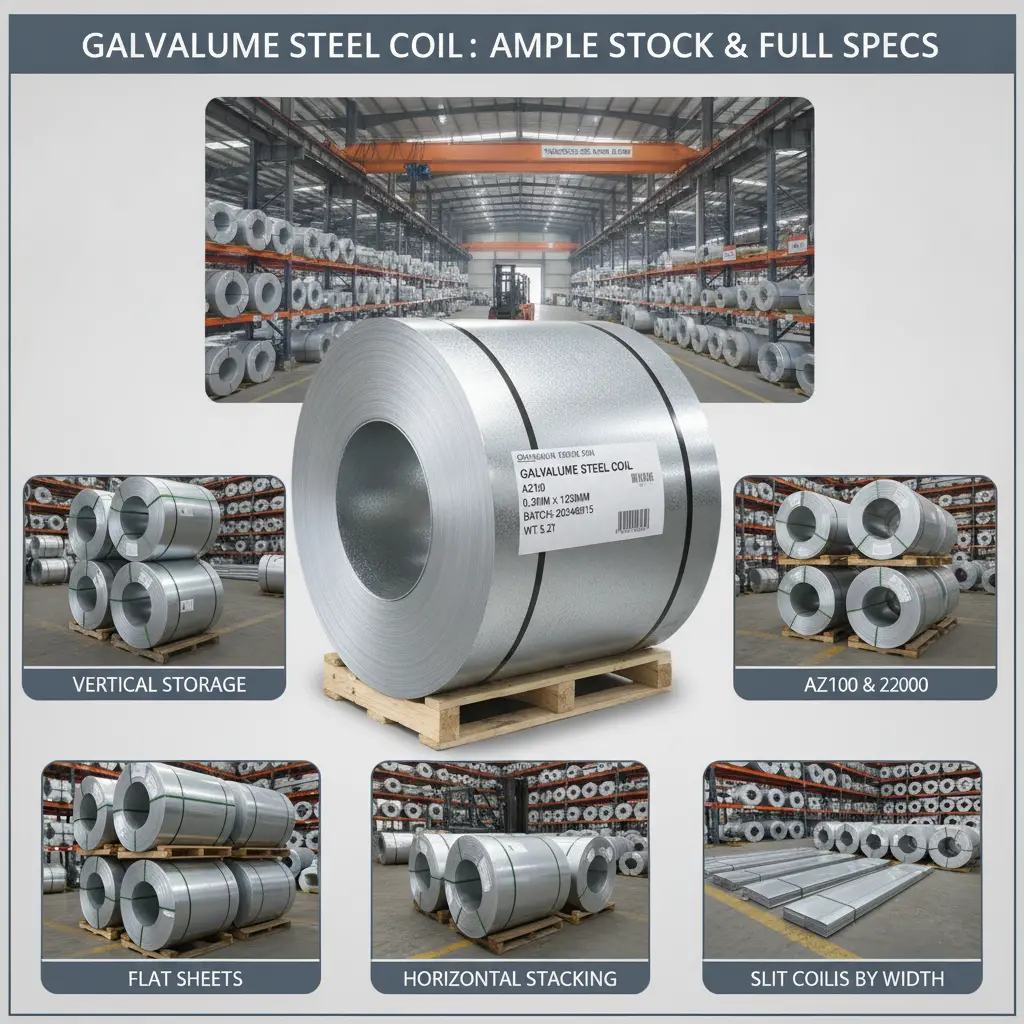
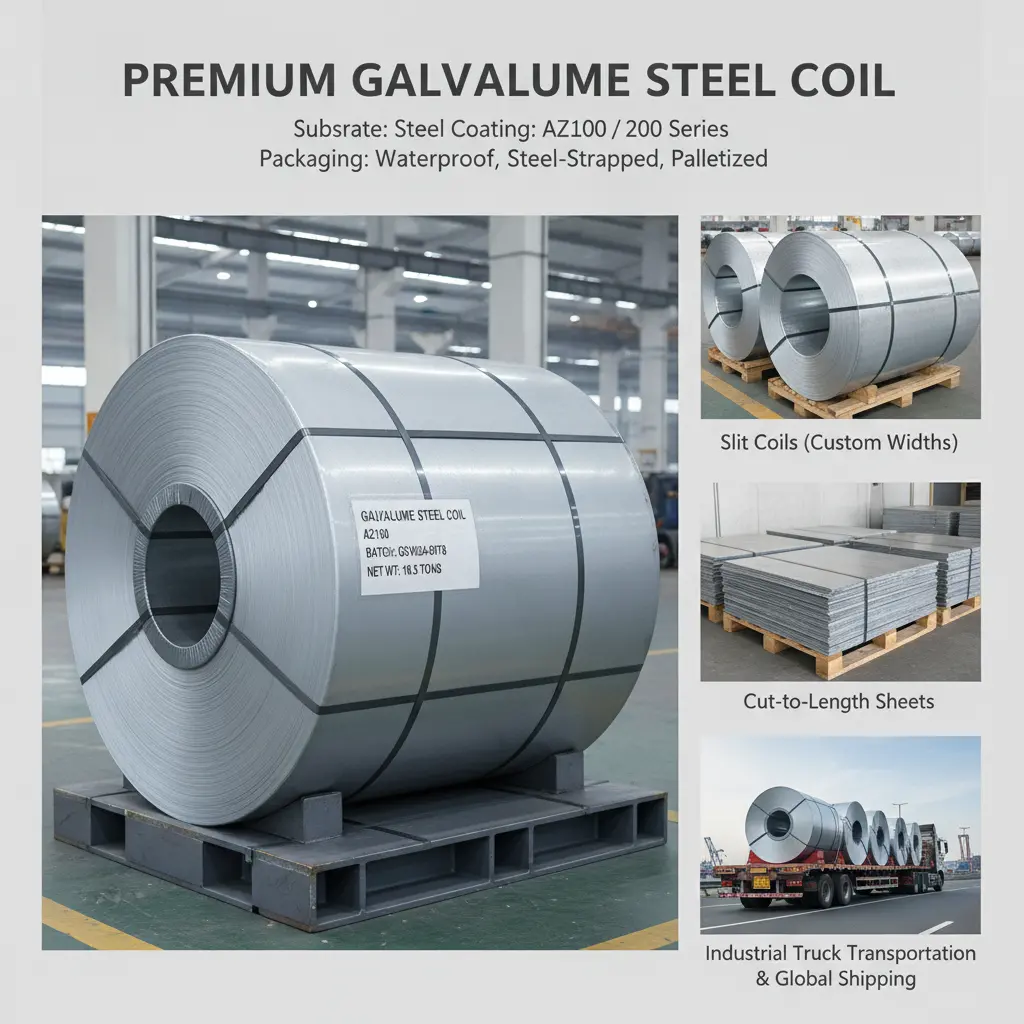
| Packaging | Seaworthy export packing with waterproof paper, steel sheet protection, edge guards and steel straps |
| Traceability Documents | Mill Test Certificate EN 10204 3.1 available upon request |
| Order Information | Specify standard, grade, thickness, width, coating mass, surface treatment, coil ID, coil weight, edge condition and required quantity |
Al-Zn Coated Steel Coil Manufacturer | Corrosion-Resistant Galvalume Steel
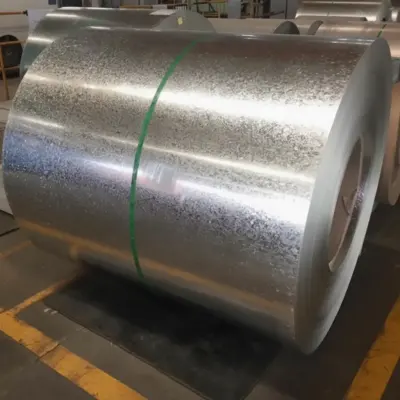
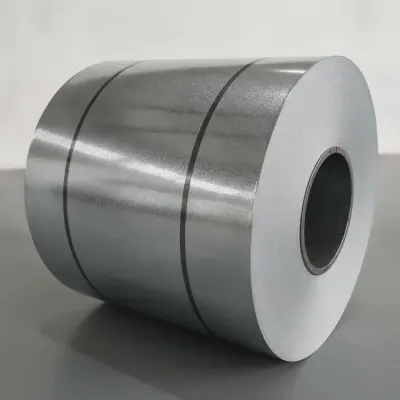
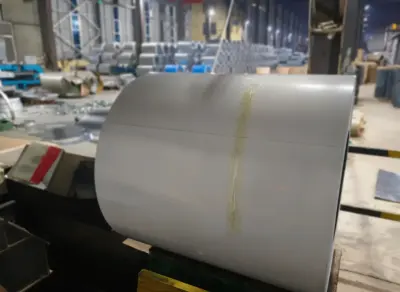
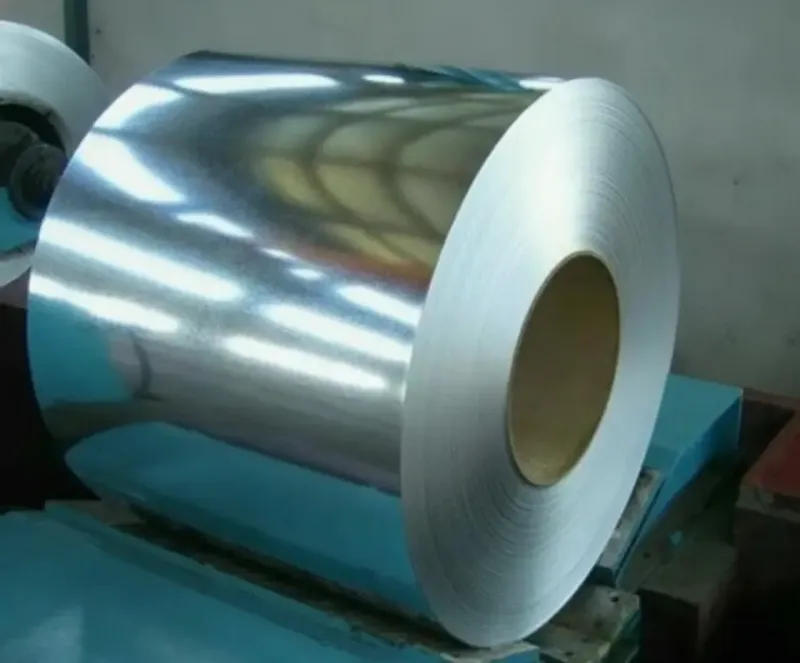
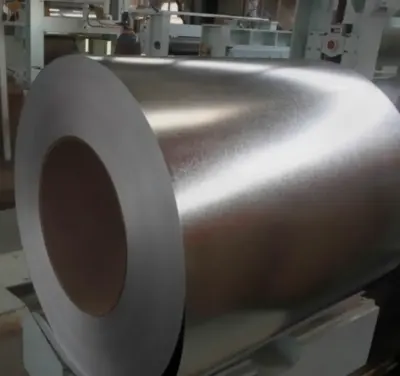
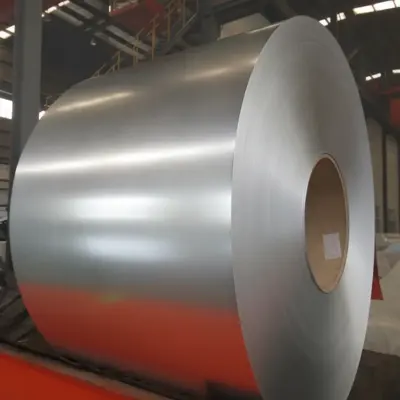
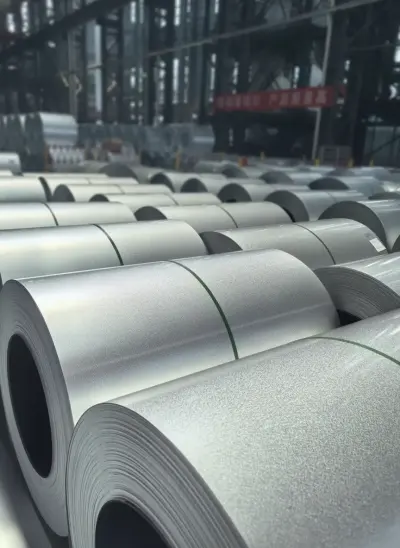
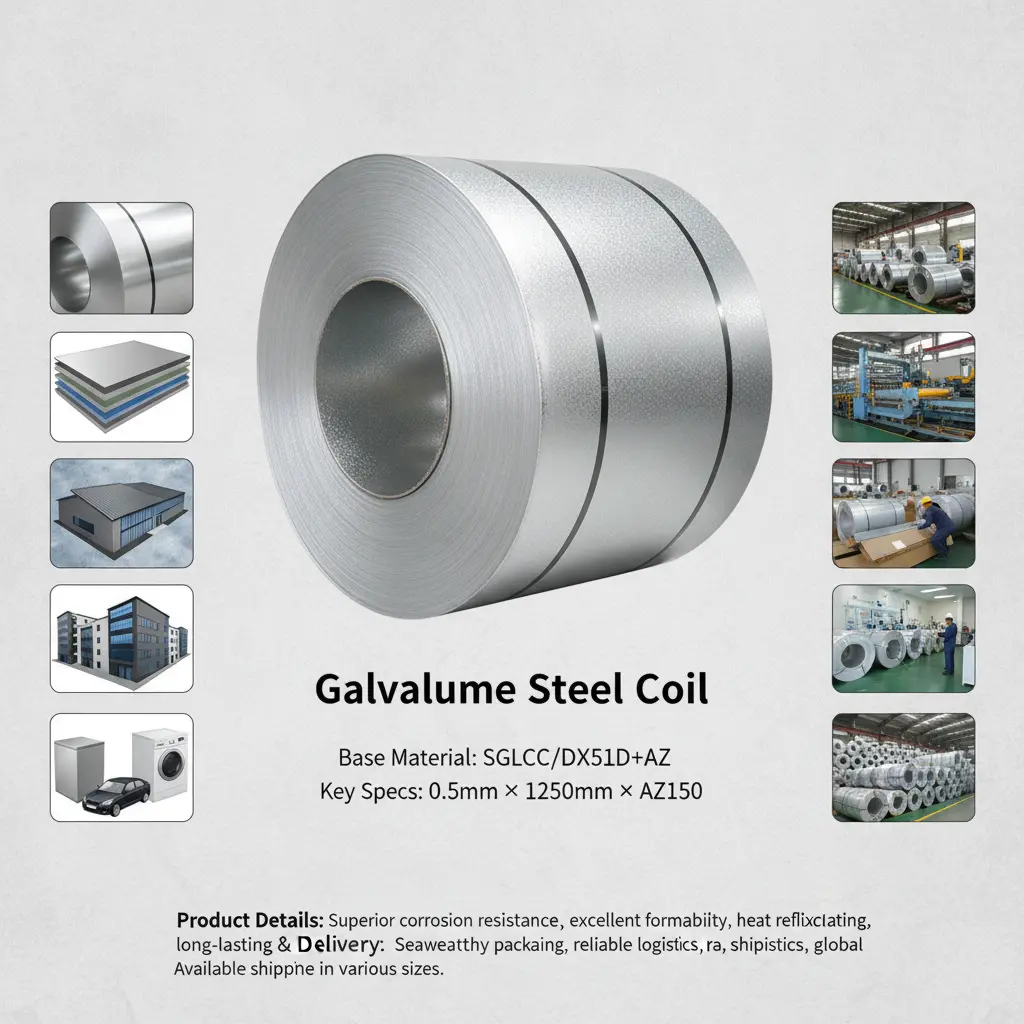
Al-Zn Coated Steel Coil is a continuously hot-dip coated flat steel product engineered for roofing, cladding, appliances, ductwork, and other applications exposed to moisture and changing temperatures. It serves overseas distributors, roll formers, construction-material producers, OEM manufacturers, and project procurement teams that require predictable corrosion protection and efficient coil processing. By combining an aluminum-zinc alloy coating with a formable steel substrate, the product offers broad atmospheric corrosion resistance, heat reflectivity, and a distinctive spangled surface. Coating designation, substrate grade, dimensions, surface treatment, and compliance documents can be aligned with the purchaser’s fabrication process and destination-market requirements.
Al-Zn Coated Steel Coil Product Overview
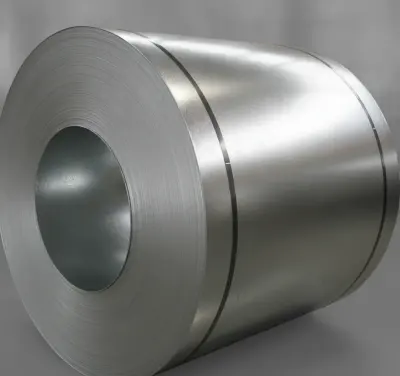
Al-Zn Coated Steel Coil, commonly described in international trade as Galvalume steel, consists of a cold-rolled steel substrate protected by a hot-dip aluminum-zinc alloy coating. A widely used coating chemistry is nominally 55% aluminum, 43.4% zinc, and 1.6% silicon by mass. The exact coating composition, substrate steel, and product designation must be confirmed against the applicable standard and the supplier’s mill test certificate.
| Coating Component | Typical Nominal Share by Mass | Primary Function |
|---|---|---|
| Aluminum | 55% | Forms a stable barrier that slows atmospheric corrosion and contributes to heat reflectivity. |
| Zinc | 43.4% | Provides sacrificial protection at exposed edges, scratches, and local coating discontinuities. |
| Silicon | 1.6% | Controls the alloy reaction between the molten coating and the steel substrate during production. |
The performance of the coating comes from the complementary behavior of aluminum and zinc. Aluminum provides long-term barrier protection across intact surfaces, while zinc contributes galvanic protection where the steel is locally exposed. This combination makes Al-Zn Coated Steel Coil suitable for many outdoor and industrial environments, although service life still depends on coating mass, climate, installation design, cut-edge exposure, maintenance, and contact with other materials.
Commercial coils may be ordered with regular spangle or another surface appearance available under the selected manufacturing route. Surface treatments can include passivation, anti-fingerprint treatment, oiling, or combinations permitted by the governing specification. Buyers planning painting, laminating, bonding, or foaming should state the downstream process before ordering because surface chemistry affects adhesion and processing behavior. Related metallic-coated and pre-painted products can be compared through [[INTERNAL_LINK]].
Key procurement characteristics include coating mass, substrate strength, thickness tolerance, width tolerance, coil weight, surface finish, edge condition, and internal diameter. Al-Zn Coated Steel Coil can be supplied for forming-quality, structural, or application-specific requirements where supported by the selected standard. The ordered grade should match the roll-forming profile, bend radius, fastening method, and design load rather than being selected only by nominal thickness.
Al-Zn Coated Steel Coil Specifications & Standards
Al-Zn Coated Steel Coil specifications should be written around one recognized product standard and one clearly identified grade or quality. Mixing dimensional requirements from one standard with coating or mechanical requirements from another can create inspection disputes. Internationally used references include ASTM A792/A792M for steel sheet with a 55% aluminum-zinc alloy coating, EN 10346 for continuously hot-dip coated steel flat products, JIS G 3321 for hot-dip 55% aluminum-zinc alloy-coated steel sheet and strip, and GB/T 14978 for continuously hot-dip aluminum-zinc alloy-coated steel sheet and strip.
| Standard | Relevant Scope | Common Procurement Focus |
|---|---|---|
| ASTM A792/A792M | Steel sheet with 55% aluminum-zinc alloy coating by the hot-dip process | Coating designation, base-metal grade, dimensions, mechanical properties, and testing requirements |
| EN 10346 | Continuously hot-dip coated steel flat products for cold forming and structural applications | Steel designation, AZ coating designation, coating mass, surface quality, finish, and tolerances referenced by the order |
| JIS G 3321 | Hot-dip 55% aluminum-zinc alloy-coated steel sheet and strip | Product classification, coating mass symbols, dimensions, shape, and inspection |
| GB/T 14978 | Continuously hot-dip aluminum-zinc alloy-coated steel sheet and strip | Grade, coating, surface condition, dimensions, test methods, and inspection documents |
Under ASTM A792/A792M, coating requirements are expressed through ASTM coating designations. European orders commonly use AZ designations under EN 10346, while JIS G 3321 and GB/T 14978 apply their own designation systems. Similar-looking designations are not automatically interchangeable because the standards may differ in test area, reporting convention, tolerances, sampling, and grade definitions. The purchase contract should therefore show the complete standard number, grade, coating designation, and any agreed supplementary requirements. A coating terminology guide is available at [[INTERNAL_LINK]].
| Specification Item | Information to State on the Purchase Order | Why It Matters |
|---|---|---|
| Product standard | ASTM A792/A792M, EN 10346, JIS G 3321, GB/T 14978, or another mutually agreed specification | Defines the inspection basis, designation system, and acceptance criteria. |
| Substrate grade | Commercial, forming, drawing, or structural grade as required by the application | Determines strength, elongation, bend performance, and forming suitability. |
| Nominal thickness | State whether the value refers to coated thickness and specify the required tolerance basis | Influences profile geometry, weight calculations, stiffness, and machine settings. |
| Coil width | Finished width, slit width, and permitted tolerance | Controls material yield and compatibility with the processing line. |
| Coating designation | Required designation under the selected standard | Affects corrosion performance, forming behavior, weld settings, and cost. |
| Surface treatment | Passivated, anti-fingerprint, oiled, unoiled, or another available treatment | Influences storage protection, appearance, handling, painting, and bonding. |
| Coil configuration | Maximum or target coil weight, internal diameter, outside-diameter limit, and winding orientation | Ensures compatibility with decoilers, lifting equipment, containers, and warehouse racks. |
| Edge condition | Mill edge or slit edge, subject to production capability | Affects downstream trimming, profile consistency, and safe handling. |
Mechanical properties are grade-dependent and should not be inferred from the coating name. Yield strength, tensile strength, and elongation must be checked against the ordered grade in ASTM A792/A792M, EN 10346, JIS G 3321, or GB/T 14978. Procurement teams should request the applicable inspection certificate and compare the reported values with the contractual standard. Guidance on reading steel mill certificates can be found at [[INTERNAL_LINK]].
Dimensional availability is manufacturer- and production-line-dependent. Instead of assuming a universal thickness, width, or coil-weight range, send the required dimensions with tolerances and annual or shipment quantity for confirmation. For projects involving roll forming, sharing a profile drawing or forming history helps the supplier evaluate whether the requested Al-Zn Coated Steel Coil grade and coating are appropriate.
Al-Zn Coated Steel Coil Applications
Al-Zn Coated Steel Coil is used where a combination of corrosion protection, formability, surface consistency, and economical continuous processing is required. Suitability must still be verified for the actual environment, especially in severe marine, chemical, agricultural, or continuously wet conditions.
Roofing and Wall Cladding
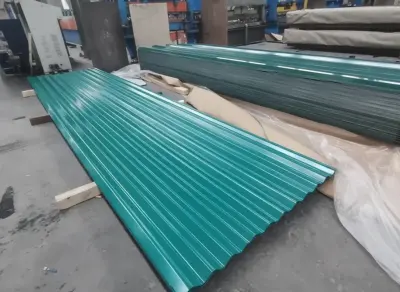
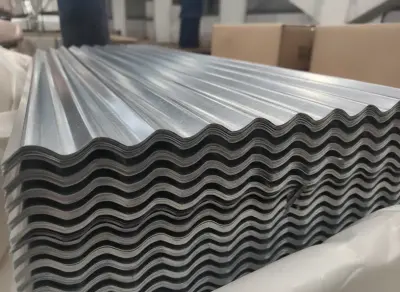
Roll formers convert the coil into corrugated sheets, trapezoidal roofing panels, standing-seam systems, wall cladding, flashings, and related building components. The coating provides atmospheric protection, while the steel substrate supplies the strength needed for profiling and installation. Designers should consider drainage, condensation control, fastener compatibility, cut-edge protection, and local building requirements. Roofing profile information can be linked through [[INTERNAL_LINK]].
Pre-Painted Building Products
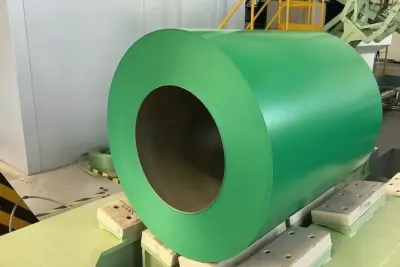
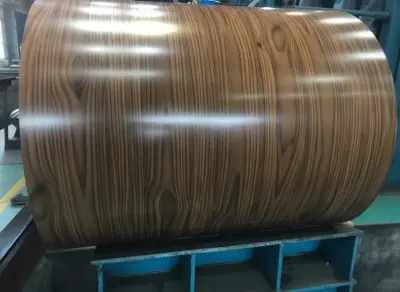
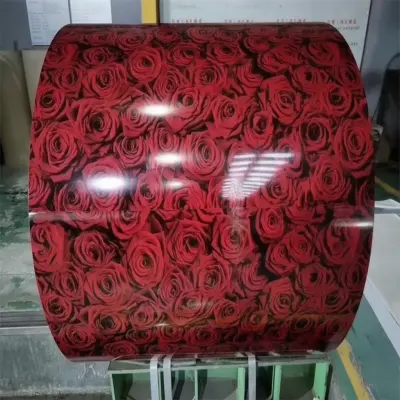
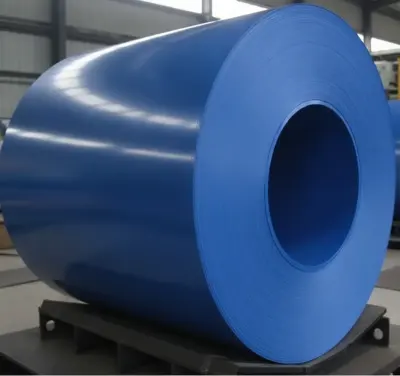
Al-Zn coated substrate is frequently used beneath compatible primer and paint systems for pre-painted roofing, siding, ceiling panels, garage doors, and architectural components. Paint adhesion depends on surface pretreatment, coating condition, paint chemistry, and curing parameters. Buyers sourcing substrate for color coating should disclose the intended paint line and end-use exposure rather than ordering only by surface appearance. See related pre-painted coil options at [[INTERNAL_LINK]].
Heating, Ventilation, and Fabricated Components
Fabricators may use Al-Zn Coated Steel Coil for selected ducting, housings, cabinets, cable-management products, and formed sheet-metal parts. Material selection should account for bending severity, seam design, joining method, operating temperature, and exposure to condensate. Trial processing is advisable when changing from galvanized steel because coating behavior and machine settings may differ.
Appliance and Equipment Panels
Suitable grades can be formed into panels, backs, internal components, guards, and enclosures for appliances or light industrial equipment. The purchaser should specify appearance expectations, flatness, surface treatment, forming depth, and whether painting or adhesive bonding follows fabrication. A forming-grade comparison is available at [[INTERNAL_LINK]].
Solar and General Construction Components
Al-Zn coated flat steel may be selected for certain solar-related housings, light framing components, construction accessories, and rainwater-management products. Structural use requires an ordered structural grade with verified mechanical properties. For outdoor assemblies, engineers should also evaluate crevices, water retention, electrical contact with dissimilar metals, and compatibility with sealants or treated timber.
How to Choose Al-Zn Coated Steel Coil / Buying Guide
Purchasing Al-Zn Coated Steel Coil begins with the finished component, not the supplier’s general catalog. A procurement manager should gather the profile drawing, design thickness, required strength, forming method, expected exposure, annual consumption, unloading limitations, and destination-country compliance requirements before requesting quotations.
Define the Standard, Grade, and Dimensions
State one governing standard, the full grade designation, nominal thickness, width, and tolerance expectations. Clarify whether thickness is evaluated as coated product thickness under the selected standard. If the steel will be roll formed, specify the profile geometry and minimum bend radius. For structural panels, obtain engineering approval for the grade and design values rather than substituting a commercial-quality substrate.
Select the Coating and Surface Treatment
Choose the coating designation based on service environment, desired life, forming severity, and project specification. More coating is not a substitute for sound detailing: standing water, trapped debris, incompatible materials, and damaged edges can shorten service life. State whether passivation, anti-fingerprint treatment, oiling, or a paint-ready surface is required. Confirm restricted-substance and surface-treatment requirements for the destination market where applicable. Additional corrosion-selection guidance is available at [[INTERNAL_LINK]].
Verify Certification and Inspection Scope
Request an inspection document that identifies the heat or coil, ordered grade, dimensions, coating designation, and reported test results required by the contract. For EN-based purchasing, specify the required inspection-document type under EN 10204, such as 3.1, only when it is available and contractually agreed. Third-party inspection, witness testing, sample retention, or pre-shipment inspection should be discussed before order confirmation because these measures can affect cost and schedule.
Confirm MOQ and Production Allocation
There is no universal minimum order quantity for Al-Zn Coated Steel Coil. MOQ depends on grade, coating, dimensions, surface treatment, slit configuration, packing method, and whether suitable material is already scheduled or in stock. Ask the supplier to distinguish stock availability from made-to-order production. Combining compatible sizes may improve production efficiency, but only after confirming that every coil meets the contractual specification.
Assess Lead Time Realistically
Lead time should cover technical review, raw-material or line allocation, coating, finishing, testing, packing, inland transport, and export handling. Custom grades, uncommon widths, special surface treatments, third-party inspection, and mixed-size orders may require additional time. Request a written production and shipment estimate after the specification is finalized; an early estimate based on an incomplete inquiry is not a firm delivery commitment.
Plan Packing and International Logistics
Specify eye orientation, wrapping expectations, edge protection, pallet or skid requirements, lifting restrictions, coil identification, and any maximum coil weight or outside diameter. Packaging must suit the transport route and handling method, but protective wrapping does not eliminate the need for dry storage. Container loading must account for legal weight limits, cargo securing, axle loads, and safe unloading at destination. Review the coil handling guide at [[INTERNAL_LINK]].
A useful request for quotation should include product standard, grade, coating designation, thickness, width, coil weight, surface treatment, edge condition, total quantity, packing, inspection-document requirement, destination, and requested delivery window. This level of detail enables suppliers to quote comparable material and reduces later commercial revisions.
Al-Zn Coated Steel Coil Frequently Asked Questions
Q: What is the difference between Al-Zn Coated Steel Coil and galvanized steel coil?
A: Al-Zn Coated Steel Coil uses an aluminum-zinc alloy coating, commonly based on a nominal 55% aluminum composition, whereas conventional galvanized steel uses a zinc-dominant coating. The aluminum-zinc coating combines barrier protection from aluminum with sacrificial behavior from zinc. The better choice depends on the environment, forming operation, joining method, paint system, project specification, and expected cut-edge exposure. The products should not be substituted without technical review.
Q: Is Al-Zn Coated Steel Coil the same as Galvalume steel?
A: “Galvalume” is widely used in the market for steel coated with a nominal 55% aluminum-zinc alloy, but commercial naming and trademark use can vary by supplier and region. For unambiguous procurement, specify the governing standard, grade, and coating designation rather than relying only on the trade name.
Q: Which international standards apply to Al-Zn Coated Steel Coil?
A: Common references include ASTM A792/A792M, EN 10346, JIS G 3321, and GB/T 14978. Each standard has its own grade system, coating designations, tolerances, and test provisions. A supplier should quote against the exact standard listed in the inquiry. Equivalence between standards requires technical comparison and should not be assumed from similar product descriptions.
Q: Can you provide a mill test certificate or EN 10204 3.1 certificate?
A: Inspection documentation can be requested, but its format and availability must be agreed before order placement. For an EN 10204 3.1 document, the order should specify that requirement together with the applicable product standard. Buyers should review whether the certificate identifies the coil, grade, coating designation, dimensions, and relevant test results required by the contract.
Q: What is the minimum order quantity for Al-Zn Coated Steel Coil?
A: MOQ is not fixed across all specifications. It depends on whether the requested grade and dimensions are in stock, the coating designation, surface treatment, slitting requirements, packing, and current production planning. Send a complete specification and required quantity so the supplier can confirm the practical minimum for that item.
Q: What information is required to receive an accurate quotation?
A: Provide the standard, full grade, coating designation, thickness, width, coil weight, surface treatment, edge condition, quantity, packing requirement, inspection documents, destination, and required delivery period. Include drawings or forming details for demanding profiles. Without these points, quotations may be based on different technical assumptions and cannot be compared reliably.
Q: What payment methods are available for export orders?
A: Payment terms depend on order value, production status, credit assessment, destination, and the commercial agreement. Common international structures may include bank transfer or letter of credit, but no method should be assumed before confirmation. The pro forma invoice or sales contract should state the currency, deposit or payment schedule, bank charges, document conditions, and balance-payment trigger.
Q: How long is the production and delivery lead time?
A: Lead time varies with specification, quantity, material availability, mill schedule, testing, packing, inspection, and logistics. Stock material may follow a different schedule from custom production. The supplier can issue a meaningful estimate after completing the technical review, while vessel schedules and customs processing remain subject to the selected shipping arrangement.
Q: Can Al-Zn Coated Steel Coil be painted or roll formed?
A: Yes, suitable material can be roll formed and can serve as a substrate for compatible coating systems. However, forming performance depends on steel grade, thickness, coating mass, profile geometry, tooling, and lubrication. Painting or bonding depends on surface treatment and pretreatment compatibility. Inform the supplier of the downstream process and conduct trials before volume production where the application is demanding.
Q: How should Al-Zn Coated Steel Coil be stored after delivery?
A: Store coils in a dry, covered, ventilated area and protect them from rain, condensation, standing water, corrosive chemicals, and direct contact with wet floors. Inspect the packaging on arrival and address damage promptly. Long-term storage in unopened wet packaging can cause staining. Use appropriate lifting equipment and follow the supplier’s coil-handling instructions to prevent edge damage and safety hazards.
Q: Is Al-Zn Coated Steel Coil suitable for coastal or chemical environments?
A: Suitability cannot be determined from the product name alone. Coastal salt, industrial pollutants, ammonia, acidic or alkaline exposure, persistent condensation, and poor drainage can accelerate corrosion. An engineer or coating specialist should assess the site, coating designation, paint system, detailing, fasteners, maintenance plan, and expected service life. For severe exposure, additional protective measures may be necessary.
Send your required Al-Zn Coated Steel Coil standard, grade, coating designation, dimensions, surface treatment, quantity, certification needs, and destination to request a technically aligned quotation. Drawings, profile details, or existing material specifications are also useful for reviewing forming requirements, packing options, production lead time, and export logistics before order confirmation.
Ratings & Reviews

Know your supplier
Supplier's customization ability
- Drawing-based customization
- Sample-based customization
- Full customization
Minimum order quantity: 5 ton
Shipping total: To be negotiated
- Lead time:
- confirmed with the quotation
- Packaging:
- standard export packing
- Samples:
- available on request