 English
 Español
 Français
 Deutsch
 Português (Brasil)
 Русский
 العربية

Corrugated Steel Plate Manufacturer | Custom Sizes & Wholesale Supply
 China
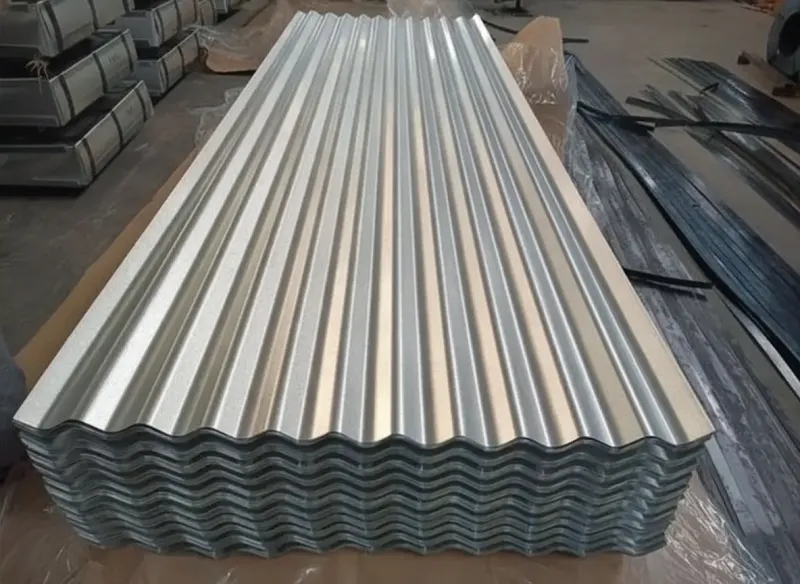
Supplier's customization ability
- Drawing-based customization
- Sample-based customization
- Full customization
Minimum order quantity: 20 ton
Shipping total: To be negotiated
- Lead time:
- confirmed with the quotation
- Packaging:
- standard export packing
- Samples:
- available on request
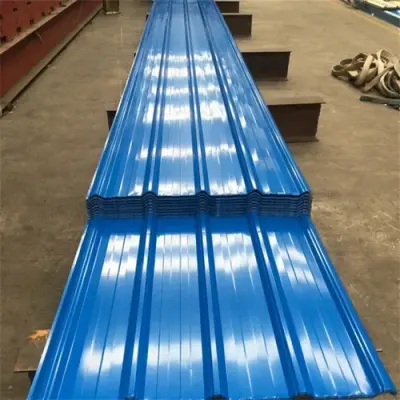
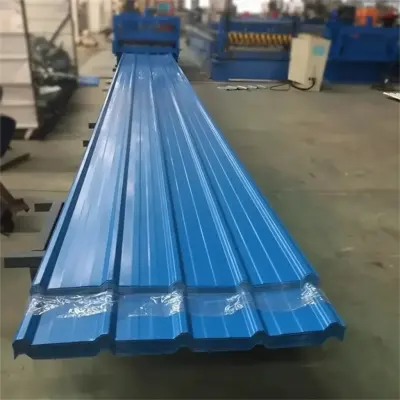
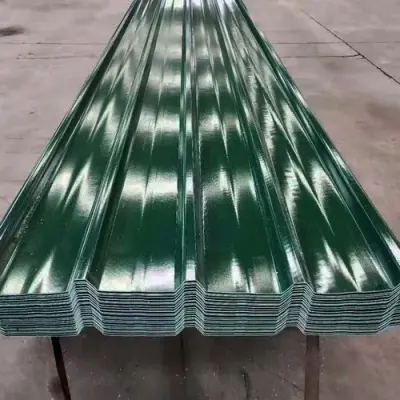
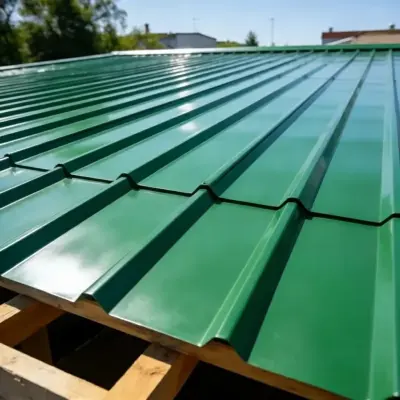
Product details
Corrugated Steel Plate Technical Specifications
| Product Attribute | Technical Specification |
|---|---|
| Product Name | Corrugated Steel Plate |
| Base Material | Carbon steel, galvanized steel, Galvalume steel, or weathering steel |
| Common Steel Grades | Q235, Q355, S235JR, S355JR, ASTM A36, ASTM A572 Grade 50, or equivalent |
| Applicable Standards | ASTM A36/A36M, ASTM A653/A653M, ASTM A792/A792M, EN 10025, EN 10346, JIS G3302, or customer-specified standard |
| Plate Thickness | 1.5-12.0 mm; custom thickness available |
| Effective Width | 600-1250 mm, depending on corrugation profile |
| Plate Length | 1000-12000 mm or cut to required length |
| Corrugation Profile | Sinusoidal, trapezoidal, deep corrugated, or customized profile |
| Corrugation Pitch | 68-400 mm; customizable by design requirements |
| Corrugation Depth | 13-150 mm; customizable by structural load requirements |
| Yield Strength | 235-550 MPa, depending on steel grade |
| Tensile Strength | 360-700 MPa, depending on steel grade |
| Metallic Coating | Hot-dip galvanized zinc coating or 55% aluminum-zinc alloy coating |
| Zinc Coating Weight | Z80-Z600 g/m², both sides combined |
| Surface Treatment | Chromated, passivated, oiled, anti-fingerprint, painted, or untreated |
| Surface Finish | Regular spangle, minimized spangle, zero spangle, matte, or mill finish |
| Color Coating | PE, SMP, HDP, or PVDF coating available in standard and custom RAL colors |
| Fabrication Services | Cutting, drilling, punching, bending, welding, edge forming, and prefabrication |
| Dimensional Tolerance | According to applicable ASTM, EN, JIS, or agreed project specification |
| Typical Applications | Bridges, culverts, tunnels, retaining structures, silos, roofing, wall cladding, industrial buildings, and infrastructure projects |
| Inspection and Testing | Chemical composition, mechanical properties, coating thickness, dimensions, profile geometry, and surface quality inspection |
| Documentation | Mill Test Certificate EN 10204 3.1, inspection report, coating certificate, and third-party inspection upon request |
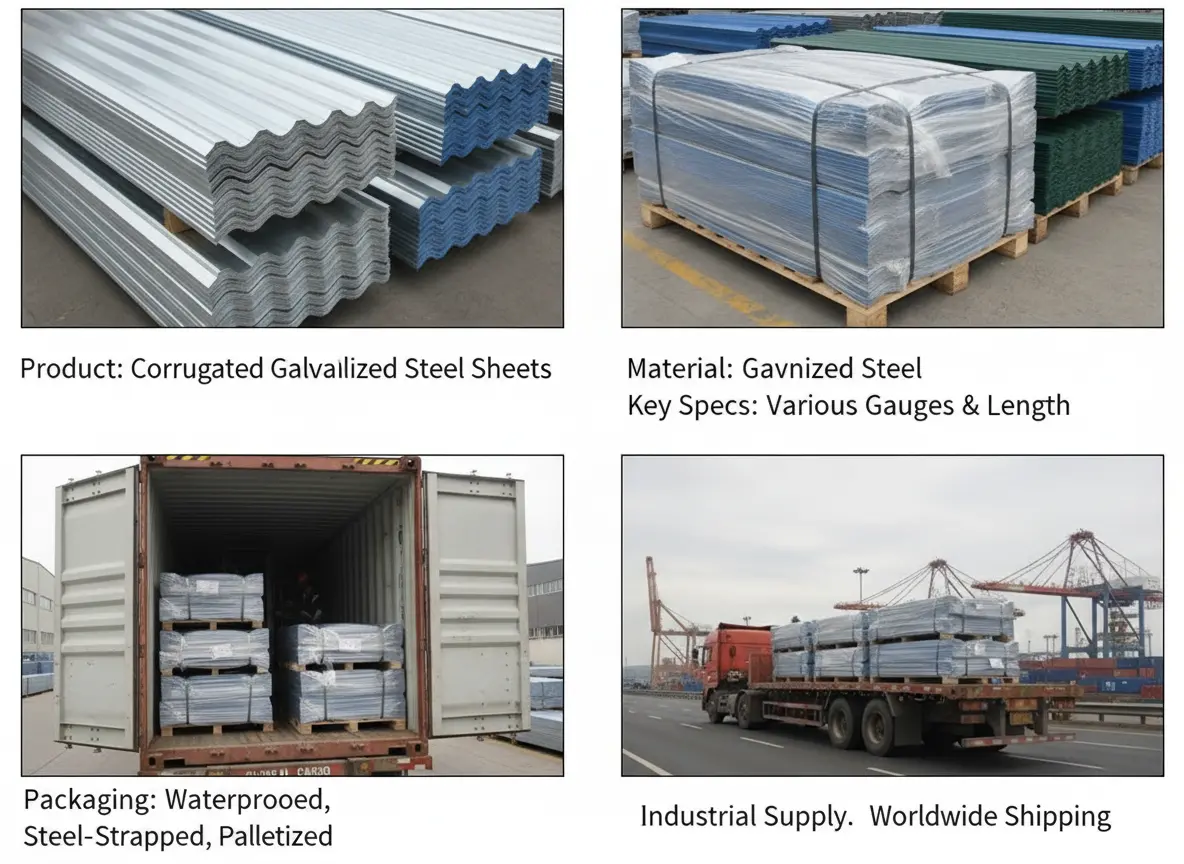
| Packaging | Waterproof wrapping with steel straps, protective edge guards, and export-standard bundles |
| Customization | Steel grade, dimensions, corrugation profile, hole pattern, coating, color, and fabrication can be customized |
Corrugated Steel Plate Manufacturer | Custom Sizes & Wholesale Supply
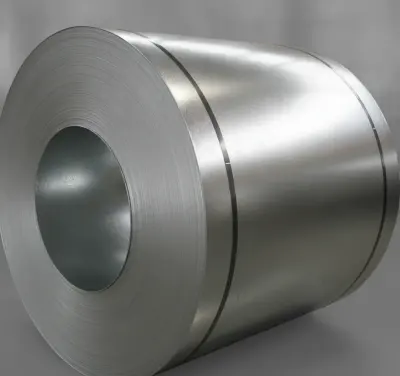
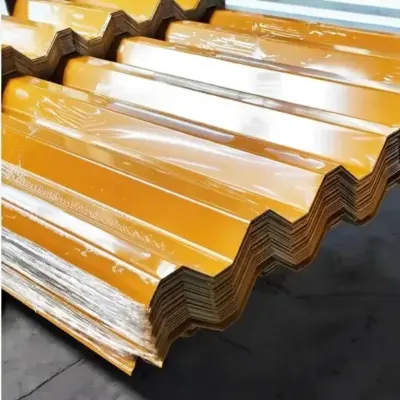
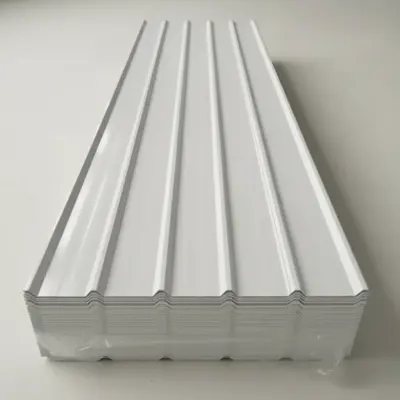
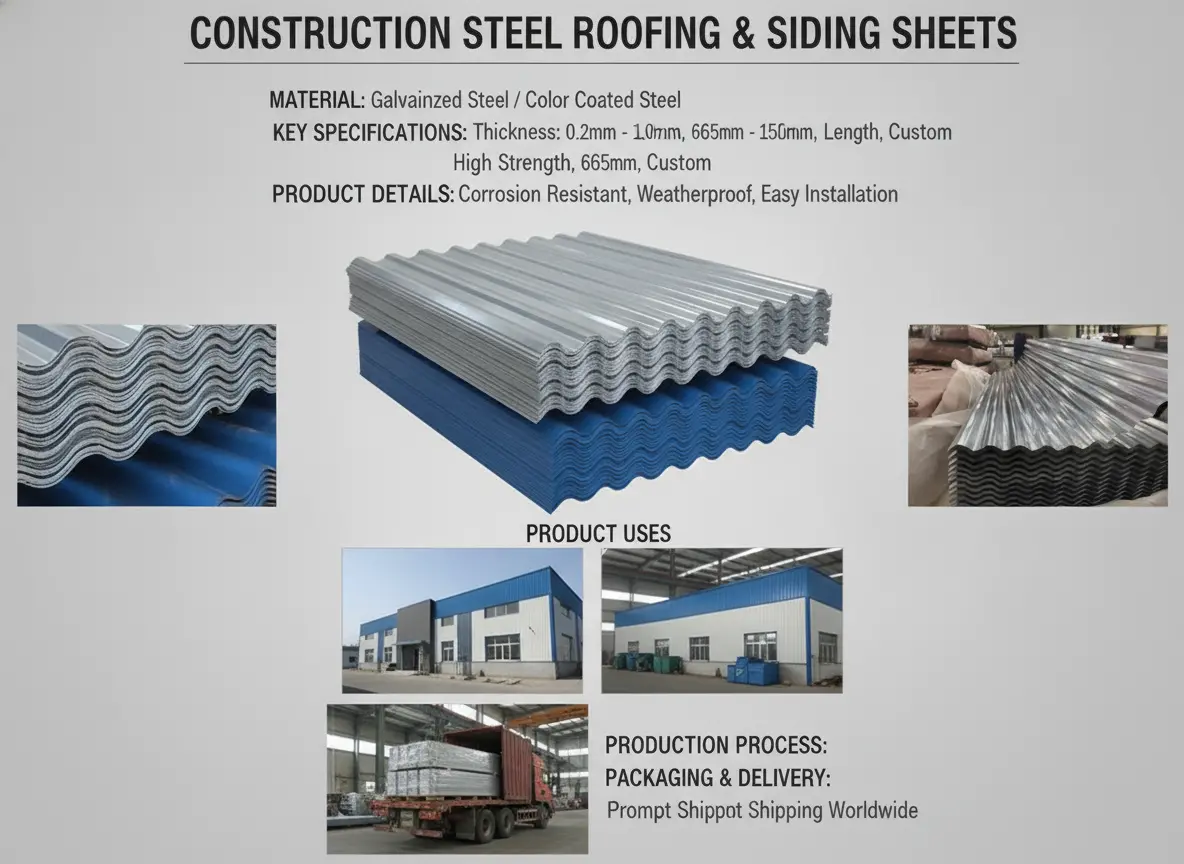
Corrugated steel plate is a profiled metal product formed with repeating waves or ribs to improve stiffness, drainage, and load distribution while controlling material weight. It serves overseas distributors, roofing contractors, agricultural builders, infrastructure companies, fabricators, and project procurement teams that require consistent dimensions and documented material compliance. Depending on the application, buyers can specify galvanized, aluminum-zinc coated, pre-painted, or uncoated steel substrates, together with the required profile, thickness, width, length, and coating system. Custom production and wholesale supply help purchasers match installation conditions, corrosion exposure, fabrication needs, packing limits, and project schedules without relying on unsuitable standard-size inventory.
Corrugated Steel Plate Product Overview
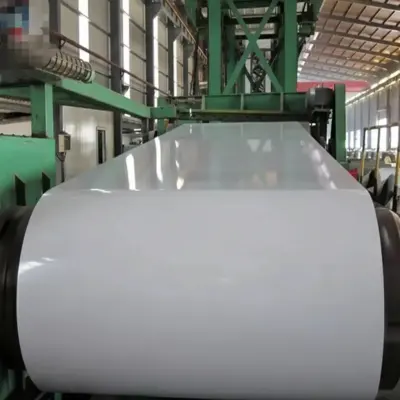
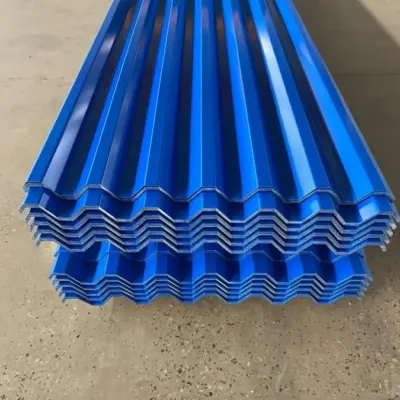
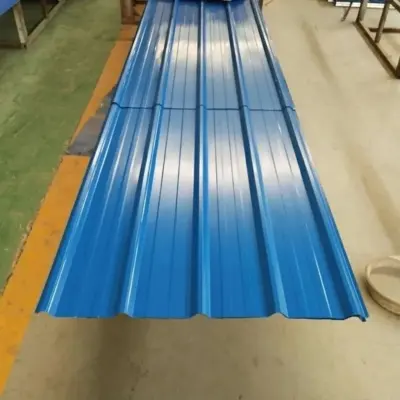
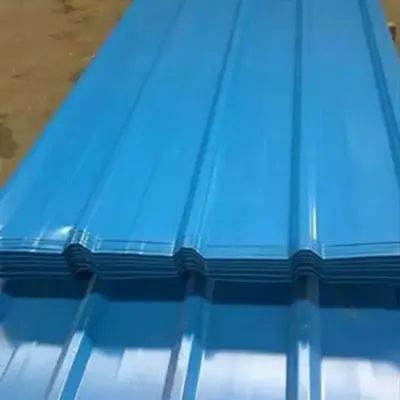
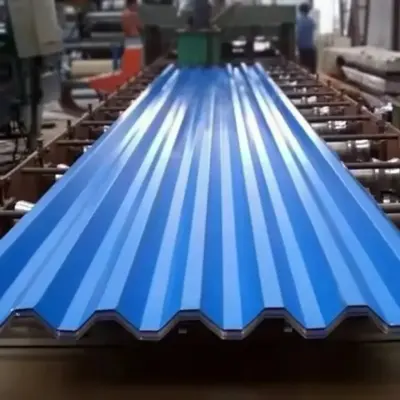
Corrugated steel plate is manufactured by roll forming or pressing flat steel into a repeating profile. The corrugations increase section rigidity compared with a flat sheet of similar thickness, making the material suitable for roofing, wall cladding, enclosures, drainage structures, and other applications where span capability and efficient water shedding are important. The exact performance depends on the base steel, profile geometry, nominal thickness, metallic coating, paint system, support spacing, fasteners, and installation method.
The term can describe two related product groups. Light-gauge corrugated steel plate is commonly supplied for roofing, siding, fencing, and general fabrication. Heavier structural corrugated plate may be curved, punched, and assembled into culverts, underpasses, drainage channels, or buried structures. These products are not automatically interchangeable. A purchase order should identify the intended use and applicable standard instead of specifying only “corrugated plate.” Buyers comparing alternative sheet products can review [[INTERNAL_LINK]] before confirming the profile.
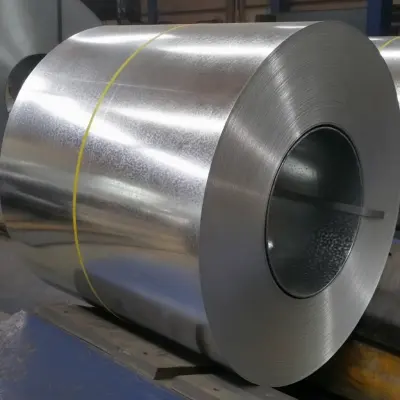
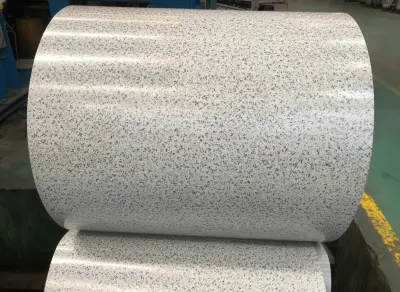
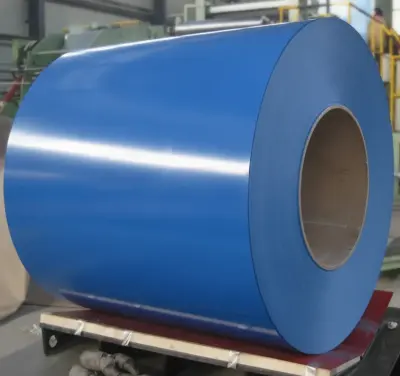
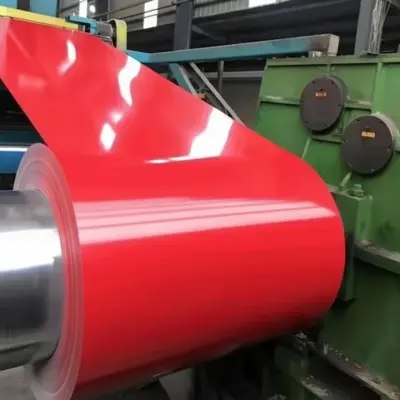
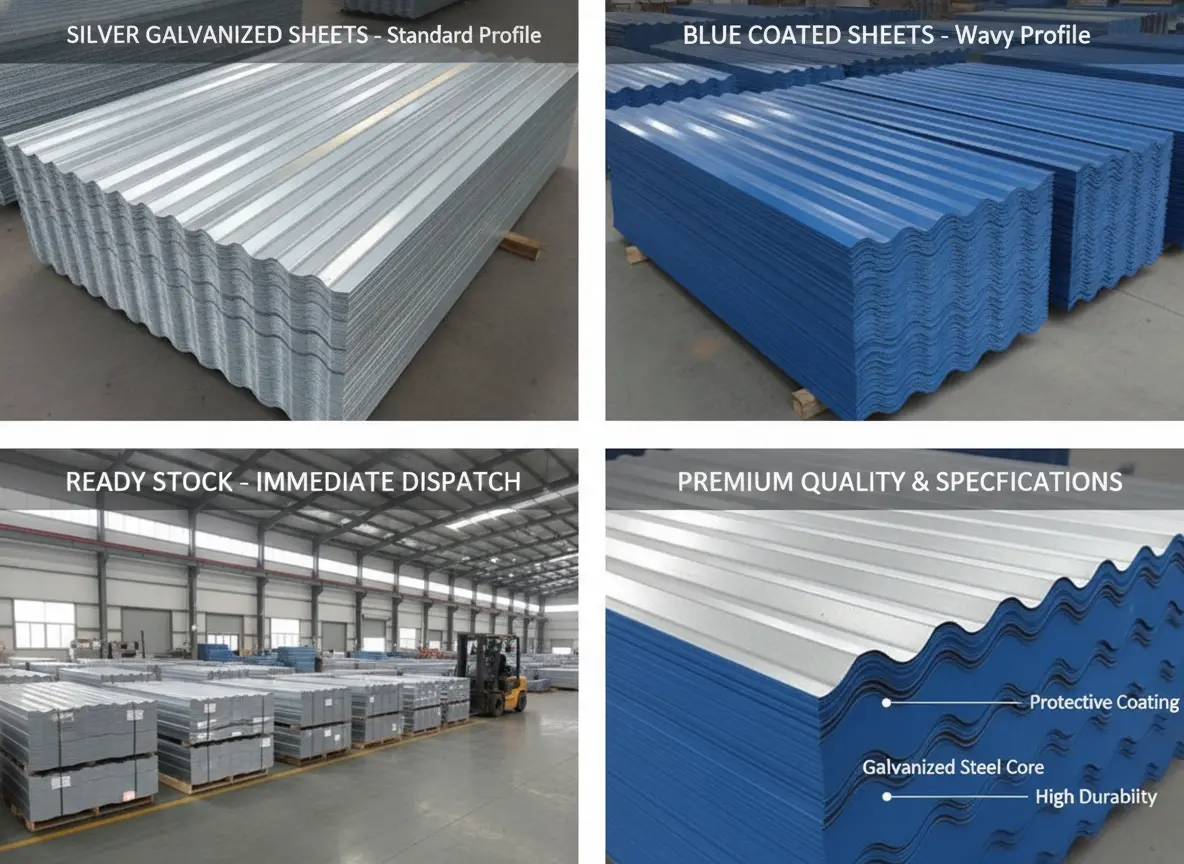
Common material configurations include hot-dip galvanized steel, aluminum-zinc alloy-coated steel, pre-painted metallic-coated steel, and uncoated carbon steel for subsequent fabrication or protective treatment. Galvanized material uses a zinc coating as a corrosion-protection layer. Aluminum-zinc alloy coatings provide a different combination of barrier and sacrificial protection, while pre-painted products add an organic coating selected for appearance and environmental resistance. Uncoated plate is generally chosen only when the purchaser has a defined painting, galvanizing, or lining process.
Key purchasing characteristics include:
- Profile geometry: Corrugation depth, pitch, crown shape, and side-lap design affect stiffness, coverage, fastening, and compatibility with existing panels.
- Base metal: Steel grade and forming quality must support the required bending, punching, roll forming, and service loads.
- Thickness: Orders should state whether thickness refers to base metal thickness or total coated thickness.
- Surface protection: Metallic coating mass, paint system, color, gloss, and reverse-side coating should be defined where relevant.
- Dimensional control: Overall width, effective cover width, sheet length, squareness, and profile tolerances influence installation efficiency.
- Traceability: Material certificates, coil or heat references, inspection records, and packing identification support receiving inspection.
For related metallic-coated products and surface options, procurement teams may consult [[INTERNAL_LINK]] and [[INTERNAL_LINK]].
Corrugated Steel Plate Specifications & Standards
Corrugated steel plate specifications should be based on the final application and the standard named in the contract. No single grade, coating designation, or mechanical property applies to every corrugated product. For that reason, quotations should separate base material requirements from profile and finished-panel requirements.
Frequently referenced material standards include ASTM A653/A653M for zinc-coated or zinc-iron alloy-coated steel sheet, ASTM A792/A792M for 55% aluminum-zinc alloy-coated steel sheet, EN 10346 for continuously hot-dip coated steel flat products, JIS G 3302 for hot-dip zinc-coated steel sheet and strip, and GB/T 2518 for continuously hot-dip zinc and zinc-alloy coated steel sheet and strip. Structural corrugated steel plate intended for field-bolted pipe, arches, or similar assemblies may be specified to ASTM A761/A761M. The appropriate edition and any project-specific amendments should be confirmed in the purchase contract.
| Product or Requirement | Applicable Reference | Procurement Relevance |
|---|---|---|
| Hot-dip galvanized steel sheet | ASTM A653/A653M | Defines grade designations, coating designations, dimensions, and testing requirements for zinc-coated sheet. |
| 55% aluminum-zinc alloy-coated sheet | ASTM A792/A792M | Applies when an aluminum-zinc alloy metallic coating is specified instead of conventional galvanizing. |
| European continuously hot-dip coated flat steel | EN 10346 | Provides steel grades, coating designations, mechanical properties, and delivery conditions used in European supply chains. |
| Japanese galvanized sheet and strip | JIS G 3302 | Used for orders requiring Japanese grade, coating, surface, and dimensional designations. |
| Chinese zinc or zinc-alloy coated sheet | GB/T 2518 | Relevant to continuously coated sheet and strip supplied under Chinese national requirements. |
| Structural corrugated steel plate | ASTM A761/A761M | Covers corrugated steel structural plate and related material requirements for assembled structures. |
Chemical composition and mechanical properties must follow the selected steel grade rather than a generic corrugated steel plate description. Buyers should avoid inserting values from one standard into an order based on another standard because grade names that appear similar may have different test methods, thickness limitations, or property ranges.
| Property | How It Should Be Specified | Verification Document |
|---|---|---|
| Chemical composition | According to the selected grade and applicable edition of ASTM A653/A653M, ASTM A792/A792M, EN 10346, JIS G 3302, GB/T 2518, or ASTM A761/A761M | Mill test certificate or inspection certificate, as contractually required |
| Yield strength | Minimum or range defined by the ordered grade and thickness | Tensile test results where required by the governing standard |
| Tensile strength | Requirement defined by the ordered grade | Material certificate and test report |
| Elongation | Applicable value based on grade, gauge length, specimen orientation, and thickness | Tensile test report |
| Metallic coating mass | Coating designation stated in the purchase order; do not rely only on the word “galvanized” | Coating test result or certificate |
| Paint coating | Primer, topcoat, back coat, color, gloss, and performance requirements agreed before production | Coating inspection record where requested |
A complete corrugated steel plate inquiry should state nominal thickness, substrate grade, coating designation, profile drawing, overall and effective width, cut length, quantity, tolerance requirements, edge condition, hole pattern if applicable, and packing method. For pre-painted products, include the color reference and required coating system. For structural plates, include curvature, corrugation geometry, bolt-hole arrangement, assembly drawings, design loads, and any third-party inspection requirement. Additional guidance on steel thickness terminology is available at [[INTERNAL_LINK]].
Dimensional values should be confirmed through an approved drawing or technical data sheet because profile dimensions vary among manufacturers, forming lines, and regional installation systems. A sample or trial assembly may be appropriate when a new panel must connect to existing material.
Corrugated Steel Plate Applications
Corrugated steel plate is used across construction, agriculture, industry, and infrastructure, but each application imposes different requirements for strength, corrosion protection, profile compatibility, and documentation.
Roofing and Wall Cladding
Profiled galvanized or pre-painted sheets are used on warehouses, workshops, logistics buildings, agricultural structures, canopies, and equipment shelters. Roofing orders should account for roof slope, design loads, support spacing, side and end laps, fastener type, drainage, and local building requirements. Effective cover width, rather than overall panel width, should be used when calculating the number of sheets. Buyers planning a complete envelope package may also review [[INTERNAL_LINK]].
Agricultural and Livestock Buildings
Corrugated panels are used for barns, storage sheds, machinery shelters, and wall systems. Fertilizers, animal waste, humidity, and cleaning chemicals can create aggressive exposure conditions, so coating selection should be based on the actual environment. Cut edges, fastener penetrations, condensation control, and contact with treated timber also require attention.
Industrial Enclosures and General Fabrication
Fabricators use corrugated steel plate for equipment housings, partitions, screens, temporary barriers, containers, and protective covers. In these projects, consistent profile geometry is important for joining multiple sheets and maintaining repeatable assemblies. Formability, weldability, and coating damage during fabrication should be assessed before the material is selected.
Drainage and Buried Structures
Structural corrugated plate can be assembled into large drainage conduits, culverts, arches, and underpasses where engineered soil-structure interaction is part of the design. ASTM A761/A761M may apply to the structural plate material, but project approval also depends on engineering calculations, foundation conditions, backfill selection, compaction, connection details, and local authority requirements. Material compliance alone does not establish the load capacity of a completed structure. Related infrastructure products can be explored through [[INTERNAL_LINK]].
Fencing and Site Protection
Corrugated sheets are also used for perimeter fencing, construction-site hoarding, privacy screens, and wind barriers. Purchasers should specify panel thickness, post spacing, edge treatment, wind-load criteria, surface finish, and safe handling details. Temporary and permanent installations may require different substrate and coating choices.
How to Choose Corrugated Steel Plate / Buying Guide
Corrugated steel plate procurement should begin with a written application specification. A product selected only by thickness and price may arrive with the wrong cover width, coating designation, profile, or mechanical properties. The following checks help purchasing managers compare quotations on an equivalent basis.
1. Define the Profile and Finished Dimensions
Provide a dimensioned drawing showing corrugation pitch, depth, crown shape, side-lap geometry, overall width, effective width, and length. State whether tolerances apply to the flat substrate or the finished profile. If the plate must match an existing roof or structure, send a verified drawing or physical sample because similar-looking profiles may not overlap correctly.
2. Select the Base Steel and Surface Protection
Choose the standard and grade according to forming demand, structural design, service environment, and regulatory requirements. State the metallic coating designation explicitly. For painted material, identify the paint system, color standard, gloss level, exposed side, and reverse-side requirements. Guidance on galvanized and aluminum-zinc coated products can be found at [[INTERNAL_LINK]].
3. Confirm Certification and Inspection
Specify the required documentation before ordering. Depending on the contract, this may include a manufacturer’s certificate, mill test certificate, EN 10204 type 3.1 inspection certificate, coating test results, dimensional report, or third-party inspection. EN 10204 defines inspection document types; it does not replace the product standard. Buyers should also confirm whether certification must identify each bundle, coil, heat, or production lot.
4. Discuss MOQ and Production Planning
The minimum order quantity for corrugated steel plate depends on substrate availability, profile tooling, color, coating system, sheet length, packing, and whether the order can be combined with scheduled production. A supplier should confirm MOQ against the actual specification instead of offering a universal quantity. Custom profiles or uncommon coatings may require additional production planning.
5. Verify Lead Time Before Contracting
Lead time can include raw material procurement, coating, profiling, cutting, punching, inspection, packing, and export documentation. Ask whether the quoted schedule starts from purchase-order confirmation, deposit receipt, technical drawing approval, or color-sample approval. For project deliveries, divide the order into clearly identified lots and agree on the sequence required at the site.
6. Plan Export Packing and Logistics
Sheet length, bundle weight, lifting method, container dimensions, route restrictions, and unloading equipment all affect logistics. Packing should protect the surface and edges while allowing safe mechanical handling. Pre-painted sheets may require additional separation and moisture control. The purchaser should request a preliminary packing plan for long panels or heavy structural plates and coordinate shipping marks with the receiving warehouse. See [[INTERNAL_LINK]] for general steel export packing considerations.
7. Compare Total Delivered Value
Evaluate quotations using the same standard, grade, base metal thickness, coating designation, effective cover width, sheet length, certification level, packing method, and delivery term. Comparing only price per tonne can be misleading when usable coverage, coating mass, inspection scope, or packaging differs. Clarify the applicable Incoterms rule and named place in the sales contract.
Corrugated Steel Plate Frequently Asked Questions
Q: What is the difference between corrugated steel plate and corrugated galvanized steel sheet?
A: Corrugated steel plate describes the profiled form and may include galvanized, aluminum-zinc coated, painted, or uncoated steel. Corrugated galvanized steel sheet specifically uses a zinc-coated substrate. The words “plate” and “sheet” are also used differently across markets, so the purchase order should state the actual base metal thickness, grade, standard, coating designation, and profile dimensions.
Q: Which standard should I specify for corrugated steel plate?
A: The correct standard depends on the product and destination. ASTM A653/A653M, EN 10346, JIS G 3302, and GB/T 2518 are commonly referenced for zinc-coated flat steel used to make profiled sheets. ASTM A792/A792M applies to 55% aluminum-zinc alloy-coated sheet. ASTM A761/A761M may apply to structural corrugated plate used in assembled structures. Local codes and project specifications must also be checked.
Q: Can corrugated steel plate be produced in custom sizes?
A: Custom length, thickness, width, profile, coating, color, punching, and curvature may be available subject to production capability and raw material availability. The supplier should review a technical drawing before confirming feasibility. For replacement panels, a drawing or sample is especially important because profile pitch and lap details must match.
Q: What certificates are available with an export order?
A: Available documents depend on the selected material, mill, product standard, and contract. Buyers may request a certificate of conformity, mill test certificate, EN 10204 type 3.1 inspection certificate, coating test report, dimensional report, or third-party inspection. Required documents should be listed in the inquiry because they may affect sourcing, cost, and lead time.
Q: What is the minimum order quantity for corrugated steel plate?
A: MOQ is specification-dependent. Standard profiles made from regularly stocked substrates may support a different quantity from custom profiles, special colors, uncommon coating designations, or structural plates requiring dedicated processing. Submit the total quantity, dimensions, coating, and destination so the supplier can calculate a realistic MOQ and packing arrangement.
Q: How long does production and export delivery take?
A: Lead time depends on raw material status, profile availability, coating or painting requirements, order volume, inspection, packing, and shipping arrangements. The confirmed schedule should identify its starting point and separate manufacturing time from international transit time. Orders requiring drawing approval, color matching, or third-party inspection generally need those steps incorporated into the schedule.
Q: Which payment methods are normally used for wholesale orders?
A: Payment terms are agreed case by case according to order value, production requirements, credit approval, destination, and commercial risk. International wire transfer and documentary letter of credit are commonly considered in steel trade, but availability and exact terms must be stated in the supplier’s quotation and sales contract. Buyers should verify beneficiary information through an approved communication channel before payment.
Q: How should I calculate the required quantity for roofing?
A: Use the effective cover width after side laps, not the overall sheet width. Include roof geometry, end laps, eaves, ridges, openings, cutting allowances, and a project-appropriate contingency. Fasteners, flashings, ridge caps, sealants, and closure components should be calculated separately. Final quantities should be checked against approved installation drawings.
Q: Is a thicker corrugated steel plate always stronger?
A: Thickness affects capacity, but it is not the only factor. Steel grade, corrugation depth and pitch, support spacing, fastener arrangement, connection design, curvature, and installation quality also influence performance. Structural selection should follow engineering calculations and applicable building or infrastructure requirements rather than thickness alone.
Q: How can surface damage and white rust be reduced during transport?
A: Use suitable export packing, keep bundles dry, avoid prolonged exposure to trapped moisture, and unload with equipment that does not damage edges or coatings. Wet storage and condensation can stain metallic-coated sheets. Packaging should be removed or ventilated according to the supplier’s storage instructions after arrival, especially if moisture is detected.
Q: Can different coating standards be treated as direct equivalents?
A: Not automatically. ASTM, EN, JIS, and GB/T standards use their own grade names, coating designations, test procedures, and dimensional provisions. A technical comparison is necessary before substitution. Any equivalent proposal should be approved in writing by the purchaser, designer, or relevant project authority before production.
Send your corrugated steel plate specification, profile drawing, required standard, substrate grade, coating designation, dimensions, quantity, certification needs, packing instructions, and destination to request a technical review and itemized quotation. For orders that must match existing panels, include clear profile measurements or arrange sample evaluation so compatibility can be checked before production.
Ratings & Reviews

Know your supplier
Supplier's customization ability
- Drawing-based customization
- Sample-based customization
- Full customization
Minimum order quantity: 20 ton
Shipping total: To be negotiated
- Lead time:
- confirmed with the quotation
- Packaging:
- standard export packing
- Samples:
- available on request