 English
 Español
 Français
 Deutsch
 Português (Brasil)
 Русский
 العربية

Embossed Printed Steel Coil Manufacturer | Custom Decorative Steel Coils for Roofing & Cladding
 China

Supplier's customization ability
- Drawing-based customization
- Sample-based customization
- Full customization
Minimum order quantity: 5 ton
Shipping total: To be negotiated
- Lead time:
- confirmed with the quotation
- Packaging:
- standard export packing
- Samples:
- available on request
Product details
Embossed Printed Steel Coil Technical Parameters
| Parameter | Specification |
|---|---|
| Product Name | Embossed Printed Steel Coil |
| Material | Prepainted galvanized steel, galvalume steel, or cold rolled steel substrate |
| Surface Finish | Embossed texture with decorative printed pattern and protective top coating |
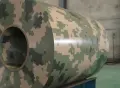
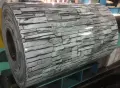
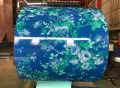
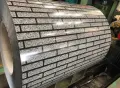
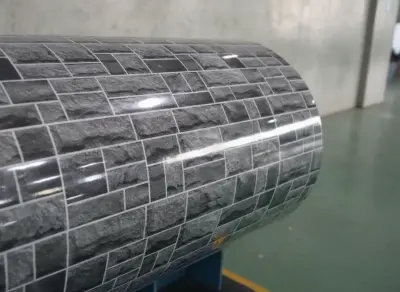
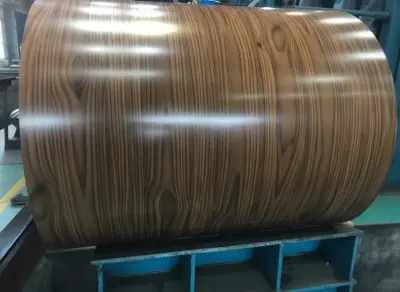
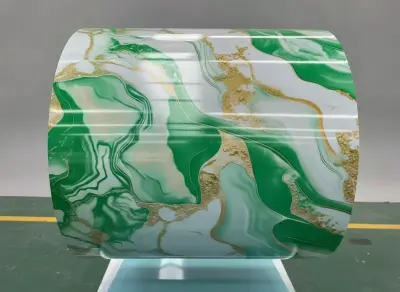
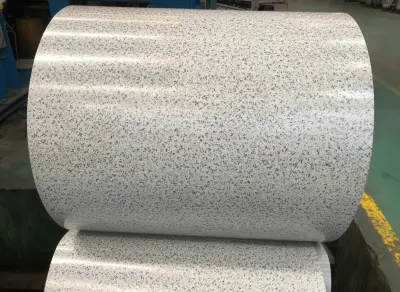
| Embossing Patterns | Wood grain, brick, stone, leather, geometric, floral, or customized patterns |
| Printing Technology | High-resolution digitally printed or roller-printed decorative design |
| Base Metal Thickness | 0.20–1.20 mm, customizable according to application requirements |
| Coil Width | 600–1,250 mm, with customized widths available |
| Coil Inner Diameter | 508 mm or 610 mm |
| Coil Weight | Typically 3–8 metric tons per coil, adjustable to customer requirements |
| Substrate Coating | Galvanized coating or aluminum-zinc coating available; coating mass can be customized |
| Paint System | PE, SMP, HDP, or PVDF coating systems available |
| Embossing Depth | Typically 0.20–1.00 mm, depending on the selected pattern |
| Color and Design | Wide range of RAL colors, wood, marble, stone, brick, and custom graphic designs |
| Mechanical Properties | Yield strength, tensile strength, and elongation can be supplied according to the selected substrate grade |
| Dimensional Tolerance | Manufactured according to applicable industry standards or agreed customer specifications |
| Applicable Standards | ASTM, EN, JIS, or other standards available upon request |
| Applications | Interior and exterior wall panels, roofing systems, ceiling panels, doors, partitions, decorative cladding, and building facades |
| Advantages | Decorative appearance, corrosion resistance, dimensional stability, easy processing, and suitability for continuous forming |
| Processing | Slitting, cutting, roll forming, bending, punching, and profiling can be provided |
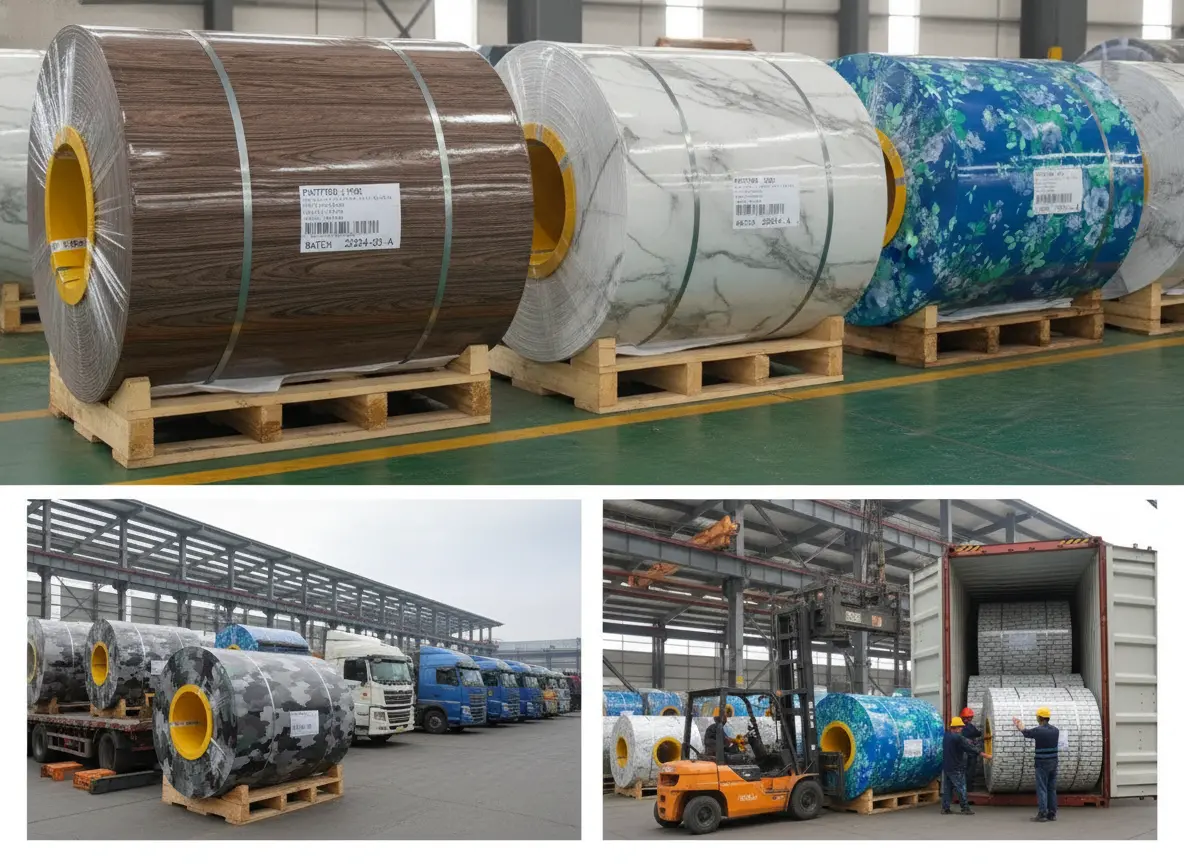
| Packaging | Standard seaworthy export packaging with waterproof paper, protective steel sheets, steel straps, and edge protection |
| Customization | Custom substrate, thickness, width, coating, embossing pattern, printing design, color, coil weight, and packaging available |
Embossed Printed Steel Coil Manufacturer | Custom Decorative Steel Coils for Roofing & Cladding
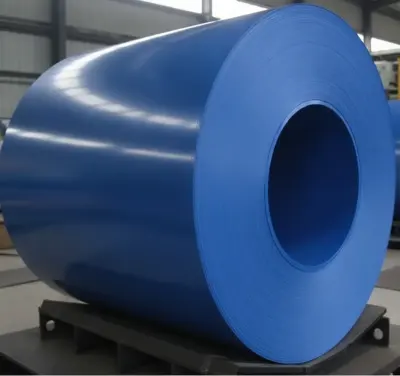
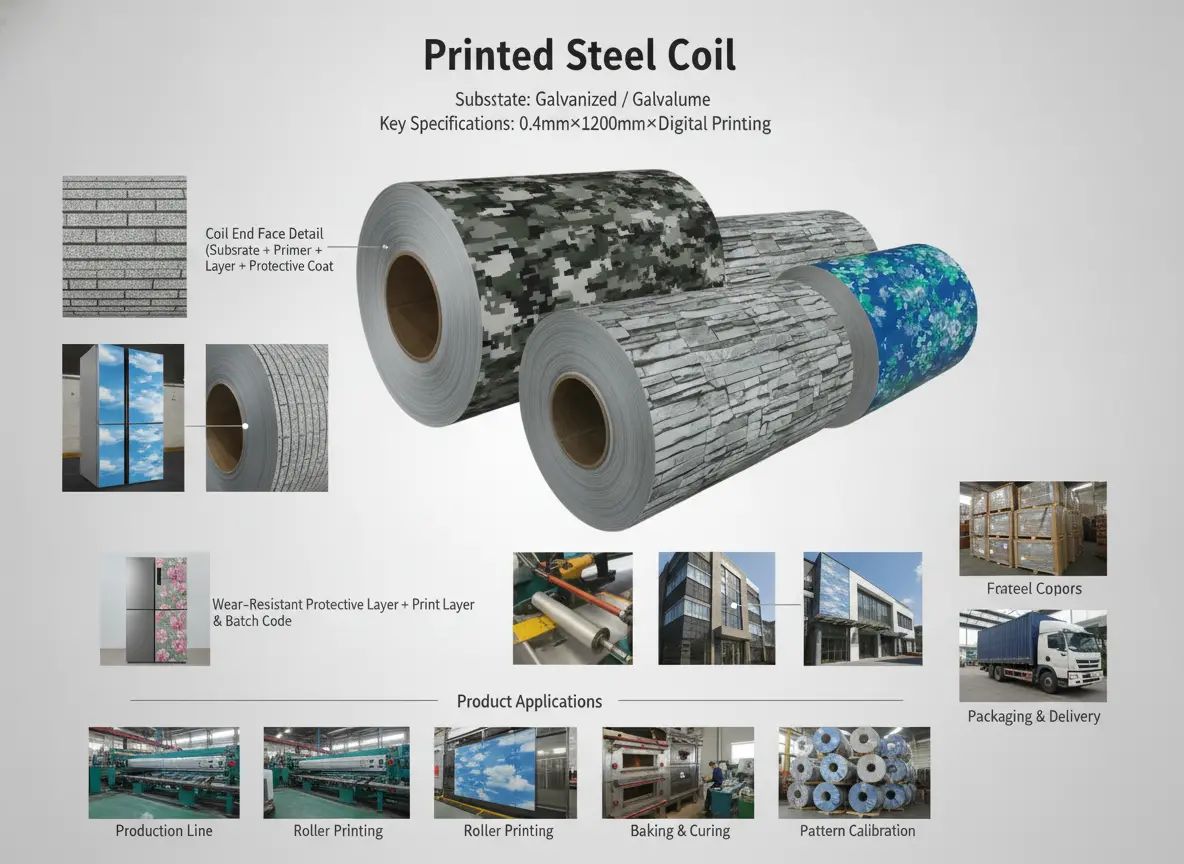
Embossed printed steel coil combines a patterned steel surface with a decorative printed finish for roofing, wall cladding, interior panels, doors, and other architectural applications. The product is designed for overseas distributors, roofing manufacturers, construction-material importers, fabricators, and project contractors that need coordinated appearance, repeatable coil processing, and documented material performance. Compared with plain painted steel, embossed printed steel coil adds visual texture while preserving the production advantages of coil-fed fabrication. Buyers can specify the substrate, metallic coating, paint system, embossing pattern, print design, dimensions, packaging, and inspection requirements according to the end application. See related options for prepainted steel coil and printed roofing sheet when comparing decorative steel solutions.
Product Overview
Embossed printed steel coil is a continuous steel strip that has been prepared with a metallic protective coating and/or organic coating, mechanically embossed with a selected surface pattern, and finished with a printed decorative layer or surface design. Depending on the production route, embossing may be formed before or after specific coating and printing stages. The manufacturing sequence should therefore be agreed with the supplier, especially where the project requires a precise pattern depth, tight dimensional tolerances, or a particular gloss level.
The steel substrate may be supplied as galvanized steel, zinc-aluminium coated steel, or another agreed coated-steel base. Common substrate selections include hot-dip galvanized steel and 55% aluminium-zinc alloy coated steel. The appropriate choice depends on the building environment, forming requirements, edge exposure, corrosion-risk assessment, and expected service conditions. Buyers comparing alternatives may also review galvanized steel coil and Aluzinc steel coil.
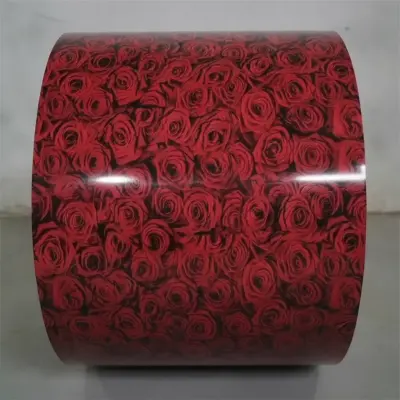
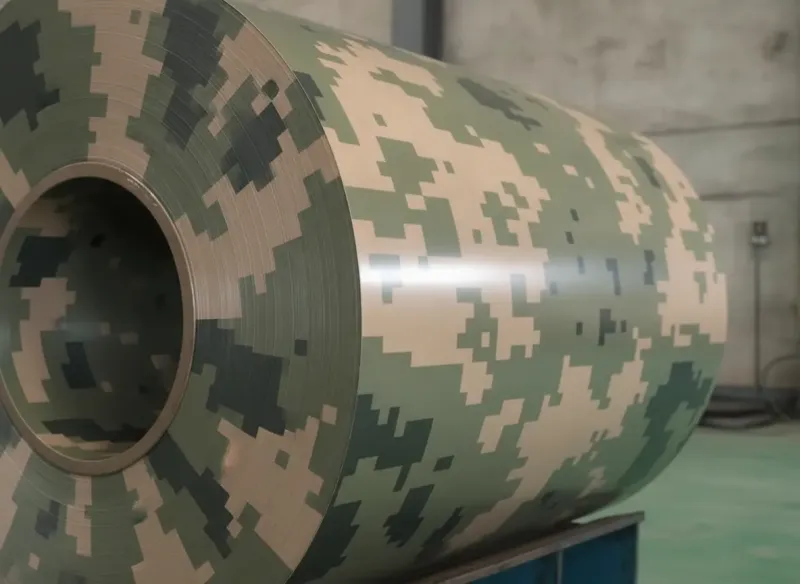
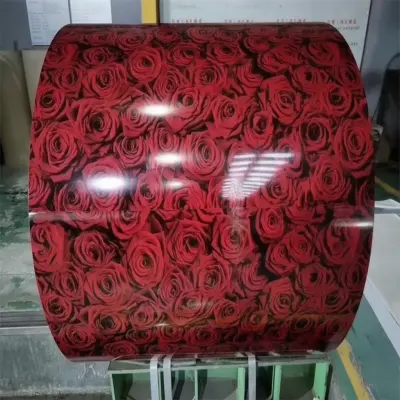
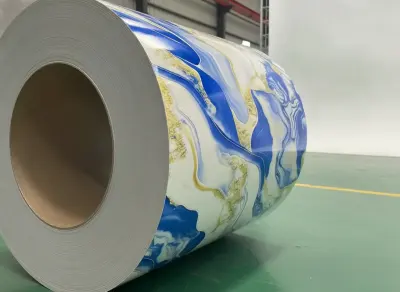
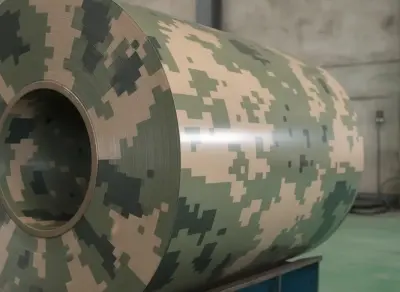
The printed surface can reproduce wood grain, stone, brick, tile, marble, fabric, geometric patterns, or project-specific graphics. Embossing creates a three-dimensional texture that can improve visual depth and help conceal minor handling marks that are more visible on a smooth surface. It is not, however, a substitute for structural design, insulation, waterproofing, or a separately specified fire-performance system. The complete panel assembly must be evaluated for the intended building application.
Key Product Features
- Decorative flexibility: multiple printed designs, colors, gloss levels, and embossing patterns can be coordinated with architectural requirements.
- Coil-processing compatibility: the material can be supplied for roll forming, profiling, cutting, bending, and panel production, subject to the agreed coating and forming limits.
- Material traceability: coil identification, coating details, dimensions, and inspection documents can be defined in the purchase specification.
- Design consistency: approved color and pattern samples provide a reference for repeat orders and project batches.
- Efficient handling: coil supply supports continuous production and can reduce the need for individually painted sheets in suitable manufacturing lines.
Surface appearance is influenced by the steel grade, coating mass, primer, topcoat, ink system, embossing geometry, line speed, and storage conditions. For that reason, a physical sample or approved control panel should be used when exact color and texture matching is important. Buyers seeking complementary products can compare metal roofing coil finishes and decorative wall cladding steel.
Specifications & Standards
Embossed printed steel coil is normally purchased against a combined commercial specification covering the steel substrate, metallic coating, organic coating, printing, embossing, dimensional tolerances, testing, and packing. No single standard defines every decorative feature of the finished product. The applicable standard must therefore be selected according to the substrate and the buyer’s market.
| Specification item | Typical purchasing options | Reference or verification basis |
|---|---|---|
| Steel substrate | Cold-reduced or coated steel selected for forming and end use | Agreed grade and delivery condition; confirm against the applicable mill standard |
| Metallic coating | Zinc, zinc-aluminium alloy, or another specified protective coating | ASTM A653/A653M, ASTM A792/A792M, EN 10346, JIS G3302, or JIS G3321, as applicable |
| Organic-coated product | Primer and topcoat with printed decorative finish | ASTM A755/A755M or EN 10169, subject to product construction and market requirements |
| Surface design | Wood, stone, brick, tile, marble, geometric, or approved custom print | Approved color card, sample panel, artwork, pattern repeat, and inspection criteria |
| Embossing | Pattern, pitch, depth, orientation, and usable width specified by agreement | Supplier drawing, approved sample, and agreed dimensional inspection method |
| Dimensions | Thickness, width, coil inner diameter, outer diameter, and coil weight | Purchase order tolerance and relevant substrate standard |
| Packaging | Export seaworthy packing, edge protection, moisture control, and coil marking | Buyer’s handling, container, storage, and destination requirements |
Relevant International Standards
ASTM A755/A755M covers steel sheet with metallic coating by the hot-dip process and a coil coating of organic material. It is a relevant reference for prepainted steel products, but the buyer should confirm whether the requested print and embossing system falls within the agreed product scope.
ASTM A653/A653M is commonly referenced for hot-dip zinc-coated galvanized steel sheet, while ASTM A792/A792M is used for 55% aluminium-zinc alloy coated steel sheet. For European supply chains, EN 10346 addresses continuously hot-dip coated steel flat products, and EN 10169 addresses continuously organic coated steel flat products. Japanese specifications may include JIS G3302 for galvanized sheet and strip and JIS G3321 for 55% aluminium-zinc alloy coated steel sheet and strip. In China-related procurement, GB/T 12754 is a relevant standard for color-coated steel sheet and strip.
These references do not automatically guarantee suitability for every roof or facade. The technical agreement should identify the exact grade, coating designation, paint system, test methods, permitted defects, and certificate format. Where chemical composition or mechanical performance is required, the supplier should provide values for the selected grade and standard rather than using generic figures.
| Inspection category | Items to define before order confirmation |
|---|---|
| Appearance | Color, gloss, print alignment, pattern repeat, embossing uniformity, scratches, dents, and coating defects |
| Coating | Metallic coating designation or mass, paint system, coating thickness if specified, adhesion, flexibility, and corrosion-related testing |
| Mechanical performance | Yield strength, tensile strength, elongation, hardness, and forming performance for the selected steel grade |
| Dimensional control | Thickness, width, flatness, coil shape, embossing depth, and tolerance requirements |
| Documentation | Mill test certificate, coating or paint test report, inspection report, packing list, and certificate of origin where required |
Applications
Roofing Panels
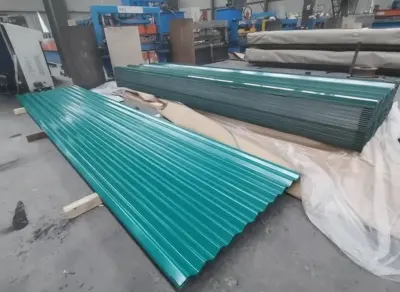
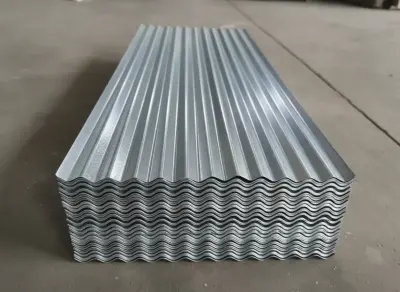
Roll-forming companies use embossed printed steel coil to produce residential, agricultural, commercial, and light-industrial roofing profiles. Wood, tile, and stone effects can support projects that require a decorative roof appearance while retaining a coil-fed manufacturing process. Profile geometry, roof pitch, fastener design, and local weather exposure should be evaluated separately from the coil finish.
Exterior Wall Cladding
Printed embossed coil can be converted into facade panels, siding, sandwich-panel skins, and architectural wall systems. The pattern can be selected to complement masonry, timber, stone, or other building materials. For exposed facades, buyers should confirm UV resistance, color-retention expectations, corrosion protection, edge treatment, and the compatibility of the finish with the panel-forming process.
Interior Decorative Panels
Interior wall panels, ceilings, partitions, and modular decorative systems may use printed steel where a repeatable surface design and easy panel production are required. The applicable indoor air, fire, hygiene, and cleanability requirements depend on the destination market and building type; they should be included in the project specification instead of assumed from the coil finish alone.
Doors, Shutters, and Enclosures
Door skins, roller shutters, equipment enclosures, cabinets, and utility panels can use decorative steel coil for a coordinated appearance. The selected material must be compatible with folding, stamping, punching, slitting, and edge processing. Embossing depth and print orientation may influence forming behavior, so trial production is recommended before a large project order.
Prefabricated and Modular Buildings
Modular buildings, temporary structures, container conversions, and prefabricated housing systems may use the product for roof and wall components. Coil selection should consider transport abrasion, panel joint detailing, condensation control, insulation, and storage duration. A decorative surface alone does not determine the overall weather resistance of the finished building envelope.
How to Choose / Buying Guide
1. Define the Finished Application
Start with the final component rather than the visual design. Confirm whether the coil will be roll formed, cut into sheets, pressed, bent, laminated, or combined with insulation. Roofing, facade, interior, and enclosure applications may require different steel grades, coating systems, surface protection, and test criteria.
2. Select the Substrate and Coating
Choose galvanized or zinc-aluminium coated steel according to corrosion exposure, forming requirements, edge conditions, and expected maintenance conditions. The specification should state the relevant standard, steel grade, metallic coating designation, and delivery condition. Where the end market has mandatory requirements, request the applicable compliance documents before approving production.
3. Approve the Pattern and Color
Printed designs should be approved using a physical sample, master coil sample, or controlled color reference. Digital images can vary between screens and cannot fully represent gloss, texture, embossing depth, or metallic effects. Define the print repeat, pattern direction, acceptable shade variation, and whether the coil will be installed with a fixed orientation.
4. Check Forming Compatibility
Ask for recommended forming limits and conduct a trial with the intended roll-forming or fabrication equipment. Important points include minimum bend radius, embossing orientation, surface protection during forming, cut-edge appearance, and the risk of cracking or delamination. A material that looks correct before processing may not meet expectations after aggressive forming.
5. Confirm Quality Documents
Request a pre-production technical data sheet, sample approval record, mill test certificate, coating or paint inspection report, and final inspection report where required. The documents should identify the coil number or batch, dimensions, applicable standard, coating system, and inspection results. If third-party inspection is needed, define the inspection stage and acceptance criteria in the contract.
6. Clarify MOQ, Lead Time, and Order Planning
Minimum order quantity, production lead time, sample timing, and repeat-order conditions vary with substrate availability, print cylinder or artwork preparation, embossing tooling, color selection, and production scheduling. Request a written quotation that separates sample development, normal production, and any custom tooling or artwork charges. Do not assume that a stock color or pattern has the same lead time as a custom design.
7. Plan Export Packing and Logistics
Coil weight, coil dimensions, loading method, moisture protection, edge protection, and storage orientation should be agreed before shipment. Export packaging must suit the destination climate and the planned inland movement after port discharge. Include marking requirements, container loading instructions, documents, and insurance responsibilities in the purchase order. Buyers may also review steel coil export packaging guidance and prepainted coil storage recommendations.
8. Agree Commercial Terms
Payment terms, currency, Incoterms, inspection responsibility, claims procedure, and replacement or credit arrangements should be stated clearly. The supplier should confirm whether the quoted price includes testing, packing, tooling, artwork preparation, and export documentation. A complete request for quotation normally includes destination, annual or project quantity, technical specification, color reference, delivery window, and required certificates.
Frequently Asked Questions
Q: What is the difference between embossed printed steel coil and ordinary prepainted steel coil?
A: Ordinary prepainted steel coil generally has a smooth or lightly textured coated surface. Embossed printed steel coil adds a mechanically formed pattern and a decorative printed design, creating greater surface depth and a more distinctive appearance. The two products may use similar steel substrates, but their forming, appearance approval, and inspection requirements are different.
Q: Can I choose galvanized steel or 55% aluminium-zinc coated steel as the substrate?
A: In many projects, both are possible, but the correct choice depends on the required standard, corrosion environment, forming operation, edge exposure, and supplier production capability. Specify the substrate explicitly and request documentation against standards such as ASTM A653/A653M, ASTM A792/A792M, EN 10346, JIS G3302, or JIS G3321 where applicable.
Q: Which standards apply to embossed printed steel coil?
A: The applicable references depend on the product construction. ASTM A755/A755M and EN 10169 are relevant references for organic-coated steel products. ASTM A653/A653M, ASTM A792/A792M, EN 10346, JIS G3302, and JIS G3321 may apply to the metallic-coated substrate. GB/T 12754 is a relevant reference for color-coated steel sheet and strip. Embossing geometry and printed appearance normally require a separate agreed specification and approved sample.
Q: Can the printed pattern be customized for our market or project?
A: Custom wood, stone, brick, tile, marble, geometric, and other patterns may be available, subject to artwork quality, production process, minimum quantity, and color approval. Ask the supplier to confirm pattern repeat, print direction, color tolerance, gloss, embossing texture, and whether tooling or cylinder charges apply.
Q: What is the minimum order quantity?
A: The MOQ is not universal. It may depend on the substrate grade, width, thickness, coating system, print design, color, embossing pattern, and production schedule. A supplier should quote the MOQ for the exact configuration rather than provide a generic number. Sample orders and trial coils may be handled under different commercial conditions.
Q: What documents can an overseas buyer request?
A: Common documents include a technical data sheet, mill test certificate, dimensional inspection report, coating or paint test report, packing list, commercial invoice, and certificate of origin where required. Third-party inspection, specific compliance declarations, or project-specific test reports should be agreed before production.
Q: What is the normal delivery time?
A: Delivery time depends on raw-material availability, custom artwork, embossing preparation, production capacity, inspection, packing, and the shipping schedule to the destination. Stock patterns may be faster than new designs. The quotation should separate sample approval time, manufacturing lead time, and estimated transit time.
Q: Which payment methods and Incoterms are available?
A: Payment methods and Incoterms are commercial terms that must be confirmed in the supplier’s quotation and sales contract. Depending on the transaction, buyers may discuss arrangements such as bank transfer, documentary credit, or other mutually accepted methods, together with EXW, FOB, CIF, CFR, or another applicable Incoterm. The final contract should define risk transfer, document release, inspection, and payment milestones clearly.
Q: How should embossed printed steel coil be stored after delivery?
A: Store coils indoors or under suitable weather protection, on stable supports, away from standing water and corrosive materials. Prevent condensation, impact, edge damage, and prolonged exposure to direct weather. Storage orientation, protective film handling, and maximum recommended storage duration should follow the supplier’s technical instructions and the coating system requirements.
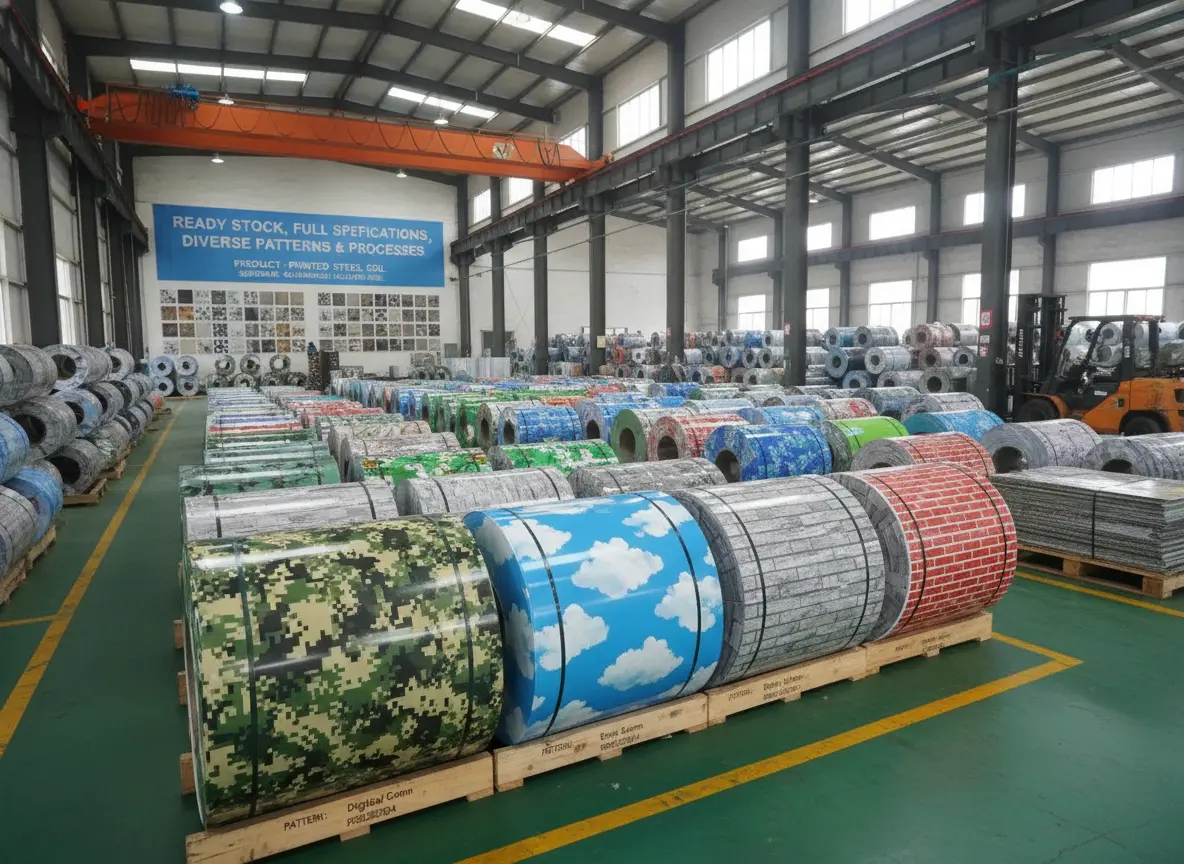
Send your required substrate, applicable standard, thickness, width, coating system, embossing pattern, printed design, estimated quantity, destination, and delivery window to request a tailored quotation for embossed printed steel coil. A technical discussion before production can align the finish, forming performance, inspection documents, MOQ, packaging, and shipment terms with your roofing or cladding project.
Ratings & Reviews

Know your supplier
Supplier's customization ability
- Drawing-based customization
- Sample-based customization
- Full customization
Minimum order quantity: 5 ton
Shipping total: To be negotiated
- Lead time:
- confirmed with the quotation
- Packaging:
- standard export packing
- Samples:
- available on request