 English
 Español
 Français
 Deutsch
 Português (Brasil)
 Русский
 العربية

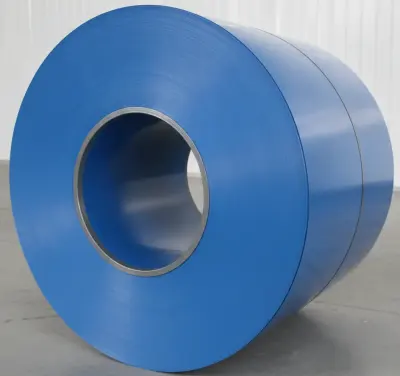
Embossed Color Coated Steel Coil
 China



Supplier's customization ability
- Drawing-based customization
- Sample-based customization
- Full customization
Minimum order quantity: 0 ton
Shipping total: To be negotiated
- Lead time:
- confirmed with the quotation
- Packaging:
- standard export packing
- Samples:
- available on request
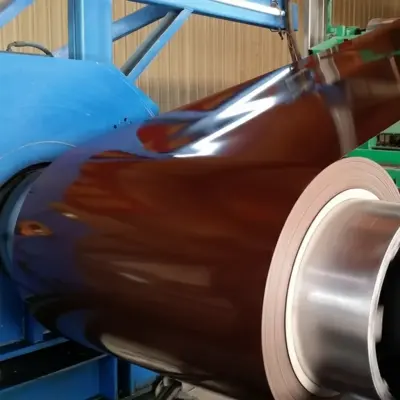
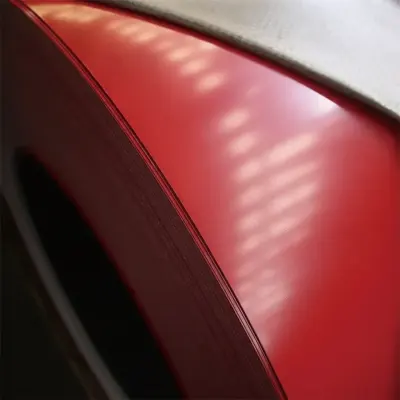
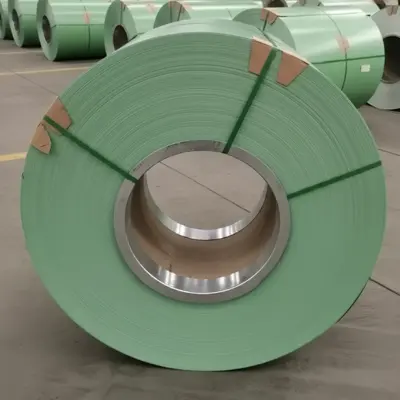
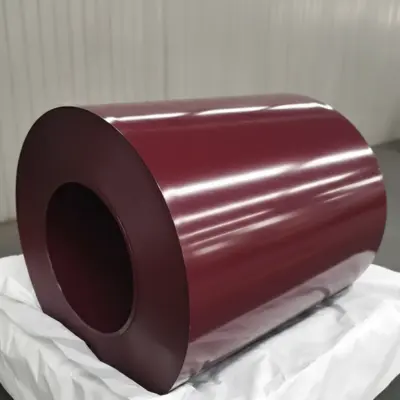
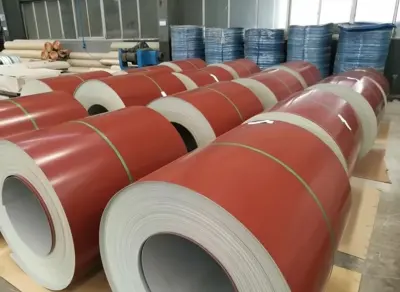
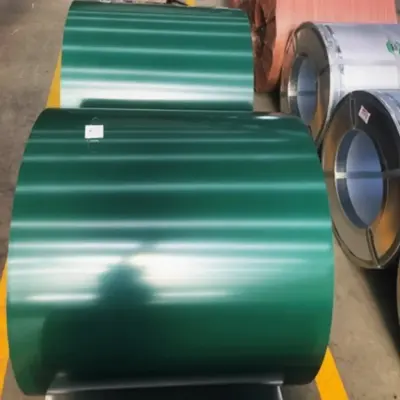
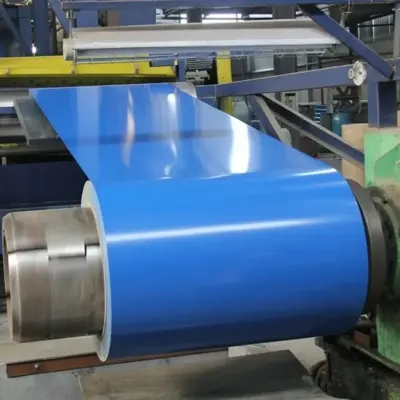
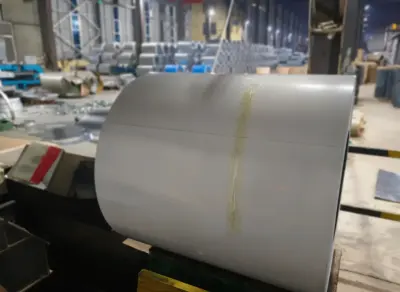
Product details
Embossed Color Coated Steel Coil Technical Parameters
| Item | Technical Specification |
|---|---|
| Product Name | Embossed Color Coated Steel Coil |
| Base Metal | Hot-Dip Galvanized Steel, Galvalume Steel or Cold Rolled Steel |
| Steel Grade | DX51D+Z, DX52D+Z, S280GD+Z, S350GD+Z, DX51D+AZ and equivalent grades |
| Nominal Thickness | 0.20-1.20 mm, customizable according to application requirements |
| Coil Width | 600-1500 mm, with customized widths available |
| Embossed Surface Pattern | Stucco, leather, orange peel, wood grain or other customized patterns |
| Embossing Depth | Approximately 0.20-0.50 mm, subject to the selected pattern and material thickness |
| Zinc Coating | 40-275 g/m², available according to corrosion protection requirements |
| Al-Zn Coating | AZ50-AZ150 g/m² for Galvalume steel substrate options |
| Paint Coating System | PE, SMP, HDP or PVDF topcoat with primer and back coating |
| Top Paint Thickness | 15-35 μm, depending on coating system and end-use requirements |
| Back Paint Thickness | 5-15 μm or customized |
| Color | RAL colors, solid colors, metallic colors and customized color matching |
| Surface Finish | Embossed textured finish with uniform coating, good adhesion and consistent appearance |
| Mechanical Properties | Tensile strength and yield strength available according to the selected steel grade and applicable standard |
| Corrosion Resistance | Enhanced resistance to weathering, moisture and atmospheric corrosion through metallic coating and organic paint protection |
| Standards | EN 10169, EN 10346, ASTM A653/A755, JIS G3302 or equivalent standards |
| Coil Inner Diameter | 508 mm or 610 mm |
| Maximum Coil Weight | Up to 卷, subject to transportation, equipment and customer requirements |
| Processing Options | Slitting, cut-to-length, protective film application and customized packaging |
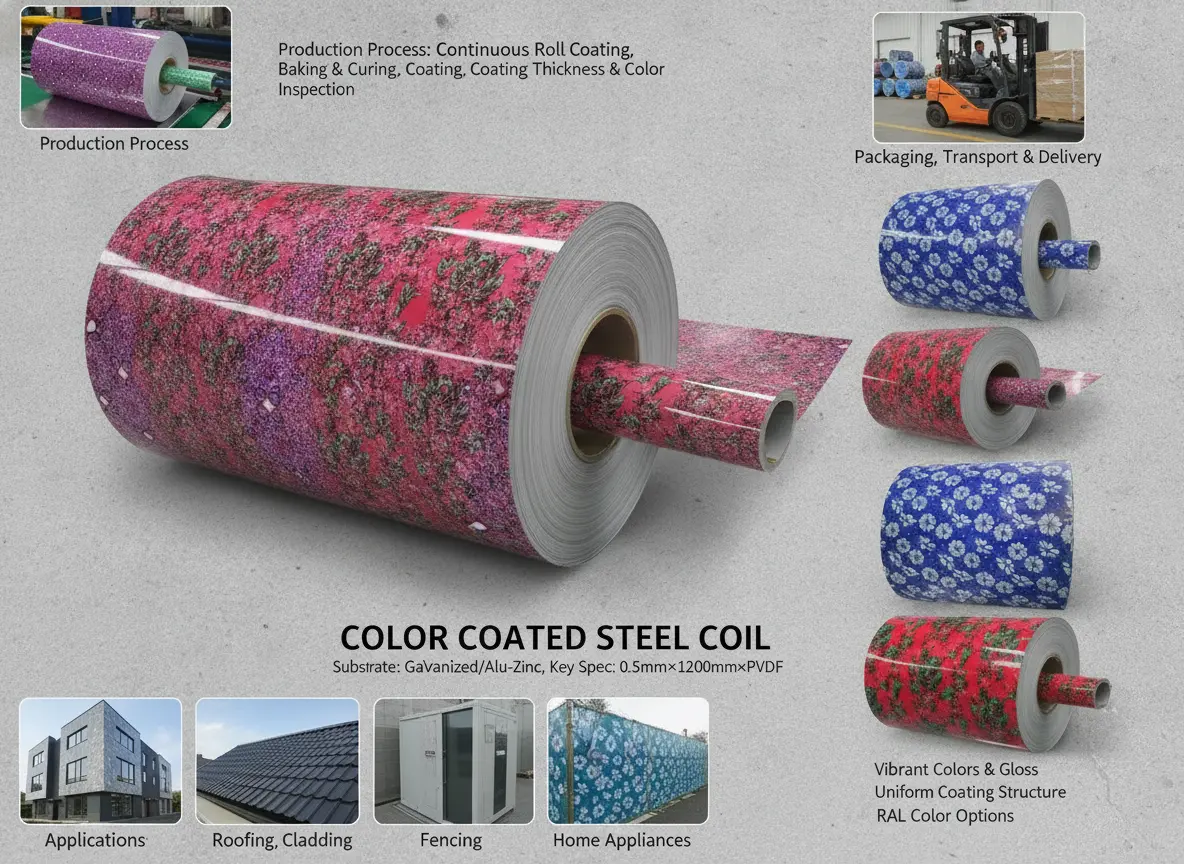
| Typical Applications | Roofing panels, wall cladding, ceiling panels, interior decoration, garage doors, appliances and architectural components |
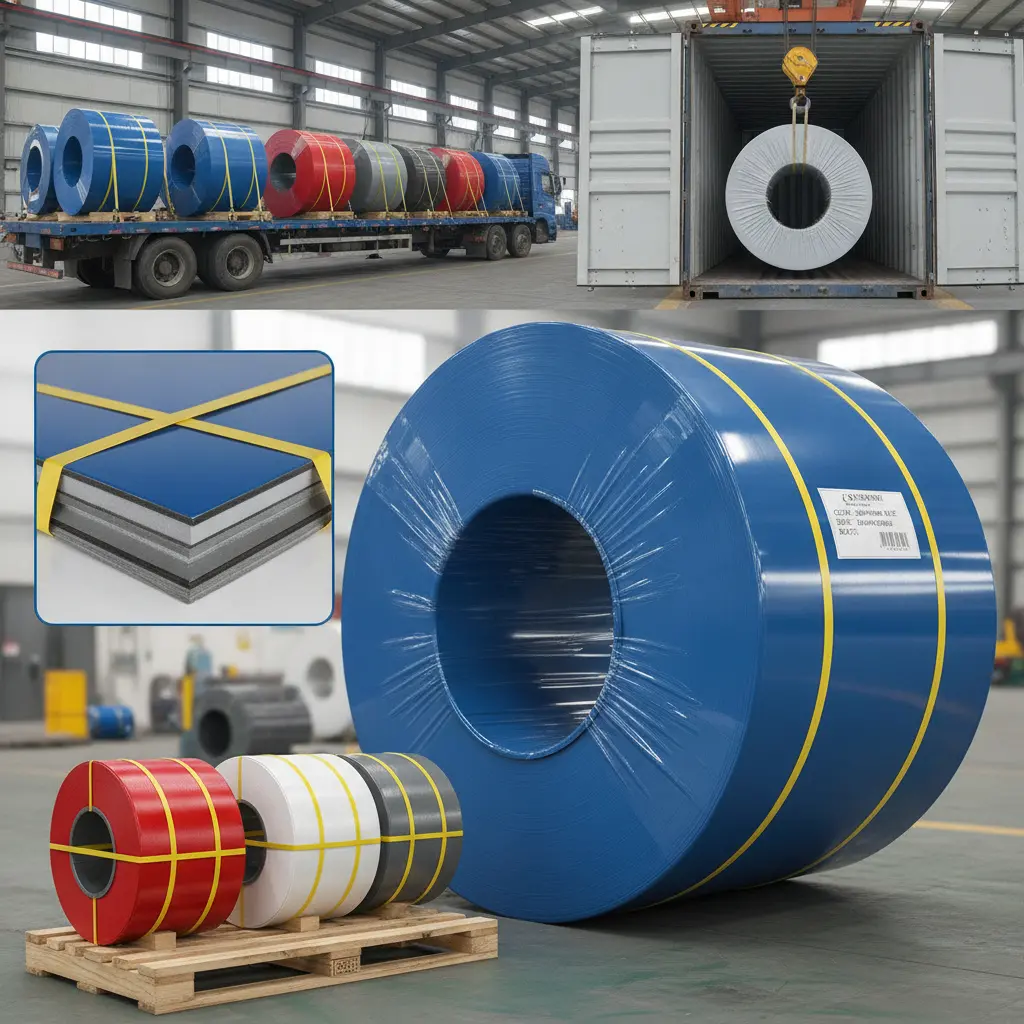
| Packaging | Standard export seaworthy packaging with waterproof paper, galvanized steel sheet protection and steel straps |
Embossed Color Coated Steel Coil
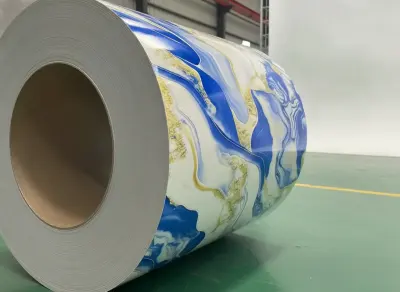
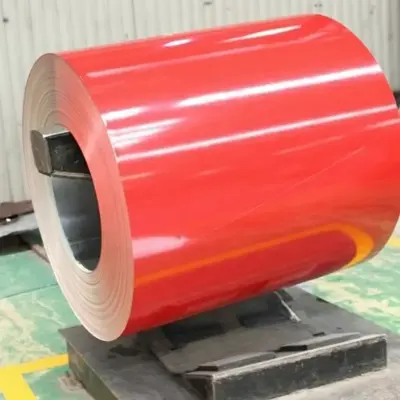
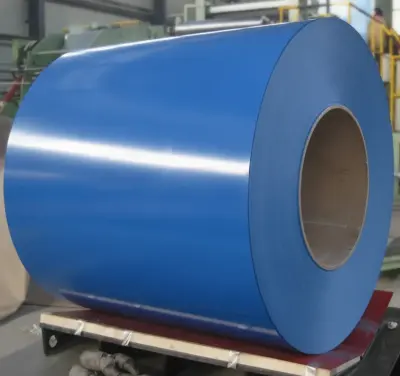
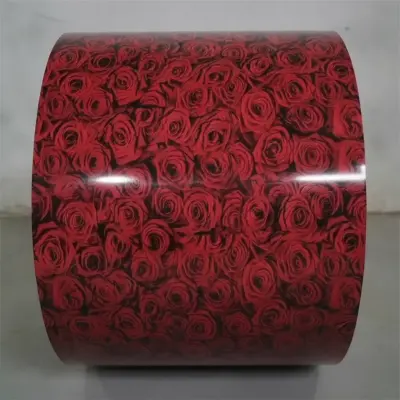
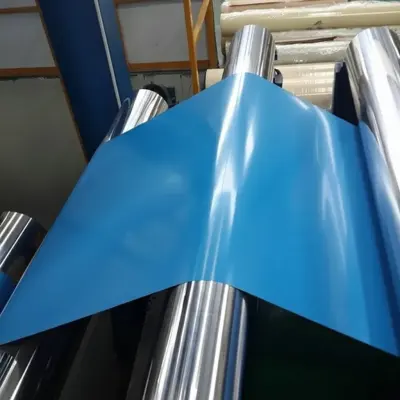
Embossed Color Coated Steel Coil is a pre-painted flat steel product with a textured surface created through controlled embossing. It is designed for overseas manufacturers, building-material distributors, appliance producers, and project procurement teams that need decorative appearance, practical formability, and corrosion protection in one material. Compared with a smooth pre-painted coil, the embossed surface can improve visual depth, reduce the visibility of minor handling marks, and support distinctive product designs. Buyers can specify the substrate, metallic coating, paint system, dimensions, embossing pattern, color, gloss, and performance requirements according to the intended fabrication process and service environment.
Embossed Color Coated Steel Coil Product Overview
An Embossed Color Coated Steel Coil normally consists of a cold-rolled steel base, a protective metallic coating, chemical pretreatment, primer, and one or more organic coating layers. The embossing operation forms a repeatable three-dimensional texture on the surface without converting the coil into a separate panel product. Depending on the production route and purchase specification, embossing may be completed at an appropriate stage of the coating and finishing process.
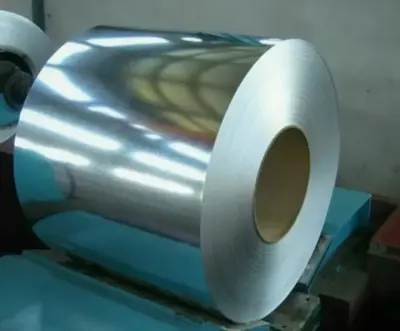
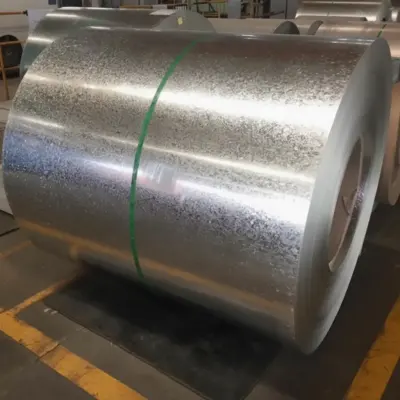
Common substrate options include zinc-coated steel and aluminum-zinc alloy-coated steel. The correct substrate should be selected according to corrosion conditions, forming requirements, coating compatibility, and the standards stated in the purchase contract. Buyers should not treat all metallic coatings as interchangeable: coating composition, coating mass, edge protection, and long-term behavior may differ. Related substrate and coating options can be reviewed through [[INTERNAL_LINK]].
The organic topcoat gives the Embossed Color Coated Steel Coil its color, gloss, surface protection, and resistance to environmental exposure. Polyester-based systems are widely considered for general indoor and outdoor fabrication, while other coating families may be specified where enhanced weathering, chemical resistance, or forming performance is required. Paint selection must be based on the end-use environment rather than color alone. A technically suitable paint system also needs compatible pretreatment, primer, back coating, and curing conditions.
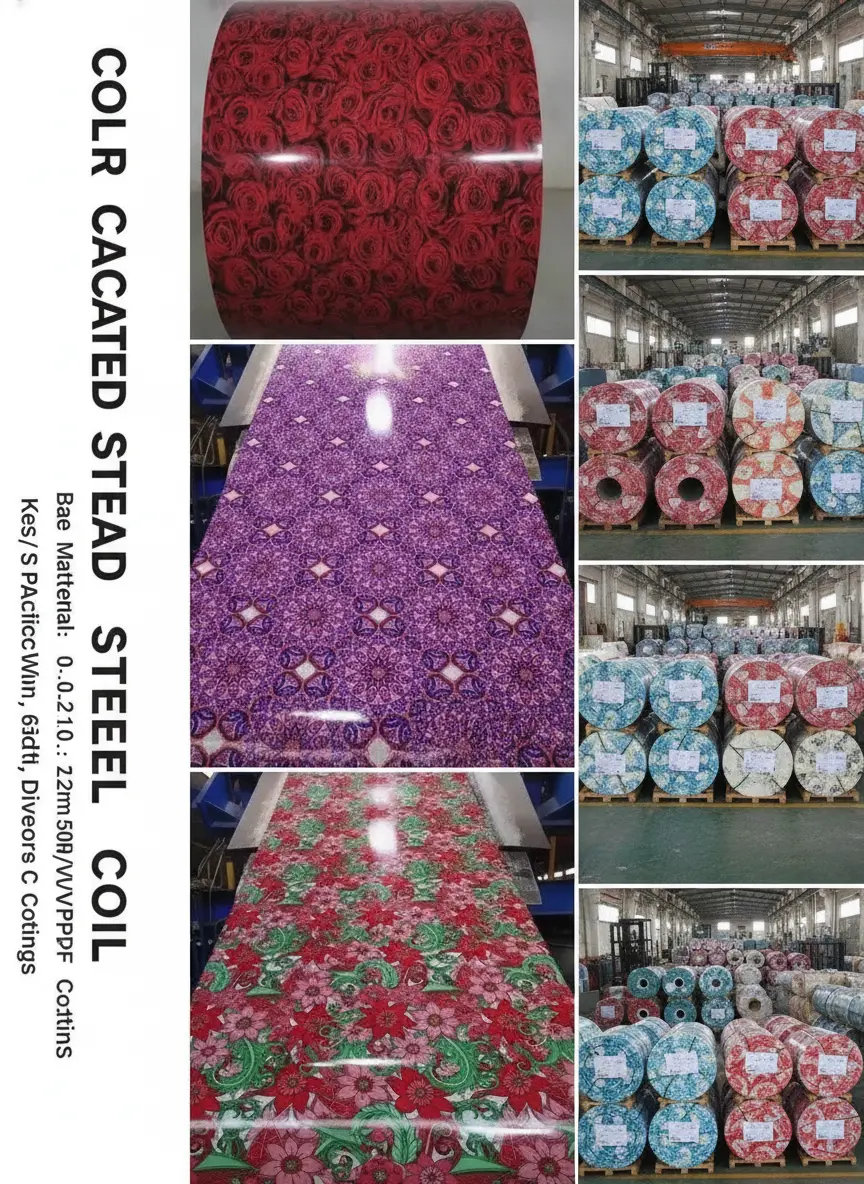
Embossing patterns can include leather-like, stucco, linen, wood-inspired, geometric, or customer-defined textures, subject to the mill’s tooling and production capability. Pattern depth and repeat influence appearance as well as downstream processing. Deep or sharply defined textures may behave differently during roll forming, bending, laminating, or cutting. Buyers should therefore approve representative samples before confirming a production order, especially when multiple batches must maintain a consistent visual effect.
Key purchasing characteristics include:
- Decorative texture with greater visual depth than a plain coated surface.
- Combination of steel strength, metallic corrosion protection, and organic coating performance.
- Coil format suitable for continuous processing and volume manufacturing.
- Customizable color, gloss, pattern, width, thickness, and coil weight within supplier capability.
- Potential to make minor surface waviness or light handling marks less visually prominent.
- Compatibility with cutting, slitting, roll forming, bending, and selected lamination processes when the specification is properly matched to fabrication.
For information about pre-painted steel construction and coating selection, see [[INTERNAL_LINK]].
Embossed Color Coated Steel Coil Specifications & Standards
Embossed Color Coated Steel Coil specifications should define both the steel product and the decorative finish. A complete inquiry normally states the base metal thickness, width, metallic coating type, coating designation or mass, steel grade, paint system, dry-film requirements where applicable, color reference, gloss range, embossing pattern, coil dimensions, tolerances, and intended application. Requirements that are not written into the order may be interpreted differently by the buyer and producer.
| Specification Item | Available Purchasing Options | Buyer’s Verification Point |
|---|---|---|
| Substrate | Cold-rolled, zinc-coated, or aluminum-zinc alloy-coated steel, subject to supplier capability | Confirm the exact standard, grade, and metallic coating designation |
| Thickness | Produced within the manufacturer’s stated range | Clarify whether ordered thickness includes or excludes paint and metallic coating |
| Width | Mill width or slit width | Specify width tolerance and edge condition |
| Topcoat | Polyester or another application-specific organic coating system | Confirm coating family, nominal film build, color, gloss, and exposure requirements |
| Back coating | Protective or application-specific backing system | State color, adhesion, and compatibility requirements for adhesive or insulation contact |
| Embossing | Standard mill pattern or agreed custom texture | Approve a physical sample showing pattern depth, direction, and repeat |
| Color | Agreed RAL reference, physical master sample, or another recognized color system | Define permissible color difference and the measurement method |
| Coil condition | Mill edge or slit edge; eye-to-sky or eye-to-wall packing where offered | Confirm inner diameter, outer-diameter limit, maximum coil weight, and unloading method |
Applicable international standards depend on the selected substrate and destination market. ASTM A755/A755M covers steel sheet with a metallic coating and an organic coating applied by the coil-coating process for exterior building products. EN 10169 specifies continuously organic-coated steel flat products and includes technical delivery conditions. JIS G 3322 applies to prepainted hot-dip 55% aluminum-zinc alloy-coated steel sheet and strip. GB/T 12754 addresses prepainted steel sheet and strip. These standards are useful specification frameworks, but the purchase order should identify the required edition, grade, coating designation, dimensions, tolerances, and testing obligations.
| Reference Standard | General Scope Relevant to Procurement | Use in an Inquiry |
|---|---|---|
| ASTM A755/A755M | Organic-coated metallic-coated steel sheet for exterior building products | State the required substrate specification, grade, coating designation, and ordered dimensions |
| EN 10169 | Continuously organic-coated steel flat products | Define the intended application, coating system, performance category, and inspection requirements |
| JIS G 3322 | Prepainted hot-dip 55% aluminum-zinc alloy-coated steel sheet and strip | Use when this substrate system and JIS compliance are required |
| GB/T 12754 | Prepainted steel sheet and strip | Specify the agreed product designation, coating system, finish, and acceptance criteria |
| ASTM A653/A653M | Zinc-coated or zinc-iron alloy-coated steel sheet | Reference for a compatible galvanized substrate when applicable |
| ASTM A792/A792M | 55% aluminum-zinc alloy-coated steel sheet | Reference for an aluminum-zinc alloy-coated substrate when applicable |
| EN 10346 | Continuously hot-dip-coated steel flat products | Reference for European metallic-coated substrate grades and coating designations |
Chemical composition and mechanical properties are primarily determined by the ordered substrate grade rather than by the embossing pattern. Because no single universal grade applies to every Embossed Color Coated Steel Coil, buyers should request the grade-specific values and test results under the selected substrate standard. Substituting generic figures could lead to unsuitable forming behavior or incorrect structural assumptions. Guidance on comparing galvanized and aluminum-zinc-coated substrates is available at [[INTERNAL_LINK]].
Inspection can include dimensional checks, color measurement, gloss measurement, coating adhesion, pencil hardness, impact or bending performance, coating mass verification, and other tests agreed in the contract. Not every test is mandatory under every standard or application. The inspection plan should identify the test method, sampling frequency, acceptance limits, and responsible inspection party before production.
Embossed Color Coated Steel Coil Applications
Embossed Color Coated Steel Coil is used where a formed steel component needs both a decorative texture and a protective painted finish. Its suitability depends on substrate strength, coating durability, pattern geometry, and the severity of the service environment.
Interior Building and Decorative Panels
The material can be fabricated into ceiling systems, wall linings, partitions, elevator interiors, trim, and other architectural elements. Embossing adds visual character and may help manage reflections under indoor lighting. For public interiors, procurement teams should also confirm any project-specific fire, hygiene, emissions, or cleaning requirements rather than assuming that a standard coating automatically complies. Explore related decorative sheet products at [[INTERNAL_LINK]].
Roofing, Cladding, and Building Accessories
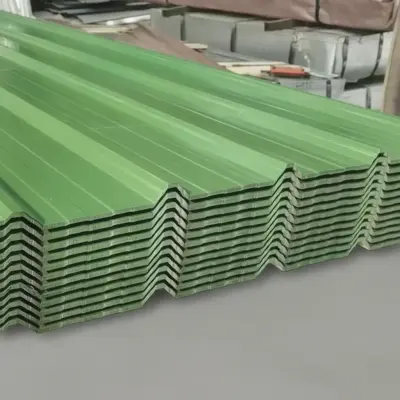
Where the specified coating system is suitable for exterior exposure, embossed pre-painted coil may be formed into selected roofing, cladding, flashing, or accessory profiles. Coastal, industrial, high-UV, and high-humidity environments require particular attention to metallic coating selection, paint chemistry, cut-edge protection, maintenance, and expected service conditions. Project engineers should assess structural and wind-load requirements separately.
Appliance and Equipment Housings
Manufacturers may use Embossed Color Coated Steel Coil for refrigerator panels, freezer bodies, cabinets, vending equipment, air-conditioning housings, and other formed enclosures. Surface consistency, cleanability, coating adhesion, and compatibility with foaming or bonding processes can be more important than exterior-weathering performance in these applications. Relevant appliance-panel options can be compared through [[INTERNAL_LINK]].
Furniture, Shelving, and Storage Systems
Metal cabinets, lockers, shelving, doors, partitions, and storage equipment can benefit from a textured, factory-applied finish. Buyers should evaluate scratch visibility, edge quality, bending radii, fastening methods, and contact with cleaning chemicals. A trial fabrication run is advisable when a new embossing pattern or paint system is introduced.
Insulated and Composite Panels
The coil may serve as a facing material for sandwich panels or laminated assemblies. Bonding performance depends on the back coating, adhesive, surface preparation, curing process, and core material. The panel producer should conduct adhesion and aging tests on the full assembly instead of relying only on the coil’s individual test certificate. See [[INTERNAL_LINK]] for additional panel-material considerations.
How to Choose Embossed Color Coated Steel Coil / Buying Guide
Selecting Embossed Color Coated Steel Coil begins with the finished component, not with a color chart. Procurement managers should provide drawings or processing details whenever possible, including bend radius, roll-forming profile, press conditions, lamination requirements, and visible-surface orientation. This allows the supplier to assess whether the proposed steel grade, coating system, and embossing pattern are compatible with production.
Define the Technical Specification
State the applicable standard and exact substrate designation. Include ordered thickness, width, tolerances, metallic coating, top and back coating requirements, color reference, gloss, embossing direction, coil inner diameter, and coil-weight limits. If the material will be slit or profiled after delivery, identify the equipment constraints. Pattern direction can affect the final appearance of adjacent panels, so it should be shown on drawings and packing labels.
Approve Color and Texture Samples
Digital images are useful for preliminary discussion but are not reliable acceptance references. Screen settings, photography, lighting, gloss, and texture can all change perceived color. Approve a physical sample or controlled master standard, and define how production lots will be compared with it. For appearance-critical projects, request agreement on viewing conditions and measurable color tolerances. More information about pre-painted steel color control is available at [[INTERNAL_LINK]].
Verify Certification and Traceability
Request the documents required by your contract, such as a mill test certificate, certificate of conformity, packing list, and inspection report. Confirm whether a standard manufacturer document is sufficient or whether third-party inspection is required. The documentation scope should be agreed before ordering because retrospective testing may be impossible once the coil has been processed or shipped.
Discuss MOQ and Production Feasibility
Minimum order quantity is affected by coil width, color, paint system, embossing tooling, substrate availability, and production scheduling. A standard pattern and commonly produced color may have a different minimum from a custom finish. Since no universal MOQ applies across mills, buyers should submit the complete specification and ask the supplier to quote the minimum quantity by size and color.
Confirm Lead Time and Batch Planning
Lead time may include raw-material allocation, paint preparation, line scheduling, embossing, testing, packing, and export documentation. Custom colors or patterns can require sample approval before mass production. For projects delivered in stages, order planning should consider batch-to-batch differences in shade and texture. Purchasing the visible material for one elevation or production program from a controlled batch can simplify appearance management.
Plan Export Packing and Logistics
Specify the destination, transport mode, port or delivery point, unloading capability, maximum coil weight, and preferred coil orientation. Export packing should protect against moisture, edge damage, telescoping, and movement during transport. The buyer should also confirm container payload restrictions, local road limits, lifting equipment, and warehouse conditions. Refer to [[INTERNAL_LINK]] for general steel-coil handling and storage guidance.
Embossed Color Coated Steel Coil Frequently Asked Questions
Q: What is the difference between embossed and smooth color coated steel coil?
A: Embossed coil has a mechanically formed surface texture, while smooth coil has a comparatively flat visual finish. The embossed pattern creates depth and can reduce the visual prominence of minor marks. It may also affect forming, cleaning, gloss perception, and pattern alignment, so the two finishes should not be substituted without evaluation.
Q: Which substrate is suitable for Embossed Color Coated Steel Coil?
A: The choice depends on the application and environment. Zinc-coated steel and aluminum-zinc alloy-coated steel are common options, but their coating composition and performance are different. Buyers should consider corrosion exposure, forming severity, cut edges, expected service conditions, and the standards required in the destination market.
Q: Can the coil be supplied with ASTM, EN, JIS, or GB/T certification?
A: Compliance may be available when the product is ordered to a specific applicable standard and the manufacturer has the required production and testing capability. The inquiry should name the standard number, edition if necessary, grade, metallic coating designation, organic coating requirements, and documentation type. Certification should never be assumed from a general product description.
Q: Can buyers request a custom color or embossing pattern?
A: Custom colors and patterns may be possible, subject to paint preparation, embossing tooling, technical feasibility, sample approval, and minimum production quantity. A physical master sample is preferable for appearance-critical orders. Custom tooling, development work, and additional approval time may affect the quotation and schedule.
Q: What is the minimum order quantity?
A: There is no universal MOQ for this product. The required quantity depends on the substrate, thickness, width, color, coating system, embossing pattern, and the producer’s line schedule. Buyers should request an itemized MOQ for each specification rather than combining different colors and sizes into an assumed total.
Q: What payment methods are commonly used for export orders?
A: Payment terms are agreed commercially between the buyer and supplier and may depend on order value, credit assessment, destination, and transaction history. Common international trade arrangements can include bank transfer or a letter of credit, but the exact terms, bank charges, document conditions, and payment milestones must be confirmed in the sales contract.
Q: How long does production and delivery take?
A: The schedule depends on substrate availability, coating color, pattern tooling, order quantity, quality inspection, packing, vessel space, and destination. Custom developments generally require additional approval time. Buyers should ask for separate estimates for sample preparation, production, inland transport, and international transit.
Q: Is embossed pre-painted steel suitable for outdoor use?
A: It can be suitable when the substrate, metallic coating, pretreatment, primer, topcoat, back coat, and forming design are matched to the outdoor environment. Exposure to salt, industrial pollutants, ultraviolet radiation, standing water, and aggressive chemicals can change the required system. The embossing itself does not guarantee weather resistance.
Q: Can Embossed Color Coated Steel Coil be bent or roll formed?
A: Many specifications can be processed by bending or roll forming, but performance depends on steel grade, thickness, paint flexibility, embossing depth, tooling, temperature, and bend radius. Buyers should provide forming details and perform a trial before volume production. Protective film, if used, must also be compatible with the forming operation and removal schedule.
Q: How should the coils be stored after arrival?
A: Coils should be kept in a dry, ventilated location and protected from condensation, rain, corrosive substances, and rapid temperature changes. Packaging damage should be inspected promptly. Wet coils should not remain sealed, because trapped moisture can cause staining or coating deterioration. Safe supports and lifting equipment must be suitable for the coil weight and orientation.
Q: What should be checked during incoming inspection?
A: Check package condition, coil identification, dimensions, color, gloss, embossing consistency, edge condition, surface defects, and accompanying certificates against the purchase order. Record any transport damage before unpacking or processing. For disputed appearance issues, retain representative samples and document lighting, batch numbers, and inspection conditions.
Send your required standard, substrate, thickness, width, metallic coating, paint system, color reference, embossing pattern, coil weight, quantity, destination, and application to request a technical review and quotation for Embossed Color Coated Steel Coil. If your specification is still under development, provide the finished-product drawing and service environment so that suitable options and sample requirements can be discussed before ordering. [[INTERNAL_LINK]]
Ratings & Reviews

Know your supplier
Supplier's customization ability
- Drawing-based customization
- Sample-based customization
- Full customization
Minimum order quantity: 0 ton
Shipping total: To be negotiated
- Lead time:
- confirmed with the quotation
- Packaging:
- standard export packing
- Samples:
- available on request