 English
 Español
 Français
 Deutsch
 Português (Brasil)
 Русский
 العربية

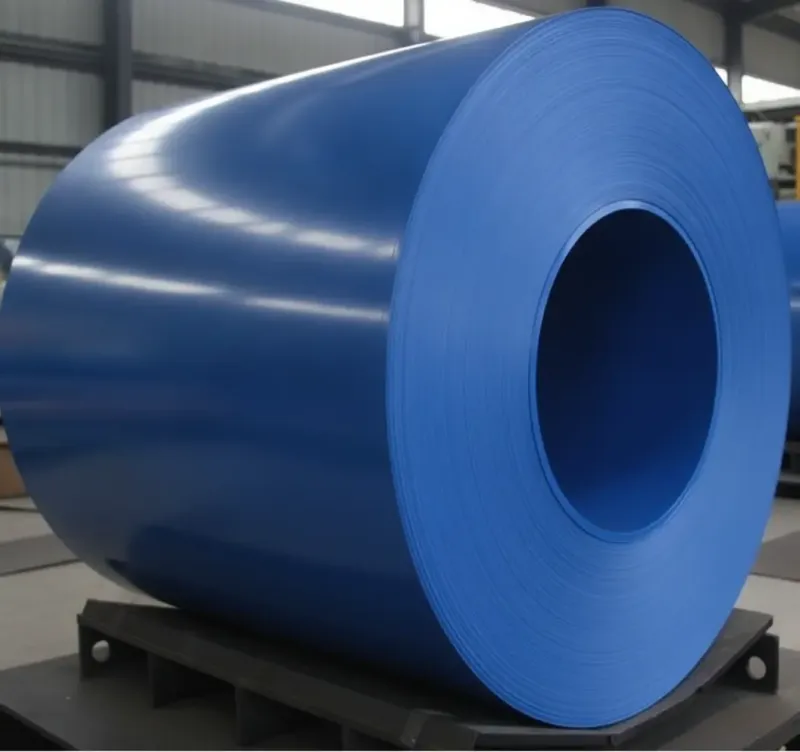
Color Coated Steel Coil Manufacturer | Durable Prepainted Steel Coil for Roofing & Construction
 China
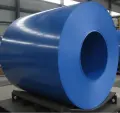
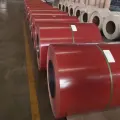
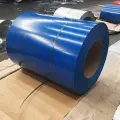
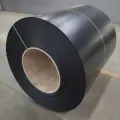

Supplier's customization ability
- Drawing-based customization
- Sample-based customization
- Full customization
Minimum order quantity: 1 ton
Shipping total: To be negotiated
- Lead time:
- confirmed with the quotation
- Packaging:
- standard export packing
- Samples:
- available on request
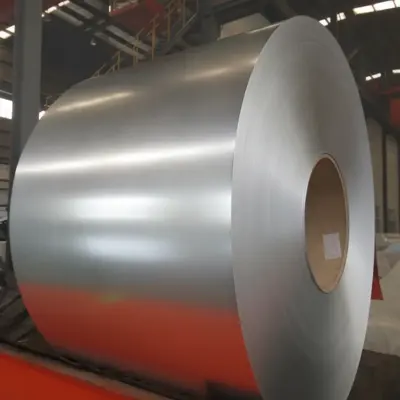
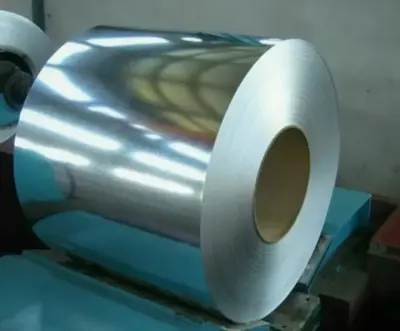
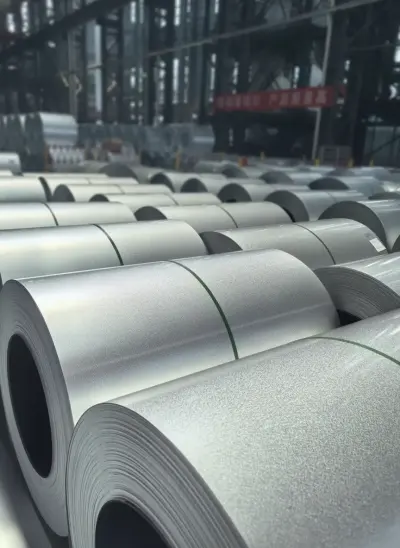
Product details
Color Coated Steel Coil Technical Specifications
| Item | Technical Specification |
|---|---|
| Product Name | Color Coated Steel Coil |
| Substrate | Hot-Dip Galvanized Steel, Galvalume Steel, Electro-Galvanized Steel or Cold Rolled Steel |
| Steel Grade | Commercial Quality, Drawing Quality, Structural Grade or High-Strength Steel |
| Base Metal Thickness | 0.20–1.20 mm, customized according to application requirements |
| Coil Width | 600–1,250 mm, with customized widths available |
| Coil Inner Diameter | 508 mm or 610 mm |
| Coil Outer Diameter | Maximum approximately 1,500–2,000 mm, subject to coil weight and customer requirements |
| Coil Weight | 3–10 metric tons per coil, customizable |
| Zinc or Al-Zn Coating | Typically Z40–Z275 g/m² for galvanized substrate or AZ30–AZ150 g/m² for Galvalume substrate |
| Paint Coating Thickness | Top coating: 10–35 μm; back coating: 5–15 μm |
| Paint Type | PE, SMP, HDP, PVDF or other high-performance coating systems |
| Surface Finish | Glossy, matte, embossed, textured or wrinkle finish |
| Color | RAL colors, solid colors, metallic colors or customized color matching |
| Paint Performance | Good weather resistance, corrosion resistance, adhesion, flexibility and UV resistance; performance depends on coating system |
| Yield Strength | Typically 180–550 MPa, depending on steel grade |
| Tensile Strength | Typically 270–650 MPa, depending on steel grade and application |
| Elongation | Typically 8%–30%, subject to substrate grade and thickness |
| Dimensional Tolerance | According to EN, ASTM, JIS, GB or customer-specific requirements |
| Applicable Standards | EN 10169, EN 10346, ASTM A755/A755M, ASTM A792/A792M, JIS G3312, JIS G3322 or equivalent standards |
| Processing Options | Cut-to-length, slitting, profiling, roll forming and customized surface treatment |
| Applications | Roofing sheets, wall cladding, building panels, sandwich panels, garage doors, appliances, agricultural buildings and industrial construction |
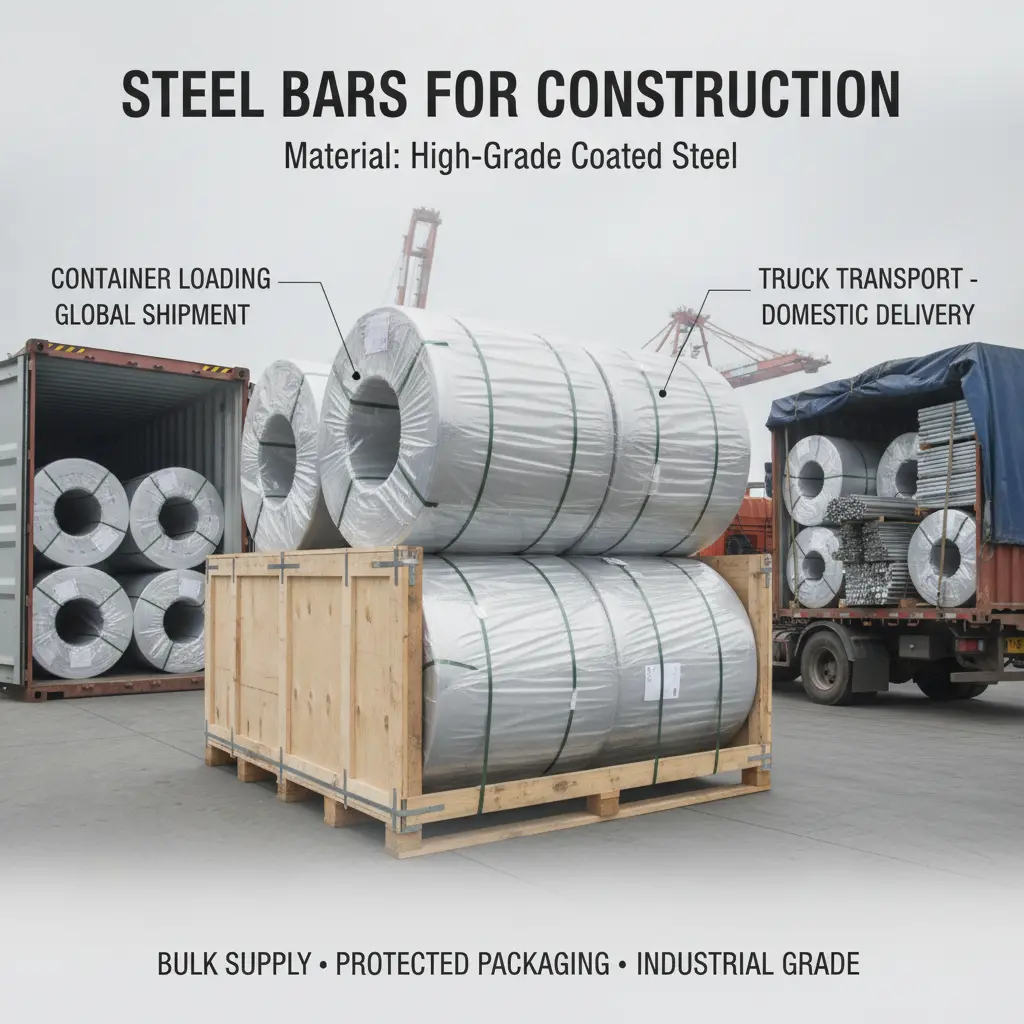
| Packaging | Standard seaworthy export packaging with waterproof paper, galvanized steel sheet, steel straps and edge protection |
| Quality Inspection | Inspection of dimensions, coating thickness, color difference, paint adhesion, mechanical properties and surface appearance |
| Customization | Custom steel grade, thickness, width, coating weight, paint system, color, coil weight and packaging available |
Color Coated Steel Coil Manufacturer | Durable Prepainted Steel Coil for Roofing & Construction
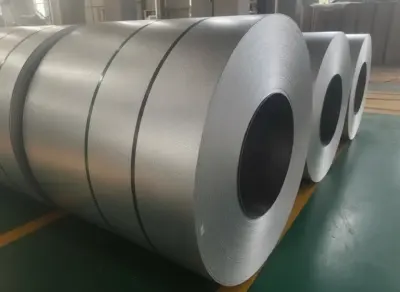
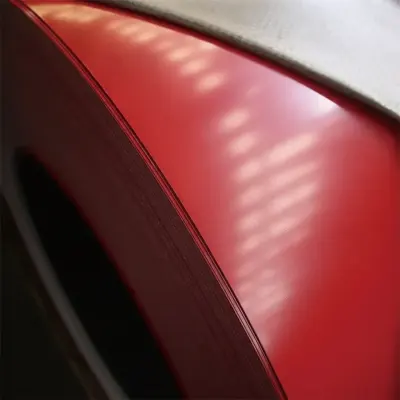
Color Coated Steel Coil is a factory-finished flat steel product engineered for roofing, wall cladding, architectural components, appliances, and general construction fabrication. It serves overseas distributors, roll-forming companies, building-material manufacturers, project contractors, and industrial OEMs that require consistent coating appearance, corrosion protection, and efficient processing. By combining a metallic-coated steel substrate with controlled pretreatment, primer, and finish paint layers, the product reduces downstream painting work and supports repeatable production. Buyers can specify substrate type, steel grade, dimensions, coating system, color, gloss, and performance requirements according to the intended environment and applicable international standard.
Color Coated Steel Coil Product Overview
Color Coated Steel Coil, also widely described as prepainted steel coil, is manufactured by applying organic coatings to a prepared steel substrate in a continuous coil-coating line. A typical production route includes surface cleaning, chemical pretreatment, primer application, finish-coat application, controlled curing, cooling, inspection, and recoiling. This continuous process provides more uniform film distribution and surface appearance than painting individually formed components after fabrication.
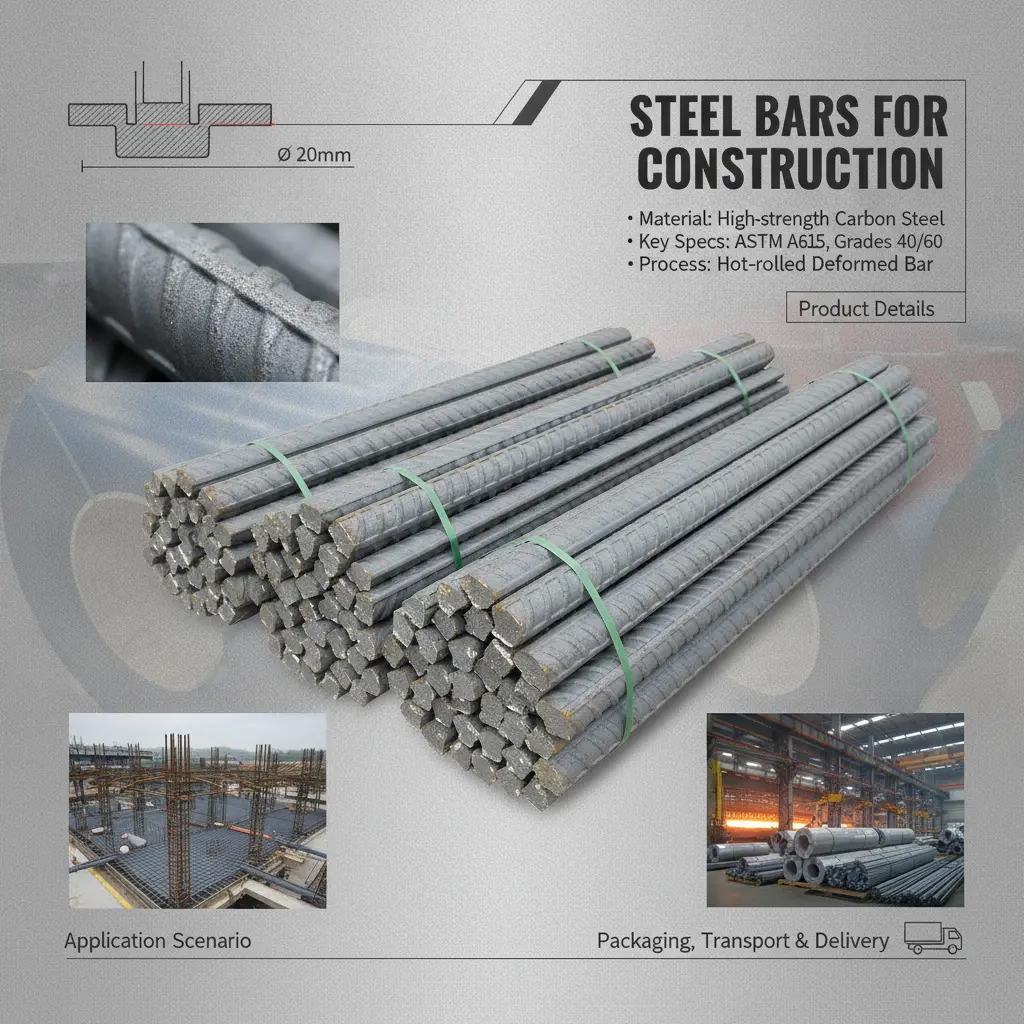
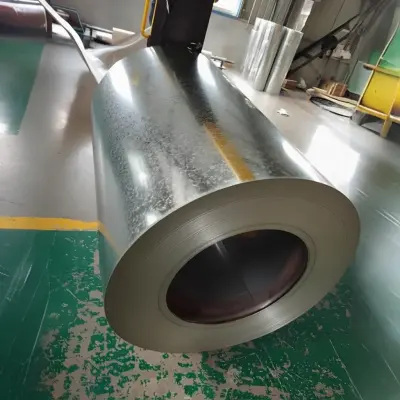
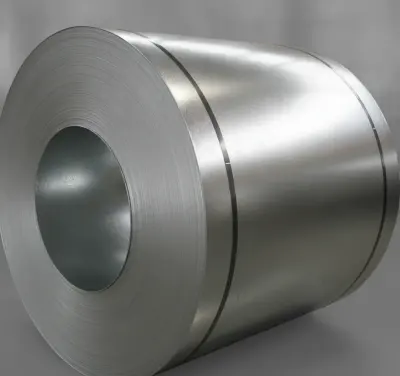
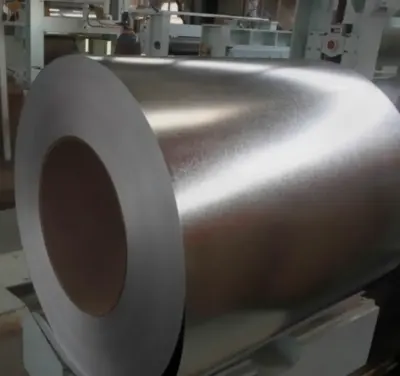
The substrate is normally metallic-coated carbon steel selected according to the required corrosion resistance, forming performance, and project specification. Common substrate categories include hot-dip galvanized steel and aluminum-zinc alloy-coated steel. The exact coating designation, steel grade, and metallic coating mass must be stated in the purchase contract rather than inferred from the finished color. Buyers comparing substrate options can review [[INTERNAL_LINK]] and request the relevant mill test documentation before confirming an order.
A standard Color Coated Steel Coil coating system generally includes pretreatment, a primer, and a finish coating on the exposed side. The reverse side may use a backing coat or another specified paint system. Available coating technologies can include polyester, silicone-modified polyester, polyurethane, and polyvinylidene fluoride systems, subject to manufacturing capability and order requirements. These systems do not provide identical weathering, flexibility, chemical resistance, or cost performance. The appropriate selection depends on UV exposure, atmospheric corrosivity, expected service life, forming severity, and maintenance conditions.
Important product characteristics include coating adhesion, color consistency, gloss control, resistance to cracking during forming, and compatibility with roll-forming or stamping operations. Surface protection film may be requested for certain profiles or fabrication routes, but its suitability, peel strength, storage period, and removal conditions should be agreed before production. For related prepainted sheet and coil formats, see [[INTERNAL_LINK]].
Color Coated Steel Coil Specifications & Standards
Color Coated Steel Coil should be ordered against a clearly identified product standard and a detailed technical specification. ASTM A755/A755M covers steel sheet metallic-coated by the hot-dip process and prepainted by the coil-coating process for exterior exposed building products. EN 10169 specifies continuously organic-coated steel flat products and includes technical delivery conditions. JIS G 3312 applies to prepainted hot-dip zinc-coated steel sheet and strip, while GB/T 12754 covers prepainted steel sheet and strip in the Chinese standards system.
These standards are not automatically interchangeable. Terminology, substrate classifications, test methods, tolerances, and coating designations can differ. A purchase order should identify one governing standard, together with any project-specific requirements. Metallic-coated substrates may also be specified under standards such as ASTM A653/A653M for zinc-coated or zinc-iron alloy-coated steel sheet, ASTM A792/A792M for 55% aluminum-zinc alloy-coated steel sheet, EN 10346 for continuously hot-dip-coated steel flat products, or the relevant JIS or GB/T substrate standard.
| Specification Item | Available Selection Basis | Purchasing Note |
|---|---|---|
| Substrate | Hot-dip galvanized steel, aluminum-zinc alloy-coated steel, or another agreed metallic-coated substrate | State the substrate standard, grade, and metallic coating designation |
| Thickness | Produced according to the supplier’s manufacturing range and the agreed standard | Confirm whether the ordered value means base-metal thickness, coated thickness, or another contractual definition |
| Width | Mill width or slit width according to the processing requirement | Specify width tolerance and edge condition |
| Coil Weight | Subject to line capability, handling equipment, and shipping limits | Confirm acceptable minimum and maximum coil weight and coil-weight tolerance |
| Inside Diameter | Selected according to the supplier’s recoiling equipment and the buyer’s decoiler | Do not assume compatibility; state the required inside diameter in the inquiry |
| Metallic Coating | Specified by coating type and designation under the applicable substrate standard | Request documentary confirmation rather than relying on a general product name |
| Top-Coat System | Polyester, silicone-modified polyester, polyurethane, PVDF, or another agreed system | Select according to environment, durability expectation, forming process, and budget |
| Color and Gloss | Standard color system, approved physical sample, or mutually agreed reference | Define color tolerance, gloss range, and whether batch-to-batch matching is required |
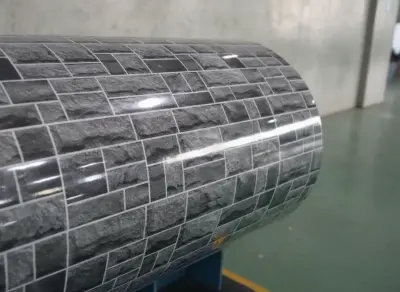
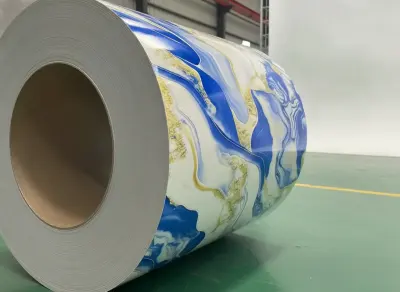
| Surface Finish | Smooth, textured, patterned, or another available finish | Confirm availability and approve a sample where visual consistency is critical |
| Edge Condition | Mill edge or slit edge | Slitting burr limits should be agreed for precision forming |
Mechanical properties are primarily determined by the substrate grade and condition, not by color alone. A structural roofing profile, a deep-formed appliance panel, and a decorative liner may require different yield strength, tensile strength, and elongation. Consequently, no single mechanical-property table applies to every Color Coated Steel Coil. Buyers should specify the required grade under ASTM A755/A755M, EN 10169 with the relevant substrate standard, JIS G 3312, or GB/T 12754 and request the corresponding inspection certificate.
| Performance Requirement | Recommended Verification | Relevant Reference |
|---|---|---|
| Steel mechanical properties | Review the mill test certificate for the ordered substrate grade | Applicable substrate and prepainted-product standard |
| Metallic coating mass | Verify test results and coating designation against the purchase order | ASTM A653/A653M, ASTM A792/A792M, EN 10346, or agreed equivalent |
| Paint adhesion and flexibility | Use agreed bend, adhesion, or impact tests suitable for the end-forming process | ASTM A755/A755M, EN 10169, JIS G 3312, or GB/T 12754 |
| Color difference | Compare with an approved master sample using an agreed instrument and acceptance rule | Purchase specification and applicable standard |
| Dry film thickness | Measure top and reverse coating systems according to the agreed test procedure | Purchase specification and applicable product standard |
Because paint formulation and substrate chemistry vary by order, chemical composition and mechanical values should be taken from the approved grade specification and actual inspection documents. Procurement teams may consult [[INTERNAL_LINK]] for an explanation of coating designations and [[INTERNAL_LINK]] for guidance on reading steel mill certificates.
Color Coated Steel Coil Applications
Color Coated Steel Coil is used where a fabricated steel component needs both a finished appearance and protection from its service environment. Suitability depends on the substrate, paint system, component design, installation method, and exposure conditions.
Roofing and Wall Cladding
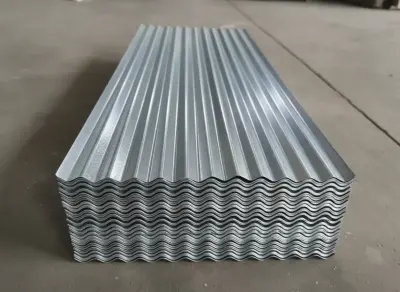
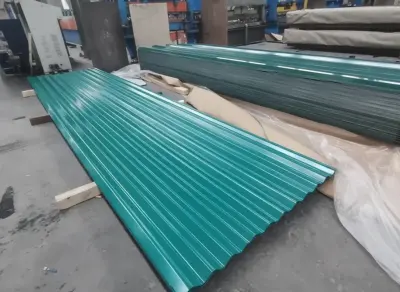
Roll formers process prepainted coil into corrugated sheets, standing-seam panels, trapezoidal profiles, wall panels, and related building-envelope components. For exterior roofing, buyers should consider UV intensity, rainfall, humidity, industrial pollutants, marine exposure, roof pitch, cut-edge protection, and expected maintenance. Paint selection should be based on the actual project environment rather than color preference alone. Related roofing profiles are available through [[INTERNAL_LINK]].
Insulated Sandwich Panels
Panel manufacturers use Color Coated Steel Coil as the outer and inner facings of insulated wall and roof systems. The coil must be compatible with the panel-production line, adhesive system, profiling geometry, and intended building environment. Reverse-side coating properties can be particularly important where the steel surface is bonded to an insulation core.
Architectural and Interior Components
Prepainted steel can be formed into ceiling systems, partitions, shutters, doors, soffits, decorative panels, and other visible architectural parts. These applications often place tighter controls on shade, gloss, texture, surface cleanliness, and batch consistency. A physical approval sample is advisable when multiple deliveries will be installed next to one another.
Appliances and Industrial Enclosures
Selected Color Coated Steel Coil grades may be used for appliance housings, equipment cabinets, lighting components, and electrical enclosures. These products can demand close dimensional tolerances, clean surfaces, controlled formability, and resistance to handling damage. The buyer should disclose stamping, bending, joining, and cleaning processes so coating compatibility can be evaluated.
Rainwater and Ancillary Building Products
Gutters, downpipes, flashing, trim, ridge caps, and other accessories can be produced from matching prepainted coil. Using coordinated batches helps reduce visible color variation across adjacent components. Fabrication instructions should address bend radii, cutting methods, swarf removal, sealant compatibility, and storage after profiling. More fabrication guidance can be found at [[INTERNAL_LINK]].
How to Choose Color Coated Steel Coil / Buying Guide
Purchasing Color Coated Steel Coil requires more than choosing a color code. A useful request for quotation should connect the technical specification to the manufacturing process, end-use environment, inspection requirements, and delivery plan.
Define the Substrate and Forming Requirement
State the governing standard, substrate type, steel grade, metallic coating designation, nominal thickness, width, and edge condition. Tell the supplier whether the material will be corrugated, roll formed, bent, stamped, laminated, or slit again. Forming severity affects grade and coating selection. The buyer should also identify the decoiler’s inside-diameter and coil-weight limits to avoid handling problems on arrival.
Select the Coating System for the Environment
Provide the installation location and explain whether the finished product will be used indoors, outdoors, near a coast, in an industrial atmosphere, or in another demanding environment. Ask the manufacturer to document the proposed primer and top-coat category, nominal film build, gloss, reverse-side system, and relevant performance tests. Product warranties, where offered, should be reviewed for scope, exclusions, installation requirements, and maintenance obligations; they are not substitutes for correct material selection.
Control Color Approval and Batch Consistency
A color-system reference can begin the discussion, but a signed physical sample is preferable for appearance-sensitive orders. Define how color difference and gloss will be assessed, particularly for repeat orders. Where practical, material for one elevation or one project phase should be planned with batch consistency in mind. Buyers can review [[INTERNAL_LINK]] for practical color-control considerations.
Confirm Certification and Inspection
Specify required documents before quotation. Depending on the contract, these may include a mill test certificate, coating test report, color measurement record, certificate of conformity, packing list, and third-party inspection report. EN-based contracts should identify the required inspection-document type under EN 10204, such as 2.2 or 3.1, only when applicable and agreed. Third-party inspection must define the inspection agency, sampling basis, acceptance criteria, and responsible party for cost.
Evaluate MOQ and Production Lead Time
Minimum order quantity is influenced by substrate availability, paint procurement, color, coating system, width, thickness, and production scheduling. A standard color and common specification may have different commercial conditions from a custom shade or specialized coating. Ask for MOQ by specification and color rather than requesting one general figure. Lead time should be confirmed after technical approval and order acceptance, with additional allowance for sample approval, inspection, inland transport, export procedures, and sea or land freight.
Plan Packing and International Logistics
Export packing should protect Color Coated Steel Coil from water ingress, condensation, edge impact, telescoping, and movement during transport. Confirm coil orientation, eye direction, skid design, wrapping method, edge protection, labels, lifting method, and container or vehicle loading plan. Package weight and dimensions must suit both transport restrictions and the buyer’s unloading equipment. Storage instructions are also important because trapped moisture and prolonged outdoor exposure can damage prepainted surfaces even before fabrication. See [[INTERNAL_LINK]] for coil handling and storage practices.
Compare Quotations on the Same Technical Basis
A meaningful comparison should normalize substrate standard, grade, metallic coating, thickness definition, paint system, film requirements, width tolerance, coil weight, inspection scope, packing, Incoterm, and delivery schedule. A lower quoted unit price may represent a different substrate, coating designation, paint technology, or certification scope. Procurement managers should resolve every technical exception in writing before issuing the purchase order.
Color Coated Steel Coil Frequently Asked Questions
Q: What is the difference between Color Coated Steel Coil and galvanized steel coil?
A: Galvanized steel coil has a zinc-based metallic coating applied for corrosion protection, while Color Coated Steel Coil adds an organic coating system over a prepared metallic-coated substrate. The prepainted product provides specified color, gloss, surface finish, and additional barrier protection. The correct choice depends on whether the finished component needs a factory-applied decorative surface and the performance associated with the selected paint system.
Q: How does galvanized substrate differ from aluminum-zinc alloy-coated substrate?
A: The two substrates use different metallic coating compositions and are specified under different standards or designations. Their corrosion behavior, cut-edge performance, heat reflectivity, forming response, and compatibility with particular environments may differ. Selection should be based on the applicable product standard, exposure conditions, component design, and supplier recommendations rather than the substrate name alone.
Q: Which certifications can be supplied with Color Coated Steel Coil?
A: Documentation depends on the agreed standard, manufacturing route, contract, and inspection scope. Common requests include a mill test certificate, certificate of conformity, dimensional inspection results, metallic coating results, paint-film test data, and packing records. If an EN 10204 inspection document or third-party inspection is mandatory, state the exact requirement in the inquiry so availability and cost can be confirmed before ordering.
Q: What is the minimum order quantity?
A: MOQ is supplier- and specification-dependent. It may change with thickness, width, substrate grade, metallic coating, paint type, color, gloss, and whether the material requires a dedicated production run. Buyers should submit a complete specification and requested quantity for each color. The manufacturer can then confirm whether the requirement fits regular production, slitting arrangements, or a custom campaign.
Q: What payment methods are available for international orders?
A: Payment terms are negotiated according to order value, credit assessment, destination, production status, and company policy. International steel transactions commonly use agreed bank-transfer arrangements or documentary instruments, but no single method applies to every order. The quotation or sales contract should state payment timing, bank charges, document requirements, and the conditions that trigger production and shipment.
Q: How long is the production and delivery lead time?
A: Lead time depends on substrate stock, paint availability, color approval, line scheduling, order volume, inspection, packing, and logistics. Custom colors or specialized coating systems may require additional preparation. Buyers should request separate estimates for technical approval, production, inspection, and transit, then reconfirm the schedule after the specification and commercial terms are finalized.
Q: Can a custom color or surface finish be produced?
A: Custom color matching and special finishes may be possible, subject to coating availability, technical feasibility, MOQ, and sample approval. The buyer should provide a recognized color reference or physical master sample and agree on acceptable color difference, gloss, texture, and viewing conditions. Approval of a laboratory sample does not remove the need to define production-batch tolerances.
Q: How should prepainted steel coils be stored after delivery?
A: Coils should be kept in a dry, covered, ventilated area and protected from rain, condensation, corrosive chemicals, and rapid temperature changes. Packaging should be inspected promptly for damage or moisture. Use suitable lifting equipment, avoid impacts to coil edges, and follow stock-rotation practices. If water enters the package, the material should be assessed and handled promptly under qualified guidance.
Q: Can Color Coated Steel Coil be roll formed without paint cracking?
A: Successful roll forming depends on substrate ductility, coating flexibility, metal thickness, profile geometry, bend radius, tooling condition, line setup, and temperature. The intended profile and forming process should be disclosed before ordering. Trial production or sample evaluation is advisable for demanding profiles, especially where tight bends or visible exterior surfaces are involved.
Q: What information is needed for an accurate quotation?
A: Provide the product standard, substrate type and grade, metallic coating designation, thickness definition, width, coil-weight range, inside diameter, color reference, gloss, paint system, top and reverse coating requirements, edge condition, quantity by color, inspection documents, packing method, destination, and requested trade term. End-use and forming details help the supplier identify technical conflicts before production.
Send your complete Color Coated Steel Coil specification, application, required standard, quantity by color, destination, and requested delivery schedule to receive a technically aligned quotation. Drawings, profile details, approved samples, and inspection requirements can also be reviewed before order confirmation to reduce procurement risk and ensure the proposed material matches your production process.
Ratings & Reviews

Know your supplier
Supplier's customization ability
- Drawing-based customization
- Sample-based customization
- Full customization
Minimum order quantity: 1 ton
Shipping total: To be negotiated
- Lead time:
- confirmed with the quotation
- Packaging:
- standard export packing
- Samples:
- available on request