 English
 Español
 Français
 Deutsch
 Português (Brasil)
 Русский
 العربية

Color Coated Steel Coil Manufacturer | Custom PPGI & PPGL Supplier
 China

Supplier's customization ability
- Drawing-based customization
- Sample-based customization
- Full customization
Minimum order quantity: 1 ton
Shipping total: To be negotiated
- Lead time:
- confirmed with the quotation
- Packaging:
- standard export packing
- Samples:
- available on request
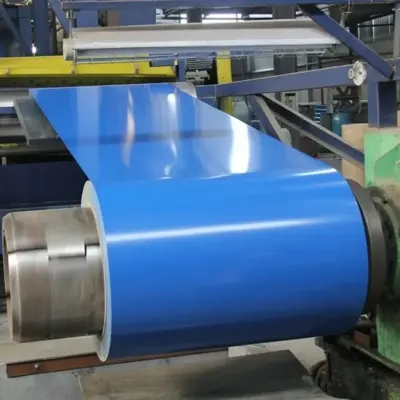
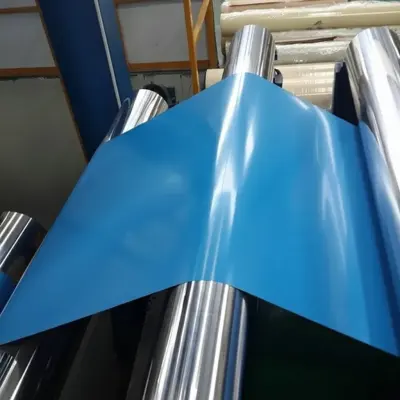
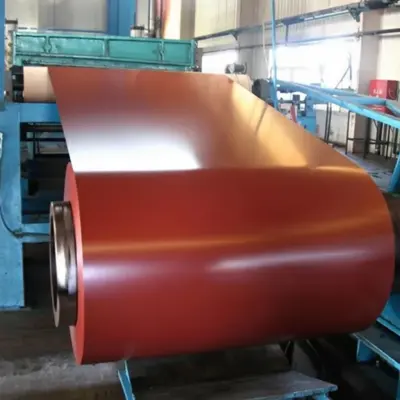
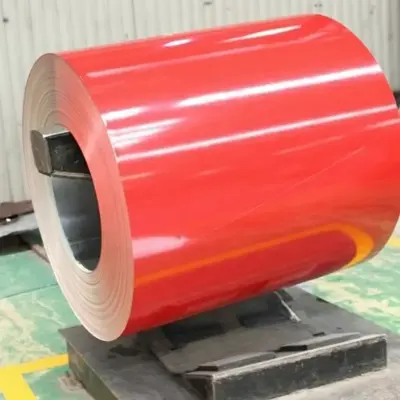
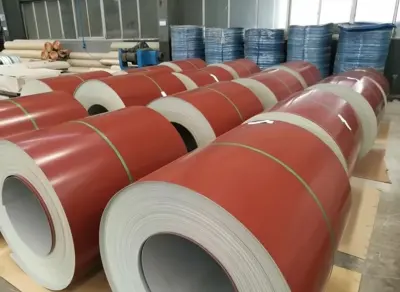
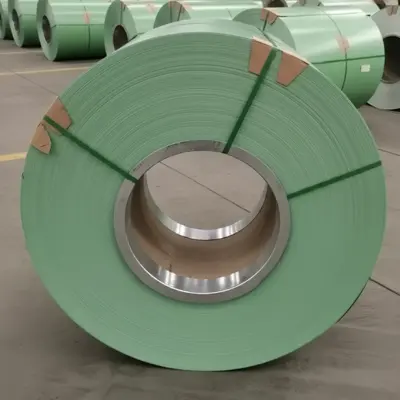
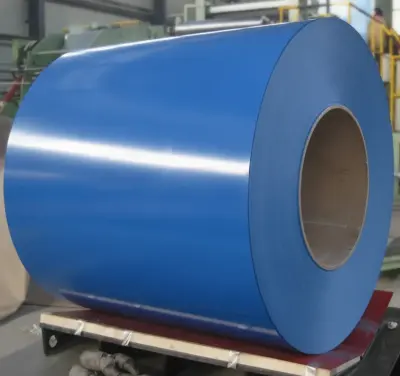
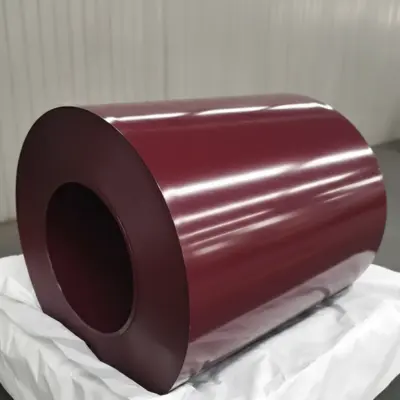
Product details
Color Coated Steel Coil Technical Specifications
| Property | Specification |
|---|---|
| Product Name | Color Coated Steel Coil |
| Product Type | Prepainted Galvanized Steel Coil (PPGI) / Prepainted Galvalume Steel Coil (PPGL) |
| Base Metal | Cold Rolled Steel, Galvanized Steel, or Al-Zn Coated Steel |
| Applicable Standards | ASTM A755/A755M, EN 10169, JIS G3312, GB/T 12754 |
| Steel Grade | DX51D, DX52D, DX53D, S220GD, S250GD, S280GD, S320GD, S350GD, S550GD, CGCC, or equivalent |
| Thickness | 0.12-2.00 mm, customizable |
| Width | 600-1,500 mm, customizable |
| Coil ID | 508 mm / 610 mm |
| Coil Weight | 2-10 metric tons or as required |
| Zinc Coating | Z30-Z275 g/m² |
| Al-Zn Coating | AZ30-AZ185 g/m² |
| Top Paint Thickness | 10-35 μm, depending on coating system |
| Back Paint Thickness | 5-20 μm, depending on application |
| Coating Types | PE, SMP, HDP, PVDF, PU, and other customized coating systems |
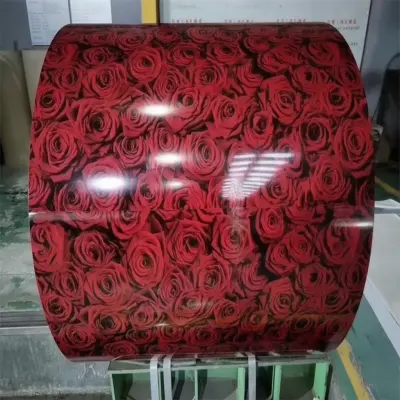
| Surface Finish | Glossy, matte, wrinkled, embossed, wood grain, stone pattern, or printed finish |
| Available Colors | RAL colors or customized color matching |
| Gloss Level | Low, medium, or high gloss; typically 5%-90% |
| Spangle | Zero spangle, minimized spangle, regular spangle, or large spangle |
| Surface Protection | Protective film available upon request |
| Mechanical Properties | Yield strength, tensile strength, and elongation according to selected steel grade and standard |
| Quality Tests | Coating thickness, color difference, gloss, T-bend, pencil hardness, impact resistance, adhesion, and salt spray testing |
| Edge Condition | Mill edge or slit edge |
| Applications | Roofing sheets, wall cladding, sandwich panels, household appliances, garage doors, ceilings, ducts, and construction components |
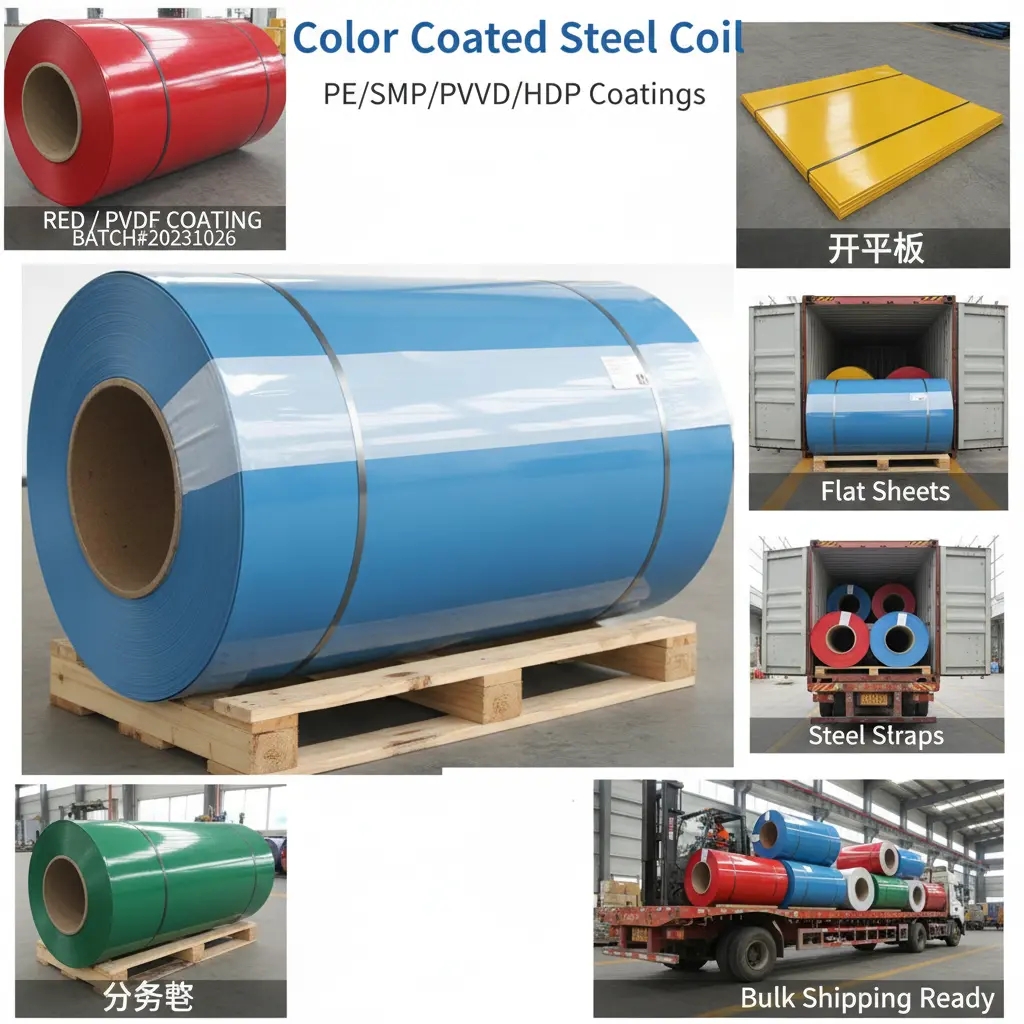
| Packaging | Seaworthy export packing with waterproof paper, steel sheet protection, edge guards, and steel straps |
| Customization | Steel grade, thickness, width, coating weight, paint system, color, gloss, surface pattern, and coil weight can be customized |
Color Coated Steel Coil Manufacturer | Custom PPGI & PPGL Supplier
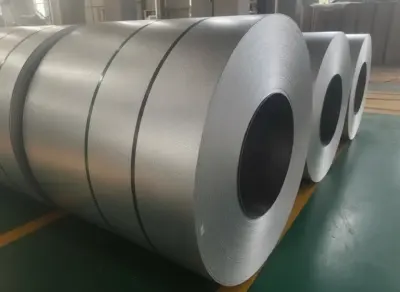
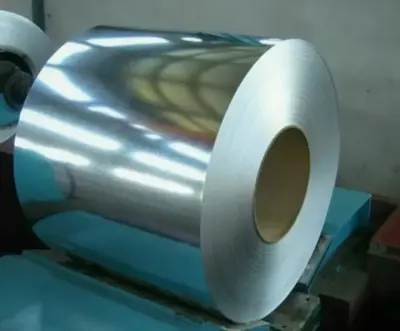
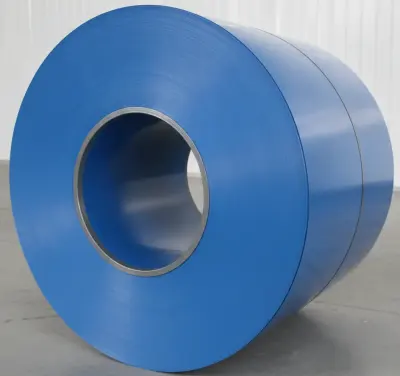
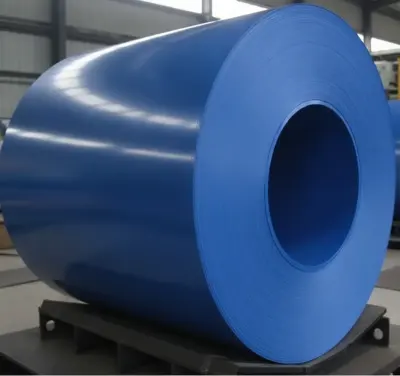
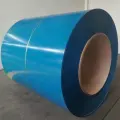
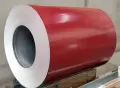
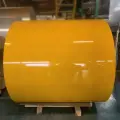
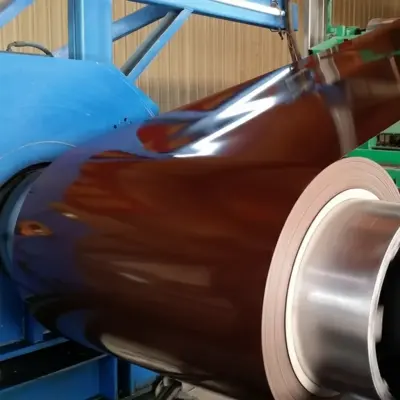
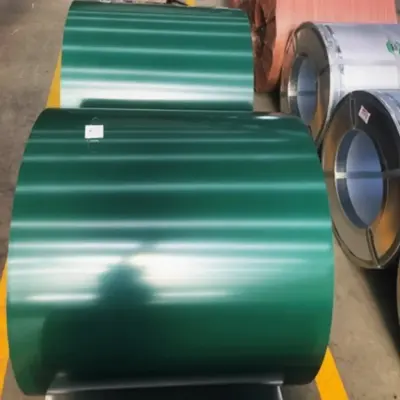
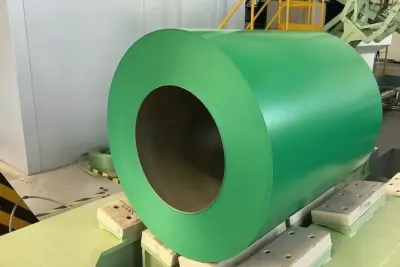
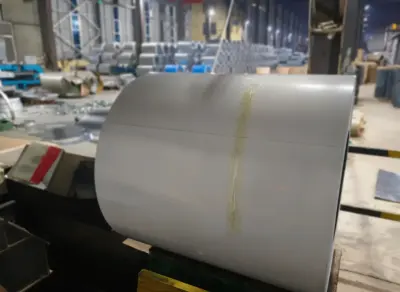
Color coated steel coil is a factory-finished flat steel product that combines a metallic-coated substrate with protective and decorative paint layers. It is designed for overseas distributors, roofing and cladding manufacturers, appliance producers, construction contractors, and industrial fabricators that need consistent appearance, corrosion protection, and efficient downstream processing. Available as PPGI, PPGL, and other coated-steel configurations, the product can be specified by substrate, metallic coating, paint system, color, gloss, dimensions, and mechanical grade. A properly documented supply program helps procurement teams control forming performance, service environment suitability, color consistency, and total landed cost across repeat orders.
Color Coated Steel Coil Product Overview
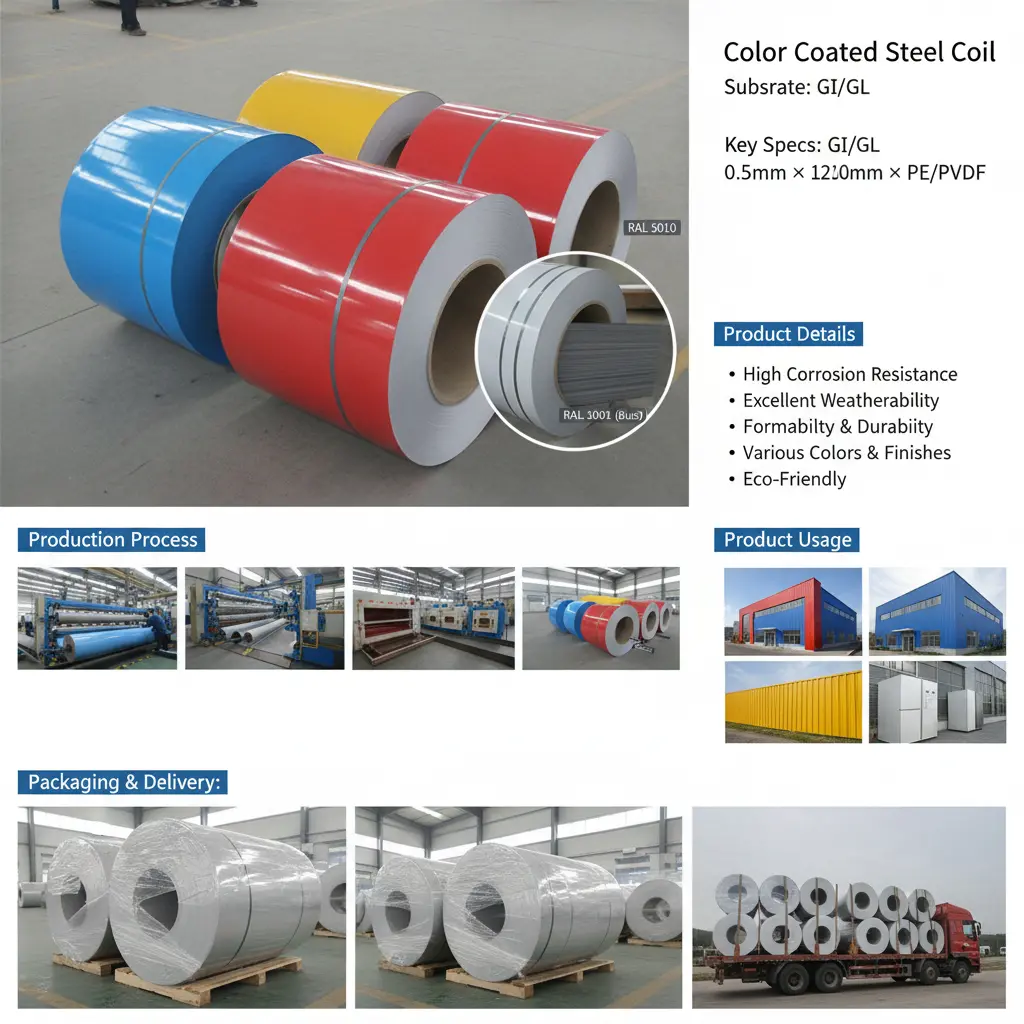
Color coated steel coil, also called prepainted steel coil, is produced by applying an organic coating to a prepared metallic-coated steel substrate in a continuous coil-coating line. The process normally includes substrate cleaning, chemical pretreatment, primer application, topcoat application, back-coat application, controlled curing, cooling, inspection, and recoiling. This factory-controlled method provides a more uniform finish than painting individual components after fabrication.
PPGI refers to prepainted galvanized steel, in which the steel substrate is protected by a zinc coating before painting. PPGL generally refers to prepainted aluminum-zinc alloy-coated steel. The correct option depends on the forming method, exposure conditions, expected service life, edge protection, and applicable project specification. Procurement teams comparing these materials should review the related [[INTERNAL_LINK]] rather than selecting solely by the visible topcoat.
A typical color coated steel coil has several functional layers. The steel base supplies strength and formability; the zinc or aluminum-zinc alloy coating provides metallic corrosion protection; pretreatment promotes coating adhesion; the primer supports corrosion resistance and topcoat bonding; and the finish coat supplies color, gloss, weathering performance, and surface texture. A back coat may be selected according to whether the reverse side will remain exposed, receive insulation, or be bonded to another material.
Common finish systems include polyester, silicone-modified polyester, polyurethane, and polyvinylidene fluoride coating systems. Their suitability varies by climate, ultraviolet exposure, fabrication method, maintenance plan, and warranty specification. Paint-system names alone do not establish equivalent performance: resin formulation, pigment quality, pretreatment, primer, dry film thickness, and curing control also affect the finished product. Buyers should therefore define measurable requirements and refer to a relevant [[INTERNAL_LINK]] for coating-system selection.
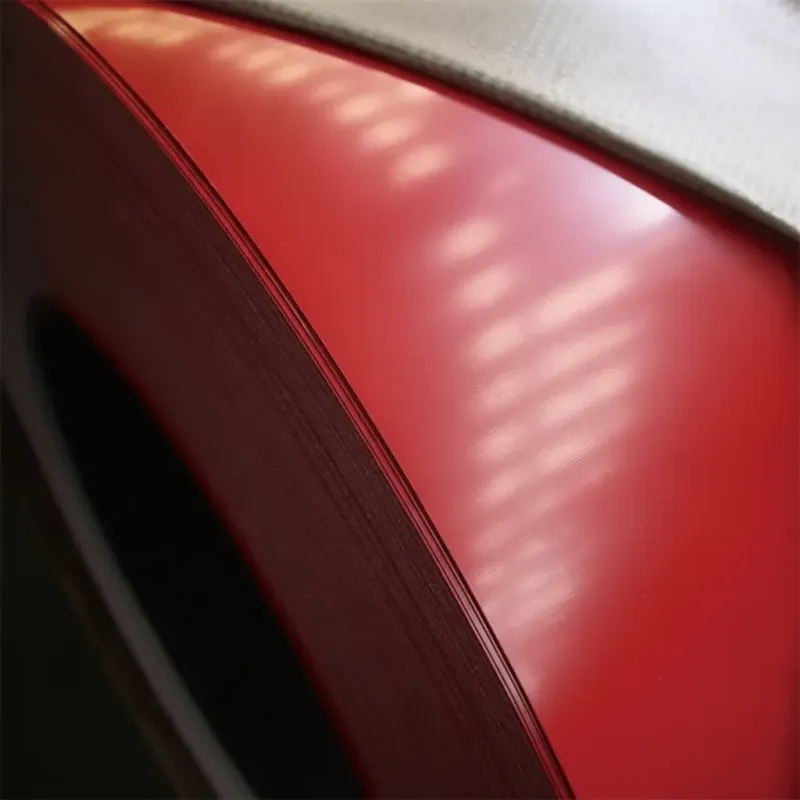
Color can generally be specified using an agreed reference such as a RAL color number or an approved physical sample. However, a color code is not a complete acceptance criterion. Gloss level, surface texture, viewing angle, coating batch, and instrument settings can influence perceived color. For architectural projects, agreeing on a master sample and objective color-tolerance method before production reduces disputes between separate shipments.
Color Coated Steel Coil Specifications & Standards
Color coated steel coil should be ordered against a recognized product standard and a detailed purchase specification. ASTM A755/A755M covers steel sheet, metallic coated by the hot-dip process and prepainted by the coil-coating process for exterior exposed building products. EN 10169 specifies continuously organic-coated steel flat products. JIS G 3312 applies to prepainted hot-dip zinc-coated steel sheet and strip, while JIS G 3322 covers prepainted hot-dip 55% aluminum-zinc alloy-coated steel sheet and strip. GB/T 12754 addresses prepainted steel sheet and strip in the Chinese standards system.
| Standard | Relevant Scope | Typical Procurement Use |
|---|---|---|
| ASTM A755/A755M | Prepainted hot-dip metallic-coated steel sheet for exterior exposed building products | North American and international construction specifications |
| EN 10169 | Continuously organic-coated steel flat products | European construction and industrial applications |
| JIS G 3312 | Prepainted hot-dip zinc-coated steel sheet and strip | PPGI orders using Japanese standard designations |
| JIS G 3322 | Prepainted hot-dip 55% aluminum-zinc alloy-coated steel sheet and strip | PPGL orders using Japanese standard designations |
| GB/T 12754 | Prepainted steel sheet and strip | Orders based on Chinese national product requirements |
The substrate requirements must also be identified. Depending on the selected product, relevant references may include ASTM A653/A653M for hot-dip zinc-coated or zinc-iron alloy-coated steel sheet, ASTM A792/A792M for 55% aluminum-zinc alloy-coated steel sheet, EN 10346 for continuously hot-dip-coated steel flat products, JIS G 3302 for hot-dip zinc-coated steel sheet and strip, and JIS G 3321 for hot-dip 55% aluminum-zinc alloy-coated steel sheet and strip. Buyers can compare substrate options through [[INTERNAL_LINK]].
| Order Parameter | What the Buyer Should Specify | Why It Matters |
|---|---|---|
| Substrate | Galvanized, aluminum-zinc alloy-coated, or another agreed metallic-coated steel | Influences corrosion behavior, forming, edge performance, and cost |
| Steel grade | Structural, commercial, drawing, or other grade under the selected standard | Controls strength, elongation, and suitability for profiling or forming |
| Metallic coating | Coating type and designation required by the governing standard | Supports corrosion protection beneath the paint system |
| Dimensions | Ordered thickness, width, inside diameter, outside-diameter limit, and coil-weight limit | Determines compatibility with processing equipment and transport restrictions |
| Paint system | Primer, topcoat, back coat, finish category, and agreed film requirements | Affects weatherability, flexibility, chemical resistance, and appearance |
| Appearance | Color reference, gloss, texture, and approved sample where required | Establishes consistent visual acceptance criteria |
| Performance testing | Required tests, methods, acceptance values, and inspection frequency | Prevents different interpretations of terms such as adhesion or hardness |
| Packaging | Coil eye orientation, protection method, identification, and lifting limitations | Reduces handling damage and supports warehouse traceability |
Mechanical properties and chemical composition belong primarily to the selected steel substrate grade, not to one universal color coated steel coil value. Yield strength, tensile strength, elongation, and allowable chemistry must therefore be confirmed against the exact grade and edition of the cited substrate standard. A structural grade should not be assumed to have the same forming behavior as a drawing grade, even when both coils have the same color and nominal thickness.
Important finish tests may include coating thickness, gloss, color difference, pencil hardness, bend adhesion, impact resistance, and corrosion-related testing. The governing test method and acceptance threshold should be written into the contract because test duration does not directly equal outdoor service life. For example, ASTM D523 is commonly used for specular gloss, ASTM D2244 addresses calculation of color differences from instrumentally measured color coordinates, and ASTM D3363 covers film hardness by pencil test. Applicable methods must be agreed for the coating system and intended market.
Color Coated Steel Coil Applications
Color coated steel coil is converted into finished parts by roll forming, cutting, slitting, bending, stamping, and other fabrication processes. The material should be selected according to the final component rather than treated as a purely decorative commodity.
Roofing and Wall Cladding
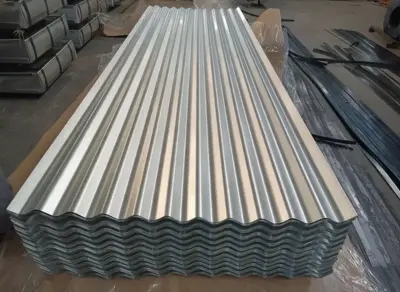
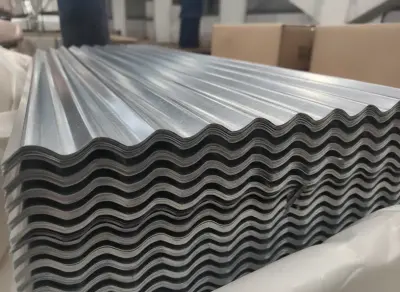
Profiled roofing sheets, facade panels, wall cladding, flashings, and rainwater components are major applications. Exterior products require attention to ultraviolet exposure, precipitation, atmospheric contaminants, roof pitch, cut edges, drainage, and contact with dissimilar materials. Coastal or industrial locations may require a different specification from dry inland projects. Guidance on roof profiles and compatible products is available through [[INTERNAL_LINK]].
Sandwich Panels and Insulated Building Systems
Manufacturers use prepainted coil as the external and internal skins of insulated panels for factories, warehouses, cold rooms, and modular structures. The outer face must suit the exposure environment, while the reverse side may need compatibility with foam, adhesive, or laminating processes. Panel producers should confirm surface treatment, back-coat type, bonding trials, and protective-film requirements before volume production.
Household Appliances and Interior Equipment
Appliance housings, cabinet panels, shelving, ceiling systems, partitions, and other interior components may use color coated steel coil to avoid post-fabrication painting. These applications often prioritize surface uniformity, stain resistance, controlled gloss, scratch resistance, and forming quality. The required finish may differ substantially from an exterior architectural coating, so intended use should be disclosed during quotation.
Doors, Shutters, and Fabricated Building Components
Roller shutters, garage-door panels, door skins, ventilation housings, and light-gauge accessories benefit from continuous color and efficient forming. Tight bends and visible surfaces make adhesion, substrate ductility, roll-tool condition, and protective-film selection important. Trial profiling is advisable where the geometry is demanding or an existing tool set was developed for another substrate.
Transport and General Industrial Fabrication
Selected interior transport components, equipment enclosures, storage systems, and industrial casings can be made from prepainted coil. Suitability depends on exposure, forming severity, chemical contact, cleaning procedures, and regulatory requirements. For fabrication planning and complementary flat products, consult [[INTERNAL_LINK]].
How to Choose Color Coated Steel Coil: Buying Guide
A procurement manager should begin with the finished component and its service environment. State whether the material will be used indoors or outdoors, whether it will face coastal salt, industrial emissions, high humidity, strong sunlight, condensation, chemical cleaners, or continuous heat. This information allows the supplier to evaluate the substrate, metallic coating, primer, and finish as one system.
Define dimensions clearly. The purchase order should identify whether thickness is specified as base-metal thickness or coated-product thickness, because the distinction can affect weight calculations and tolerance comparisons. Include width, coil inside diameter, maximum outside diameter, maximum or target coil weight, permitted joints if applicable, edge condition, and any slitting requirements. Confirm dimensional tolerances under the selected standard instead of relying only on a nominal size.
Select the steel grade according to processing. Roll-formed roofing may need a different strength and ductility balance from deep-drawn appliance parts. Provide profile drawings, minimum bend radii, forming direction, and known tooling restrictions when practical. Samples or trial coils may be appropriate before committing to a large program, particularly for complex profiles. More procurement details can be found at [[INTERNAL_LINK]].
Specify the complete coating build-up. “PPGI” or “PPGL” alone does not define metallic coating designation, paint chemistry, primer, film thickness, back coat, color tolerance, gloss, or warranty conditions. List the governing standard, substrate standard and grade, metallic-coating designation, pretreatment requirements where relevant, paint system, top and reverse-side finish, and required tests. For visible architectural work, establish an approved master color sample and clarify whether different production batches may be installed adjacent to one another.
Review certification before placing the order. Depending on the contract, buyers may request a mill test certificate or inspection document showing order identification, substrate grade, dimensions, metallic coating, and available test results. EN 10204 defines types of inspection documents for metallic products; if an EN 10204 document is required, the exact document type must be agreed in the purchase contract. Third-party inspection should likewise identify scope, sampling stage, test methods, and responsibility for cost.
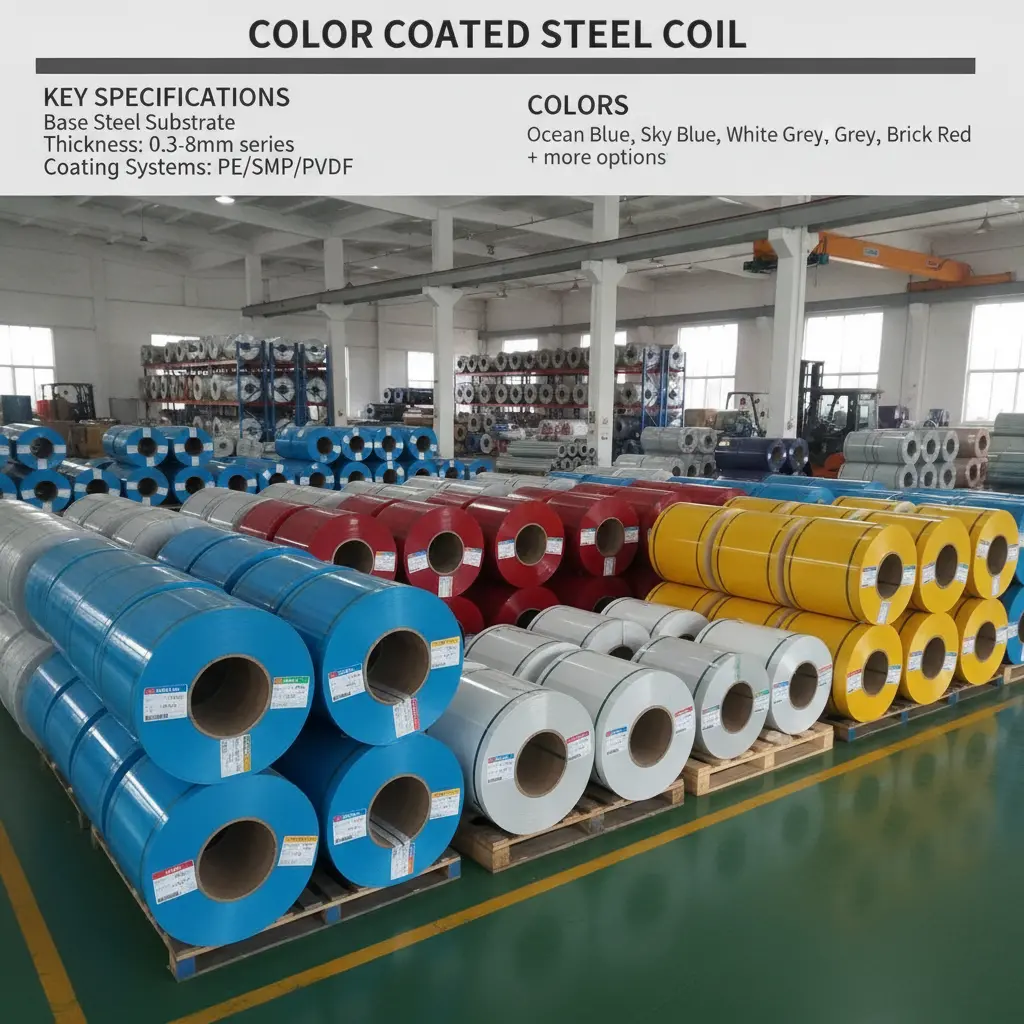
MOQ should be discussed by exact specification, not only by total tonnage. A project containing several colors, widths, grades, and coating systems may involve separate production quantities for each combination. The practical minimum can depend on substrate availability, paint preparation, line scheduling, slitting, and packaging. Ask the supplier to show the minimum for each item and whether compatible orders can be consolidated; do not assume one universal MOQ.
Lead time should cover technical approval, substrate sourcing, paint matching, production, testing, packaging, and dispatch. Custom colors or non-routine specifications may require sample approval before the manufacturing schedule can be confirmed. Procurement plans should also allow time for document review and any nominated inspection. For repeat business, forecast sharing can support more stable production planning without replacing a firm purchase order.
Logistics requirements belong in the inquiry. Specify destination, Incoterms rule and named place, shipment mode, coil weight restrictions, unloading equipment, coil-eye orientation, marking language, and documentation requirements. Export packaging should be agreed according to transport and storage conditions, but packaging does not eliminate the need for dry storage and careful handling. Buyers should consult [[INTERNAL_LINK]] for coil storage and handling practices and inspect packaging condition when cargo is received.
Color Coated Steel Coil Frequently Asked Questions
Q: What is the difference between PPGI and PPGL color coated steel coil?
A: PPGI uses a hot-dip galvanized steel substrate, while PPGL generally uses a hot-dip aluminum-zinc alloy-coated substrate. Both receive pretreatment, primer, and finish coats, but their metallic layers behave differently under various exposure and fabrication conditions. The preferred material depends on the component design, forming process, cut-edge exposure, climate, applicable standard, and project requirements. The names PPGI and PPGL should therefore be supported by complete substrate and coating designations.
Q: Which standards apply to color coated steel coil?
A: Common product standards include ASTM A755/A755M, EN 10169, JIS G 3312, JIS G 3322, and GB/T 12754. Substrate standards may include ASTM A653/A653M, ASTM A792/A792M, EN 10346, JIS G 3302, or JIS G 3321. The applicable standard must match the substrate, market, and end use. Buyers should state the required standard and edition in the inquiry and avoid mixing grade or coating designations from incompatible systems without technical confirmation.
Q: Can the color, gloss, and surface texture be customized?
A: These characteristics can generally be specified subject to technical feasibility, paint availability, production requirements, and supplier confirmation. Buyers should provide a recognized color reference or physical sample, required gloss range, texture description, end-use environment, and quantity. For critical facade projects, an approved master sample and agreed instrumental color-control method are preferable to visual approval alone. Custom requirements may affect minimum production quantity and lead time.
Q: What certificates can be supplied with an export order?
A: Documentation depends on the agreed standard, contract, and available production records. Buyers may request a certificate identifying the order, grade, dimensions, coating designation, and relevant test results. If inspection documentation under EN 10204 is required, specify the exact document type before ordering. Certificates of origin, packing lists, commercial invoices, and shipping documents should also be listed in the purchase contract because destination requirements vary.
Q: What is the minimum order quantity for color coated steel coil?
A: There is no responsible universal MOQ for every specification. Minimum quantity can vary by substrate, thickness, width, color, paint system, coating designation, production schedule, and slitting requirement. Multiple colors or sizes may each carry a separate minimum. Send an itemized specification and estimated quantity so the supplier can confirm the applicable MOQ and whether production or shipment can be consolidated.
Q: What payment methods are available for international orders?
A: Payment terms are agreed case by case according to order value, customer qualification, destination, production status, and trade-risk controls. Common international arrangements may include bank transfer or letter of credit, but availability and detailed conditions must be confirmed in the commercial contract. Buyers should verify beneficiary information through an established channel and ensure that payment milestones correspond with production, inspection, and shipping documents.
Q: How long does production and delivery take?
A: Lead time depends on specification approval, substrate and paint availability, color matching, order quantity, line scheduling, testing, and packaging. Delivery time also depends on the selected transport mode, route, customs procedures, and destination. A reliable schedule can be issued only after the technical details and commercial terms are confirmed. Custom colors, special inspection, or unusual dimensions may require additional preparation.
Q: How should prepainted coils be packed, handled, and stored?
A: Packaging, coil orientation, lifting method, and moisture protection should be agreed before shipment. During handling, suitable coil equipment should be used to avoid edge damage, telescoping, or pressure marks. Coils should be stored in a clean, dry, ventilated area and protected from condensation and water ingress. Wet packaging should be investigated promptly because trapped moisture can damage the surface. Follow the supplier’s handling instructions and the relevant [[INTERNAL_LINK]].
Q: How can a buyer evaluate coating performance before placing a large order?
A: Define the intended exposure and fabrication process, then agree on measurable tests and acceptance criteria. Depending on the application, these may address color, gloss, film thickness, adhesion after bending, impact behavior, hardness, or corrosion-related performance. Laboratory tests should be interpreted under the cited method and should not be treated as a direct prediction of years in service. Sample evaluation or a trial coil can also confirm appearance and forming compatibility.
Q: Can protective film be applied to color coated steel coil?
A: Protective film may be available for finishes that need additional protection during profiling, transport, or installation, subject to surface type and production feasibility. The buyer should specify film type, peel requirements, expected storage period, processing temperature, and removal timing. Film left in place too long or exposed to unsuitable heat and sunlight can become difficult to remove, so handling instructions and removal responsibility should be agreed before production.
Send your required standard, substrate grade, metallic-coating designation, dimensions, coil weight, color reference, gloss, paint system, application, quantity, inspection requirements, destination, and preferred trade terms to request a technical review and quotation for color coated steel coil. Providing a profile drawing or approved sample will help clarify forming and appearance requirements for custom PPGI or PPGL supply.
Ratings & Reviews

Know your supplier
Supplier's customization ability
- Drawing-based customization
- Sample-based customization
- Full customization
Minimum order quantity: 1 ton
Shipping total: To be negotiated
- Lead time:
- confirmed with the quotation
- Packaging:
- standard export packing
- Samples:
- available on request