 English
 Español
 Français
 Deutsch
 Português (Brasil)
 Русский
 العربية

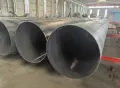
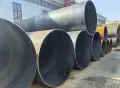
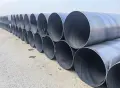
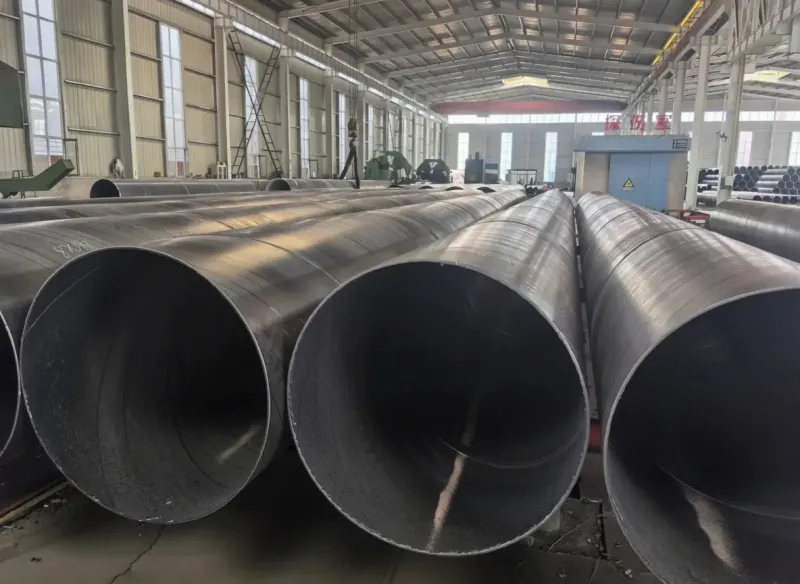
Hydropower Penstock | High-Strength Steel Water Pipe for Hydroelectric Projects

 China
Supplier's customization ability
- Drawing-based customization
- Sample-based customization
- Full customization
Minimum order quantity: 1 ton
Shipping total: To be negotiated
- Lead time:
- confirmed with the quotation
- Packaging:
- standard export packing
- Samples:
- available on request
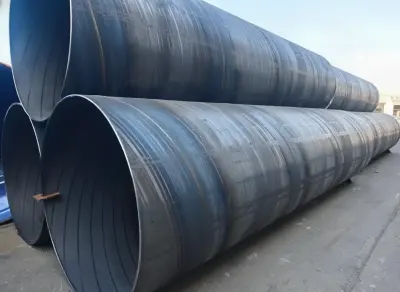
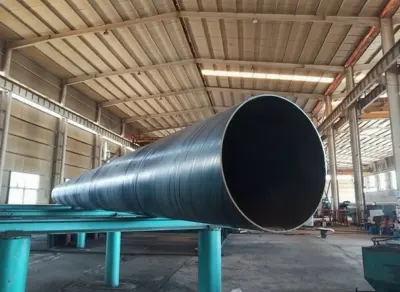
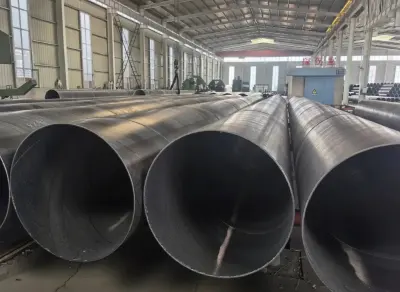
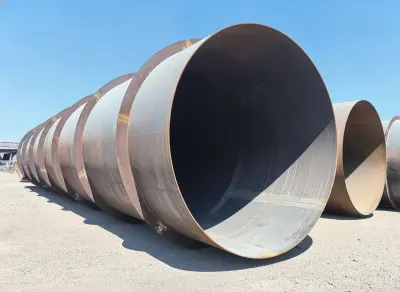
Product details
Hydropower Penstock Technical Specifications
| Attribute | Specification |
|---|---|
| Product Name | Hydropower Penstock |
| Application | Hydroelectric power station water conveyance and pressure water pipeline systems |
| Product Type | Steel penstock, buried penstock, exposed penstock, vertical penstock, inclined penstock, and branch penstock |
| Material | Carbon steel or low-alloy high-strength steel, selected according to design pressure, diameter, temperature, and project requirements |
| Common Steel Grades | Q235B, Q355B, Q355C, Q355D, ASTM A36, ASTM A572 Grade 50, and equivalent grades |
| Nominal Diameter | Customizable according to hydropower station flow rate and hydraulic design, typically from DN500 to DN6000 |
| Wall Thickness | Calculated according to internal pressure, water hammer pressure, structural loads, corrosion allowance, and applicable design standards |
| Maximum Design Pressure | Custom-engineered according to static water head, transient pressure, water hammer, and safety requirements |
| Pipe Length | Standard fabricated sections are commonly supplied in 6 m to 12 m lengths; custom lengths available for transportation and installation |
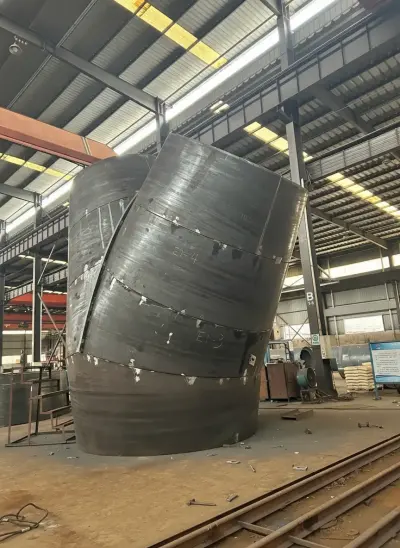
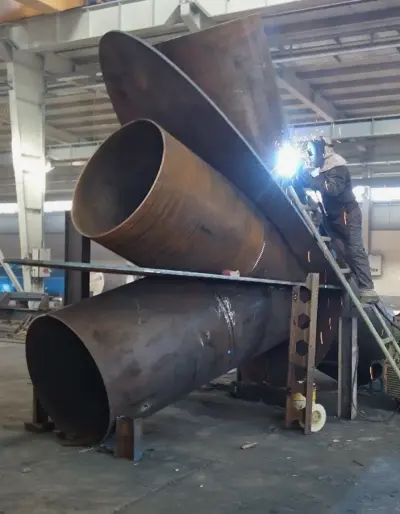
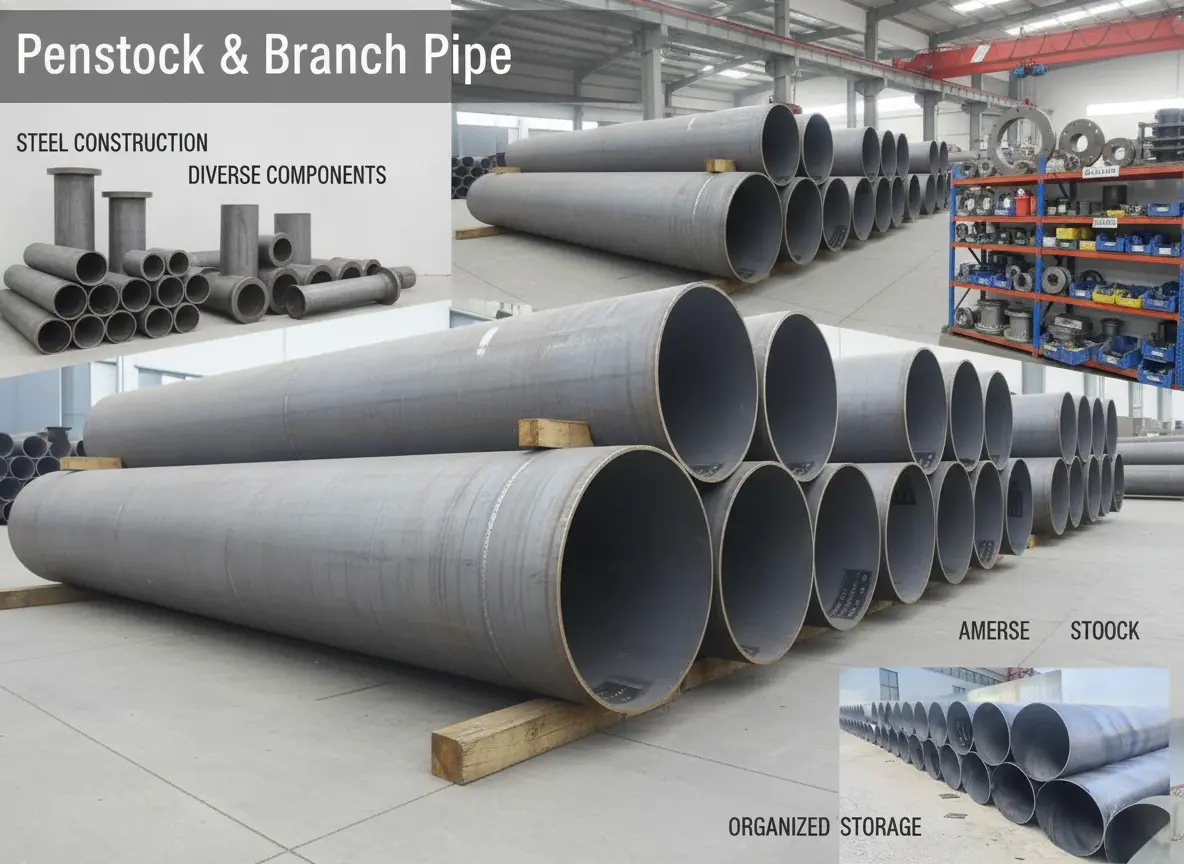
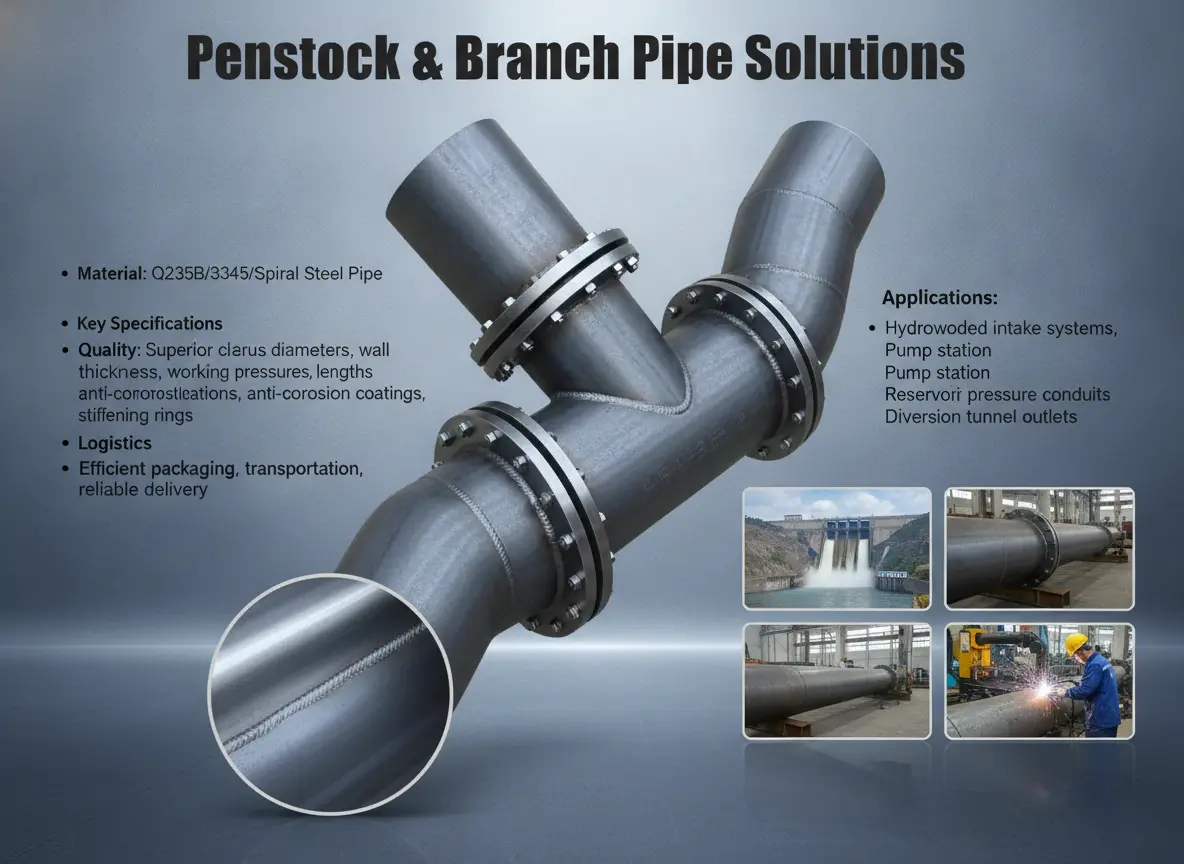
| Pipe Configuration | Straight sections, elbows, reducers, expansion sections, bifurcations, manifolds, and embedded connection sections |
| Connection Method | Full-penetration butt welding, flanged connection, or welded flange connection according to project design |
| Welding Process | SAW, FCAW, SMAW, or GMAW with qualified welding procedures and certified welders |
| Welding Inspection | Visual testing, dimensional inspection, ultrasonic testing, radiographic testing, magnetic particle testing, or dye penetrant testing as specified |
| Internal Surface Treatment | Blast cleaning and protective coating suitable for continuous water service; lining system selected according to water quality and operating conditions |
| External Protection | Anti-corrosion coating, epoxy coating, polyurethane coating, or concrete encasement for buried and embedded penstock applications |
| Flange Standard | ASME, EN, DIN, JIS, GB/T, or project-specific flange standards |
| Design Standards | Manufactured and tested according to applicable hydropower, pressure pipeline, welding, coating, and steel fabrication standards |
| Accessories | Stiffening rings, expansion joints, manholes, inspection ports, air valves, drain connections, supports, anchors, and bifurcation fittings |
| Dimensional Tolerance | Controlled according to approved fabrication drawings, project specifications, and applicable steel pipe manufacturing standards |
| Inspection Documents | Mill test certificate, welding procedure qualification, welder qualification, non-destructive testing reports, coating reports, dimensional inspection report, and final inspection certificate |
| Customization | Diameter, wall thickness, steel grade, section length, bends, branch geometry, flange type, coating system, and testing requirements can be customized |
| Typical SEO Keywords | hydropower penstock, hydroelectric penstock pipe, steel penstock pipe, hydropower station pipeline, high pressure penstock, welded steel penstock, custom penstock manufacturer |
Hydropower Penstock | High-Strength Steel Water Pipe for Hydroelectric Projects
A hydropower penstock is a pressure-bearing steel water pipe that conveys water from a reservoir, forebay, or surge facility to hydroelectric turbines. It is specified by EPC contractors, hydropower developers, engineering consultants, utility companies, and international project procurement teams that require controlled dimensions, reliable weld integrity, and documented material traceability. The principal value of a properly engineered penstock lies in its ability to withstand internal pressure, hydraulic transients, external loads, and site-specific installation conditions throughout the design life of the plant. Procurement should therefore be based on approved calculations, applicable standards, inspection requirements, coating systems, transport restrictions, and the project’s installation method rather than pipe diameter alone.
Product Overview: Hydropower Penstock
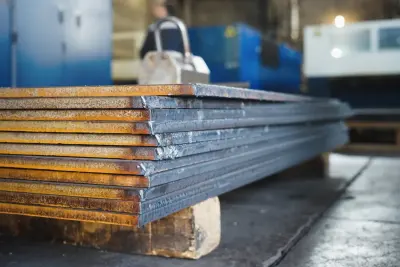
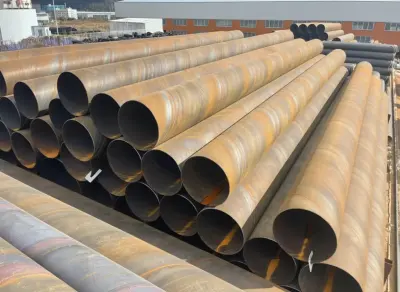
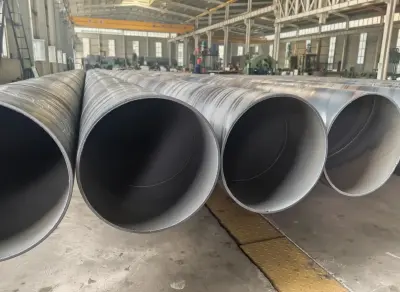
A hydropower penstock is normally fabricated from steel plate by forming the plate into cylindrical sections and welding the longitudinal and circumferential joints. Depending on the project design, the completed water-conveyance system may include straight pipe sections, bends, reducers, branches, manifolds, transition pieces, expansion arrangements, inspection openings, stiffening rings, flanges, supports, anchors, and connection sections for valves or turbine equipment. Related steel pipe and fabricated component options can be reviewed through [[INTERNAL_LINK]].
Steel is widely used for penstock construction because its strength, weldability, and fabrication flexibility allow engineers to design large-diameter pipelines for demanding pressure conditions. The required plate grade and wall thickness are not universal. They must be selected from the design pressure, static head, surge pressure, pipe diameter, allowable stress, corrosion allowance, temperature, fabrication process, and applicable design code. Higher strength does not automatically mean a more suitable material: weldability, fracture toughness, plate availability, forming capability, and field repair procedures must also be considered.
Each hydropower penstock should be treated as an engineered pressure-water system rather than as a standard commodity pipe. A buried line may need resistance to soil loads, groundwater effects, settlement, and coating damage. An exposed line on supports must account for span loads, temperature movement, vibration, wind, seismic actions, and anchor forces. A tunnel-installed penstock may require close dimensional control because access, lifting capacity, welding space, and erection sequence are restricted. Guidance on steel pipe fabrication and weld preparation is available at [[INTERNAL_LINK]].
Key procurement characteristics commonly include controlled outside diameter or internal diameter, specified wall thickness, roundness, straightness, bevel geometry, weld procedure qualification, material identification, nondestructive testing, hydrostatic or other pressure testing when required, and an external and internal corrosion-protection system suited to the service environment. The final scope should always follow approved project drawings and technical specifications.
Specifications & Standards for Hydropower Penstock
Hydropower penstock specifications are project-specific. Diameter, wall thickness, section length, steel grade, joint design, and coating cannot be confirmed from the product name alone. The purchaser should provide a data sheet showing design and operating pressures, hydraulic transient values, design temperature, alignment, installation environment, corrosion allowance, required design life, and the governing code. This information allows the manufacturer to evaluate plate sourcing, forming capacity, welding procedures, inspection stages, and transport feasibility.
| Specification Item | Typical Procurement Requirement | Buyer’s Required Input |
|---|---|---|
| Pipe diameter | Manufactured according to approved drawings and agreed dimensional tolerances | Inside or outside diameter, tolerances, and interface dimensions |
| Wall thickness | Selected by engineering calculation, with any corrosion allowance stated separately | Design pressure, surge pressure, loads, material grade, and design code |
| Section length | Matched to fabrication facilities, installation sequence, and shipping limits | Site access, lifting capacity, container or break-bulk restrictions, and erection plan |
| Steel material | Structural or pressure-purpose steel with documented chemical and mechanical properties | Standard, grade, delivery condition, toughness requirement, and inspection certificate type |
| Weld configuration | Longitudinal and circumferential welded construction as defined by approved drawings | Joint category, bevel detail, welding acceptance criteria, and field-weld scope |
| Nondestructive testing | Visual testing plus specified volumetric or surface examination | NDT method, examination percentage, acceptance criteria, and reporting format |
| Corrosion protection | Internal and external systems selected for water service and exposure conditions | Water characteristics, soil or atmospheric environment, preparation grade, coating type, and dry-film thickness |
| Documentation | Traceability records, inspection reports, welding documents, and packing lists as contracted | Document register, language, approval workflow, and final dossier format |
Several international standards may be relevant, but applicability depends on the project jurisdiction and engineer’s specification. ASTM A134/A134M covers electric-fusion-welded steel pipe in nominal sizes 16 inches and over, while ASTM A139/A139M covers electric-fusion-welded steel pipe in nominal sizes 4 inches and over. These standards may be referenced for fabricated steel pipe, subject to the required grade, testing, and project-specific supplementary requirements.
For European projects, EN 10224 specifies non-alloy steel tubes and fittings for the conveyance of water and other aqueous liquids. Steel plate may also be ordered to an applicable grade under EN 10025-2 for hot-rolled structural steels or EN 10025-3 for normalized or normalized-rolled weldable fine-grain structural steels, where the engineering specification permits. JIS G 3443 may be relevant to coated steel pipes for water service. In China, project documentation may reference suitable plate requirements under GB/T 1591 for high-strength low-alloy structural steels. These references are not interchangeable: the designer must approve the exact standard, grade, delivery condition, and supplementary testing. More information about steel plate standards can be found at [[INTERNAL_LINK]].
| Standard | Scope Relevant to Procurement | Important Qualification |
|---|---|---|
| ASTM A134/A134M | Electric-fusion-welded steel pipe manufactured from plate | Grade, plate specification, examination, and supplementary requirements must be stated |
| ASTM A139/A139M | Electric-fusion-welded steel pipe for specified nominal size ranges | Suitability for the calculated penstock duty requires engineering approval |
| EN 10224 | Steel tubes and fittings for water and aqueous-liquid conveyance | Applicable product option, dimensions, and inspection requirements must be agreed |
| EN 10025-2 | Hot-rolled products of structural steels | Grade and impact properties depend on the project specification |
| EN 10025-3 | Normalized or normalized-rolled weldable fine-grain structural steels | Material selection must consider thickness, toughness, and welding procedure |
| JIS G 3443 | Coated steel pipes for water service | Coating and service requirements should be checked against project conditions |
| GB/T 1591 | High-strength low-alloy structural steels | The selected grade and delivery condition require designer approval |
Chemical composition and mechanical properties vary by the selected material standard, grade, plate thickness, and delivery condition. They should therefore be taken from the applicable edition of the specified standard and verified against the original mill inspection certificate. Procurement teams should not accept a generic claim such as “high-strength steel” in place of a complete grade designation and traceable documentation.
Welding controls should include approved welding procedure specifications, procedure qualification records, welder qualifications, consumable control, preheat and interpass temperature requirements where applicable, and repair procedures. AWS D1.1/D1.1M may be specified for structural welding, while ISO 15614-1 is commonly used for qualification of welding procedures for metallic materials. The governing project code determines which route applies. NDT personnel qualification may be requested in accordance with ISO 9712, and inspection documents may be specified under EN 10204, such as a 3.1 certificate where contractually required. A practical overview of third-party inspection is available at [[INTERNAL_LINK]].
Applications of Hydropower Penstock
A hydropower penstock is used wherever controlled water flow must be delivered to hydroelectric generating equipment under pressure. The hydraulic profile, terrain, plant arrangement, and construction method determine the configuration.
Conventional Storage Hydroelectric Plants
In reservoir-based plants, the penstock transfers water from an intake, forebay, or surge tank toward the turbine inlet. The line may run above ground, through a tunnel, down a steep slope, or in a combination of alignments. Static head and transient pressure are central design inputs, especially near lower elevations where internal pressure may be greatest.
Run-of-River Hydropower Stations
Run-of-river projects use available river flow with limited storage. Their water-conveyance arrangement may include canals, headrace tunnels, forebays, and one or more steel penstocks. Procurement priorities often include efficient site assembly, protection against local atmospheric or soil exposure, and dimensions compatible with restricted roads and lifting equipment.
Pumped-Storage Hydroelectric Projects
Pumped-storage facilities move water between upper and lower reservoirs and operate in both generating and pumping modes. Their pressure-waterways may experience repeated operating cycles and complex hydraulic transients. Material selection, fatigue-sensitive details, weld quality, and inspection planning should be coordinated closely with the project designer. Information on heavy steel fabrication is available at [[INTERNAL_LINK]].
Small and Medium Hydropower Developments
A hydropower penstock for a smaller station may still involve substantial pressure and demanding terrain. Section dimensions must be balanced against local transport capacity, site welding resources, crane access, and installation productivity. Modular shop-fabricated sections can reduce field forming, but the joint arrangement must match the erection sequence.
Rehabilitation and Capacity-Upgrading Projects
Existing plants may require replacement sections, bifurcations, reducers, reinforcement, or complete penstock renewal because of corrosion, fatigue concerns, leakage, or uprating. Accurate field measurement and interface verification are essential because original drawings may not fully represent current conditions. Existing material compatibility and shutdown schedules also influence fabrication planning.
How to Choose a Hydropower Penstock / Buying Guide
Selecting a hydropower penstock begins with a complete technical inquiry. Procurement managers should issue approved drawings or a structured data sheet, not only a diameter and estimated tonnage. At minimum, identify the applicable code, design pressure, operating pressure, transient pressure, design temperature, diameter basis, wall thickness schedule, material standard and grade, corrosion allowance, installation method, and required service interfaces.
First, confirm whether the stated diameter is internal or external. This distinction affects hydraulic calculations, plate development, connection dimensions, and total weight. Identify every thickness transition, bend radius, reducer geometry, branch angle, flange, stiffener, support interface, and field-weld location. Dimensional tolerances should be agreed before production because large fabricated sections must align during erection.
Second, review material certification and traceability. Ask which inspection document is required under EN 10204 or the nominated equivalent, whether plate-level heat numbers must remain traceable to each fabricated section, and whether impact testing, through-thickness properties, or additional testing is required. These conditions affect plate availability and should be clarified before a delivery commitment is made. See [[INTERNAL_LINK]] for guidance on interpreting mill test certificates.
Third, define the inspection and test plan. The plan should state hold points, witness points, dimensional checks, weld examination methods, examination coverage, acceptance standards, repair controls, coating inspection, and final document requirements. If an independent inspector or owner’s representative will attend, include notification periods and document approval cycles in the schedule. Pressure or leak testing requirements must identify the test section, pressure, duration, medium, safety controls, and acceptance criteria approved by the project engineer.
Fourth, evaluate the commercial quantity realistically. The minimum order quantity for a hydropower penstock cannot be assumed without reviewing diameter, thickness, material grade, forming requirements, and total fabricated scope. A supplier may assess a trial section, replacement spool, or complete project differently. Buyers should submit an itemized bill of quantities so material utilization, welding workload, inspection, and packing can be evaluated.
Fifth, request a production schedule linked to engineering approval and material availability. Lead time generally includes drawing review, plate procurement, procedure qualification where required, forming, welding, NDT, dimensional inspection, coating, documentation, and shipment preparation. Late changes to grade, thickness, joint detail, coating, or inspection coverage can alter the schedule. A realistic plan should distinguish approval time from manufacturing time.
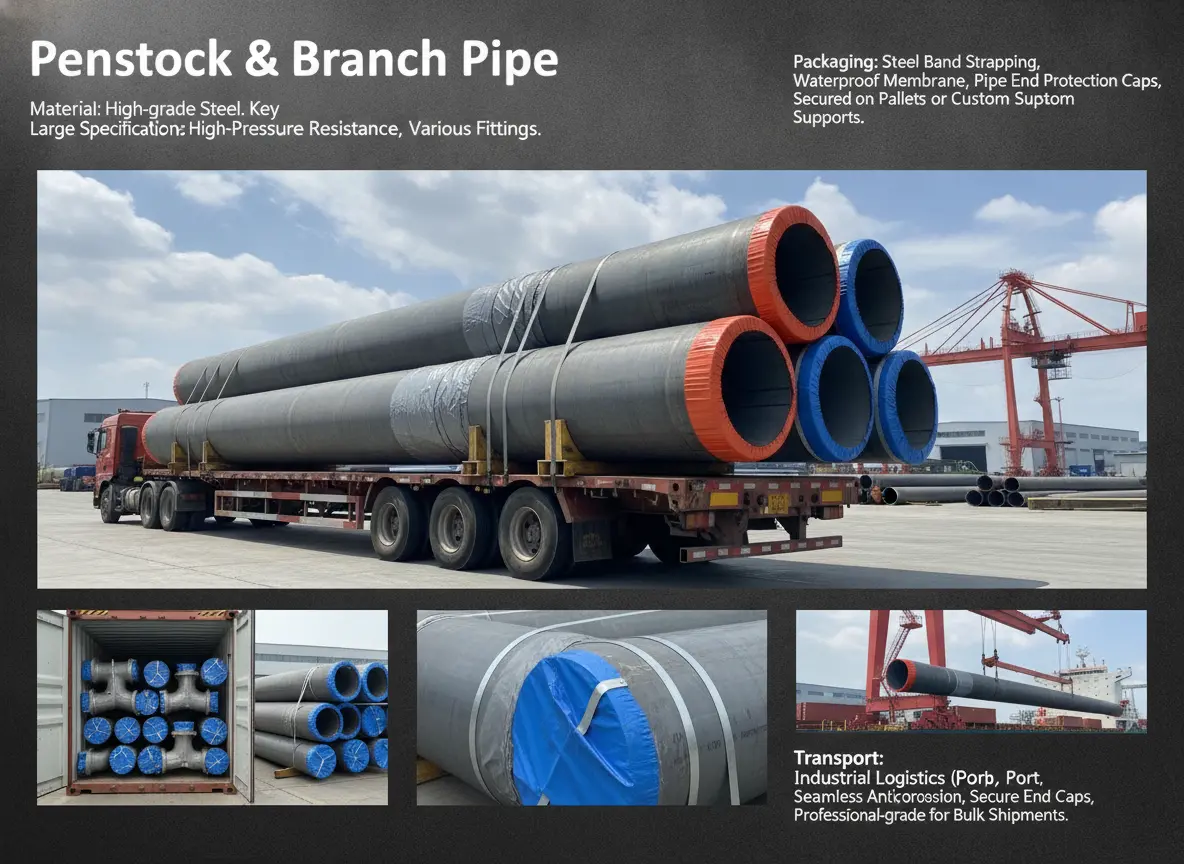
Finally, conduct a logistics review before freezing section lengths. Large-diameter pipe may require special lifting, nesting analysis, transport saddles, weather protection, or break-bulk shipment rather than standard container loading. Road restrictions between the destination terminal and project site can be more limiting than ocean transport. Marking plans should allow erection crews to identify each section, orientation, flow direction, and matching joint. Export packing and shipment considerations are discussed at [[INTERNAL_LINK]].
Frequently Asked Questions About Hydropower Penstock
Q: What is the difference between a hydropower penstock and an ordinary water pipe?
A: A hydropower penstock is engineered for a defined hydraulic head, internal pressure, transient events, external loads, alignment, and installation environment. Ordinary water pipe may be produced to a standard dimensional range without the project-specific analysis required for a hydroelectric pressure waterway. Penstocks also commonly require custom diameters, varying wall thicknesses, fabricated bends or branches, controlled field joints, extensive weld inspection, and a project-specific documentation dossier.
Q: Which steel grade should be used for a hydropower penstock?
A: No single steel grade is correct for every project. The designer should select the grade by considering calculated stress, plate thickness, weldability, fracture toughness, service temperature, forming requirements, fatigue exposure, corrosion allowance, and the governing code. The purchase order should state the full standard and grade designation, delivery condition, impact-testing requirement, and any supplementary properties. Substitution between ASTM, EN, JIS, and GB/T grades requires written engineering approval.
Q: Can you provide material certificates and inspection records?
A: Certification can be supplied according to the agreed contract and inspection plan. Buyers should specify the required certificate type, traceability level, report language, and document format in the inquiry. Typical project documentation may include material certificates, heat-number records, welding procedure documents, welder qualification records, NDT reports, dimensional reports, coating inspection records, and packing lists. Availability and scope must be confirmed before order placement.
Q: What is the minimum order quantity for a hydropower penstock?
A: MOQ depends on the plate grade, thickness, diameter, forming process, inspection requirements, and whether the inquiry covers straight pipe or complex fittings. A replacement section and a complete power-station package have different material and production implications. Submit drawings, quantities, and the required standard for a project-specific MOQ assessment; a fixed generic quantity would not be technically reliable.
Q: How long does hydropower penstock production take?
A: Lead time depends on engineering approval, plate availability, fabrication volume, section complexity, welding qualification, NDT coverage, coating system, third-party inspection, and shipping preparation. The schedule should begin only after technical requirements are sufficiently frozen. For an accurate estimate, provide the bill of quantities, drawings, material specification, inspection plan, coating specification, required delivery date, and destination logistics constraints.
Q: What payment methods are available for an international order?
A: Payment terms are agreed during commercial negotiation and may depend on contract value, manufacturing duration, credit assessment, banking requirements, and shipment structure. International buyers should request the accepted payment methods, deposit or milestone arrangement, document conditions, bank charges, and currency in the formal quotation. Any letter-of-credit wording should be reviewed before issuance to prevent documentary conflicts.
Q: How are penstock welds inspected?
A: Inspection normally starts with visual and dimensional examination. Additional surface or volumetric NDT may include magnetic particle, penetrant, ultrasonic, or radiographic testing as specified by the governing code and inspection plan. The required method and coverage depend on weld category, joint design, thickness, access, and acceptance criteria. Personnel qualification, calibration records, report content, repair examination, and third-party witness points should be defined contractually.
Q: Can hydropower penstock sections be supplied with internal and external coatings?
A: Coating can be included when the required system is identified. Selection should consider water chemistry, immersion service, soil conditions, atmospheric exposure, ultraviolet exposure, operating temperature, handling damage, field-joint treatment, and local environmental rules. The specification should state surface preparation, primer and finish materials, coat sequence, nominal dry-film thickness, holiday testing where applicable, curing conditions, and repair procedures. Coating compatibility with potable-water requirements must be specified if relevant.
Q: Can section lengths be adjusted for container or site transport?
A: Yes, section lengths can be evaluated against forming capacity, shipping method, road restrictions, crane capacity, tunnel clearance, and erection sequence. Shorter sections may simplify transport but increase the number of field circumferential welds. Longer sections may reduce site welding but require specialized handling. The optimum arrangement should be agreed by the buyer, fabricator, logistics provider, and installation contractor before shop drawings are finalized.
Q: What information is needed for an accurate quotation?
A: Provide approved or preliminary drawings, diameter and thickness schedules, total quantities, material standard and grade, design and test requirements, fittings list, welding and NDT criteria, coating specification, certificate requirements, third-party inspection scope, section-length limits, delivery destination, and requested schedule. Also identify whether field welding, installation accessories, or engineering review falls within the supply scope. A quotation based on complete inputs is more useful for technical and commercial comparison.
Send your hydropower penstock drawings, bill of quantities, applicable standards, inspection requirements, coating specification, and delivery destination to request a technical review and project-specific quotation. The submitted information will be used to evaluate material selection, fabrication scope, section dimensions, documentation, lead time, and transport planning for your hydroelectric project.
Ratings & Reviews

Know your supplier
Supplier's customization ability
- Drawing-based customization
- Sample-based customization
- Full customization
Minimum order quantity: 1 ton
Shipping total: To be negotiated
- Lead time:
- confirmed with the quotation
- Packaging:
- standard export packing
- Samples:
- available on request