 English
 Español
 Français
 Deutsch
 Português (Brasil)
 Русский
 العربية

Hydropower Steel Bifurcated Pipe Manufacturer | Custom Penstock Solutions

 China
Supplier's customization ability
- Drawing-based customization
- Sample-based customization
- Full customization
Minimum order quantity: 1 ton
Shipping total: To be negotiated
- Lead time:
- confirmed with the quotation
- Packaging:
- standard export packing
- Samples:
- available on request
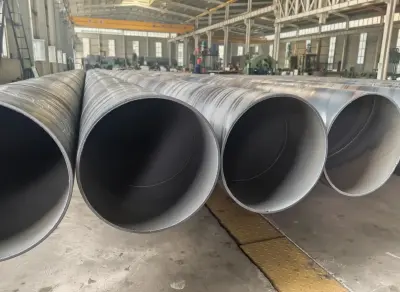
Product details
Hydropower Steel Bifurcated Pipe Technical Parameters
| Technical Parameter | Specification / Description |
|---|---|
| Product Name | Hydropower Steel Bifurcated Pipe |
| Application | Hydropower station penstock systems, pressure pipelines, turbine inlet branches, and water conveyance systems |
| Material | Carbon structural steel, low-alloy high-strength steel, or weldable pressure-vessel steel selected according to design pressure and project requirements |
| Common Steel Grades | Q235B/Q355B, ASTM A516 Grade 60/70, and equivalent grades subject to engineering approval |
| Pipe Type | Fabricated welded bifurcated pipe with one inlet and two or more branch outlets |
| Nominal Diameter | Customized according to hydraulic design; main pipe and branch pipe diameters are manufactured to approved drawings |
| Wall Thickness | Calculated according to internal pressure, water hammer, structural loads, corrosion allowance, and applicable design code |
| Design Pressure | Customized according to hydropower project operating conditions, static head, transient pressure, and safety requirements |
| Manufacturing Process | Plate cutting, forming, fit-up, submerged arc welding or other qualified welding process, nondestructive testing, dimensional inspection, and surface treatment |
| Branch Configuration | Y-type, T-type, symmetric, asymmetric, or multi-branch configuration designed to meet hydraulic and installation requirements |
| Welding Standard | Implemented according to approved welding procedure specifications and applicable standards such as AWS D1.1, EN 1090, or project-specific requirements |
| Nondestructive Testing | Visual testing, ultrasonic testing, radiographic testing, magnetic particle testing, or penetrant testing according to inspection plans and code requirements |
| Dimensional Tolerance | Controlled according to approved fabrication drawings, applicable steel structure standards, and site installation tolerances |
| Flange / Connection | Flanged, welded, or customized connection ends compatible with penstock sections, valves, expansion joints, and turbine equipment |
| Surface Treatment | Shot blasting or abrasive blasting followed by epoxy coating, polyurethane coating, or other specified anticorrosion system |
| Corrosion Protection | Coating system, lining, cathodic protection, or corrosion allowance selected according to water quality, operating environment, and service life |
| Hydrostatic Test | Factory or site pressure testing performed according to design code, project specifications, and approved test procedures |
| Inspection Documents | Material certificates, welding records, NDT reports, dimensional inspection reports, coating inspection records, and pressure test certificates available upon request |
| Customization | Customized diameter, wall thickness, branch angle, centerline radius, flange dimensions, coating system, and inspection scope |
| Packaging and Delivery | Protected with lifting supports, corrosion-resistant packing, identification marks, and shipping documents suitable for project-site delivery |
Hydropower Steel Bifurcated Pipe Manufacturer | Custom Penstock Solutions
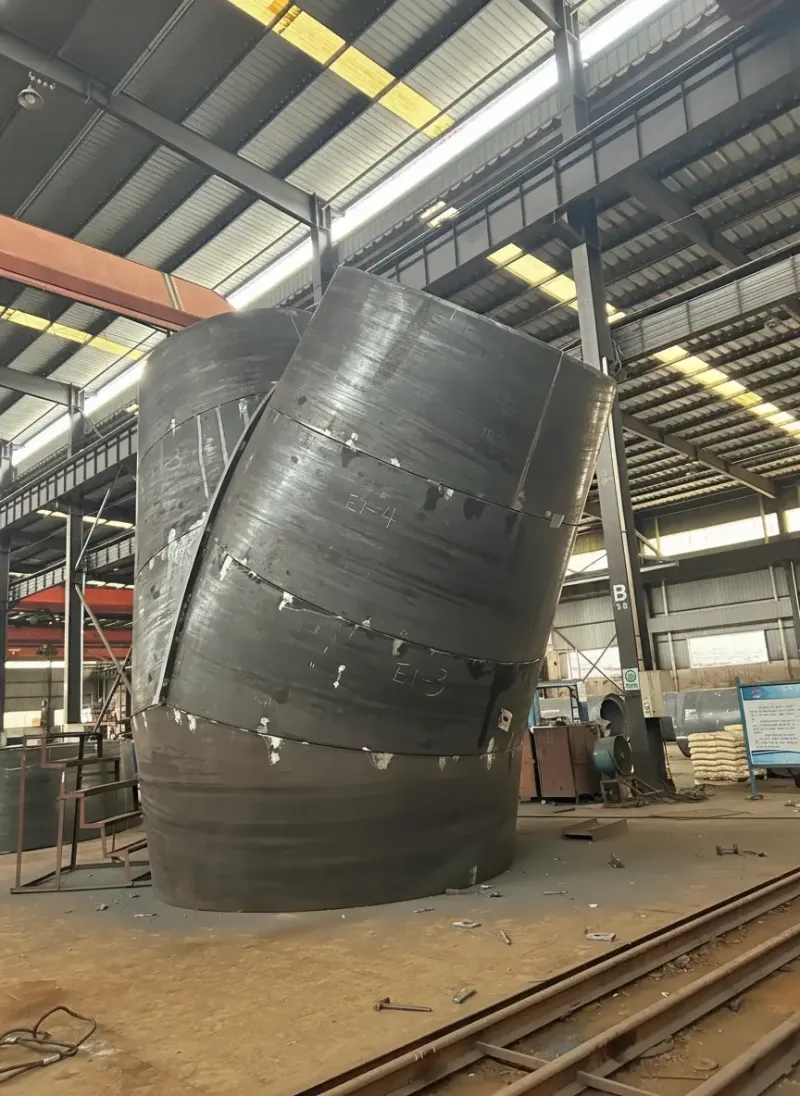
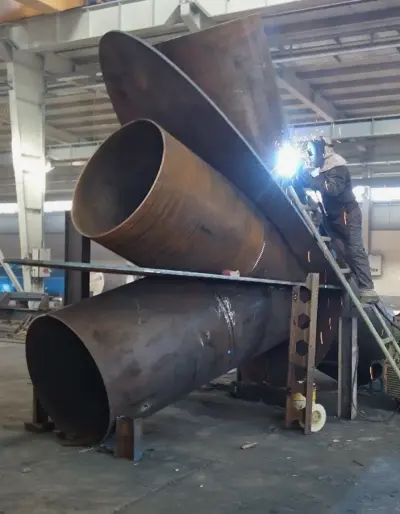
A hydropower steel bifurcated pipe is a fabricated pressure conduit that divides one incoming water passage into two or more branches before water reaches separate turbine units. Hydropower developers, EPC contractors, penstock installers, and utility purchasing teams use this component where a single penstock must feed multiple power-generating machines within a controlled hydraulic and structural system. Its value lies in coordinated hydraulic design, pressure resistance, weld integrity, dimensional accuracy, and reliable integration with anchors, supports, valves, and turbine inlets. A qualified manufacturer can produce the bifurcated section to project drawings, applicable material standards, inspection requirements, coating specifications, and transport limitations rather than forcing a standard geometry onto a site-specific installation.
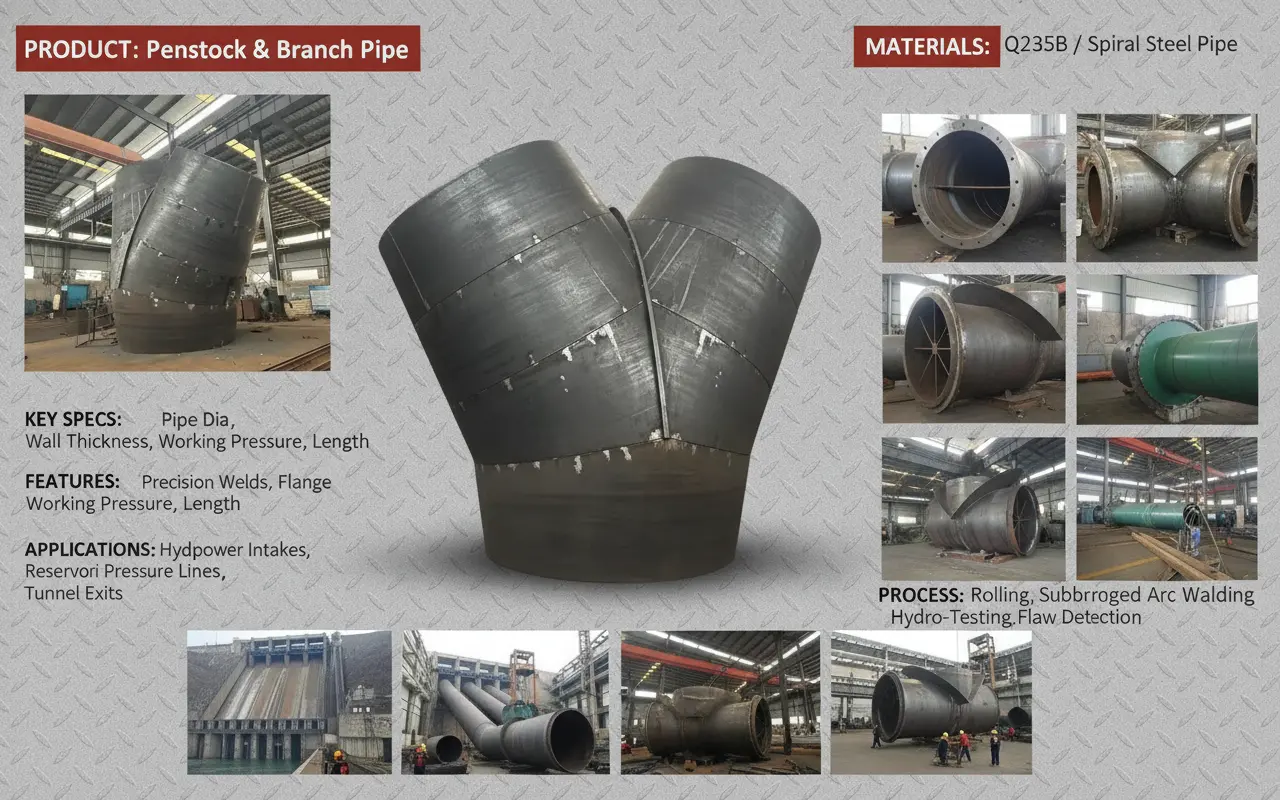
Product Overview: Hydropower Steel Bifurcated Pipe
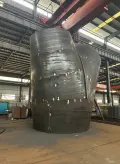
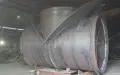
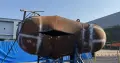
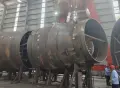
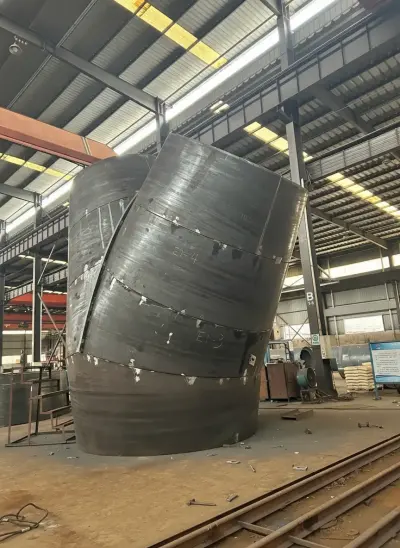
A hydropower steel bifurcated pipe, also called a penstock bifurcation or branch pipe, is a welded steel assembly with one main inlet and two or more outlets. The inlet commonly connects to the upstream penstock, while the branches lead toward individual turbines or other hydraulic equipment. The shape, branch angle, diameter transition, wall thickness, length, and connection details depend on the project hydraulic model and the surrounding civil works.
Unlike a simple tee, a bifurcated penstock section must manage the combined effects of internal water pressure, transient pressure caused by rapid changes in flow, dead weight, support reactions, thermal effects, installation loads, and local stress concentrations around the branch intersection. The branch crown, crotch, knuckle, and longitudinal transitions therefore require engineering review. Finite element analysis, shell calculations, weld design, and hydraulic assessment may be required before fabrication is released.
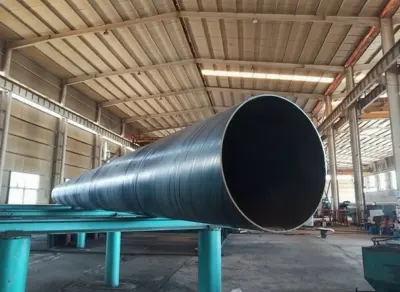
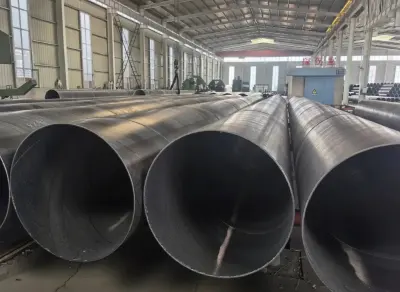
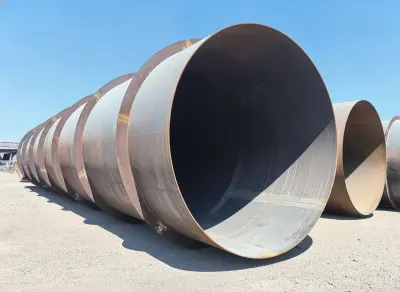
Typical manufacturing work includes plate cutting, forming or rolling, fit-up, submerged arc or other qualified welding processes, branch assembly, non-destructive testing, dimensional inspection, surface preparation, and coating. The finished component may be supplied with plain ends, flanges, machined interfaces, stiffening rings, saddles, lifting lugs, temporary supports, or other details shown on approved drawings. For related conduit components, procurement teams may also review [[INTERNAL_LINK]] for compatible penstock sections and [[INTERNAL_LINK]] for welded steel pipe fabrication capabilities.
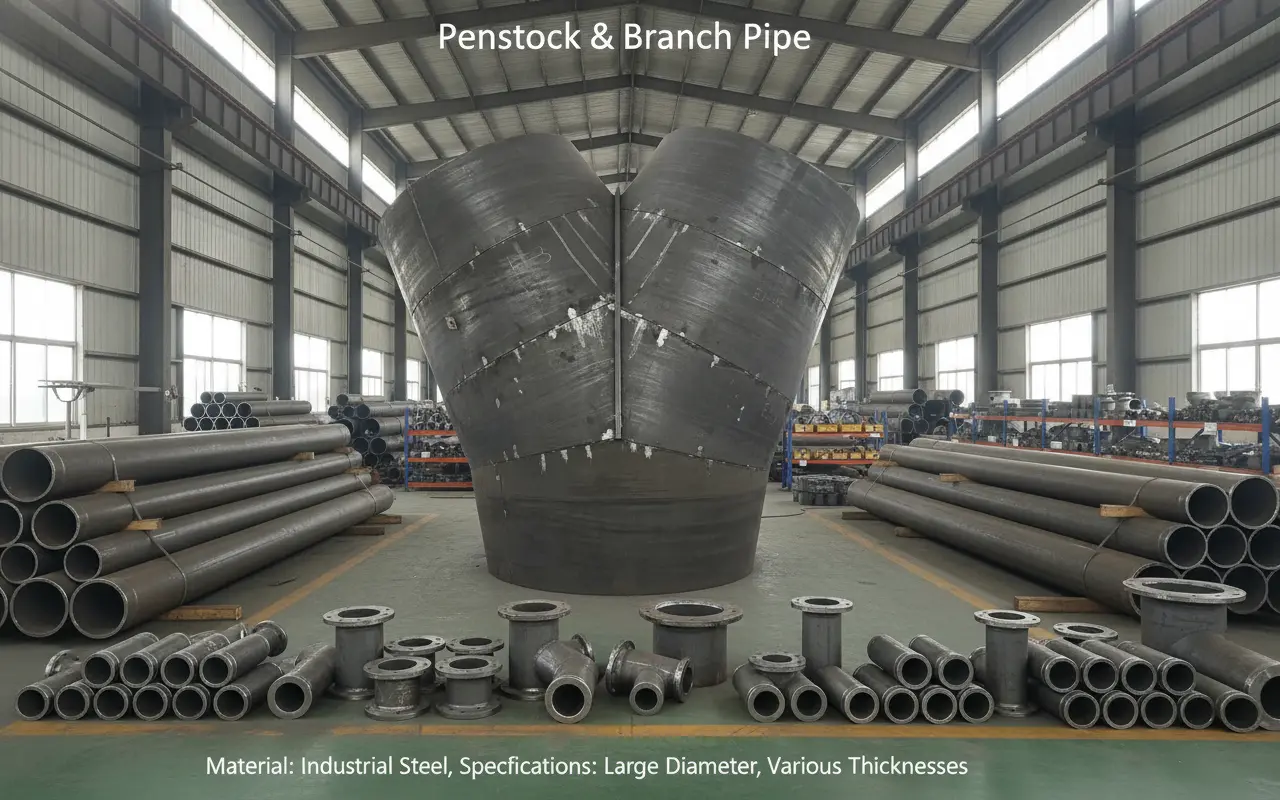
Material selection is project-dependent. Carbon steel or low-alloy pressure-vessel and structural plate may be considered according to design temperature, pressure, toughness, weldability, plate thickness, availability, and the governing specification. The manufacturer should identify the actual material grade, heat number, delivery condition, and mill certificate for every pressure-retaining plate used in the assembly.
Specifications & Standards for Hydropower Steel Bifurcated Pipe
There is no single universal size or grade for a hydropower steel bifurcated pipe. The design package normally defines the main diameter, branch diameters, centerline geometry, design head, transient pressure, operating flow, test pressure, support arrangement, corrosion allowance, and connection interfaces. A quotation should state which values are confirmed and which remain subject to approved engineering data.
| Specification item | What the buyer should define | Typical verification document |
|---|---|---|
| Main inlet and branch geometry | Outside or inside diameter, branch count, branch angle, centerline radii, tangent lengths, and end interfaces | Approved fabrication drawing and dimensional inspection report |
| Pressure design | Static head, water hammer allowance, design pressure, test pressure, and required corrosion allowance | Design calculation, pressure-test procedure, and test record |
| Steel plate | Grade, thickness, toughness requirements, delivery condition, weldability, and traceability | Mill test certificate, heat-number record, and material compliance statement |
| Welding | Welding process, joint category, consumables, preheat, post-weld treatment, and acceptance criteria | WPS, PQR, welder qualifications, and weld map |
| Inspection | Visual, dimensional, ultrasonic, radiographic, magnetic-particle, or liquid-penetrant scope as applicable | NDT reports and final quality dossier |
| Surface protection | Internal and external coating system, surface preparation, dry-film thickness, repair method, and holiday testing where required | Coating inspection report and product data sheets |
Depending on the contract, steel plate and fabrication requirements may reference ASTM A20/A20M for pressure-vessel plate general requirements, ASTM A516/A516M for pressure-vessel carbon steel plate where the selected grade is appropriate, EN 10025-2 for hot-rolled structural steel products, EN 10028-2 for flat products for pressure purposes, JIS G3106 for rolled steels for welded structures, or GB/T 713 for boiler and pressure-vessel steel plate. These standards are not interchangeable by name alone. The purchaser and designer must confirm that the selected grade, thickness range, impact requirements, supplementary tests, and welding procedure satisfy the project code.
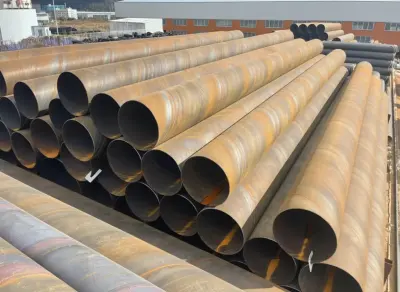
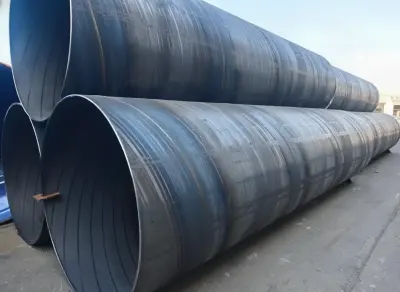
For pipe-related dimensional and inspection requirements, the specification may also refer to a project-defined combination of EN, ASTM, JIS, or GB/T requirements. The bifurcation itself is usually a custom fabricated pressure component, so its acceptance criteria should be written into the purchase specification instead of inferred from a catalog pipe standard. Where the hydroelectric project uses an owner standard, FIDIC contract requirement, national code, or consultant-issued technical specification, that document takes precedence.
A complete technical submission can include design drawings, material certificates, welding documentation, NDT procedures, inspection and test plans, coating records, packing details, and a data book. If the project requires mechanical test values or chemical composition limits, those values should be taken directly from the selected standard and certified mill documentation. Buyers should avoid accepting generic tables that do not identify a grade, thickness, edition of the standard, or heat number. Related quality-control requirements may be compared with [[INTERNAL_LINK]] and surface-treatment options with [[INTERNAL_LINK]].
Applications of Hydropower Steel Bifurcated Pipe
Hydropower steel bifurcated pipe assemblies are used in several practical configurations:
- Multi-unit hydropower stations: One upstream penstock divides to supply two or more turbine-generator units, helping the civil and hydraulic layout serve multiple machines.
- High-head powerhouses: A carefully engineered branch section transfers substantial pressure to turbine inlets while accounting for local stresses and pressure transients.
- Underground or cavern powerhouses: Custom dimensions and branch orientations allow the pipe to follow restricted access routes and connect with embedded or anchored structures.
- Rehabilitation and capacity upgrades: A new bifurcation can be designed to connect an existing penstock to additional turbine equipment, subject to a survey of the existing system and verification of available hydraulic capacity.
- Pumped-storage facilities: Branching steel conduits may be used in reversible flow systems, where operating cases, pressure reversals, and transient conditions must be addressed in the design basis.
Each application requires coordination with the turbine supplier, civil contractor, anchor-block designer, valve supplier, and commissioning team. The final geometry should be checked against erection sequence, crane access, weld access, inspection access, and field joint locations.
How to Choose / Buying Guide for Hydropower Steel Bifurcated Pipe
From a procurement manager's perspective, the first decision is whether the supplier can work from complete engineering information. Request the latest general arrangement drawing, hydraulic design data, branch loads, material specification, applicable standards, coating system, and inspection plan before comparing prices. A technically lower quotation can become expensive if it excludes engineering, testing, coating, packing, or site-fit adjustments.
Confirm the geometry in a controlled drawing: main pipe diameter, outlet diameters, wall thickness, branch angles, end preparation, flange details, weld locations, and allowable dimensional tolerances. Ask how the supplier will control ovality, misalignment, root gap, branch intersection accuracy, and distortion after welding. For large assemblies, transportable sub-sections may be preferable to one oversized piece, but the split locations must remain compatible with field welding and site lifting.
Review the material and certification route in detail. The purchase order should identify the required standard edition, grade, supplementary impact or through-thickness tests, traceability method, and document language. If an equivalent grade is proposed, require written technical approval before production. Quality records should connect each plate heat number to the cut part and weld map.
Clarify welding and inspection scope before award. Important questions include whether welding procedures are qualified for the actual thickness and grade, which welds receive ultrasonic or radiographic examination, who reviews NDT results, and whether a third-party inspector or owner representative must witness hold points. Also define hydrostatic or leak testing responsibility, because the feasible test arrangement depends on the project's temporary closures and site system.
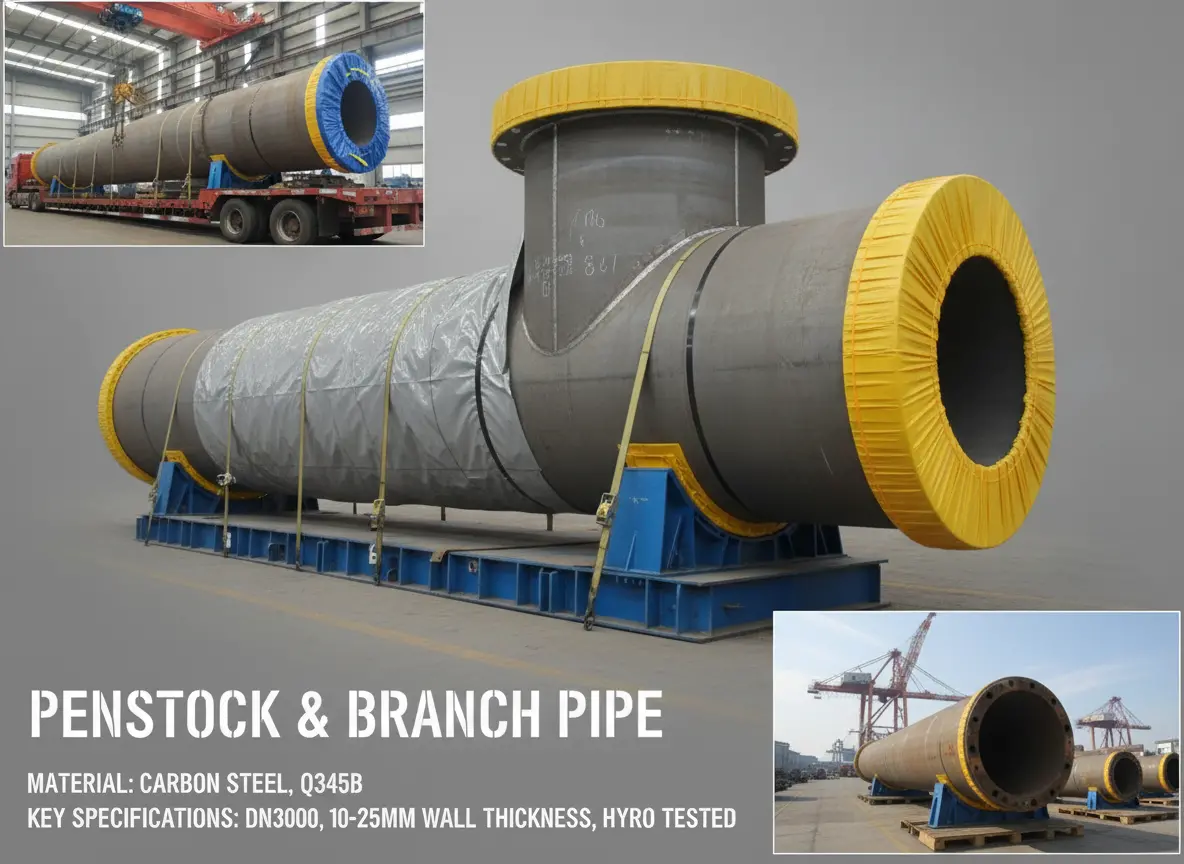
MOQ and lead time are often quotation-specific for custom hydropower steel bifurcated pipe. Ask the supplier to separate engineering lead time, material procurement, fabrication, inspection, coating, packing, and dispatch. Payment terms should be written clearly, including any deposit, progress milestone, document release condition, inspection hold point, and balance payment. The purchase team should also confirm the delivery basis, export packing, lifting points, container or breakbulk feasibility, maximum transport dimensions, and responsibilities for inland haulage, port handling, insurance, and customs clearance.
Finally, compare the supplier's experience through evidence: representative drawings, anonymized inspection dossiers, welding qualifications, production capacity, and references for comparable pressure components. A useful request-for-quotation package can be aligned with [[INTERNAL_LINK]], while logistics planning may require coordination with [[INTERNAL_LINK]].
Frequently Asked Questions About Hydropower Steel Bifurcated Pipe
Q: What is the difference between a hydropower steel bifurcated pipe and a standard tee?
A: A standard tee is commonly selected as a general piping fitting, while a hydropower steel bifurcated pipe is engineered as part of a pressure penstock system. Its branch geometry, wall thickness, weld details, supports, transient loads, inspection, and connection interfaces are designed for the specific hydraulic and structural conditions of the project.
Q: Which steel grade should be used for a hydropower steel bifurcated pipe?
A: The grade depends on design pressure, thickness, temperature, toughness, weldability, governing code, and local availability. ASTM, EN, JIS, or GB/T grades may be acceptable when they meet the approved design specification. The purchaser should not select a grade solely from a supplier's standard list; the engineer of record should approve the material equivalency.
Q: Can the supplier provide material certificates and full traceability?
A: Traceability can normally be specified as a contract requirement. Request mill certificates, heat-number transfer records, cutting plans, weld maps, welder qualifications, NDT reports, dimensional records, coating reports, and a final manufacturing data book. The exact document package should be agreed before production.
Q: Is there a standard MOQ for a hydropower steel bifurcated pipe?
A: There is no reliable universal MOQ because the product is custom engineered and may be one large assembly or several transportable sections. The minimum order quantity, fabrication scope, and commercial basis should be confirmed against the drawing, total tonnage, number of branches, and required testing.
Q: What is the usual delivery time?
A: Delivery time varies with drawing approval, steel availability, fabrication complexity, inspection scope, coating, and shipping route. A responsible quotation should provide a milestone schedule rather than an unsupported single number. The schedule should identify approval, material release, fabrication completion, inspection, coating, packing, and dispatch dates.
Q: What payment methods can be used for this custom equipment?
A: Payment terms are negotiated according to the contract, project risk, and inspection arrangement. Common structures may include a deposit followed by progress payments and balance settlement against inspection or shipping documents, but the actual method, currency, bank charges, security, and document conditions must be stated in the commercial offer.
Q: Can a hydropower steel bifurcated pipe be supplied with coating?
A: Yes, coating can be included when the project specification identifies the internal and external system, surface-preparation grade, dry-film thickness, curing requirements, inspection method, and field-repair procedure. Coating selection should consider immersion, buried service, atmospheric exposure, water chemistry, and field weld areas.
Q: What information is needed to request a quotation?
A: Provide the latest drawings, main and branch diameters, wall thickness or design pressure, material standard, design head, flow arrangement, connection details, quantity, inspection requirements, coating system, delivery location, desired Incoterm, and target schedule. If some information is unavailable, state the open points so the supplier can identify assumptions in the quotation.
Send your approved drawings and project specification to request a quotation for a hydropower steel bifurcated pipe. The technical team can review geometry, material requirements, inspection scope, coating, packing, and delivery conditions, then return a project-specific offer with clear assumptions, exclusions, and documentation commitments.
Ratings & Reviews

Know your supplier
Supplier's customization ability
- Drawing-based customization
- Sample-based customization
- Full customization
Minimum order quantity: 1 ton
Shipping total: To be negotiated
- Lead time:
- confirmed with the quotation
- Packaging:
- standard export packing
- Samples:
- available on request