 English
 Español
 Français
 Deutsch
 Português (Brasil)
 Русский
 العربية

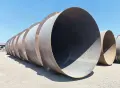
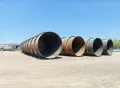
High-Pressure Penstock | Durable Steel Water Conveyance Pipe for Hydropower

 China
Supplier's customization ability
- Drawing-based customization
- Sample-based customization
- Full customization
Minimum order quantity: 20 ton
Shipping total: To be negotiated
- Lead time:
- confirmed with the quotation
- Packaging:
- standard export packing
- Samples:
- available on request
Product details
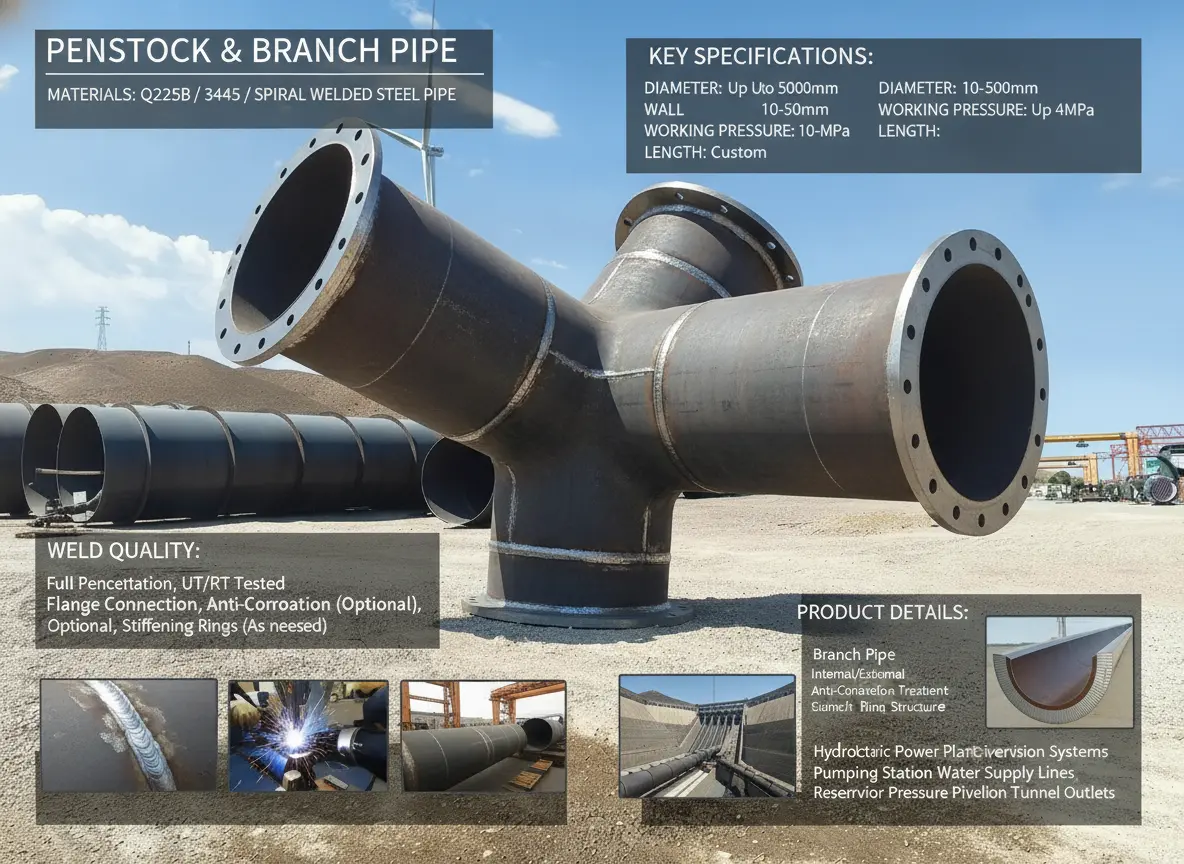
High-Pressure Penstock Technical Specifications
| Technical Parameter | Specification |
|---|---|
| Product Name | High-Pressure Penstock |
| Product Type | Welded steel penstock pipe for pressurized water conveyance |
| Typical Applications | Hydroelectric power stations, pumped-storage plants, water transfer systems, dams, and high-head pressure pipelines |
| Steel Grades | ASTM A516 Gr. 60/65/70, ASTM A572 Gr. 50, EN 10025 S355JR/S355J2, EN 10028 P355NH, JIS G3106 SM490, or project-specified grade |
| Manufacturing Standard | ASME Section VIII, ASME B31.4/B31.8, EN 13445, AWWA M11, CECT recommendations, or approved project specification |
| Outside Diameter | 500–12,000 mm; customized according to hydraulic design |
| Wall Thickness | 8–120 mm; determined by design pressure, diameter, corrosion allowance, and site conditions |
| Pipe Section Length | 3–12 m standard; custom lengths available for transportation and installation requirements |
| Design Pressure | Up to 10 MPa or higher, subject to engineering calculation and material selection |
| Design Temperature | Typically −20°C to +80°C; other temperature ranges available on request |
| Manufacturing Process | Plate rolling, longitudinal welding, circumferential welding, forming, dimensional calibration, and stress relieving when required |
| Welding Process | Submerged arc welding (SAW), gas metal arc welding (GMAW), flux-cored arc welding (FCAW), or shielded metal arc welding (SMAW) |
| Weld Joint Efficiency | Up to 1.0 with full-penetration welds and specified nondestructive examination |
| Dimensional Tolerance | According to applicable manufacturing standard and approved fabrication drawings |
| Internal Coating | Solvent-free epoxy, fusion-bonded epoxy (FBE), polyurethane, or project-specified lining |
| External Coating | Epoxy system, polyurethane, 3LPE/3LPP, zinc-rich primer, or corrosion protection system specified for buried or exposed service |
| Corrosion Allowance | Typically 1–3 mm; customized according to water chemistry and design life |
| Connection Method | Field-welded joints, flanged joints, sleeve joints, expansion joints, and dismantling joints as required |
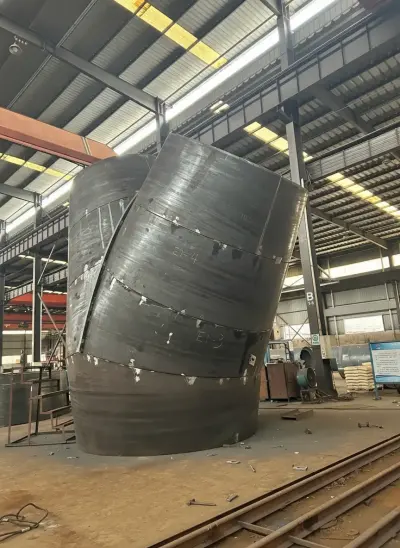
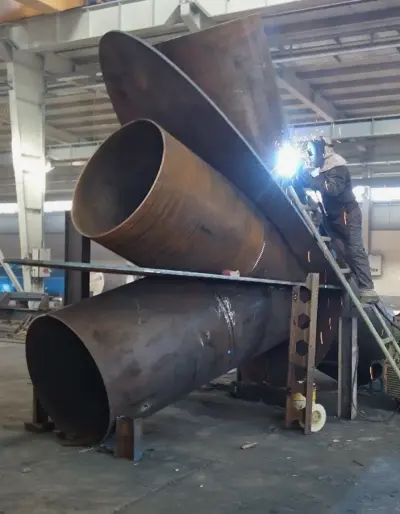
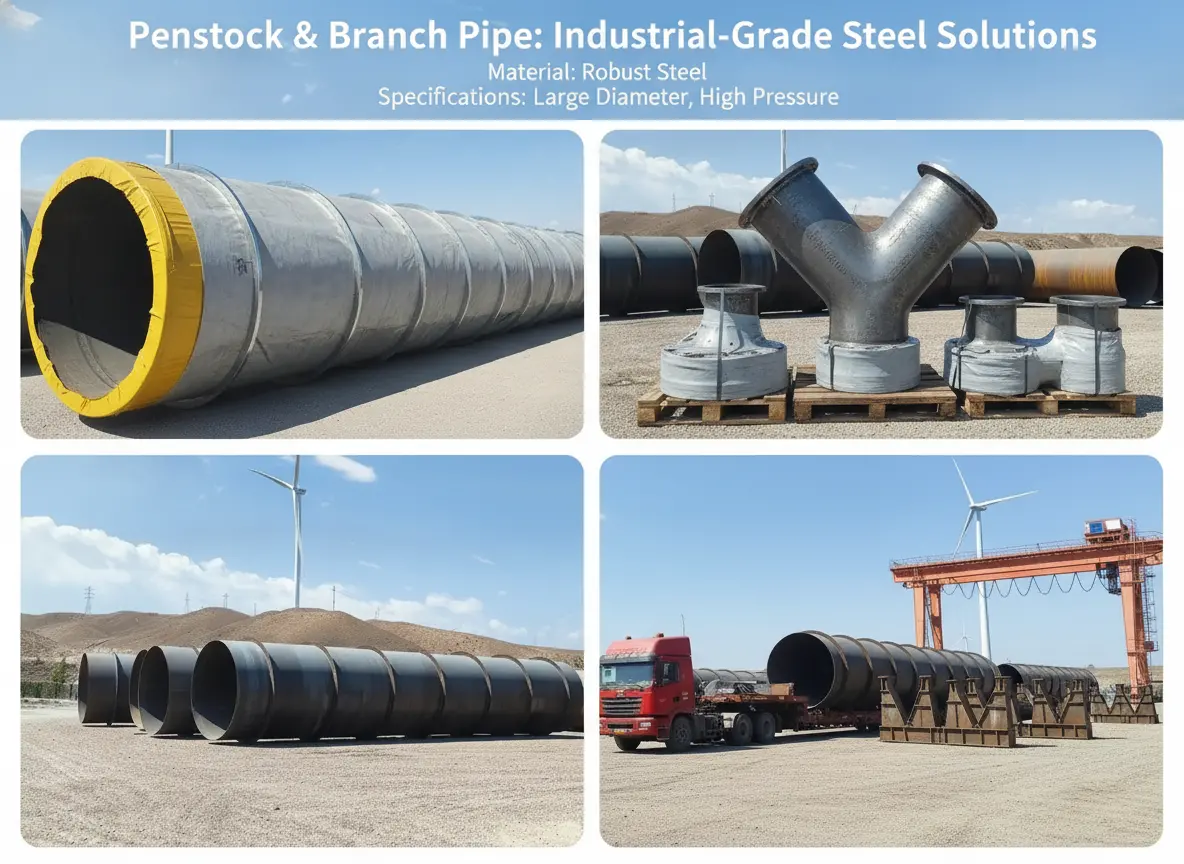
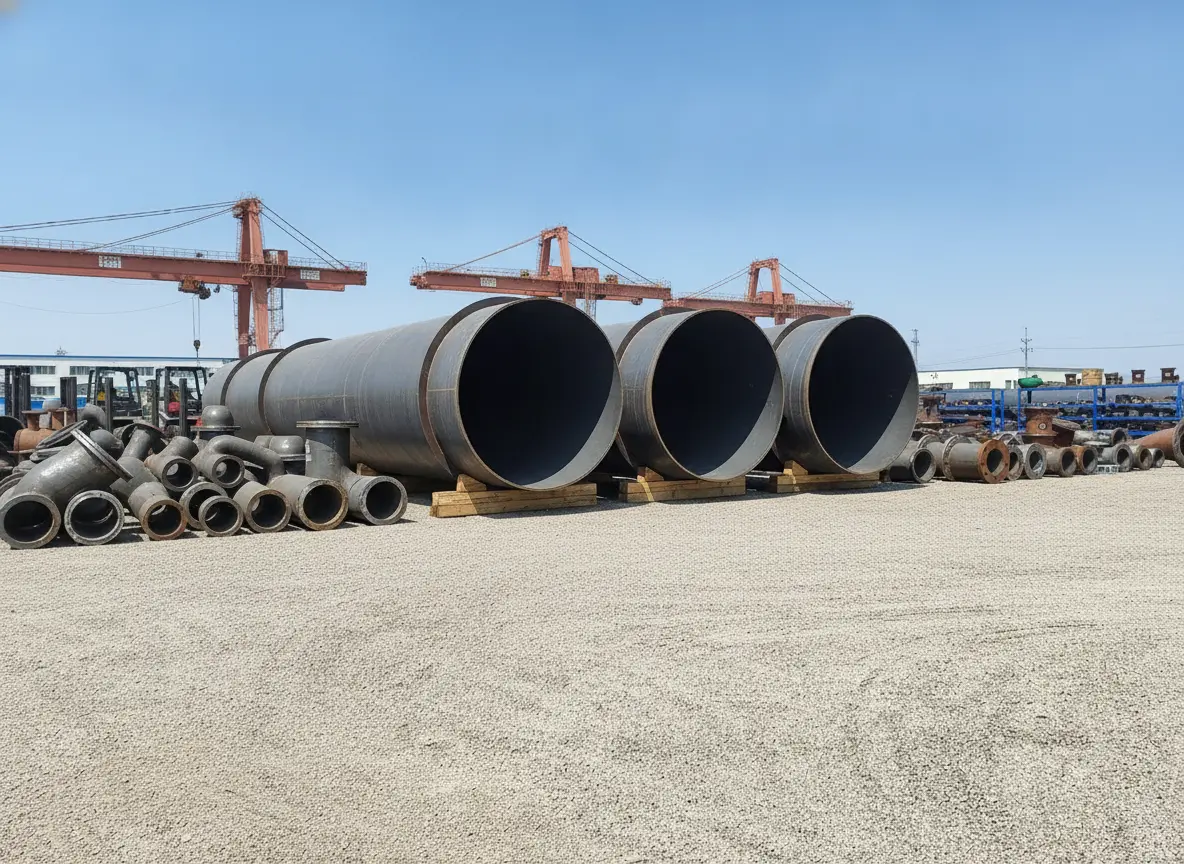
| Fittings and Components | Bends, reducers, bifurcations, manifolds, anchor rings, stiffener rings, manholes, nozzles, and transition sections |
| Nondestructive Testing | UT, RT, MT, PT, and visual inspection in accordance with approved inspection and test plan |
| Hydrostatic Testing | Test pressure and holding time according to design code, project specification, and approved test procedure |
| Mechanical Testing | Tensile, bend, impact, hardness, and weld procedure qualification tests as applicable |
| Quality Documentation | EN 10204 3.1/3.2 material certificates, welding records, NDT reports, dimensional reports, coating reports, and hydrostatic test certificates |
| Design Service Life | Typically 30–50 years or longer with appropriate corrosion protection and maintenance |
| Customization | Diameter, wall thickness, steel grade, pressure rating, branch configuration, coating system, and installation accessories can be engineered to order |
High-Pressure Penstock | Durable Steel Water Conveyance Pipe for Hydropower
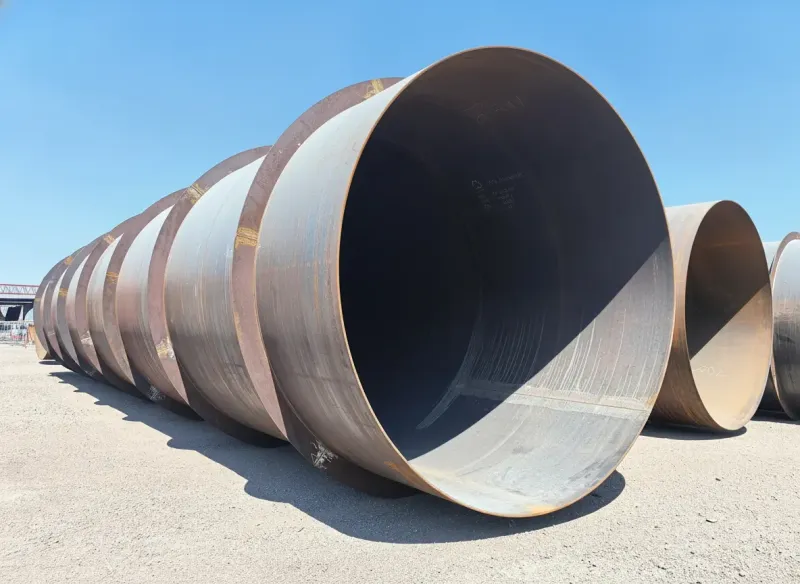
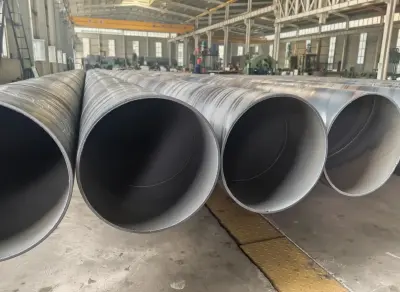
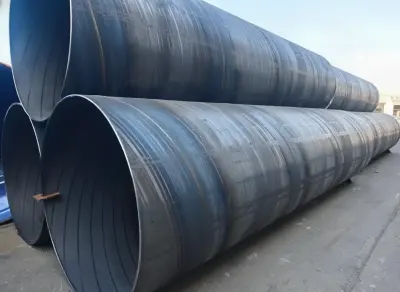
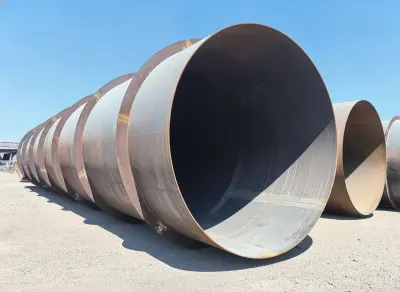
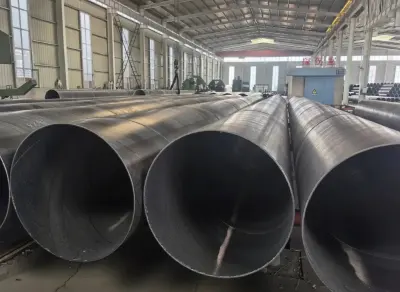
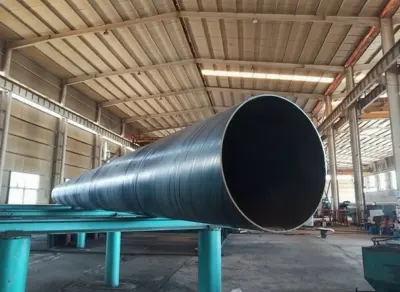
High-pressure penstock is a fabricated steel water conveyance pipe designed to carry water under pressure from a reservoir, intake, or forebay to the turbines of a hydropower station. Hydropower developers, EPC contractors, utility owners, infrastructure consultants, and industrial water-system buyers use penstock systems where structural reliability, controlled flow, weld quality, and long service life are critical. A properly engineered High-Pressure Penstock combines suitable steel plate, qualified fabrication, corrosion protection, field-joint planning, and project-specific inspection. This page explains the product scope, applicable standards, selection factors, and procurement questions that international buyers should address before requesting a quotation. For related water conveyance equipment, see [[INTERNAL_LINK]] and review the project requirements before finalizing the pipe design.
Product Overview
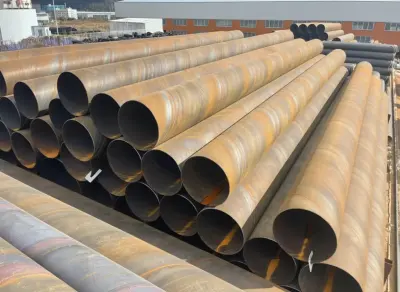
A High-Pressure Penstock is a large-diameter steel pipe or pipe assembly used to convey water to or from hydropower equipment under internal pressure. Unlike a standard low-pressure water pipe, a penstock must be designed as part of a complete hydraulic and structural system. The design normally considers static head, water hammer, surge pressure, pipe diameter, support spacing, anchor blocks, bends, expansion arrangements, temperature, seismic conditions, and installation geometry.
Penstocks are commonly manufactured from weldable carbon steel or low-alloy structural steel plate selected according to the project design and applicable material specification. The final grade depends on required yield strength, fracture toughness, weldability, plate thickness, operating temperature, and fabrication procedure. The pipe may be supplied with longitudinal and circumferential welded seams, reinforced branches, flanges, manholes, stiffening rings, inspection openings, and connection components. A project may also require a transition section, reducer, bifurcation, embedded section, or specially formed bend.
The principal value of a High-Pressure Penstock is controlled pressure containment. Wall thickness is not chosen from diameter alone; it is calculated from the design pressure and the loads imposed by the complete installation. Local reinforcement may be needed around nozzles, branches, supports, access openings, and changes in direction. The manufacturer and engineering contractor should therefore confirm the design basis before production rather than treating the penstock as an ordinary off-the-shelf pipe.
Surface protection is equally important. Depending on the water quality, exposure, burial or tunnel conditions, and maintenance plan, the system may use internal and external coating, painting, metallizing, cathodic protection, concrete encasement, or another specified corrosion-control system. Coating selection should account for immersion, abrasion from suspended solids, ultraviolet exposure, curing conditions, and field repair requirements. Buyers evaluating [[INTERNAL_LINK]] should compare the complete protection system rather than only the nominal coating name.
Specifications & Standards
High-Pressure Penstock specifications are project-specific. The purchaser should provide the design pressure, maximum static head, transient pressure, design temperature, internal diameter, route geometry, support arrangement, corrosion allowance, required service life, and installation method. The supplier can then prepare a manufacturing and inspection plan that aligns the steel, welding, testing, coating, and documentation.
Relevant standards should be stated in the purchase specification and agreed before fabrication. ASTM A516/A516M may be applicable where pressure-vessel-quality carbon steel plate is specified, while ASTM A572/A572M can be relevant for certain high-strength structural steel applications. European projects may refer to EN 10025-2 for hot-rolled structural steel products, EN 10025-3 for normalized or normalized-rolled fine-grain structural steels, and EN 10204 for inspection documents. Welding qualification and production control may be addressed through ISO 15614-1, ISO 9606-1, and ISO 3834, subject to the contract requirements. A Japanese project may specify JIS G 3106 for rolled steels for welded structures. Chinese projects may reference GB/T 700 or GB/T 1591 where those grades are appropriate. These references are examples of commonly used standards, not a substitute for the project engineer’s approved design.
| Parameter | Typical procurement basis | Confirmation required |
|---|---|---|
| Product type | Fabricated steel penstock pipe or assembled penstock section | Pipe layout, section lengths, bends, branches, flanges, and field joints |
| Material | Weldable carbon steel or low-alloy steel plate | Approved grade, thickness range, toughness, weldability, and corrosion allowance |
| Diameter | Determined by hydraulic flow, velocity, head loss, and route constraints | Internal or outside diameter and dimensional tolerances |
| Wall thickness | Calculated from pressure, transient loads, stability, fabrication, and wear considerations | Design calculation and minimum finished thickness |
| Welded joints | Longitudinal and circumferential welds with qualified procedures | WPS/PQR, welder qualifications, weld map, and repair procedure |
| Inspection | Visual, dimensional, non-destructive, and pressure testing as specified | Acceptance criteria, sampling percentage, and test records |
| Protection | Coating, lining, metallizing, concrete protection, or combined system | Surface preparation, dry-film thickness, holiday testing, and repair method |
Mechanical and chemical requirements must be taken from the selected grade and edition of the applicable standard. The following table shows the types of values that should appear in the approved material specification; it deliberately does not assign unsupported grade-specific limits.
| Material control item | What the buyer should verify | Source |
|---|---|---|
| Chemical composition | Carbon, manganese, silicon, phosphorus, sulfur, and any alloying elements within the specified grade limits | Applicable ASTM, EN, JIS, or GB/T material standard |
| Yield and tensile strength | Minimum values for the actual plate thickness | Material certificate and selected product standard |
| Elongation | Required minimum elongation and test direction | Selected material standard |
| Impact toughness | Test temperature, absorbed energy, orientation, and sampling requirements where specified | Contract specification and material standard |
| Traceability | Heat number, plate number, cutting records, and transfer of identification | Inspection plan and EN 10204 document requirements |
For a high-consequence installation, the quality dossier commonly includes mill test certificates, dimensional reports, weld procedures, welder certificates, non-destructive examination reports, coating reports, pressure-test records, material traceability records, and a final declaration of conformity when required by the contract. Buyers should also decide whether inspection is performed by the supplier’s quality team, an independent inspection agency, the owner’s representative, or a combination of these parties. [[INTERNAL_LINK]] may be used for a related welding or inspection reference.
Applications
High-Pressure Penstock systems serve several demanding water conveyance applications:
- Hydropower intake to turbine: The penstock transfers water from an intake structure, reservoir, or forebay toward the powerhouse while managing pressure and hydraulic losses.
- High-head hydropower projects: Steep terrain and high elevation differences can create substantial internal pressure, making structural calculations, anchors, bends, and transient control especially important.
- Powerhouse and tunnel connections: Fabricated sections can connect underground waterways, surge facilities, valves, and turbine inlet systems where alignment and field welding require close coordination.
- Pumped-storage facilities: Penstock components can be used in water passages associated with reversible flow, subject to the project’s pressure cycles, fatigue assessment, and hydraulic design.
- Industrial high-pressure water transfer: Certain industrial or municipal infrastructure projects may use a pressure pipe system based on similar fabrication and corrosion-control principles, provided the design standard and operating conditions are suitable.
Each application imposes different demands. A buried or embedded section may require different external-load and coating provisions from an exposed section on a slope. A project with frequent operating cycles may require more detailed fatigue assessment than a system with relatively stable operation. Suspended sediment, aggressive water chemistry, and access limitations can influence lining and inspection decisions.
How to Choose / Buying Guide
Procurement managers should evaluate the entire penstock package, not only the quoted price per metric ton or per meter. The following points help convert a preliminary request into a technically comparable quotation.
Define the design envelope
State normal operating pressure, maximum static head, surge or water-hammer pressure, vacuum condition if relevant, design temperature, flow rate, internal diameter, and expected pressure cycles. Include route drawings showing straight sections, bends, reducers, branches, supports, anchors, and connections. Without this information, suppliers may quote different assumptions and the offers will not be directly comparable.
Confirm material and certification
Identify the required ASTM, EN, JIS, or GB/T material standard and the inspection-document level. Ask for heat traceability from plate receipt through cutting, forming, welding, and final assembly. Where impact toughness, ultrasonic plate testing, or third-party inspection is required, include it in the inquiry rather than adding it after production begins. [[INTERNAL_LINK]] can connect buyers with a relevant steel-grade or certification resource.
Review fabrication controls
Request the proposed welding process, welding consumables, preheating and interpass controls, heat-treatment requirements, dimensional tolerances, and repair limits. For large sections, transportation and site assembly may determine the maximum practical shop length. Confirm whether the supplier provides site welding support, joint fit-up guidance, coating repair instructions, and commissioning documentation.
Compare inspection and testing scope
Specify visual inspection, dimensional inspection, radiographic or ultrasonic examination, magnetic-particle or dye-penetrant testing where appropriate, hydrostatic or leak testing, and coating inspection. The contract should define test frequency, acceptance criteria, reporting format, and responsibility for resolving nonconformities. A clear inspection and test plan reduces disagreements at delivery.
Plan MOQ, schedule, and logistics
There is no universal minimum order quantity for a High-Pressure Penstock because the order is normally engineered around a project. Quantity may be expressed by total length, section count, plate tonnage, or a complete fabrication package. Ask the supplier to state any practical minimum batch, tooling requirement, engineering lead time, production duration, inspection window, packing method, and delivery basis. Delivery may involve oversized cargo, special lifting points, inland transport, port limitations, or staged shipments. These details should be checked against the construction schedule before placing the purchase order.
Clarify commercial terms
Confirm currency, Incoterms, payment milestones, validity of the offer, warranty scope, documentation included in the price, and treatment of design changes. Common arrangements may include an advance payment followed by milestone payments linked to approved drawings, material procurement, inspection, and shipment, but the actual terms must be negotiated between the parties. The quotation should distinguish steel, fabrication, coating, testing, packing, engineering, spare materials, and site services.
Frequently Asked Questions
Q: What is the difference between a High-Pressure Penstock and an ordinary water pipe?
A: A High-Pressure Penstock is designed as part of a pressurized hydropower or industrial water system. Its wall thickness, welds, supports, anchors, bends, transient-pressure allowance, inspection, and corrosion protection are coordinated with the complete installation. An ordinary water pipe may not have the design basis or fabrication controls required for high-head service.
Q: Which steel grade should be used for a High-Pressure Penstock?
A: The correct grade depends on design pressure, diameter, wall thickness, temperature, toughness, weldability, fatigue exposure, and the governing project standard. ASTM, EN, JIS, and GB/T grades may all be suitable in different projects. The final choice should be approved by the responsible engineer and supported by compliant material certificates.
Q: Can the penstock be supplied according to ASTM or EN standards?
A: It can be manufactured to a project specification that references applicable ASTM or EN requirements, provided the selected material, welding, inspection, dimensional, and coating requirements are clearly defined. EN 10204 documentation, ISO welding qualifications, and any owner-specific requirements should be listed in the purchase documents.
Q: What quality documents should an overseas buyer request?
A: Typical documents include approved drawings, material certificates, heat traceability records, welding procedures, welder qualifications, inspection and test plans, non-destructive examination reports, dimensional reports, coating records, pressure-test results, packing lists, and a final quality dossier. The exact list should follow the contract and the owner’s inspection requirements.
Q: Is there a standard MOQ for High-Pressure Penstock?
A: No universal MOQ applies. Penstocks are usually project-engineered and may be ordered as a complete route package or as defined fabricated sections. Minimum production quantities can depend on plate procurement, section dimensions, workshop capacity, coating arrangements, and shipping constraints. Request a project-based quotation rather than relying on a generic MOQ statement.
Q: What payment methods are available for international orders?
A: Payment methods are agreed commercially and may include bank transfer, documentary letter of credit, or milestone payments tied to approved engineering and inspection events. Buyers should confirm the payment currency, bank charges, document-release conditions, and any security instruments before contract signature.
Q: How long does delivery take?
A: Delivery depends on drawing approval, steel availability, fabrication complexity, testing, coating, inspection, packing, and transport route. A supplier should provide a schedule with engineering, material procurement, production, inspection, and shipment milestones. A reliable estimate requires the project quantity and technical scope; a generic lead-time promise is not a substitute for a manufacturing schedule.
Q: Does a High-Pressure Penstock require internal and external coating?
A: Protection requirements depend on water chemistry, abrasion, exposure, burial, immersion, maintenance access, and the project corrosion-control strategy. Some installations require internal lining, external coating, concrete encasement, cathodic protection, or a combination. The specification should identify surface preparation, coating system, thickness, curing, testing, and field-joint repair requirements.
Q: Can the supplier provide customized bends, branches, and flanges?
A: Fabricated penstock packages commonly include customized geometry such as bends, reducers, branches, manholes, stiffeners, and connection flanges. The supplier needs approved drawings, interface dimensions, tolerances, design loads, and site-assembly requirements before confirming manufacturability and price.
For a project-specific High-Pressure Penstock quotation, send the design pressure or maximum head, diameter, route drawings, material preference, standard requirements, coating system, quantity, inspection scope, destination, and target delivery date. The supplier can then review the technical basis and return a quotation with clear assumptions, documentation, production milestones, and shipping terms. Request a detailed offer and supporting compliance documents before approving the purchase order. [[INTERNAL_LINK]] [[INTERNAL_LINK]]
Ratings & Reviews

Know your supplier
Supplier's customization ability
- Drawing-based customization
- Sample-based customization
- Full customization
Minimum order quantity: 20 ton
Shipping total: To be negotiated
- Lead time:
- confirmed with the quotation
- Packaging:
- standard export packing
- Samples:
- available on request