 English
 Español
 Français
 Deutsch
 Português (Brasil)
 Русский
 العربية

Galvanized Structural Steel Profiles For Industrial Projects
 China
Supplier's customization ability
- Drawing-based customization
- Sample-based customization
- Full customization
Minimum order quantity: 1 ton
Shipping total: To be negotiated
- Lead time:
- confirmed with the quotation
- Packaging:
- standard export packing
- Samples:
- available on request
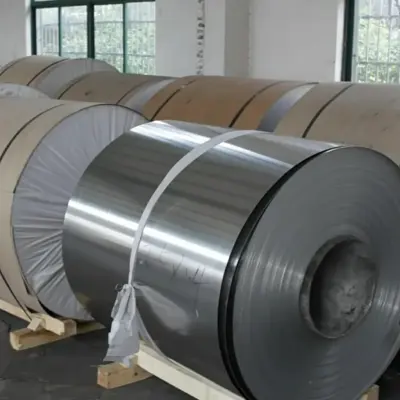
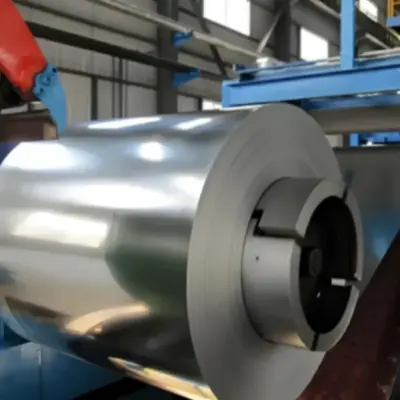
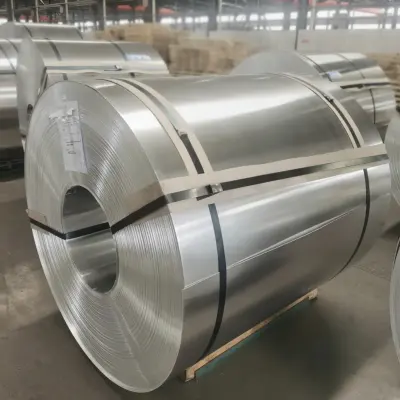
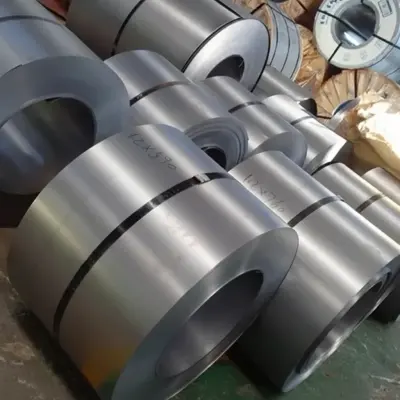
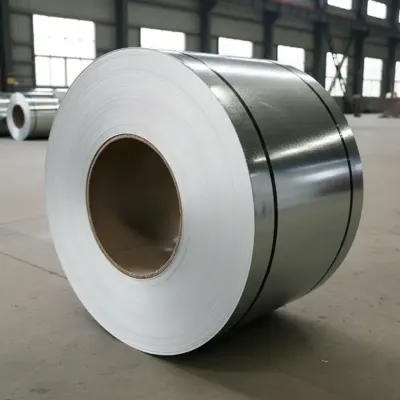
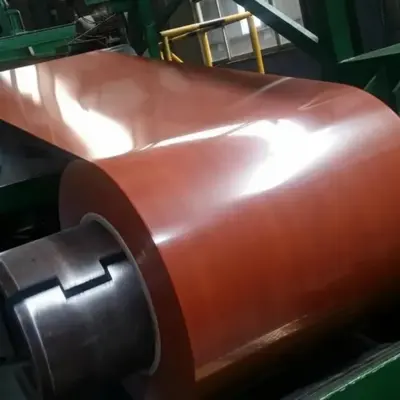
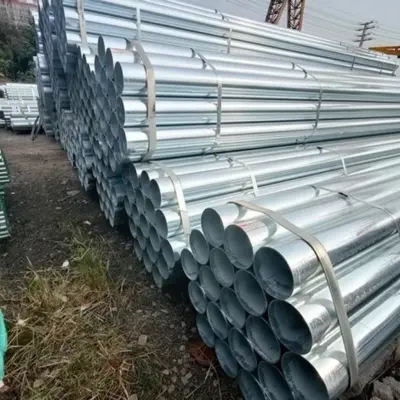
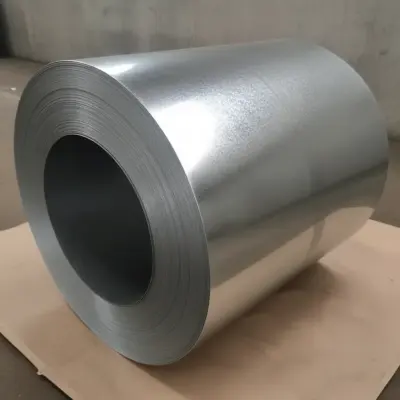
Product details
Technical Specifications of Galvanized Structural Steel
| Property | Parameter | Description |
|---|---|---|
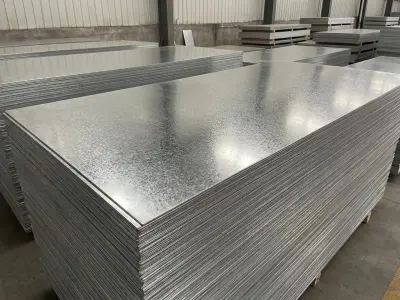
| Product Name | Galvanized Structural Steel | Hot-dip galvanized structural steel sections, plates, channels, angles, beams, or fabricated members for corrosion-resistant construction. |
| Material Grade | ASTM A36; EN S235JR; JIS SS400; GB Q235B | Common structural steel grades with broadly comparable strength levels; exact equivalence depends on product form and applicable standard. |
| Standard Compliance | ASTM A36, ASTM A123/A123M, EN 10025-2, EN ISO 1461, JIS G3101, GB/T 700 | Structural steel and hot-dip galvanizing requirements are selected according to the product type, market, and project specification. |
| Chemical Composition | C ≤0.25%, Mn ≤0.80%, P ≤0.040%, S ≤0.050%, Si typically ≤0.40% | Typical limits for common low-carbon structural steel; actual chemistry varies by grade, thickness, heat, and governing standard. |
| Tensile Strength | 400–550 MPa | Typical minimum or range for ASTM A36, EN S235JR, JIS SS400, and comparable structural grades, subject to standard and thickness. |
| Yield Strength | ≥235 MPa | Typical yield strength for common structural grades; thicker sections may have lower specified values under some standards. |
| Elongation | ≥20% typically | Typical elongation measured according to the applicable material standard and test specimen requirements. |
| Dimensions | Thickness 3–100 mm; width 20–3,000 mm; length up to 12,000 mm | Custom dimensions are available for plates, profiles, and fabricated structural members, subject to production capability. |
| Galvanizing Process | Hot-dip galvanizing | Steel is immersed in molten zinc to create a metallurgically bonded zinc coating for enhanced atmospheric corrosion resistance. |
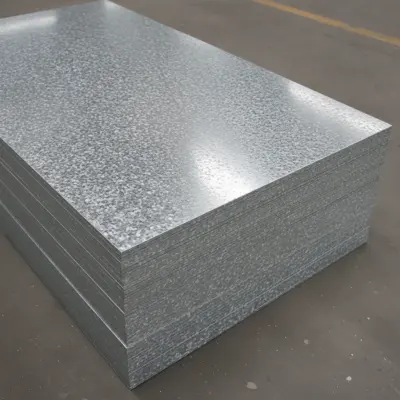
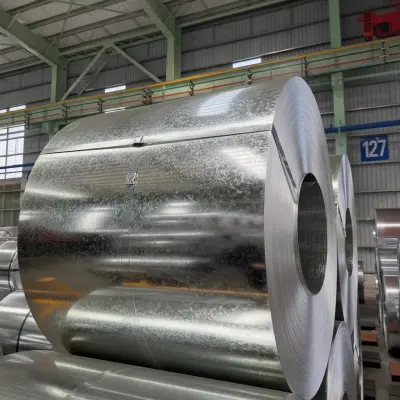
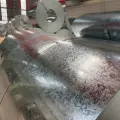
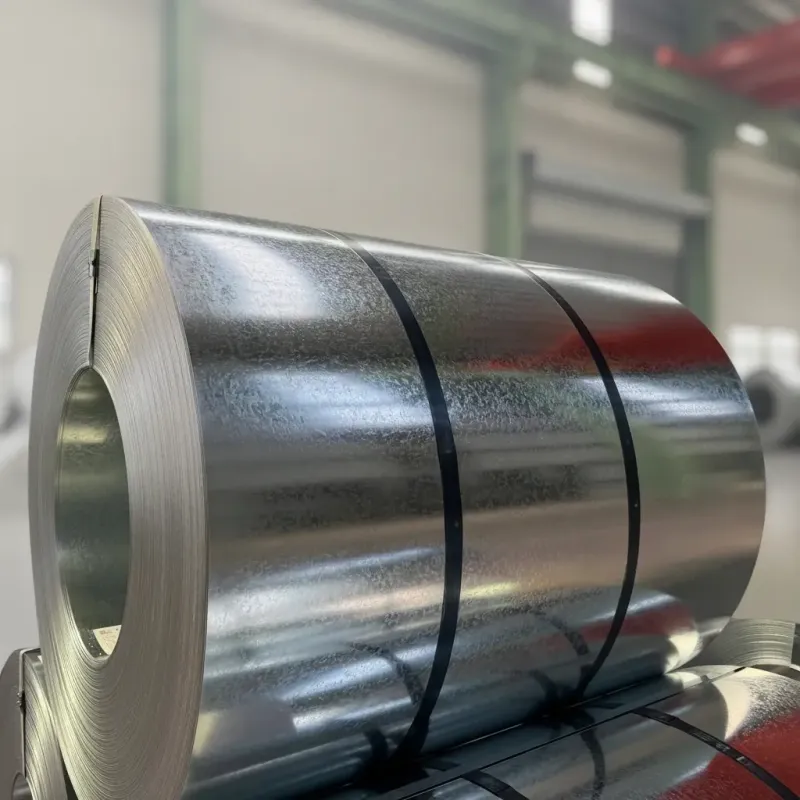
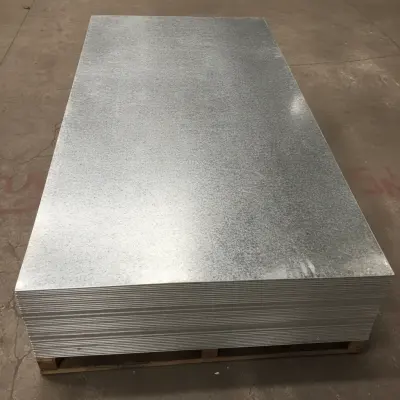
| Surface Finish | Uniform zinc coating; bright, spangled, or matte appearance | Surface appearance depends on steel chemistry, cooling conditions, drainage, and post-treatment; minor zinc irregularities may occur. |
| Zinc Coating | Typically 45–610 g/m², subject to thickness and standard | Coating mass or thickness is specified according to ASTM A123/A123M or EN ISO 1461 and varies with steel section thickness. |
| Corrosion Resistance | Suitable for outdoor and industrial environments | Zinc provides barrier protection and sacrificial protection; service life depends on coating mass, atmosphere, exposure, and maintenance. |
| Application | Steel frames, bridges, platforms, guardrails, transmission structures, warehouses, poles, and infrastructure | Used where load-bearing performance and improved resistance to atmospheric corrosion are required. |
| Fabrication | Cutting, drilling, punching, welding, bending, and bolting | Fabrication should consider zinc removal near weld zones, ventilation, dimensional tolerances, and repair of damaged coating. |
| Inspection | Dimensional inspection, visual inspection, coating thickness or mass testing, and mechanical testing when specified | Inspection and test documentation can be supplied according to the purchase order and applicable standard. |
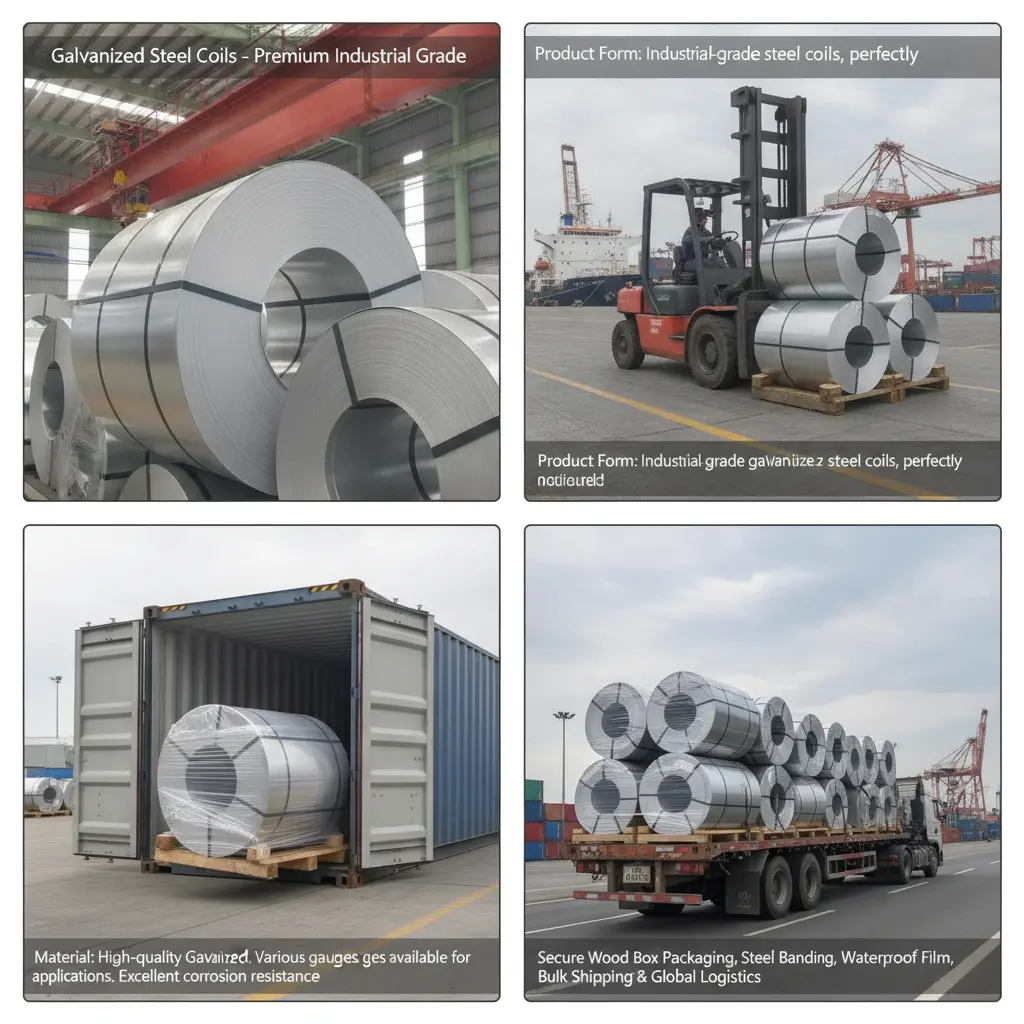
| Packaging | Steel straps, bundles, separators, waterproof wrapping, and marked labels | Packaging is suitable for lifting, container loading, and long-distance sea or land transportation. |
| MOQ | 5 metric tons | Minimum order quantity may vary according to section type, dimensions, galvanizing batch, and customization requirements. |
Galvanized Structural Steel Profiles For Industrial Projects
Galvanized Structural Steel combines load-bearing steel profiles with a zinc coating designed to reduce atmospheric corrosion in industrial, commercial, and infrastructure projects. It is specified by overseas contractors, steel distributors, fabricators, EPC companies, and equipment manufacturers that require predictable structural performance with lower maintenance demands. Available forms commonly include beams, channels, angles, hollow sections, columns, and custom-fabricated components. The principal procurement value lies in matching the structural grade, section dimensions, fabrication condition, and galvanizing standard to the actual service environment. Buyers can source profiles as mill-length material or request cutting, drilling, welding, and galvanizing according to approved drawings.
Product Overview: Galvanized Structural Steel
Galvanized Structural Steel is carbon or low-alloy structural steel protected by a metallurgically bonded zinc coating. The structural substrate carries the design load, while the zinc layer acts as both a barrier and sacrificial protection system. If a small area of the coating is damaged, nearby zinc can continue protecting the exposed steel through galvanic action.
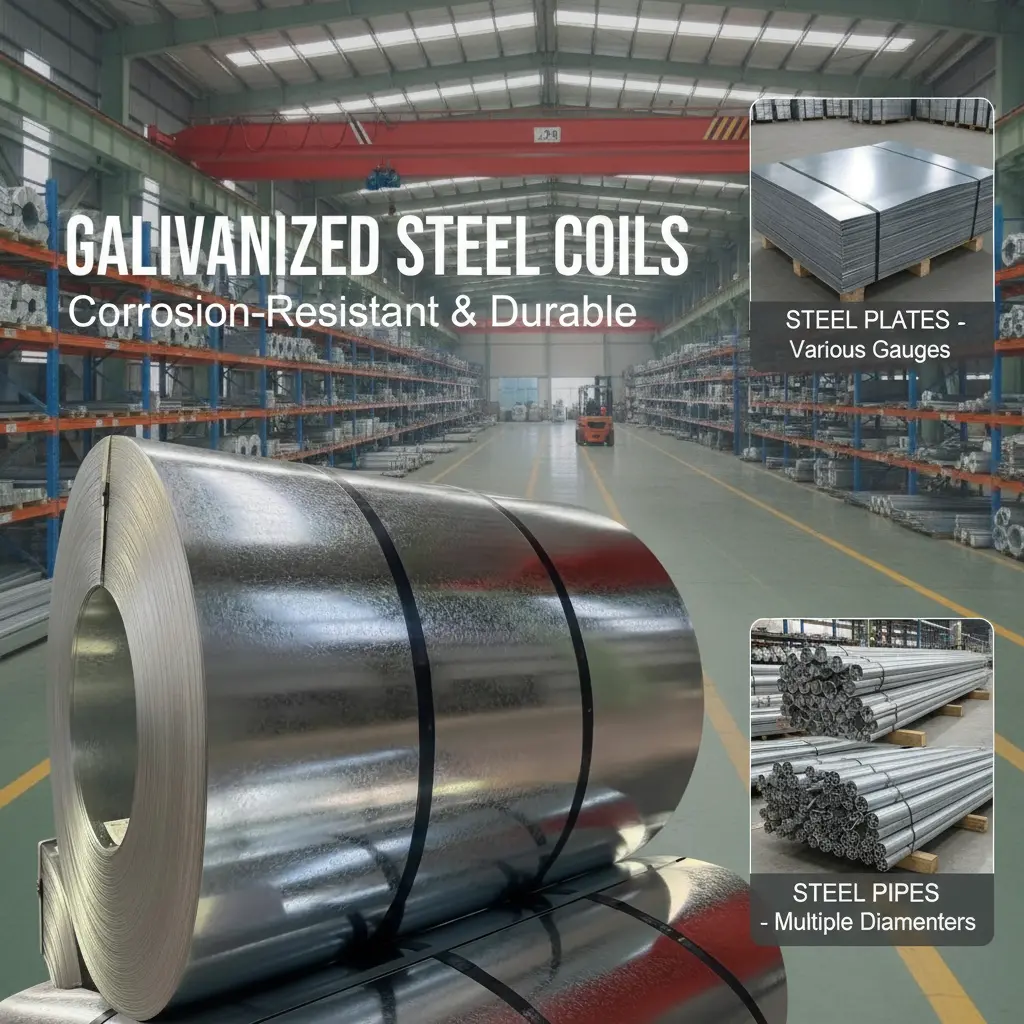
Typical product forms include I-beams, H-beams, U-channels, C-channels, equal and unequal angles, flat bars, columns, plates, and circular, square, or rectangular hollow sections. Related structural steel profiles may be supplied in standard commercial lengths or processed against project drawings. The available range depends on the selected steel grade, section standard, galvanizing bath capacity, and local production route.
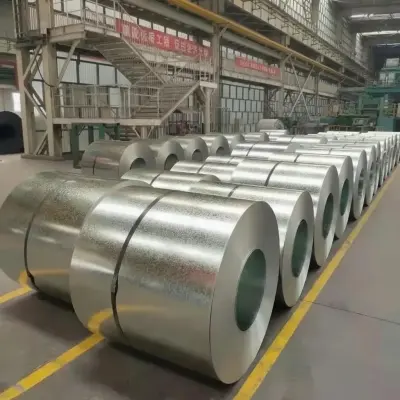
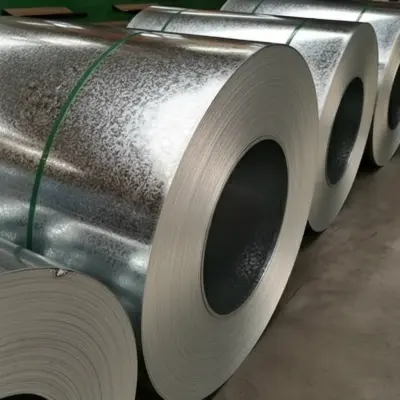
Hot-dip galvanizing is generally performed after fabrication when complete coating coverage is required. Fabricated steel is cleaned, pickled, fluxed, immersed in molten zinc, cooled, and inspected. This process coats external surfaces and, where the design provides suitable vent and drain holes, can protect accessible internal surfaces of hollow fabrications. Buyers should distinguish batch hot-dip galvanized products from continuously galvanized sheet or coil, because their coating standards, thickness ranges, and intended uses differ.
Important characteristics include corrosion resistance, impact-tolerant coating adhesion, reduced field-painting requirements, and compatibility with bolted construction. Galvanizing does not increase the structural design strength of the underlying profile. Engineering calculations must therefore use the certified base-steel grade and applicable design code. Guidance on steel grade selection can help align material properties with the project specification.
Galvanized Structural Steel Specifications & Standards
A complete Galvanized Structural Steel inquiry should identify the profile designation, dimensions, wall or flange thickness, steel grade, length, fabrication scope, coating standard, inspection documents, and destination. Dimensional tolerances come from the relevant product standard, while coating acceptance is governed by the specified galvanizing standard.
| Requirement | Applicable Standard | Procurement Relevance |
|---|---|---|
| Batch hot-dip zinc coating | ASTM A123/A123M | Covers zinc coatings on iron and steel products, including fabricated structural items |
| Galvanizing of hardware | ASTM A153/A153M | Applicable to iron and steel hardware such as fasteners and similar components |
| Repair of damaged galvanized coating | ASTM A780/A780M | Defines accepted repair practices for damaged or uncoated areas |
| Batch galvanized fabricated steel | EN ISO 1461 | Specifies coating properties and test methods for hot-dip galvanized articles |
| Galvanizing design guidance | EN ISO 14713-1 and EN ISO 14713-2 | Provides corrosion-protection principles and design guidance for hot-dip galvanizing |
| Carbon structural steel | ASTM A36/A36M | Common base-material specification for structural shapes, plates, and bars |
| Structural hollow sections | ASTM A500/A500M | Covers cold-formed welded and seamless carbon-steel structural tubing |
| European structural steel | EN 10025-2 | Covers technical delivery conditions for non-alloy structural steels |
| Japanese rolled structural steel | JIS G 3101 | Covers rolled steels for general structures |
| Chinese carbon structural steel | GB/T 700 | Covers carbon structural steels and associated grade requirements |
Coating thickness is not one universal value. Under ASTM A123/A123M or EN ISO 1461, minimum coating requirements vary according to material category and steel thickness. The purchase order should therefore state the governing standard rather than relying on an informal zinc-thickness description. Coating mass or thickness can be verified using the methods permitted by the selected standard. See the hot-dip galvanizing guide for coating terminology and inspection considerations.
| Specification Item | Options to Confirm | Recommended Order Detail |
|---|---|---|
| Profile | Beam, channel, angle, hollow section, flat bar, or fabricated assembly | State the section designation and attach a dimensioned drawing when non-standard |
| Base material | ASTM, EN, JIS, or GB/T structural grade | Specify the exact grade and required mechanical properties |
| Dimensions | Width, height, thickness, diameter, and length | Use one unit system consistently and state tolerance requirements |
| Fabrication | Cutting, drilling, punching, bending, and welding | Provide approved drawings, hole positions, weld details, and marking instructions |
| Surface protection | Batch hot-dip galvanizing and approved repair method | Name ASTM A123/A123M or EN ISO 1461 and identify any project-specific criteria |
| Documentation | Mill test certificate, coating report, inspection record | State document format and third-party inspection requirements before production |
Galvanized Structural Steel Applications
Industrial buildings and warehouses: Galvanized beams, columns, channels, and bracing members are used where structural steel may be exposed to condensation, loading areas, or partially open building envelopes. Bolted assemblies can reduce the amount of site welding and coating repair.
Solar and energy infrastructure: Angles, channels, posts, and hollow profiles serve as support members for ground-mounted solar systems, utility structures, and equipment platforms. Project designers must account for wind, snow, soil conditions, and the corrosivity of the installation location. Buyers can compare related galvanized steel channels for framing and support work.
Transport and municipal projects: Galvanized Structural Steel is used for pedestrian structures, sign supports, guardrail-related fabrications, service platforms, and roadside equipment frames. Public projects often impose detailed traceability, coating inspection, and documentation requirements.
Agricultural and outdoor facilities: Livestock buildings, greenhouse frames, storage shelters, fencing structures, and irrigation supports benefit from zinc protection in humid or weather-exposed conditions. Chemical exposure from fertilizers or animal environments should be reviewed separately because service life depends on actual corrosivity.
Material handling and equipment supports: Platforms, stairs, conveyor supports, pipe racks, access frames, and machinery bases may use galvanized profiles where routine repainting would be difficult. Welded assemblies should include suitable drainage, ventilation, and lifting provisions before galvanizing.
How to Choose Galvanized Structural Steel: Buying Guide
Start with structural requirements. Confirm design loads, span, connection method, section geometry, and base-steel grade with the project engineer. Do not substitute a grade merely because two profiles share similar dimensions. Mechanical properties, weldability, toughness requirements, and dimensional tolerances may differ.
Define the exposure environment. Indoor humidity, coastal salt, industrial pollutants, soil contact, immersion, and chemical exposure affect corrosion performance. The galvanizing standard establishes minimum acceptance criteria, but the project environment influences expected service life. Duplex systems combining galvanizing and a compatible paint or powder coating may be considered where additional protection or a specified color is required.
Review fabrication before coating. Cutting, welding, and drilling are usually completed before batch galvanizing. Hollow members require correctly positioned vent and drain holes for safe processing and complete zinc flow. Large welded assemblies should be reviewed for bath dimensions, lifting points, distortion risk, and transport limitations. Consult the steel fabrication service information when preparing drawings.
Specify certification and inspection. Request mill test certificates identifying heat numbers, steel grade, chemical analysis, and mechanical test results where applicable. Coating reports should reference the agreed galvanizing standard and inspection method. If an independent inspection agency is required, define the scope, hold points, acceptance criteria, and responsible party in the purchase contract.
Confirm MOQ and production schedule. Minimum order quantity depends on profile availability, grade, dimensions, fabrication complexity, and galvanizing batch arrangements. Lead time should be confirmed only after drawings and technical requirements are approved. Standard stock profiles may move faster than uncommon grades or made-to-drawing assemblies.
Plan export logistics. Long profiles can affect container selection, loading method, freight cost, and destination handling. Ask for packing suitable for zinc-coated surfaces, with separators and secure bundles that limit abrasion and trapped moisture. Shipping marks, bundle weights, document requirements, and discharge capability should be agreed before dispatch. Review steel export packing guidance when comparing quotations.
Frequently Asked Questions About Galvanized Structural Steel
Q: What is the difference between galvanized structural steel and painted structural steel?
A: Galvanized steel uses a metallurgically bonded zinc coating that provides barrier and sacrificial protection. Painted steel relies primarily on an organic barrier coating. Selection depends on exposure, maintenance access, appearance, fabrication design, and lifecycle requirements. A duplex system can combine both methods when specified correctly.
Q: Which base-steel grades can be galvanized?
A: Many structural carbon and low-alloy steels can be hot-dip galvanized, including grades covered by ASTM A36/A36M, ASTM A500/A500M, EN 10025-2, JIS G 3101, or GB/T 700. The exact grade must be reviewed for structural performance, fabrication, and coating response. The purchase order should never state only “structural steel” without a grade.
Q: Can you provide material and galvanizing certificates?
A: Certification availability should be confirmed during quotation. Common documents include a mill test certificate for the base steel and an inspection report for coating thickness and appearance under ASTM A123/A123M or EN ISO 1461. Third-party inspection can be arranged when included in the agreed order scope.
Q: What is the minimum order quantity for galvanized structural steel profiles?
A: MOQ is supplier- and product-dependent. It varies with profile size, grade, stock availability, processing requirements, and galvanizing batch utilization. Buyers should submit a complete bill of quantities to receive an accurate commercial response rather than assume one MOQ applies to every section.
Q: How long does production and delivery take?
A: Lead time depends on raw-material availability, drawing approval, cutting or welding workload, galvanizing capacity, inspection, packing, and the selected shipping route. A reliable delivery estimate can be issued after technical confirmation. Transit time should be shown separately from manufacturing time.
Q: What payment methods are available for export orders?
A: Payment terms are agreed commercially and may depend on order value, customization, destination, and credit review. Common international arrangements can include bank transfer or letter of credit, subject to seller approval. Buyers should confirm deposit, balance-payment trigger, bank charges, and required shipping documents before signing the contract.
Q: Can galvanized profiles be cut or welded after coating?
A: They can, but cutting or welding damages the zinc layer and creates areas requiring repair. Repair should follow the applicable project specification and, for ASTM work, ASTM A780/A780M. Whenever practical, complete fabrication before galvanizing to maximize coating continuity.
Q: How should galvanized structural steel be packed for sea freight?
A: Profiles should be securely bundled, separated where needed to reduce coating abrasion, and protected from prolonged wet storage. Packages must suit lifting and container constraints. Avoid conditions that trap moisture between closely packed surfaces because this can contribute to wet-storage staining.
Send your profile schedule, steel grade, dimensions, quantities, fabrication drawings, coating standard, inspection requirements, and delivery destination to request a technical review and quotation for Galvanized Structural Steel. Our export team can evaluate section availability, processing scope, certification, packing, and shipment planning against your project requirements. Explore additional galvanized steel products or submit your bill of materials for a project-specific offer.
Ratings & Reviews

Know your supplier
Supplier's customization ability
- Drawing-based customization
- Sample-based customization
- Full customization
Minimum order quantity: 1 ton
Shipping total: To be negotiated
- Lead time:
- confirmed with the quotation
- Packaging:
- standard export packing
- Samples:
- available on request