 English
 Español
 Français
 Deutsch
 Português (Brasil)
 Русский
 العربية

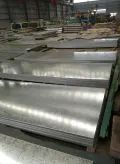
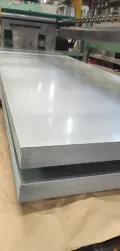
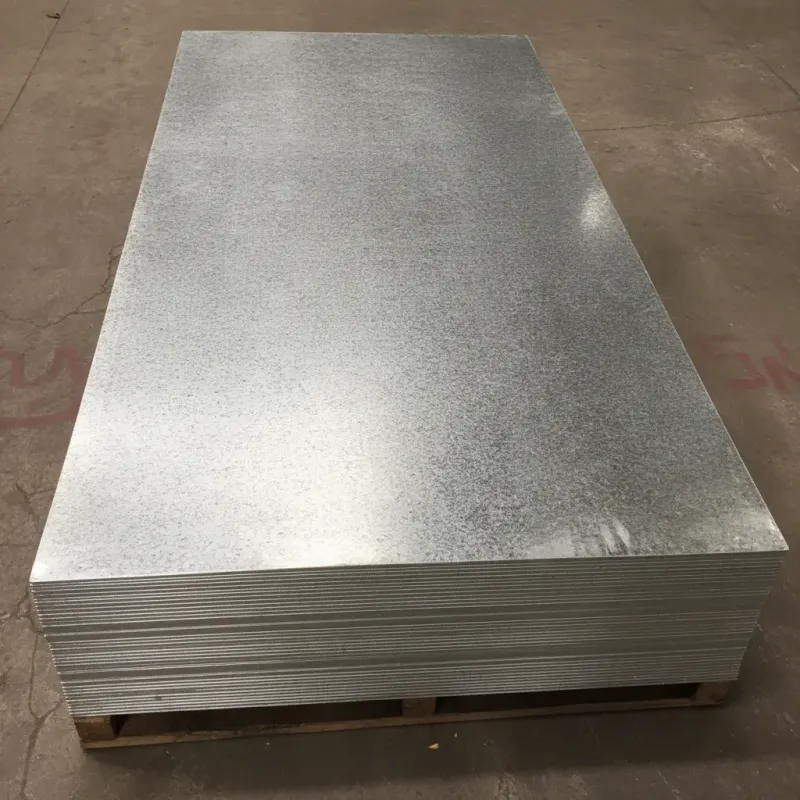
Galvanized Steel Sheet For Roofing And Industrial Use
 China
Supplier's customization ability
- Drawing-based customization
- Sample-based customization
- Full customization
Minimum order quantity: 1 ton
Shipping total: To be negotiated
- Lead time:
- confirmed with the quotation
- Packaging:
- standard export packing
- Samples:
- available on request
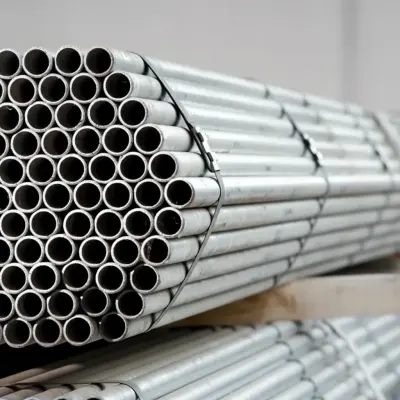
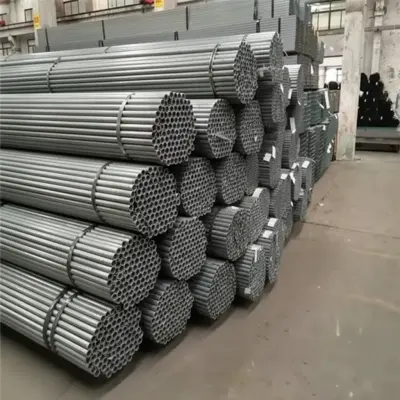
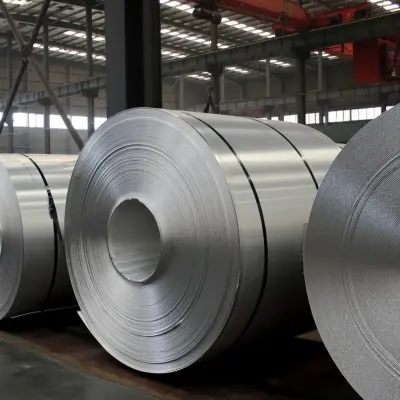
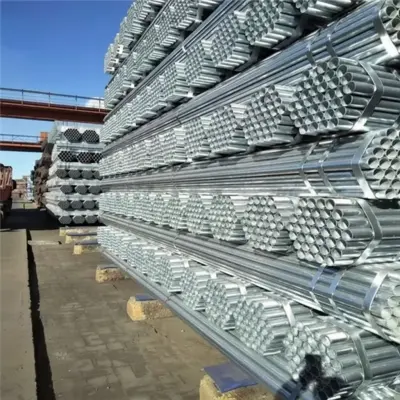
Product details
Technical Specifications of Galvanized Steel Sheet
| Property | Parameter | Description |
|---|---|---|
| Product Name | Galvanized Steel Sheet | Hot-dip zinc-coated carbon steel sheet for corrosion-resistant applications |
| Material Grade | EN 10346 DX51D+Z; ASTM A653 CS Type B; JIS G3302 SGCC; GB/T 2518 DC51D+Z | These grades are commonly comparable commercial-quality designations; exact equivalence depends on the ordered standard and mechanical requirements |
| Standard Compliance | ASTM A653/A653M, EN 10346, JIS G3302, GB/T 2518 | Standards specify substrate quality, zinc coating, dimensions, tolerances, and testing requirements |
| Chemical Composition | C ≤0.12%, Si ≤0.50%, Mn ≤0.60%, P ≤0.10%, S ≤0.045% | Representative maximum values for EN DX51D substrate; actual chemistry varies by grade and shall be confirmed by the mill test certificate |
| Tensile Strength | 270-500 MPa | Typical range for EN DX51D+Z according to EN 10346; values for ASTM, JIS, and GB grades may differ |
| Yield Strength | 140-300 MPa | Typical commercial-quality range; grade-specific limits apply under the selected product standard |
| Elongation | ≥22% | Typical minimum elongation for DX51D+Z, measured according to the applicable standard |
| Coating Type | Hot-dip zinc coating, Z designation | Continuous zinc coating provides sacrificial corrosion protection and a formable surface |
| Zinc Coating Mass | Z100-Z275, 100-275 g/m² total both sides | Other coating masses can be specified according to corrosion exposure and forming requirements |
| Thickness Range | 0.30-3.00 mm | Available thickness depends on substrate grade, coating mass, width, and production capability |
| Width Range | 600-1,500 mm | Cut-to-width and slit-width supply can be arranged subject to order requirements |
| Length Range | 1,000-6,000 mm | Available as cut sheets or supplied in coil form for processing lines |
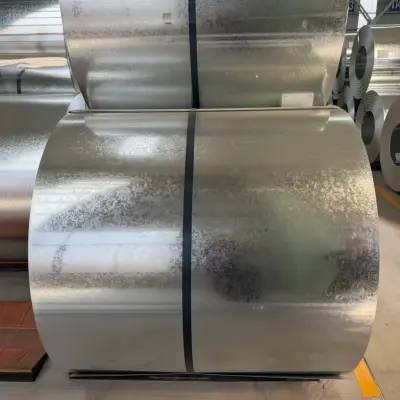
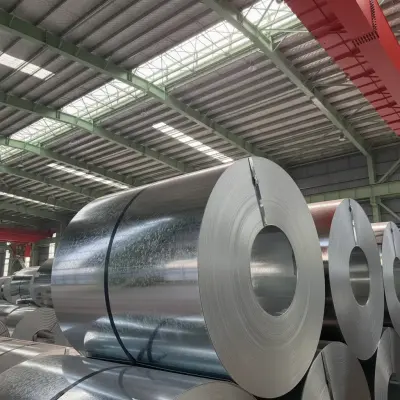
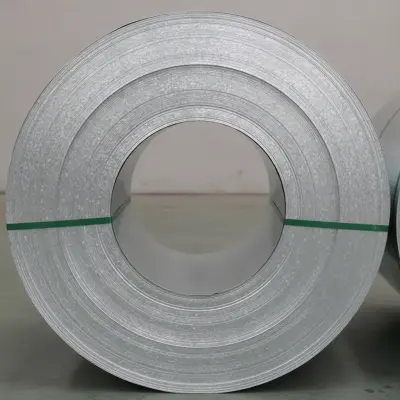
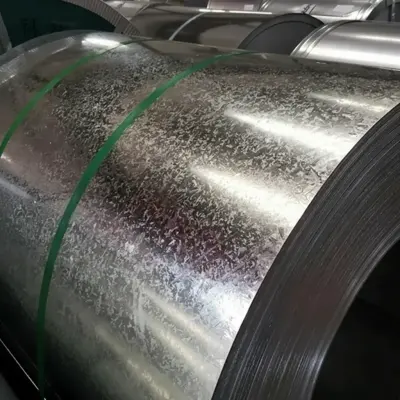
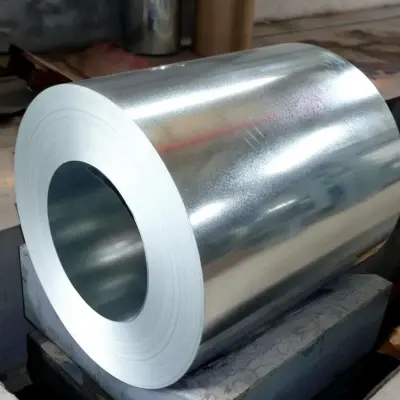
| Surface Finish | Regular spangle, minimized spangle, or spangle-free; passivated or oiled | Surface treatment options help control appearance, storage staining, and forming performance |
| Dimensional Tolerance | According to ASTM A924/A924M, EN 10143, JIS G3302, or GB/T 2518 | Tolerance depends on the selected standard, thickness, width, flatness, and edge condition |
| Application | Roofing panels, wall cladding, HVAC ducts, automotive components, appliances, structural fabrication | Suitable for construction, manufacturing, and general corrosion-resistant sheet metal applications |
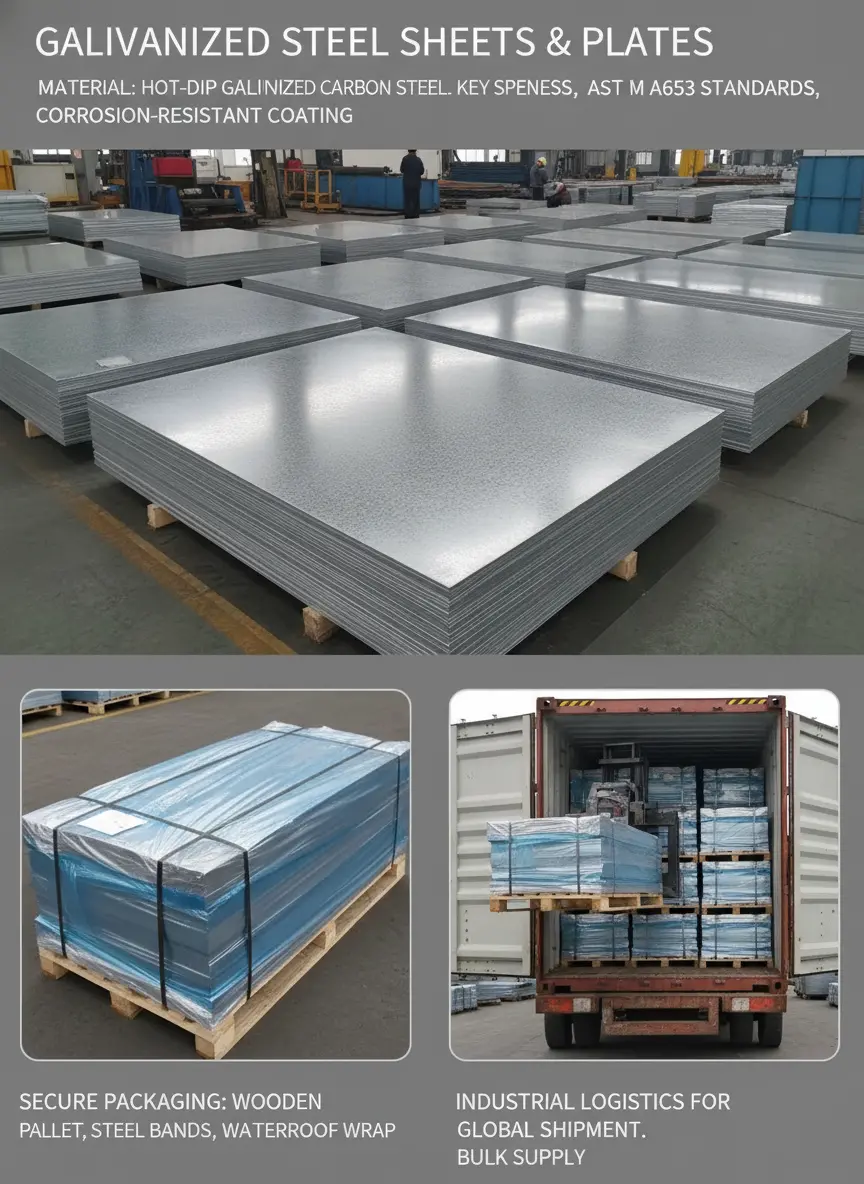
| Packaging | Export seaworthy packaging with waterproof paper, steel wrapping, edge protection, and steel straps | Packaging configuration can be tailored for coil or sheet transport and container loading |
| MOQ | Typically 25 metric tons | Minimum order quantity varies according to thickness, width, coating mass, and production schedule |
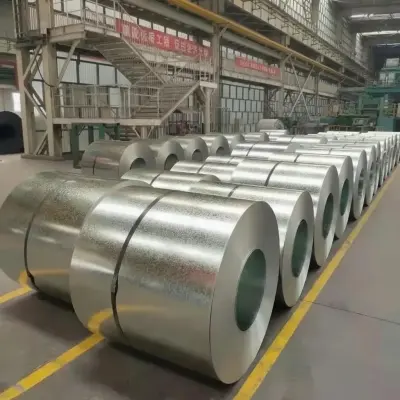
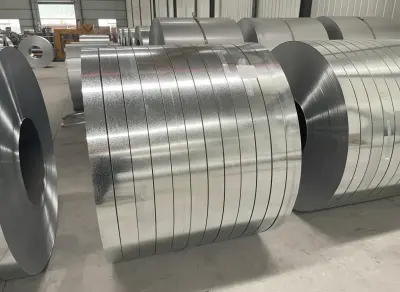
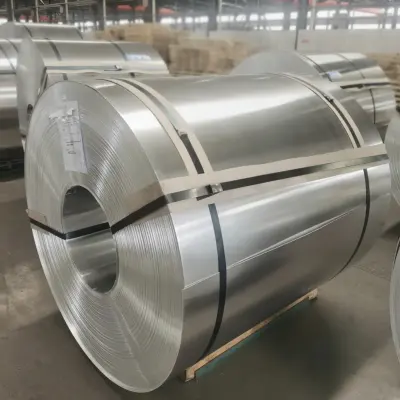
Galvanized Steel Sheet
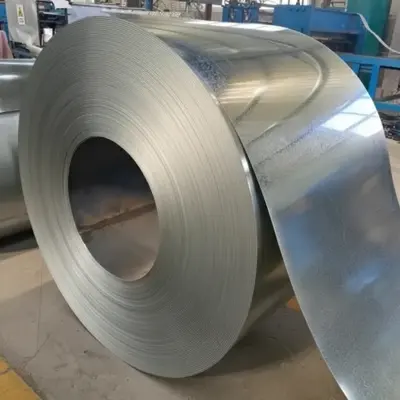
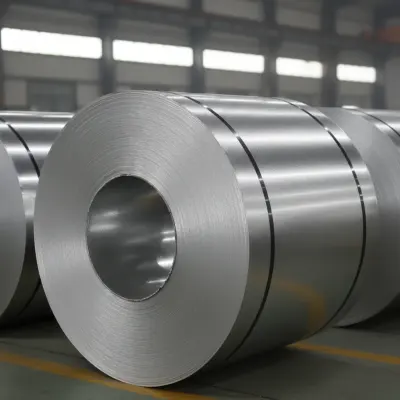
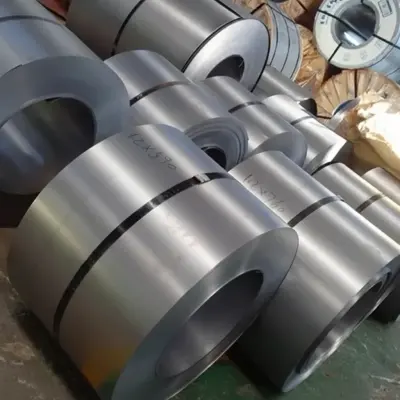
Galvanized Steel Sheet provides a zinc-coated steel surface for roofing contractors, building-material distributors, fabricators, OEM purchasing teams, and industrial project buyers seeking durable sheet metal with controlled corrosion resistance. The zinc layer protects the carbon-steel substrate through barrier protection and sacrificial action, making the material suitable for exposed or partially exposed service environments. Available in different base-steel grades, coating masses, dimensions, and surface finishes, galvanized sheet can be specified for roofing panels, ductwork, enclosures, structural components, and general fabrication. Buyers can align the product with regional standards, forming requirements, coating expectations, and shipment plans before placing a purchase order.
Product Overview: Galvanized Steel Sheet
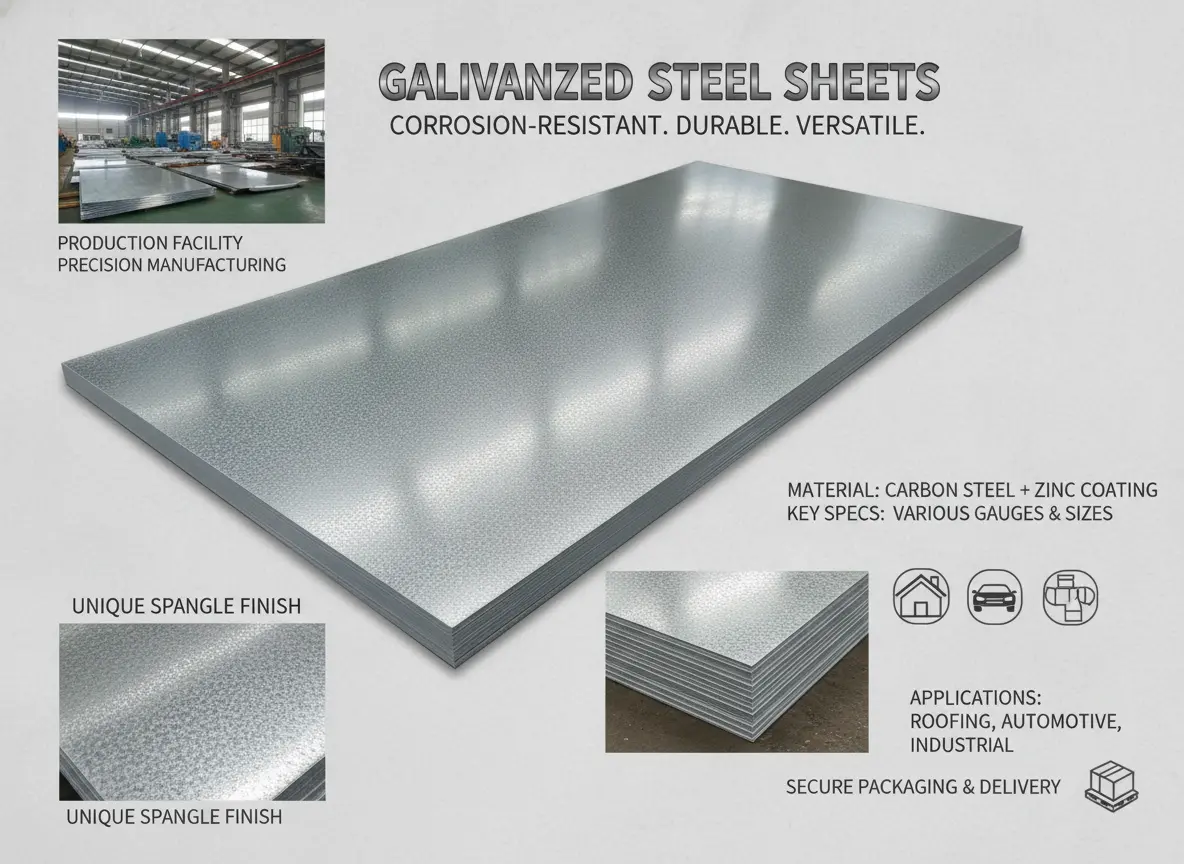
Galvanized steel sheet is flat carbon steel sheet coated with zinc, normally through a continuous hot-dip galvanizing process. During production, the cleaned and annealed steel strip passes through a molten zinc bath. The coating bonds to the substrate and forms a protective surface that helps delay rust formation when the steel is exposed to moisture, oxygen, and normal atmospheric conditions.
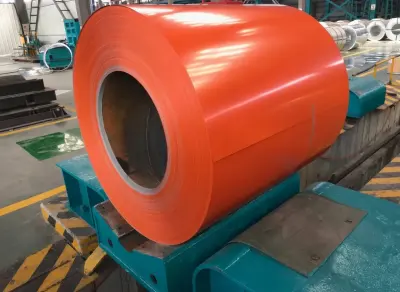
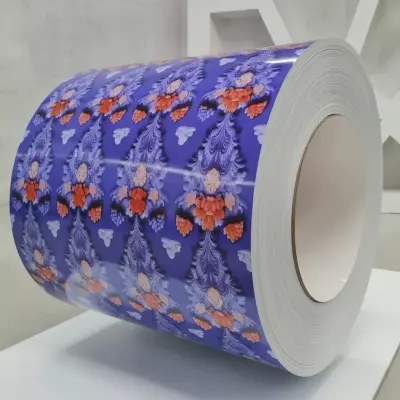
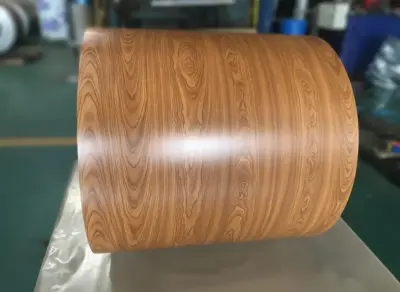
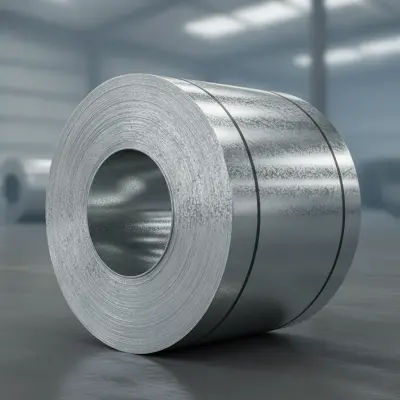
The product may be supplied with a regular spangle, minimized spangle, or other surface appearance depending on the applicable standard and production route. It can also be ordered with a skin-passed surface, leveling treatment, passivation, or an oiling option where these treatments are compatible with the buyer’s forming, painting, storage, and welding process. For downstream processing, buyers may also consider prepainted steel sheet, cold rolled steel sheet, or galvanized steel coil.
Key product characteristics include:
- Zinc coating for improved atmospheric corrosion resistance.
- Flat-sheet format suitable for cutting, bending, stamping, and fabrication.
- Selectable base-metal grades for commercial forming, drawing, or structural use.
- Coating masses and surface conditions that can be matched to service exposure and processing needs.
- Compatibility with roofing, construction, HVAC, appliance, automotive, and general industrial applications.
Galvanized sheet is not automatically suitable for every chemical, marine, high-temperature, or continuously wet environment. The coating selection should be reviewed against the actual exposure, expected service life, fabrication method, and maintenance plan.
Specifications & Standards for Galvanized Steel Sheet
International buyers should identify the governing standard before comparing quotations. Common references include ASTM A653/A653M for hot-dip process zinc-coated or zinc-iron alloy-coated steel sheet, EN 10346 for continuously hot-dip coated steel flat products, JIS G3302 for hot-dip zinc-coated steel sheet and strip, and GB/T 2518 for continuously hot-dip galvanized steel sheet and strip. The required edition, grade, coating designation, surface quality, inspection method, and certificate requirements should be stated in the purchase specification.
| Item | Typical specification basis | Buyer confirmation required |
|---|---|---|
| Product form | Flat galvanized steel sheet cut from continuously coated strip | Sheet or coil, cut length, edge condition, and flatness requirements |
| Applicable standards | ASTM A653/A653M, EN 10346, JIS G3302, or GB/T 2518 | One governing standard and the required revision |
| Base steel | Commercial-quality, forming-quality, drawing-quality, or structural grades, subject to the selected standard | Grade, yield-strength range, tensile requirements, and elongation |
| Zinc coating | Standard-specific coating designation or coating mass | Total coating mass, coating designation, test method, and minimum local requirement |
| Dimensions | Thickness, width, and cut length agreed in the order | Tolerances, diagonal difference, flatness, burr limits, and packing dimensions |
| Surface condition | Regular or minimized spangle; treated or untreated surface where available | Appearance class, passivation, oiling, and suitability for painting or forming |
Mechanical and chemical requirements depend on the selected grade and standard; they should not be assumed from the product name alone. For this reason, a technically complete inquiry should include the required grade and the intended forming operation.
| Requirement category | What should appear on the mill test certificate |
|---|---|
| Chemical composition | Heat or cast identification and applicable carbon, manganese, phosphorus, sulfur, and other specified element limits |
| Mechanical properties | Yield strength or proof strength, tensile strength, elongation, and any standard-specific forming requirement |
| Coating verification | Zinc coating designation or mass, test results, and inspection method required by the governing standard |
| Traceability | Heat number, coil or batch number, dimensions, quantity, and certificate reference |
For a comparison of related products, buyers may also review zinc-aluminum-magnesium coated steel when enhanced coating performance or reduced coating weight is being considered. The alternative must be checked for forming, welding, paint adhesion, and project approval requirements before substitution.
Applications of Galvanized Steel Sheet
Roofing and Building Envelopes
Galvanized steel sheet is used for roofing panels, flashing, gutters, wall cladding, trims, and accessories. The required coating and paint system depend on rainfall, humidity, pollution, coastal exposure, and whether the sheet is exposed or integrated into a protected assembly.
HVAC and Ventilation Systems
Ductwork, air-handling components, ventilation channels, and equipment housings commonly use galvanized sheet because it is easy to cut, fold, seam, and assemble. Fabricators should select a grade that supports the required bending radius and joint design.
Industrial Enclosures and Equipment
Control cabinets, electrical enclosures, machine guards, shelving, cable-tray components, and protective covers may use galvanized sheet as a practical substrate. Additional painting or powder coating can be specified when appearance, chemical resistance, or color coding is required.
Automotive and Appliance Components
Depending on the grade, surface requirement, and approval system, galvanized sheet can be used for vehicle parts, appliance panels, internal reinforcement, and fabricated components. Deep drawing, welding, painting, and dimensional tolerances should be confirmed with the processor.
General Fabrication and Construction
Service platforms, partitions, light structural parts, storage systems, agricultural equipment, and prefabricated building components are further applications. For load-bearing work, the selected structural grade and design code must be verified by the responsible engineer.
How to Choose / Buying Guide for Galvanized Steel Sheet
From a procurement manager’s perspective, the product should be selected through a complete technical and commercial specification rather than by thickness and price alone.
- Define the end use. State whether the sheet will be roll-formed, bent, stamped, welded, painted, or used outdoors. Roofing, ductwork, deep drawing, and structural fabrication may require different base-metal grades.
- Select the governing standard. Use ASTM A653/A653M, EN 10346, JIS G3302, GB/T 2518, or the project’s mandated specification. Avoid mixing coating designations from different standards without written technical confirmation.
- Specify dimensions and tolerances. Provide thickness, width, cut length, quantity per bundle, edge condition, flatness, and allowable dimensional variation. Thin sheet used in roll forming may require tighter control than general fabrication material.
- Set the zinc coating requirement. Choose the coating designation or coating mass according to exposure and forming needs. A heavier coating is not automatically better if it interferes with tight forming, welding, or surface finishing.
- Confirm certification. Request a mill test certificate showing grade, chemical composition, mechanical properties, coating results, dimensions, and traceability. Third-party inspection can be added when required by the project or importer.
- Check packing and logistics. Confirm sheet stacking, moisture protection, corner protection, bundle weight, marking, container loading, and shipping documents. Galvanized surfaces should be protected from trapped moisture during storage and transit.
- Agree commercial terms. MOQ, production capacity, lead time, payment method, Incoterms, and destination are supplier- and order-specific. These details should be quoted in writing rather than assumed from a catalog listing.
For buyers comparing supply routes, an inquiry for steel sheet export packaging and mill test certificate requirements can help align quality documents with customs clearance and receiving inspection. If the project involves large recurring demand, ask for a production schedule, sample approval process, and repeat-order consistency procedure.
Frequently Asked Questions About Galvanized Steel Sheet
Q: What is the difference between galvanized steel sheet and cold rolled steel sheet?
A: Galvanized steel sheet has a zinc coating applied to the steel surface, while cold rolled steel sheet normally has no zinc layer unless it receives a separate coating. Cold rolled sheet may offer a smooth substrate for certain fabrication or painting processes, but it generally requires additional corrosion protection for exposed service.
Q: Which standards can be used for galvanized steel sheet?
A: Common standards include ASTM A653/A653M, EN 10346, JIS G3302, and GB/T 2518. The correct choice depends on the destination market, project specification, grade system, coating designation, and inspection requirements. One governing standard should be identified in the purchase order.
Q: Can galvanized steel sheet be bent, stamped, or welded?
A: Yes, provided the base-metal grade, thickness, coating, tooling, bend radius, and process parameters are suitable. Welding galvanized material requires appropriate ventilation and process controls because zinc vapors can be hazardous. The fabricator should validate the procedure before production.
Q: What documents should an overseas buyer request?
A: Typical documents include a commercial invoice, packing list, bill of lading, certificate of origin where required, and mill test certificate. Depending on the contract, buyers may also request coating test results, dimensional inspection records, photographs, or a third-party inspection report.
Q: What is the usual minimum order quantity?
A: MOQ is not universal. It depends on the required grade, thickness, width, coating, cut length, production schedule, and whether the order is made from available stock or produced specifically. Request a written MOQ and price basis for the exact specification.
Q: How long is the delivery time?
A: Lead time varies with stock availability, production queue, order quantity, customization, inspection, and destination logistics. A supplier should confirm production time, estimated sailing schedule, document timing, and the applicable delivery term in the quotation.
Q: Which payment methods are available?
A: Payment terms are supplier- and contract-specific. Common arrangements may include a bank transfer structure, documentary credit, or other agreed trade terms. Buyers should confirm the payment schedule, bank charges, inspection conditions, and release of shipping documents before signing the order.
Q: How should galvanized steel sheet be stored after arrival?
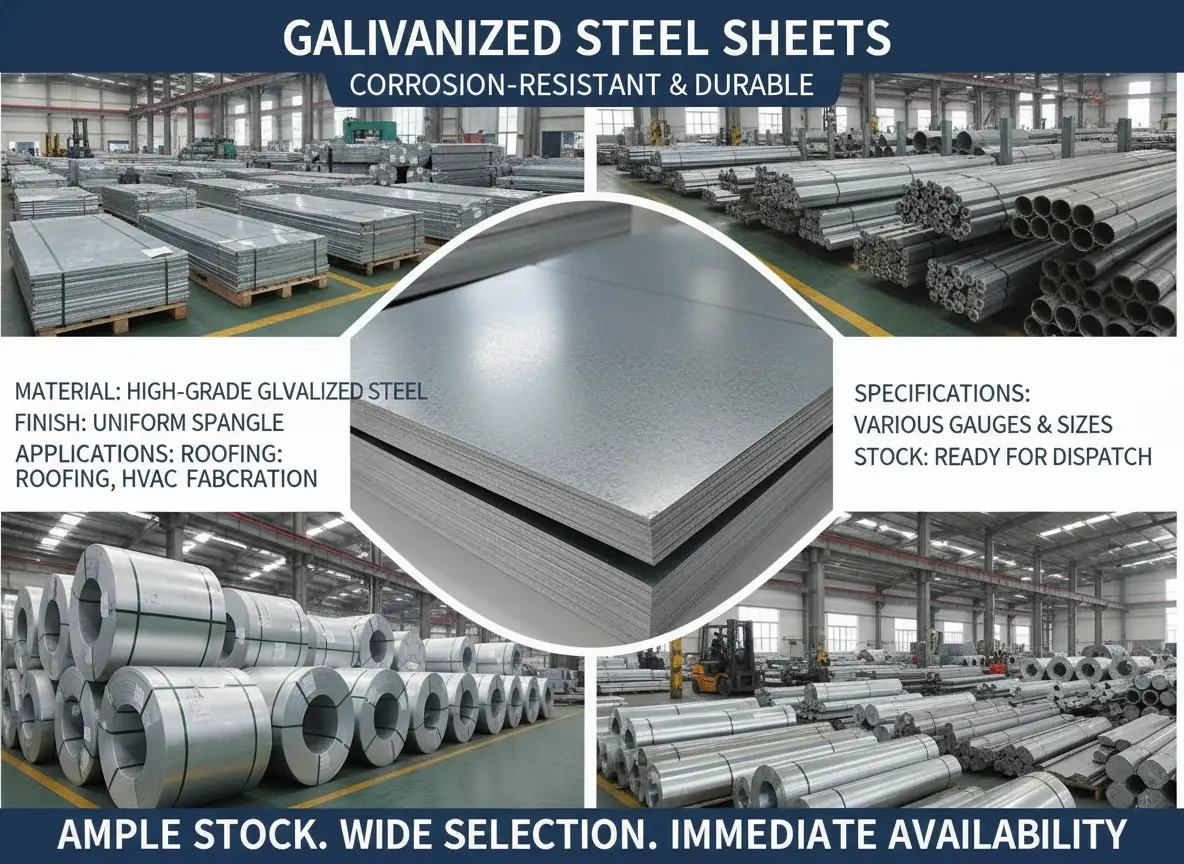
A: Store bundles in a dry, ventilated location, raised above the floor and protected from direct rain, condensation, and trapped moisture. Follow the supplier’s packing guidance and inspect the material promptly after arrival. White rust or storage staining can develop when moisture remains between tightly packed galvanized surfaces.
Send your required thickness, width, cut length, grade, coating designation, applicable standard, quantity, destination, and documentation needs to request a tailored quotation for galvanized steel sheet. Our team can review the technical specification, confirm production feasibility, discuss MOQ and lead time, and prepare an export offer aligned with your project requirements.
Ratings & Reviews

Know your supplier
Supplier's customization ability
- Drawing-based customization
- Sample-based customization
- Full customization
Minimum order quantity: 1 ton
Shipping total: To be negotiated
- Lead time:
- confirmed with the quotation
- Packaging:
- standard export packing
- Samples:
- available on request