 English
 Español
 Français
 Deutsch
 Português (Brasil)
 Русский
 العربية

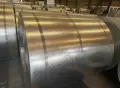
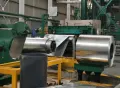
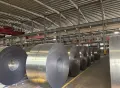
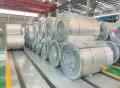
Hot Dip Galvanized Steel For Durable Industrial Applications
 China
Supplier's customization ability
- Drawing-based customization
- Sample-based customization
- Full customization
Minimum order quantity: 1 ton
Shipping total: To be negotiated
- Lead time:
- confirmed with the quotation
- Packaging:
- standard export packing
- Samples:
- available on request
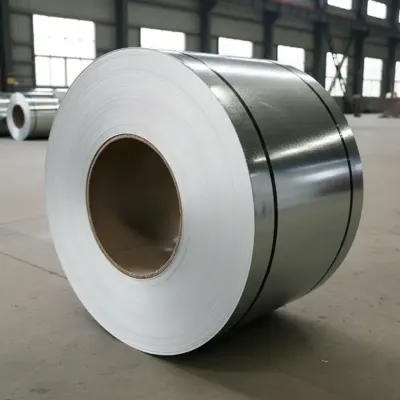
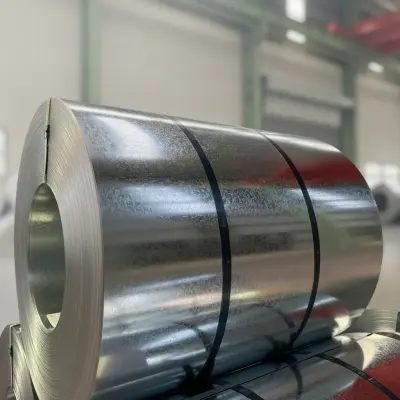
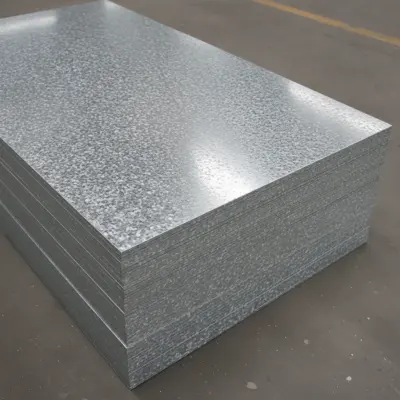
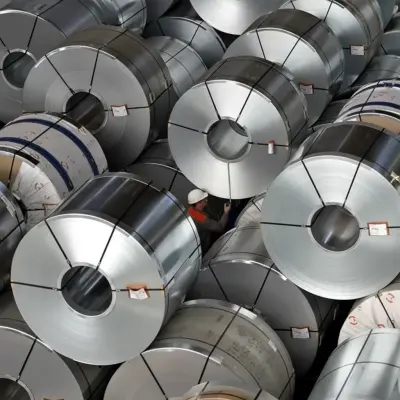
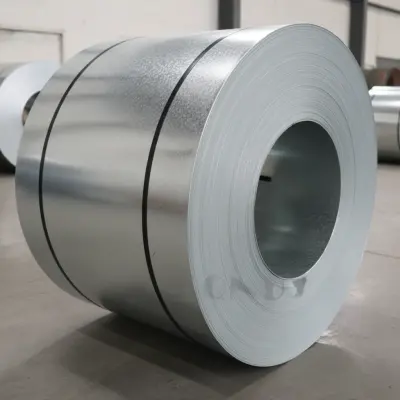
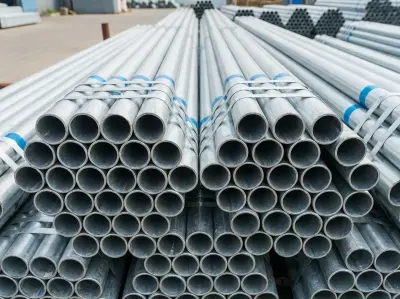
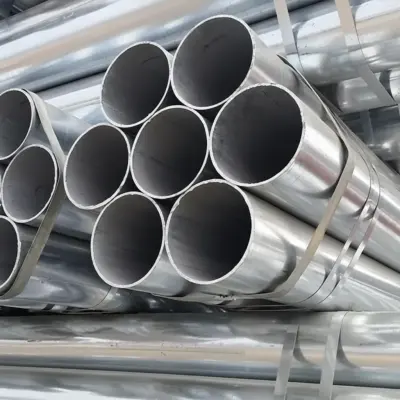
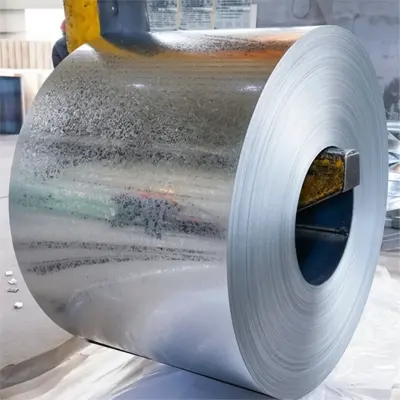
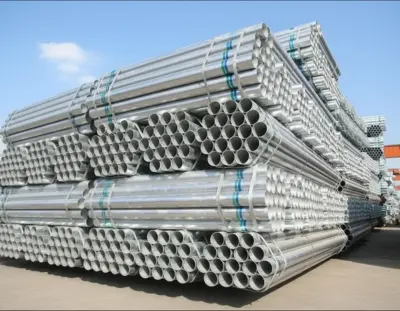
Product details
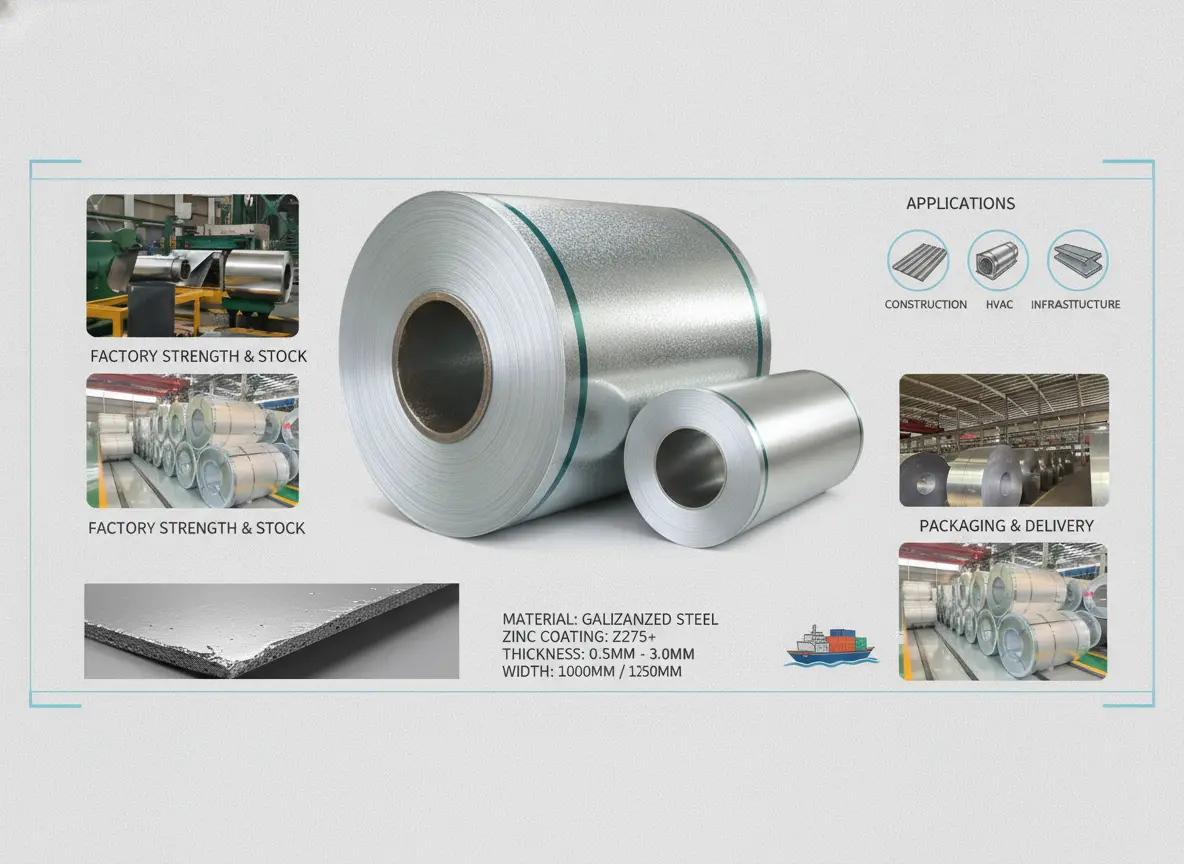
Technical Specifications of Hot Dip Galvanized Steel
| Property | Parameter | Description |
|---|---|---|
| Product Name | Hot Dip Galvanized Steel | Continuous hot-dip zinc-coated steel sheet and coil for corrosion-resistant applications |
| Material Grade | DX51D+Z / SGCC / ASTM A653 CS Type B / S350GD+Z | Common international equivalent grades; exact grade depends on forming and structural requirements |
| Standard Compliance | ASTM A653/A653M, EN 10346, JIS G3302, GB/T 2518 | Applicable standards for galvanized steel sheet and coil, subject to the selected grade and coating designation |
| Chemical Composition | C ≤0.20%, Mn ≤1.20%, P ≤0.12%, S ≤0.035%, Si ≤0.50% | Typical maximum values for commercial or structural galvanized steel; composition varies by grade and applicable standard |
| Zinc Coating | 40–350 g/m² | Common coating mass range, including single-side and total both-side coating designations |
| Tensile Strength | 270–590 MPa | Typical range according to grade; values are determined by the applicable ASTM, EN, JIS, or GB standard |
| Yield Strength | 140–550 MPa | Typical range from commercial forming grades to high-strength structural grades |
| Elongation | ≥12–≥30% | Typical minimum elongation range depending on material grade, thickness, and testing method |
| Thickness Range | 0.20–6.00 mm | Available thickness depends on production capability, grade, coating mass, and order requirements |
| Width Range | 600–2,000 mm | Standard and customized widths available for coil and cut-to-length sheet applications |
| Length Range | 1,000–6,000 mm | Cut lengths can be specified for galvanized steel sheets; coil supply is also available |
| Surface Finish | Regular spangle, minimized spangle, zero spangle, skin-passed | Surface options include chromate-free or passivated treatment, oiling, and dry finish according to application needs |
| Surface Quality | FA, FB, FC | Surface quality classification can be selected according to EN 10346 or the specified purchasing standard |
| Application | Roofing panels, wall cladding, HVAC ducts, automotive parts, appliances, structural components | Suitable for construction, fabrication, transportation, electrical enclosures, and general manufacturing |
| Processing | Cutting, slitting, roll forming, bending, stamping, welding | Processing performance depends on the selected grade, thickness, zinc coating, and forming radius |
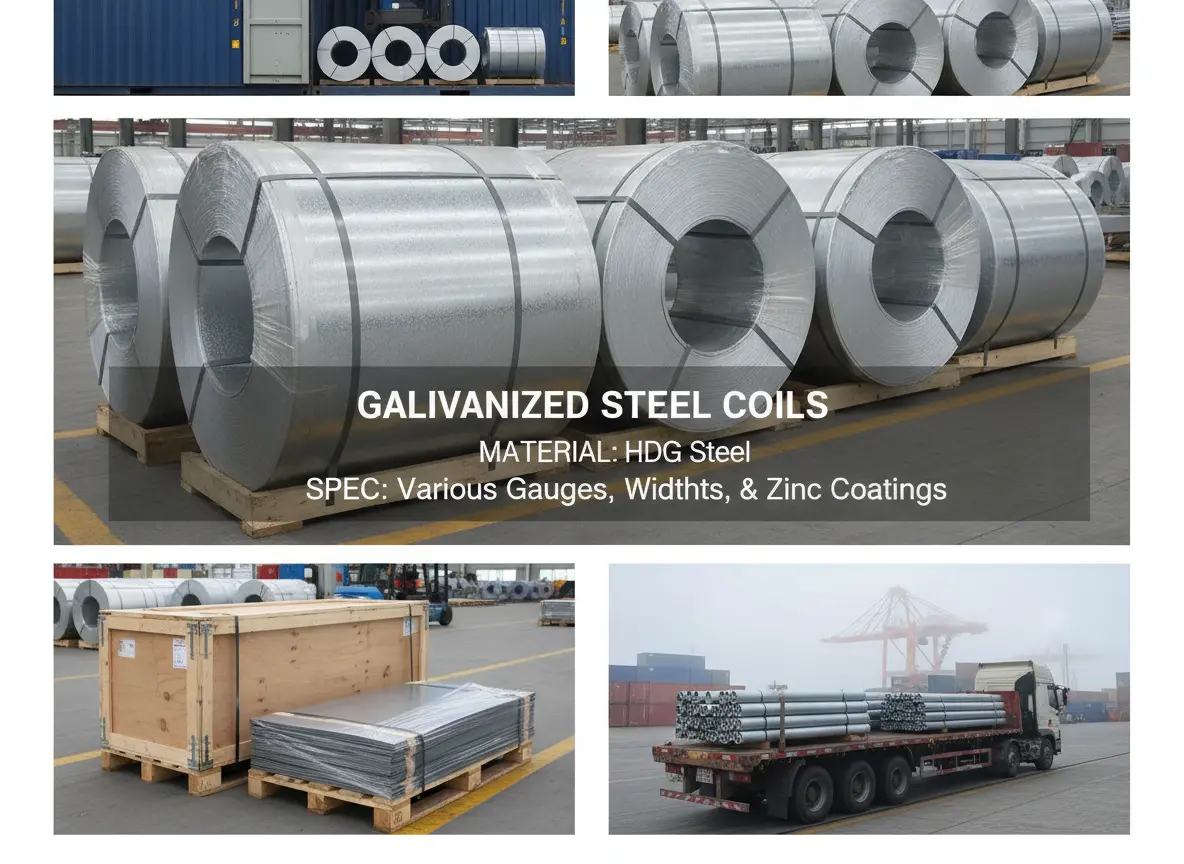
| Packaging | Export seaworthy packaging with steel straps, edge protection, and moisture-resistant wrapping | Coils or sheets are secured on pallets or steel skids for handling and international transportation |
| MOQ | 5 metric tons | Minimum order quantity may vary according to grade, dimensions, coating mass, and production schedule |
Hot Dip Galvanized Steel For Durable Industrial Applications
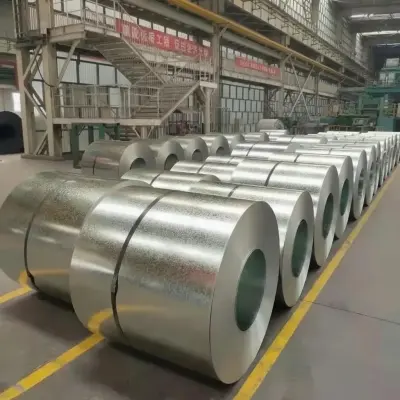
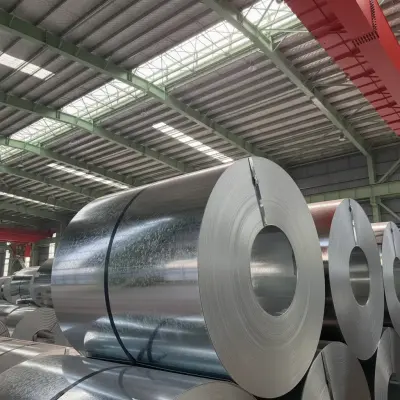
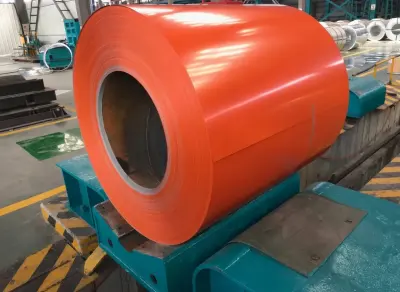
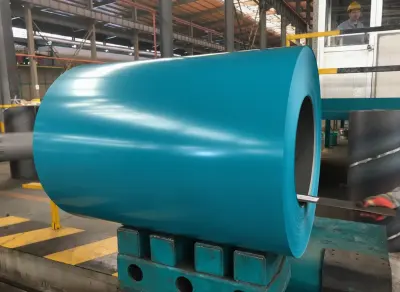
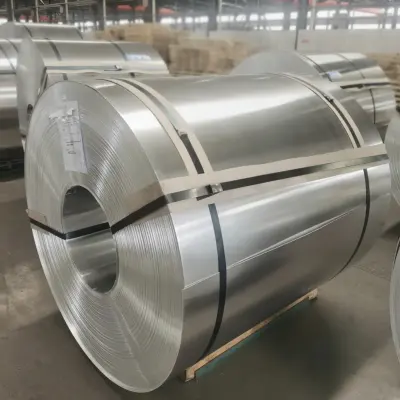
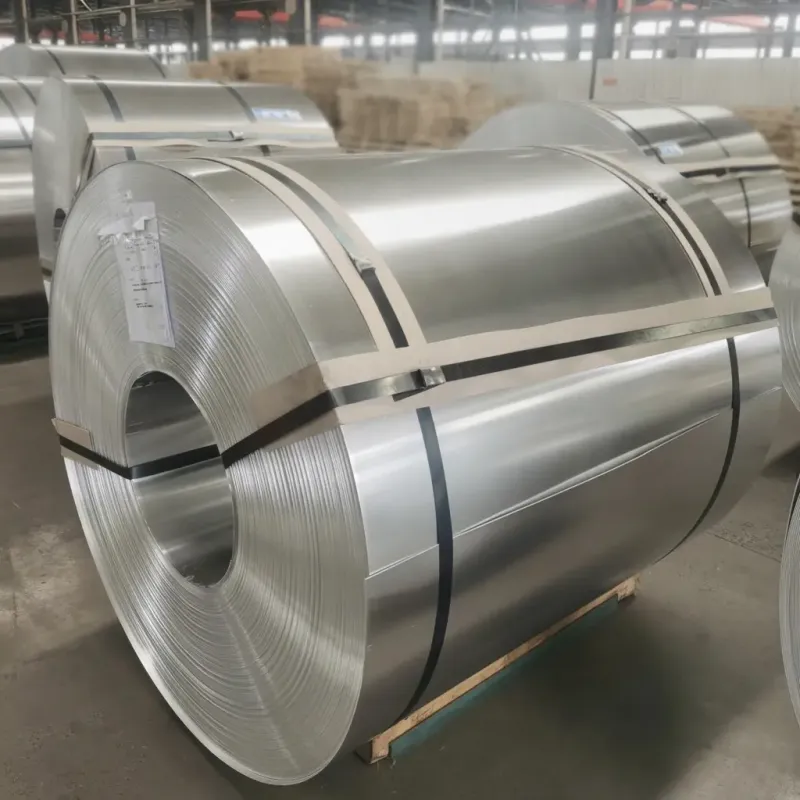
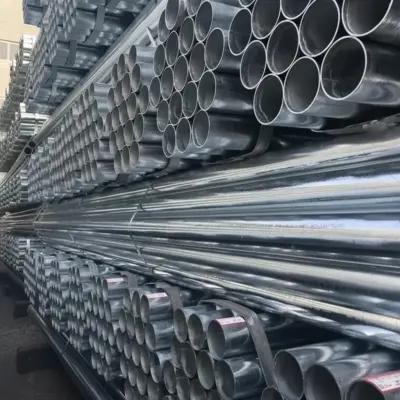
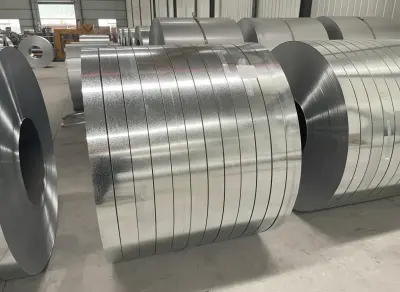
Hot Dip Galvanized Steel is carbon or structural steel protected by a metallurgically bonded zinc coating formed through immersion in molten zinc. It serves overseas fabricators, infrastructure contractors, equipment manufacturers, distributors, and project procurement teams that need dependable corrosion protection for exposed steel components. The zinc layer provides both barrier protection and sacrificial protection, including limited protection at small scratches and cut edges. Available forms may include galvanized sheet, coil, pipe, structural sections, fabricated assemblies, fasteners, and custom components. Buyers can specify the substrate grade, dimensions, coating standard, surface condition, inspection documents, and packaging to match fabrication, service environment, and destination-market requirements.
Hot Dip Galvanized Steel Product Overview
Hot dip galvanizing is a zinc-coating process used to protect steel from atmospheric and service-related corrosion. For batch-galvanized products, cleaned steel articles are immersed in a molten zinc bath, producing zinc-iron alloy layers with an outer zinc layer. For continuously galvanized sheet and coil, the steel strip passes through controlled cleaning, annealing, and zinc-coating stages on a production line. These processes are related but governed by different product standards and should not be treated as interchangeable.
The substrate may be commercial-quality carbon steel, structural steel, low-alloy steel, or another grade suitable for galvanizing. Selection must begin with the required base-metal specification because galvanizing improves corrosion resistance but does not replace the steel’s original structural or forming properties. Procurement teams should therefore define yield strength, tensile strength, thickness tolerance, weldability, and forming requirements separately from the zinc coating. Related substrate and processing options can be reviewed through [[INTERNAL_LINK]].
Key characteristics of Hot Dip Galvanized Steel include a firmly bonded coating, coverage of accessible surfaces, abrasion resistance during normal handling, and sacrificial action from zinc. Zinc corrodes preferentially to exposed steel, helping delay red rust around minor coating damage. Surface appearance can range from bright and visibly spangled to matte gray, depending on steel chemistry, cooling conditions, coating composition, and product route. Appearance alone is not a reliable measure of coating performance.
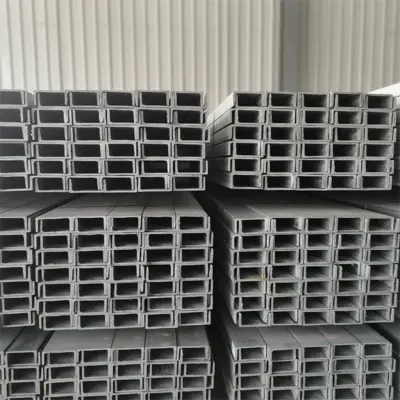
Batch-galvanized articles may include beams, channels, poles, guardrail components, brackets, grating, tanks, and welded frames. Continuously galvanized products commonly include sheet and coil used for roll forming, stamping, roofing, ductwork, and appliance components. Buyers requiring pre-galvanized tube, galvanized structural sections, or fabricated parts should confirm which galvanizing route applies before requesting a quotation. See [[INTERNAL_LINK]] for complementary steel processing capabilities.
Hot Dip Galvanized Steel Specifications & Standards
Hot Dip Galvanized Steel should be ordered against a standard that matches the product form and manufacturing route. ASTM A123/A123M covers zinc coatings on iron and steel products made from rolled, pressed, forged, and fabricated shapes. ASTM A153/A153M applies to zinc coating on iron and steel hardware. ASTM A653/A653M applies to continuously zinc-coated steel sheet. EN ISO 1461 specifies general requirements and test methods for hot dip galvanized coatings on fabricated iron and steel articles.
| Standard | Principal Scope | Typical Procurement Use |
|---|---|---|
| ASTM A123/A123M | Batch hot dip zinc coatings on fabricated iron and steel products | Structural sections, plates, welded assemblies, poles, and fabricated components |
| ASTM A153/A153M | Hot dip zinc coating on iron and steel hardware | Bolts, nuts, washers, fittings, castings, and small hardware items |
| ASTM A653/A653M | Continuously zinc-coated steel sheet | Galvanized sheet and coil for forming, roofing, panels, and manufactured parts |
| EN ISO 1461 | Coatings on fabricated iron and steel articles | Infrastructure and fabricated components for ISO- or EN-based projects |
| JIS H 8641 | Hot dip galvanized coatings on fabricated iron and steel products | Projects and components specified to Japanese requirements |
| GB/T 13912 | Hot dip galvanized coatings on fabricated iron and steel articles | Fabricated products supplied under the applicable Chinese standard |
Coating thickness and coating mass must be stated according to the selected standard, substrate thickness, article category, and intended environment. A coating designation used for continuous sheet cannot automatically be applied to a batch-galvanized structural component. Likewise, the minimum local and average coating thickness for fabricated articles depends on the governing standard and steel section thickness. Buyers should request a standard-specific compliance statement rather than accepting a general description such as “heavy galvanized.” More guidance on coating selection is available at [[INTERNAL_LINK]].
| Order Parameter | Information to Specify | Why It Matters |
|---|---|---|
| Base steel | Grade, governing standard, and required mechanical properties | Determines strength, forming behavior, and weldability |
| Product form | Sheet, coil, pipe, section, hardware, or fabricated assembly | Determines the applicable galvanizing standard |
| Dimensions | Thickness, width, length, section size, and tolerances | Controls fabrication compatibility and shipment planning |
| Zinc coating | Standard, coating designation, mass, or thickness requirement | Defines measurable corrosion-protection criteria |
| Inspection | Visual inspection, coating-thickness testing, adhesion testing, and documents | Supports contractual acceptance and traceability |
| Surface and packaging | Passivation, oiling, finish expectations, bundles, or export packing | Reduces storage, handling, and transit risks |
Mechanical properties are normally controlled by the base-steel standard, not by the galvanizing standard alone. Chemical composition can also influence coating growth and final appearance. The purchaser should provide the substrate specification whenever strength, bending, welding, or load-bearing performance is critical. Inspection records may include coating-thickness results, dimensional reports, and mill test certificates where applicable and agreed.
Hot Dip Galvanized Steel Applications
Infrastructure and transportation: Galvanized guardrails, sign supports, bridge accessories, drainage components, lighting poles, and roadside hardware are used where steel faces rain, condensation, and deicing exposure. Project drawings should identify coating standards and any areas requiring repair after site modification. Relevant infrastructure products are listed at [[INTERNAL_LINK]].
Construction and structural fabrication: Hot Dip Galvanized Steel is used for platforms, stairs, handrails, gratings, frames, roof supports, and external steelwork. Fabricated assemblies require properly located vent and drain holes so molten zinc and air can move safely during immersion.
Energy and utilities: Transmission structures, cable supports, solar mounting systems, fencing, and utility hardware frequently use galvanized components. Material selection should consider atmospheric category, expected maintenance access, and compatibility with connected metals. Explore related structural products at [[INTERNAL_LINK]].
Agriculture and material handling: Livestock equipment, greenhouse frames, storage structures, conveyors, racks, and outdoor enclosures benefit from a durable zinc coating. Chemical exposure from fertilizers, soil, or animal waste should be evaluated separately because zinc performance varies with local conditions.
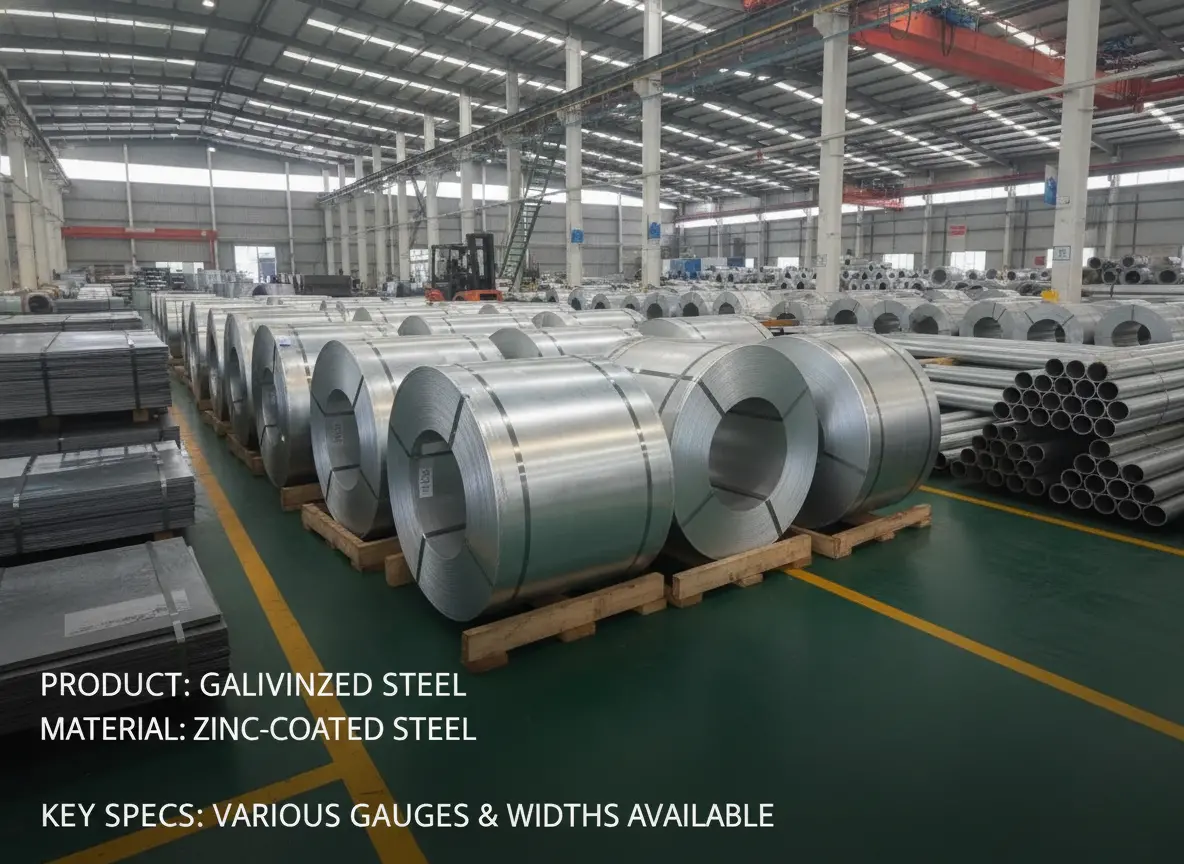
Industrial manufacturing: Continuously galvanized sheet is formed into cabinets, ducts, panels, appliance parts, and equipment housings. Surface quality, spangle, flatness, oiling, passivation, and forming grade may be as important as coating mass for these applications.
How to Choose Hot Dip Galvanized Steel: Buying Guide
Begin with the finished component and service environment. State whether the order is for coil, sheet, tube, structural steel, hardware, or a completed fabrication. Provide drawings with dimensions, tolerances, hole locations, weld details, and areas that must remain uncoated. For batch galvanizing, design features such as sealed cavities, overlapping surfaces, and inadequate drainage can affect process safety and coating coverage.
Select one applicable coating standard and identify the required base-steel grade separately. Ask the supplier to confirm whether the requested steel chemistry and fabrication route are suitable for galvanizing. For formed sheet products, specify coating designation, surface treatment, forming quality, and dimensional tolerance under ASTM A653/A653M or another agreed product standard. A comparison with other corrosion-resistant steel options can be found at [[INTERNAL_LINK]].
Define certification requirements before pricing. Depending on the contract, buyers may request mill test certificates, certificates of conformity, coating-thickness reports, third-party inspection, or documented traceability. Certification scope should be written into the purchase order; it cannot be assumed from a product description.
MOQ and lead time depend on product form, dimensions, coating route, production scheduling, testing, and packaging. Standard sheet or coil dimensions may have different commercial conditions from custom-fabricated assemblies. Request confirmation of minimum order quantity, production lead time, document preparation, and shipment readiness for the exact specification.
For logistics, clarify Incoterms, loading method, bundle weight, container restrictions, moisture protection, edge protection, and destination handling. Galvanized surfaces can develop storage stain when trapped moisture remains between closely packed items. Dry storage, ventilation, suitable separators, and prompt unpacking are practical controls. Packaging recommendations are available through [[INTERNAL_LINK]].
Hot Dip Galvanized Steel Frequently Asked Questions
Q: What is the difference between hot dip galvanized steel and electro-galvanized steel?
A: Hot dip galvanizing forms a zinc coating by immersion in molten zinc, while electro-galvanizing deposits zinc through an electrolytic process. The resulting coating thickness, appearance, forming behavior, and applicable standards differ. Selection should be based on product form, corrosion exposure, fabrication needs, and drawing requirements.
Q: Is Hot Dip Galvanized Steel the same as stainless steel?
A: No. Galvanized steel is usually carbon or structural steel protected by zinc. Stainless steel obtains corrosion resistance from alloying elements within the metal itself. They have different costs, fabrication characteristics, appearance, and performance in specific environments.
Q: Which certificate can be supplied with galvanized steel?
A: Available documents depend on the product and contract. Common requests include a mill test certificate for the substrate, certificate of conformity, dimensional report, and zinc-coating thickness or mass report. Third-party inspection should be agreed before production.
Q: What is the minimum order quantity?
A: MOQ varies by steel grade, size, coating specification, fabrication complexity, and production route. Stock sizes may support smaller orders, while custom dimensions or fabricated assemblies may require a production-based quantity. Submit a detailed bill of materials for confirmation.
Q: How long is the production lead time?
A: Lead time depends on substrate availability, galvanizing capacity, fabrication, inspection, documentation, and order volume. Custom drawings and third-party inspection can extend the schedule. The confirmed quotation should separate production time from inland transport and ocean freight.
Q: Which payment methods are available for export orders?
A: Payment terms are agreed commercially for each transaction and may depend on order value, destination, credit review, and production requirements. Buyers should request the accepted methods, deposit conditions, document release terms, and banking details in the formal quotation.
Q: Can galvanized steel be welded or painted?
A: Yes, but both operations require appropriate procedures. Welding zinc-coated steel requires fume controls, suitable joint preparation, and restoration of damaged coating where specified. Painting requires surface assessment and a compatible preparation and coating system. Consult the applicable project specification and coating manufacturer.
Q: How should Hot Dip Galvanized Steel be inspected on arrival?
A: Verify quantities, dimensions, identification, packaging condition, and documentation first. Inspect accessible surfaces for transport damage and prolonged wet-storage staining. Coating thickness should be measured using calibrated equipment and the sampling rules of the specified standard, not by appearance alone.
Send your Hot Dip Galvanized Steel grade, product form, dimensions, quantity, destination, coating standard, certification requirements, and drawings for a specification review and export quotation. Our team can evaluate the request, identify missing technical details, and prepare a commercially clear offer for your procurement schedule.
Ratings & Reviews

Know your supplier
Supplier's customization ability
- Drawing-based customization
- Sample-based customization
- Full customization
Minimum order quantity: 1 ton
Shipping total: To be negotiated
- Lead time:
- confirmed with the quotation
- Packaging:
- standard export packing
- Samples:
- available on request