 English
 Español
 Français
 Deutsch
 Português (Brasil)
 Русский
 العربية

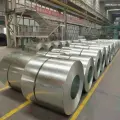
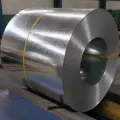
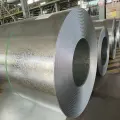
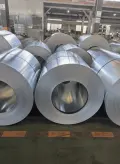
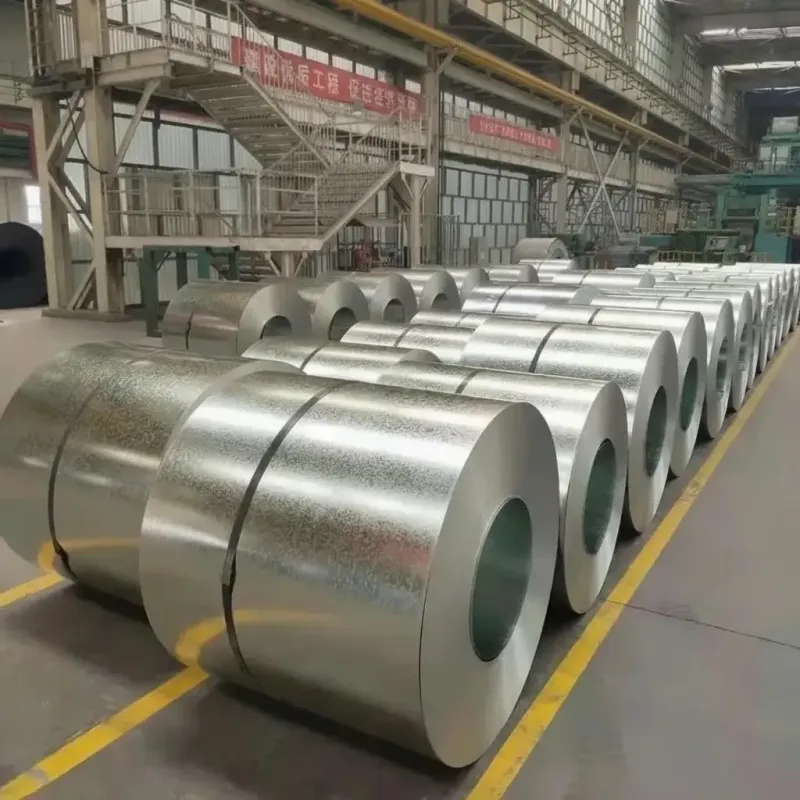
Galvanized Steel Coil Manufacturer For Custom Sizes
 China

Supplier's customization ability
- Drawing-based customization
- Sample-based customization
- Full customization
Minimum order quantity: 1 ton
Shipping total: To be negotiated
- Lead time:
- confirmed with the quotation
- Packaging:
- standard export packing
- Samples:
- available on request

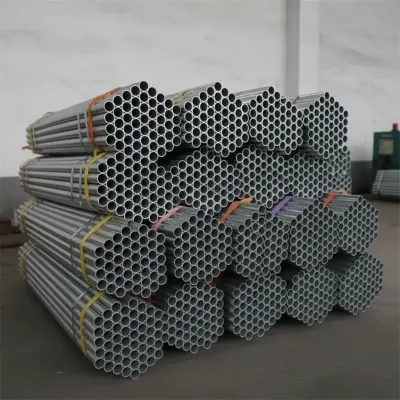
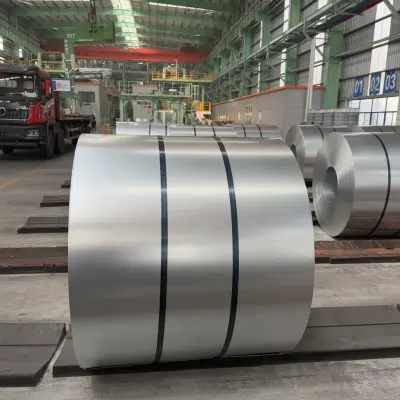
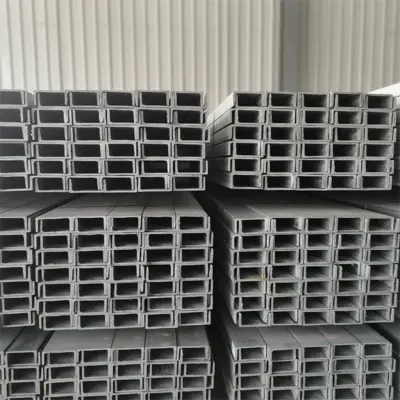
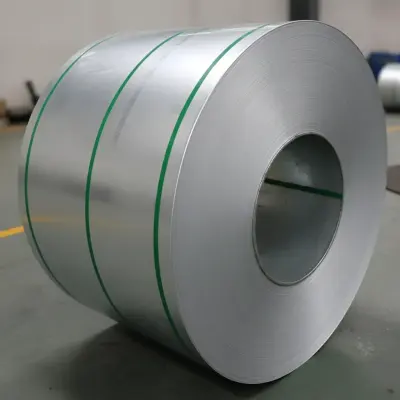
Product details
Technical Specifications of Galvanized Steel Coil
| Property | Parameter | Description |
|---|---|---|
| Product Name | Galvanized Steel Coil | Continuous hot-dip zinc-coated carbon steel coil for corrosion-resistant forming and fabrication |
| Material Grade | ASTM A653 CS Type B / SS Grade 33; EN 10346 DX51D+Z; JIS G3302 SGCC; GB/T 2518 DC51D+Z | International equivalent grades vary by forming requirement and applicable standard |
| Standard Compliance | ASTM A653/A653M; EN 10346; JIS G3302; GB/T 2518 | Applicable standard should be specified in the purchase order and confirmed by the mill certificate |
| Chemical Composition | C typically ≤0.20%, Mn typically ≤1.20%, P typically ≤0.035%, S typically ≤0.035%, Si typically ≤0.30% | Typical substrate chemistry for commercial-quality galvanized steel; exact limits depend on grade and standard |
| Tensile Strength | Approximately 270–550 MPa | Grade-dependent value tested in accordance with the applicable ASTM, EN, JIS or GB standard |
| Yield Strength | Approximately 140–350 MPa | Varies with steel grade, temper rolling and forming class |
| Elongation | Approximately 16–32% minimum | Gauge-dependent elongation measured according to the applicable product standard |
| Thickness Range | 0.20–3.00 mm | Custom thickness availability depends on grade, coating mass and production capability |
| Width Range | 600–1,500 mm | Slit widths and custom coil widths can be produced according to order requirements |
| Zinc Coating | 40–275 g/m² total both sides | Common coating designations include Z40–Z275; coating mass should be defined as total both sides |
| Surface Finish | Regular spangle, minimized spangle or zero spangle; skin-passed or non-skin-passed | Surface appearance and roughness are selected according to forming, painting and end-use requirements |
| Surface Treatment | Chromate-free passivation, conventional passivation, oiling or dry surface | Surface treatment helps control white rust and supports subsequent processing |
| Application | Roofing sheets, wall panels, HVAC ducts, automotive components, appliances, structural parts and general fabrication | Suitable for construction, industrial manufacturing and corrosion-resistant sheet-metal applications |
| Coil Inner Diameter | 508 mm or 610 mm | Standard inner diameter selected according to coil weight, processing line and customer equipment |
| Packaging | Export seaworthy packaging with steel or fiber edge protection, waterproof paper and steel strapping | Coils may be supplied eye-to-sky or eye-to-wall according to handling and transportation requirements |
| MOQ | Typically 20 metric tons per specification | Minimum order quantity depends on grade, dimensions, coating mass and production schedule |
Galvanized Steel Coil Manufacturer for Custom Sizes
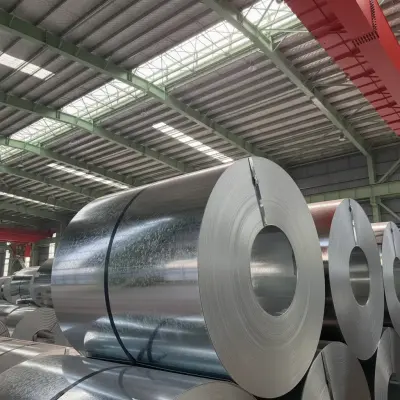
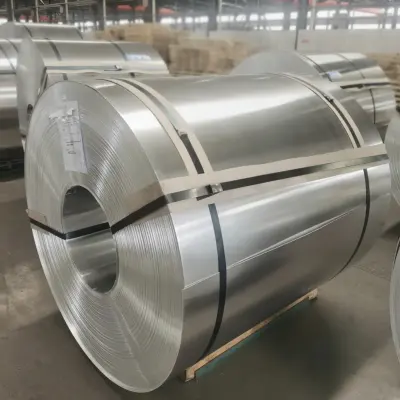
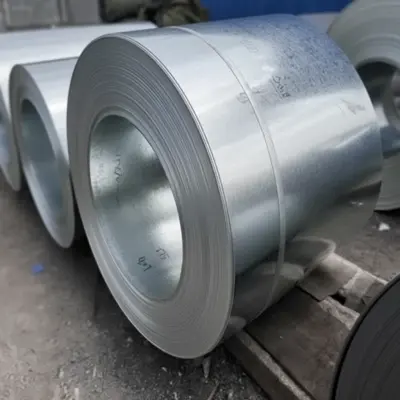
Galvanized Steel Coil is zinc-coated carbon steel supplied in continuous rolls for manufacturers, fabricators, distributors, and project contractors requiring efficient corrosion protection and repeatable processing. It combines the formability and structural utility of steel with a protective metallic coating that helps delay atmospheric corrosion. Overseas buyers can specify the base-metal grade, thickness, width, zinc coating designation, surface finish, coil weight, and internal diameter according to their production line. Custom slitting and cut-to-length options can also reduce downstream handling, material loss, and processing time for roofing, ductwork, appliance, automotive, and general fabrication applications.
Galvanized Steel Coil Product Overview
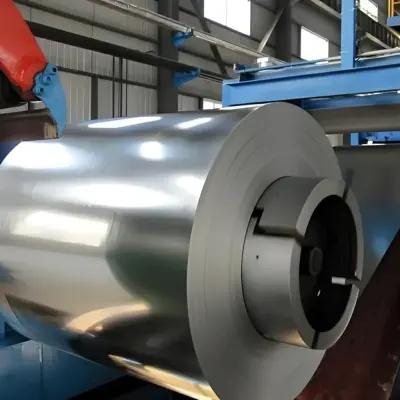
Galvanized Steel Coil is normally produced by passing cold-rolled or hot-rolled steel strip through a continuous hot-dip galvanizing line. The strip is cleaned, annealed where required, immersed in molten zinc, and controlled to achieve the ordered coating mass. This page primarily addresses continuously hot-dip galvanized products covered by standards such as ASTM A653/A653M and EN 10346. Electrogalvanized steel is manufactured by a different deposition process and should not be treated as an automatic substitute.
The zinc layer protects the steel in two ways. First, it forms a physical barrier between the base metal and the surrounding environment. Second, zinc provides sacrificial protection at small cut edges or minor coating damage. Actual service life depends on coating mass, humidity, pollutants, salt exposure, fabrication quality, and maintenance; therefore, a coating designation should be selected for the real operating environment rather than by appearance alone.
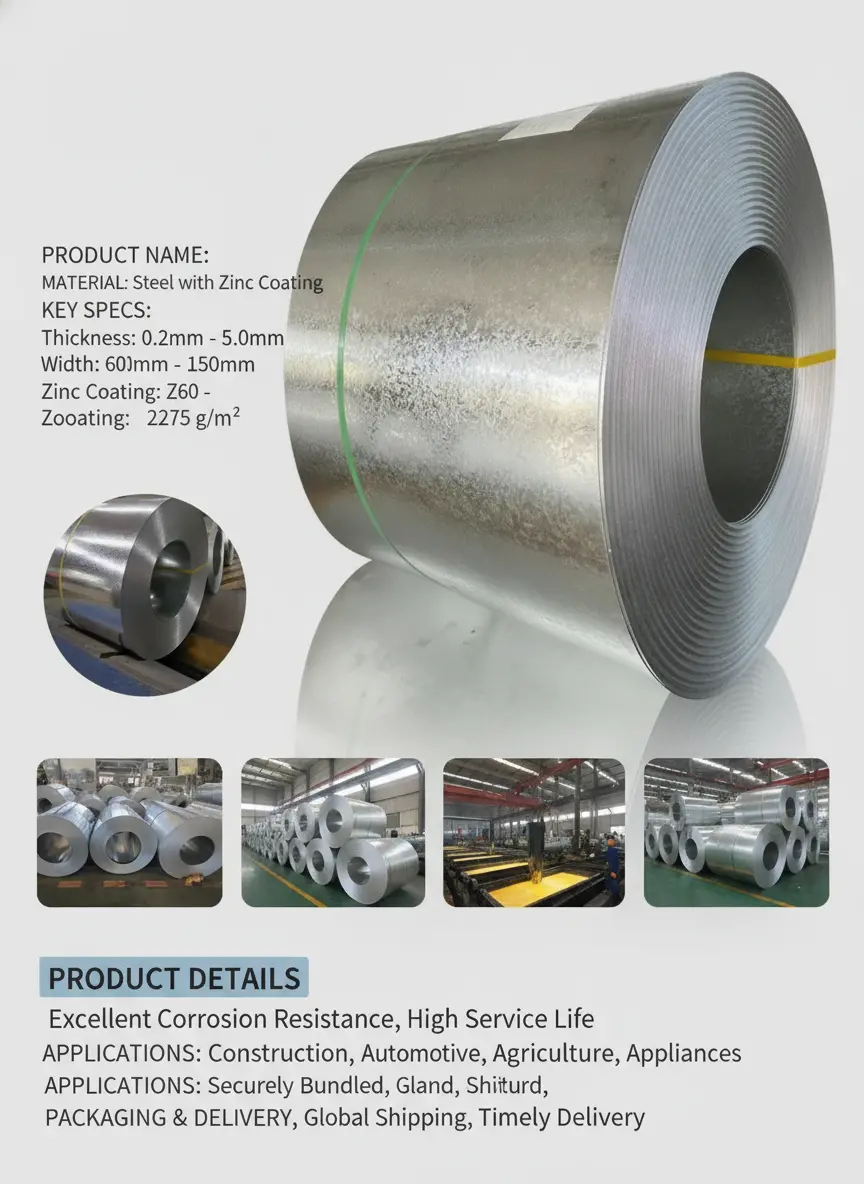
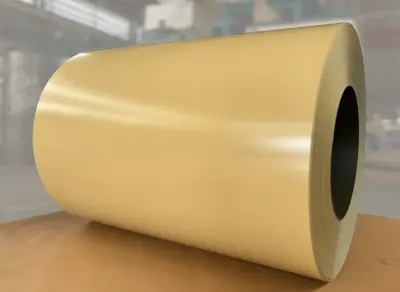
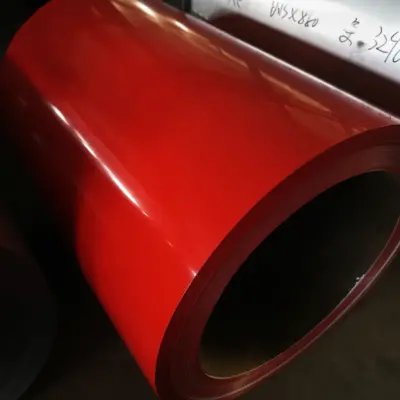
Commercial, forming, deep-drawing, and structural grades may be ordered depending on the governing standard. Surface requirements can include regular or minimized spangle, skin-passed finish, chromate-free passivation, oiling, or other agreed treatments. These conditions affect paintability, fingerprint resistance, forming behavior, and visual consistency. Buyers planning to paint or powder-coat the material should disclose the coating system before ordering. Related flat-steel categories and processing guidance are available at [[INTERNAL_LINK]] and [[INTERNAL_LINK]].
Galvanized Steel Coil Specifications & Standards
Galvanized Steel Coil specifications must be stated as a complete combination rather than as thickness and width alone. The purchase order should identify the applicable standard and grade, nominal dimensions, dimensional tolerances, zinc coating designation, surface condition, treatment, edge type, coil geometry, and inspection documentation. Available production ranges vary by mill and processing route, so custom sizes should be confirmed against a formal quotation.
| Specification Item | Common Purchasing Options | Buyer Verification Point |
|---|---|---|
| Base steel | Commercial, forming, deep-drawing, or structural grade | Use the exact grade and standard designation |
| Thickness | Specified nominal thickness with agreed tolerance basis | Clarify whether the stated value includes the zinc coating |
| Width | Mill width or custom slit width | Confirm tolerance, burr direction, and edge condition |
| Zinc coating | Ordered by coating designation under the selected standard | Do not directly equate ASTM, EN, JIS, and GB/T designations |
| Surface | As-coated, regular or minimized spangle, or skin-passed | Define appearance and downstream painting requirements |
| Treatment | Passivated, oiled, passivated and oiled, or agreed alternative | Check storage, forming, welding, and environmental restrictions |
| Coil configuration | Agreed coil weight, inside diameter, and outside-diameter limit | Match uncoiler capacity and handling equipment |
The following standards are widely used for galvanized flat steel. The contract should specify one edition and one grade; combining requirements from several standards can create contradictory tolerances or test methods.
| Standard | Scope Relevant to Galvanized Coil |
|---|---|
| ASTM A653/A653M | Steel sheet, zinc-coated or zinc-iron alloy-coated by the hot-dip process |
| EN 10346 | Continuously hot-dip coated steel flat products for cold forming and structural applications |
| JIS G 3302 | Hot-dip zinc-coated steel sheet and strip |
| GB/T 2518 | Continuously hot-dip zinc-coated steel sheet and strip |
Chemical composition and mechanical properties are grade-specific. They should be verified against the ordered standard and the mill test certificate rather than inferred from the general product name.
| Controlled Property | How It Is Specified | Why It Matters |
|---|---|---|
| Chemical composition | Maximum or permitted element limits for the ordered grade | Influences weldability, forming response, strength, and consistency |
| Yield and tensile strength | Grade-dependent limits under the applicable standard | Determines structural capacity and forming force |
| Elongation | Minimum value based on grade, thickness, and test method | Helps assess suitability for bending, profiling, or deep drawing |
| Coating mass | Triple-spot, single-spot, or other test basis defined by the standard | Affects corrosion resistance, forming, welding, and cost |
Inspection documents should clearly connect the coil identification to test results. Procurement teams can review additional guidance on steel certificates at [[INTERNAL_LINK]].
Galvanized Steel Coil Applications
Galvanized Steel Coil is used where steel components need economical fabrication and protection from normal atmospheric exposure. Its suitability still depends on design, coating selection, fabrication method, and service conditions.
- Roofing and wall systems: Profiled sheets, flashing, gutters, purlins, and light framing use galvanized feedstock for dimensional consistency and corrosion protection. Roofing coil selection guidance is available at [[INTERNAL_LINK]].
- HVAC and ventilation: Ducts, plenums, cable trays, equipment housings, and ventilation accessories benefit from formability and clean sheet-processing performance.
- Appliances and enclosures: Inner panels, cabinets, shelving, and electrical enclosures may use skin-passed or paint-compatible surfaces where appearance and coating adhesion are controlled.
- Automotive and transport components: Selected grades are formed into brackets, reinforcement parts, panels, and other components subject to the relevant automotive approval process.
- General fabrication: Roll-formed sections, fencing parts, storage systems, drums, and light-engineering products use slit coils tailored to specific production lines. See [[INTERNAL_LINK]] for related coil-processing options.
How to Choose Galvanized Steel Coil: Buying Guide
Buying Galvanized Steel Coil begins with the finished component. A procurement manager should ask engineering and production teams to define forming severity, required strength, exposure category, joining process, paint system, and line limitations before requesting prices.
Specify dimensions completely. State nominal thickness, width, tolerances, edge condition, and whether thickness is measured according to the selected standard. For slit material, identify acceptable width tolerance, burr requirements, and winding direction. Confirm coil weight, inside diameter, and maximum outside diameter against cranes, forklifts, racks, and uncoilers.
Select the grade and coating together. A stronger structural grade is not automatically suitable for deep drawing. Likewise, a heavier zinc coating can improve exposure resistance but may affect tight forming, resistance welding, and surface appearance. Samples or trial coils are advisable when the component has demanding bends or cosmetic requirements. Compare coating systems at [[INTERNAL_LINK]].
Define certification and inspection. Request the relevant inspection document, coil traceability, and required test results in the inquiry. If third-party inspection, destination-country compliance, or customer-specific approval is required, agree on the scope before production. Packaging marks should match the packing list and certificate references.
Confirm MOQ and production allocation. Minimum order quantity depends on grade, coating, width, surface treatment, and whether slitting or special production is necessary. Standard mill combinations may support more flexible quantities than uncommon custom specifications. Ask the supplier to separate production quantity tolerance from commercial MOQ.
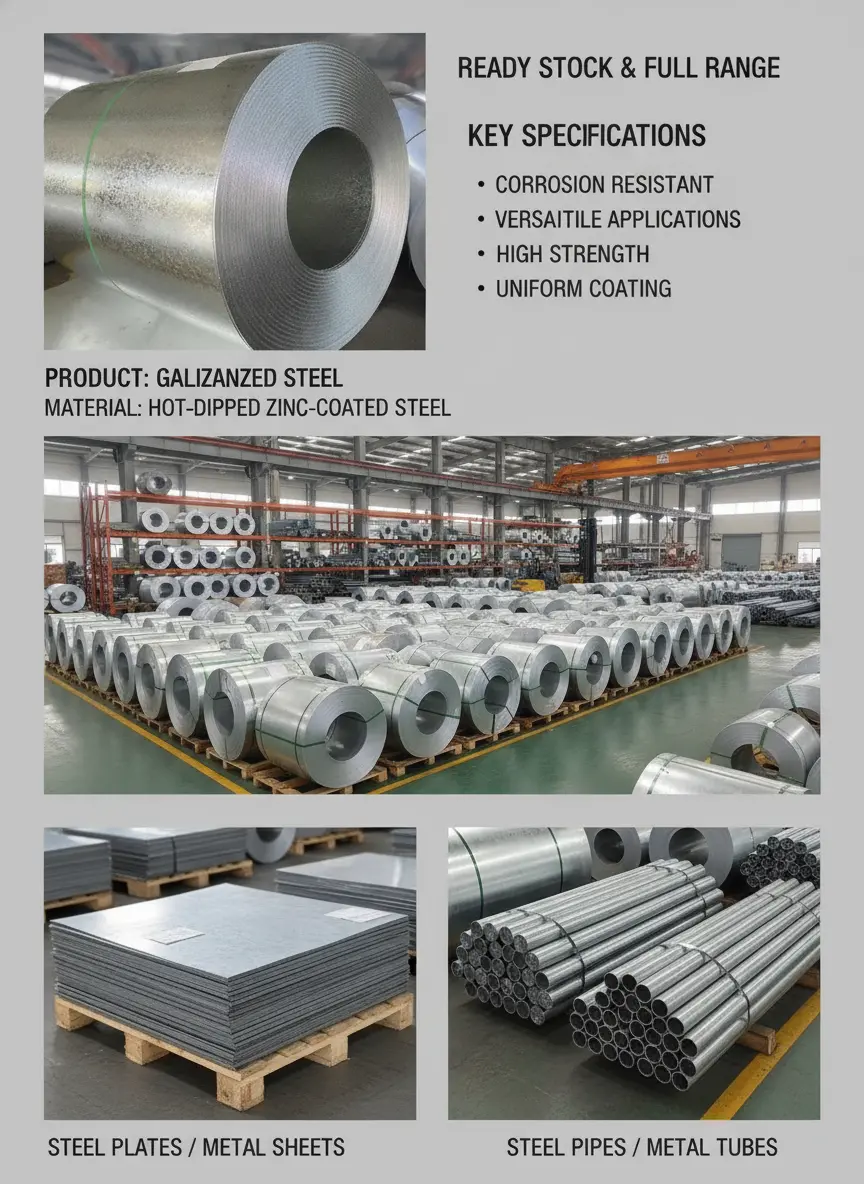
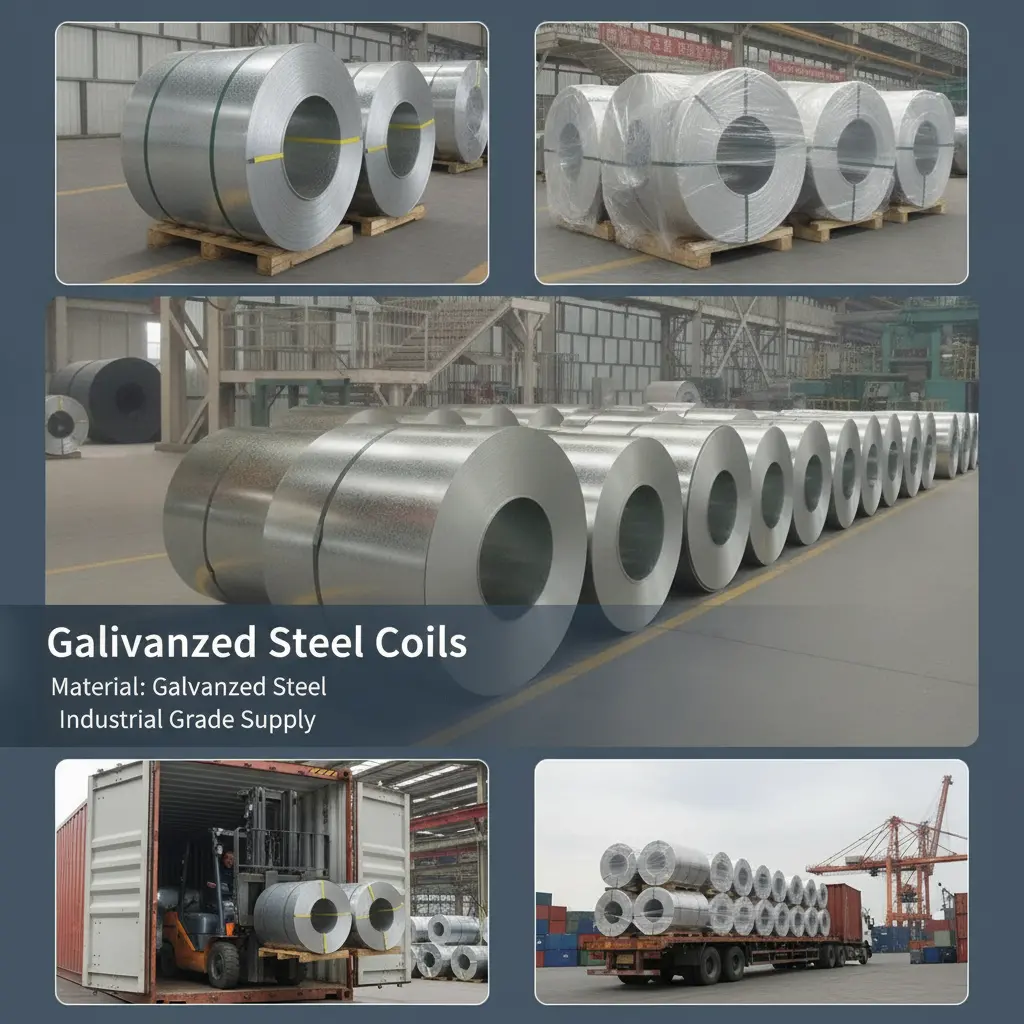
Evaluate lead time and logistics. Lead time should cover material scheduling, galvanizing, slitting, testing, packaging, and export documentation. For ocean shipment, specify moisture-resistant packaging, edge protection, secure steel strapping, and handling instructions. Coil orientation and package weight must suit destination unloading equipment. Additional import-planning information is available at [[INTERNAL_LINK]].
Galvanized Steel Coil Frequently Asked Questions
Q: What is the difference between galvanized and Galvalume steel coil?
A: Galvanized steel uses a zinc-based coating, while products commonly sold as Galvalume use an aluminum-zinc alloy coating under different standards and designations. Their corrosion behavior, forming characteristics, cut-edge performance, and painting requirements differ. The correct material depends on the component design and exposure environment.
Q: Is Galvanized Steel Coil available in custom thicknesses and widths?
A: Custom width is commonly achieved through slitting, while thickness depends on the mill’s rolling and galvanizing capability. Buyers should submit the required thickness, width, tolerances, coil weight, and annual demand for feasibility confirmation. Nonstandard combinations may require special production or a higher MOQ.
Q: Which certificate should accompany the shipment?
A: The required document depends on the contract and standard. Buyers commonly request a mill test certificate or inspection document showing coil identification, grade, dimensions, coating result, and applicable chemical or mechanical test data. The precise document type and any third-party verification must be agreed before order placement.
Q: How should I choose the zinc coating designation?
A: Consider indoor or outdoor exposure, humidity, industrial pollutants, salt, expected service life, forming severity, and whether the product will be painted. Coating codes are standard-specific, so an ASTM coating designation should not be assumed equivalent to an EN, JIS, or GB/T designation without technical review.
Q: What is the minimum order quantity for Galvanized Steel Coil?
A: MOQ varies with the producer, grade, dimensions, coating, surface finish, and processing requirements. Stock specifications and slit coils may have different minimums from mill-production orders. Request confirmation for the exact specification rather than relying on a general tonnage figure.
Q: What payment methods are normally used for export orders?
A: Payment terms are negotiated according to order value, credit approval, destination, and trading history. Common structures may include bank transfer or letter of credit, but the available method, deposit requirement, banking charges, and document conditions should be stated in the sales contract.
Q: How long does production and export delivery take?
A: Timing depends on raw-material availability, galvanizing-line scheduling, custom slitting, inspection, packaging, vessel space, and destination. A reliable quotation should distinguish production lead time from ocean transit time and identify when the schedule begins, such as after payment or technical approval.
Q: How can white rust be reduced during transport and storage?
A: Keep packages dry, ventilated, and protected from condensation. Do not leave wet coils tightly wrapped for extended periods. Suitable passivation or oiling, moisture-resistant export packaging, careful handling, and prompt indoor storage can reduce risk. Storage recommendations should be matched to the ordered surface treatment.
Send your required standard, grade, thickness, width, zinc coating designation, surface treatment, coil weight, destination, and order quantity to request a technical review and itemized quotation for custom Galvanized Steel Coil. For inquiry preparation, use the specification checklist at [[INTERNAL_LINK]].
Ratings & Reviews

Know your supplier
Supplier's customization ability
- Drawing-based customization
- Sample-based customization
- Full customization
Minimum order quantity: 1 ton
Shipping total: To be negotiated
- Lead time:
- confirmed with the quotation
- Packaging:
- standard export packing
- Samples:
- available on request