 English
 Español
 Français
 Deutsch
 Português (Brasil)
 Русский
 العربية

High-Strength Steel I-Beam Supplier | Custom Sizes & Factory Direct Prices

 China

Supplier's customization ability
- Drawing-based customization
- Sample-based customization
- Full customization
Minimum order quantity: 1 ton
Shipping total: To be negotiated
- Lead time:
- confirmed with the quotation
- Packaging:
- standard export packing
- Samples:
- available on request
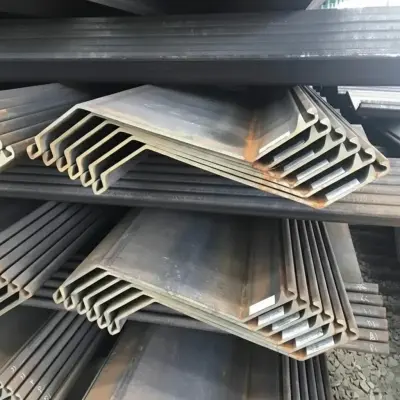
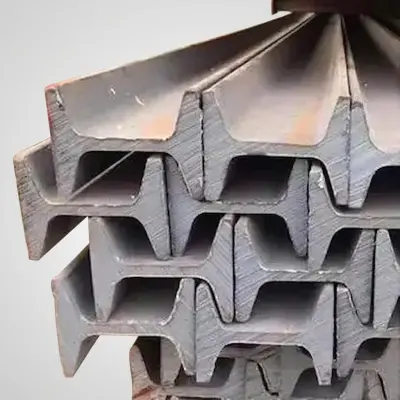
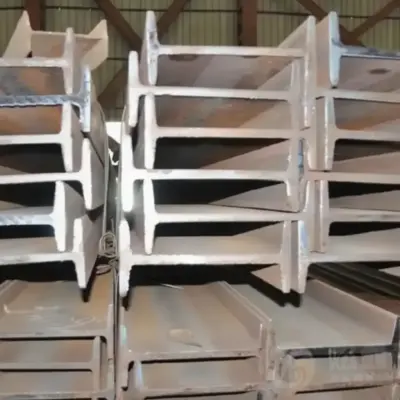
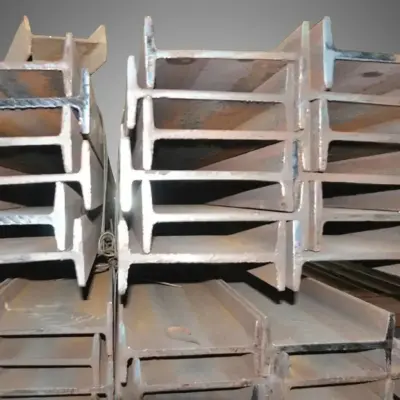
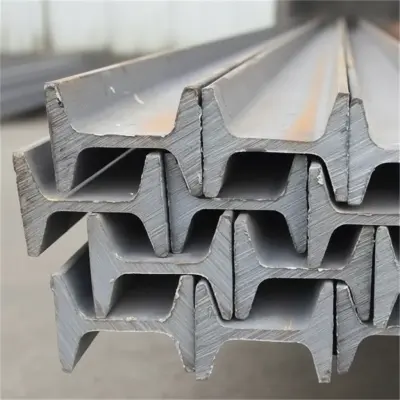
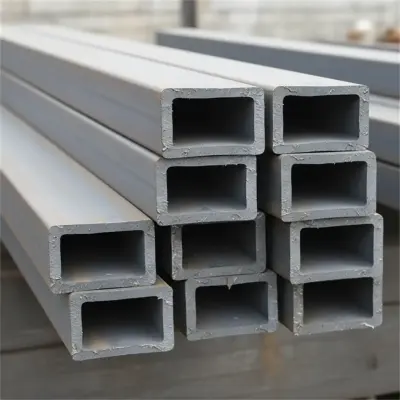
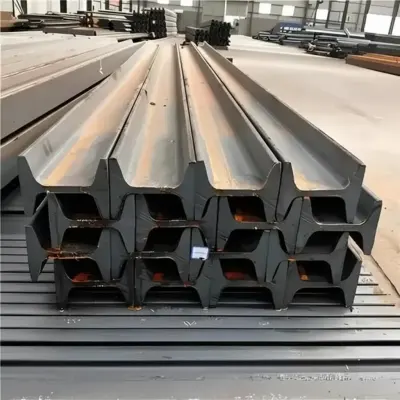
Product details
I-beam技术参数
| 属性 | 技术参数 |
|---|---|
| 产品名称 | I-beam(工字钢、I型钢) |
| 截面类型 | 工字形截面,适用于承重梁、支撑构件及钢结构框架 |
| 执行标准 | 可按GB/T 706、EN 10024、ASTM A6/AISC或客户技术要求生产 |
| 材质牌号 | Q235B、Q355B、Q355D;S235JR、S275JR、S355JR;A36、A572 Grade 50等 |
| 规格范围 | 可提供不同高度、翼缘宽度、腹板厚度和翼缘厚度的I-beam规格,具体尺寸按标准型材表或客户图纸确认 |
| 长度 | 常规定尺长度6 m、9 m、12 m;可提供非定尺长度及定制切割 |
| 表面状态 | 热轧原表面、喷砂表面、抛丸表面、涂漆表面或热浸镀锌表面 |
| 生产工艺 | 钢坯加热、热轧成型、冷却、矫直、定尺切割、检验和包装 |
| 尺寸公差 | 符合相应执行标准要求;高度、宽度、厚度、直线度及重量偏差可按订单技术协议控制 |
| 供货状态 | 热轧交货,可根据材料牌号和用途提供正火、控轧控冷等交货状态 |
| 检验项目 | 化学成分、拉伸性能、屈服强度、抗拉强度、延伸率、尺寸偏差、外观及必要的超声波检测 |
| 包装方式 | 钢带捆扎,可配防锈包装、标签标识、端部保护及适合海运的出口包装 |
| 应用领域 | 建筑钢结构、厂房、仓库、桥梁、平台、机械设备、车辆制造及重型工程结构 |
| 定制服务 | 支持材质、规格、长度、表面处理、切割、打孔、喷漆及检验文件定制 |
High-Strength Steel I-Beam Supplier | Custom Sizes & Factory Direct Prices
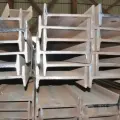
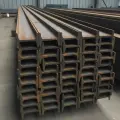
Steel I-beam is a structural section with two horizontal flanges connected by a vertical web, engineered to carry bending and shear loads efficiently. It serves overseas procurement teams, steel distributors, construction contractors, fabricators, equipment manufacturers, and infrastructure project owners that require dependable load-bearing members in documented grades and project-specific dimensions. The section’s favorable strength-to-weight ratio can reduce unnecessary material use while maintaining structural capacity. Buyers may specify the applicable standard, steel grade, section size, length, surface condition, processing requirements, inspection documents, and packing method, making the product suitable for both stock replenishment and contract-based international sourcing.
I-Beam Product Overview
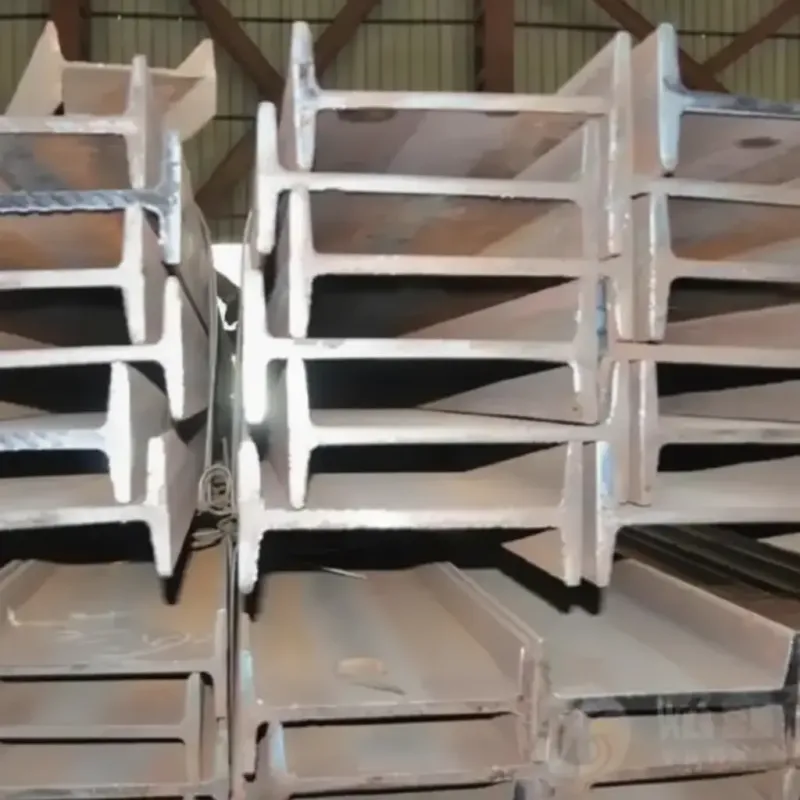
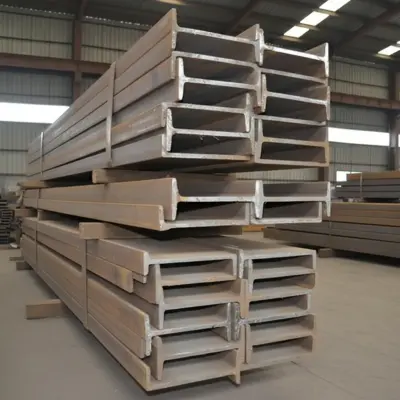
An I-beam is a hot-rolled or fabricated steel section whose cross-section resembles the capital letter “I.” The flanges resist most of the bending moment, while the web transfers shear forces between them. This distribution of material gives the section substantial stiffness along its strong axis without requiring the mass of a solid rectangular member. Related structural steel categories and complementary sections can be reviewed at [[INTERNAL_LINK]].
Commercial I-beam products may be supplied in carbon structural steel or higher-strength low-alloy structural steel, depending on the governing design code and end-use environment. Common specifications include ASTM A36/A36M structural carbon steel, ASTM A572/A572M high-strength low-alloy steel, EN 10025-2 structural grades, JIS G 3101 rolled structural steel, and GB/T 700 carbon structural steel. Grade availability is not universal across every section size, so purchasers should confirm the required grade and dimensions together rather than treating them as separate ordering items.
The geometry of an I-beam is described by its overall depth, flange width, web thickness, flange thickness, root radius, sectional area, theoretical mass, and sectional properties. Unlike wide-flange sections, some traditional I-sections have narrower flanges and may include tapered internal flange surfaces. Because regional terminology varies, the designation “I-beam” should always be supported by a dimensional drawing or a recognized standard designation. Guidance on comparing structural section profiles is available at [[INTERNAL_LINK]].
Supply conditions can include standard mill lengths, cut-to-length pieces, drilled or punched holes, welded attachments, coping, shot blasting, shop primer, galvanizing, or other agreed fabrication services. Each additional operation should be defined on the purchase order with tolerances, drawings, coating specifications, and inspection criteria. Structural design suitability remains the responsibility of the qualified engineer responsible for the project.
I-Beam Specifications & Standards
I-beam specifications must establish both the section geometry and the material grade. ASTM A6/A6M provides general requirements for rolled structural steel bars, plates, shapes, and sheet piling, including dimensional and mass tolerances applicable to many ASTM structural products. EN 10365 specifies dimensions and masses for hot-rolled steel channels, I-sections, and H-sections. JIS G 3192 covers dimensions, mass, and permissible variations for hot-rolled steel sections, while GB/T 706 addresses dimensions, shapes, mass, and tolerances for hot-rolled section steel.
Material standards should be stated separately. Relevant examples include ASTM A36/A36M and ASTM A572/A572M, EN 10025-2, JIS G 3101, and GB/T 700. These standards are not automatically interchangeable: they use different grade systems, test rules, delivery conditions, thickness ranges, and acceptance criteria. A grade conversion should therefore be reviewed by the project engineer rather than assumed from similar yield-strength values. Additional information about structural steel grades can be found at [[INTERNAL_LINK]].
| Ordering Parameter | Required Information | Relevant Reference |
|---|---|---|
| Section designation | Standard series or approved project drawing | ASTM A6/A6M, EN 10365, JIS G 3192, or GB/T 706, as applicable |
| Material grade | Exact grade and governing material standard | ASTM A36/A36M, ASTM A572/A572M, EN 10025-2, JIS G 3101, or GB/T 700 |
| Dimensions | Depth, flange width, web thickness, flange thickness, and length | Selected dimensional standard or approved drawing |
| Quantity | Number of pieces or total theoretical/actual mass | Purchase order and agreed weighing basis |
| Surface condition | As-rolled, blasted, primed, galvanized, or otherwise specified | Project coating specification |
| Processing | Cutting, drilling, punching, coping, welding, or marking | Approved fabrication drawing and agreed tolerances |
| Inspection documents | Required certificate type and any third-party inspection scope | EN 10204 or contractual inspection requirements |
The following table provides representative minimum or range values commonly associated with selected structural grades. The figures are thickness-dependent and are not a substitute for the current standard, mill test certificate, or engineering specification. Buyers must verify the applicable product form, thickness range, test orientation, and current edition before approval.
| Standard and Grade | Minimum Yield Strength | Tensile Strength | Important Qualification |
|---|---|---|---|
| ASTM A36/A36M | 250 MPa for commonly specified structural shapes | 400-550 MPa | Confirm product form, thickness, and current standard requirements |
| ASTM A572/A572M Grade 50 | 345 MPa for applicable thickness ranges | 450 MPa minimum | Requirements vary by thickness and product category |
| EN 10025-2 S275JR | 275 MPa for nominal thickness up to 16 mm | 410-560 MPa for applicable thinner product ranges | Strength values change with thickness; “JR” includes specified impact-test requirements |
| JIS G 3101 SS400 | 245 MPa for thickness up to 16 mm | 400-510 MPa | Yield strength decreases in higher thickness ranges |
| GB/T 700 Q235B | 235 MPa for thickness up to 16 mm | 370-500 MPa | Confirm thickness-dependent values and quality-grade requirements |
Chemical composition limits also depend on grade, product thickness, heat analysis, and the governing specification. For welding applications, procurement documents should request the mill test certificate and, where relevant, carbon-equivalent information rather than relying on a generic composition claim. The fabricator should establish welding procedures and consumables according to the applicable fabrication code. Information about inspection documentation and traceability is available at [[INTERNAL_LINK]].
I-Beam Applications
I-beam sections are used where predictable structural stiffness, efficient load transfer, and compatibility with conventional steel fabrication are required. The final section and grade must be selected through project-specific engineering calculations. Typical commercial applications include the following:
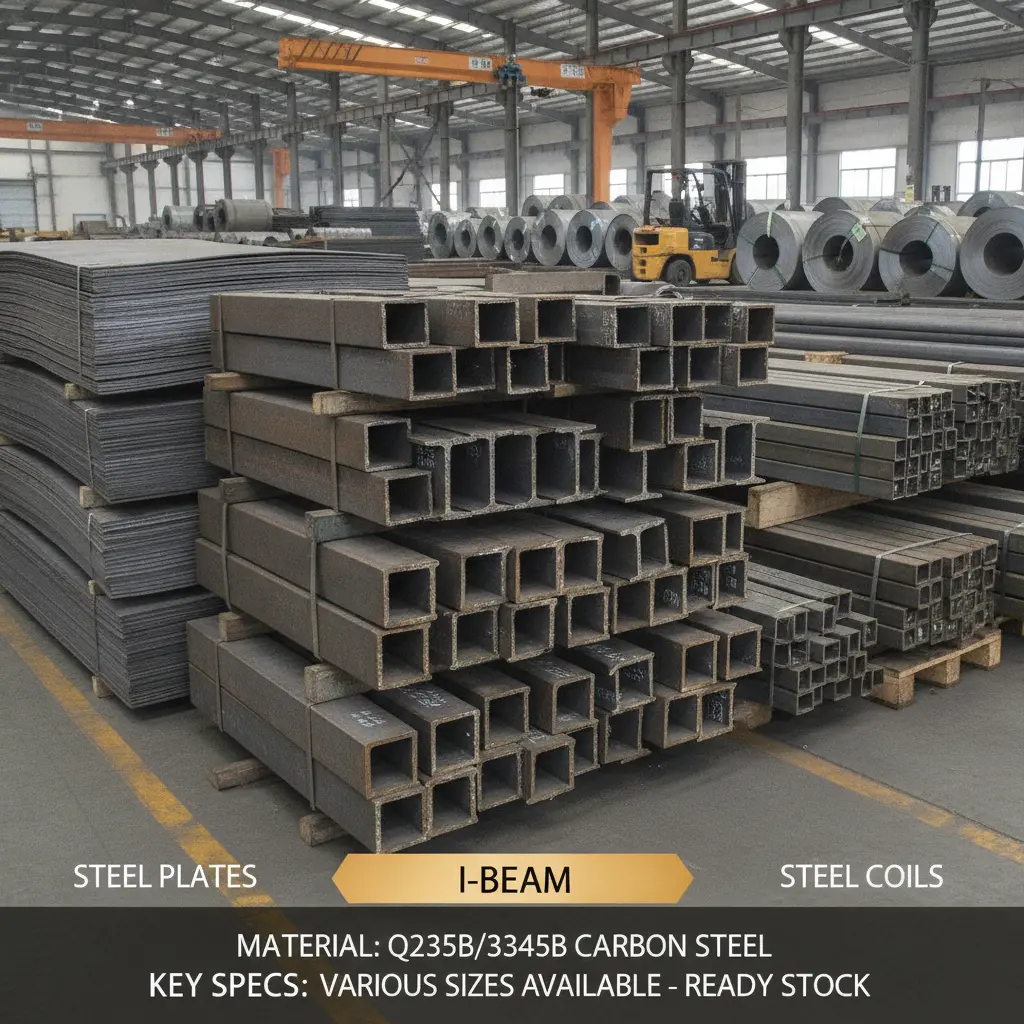
Industrial and Commercial Buildings
Structural I-beam members can serve as floor beams, roof beams, secondary framing, crane-support components, and parts of braced structural systems. Connection details may involve bolted end plates, welded plates, cleats, stiffeners, or project-specific assemblies. Fire protection and corrosion protection should be specified separately according to the building environment and local code.
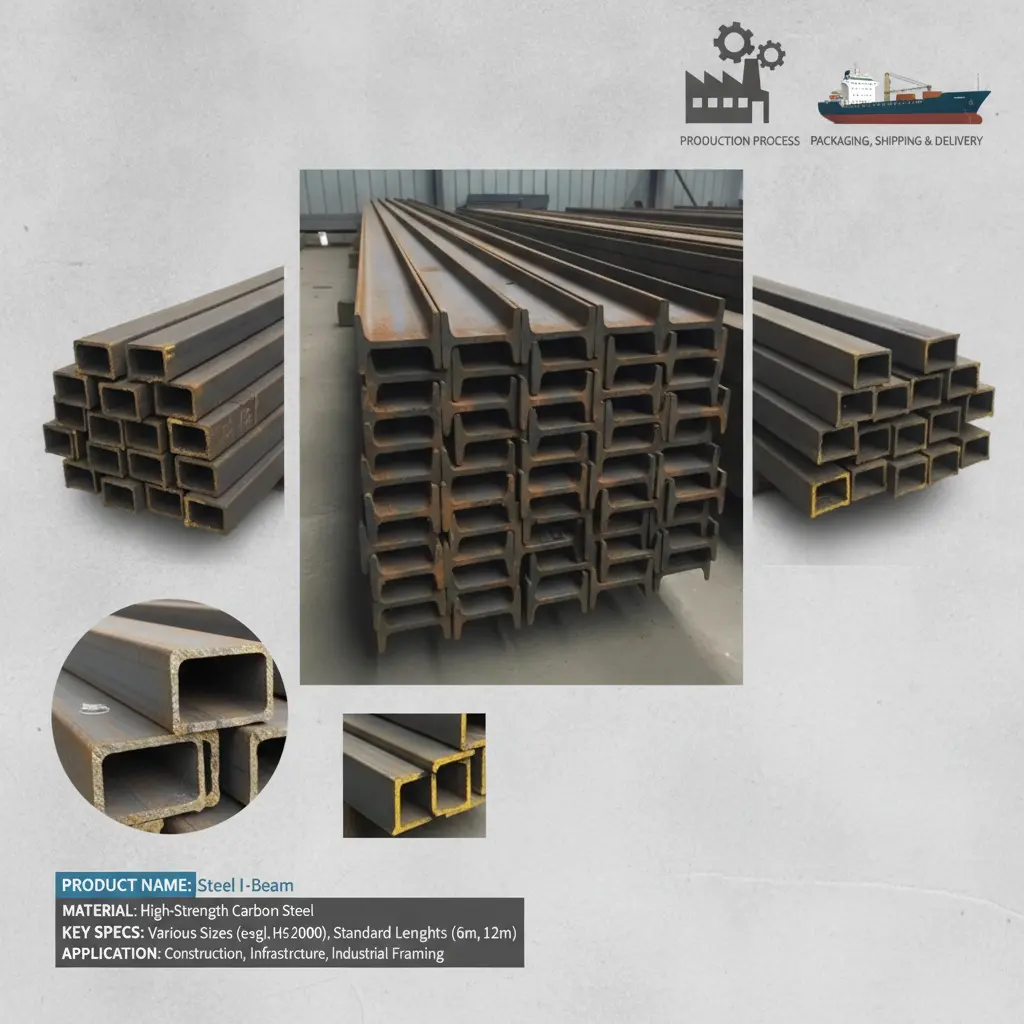
Bridges and Civil Infrastructure
Selected I-sections may be used in pedestrian bridges, access structures, temporary works, maintenance platforms, and supporting frames. Infrastructure purchasing often requires tighter document control, material traceability, impact properties, weld procedure review, and third-party inspection. Buyers should identify these requirements before production rather than adding them after the material has been completed.
Manufacturing and Heavy Equipment
Equipment manufacturers use I-beam products in machine bases, lifting frames, transfer systems, production-line supports, trailers, and other fabricated assemblies. Straightness, local flatness, cut accuracy, hole position, and weldability can be as important as nominal strength. Processed structural components may be coordinated with related steel fabrication options at [[INTERNAL_LINK]].
Warehouses, Platforms, and Mezzanines
Warehouse extensions, working platforms, mezzanine floors, stairs, and maintenance walkways frequently require repeatable beam dimensions for efficient fabrication and site assembly. Procurement teams should coordinate beam depth with floor elevation, service clearances, connection geometry, and transport restrictions.
Solar, Mining, and Utility Support Structures
I-beam sections may also be incorporated into equipment skids, utility frames, mining facilities, solar-support assemblies, and material-handling structures. For outdoor or chemically exposed locations, the purchaser should define the corrosion category, coating system, surface preparation grade, and expected service conditions. A generic primer should not be assumed to provide long-term protection in every environment.
How to Choose an I-Beam / Buying Guide
An I-beam purchase should begin with the engineering specification, not with unit weight alone. The procurement manager should obtain the approved section designation, steel grade, length, quantity, dimensional standard, and any special testing requirements from the design or fabrication team. If a drawing uses a local designation, include the complete dimensions and sectional properties so the supplier can identify whether an exact standard section is available.
Confirm the Section and Grade
State the full dimensional designation and governing standard. A nominal depth by itself is insufficient because flange width and thickness can differ between series. Specify the exact grade, such as the required ASTM, EN, JIS, or GB/T designation, without using informal “equivalent grade” wording unless an approved substitution procedure exists. For projects involving several section types, a consolidated bill of materials reduces ambiguity. See [[INTERNAL_LINK]] for related structural steel procurement guidance.
Define Certification and Inspection
Indicate whether standard mill documentation is acceptable or whether an EN 10204 inspection document is required. EN 10204 distinguishes document types, including Type 3.1 and Type 3.2, but availability and cost must be confirmed before ordering. A Type 3.2 document involves validation by an authorized inspection representative or designated third party and should never be assumed to be included.
Third-party inspection may cover visual condition, dimensions, quantity, identification marks, document review, sampling, or witnessed testing, depending on the contract. Name the inspection agency only if the project requires one, and agree on the hold points before manufacturing or shipment.
Specify Processing and Surface Protection
For cut or fabricated I-beam orders, submit controlled drawings showing units, tolerances, hole diameters, hole locations, bevels, copes, weld symbols, and marking instructions. If blasting, painting, or galvanizing is required, define the preparation standard, coating system, dry-film thickness, color, and inspection method. Coating performance depends on surface preparation and environmental exposure, not merely on the coating name. Related surface-treatment information is available at [[INTERNAL_LINK]].
Discuss MOQ and Production Planning
Minimum order quantity is supplier-, grade-, size-, and processing-dependent. Stock sections may support smaller orders, while non-stock grades, unusual lengths, fabricated sections, or dedicated production runs may require a higher commercial minimum. Send the complete item list when requesting a quotation so the supplier can assess whether multiple sizes can be consolidated. Do not assume that one MOQ applies to every specification.
Confirm Lead Time and Shipping Terms
I-beam lead time depends on stock status, rolling schedules, cutting or fabrication scope, coating, testing, documentation, and inspection arrangements. Request separate estimates for production readiness and international transit. The quotation should identify the applicable Incoterms rule and named place under Incoterms 2020, together with packing, loading, and documentation responsibilities.
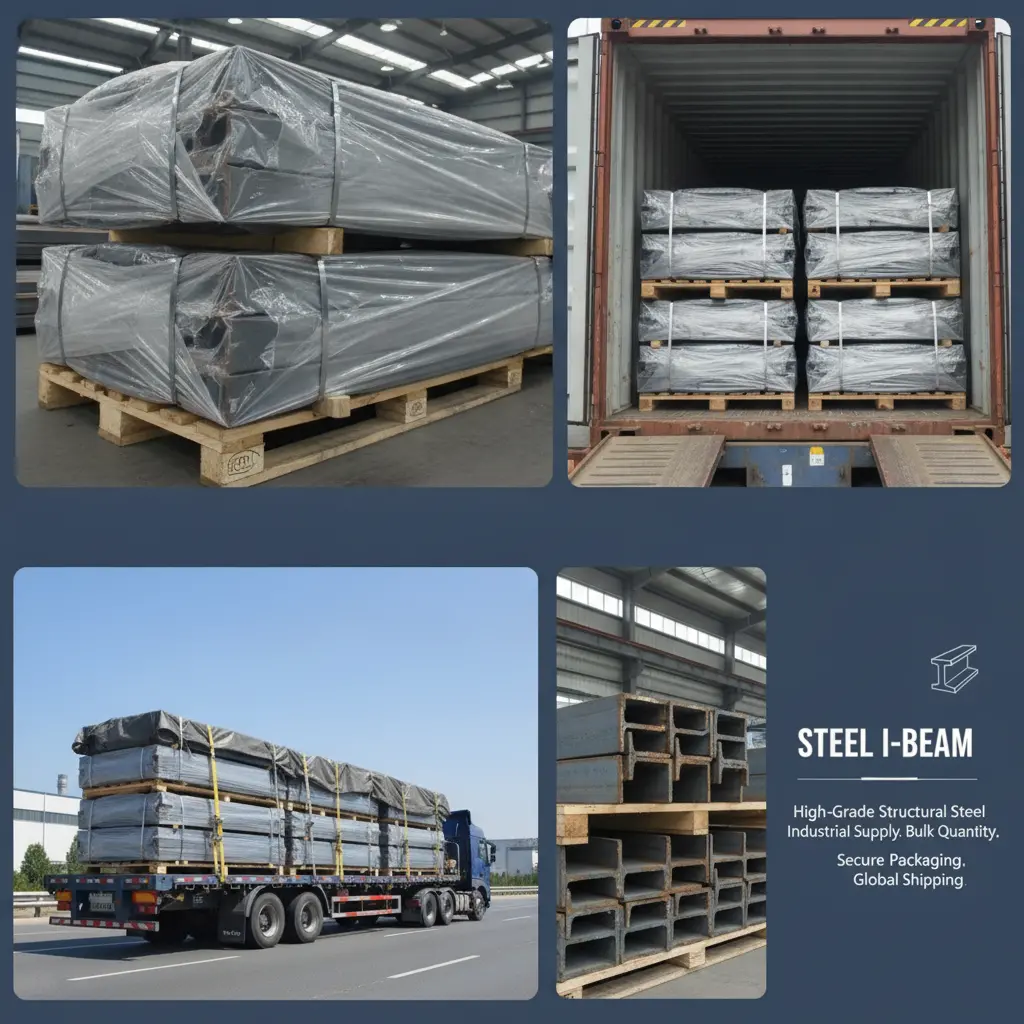
Long structural members require careful logistics planning because container fit, bundle weight, lifting capability, route restrictions, and destination handling can affect the shipping method. Confirm maximum acceptable piece length and bundle weight before production. Export packing may use strapped bundles, identification tags, protective separation, or other agreed measures appropriate to the product and route. Shipping and packing considerations are discussed further at [[INTERNAL_LINK]].
I-Beam Frequently Asked Questions
Q: What is the difference between an I-beam and an H-beam?
A: An I-beam generally has a narrower flange relative to its depth, while many H-beam or wide-flange profiles have broader flanges and different flange geometry. Terminology varies by market, so names alone are unreliable. Compare the complete dimensions, mass per metre, sectional properties, and governing dimensional standard before approving a substitution.
Q: Which I-beam material grade should I order?
A: The grade must follow the structural design, fabrication code, and service conditions. ASTM A36/A36M may be specified for general structural work, while ASTM A572/A572M Grade 50 is one option where greater yield strength is required. EN, JIS, and GB/T projects should use the exact grade stated in the approved documents. A supplier should not select the grade without engineering confirmation.
Q: Can ASTM, EN, JIS, and GB/T grades be treated as direct equivalents?
A: No. Similar nominal yield strengths do not make grades fully interchangeable. Standards may differ in chemical limits, impact testing, deoxidation practice, dimensional rules, test frequency, delivery condition, and thickness-dependent properties. Any proposed substitution should be documented and approved by the responsible engineer or project authority.
Q: What certificates are available with an I-beam order?
A: Certification depends on the steel source, product standard, and contract. Buyers commonly request a mill test certificate containing heat identification, chemical analysis, and mechanical test results. If EN 10204 Type 3.1 or Type 3.2 documentation is required, state this in the inquiry and verify availability before order confirmation. Additional third-party inspection can be arranged when commercially and technically agreed.
Q: What is the minimum order quantity for steel I-beam?
A: There is no universal MOQ. It depends on whether the requested section is in stock, the grade, length, quantity mix, processing scope, and mill or service-center policy. Standard stock items may have a different minimum from non-standard production. Provide a detailed bill of materials to receive an order-specific MOQ.
Q: Can I order custom lengths, holes, or welded components?
A: Custom cutting, drilling, punching, coping, welding, marking, and surface treatment may be available subject to equipment capability and drawing review. Submit approved fabrication drawings and acceptance tolerances with the inquiry. Processed products should be inspected against the agreed drawings before packing.
Q: How long is the production lead time?
A: Lead time varies with stock availability, mill schedule, order volume, fabrication, coating, testing, and inspection. Standard sections drawn from inventory may be prepared differently from made-to-order sizes or grades. Buyers should request a written schedule showing expected production completion, inspection timing, and shipment readiness.
Q: What payment methods can overseas buyers use?
A: Payment terms are determined by the supplier’s commercial policy, order value, credit review, destination, and contract conditions. Common international trade arrangements may include bank transfer or documentary instruments, but no method should be assumed. Confirm the currency, deposit or balance structure, banking charges, document conditions, and payment milestones in the formal quotation.
Q: How is I-beam quantity calculated for a quotation?
A: Quotations may be based on theoretical mass, actual weighed mass, piece count, or another agreed method. Theoretical mass is calculated from the standard mass per unit length multiplied by ordered length and quantity. The purchase contract should state the settlement basis and permissible mass or dimensional tolerances under the selected standard.
Q: What information should be included in an I-beam inquiry?
A: Include the standard, grade, complete section designation, length, quantity, processing drawings, surface condition, inspection document type, third-party inspection requirements, packing expectations, delivery destination, and requested Incoterms 2020 rule. A complete inquiry allows the supplier to evaluate availability, MOQ, processing time, logistics, and documentation without relying on assumptions.
Send your I-beam specification, bill of materials, required standard, grade, lengths, processing drawings, certification needs, destination, and preferred trade terms to request a project-based quotation. The technical and export team can review section availability, custom-size feasibility, production planning, inspection documentation, packing, and logistics before order confirmation.
Ratings & Reviews

Know your supplier
Supplier's customization ability
- Drawing-based customization
- Sample-based customization
- Full customization
Minimum order quantity: 1 ton
Shipping total: To be negotiated
- Lead time:
- confirmed with the quotation
- Packaging:
- standard export packing
- Samples:
- available on request