 English
 Español
 Français
 Deutsch
 Português (Brasil)
 Русский
 العربية

Fixed Trash Rack Manufacturer | Custom Steel Debris Screen for Water Intake Systems

 China
Supplier's customization ability
- Drawing-based customization
- Sample-based customization
- Full customization
Minimum order quantity: 1 pieces
Shipping total: To be negotiated
- Lead time:
- confirmed with the quotation
- Packaging:
- standard export packing
- Samples:
- available on request
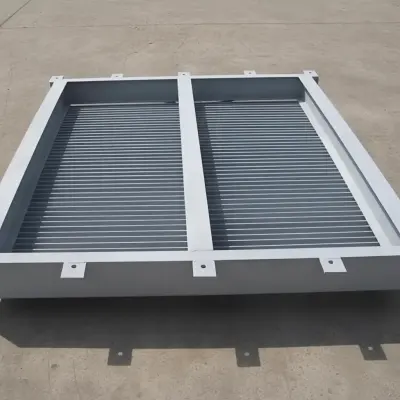
Product details
Fixed Trash Rack Technical Parameter
| Technical Parameter | Product Description |
|---|---|
| Product Name | Fixed Trash Rack |
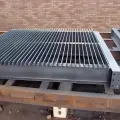
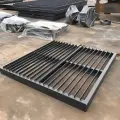
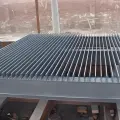
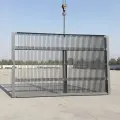
| Product Type | Fixed coarse trash rack designed to intercept floating debris, branches, plastics, waste, and other large solid objects from flowing water |
| Applications | Hydropower station intakes, pumping stations, water intake structures, irrigation channels, rivers, drainage systems, and industrial water treatment systems |
| Main Materials | Carbon steel, stainless steel 304, stainless steel 316, or customized materials according to project requirements |
| Bar Cross-Section | Flat steel, round steel, or customized steel sections |
| Bar Spacing | Customizable according to debris interception requirements; common spacing includes 20 mm, 30 mm, 50 mm, 80 mm, and 100 mm |
| Overall Dimensions | Width, height, inclination angle, and installation depth can be customized according to channel dimensions and site conditions |
| Installation Method | Fixed embedded installation, embedded plate connection, bolted connection, or welded installation |
| Installation Angle | Vertical or inclined installation; the angle is determined according to flow conditions and the selected debris removal method |
| Debris Removal | Manual cleaning, mechanical grab cleaning, or operation with a dedicated trash rack cleaning machine |
| Surface Treatment | Hot-dip galvanizing, epoxy anti-corrosion coating, polyurethane coating, or pickling and passivation treatment for stainless steel |
| Structural Features | High structural rigidity, strong resistance to hydraulic impact, good wear and corrosion resistance, easy maintenance, and suitability for long-term fixed operation |
| Design Conditions | Structural design and verification can be carried out according to design flow rate, water depth, flow velocity, debris characteristics, and allowable head loss |
| Connections & Accessories | Side frames, bottom frames, guide rails, embedded plates, retaining components, maintenance platforms, and other accessories can be supplied |
| Customization | Customized materials, dimensions, bar spacing, structural configuration, surface treatment, and installation accessories are available |
| Applicable Standards | Designed and manufactured according to project specifications, applicable local water conservancy standards, and customer drawings |
Fixed Trash Rack Manufacturer | Custom Steel Debris Screen for Water Intake Systems
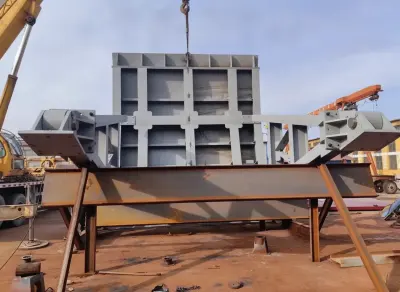
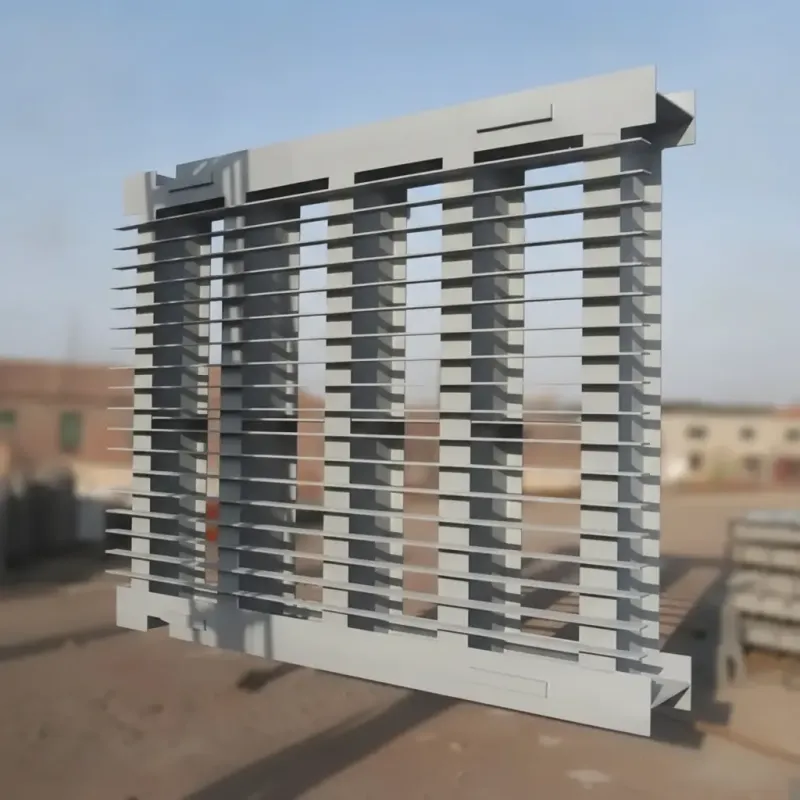
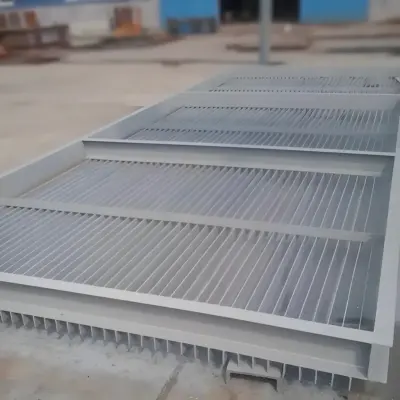
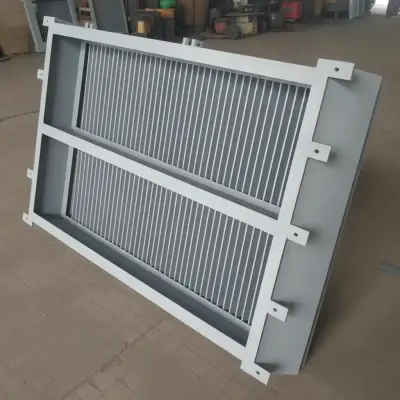
Fixed trash racks are stationary steel debris screens installed across water intake openings, channels, and hydraulic structures to stop logs, branches, floating waste, and other large objects before they reach pumps or downstream equipment. Water utilities, hydropower developers, irrigation contractors, engineering companies, and industrial plant buyers use them to protect intake systems while maintaining a controlled flow of water. A properly engineered fixed trash rack combines structural strength, suitable bar spacing, corrosion protection, reliable anchoring, and practical maintenance access. Custom fabrication allows the screen geometry, frame arrangement, material grade, and surface treatment to match the project’s civil works and operating environment.
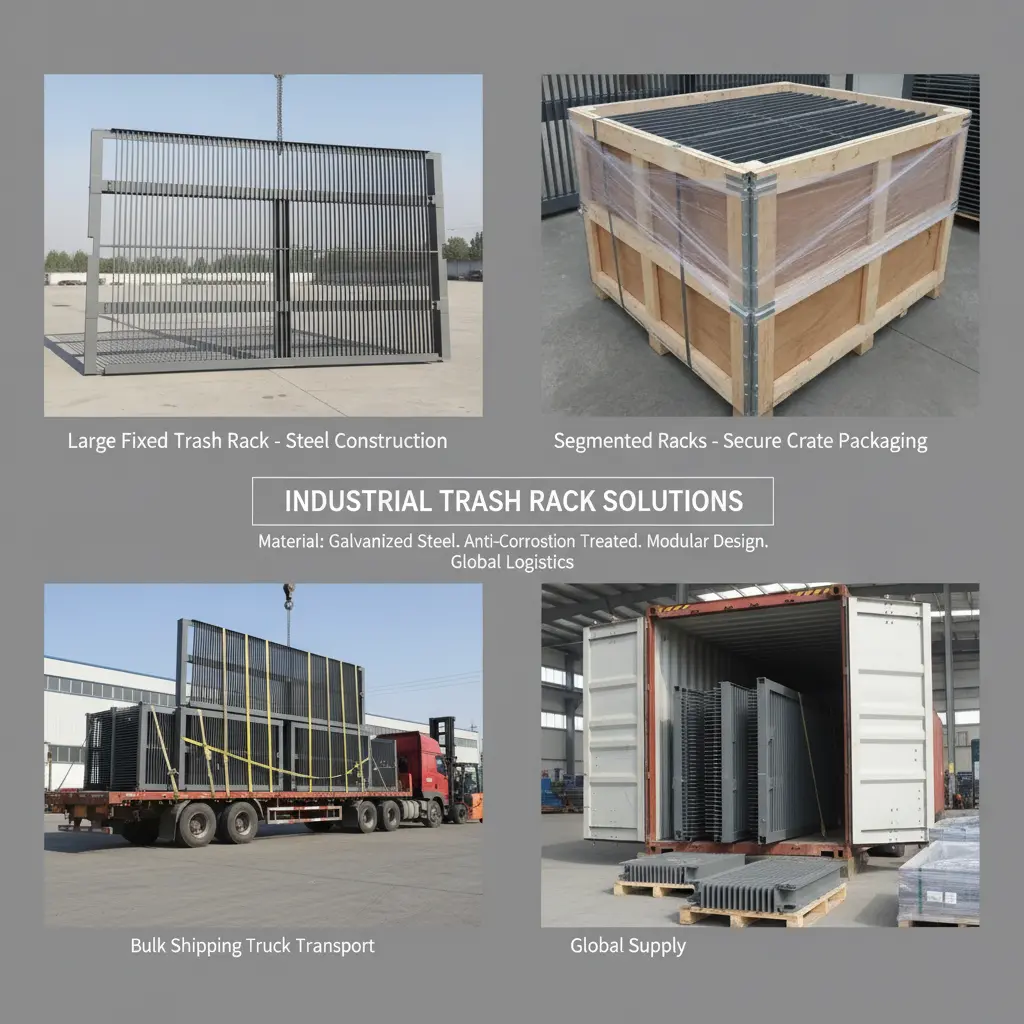
Product Overview
A fixed trash rack is a permanent or semi-permanent steel screening assembly mounted at a water intake, culvert, diversion channel, reservoir outlet, or other hydraulic entrance. Unlike a traveling screen or mechanically cleaned bar screen, it remains in a fixed position and normally relies on manual cleaning, a rake, a crane, or another maintenance method to remove accumulated debris.
The assembly generally consists of vertical or inclined steel bars, horizontal support members, a perimeter frame, connection plates, embedded parts, lifting points, and anchoring components where required by the design. The exact arrangement depends on the opening size, water velocity, head loss allowance, debris type, structural loads, and available cleaning equipment. Buyers can also compare this product with related water intake screens when a project requires finer screening or mechanical cleaning.
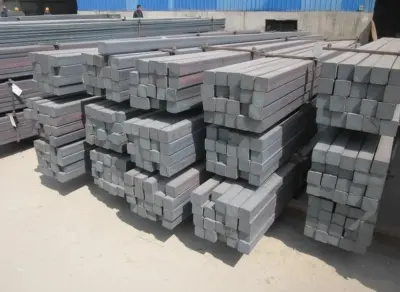
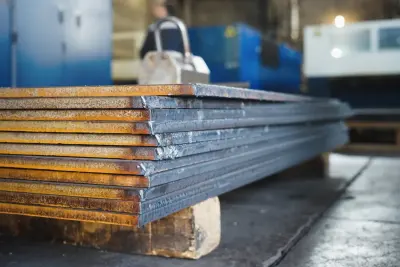
Carbon structural steel is commonly considered for robust hydraulic screens because it can be cut, welded, drilled, and fabricated into large custom assemblies. Depending on the specification, buyers may request a recognized structural grade such as ASTM A36, EN 10025-2 S235JR, JIS G3101 SS400, or GB/T 700 Q235B. The selected grade should be confirmed against the project drawings, local design code, welding procedure, and corrosion environment rather than assumed from a general product description.
For severe exposure, stainless steel or duplex stainless steel may be evaluated, particularly where chloride, brackish water, chemical contamination, or frequent wet-dry cycling makes coated carbon steel less suitable. Stainless options should be selected according to water chemistry, temperature, weld design, and lifecycle requirements. A supplier can also provide stainless steel bar screens for projects where corrosion resistance is a primary design factor.
Key design features may include:
- Custom overall width, height, inclination, and opening configuration.
- Bar spacing selected according to the protected pump, turbine, gate, or pipeline equipment.
- Reinforced frames designed for differential water pressure and debris impact.
- Welded or bolted sections suitable for site access and installation constraints.
- Hot-dip galvanized, painted, or stainless steel surfaces according to the service environment.
- Lifting lugs, guide rails, rake access, and cleaning interfaces when included in the approved design.
The screen should be considered as part of the complete intake system, not as an isolated steel panel. Hydraulic calculations, civil tolerances, support reactions, debris loads, and maintenance procedures all influence the final configuration. For projects involving pump protection, a buyer may also review pump intake protection equipment before finalizing bar spacing and rack geometry.
Specifications & Standards
Fixed trash rack specifications are normally project-specific. A responsible quotation should therefore be based on an approved drawing, opening dimensions, design water level, operating conditions, and material requirements. The following standards are commonly relevant reference points, but the purchaser’s contract specification and applicable local regulations take precedence.
| Item | Possible reference standard | Application to procurement |
|---|---|---|
| Carbon structural steel | ASTM A36/A36M | May be specified for carbon structural shapes, plates, and fabricated support members when accepted by the project engineer. |
| European structural steel | EN 10025-2 | Provides requirements for hot-rolled non-alloy structural steel grades such as S235JR and related grades selected by the design. |
| Japanese structural steel | JIS G3101 | May be used for general-purpose rolled steel products, including grades such as SS400 where specified. |
| Chinese structural steel | GB/T 700 | Provides requirements for carbon structural steel grades, including Q235 series grades where appropriate. |
| Hot-dip galvanizing | ASTM A123/A123M | Applicable to zinc coatings on iron and steel products fabricated from structural sections, plate, and related components. |
| Galvanizing hardware | ASTM A153/A153M | Relevant to zinc coatings on iron and steel hardware such as bolts, nuts, washers, and small fittings. |
| Protective paint systems | ISO 12944 series | Useful for selecting corrosion protection systems according to environmental corrosivity and expected durability. |
Typical specification fields include material grade, bar profile, bar thickness or diameter, clear spacing, frame size, number of panels, panel weight, connection type, design head, coating system, weld requirements, inspection requirements, and packing method. The purchaser should state whether dimensions are nominal or finished dimensions and identify allowable fabrication tolerances.
For steel grades, the mill certificate should identify the supplied grade and relevant chemical and mechanical requirements in accordance with the specified standard. Because no single grade is appropriate for every fixed trash rack, exact chemistry and yield or tensile values should be taken from the applicable edition of the selected standard and verified on the material test certificate. The supplier should not substitute one grade for another without written approval, even if the grades appear similar in general-purpose use.
Welding documentation may include a welding procedure specification, welder qualification records, visual inspection records, and non-destructive testing reports where required by the purchaser. ISO 3834 may be referenced for quality requirements in fusion welding of metallic materials, while inspection levels should be defined by the project rather than automatically assumed. Buyers requiring fabricated steel gates, stop logs, or related hydraulic components can review custom hydraulic steel fabrication for a broader equipment scope.
Coating selection should reflect immersion, splash-zone, freshwater, seawater, industrial wastewater, ultraviolet exposure, and cleaning practices. Hot-dip galvanizing can be practical for many outdoor and freshwater environments, while a multi-coat paint system may be selected for large assemblies, specific color requirements, or conditions requiring a defined ISO 12944 corrosion category. Surface preparation, dry-film thickness, repair treatment, and holiday testing should be stated clearly if coating performance is contract-critical.
Applications
Water intake stations
Municipal and industrial intake structures use fixed trash racks to intercept large floating debris before it enters pumps, pipelines, screens, or treatment equipment. The rack protects downstream components while allowing the intake opening to remain accessible for periodic cleaning.
Hydropower facilities
Hydropower plants install debris screens at headworks, diversion channels, and turbine water intakes. Bar spacing and structural design must be coordinated with turbine protection requirements, flow conditions, expected debris, and the cleaning equipment available at the site.
Irrigation and agricultural diversion systems
Irrigation canals, pump stations, and river diversion works may use fixed trash racks to reduce the entry of branches, weeds, and man-made waste. A practical design should consider seasonal debris loading and the frequency of manual or mechanical cleaning.
Stormwater and flood-control structures
Trash racks are installed at culvert entrances, detention facilities, flood channels, and drainage control structures. In these applications, blockage behavior and safe access for maintenance are as important as the steel section itself.
Industrial process-water systems
Factories, power plants, cooling-water systems, and wastewater facilities may require custom debris screens at raw-water or process-water intakes. Material and coating choices should account for the chemical composition of the water and any cleaning chemicals used during operation.
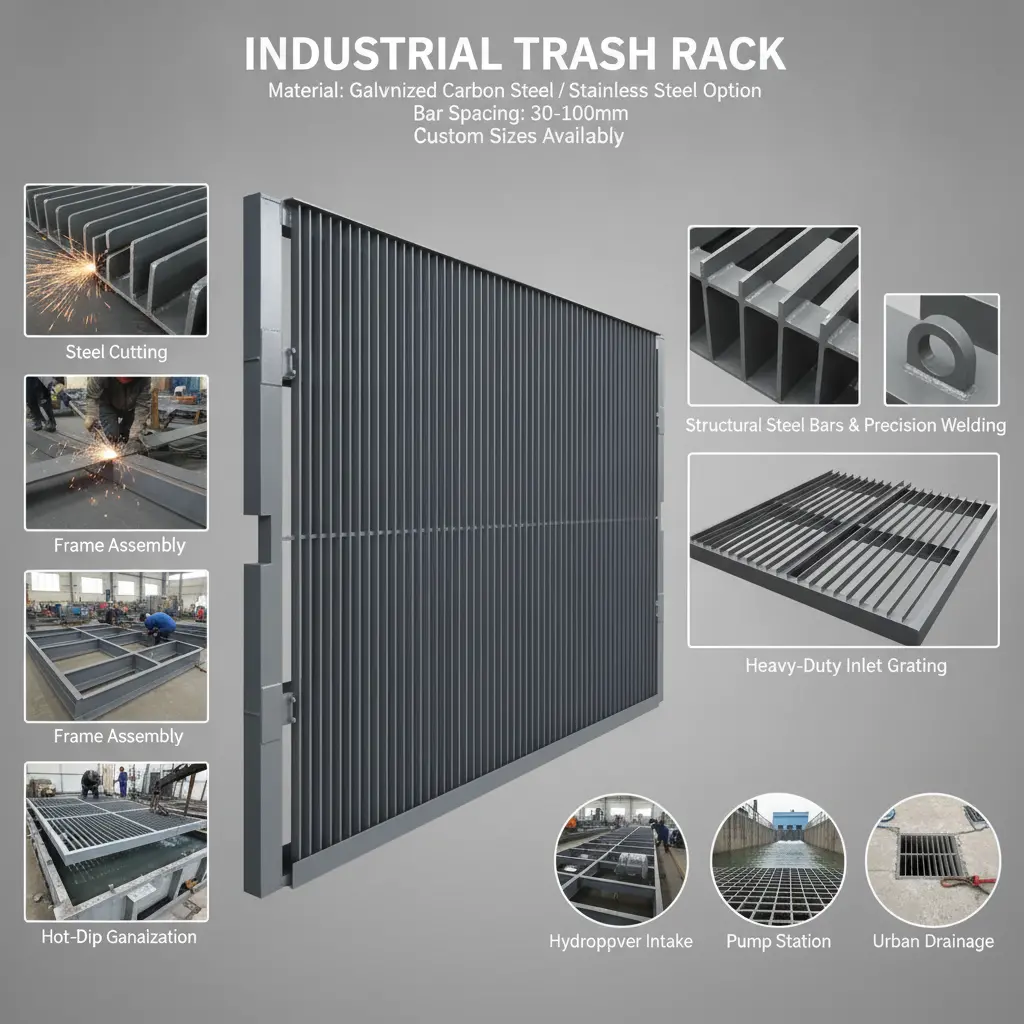
How to Choose / Buying Guide
Purchasing a fixed trash rack should begin with operating data rather than a simple request for a steel screen. The following checkpoints help procurement teams create a comparable and technically complete inquiry.
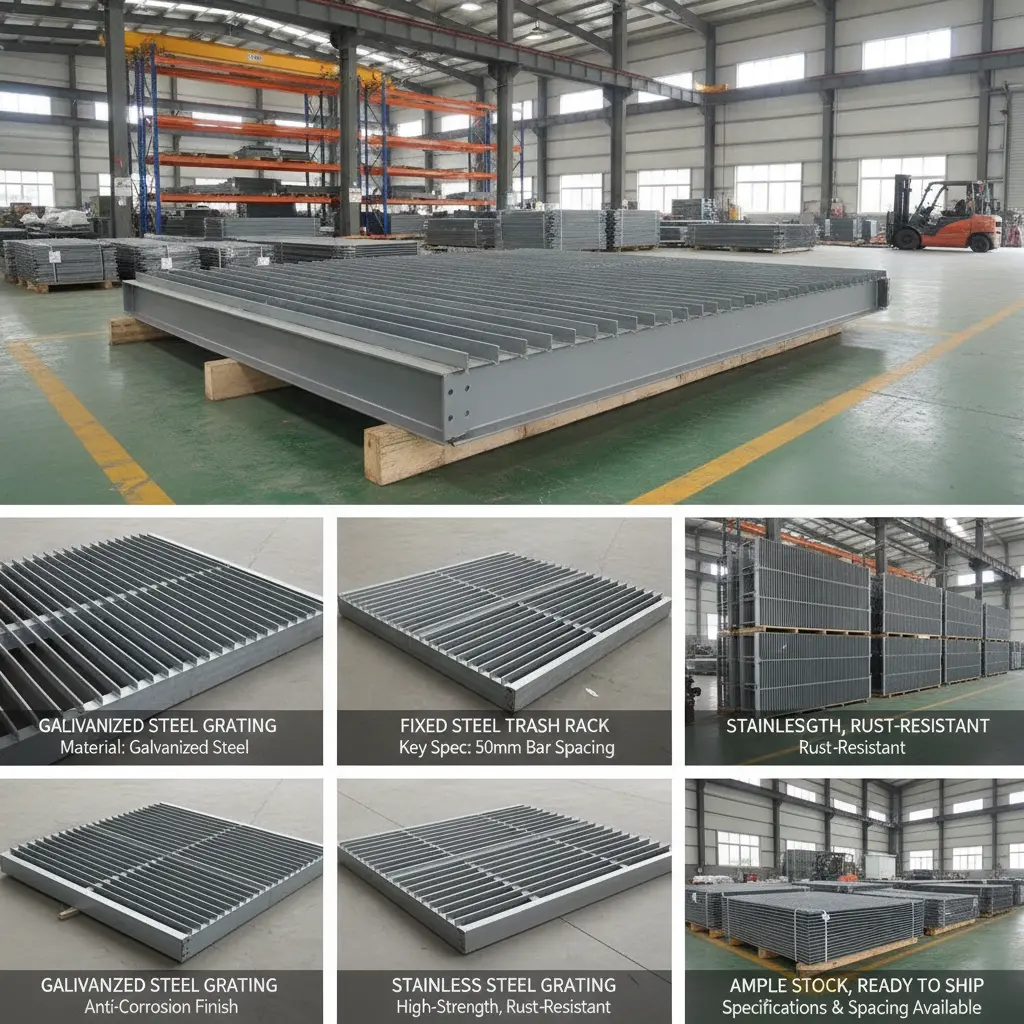
1. Confirm the opening and installation geometry
Provide the clear opening width and height, channel or wall dimensions, rack inclination, embedment depth, support locations, and access limitations. If the rack must be installed through a narrow passage or transported over a long distance, a multi-panel design may be more practical than one large welded unit.
2. Define hydraulic and debris conditions
State normal and maximum water levels, flow direction, expected velocity, design head difference, and the types of debris likely to accumulate. Logs, reeds, plastic waste, sediment, and ice can create different loading and cleaning conditions. The required clear bar spacing should be coordinated with the equipment behind the rack; it should not be selected only by visual preference.
3. Select the material and corrosion system
Choose carbon steel, stainless steel, or another approved alloy based on water chemistry, service life, maintenance capacity, and budget. For coated carbon steel, request the full system: surface preparation, primer, intermediate coat, finish coat, target dry-film thickness, and repair procedure. For galvanized parts, clarify whether the entire assembly or only selected components will be treated under ASTM A123/A123M or another approved requirement.
4. Request traceable quality documents
Ask for material certificates, dimensional inspection records, weld inspection documents, coating reports, and photographs when these are required by the project. The purchase order should name the governing material and coating standards, revision requirements, inspection hold points, and document language. If third-party inspection is needed, agree on the inspection agency and scope before production begins.
5. Clarify cleaning and maintenance interfaces
Explain whether the rack will be cleaned manually, with a rake, by crane, or with an automated system. Include lifting points, rake guides, removable panels, access platforms, and safe working clearances in the technical inquiry. A fixed rack that cannot be cleaned safely may create more operational risk than a slightly more complex initial design.
6. Confirm commercial terms without assuming standard MOQ
Minimum order quantity, production capacity, payment terms, packaging, and delivery schedule vary according to dimensions, material, coating, and fabrication complexity. Ask the manufacturer to state these items in the quotation rather than relying on a generic catalog condition. A single custom rack may be possible, while larger projects may benefit from repeated modular panels; the supplier should confirm this after reviewing the drawings.
7. Plan logistics and site installation
Provide the destination country, delivery preference, unloading equipment, maximum package dimensions, and any restrictions on oversize transport. The final packed weight and dimensions can affect freight planning even when the rack itself fits the opening. Installation drawings, marking of each panel, bolt lists, and an assembly sequence can reduce site delays. Buyers comparing options may also consult steel structure export packaging guidance and industrial equipment inspection services.
Frequently Asked Questions
Q: What is the difference between a fixed trash rack and a traveling screen?
A: A fixed trash rack remains in a stationary position and usually requires manual or separate mechanical cleaning. A traveling screen moves continuously or intermittently to remove debris automatically. Fixed racks are often selected for simpler intake arrangements, while traveling screens may suit sites with high debris loads or limited manual access.
Q: Which steel grade should be used for a fixed trash rack?
A: The correct grade depends on the design calculation, local code, water environment, welding requirements, and project specification. ASTM A36/A36M, EN 10025-2, JIS G3101, and GB/T 700 may be considered where accepted by the engineer, but the final grade should be named in the approved drawings and verified by mill certificates.
Q: Can the trash rack be manufactured to a custom size?
A: Yes. Fixed trash racks are commonly configured to suit the actual intake opening, support arrangement, bar spacing, inclination, and cleaning method. Buyers should submit dimensioned drawings or site measurements, along with water levels and load information, so the manufacturer can confirm feasibility before pricing.
Q: Is hot-dip galvanizing suitable for every water intake?
A: No coating is universally suitable. Hot-dip galvanizing may be considered for many outdoor or freshwater environments, but seawater, aggressive wastewater, chemical exposure, abrasion, and continuous immersion can require a different system or stainless material. The selection should be based on water chemistry and the project corrosion assessment, with requirements stated by reference to standards such as ASTM A123/A123M or ISO 12944 where applicable.
Q: What information is needed to obtain an accurate quotation?
A: Provide the clear opening, overall rack dimensions, bar spacing, bar section, frame details, design water levels, flow conditions, material grade, coating requirement, number of panels, delivery destination, and required documents. If some data is unavailable, identify the missing items so the supplier can clearly separate confirmed pricing from engineering assumptions.
Q: What is the usual MOQ for a custom fixed trash rack?
A: There is no universal MOQ for this product. The minimum order may depend on the rack size, material, fabrication route, coating batch, and whether the project requires one unit or multiple modular panels. Request a project-specific confirmation rather than assuming that a standard catalog MOQ applies.
Q: What payment methods are available for international orders?
A: Payment terms are agreed between the buyer and supplier and may depend on order value, customization, inspection requirements, and trading history. Common commercial arrangements can include an advance payment with the balance before shipment, documentary payment, or another mutually accepted method. The quotation and sales contract should state currency, payment milestones, bank charges, and document release conditions.
Q: How long does production and delivery take?
A: The lead time depends on drawing approval, material availability, welding and fabrication complexity, coating method, inspection scope, and destination logistics. A reliable supplier should provide a schedule after reviewing the technical package. The agreed lead time should distinguish engineering approval, manufacturing, inspection, packing, and transportation.
Q: Can the supplier provide installation and maintenance documentation?
A: Documentation can be requested as part of the purchase order. Depending on the project, this may include general arrangement drawings, installation guidance, panel identification, lifting instructions, coating repair guidance, inspection records, and recommended cleaning procedures. Confirm the required document format and language before production.
Send your intake opening dimensions, bar-spacing requirement, material preference, coating environment, and delivery destination to request a fixed trash rack quotation. Our technical team can review the available information, identify missing design data, and prepare a customized proposal with applicable standards, inspection documents, packing details, and a project-specific production schedule. You can also submit related requirements through custom water-control equipment inquiry or request a comparison with industrial debris screening solutions.
Ratings & Reviews

Know your supplier
Supplier's customization ability
- Drawing-based customization
- Sample-based customization
- Full customization
Minimum order quantity: 1 pieces
Shipping total: To be negotiated
- Lead time:
- confirmed with the quotation
- Packaging:
- standard export packing
- Samples:
- available on request