 English
 Español
 Français
 Deutsch
 Português (Brasil)
 Русский
 العربية

Galvanized Steel for Construction Reliable Project Supply
 China
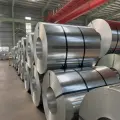
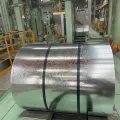
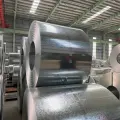
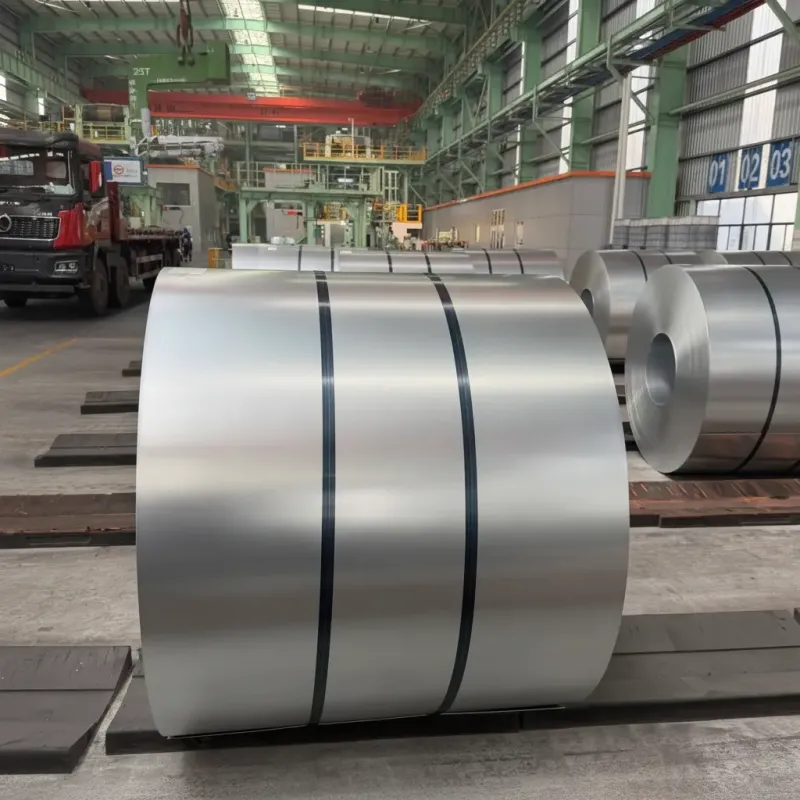
Supplier's customization ability
- Drawing-based customization
- Sample-based customization
- Full customization
Minimum order quantity: 1 ton
Shipping total: To be negotiated
- Lead time:
- confirmed with the quotation
- Packaging:
- standard export packing
- Samples:
- available on request
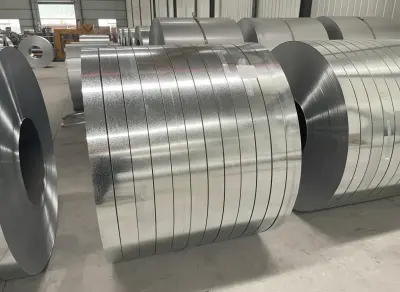
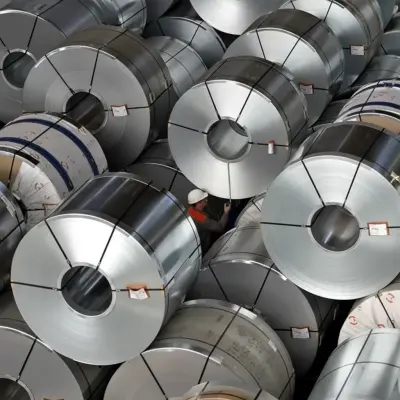
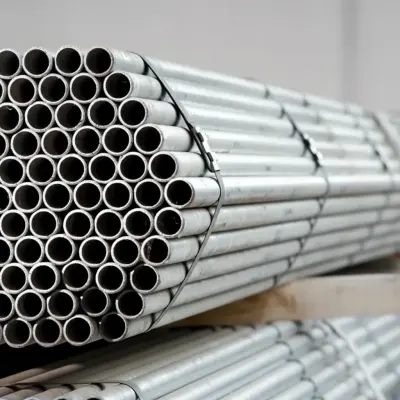
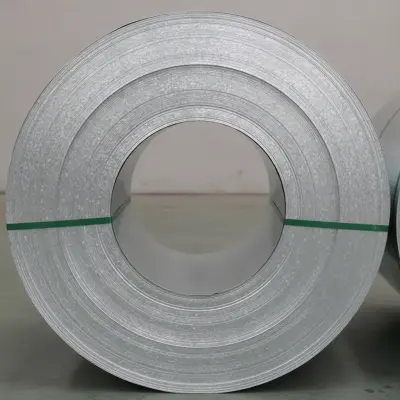
Product details
Technical Specifications of Galvanized Steel for Construction
| Property | Parameter | Description |
|---|---|---|
| Product Name | Galvanized Steel for Construction | Hot-dip zinc-coated carbon steel sheet, coil, strip, or fabricated section for building applications. |
| Material Grade | DX51D, S250GD, S280GD, S350GD; ASTM A653 CS and SS Grades 33–50; JIS SGCC and SGC structural grades | Grade families are comparable by application, but exact international equivalence must be confirmed from mechanical properties and chemical composition. |
| Standard Compliance | ASTM A653/A653M, EN 10346, JIS G 3302, GB/T 2518 | Applicable standards for continuously hot-dip zinc-coated steel sheet and strip. |
| Chemical Composition | Representative S350GD: C ≤0.20%, Mn ≤1.70%, Si ≤0.60%, P ≤0.10%, S ≤0.045%; Cr, Ni, and Mo not individually specified | Composition limits vary by selected grade and governing standard; mill test values apply to the ordered material. |
| Tensile Strength | ≥420 MPa for EN 10346 S350GD | Minimum tensile strength depends on grade; ASTM A653/A653M SS Grade 50 requires ≥450 MPa. |
| Yield Strength | ≥350 MPa for EN 10346 S350GD | Structural grades are selected according to required load capacity and forming performance. |
| Elongation | Typically ≥16% for S350GD, subject to thickness and test-piece requirements | Measured using the tensile test method and specimen geometry specified by the applicable standard. |
| Thickness Range | 0.30–6.00 mm | Available thickness depends on grade, zinc coating mass, manufacturing route, and dimensional tolerance. |
| Width and Length | Width: 600–1500 mm; cut length: 1000–6000 mm; coil supply available | Custom slitting and cut-to-length dimensions can be specified for construction processing. |
| Zinc Coating | Z100–Z600 g/m² total coating mass on both sides | Coating designation and minimum coating mass are selected according to the required corrosion resistance. |
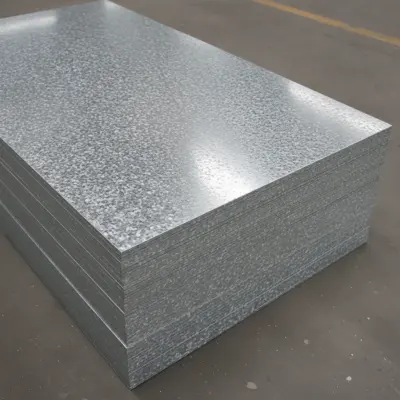
| Surface Finish | Regular spangle, minimized spangle, or zero-spangle appearance | Surface may be supplied untreated, passivated, oiled, or passivated and oiled. |
| Dimensional Tolerance | Per ASTM A653/A653M, EN 10143, JIS G 3302, or GB/T 2518 | Thickness, width, flatness, and length tolerances follow the selected product standard. |
| Corrosion Protection | Sacrificial zinc barrier | Zinc protects exposed steel surfaces and delays corrosion in normal construction environments. |
| Formability | Bending, roll forming, profiling, stamping, and seaming | Forming capability varies by substrate grade, thickness, coating mass, and bend radius. |
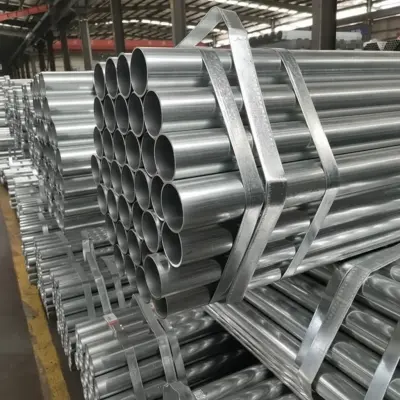
| Application | Roofing, wall cladding, purlins, decking, framing, ducts, cable trays, and structural components | Suitable for residential, commercial, industrial, and infrastructure construction. |
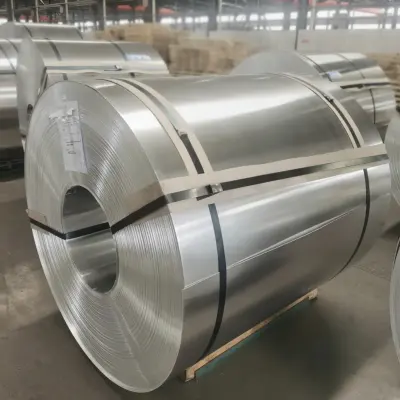
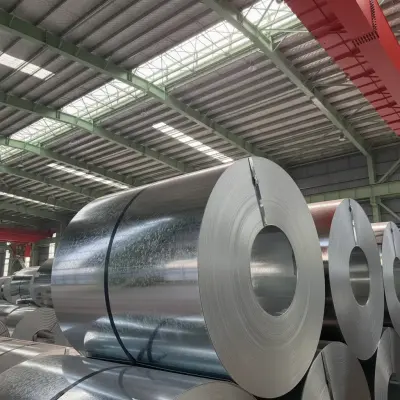
| Packaging | Steel straps, moisture-resistant wrapping, edge protection, and pallet or skid support | Export packaging can be adapted for coils, sheets, strips, or fabricated sections. |
| MOQ | Typically 5 metric tonnes per grade and size | Minimum order quantity may vary with dimensions, coating designation, processing, and stock availability. |
Galvanized Steel for Construction Reliable Project Supply
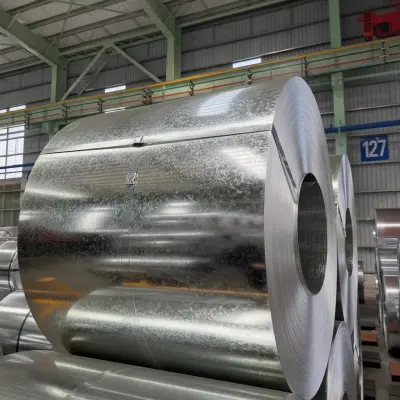
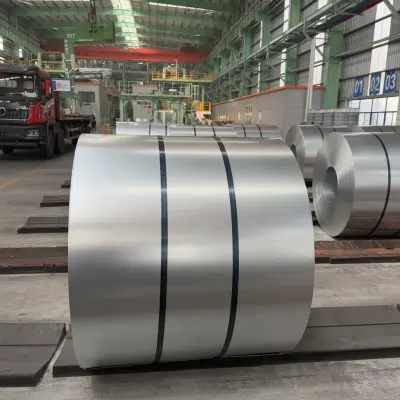
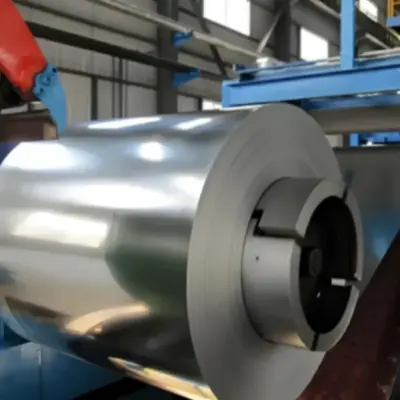
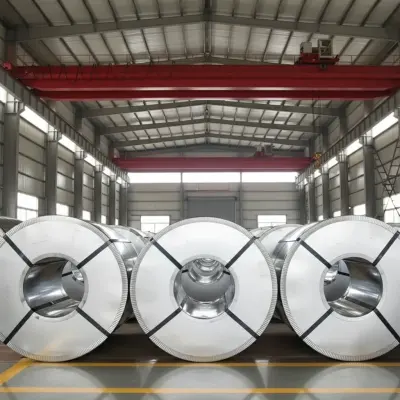
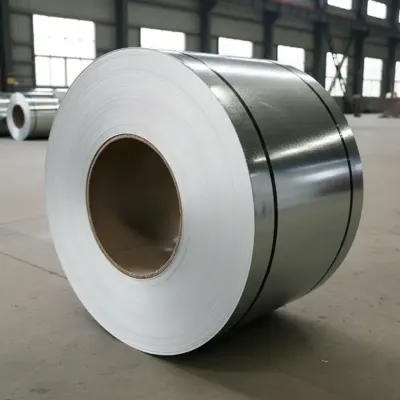
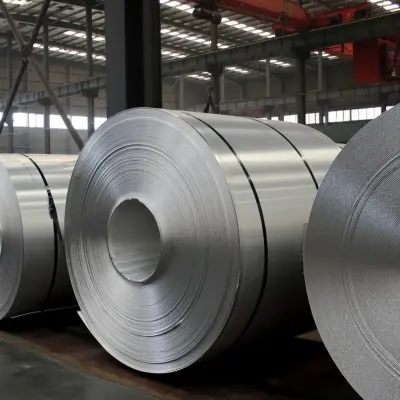
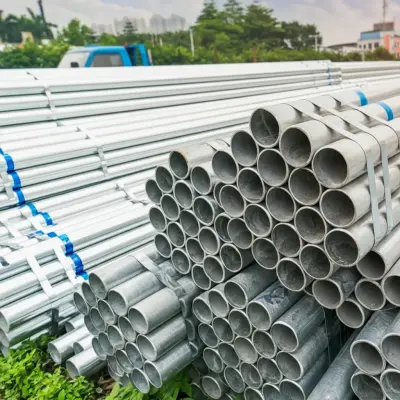
Galvanized Steel for Construction provides a zinc-protected steel substrate for building, infrastructure, industrial, and commercial projects that require dependable corrosion resistance. It is supplied to overseas steel importers, fabricators, distributors, contractors, and project procurement teams in forms such as coils, sheets, plates, strips, and cut-to-length products. The zinc coating helps protect exposed steel from moisture and atmospheric corrosion while maintaining the strength, formability, and fabrication advantages of the underlying steel. For buyers, the key value is specification control: selecting the correct steel grade, coating designation, surface finish, dimensions, packaging, inspection documents, and delivery terms for the intended construction environment.
Product Overview: Galvanized Steel for Construction
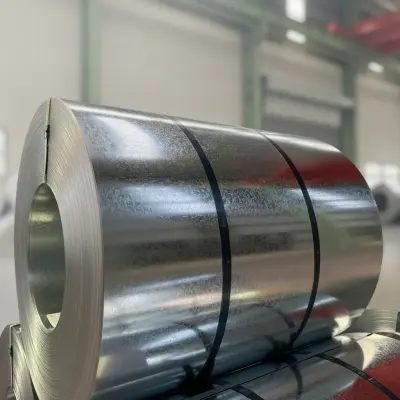
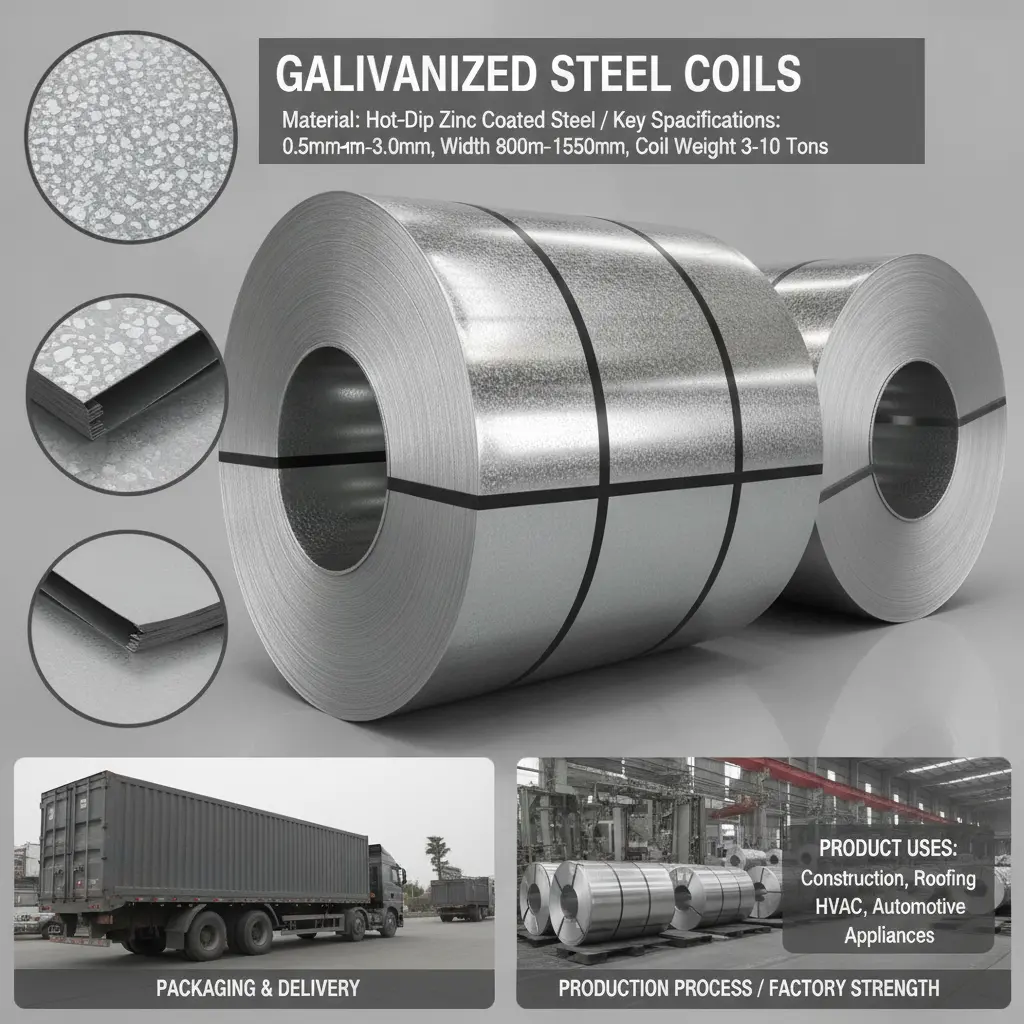
Galvanized steel is carbon or low-alloy steel coated with zinc, typically through a continuous hot-dip galvanizing process. During production, the steel strip passes through a molten zinc bath, followed by coating control, cooling, inspection, and recoiling or cutting. The resulting zinc layer acts as a barrier between the steel and the surrounding environment. It also provides sacrificial protection if small areas of the steel surface are exposed during handling or fabrication.
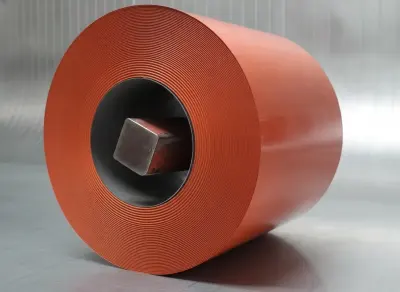
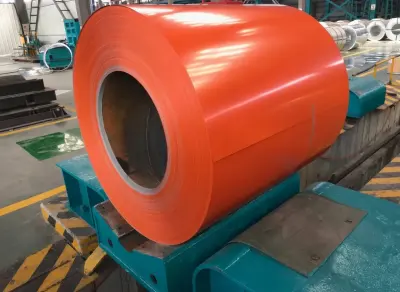
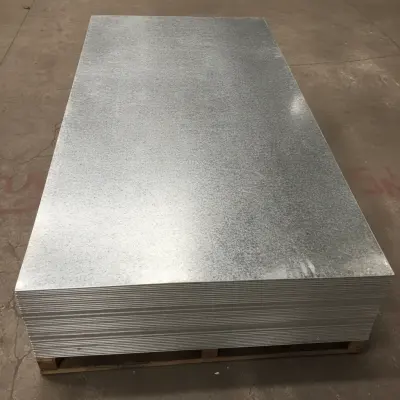
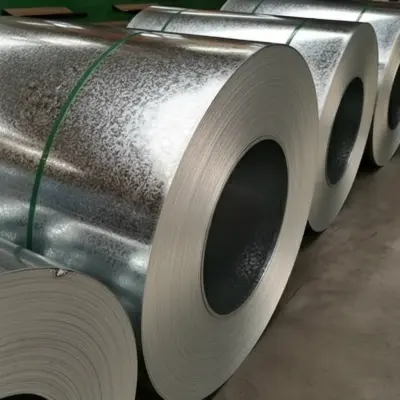
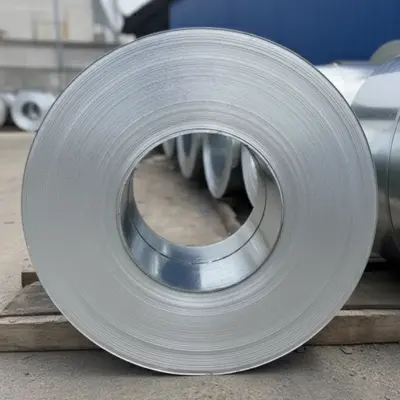
Construction buyers can source galvanized steel in different product forms depending on the project and downstream process. Galvanized coils are suitable for roll forming, slitting, profiling, and high-volume fabrication. Galvanized sheets and cut-to-length panels support general fabrication, ductwork, roofing, cladding, and structural components. For related coated products, buyers may also compare [[INTERNAL_LINK]] with pre-painted steel, cold-rolled steel, or hot-rolled steel according to forming requirements and exposure conditions.
Important product characteristics include coating mass, coating uniformity, surface appearance, steel grade, dimensional tolerance, flatness, edge condition, and packaging. Common surface descriptions include regular spangle, minimized spangle, and zero-spangle appearances, although availability depends on the applicable standard and mill process. The product may be ordered with an additional passivation or surface treatment when required for temporary corrosion protection, storage, or painting preparation. Any treatment should be confirmed against the final coating, forming, and painting process.
Specifications & Standards for Galvanized Steel for Construction
Construction-grade galvanized steel should be purchased against a clearly identified product standard rather than by the general term “galvanized sheet.” Common international specifications include ASTM A653/A653M for steel sheet, zinc-coated or zinc-iron alloy-coated by the hot-dip process; EN 10346 for continuously hot-dip coated steel flat products; JIS G3302 for hot-dip zinc-coated steel sheet and strip; and GB/T 2518 for continuously hot-dip galvanized steel sheet and strip. The correct standard depends on the destination market, design documentation, and customer acceptance requirements.
| Parameter | What the buyer should specify | Relevant reference |
|---|---|---|
| Product form | Coil, sheet, strip, or cut-to-length panel; required inside diameter and outside diameter where applicable | ASTM A653/A653M; EN 10346; JIS G3302; GB/T 2518 |
| Steel grade | Commercial quality, forming quality, drawing quality, or structural grade as required by the design and forming process | Applicable grade designation within the selected standard |
| Zinc coating | Required coating designation or coating mass, including whether the requirement is total both sides or per surface | ASTM A653/A653M; EN 10346; JIS G3302; GB/T 2518 |
| Dimensions | Thickness, width, length, dimensional tolerances, flatness, and edge condition | Selected product standard and purchase specification |
| Surface condition | Surface finish, spangle appearance, passivation, oiling, or other agreed treatment | Selected product standard and confirmed order requirements |
| Inspection | Mill test certificate, coating verification, dimensional inspection, and independent inspection if contractually required | Contract documents and applicable standard |
Coating mass is a critical purchasing variable. A heavier zinc coating can improve resistance in a demanding environment, but it may affect bending, welding, painting, edge appearance, and total material cost. Buyers should avoid selecting coating weight solely by nominal thickness. The required service life depends on humidity, salt exposure, condensation, pollutants, cut edges, fasteners, drainage, and maintenance. For structural design, the mechanical properties and grade must be checked against the project calculations rather than inferred from the zinc coating.
For inspection planning, ASTM A90/A90M provides a recognized method for determining the weight of coating on iron and steel articles with zinc or zinc-alloy coatings. The inspection scope should also define sampling frequency, coating measurement method, surface acceptance, dimensional checks, and certificate format. For fabrication guidance, the buyer should confirm whether the selected galvanized steel is intended for roll forming, press braking, punching, welding, or painting. Related [[INTERNAL_LINK]] can help procurement teams compare coating designations and surface requirements before issuing an order.
Applications of Galvanized Steel for Construction
Roofing and wall systems: Galvanized coils and sheets are widely used for profiled roofing, wall cladding, flashing, trims, and supporting components. The zinc coating provides protection against ordinary atmospheric exposure, while the final profile and drainage design influence long-term performance.
Light-gauge framing and drywall systems: Formable galvanized steel is used for studs, tracks, channels, furring members, and interior construction components. Buyers should select a grade suitable for roll forming and confirm dimensional tolerances needed for automated production.
HVAC and ventilation: Galvanized sheet is commonly fabricated into ducts, elbows, plenums, housings, and auxiliary components. Surface condition, flatness, thickness, and ease of forming are important for clean fabrication and reliable joining.
Infrastructure and site facilities: Applications include guardrail components, fencing, cable trays, access platforms, drainage accessories, and temporary or permanent site structures. Outdoor and coastal projects require a more careful review of coating selection and environmental exposure.
Industrial and commercial buildings: Warehouses, agricultural buildings, workshops, retail facilities, and modular structures may use galvanized steel for secondary framing, panels, brackets, supports, and fabricated assemblies. Structural requirements should be reviewed with the responsible engineer and matched to the applicable local code.
How to Choose / Buying Guide for Galvanized Steel for Construction
Start with the end use and fabrication route. A buyer ordering steel for roll-formed framing may need different formability and thickness tolerances from a buyer purchasing flat sheets for ductwork or brackets. State the product form, nominal thickness, width, length or coil size, steel grade, coating designation, surface finish, edge type, and tolerance requirements in the inquiry. Include drawings or a bill of materials when the product will be slit, profiled, punched, or fabricated.
Next, select the governing standard and destination-market requirements. ASTM, EN, JIS, and GB/T systems do not always use identical grade names, coating designations, or tolerance conventions. Do not treat similar commercial descriptions as automatic equivalents. Ask the supplier to confirm the exact standard, grade, coating requirement, certificate format, and any permitted substitutions in writing. For project work, request a mill test certificate and confirm whether third-party inspection, test reports, or traceability records are required.
Review the environment before specifying the zinc coating. Indoor dry use, sheltered construction, ordinary outdoor exposure, industrial atmosphere, and marine exposure do not present the same corrosion risk. Pay attention to cut edges, drilled holes, welding areas, contact with dissimilar metals, standing water, and chemical exposure. If the product will be painted, confirm paint-system compatibility and surface preparation requirements before choosing oiling or passivation.
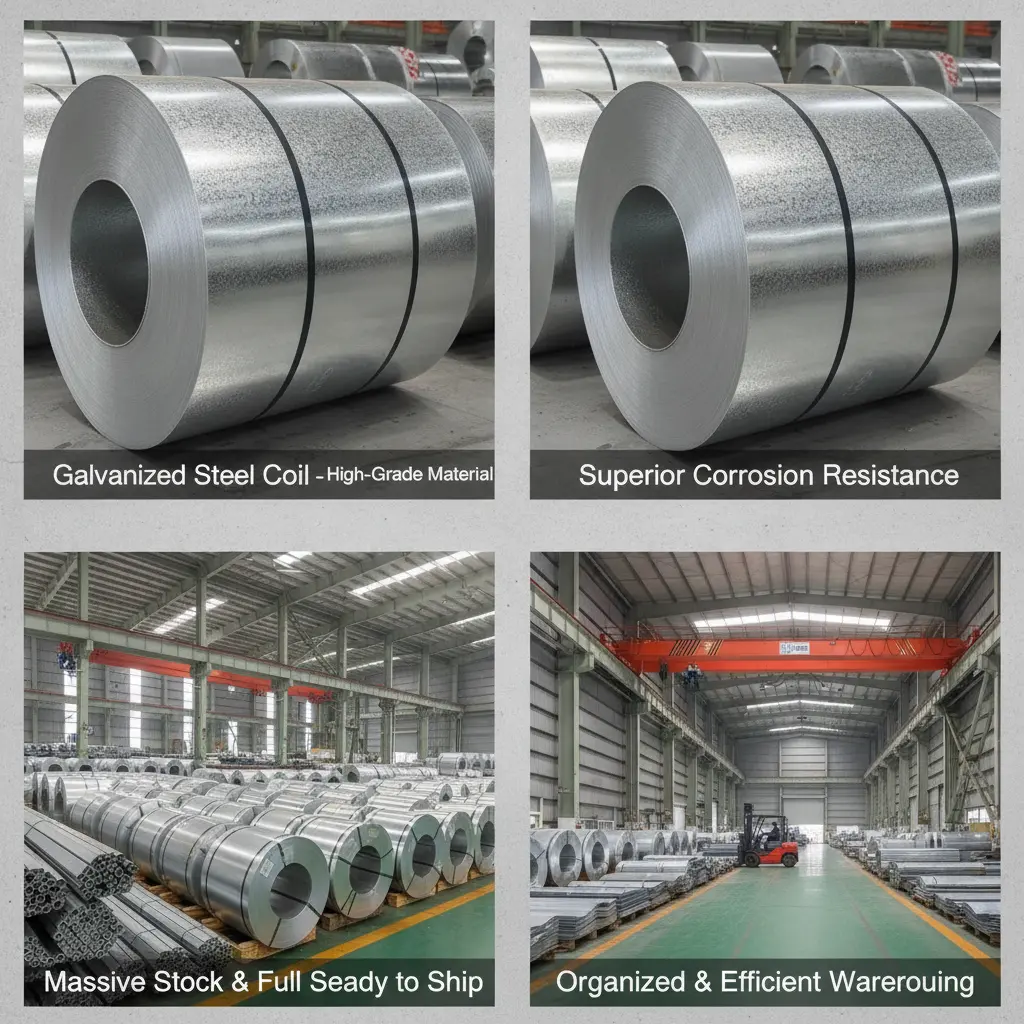
Commercial terms should be checked at the same time as technical details. Confirm available production quantity, supplier MOQ, sample policy, slitting or cut-to-length charges, packaging method, loading plan, and payment terms. MOQ and payment conditions vary by supplier, product form, customization, and destination, so they should be quoted rather than assumed. Delivery time also depends on stock status, production scheduling, inspection, port handling, and shipping availability. Ask for a realistic lead-time range and clarify the point at which it begins.
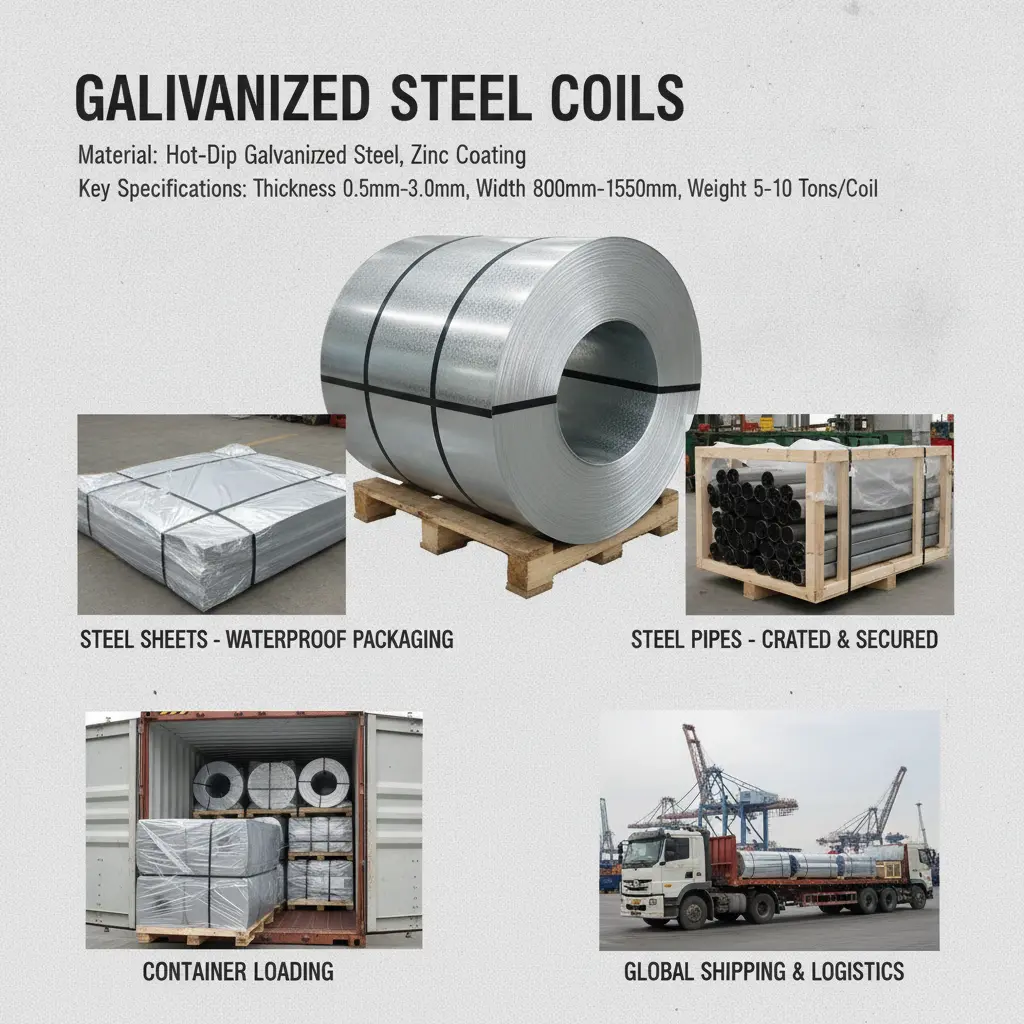
Finally, agree on logistics and documents. Confirm Incoterms, shipment port, container or breakbulk suitability, coil or bundle weight, moisture protection, marking, packing list, commercial invoice, certificate of origin, and inspection documents. For galvanized coils, packaging must protect the surface during ocean transport and storage. A complete specification sheet reduces disputes and makes offers easier to compare. Buyers evaluating other construction products may also review [[INTERNAL_LINK]], [[INTERNAL_LINK]], and [[INTERNAL_LINK]] before finalizing the material schedule.
Frequently Asked Questions About Galvanized Steel for Construction
Q: What is galvanized steel used for in construction?
A: Galvanized steel is used for roofing, cladding, light-gauge framing, drywall tracks, HVAC ducts, cable trays, fencing, brackets, structural accessories, and other fabricated building components. The correct grade and coating depend on the forming process and exposure environment.
Q: How does galvanized steel differ from uncoated carbon steel?
A: Galvanized steel has a zinc coating that helps shield the underlying steel from atmospheric corrosion and provides sacrificial protection at small exposed areas. Uncoated carbon steel requires a separate protection system, such as paint or another coating, when corrosion resistance is needed.
Q: Which standard should I specify for a construction project?
A: The applicable standard depends on the project country, engineer’s specification, and customer requirements. Common references are ASTM A653/A653M, EN 10346, JIS G3302, and GB/T 2518. The purchase order should identify one governing standard and the exact grade and coating designation.
Q: Can I request a mill test certificate for galvanized steel?
A: Yes, a mill test certificate can generally be requested, but the certificate content and availability should be confirmed before ordering. State whether you need chemical information, mechanical test results, coating information, dimensional records, heat or coil traceability, and third-party inspection.
Q: What is the usual minimum order quantity?
A: There is no universal MOQ for Galvanized Steel for Construction. It varies according to thickness, width, grade, coating, stock availability, coil or sheet format, processing requirements, and destination. Request a project-specific quotation that separates material MOQ from any slitting or cut-to-length MOQ.
Q: What payment terms and delivery time are available?
A: Payment terms and delivery time are negotiated for each order and may depend on supplier policy, order value, production status, inspection, and shipping arrangements. Ask the supplier to quote the payment schedule, lead-time basis, Incoterm, shipment port, and document release conditions together.
Q: Can galvanized steel be welded, bent, or painted?
A: It can be processed, but the fabrication method must match the grade, thickness, coating, and equipment. Welding may require suitable ventilation and control of zinc fumes; bending requires appropriate tooling and formability; painting requires compatible surface preparation and coating selection. Confirm the process with the fabricator and project specification.
Send your required dimensions, steel grade, zinc coating designation, applicable standard, quantity, surface treatment, destination, and delivery terms to request a project-specific quotation for Galvanized Steel for Construction. Our team can review the specification, clarify certificate and inspection requirements, and prepare an offer aligned with your fabrication process and shipping plan.
Ratings & Reviews

Know your supplier
Supplier's customization ability
- Drawing-based customization
- Sample-based customization
- Full customization
Minimum order quantity: 1 ton
Shipping total: To be negotiated
- Lead time:
- confirmed with the quotation
- Packaging:
- standard export packing
- Samples:
- available on request