 English
 Español
 Français
 Deutsch
 Português (Brasil)
 Русский
 العربية

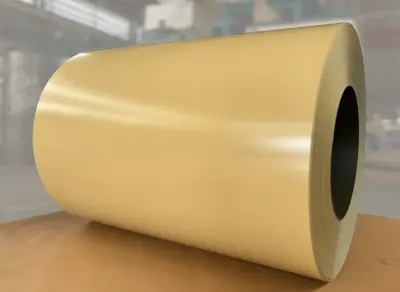
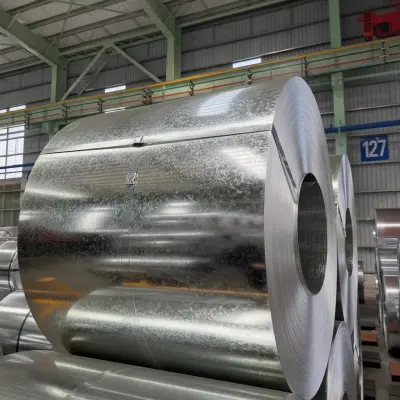
Galvanized Steel For Automotive Durable OEM Solutions
 China
Supplier's customization ability
- Drawing-based customization
- Sample-based customization
- Full customization
Minimum order quantity: 1 ton
Shipping total: To be negotiated
- Lead time:
- confirmed with the quotation
- Packaging:
- standard export packing
- Samples:
- available on request
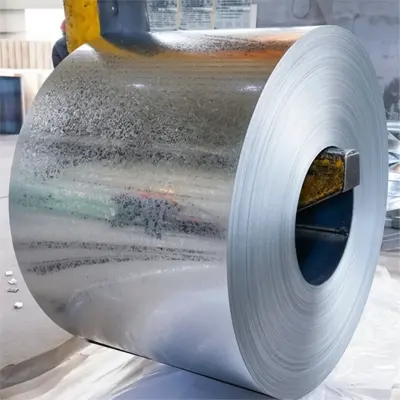
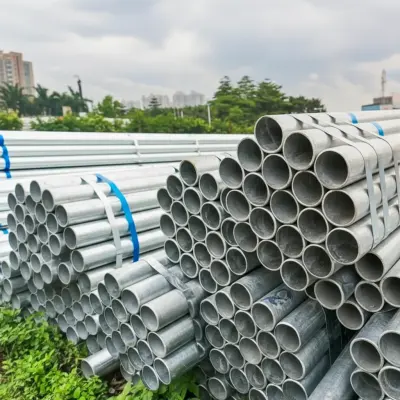
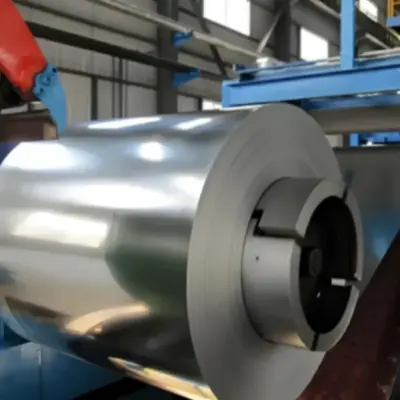
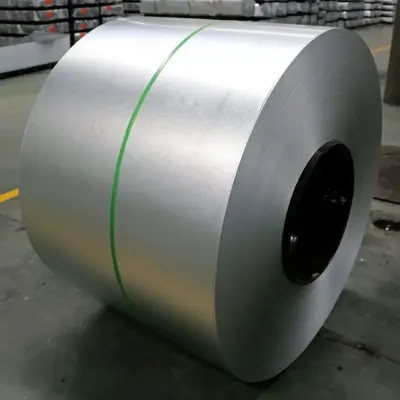
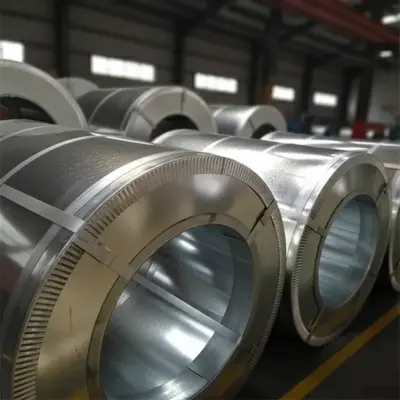
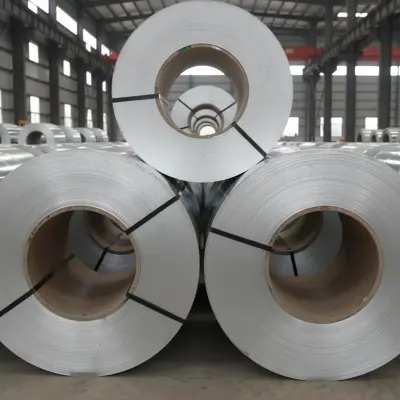
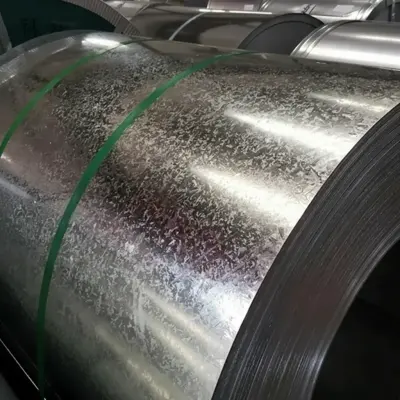
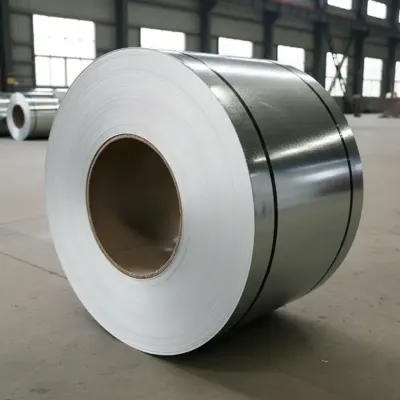
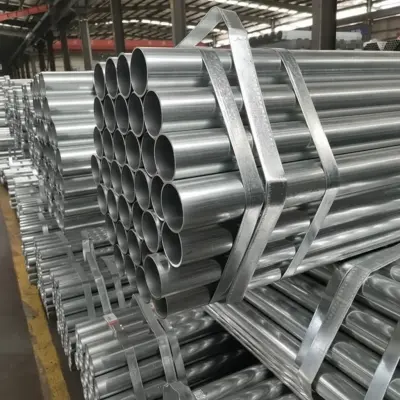
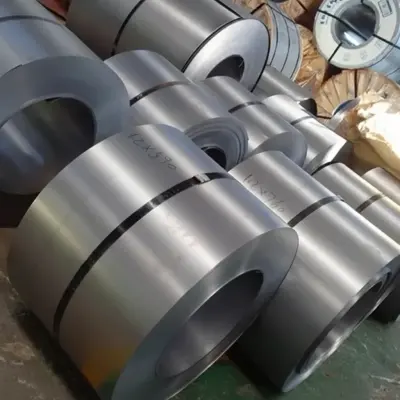
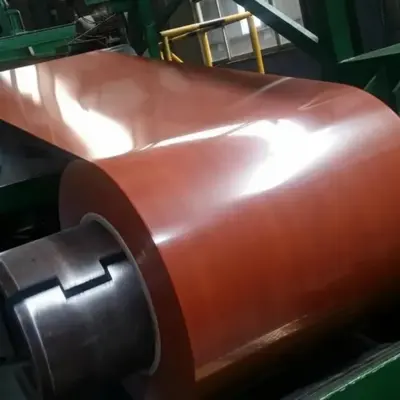
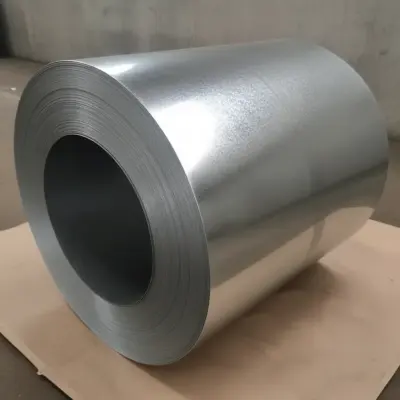
Product details
Technical Specifications of Galvanized Steel for Automotive
| Property | Parameter | Description |
|---|---|---|
| Product Name | Galvanized Steel for Automotive | Hot-dip zinc-coated steel sheet or coil for automotive components and body panels |
| Material Grade | DX51D+Z, DX52D+Z, SGCC, ASTM A653 CS Type B | Common international grade options; grade selection depends on forming and structural requirements |
| International Equivalent Grades | EN 10346 DX51D/DX52D, JIS G3302 SGCC, GB/T 2518 DC51D+Z/DC52D+Z | Comparable commercial designations subject to technical specification confirmation |
| Standard Compliance | ASTM A653/A653M, EN 10346, JIS G3302, GB/T 2518 | Applicable standards for continuously hot-dip coated steel products |
| Chemical Composition | C ≤0.12%, Mn ≤0.60%, P ≤0.10%, S ≤0.045%, Si ≤0.50% | Typical limits for commercial-quality galvanized steel; exact chemistry varies by grade and standard |
| Zinc Coating | 60-275 g/m² total both sides | Common coating mass range for automotive applications, including Z100-Z275 designations |
| Tensile Strength | 270-500 MPa | Typical range for commercial and forming grades, tested according to the applicable product standard |
| Yield Strength | 140-280 MPa | Typical yield-strength range depending on grade, tempering and forming class |
| Elongation | ≥22% | Typical minimum elongation for commercial-quality and forming-grade material |
| Thickness Range | 0.30-3.00 mm | Available thickness depends on grade, coating mass and production capability |
| Width Range | 800-1850 mm | Slit or full-width supply available according to component and processing requirements |
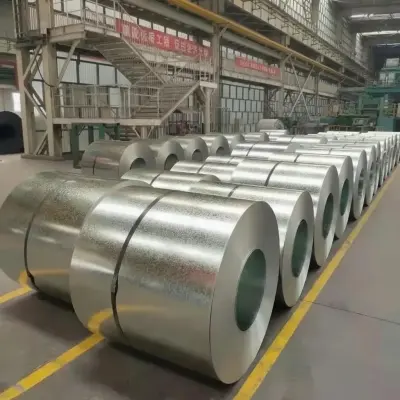
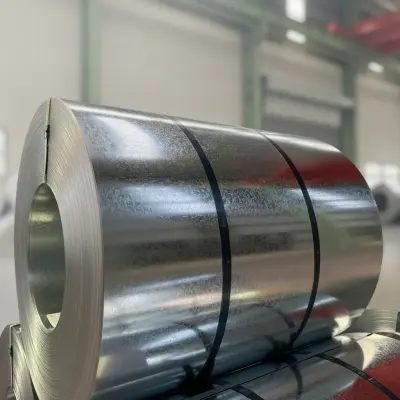
| Surface Finish | Regular spangle, minimized spangle or zero spangle; chromated or passivated | Surface treatment options support corrosion resistance, appearance and paint adhesion |
| Surface Quality | Commercial quality, forming quality or deep-drawing quality | Surface and forming class should be selected according to automotive part geometry |
| Application | Automotive body panels, chassis parts, brackets, reinforcement components and underbody parts | Suitable for corrosion-resistant stamped, formed and fabricated automotive components |
| Processing | Cutting, stamping, bending, roll forming, welding and painting | Processing performance depends on substrate grade, coating mass and surface treatment |
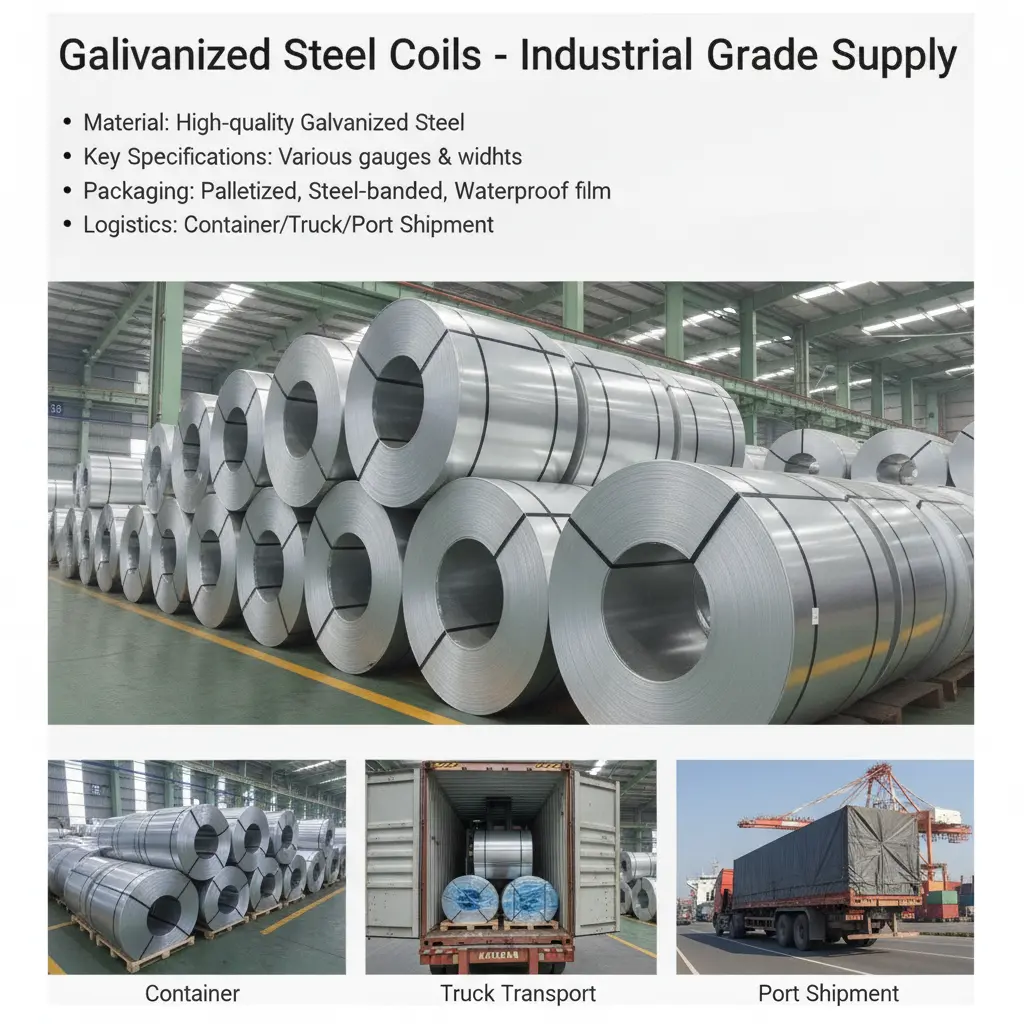
| Packaging | Export-standard seaworthy packaging with steel straps, edge protection and waterproof wrapping | Coil or sheet packaging designed to reduce moisture, impact and handling damage |
| MOQ | 5 metric tons | Minimum order quantity may vary according to grade, dimensions, coating mass and production schedule |
Galvanized Steel for Automotive: Durable OEM Solutions
Galvanized Steel for Automotive provides a zinc-protected steel substrate for vehicle bodies, chassis components, brackets, reinforcement parts, and other assemblies exposed to moisture, road salt, and industrial contamination. Automotive OEMs, Tier 1 suppliers, metal service centers, and vehicle-parts distributors use it when corrosion protection must be combined with forming performance, dimensional control, welding compatibility, and reliable surface quality. Available in different steel grades, zinc coating masses, widths, thicknesses, and surface finishes, galvanized steel can be specified for stamping, roll forming, laser cutting, assembly, and painting. Buyers can align the material with the component design, production process, applicable standards, and expected service environment.
Product Overview: Galvanized Steel for Automotive
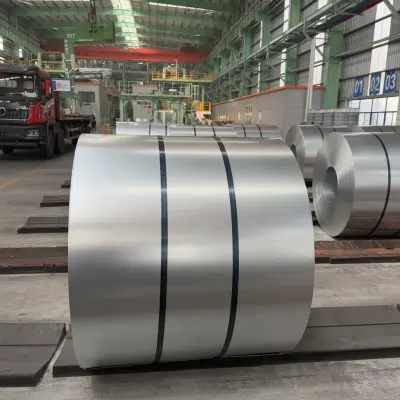
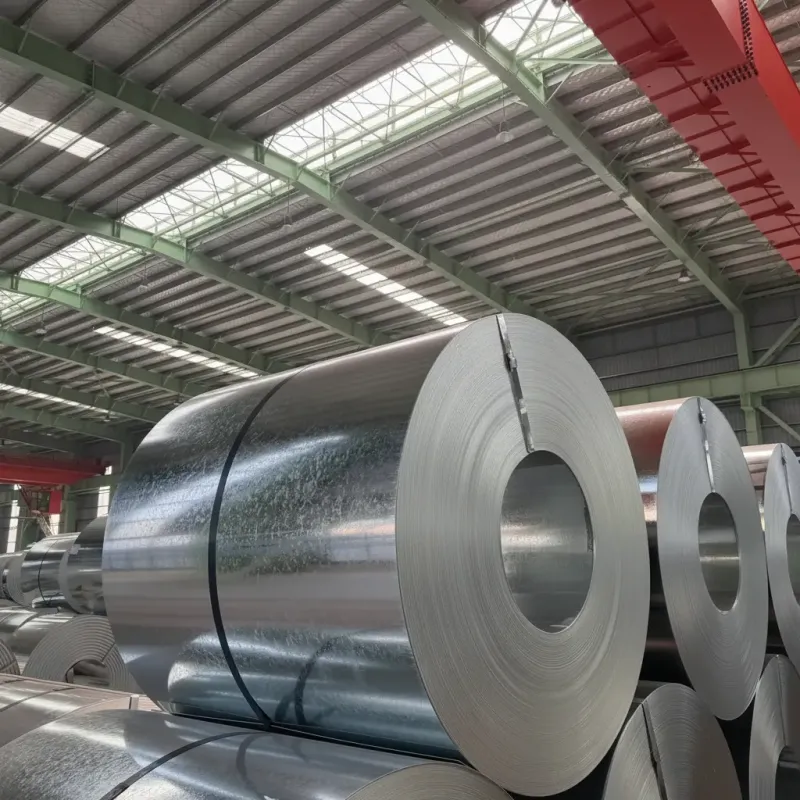
Galvanized automotive steel is flat carbon steel coated with zinc through a continuous hot-dip galvanizing process. The steel strip passes through a molten zinc bath, after which the coating thickness is controlled and the surface is cooled, inspected, and processed into coils or sheets. Zinc protects the underlying steel by creating a physical barrier and by providing sacrificial protection at small exposed areas, such as cut edges or minor scratches.
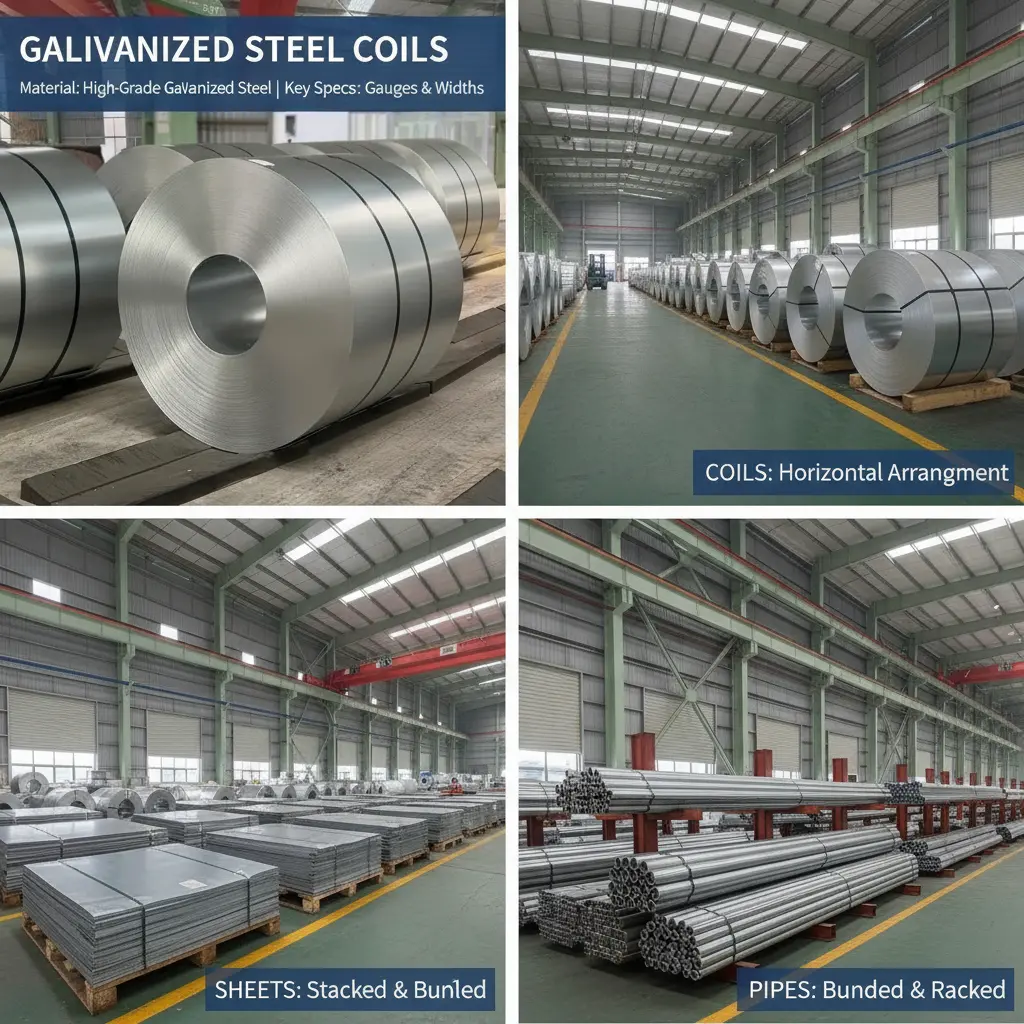
The product is normally supplied with a cold-reduced or hot-rolled steel substrate selected for the required balance of strength, ductility, stiffness, and formability. Depending on the component, buyers may specify drawing-quality steel, structural steel, high-strength steel, or another automotive-grade substrate. Material selection should be based on the forming depth, bend radius, springback requirement, crash or load function, welding method, and downstream coating process.
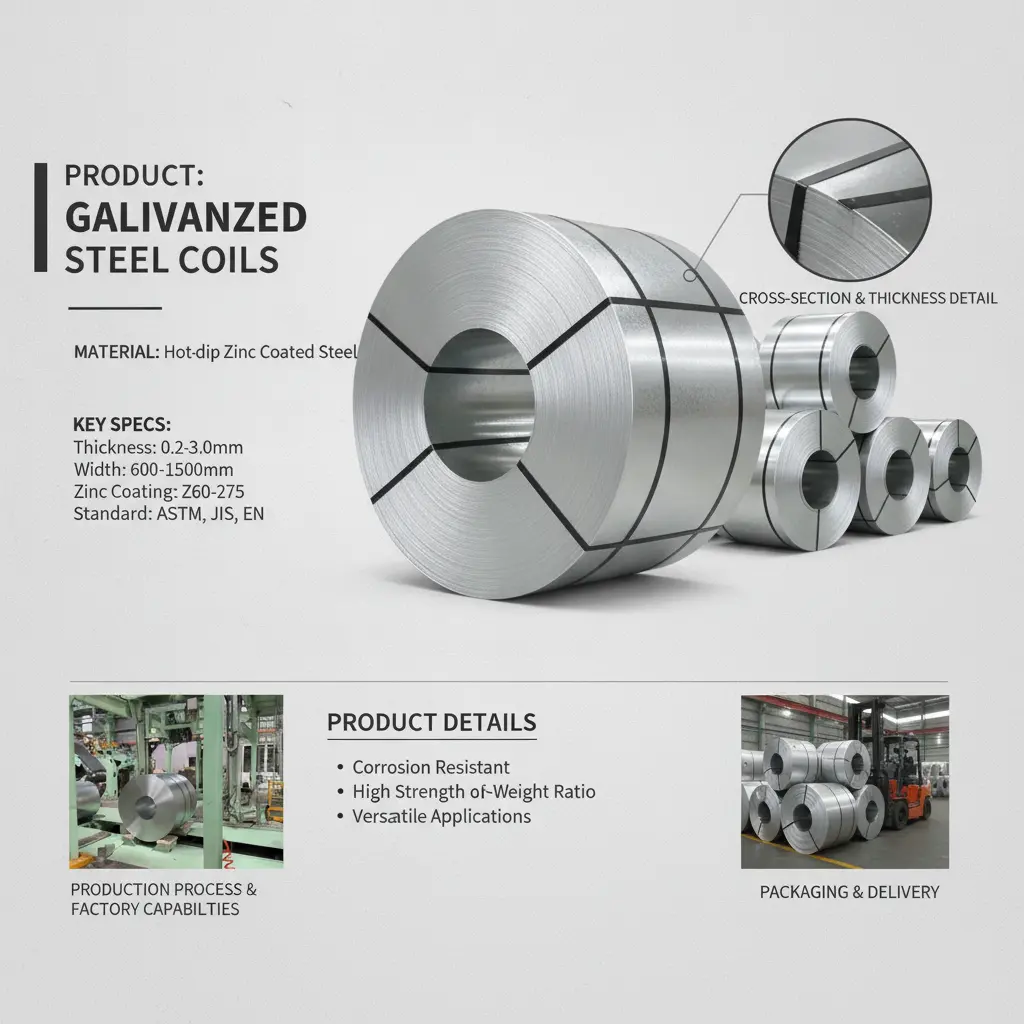
Important product features include:
- Uniform zinc coating for improved resistance to atmospheric corrosion and road-salt exposure.
- Good compatibility with stamping, bending, roll forming, blanking, and fabrication when the correct grade is selected.
- Available surface conditions for exposed body panels, concealed structural parts, and painted components.
- Controlled thickness, width, flatness, edge condition, and coil geometry for automated production lines.
- Compatibility with phosphating, electrodeposition, powder coating, or other finishing systems subject to process validation.
For related material options, buyers can compare this product with [[INTERNAL_LINK]] and review the differences between galvanized and galvannealed sheet in [[INTERNAL_LINK]].
Specifications & Standards for Automotive Galvanized Steel
Automotive galvanized steel should be purchased against a written specification that identifies the substrate grade, coating designation, surface finish, dimensions, tolerances, inspection documents, and packaging requirements. Common international standards include ASTM A653/A653M for steel sheet, zinc-coated or zinc-iron alloy-coated by the hot-dip process; EN 10346 for continuously hot-dip coated steel flat products; JIS G3302 for hot-dip zinc-coated steel sheet and strip; and GB/T 2518 for continuously hot-dip galvanized steel sheet and strip.
| Specification item | What the buyer should define | Relevant reference |
|---|---|---|
| Steel substrate | Commercial, drawing, structural, high-strength, or project-specific automotive grade | ASTM A653/A653M, EN 10346, JIS G3302, or GB/T 2518 |
| Zinc coating | Coating designation or coating mass, with single-side or total coating interpretation clearly stated | Applicable product standard and purchase specification |
| Surface finish | Regular spangle, minimized spangle, skin-passed, oiled, passivated, or another agreed finish | Applicable product standard |
| Dimensions | Nominal thickness, width, coil or sheet length, flatness, edge condition, and tolerance class | Applicable product standard and order confirmation |
| Inspection documents | Mill test certificate, dimensional report, coating inspection, and any agreed mechanical test results | EN 10204 documentation where required |
Coating mass is not the same as coating thickness, so the order should specify how the value is reported and tested. Buyers should also confirm whether the required zinc designation applies to the total of both sides or to each side. Surface treatments such as oiling, passivation, or chemical film can influence storage behavior, paint adhesion, friction, and welding parameters. These details belong in the technical purchase order rather than being left to general product descriptions.
Mechanical properties, including yield strength, tensile strength, and elongation, depend on the selected steel grade and standard. The supplier should provide the applicable values on the material certificate instead of applying one generic range to every galvanized product. For stamping parts, request forming data and, where needed, samples for die trials. For more information on steel test certificates, see [[INTERNAL_LINK]]. Coil tolerance and packaging guidance can be reviewed through [[INTERNAL_LINK]].
Applications of Galvanized Steel for Automotive
Galvanized steel is used across vehicle manufacturing and component supply because different parts require different combinations of corrosion resistance, formability, stiffness, and cost control.
- Body-in-white components: Door inner panels, floor sections, wheel housings, pillars, brackets, and reinforcement parts may use galvanized sheet where moisture can reach the assembly before or after painting.
- Chassis and underbody parts: Cross members, support brackets, splash shields, and selected structural components can benefit from zinc protection in areas exposed to water, mud, and de-icing salt.
- Automotive brackets and hardware: Battery supports, seat brackets, cable supports, exhaust-related brackets, and fastening assemblies can be produced from coil or cut-to-length sheet.
- Commercial vehicles and trailers: Truck body panels, trailer structures, cab components, and fleet equipment often require a practical corrosion-control layer and repeatable fabrication performance.
- Automotive aftermarket parts: Replacement panels, repair sections, fabricated guards, and service components may be specified in galvanized sheet for improved storage and operating resistance.
The correct material still depends on the component’s exposure, joint design, forming sequence, and finishing system. For parts exposed to elevated temperature, abrasion, severe stone impact, or aggressive chemicals, a galvanized coating may need to be evaluated alongside alternative coatings or stainless steel. See [[INTERNAL_LINK]] for a comparison of coated steel options used in vehicle parts.
How to Choose / Buying Guide for Automotive Galvanized Steel
A procurement manager should evaluate galvanized steel as part of the complete manufacturing route, not only by nominal thickness and price.
1. Match the substrate to the component
Confirm whether the part is deep drawn, lightly stamped, bent, roll formed, or primarily structural. A higher-strength grade may reduce thickness and weight, but it can also change forming loads, springback, and die requirements. Request the exact grade designation and applicable mechanical requirements before approving a substitute.
2. Specify coating and surface treatment
Define the zinc coating designation, surface finish, oiling or passivation condition, and whether the part will be painted. Coating selection should reflect the corrosion environment and forming process. Excessive or unsuitable coating can affect friction, spot welding, edge behavior, and dimensional consistency, so the production process should be considered during material approval.
3. Confirm certification and traceability
Ask for a mill test certificate identifying heat, coil number, grade, dimensions, coating information, and test results. If your quality system requires it, specify EN 10204 inspection documentation, third-party inspection, or additional sampling. Confirm that the supplier can maintain coil-level traceability from production through packing and shipment. Certification requirements can be discussed through [[INTERNAL_LINK]].
4. Review MOQ, lead time, and production planning
Minimum order quantity, slit-width availability, trial-order policy, and production scheduling vary by mill and specification. Provide the target thickness, width, coating, grade, estimated annual volume, and delivery frequency when requesting a quotation. This allows the supplier to check whether the order can be produced from regular stock, a scheduled campaign, or a custom production run.
5. Plan logistics and packaging
Agree on coil or sheet packing, eye orientation, moisture protection, labeling, maximum package weight, and loading requirements. Galvanized products should be protected from trapped moisture during storage and transit. The quotation should state the trade term, loading location, documentation, and estimated transit schedule. Logistics requirements for steel coils are outlined in [[INTERNAL_LINK]].
Frequently Asked Questions About Galvanized Steel for Automotive
Q: What is the difference between galvanized steel and ordinary carbon steel?
A: Ordinary carbon steel has no integral zinc coating unless it is treated separately. Galvanized steel has a zinc layer applied during production, providing a barrier against moisture and sacrificial protection where minor surface damage occurs. The substrate grade, zinc coating, and surface treatment should all be checked before comparison.
Q: Is galvanized steel suitable for stamping automotive parts?
A: Yes, suitable galvanized grades are widely used for stamped and formed components. The required forming performance depends on the substrate grade, coating condition, lubrication, die geometry, and forming depth. Trial stamping is recommended for complex parts or tight dimensional requirements.
Q: Can galvanized automotive steel be welded?
A: It can be welded, including by resistance welding, but the zinc coating affects electrode wear, current settings, fumes, and maintenance intervals. Welding parameters must be validated for the selected coating mass, sheet thickness, joint design, and equipment. Appropriate ventilation and workplace controls are also required.
Q: Which standards can be used for galvanized automotive steel?
A: Common references include ASTM A653/A653M, EN 10346, JIS G3302, and GB/T 2518. The correct standard depends on the destination market and customer specification. A purchase order should identify one governing standard rather than listing several standards without defining precedence.
Q: What certificates should an overseas buyer request?
A: Request a mill test certificate with grade, heat or coil identification, dimensions, coating information, and applicable mechanical test results. Depending on the project, buyers may also request EN 10204 documentation, dimensional inspection, coating verification, packing photographs, or third-party inspection before shipment.
Q: What is the usual minimum order quantity for galvanized automotive steel?
A: There is no universal MOQ. It depends on the steel grade, coating designation, thickness, width, slit requirement, production schedule, and whether the material is a standard item or a custom specification. Ask for both trial-order and regular-production quantities when requesting a quotation.
Q: What payment terms and delivery time are available?
A: Payment terms and lead time are agreed according to supplier policy, order value, production status, inspection requirements, and destination. A complete inquiry should include the delivery location, required quantity, target shipment window, and preferred trade term so the supplier can provide a firm commercial offer.
Send your required grade, thickness, width, zinc coating designation, quantity, application, certification needs, and destination to request a technical quotation for Galvanized Steel for Automotive. Our sales team can help compare available specifications, confirm production feasibility, and prepare a shipment plan aligned with your OEM or aftermarket program.
Ratings & Reviews

Know your supplier
Supplier's customization ability
- Drawing-based customization
- Sample-based customization
- Full customization
Minimum order quantity: 1 ton
Shipping total: To be negotiated
- Lead time:
- confirmed with the quotation
- Packaging:
- standard export packing
- Samples:
- available on request