 English
 Español
 Français
 Deutsch
 Português (Brasil)
 Русский
 العربية

Flood Protection Gate | Heavy-Duty Flood Barrier for Fast, Reliable Water Protection

 China


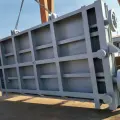
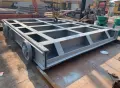
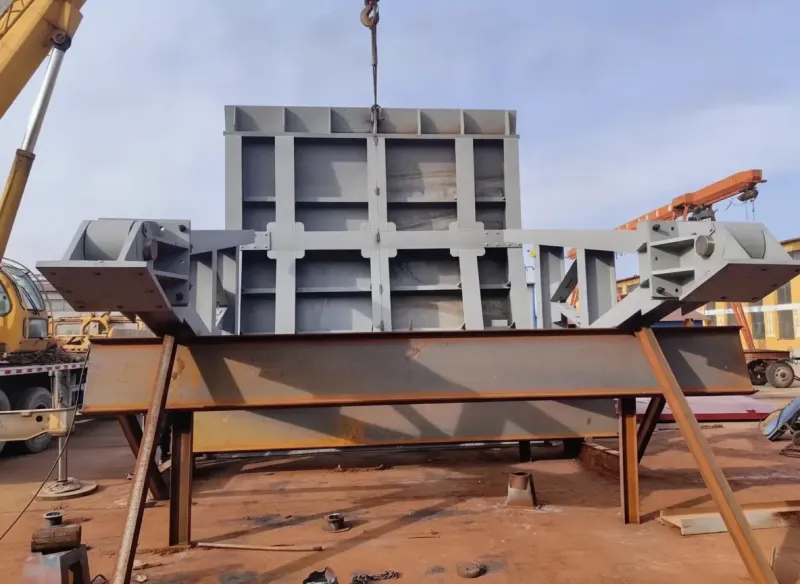
Supplier's customization ability
- Drawing-based customization
- Sample-based customization
- Full customization
Minimum order quantity: 2 pieces
Shipping total: To be negotiated
- Lead time:
- confirmed with the quotation
- Packaging:
- standard export packing
- Samples:
- available on request
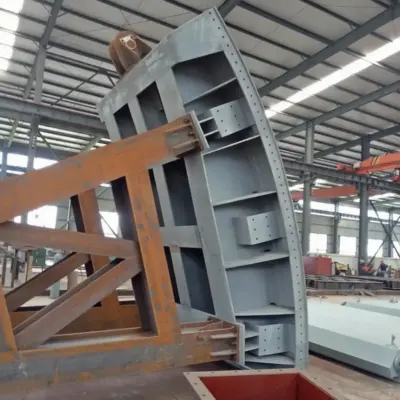
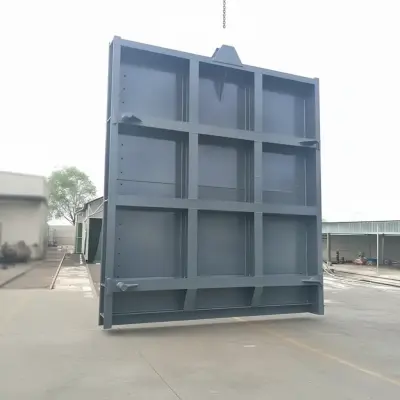
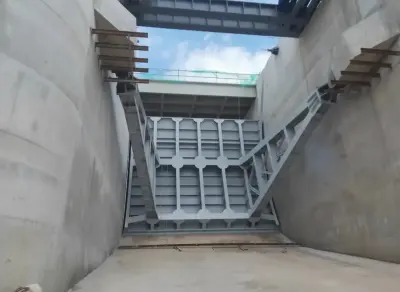
Product details
Flood Protection Gate Technical Parameters
| Parameter | Specification |
|---|---|
| Product Type | Flood Protection Gate |
| Application | Flood control for residential, commercial, industrial, warehouse, garage, and utility entrances |
| Barrier Structure | Modular removable or hinged flood barrier system with interlocking panels and sealed side posts |
| Recommended Opening Width | Custom manufactured according to the clear opening width and site conditions |
| Barrier Height | Customizable according to the required flood protection level |
| Panel Material | High-strength aluminum alloy panels or engineered steel panels, selected according to project requirements |
| Post Material | Structural aluminum alloy or galvanized steel side posts |
| Sealing System | Replaceable EPDM or silicone seals at the bottom, sides, and panel joints |
| Water Resistance | Designed to minimize water penetration when correctly installed on a level, structurally sound opening |
| Load Resistance | Engineered to withstand hydrostatic pressure; final rating depends on barrier height, span, anchoring, and substrate |
| Installation Method | Surface-mounted or recessed installation with mechanical anchors and prepared side supports |
| Operation | Manual installation and removal, or hinged swing operation depending on the selected configuration |
| Corrosion Protection | Anodized aluminum, powder coating, or hot-dip galvanized finish for improved outdoor durability |
| Surface Finish | Mill finish, anodized finish, powder-coated finish, or project-specified color |
| Storage | Stackable removable panels with compact storage requirements when the barrier is not deployed |
| Customization | Opening dimensions, barrier height, panel thickness, sealing configuration, finish, anchoring, and access layout |
| Maintenance | Inspect seals, anchors, joints, and contact surfaces before each flood season; clean and replace worn seals as required |
| Installation Requirement | Final design must be verified against the opening structure, expected water depth, drainage conditions, and local engineering requirements |
Flood Protection Gate | Heavy-Duty Flood Barrier for Fast, Reliable Water Protection
A flood protection gate is a deployable or permanent water-control barrier designed to shield building entrances, loading bays, vehicle access points, underground openings, and other vulnerable areas from rising or flowing water. Facility owners, infrastructure contractors, municipal authorities, industrial operators, and overseas distributors use flood protection gates to reduce flood exposure while preserving normal access during dry conditions. The right system combines a suitable barrier height, compatible anchoring, dependable seals, manageable installation, and documentation that supports project approval. Because site conditions vary, buyers should evaluate the opening, expected water depth, flow, debris exposure, pressure, operating frequency, and maintenance requirements before requesting a quotation.
Product Overview: Flood Protection Gate Design and Function
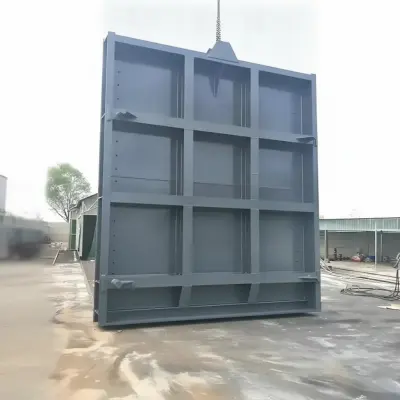
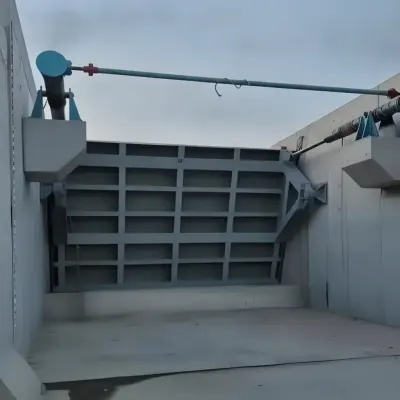
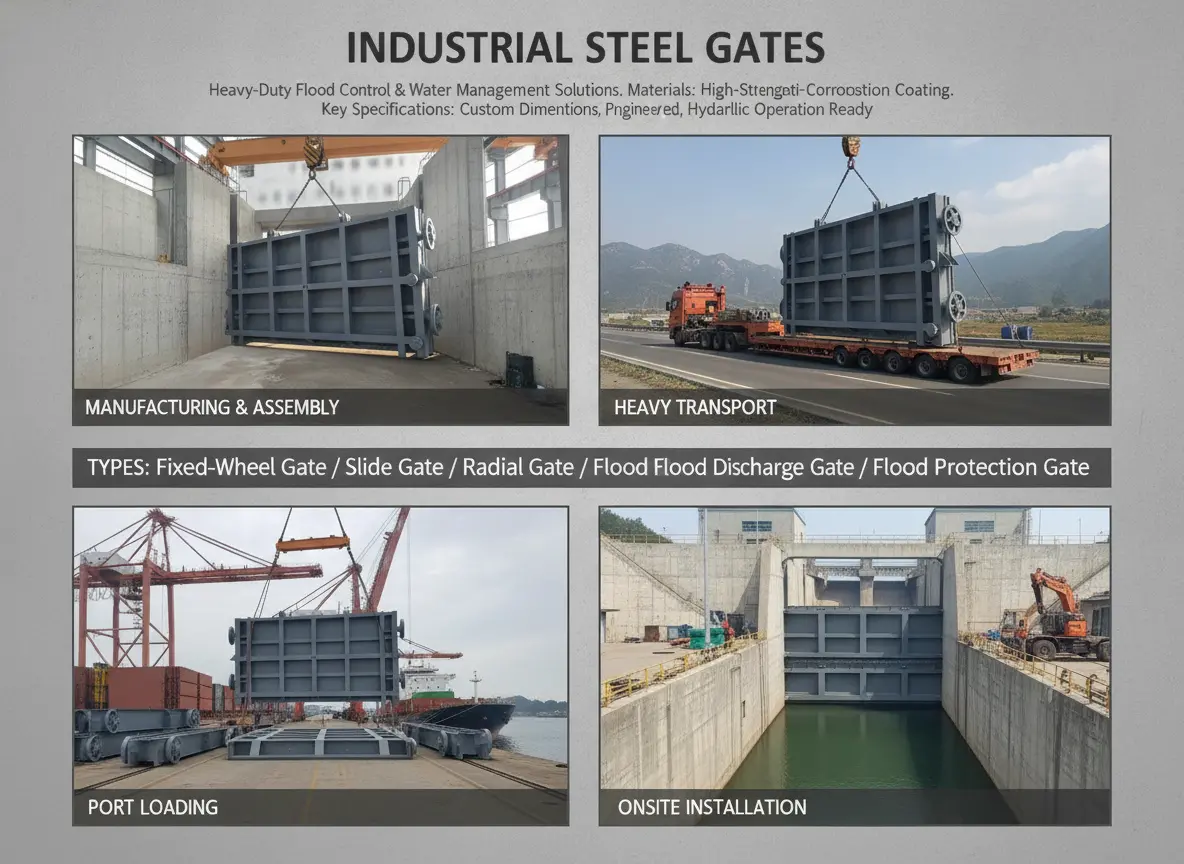
A flood protection gate closes an opening that could otherwise allow water to enter a protected structure or site. Depending on the application, the gate may be hinged, sliding, lifting, swing-type, removable, or integrated into a demountable flood barrier system. Some products are manually operated, while larger or frequently used installations may use assisted or powered actuation. The appropriate configuration depends on the clear opening, available side and headroom, access requirements, expected warning time, and whether the gate must remain visually unobtrusive during normal operation.
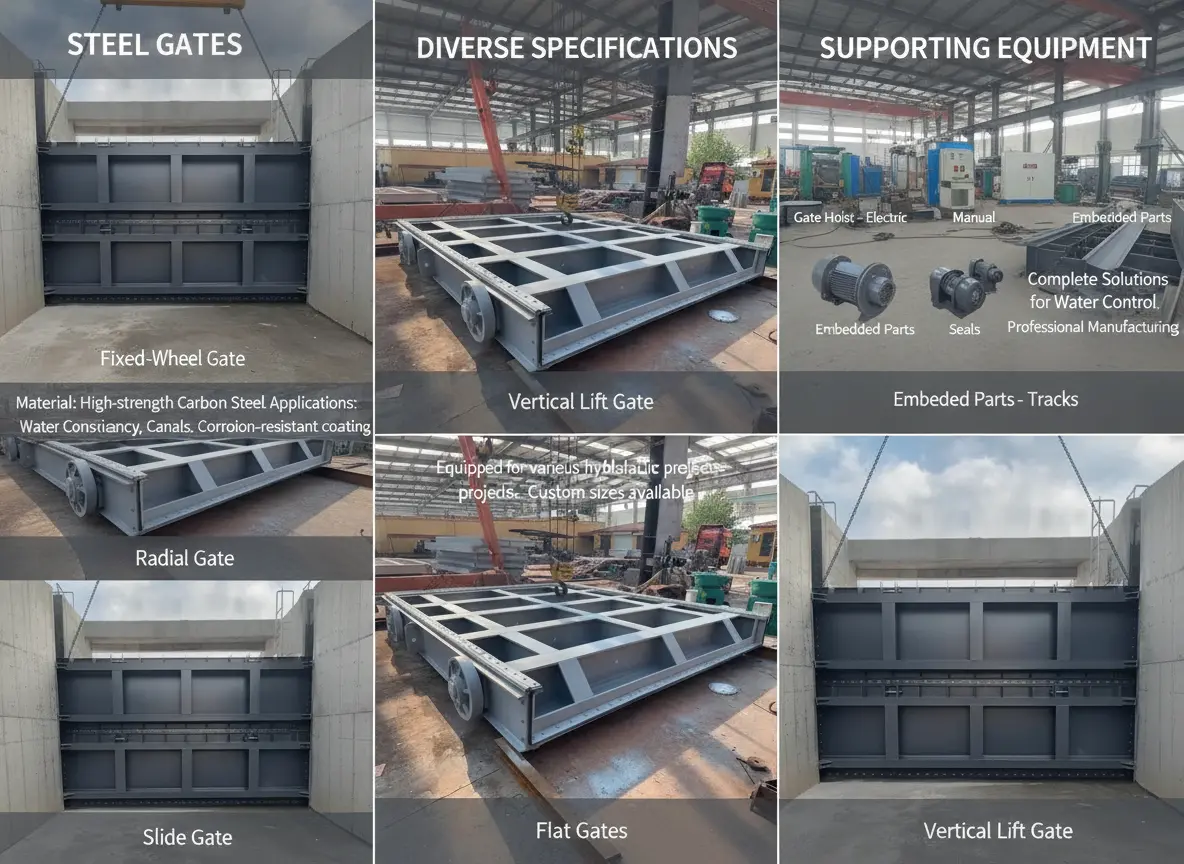
Typical construction uses corrosion-resistant steel, stainless steel, aluminum, or a combination of structural metals and elastomeric sealing components. The final material selection should reflect the water chemistry, exposure to salt or de-icing agents, ultraviolet exposure, temperature range, cleaning regime, and required service life. Carbon steel may be suitable where a protective coating system and inspection program are specified. Stainless steel can be advantageous in aggressive or frequently wetted environments, but the grade should be selected against the actual corrosion conditions rather than by appearance alone.
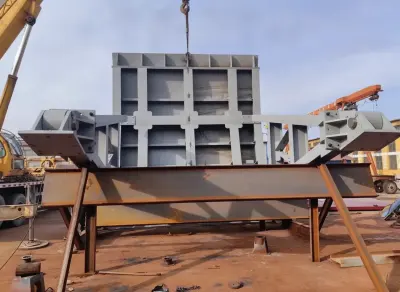
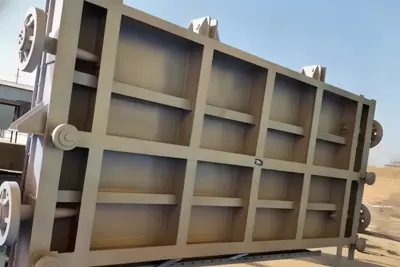
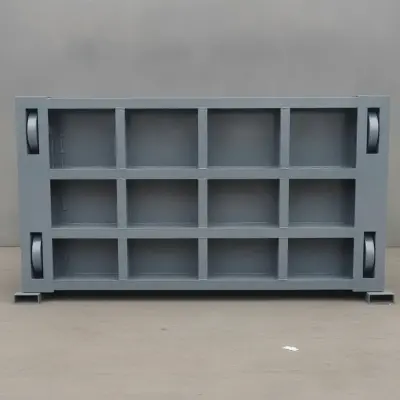
The primary functional elements usually include a structural gate panel or frame, side guides or jambs, a sill or threshold interface, seals, hinges or rollers, locking hardware, and an anchoring arrangement. A practical gate must transfer hydrostatic and, where applicable, hydrodynamic loads into the surrounding wall, slab, or foundation. Seals should remain compressed and continuous across the intended contact surfaces. The opening itself is equally important: uneven concrete, damaged thresholds, uncontrolled drainage paths, or weak substrate conditions can reduce real-world performance even when the gate assembly is properly manufactured.
For projects with multiple vulnerable openings, a flood protection gate may be specified together with [[INTERNAL_LINK]] and [[INTERNAL_LINK]]. Combining entry protection with a coordinated site plan can help prevent water from bypassing one protected opening and entering through another route.
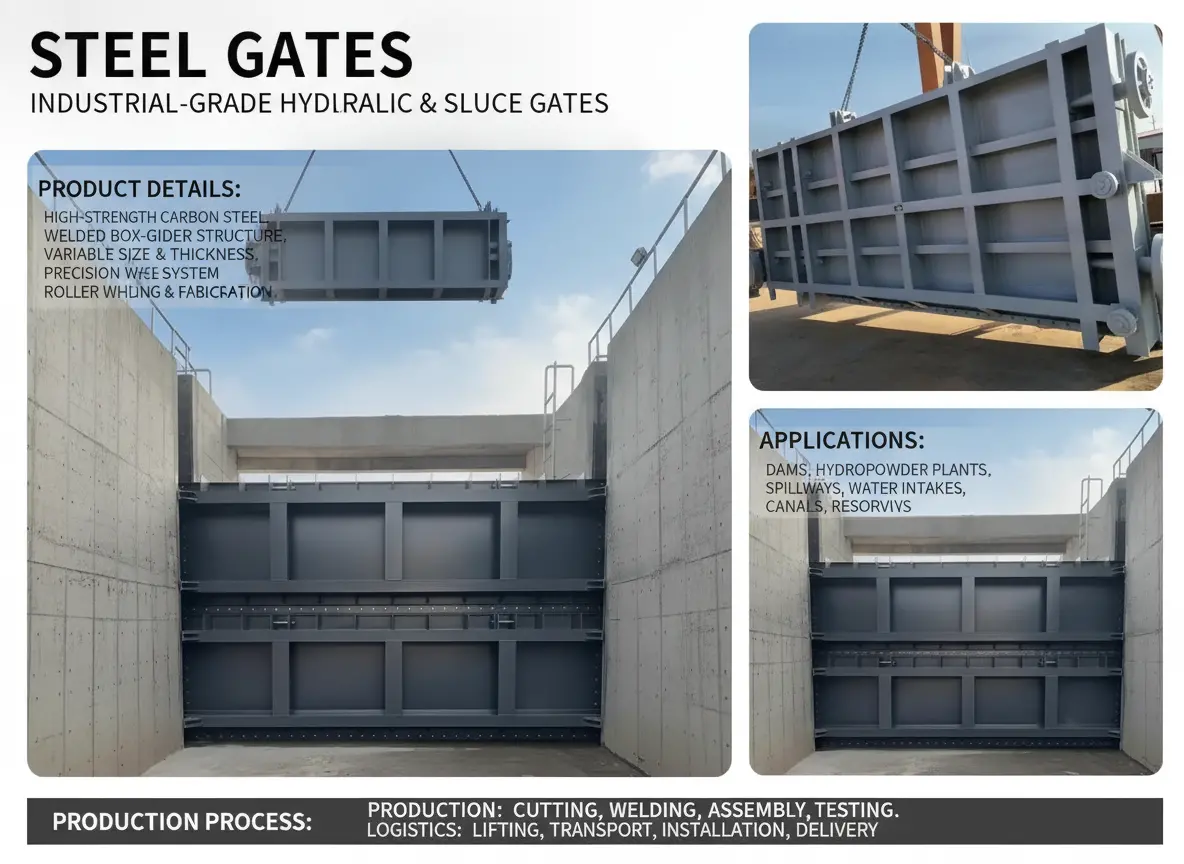
Specifications & Standards for a Flood Protection Gate
Flood protection gate specifications should be prepared around the opening and the site hazard, not around a generic catalogue description. Request the manufacturer’s dimensional drawing, load assumptions, installation requirements, sealing arrangement, operating instructions, inspection guidance, and test or validation documentation. The following specification fields are commonly required during technical review.
- Opening dimensions: clear width, clear height, wall thickness, sill level, available side space, headroom, and tolerances.
- Design water level: the intended retained water height, including the datum used for measurement.
- Flow and exposure: still water, moving water, wave action, debris impact, sediment, and repeated inundation.
- Materials and finish: base metal, seal material, fasteners, coating system, surface preparation, and corrosion protection.
- Operation: manual effort, assisted operation, locking method, deployment time, access clearance, and emergency procedure.
- Interface: anchorage type, substrate requirements, drainage, threshold detail, and connection to adjacent flood-control equipment.
There is no single international standard that automatically certifies every type of flood protection gate for every site condition. The purchaser should therefore distinguish between a standard applicable to a particular building opening, a test method, a material standard, and a project-specific engineering assessment. For building openings and anti-flooding devices, EN 13564-1 addresses anti-flooding devices for buildings and can be relevant when the product scope and installation arrangement fall within its definitions. The buyer should confirm the applicable edition, product category, and conformity route with the manufacturer and the project’s engineer.
Other standards may apply to components or supporting work. Structural steel, stainless steel, aluminum, fasteners, welding, coatings, electrical equipment, and concrete anchorage may each be specified under the standards adopted in the destination country or project contract. A supplier should identify the exact standard and grade used rather than describing a material only as “industrial steel.” Where the gate is part of a larger civil-defense or drainage scheme, the design engineer may also define the governing load combinations and acceptance criteria.
| Specification area | Information to request | Why it matters |
|---|---|---|
| Barrier geometry | Clear opening, barrier height, panel thickness, guide dimensions, threshold detail | Confirms physical fit and identifies possible bypass paths |
| Hydraulic design | Design water depth, pressure assumptions, flow condition, debris exposure | Establishes the load case for the gate and its anchorage |
| Materials | Metal grade, seal compound, fastener grade, coating or passivation system | Supports corrosion evaluation and maintenance planning |
| Performance evidence | Test report, inspection record, calculation package, or project reference where available | Shows how the claimed performance was established |
| Installation | Substrate requirements, fixing layout, tolerances, drainage and commissioning procedure | Reduces installation risk and clarifies site responsibilities |
For a complete project package, ask whether the supplier can provide [[INTERNAL_LINK]], installation drawings, spare seal information, and a maintenance schedule. Documentation should state what has been tested, under which conditions, and what remains subject to site engineering. A product brochure alone is not a substitute for a verified design review.
Applications of a Flood Protection Gate
A flood protection gate can be used wherever a normal access opening creates a route for floodwater. The system should be matched to the exposure and operating pattern of each location.
- Commercial and residential building entrances: removable or hinged systems can protect doors, lobby openings, garages, and basement access points while allowing routine pedestrian movement.
- Industrial facilities: factories, warehouses, cold stores, and processing sites may use gates at loading docks, service entrances, plant rooms, and vehicle routes where water could damage equipment or interrupt production.
- Transport and infrastructure sites: substations, pumping stations, rail facilities, utility compounds, and tunnel approaches often require engineered protection at large or irregular openings.
- Retail, logistics, and distribution properties: loading bays and ground-level access points can be protected without permanently obstructing vehicle circulation.
- Municipal and community facilities: schools, public buildings, emergency-service facilities, and local service centers may use gates as part of a broader flood resilience plan.
For wider site protection, the gate may be coordinated with [[INTERNAL_LINK]], drainage improvements, backflow prevention, and raised equipment plinths. The goal is to manage the complete water path rather than focus on one opening in isolation.
How to Choose / Buying Guide for a Flood Protection Gate
Procurement teams should begin with a measured site survey. Record the opening width and height at several points, check whether the surrounding surfaces are level and structurally sound, and identify utilities, doors, traffic lanes, drainage channels, and evacuation routes. Photographs alone are useful for an initial discussion but rarely provide enough information for final fabrication.
Next, define the design case. Ask the project engineer to confirm the expected water level, pressure, flow velocity where relevant, debris risk, duration of exposure, and required safety factor. A gate intended for shallow still water at a doorway has different requirements from one exposed to moving water at a warehouse ramp. If the system is expected to stop contaminated, saline, or chemically affected water, seal and material compatibility must be reviewed early.
Choose the operating arrangement around the people who will deploy it. A removable gate may be economical for openings with sufficient warning time and trained staff. A hinged or sliding design may be more practical where the opening is used frequently. Powered equipment can reduce manual handling for large systems, but it introduces electrical, control, backup-power, and inspection requirements. Clarify how the gate is secured in the closed position and how it can be opened safely after the flood event.
Certification and documentation deserve a separate review. Ask for material certificates where required, welding and coating records, drawings, installation instructions, test evidence, and a statement of the applicable standard or engineering basis. If the supplier claims compliance with EN 13564-1 or another standard, request the exact scope of that claim. Confirm whether certification covers the complete installed assembly or only a component. Destination-country building regulations, accessibility rules, fire egress requirements, and local flood-control approvals may also affect the specification.
Commercial terms should be compared against the full delivered scope. Confirm whether the quoted price includes frames, guides, seals, fixings, surface treatment, packaging, commissioning, spare parts, training, and technical support. Do not assume a standard MOQ, payment method, or lead time: these depend on the supplier, dimensions, customization, quantity, destination, and production schedule. Ask the exporter to state the available payment options, quotation validity, delivery term under the agreed Incoterms rule, packing method, and documents supplied for customs clearance.
Before placing a production order, approve the shop drawing and interface details. The drawing should show dimensions, fixing locations, seal contact surfaces, operating clearances, and any required civil works. For repeat purchases, establish a spare-parts list and inspection interval. A procurement checklist can be aligned with [[INTERNAL_LINK]], [[INTERNAL_LINK]], and the project’s internal quality plan.
Frequently Asked Questions About a Flood Protection Gate
Q: What is the difference between a flood protection gate and a temporary flood barrier?
A: A flood protection gate normally operates as part of a defined opening and may be hinged, sliding, lifting, or permanently mounted. A temporary flood barrier is typically installed only when a flood warning is issued and may use removable panels, posts, or modular sections. The better choice depends on deployment time, storage space, opening frequency, required barrier height, and site conditions.
Q: Which material should be used for a flood protection gate?
A: The choice depends on corrosion exposure, structural demand, maintenance conditions, and budget. Stainless steel, coated carbon steel, and aluminum can all be appropriate in different environments. The supplier should identify the exact material grade, finish, seal compound, and fastener specification so the buyer can assess compatibility with the site and local requirements.
Q: Does every flood protection gate comply with EN 13564-1?
A: No. EN 13564-1 applies within its defined scope, and not every gate, opening, or installation arrangement falls under the same product category. Ask the supplier to explain the claimed scope, provide supporting documentation, and identify any project-specific engineering or installation conditions needed for compliance.
Q: What information is needed to obtain a quotation?
A: Provide the opening dimensions, site photographs or drawings, required water height, expected exposure, operating preference, installation location, destination country, quantity, and desired delivery point. If available, include substrate information and any applicable project specification. Complete inputs reduce revisions and make competing quotations easier to compare.
Q: Is there a standard MOQ for a flood protection gate?
A: There is no universal MOQ. A supplier may accept a single customized gate for a project, while a distributor order may involve several units or repeated sizes. Confirm the minimum order quantity, tooling or engineering charges, sample policy, and whether spare seals or hardware can be ordered separately.
Q: What payment methods are available for overseas orders?
A: Payment terms vary by supplier, order value, customization, credit approval, and destination. Common commercial arrangements may include a deposit with the balance before shipment, documentary payment, or another agreed business-to-business method. The quotation and sales contract should state the currency, payment milestones, bank charges, inspection conditions, and document release terms.
Q: How long does delivery take?
A: Lead time depends on the gate type, dimensions, material, coating, engineering review, order quantity, production capacity, and shipping route. Ask for separate estimates for drawing approval, fabrication, testing or inspection, packing, and transit. The confirmed schedule should begin only after technical details and commercial terms are agreed.
Q: What maintenance does a flood protection gate require?
A: Maintenance commonly includes cleaning sediment and debris, checking seals for cracking or compression loss, inspecting hinges, rollers, locks, fasteners, coatings, and anchorage, and operating the gate according to the supplier’s recommended schedule. Any damaged interface or degraded seal should be addressed before the next flood season. Keep deployment instructions and spare components accessible to trained personnel.
Q: Can a flood protection gate be installed on an existing concrete opening?
A: Often it can, but suitability depends on the concrete condition, reinforcement, edge geometry, fixing depth, levelness, and available clearance. A site survey and anchorage review are necessary. The supplier should identify the required tolerances and civil works rather than assuming that every existing opening can accept the same frame.
Share your opening dimensions, design water level, operating requirements, destination, and documentation needs to request a flood protection gate quotation. A technically complete inquiry allows the supplier to recommend a suitable configuration, confirm the applicable standards and installation scope, and prepare a more reliable commercial offer.
Ratings & Reviews

Know your supplier
Supplier's customization ability
- Drawing-based customization
- Sample-based customization
- Full customization
Minimum order quantity: 2 pieces
Shipping total: To be negotiated
- Lead time:
- confirmed with the quotation
- Packaging:
- standard export packing
- Samples:
- available on request