 English
 Español
 Français
 Deutsch
 Português (Brasil)
 Русский
 العربية

Galvanized Steel Coil Manufacturer & Supplier | Factory Direct Price
 China
Supplier's customization ability
- Drawing-based customization
- Sample-based customization
- Full customization
Minimum order quantity: 1 ton
Shipping total: To be negotiated
- Lead time:
- confirmed with the quotation
- Packaging:
- standard export packing
- Samples:
- available on request
Product details
Galvanized Steel Coil Technical Specifications
| Product Attribute | Specification |
|---|---|
| Product Name | Galvanized Steel Coil |
| Steel Type | Hot-Dip Galvanized Steel (GI) |
| Applicable Standards | ASTM A653/A653M, EN 10346, JIS G3302, GB/T 2518 |
| Common Grades | DX51D+Z, DX52D+Z, DX53D+Z, S250GD+Z, S280GD+Z, S350GD+Z, SGCC, SGCD, CS Type A/B/C, SS Grade 33–80 |
| Base Metal | Cold-Rolled or Hot-Rolled Carbon Steel |
| Thickness | 0.12–4.00 mm, customizable |
| Width | 600–1500 mm, customizable |
| Zinc Coating | Z30–Z600 g/m², double-sided total coating mass |
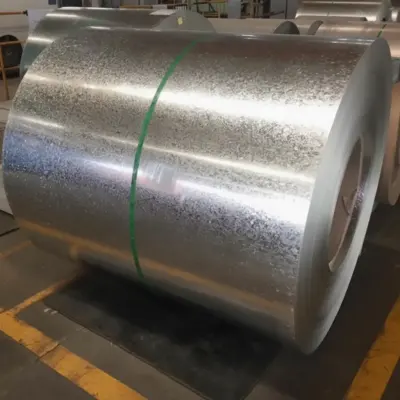
| Spangle Type | Zero Spangle, Minimized Spangle, Regular Spangle, Large Spangle |
| Surface Treatment | Chromated, Non-Chromated, Oiled, Dry, Anti-Fingerprint, Passivated |
| Surface Quality | Standard Surface, Improved Surface, Best Surface Quality |
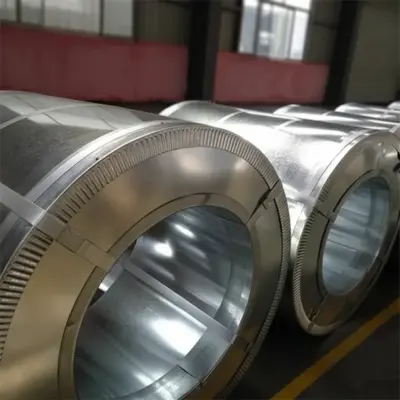
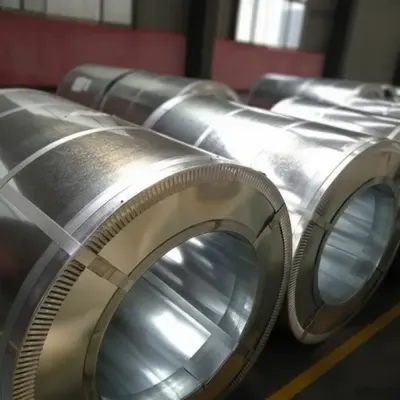
| Coil Inner Diameter | 508 mm or 610 mm |
| Coil Weight | 2–10 metric tons or according to customer requirements |
| Edge Condition | Mill Edge or Slit Edge |
| Yield Strength | Approximately 140–550 MPa, depending on grade |
| Tensile Strength | Approximately 270–650 MPa, depending on grade |
| Thickness Tolerance | According to applicable ASTM, EN, JIS, or GB standard |
| Width Tolerance | Typically ±2 mm or as agreed |
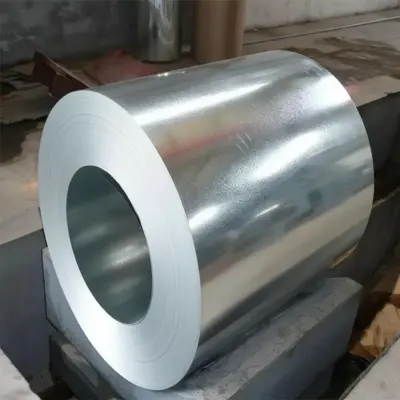
| Surface Appearance | Smooth, uniform zinc coating with strong corrosion resistance |
| Processing Services | Slitting, Cutting-to-Length, Forming, Profiling, and Custom Packaging |
| Typical Applications | Roofing, Wall Panels, HVAC Ducts, Automotive Parts, Home Appliances, Steel Structures, Silos, and General Fabrication |
| Packaging | Seaworthy export packing with waterproof paper, steel sheet protection, edge guards, and steel straps |
| Inspection Documents | Mill Test Certificate EN 10204 3.1; third-party inspection available upon request |
| Order Information | Specify standard, grade, thickness, width, zinc coating, spangle, surface treatment, coil ID, and coil weight |
Galvanized Steel Coil Manufacturer & Supplier | Factory Direct Price
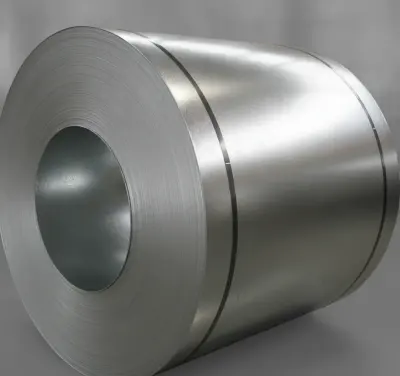
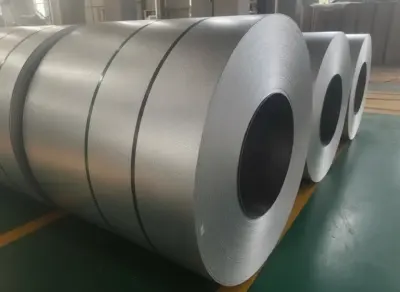
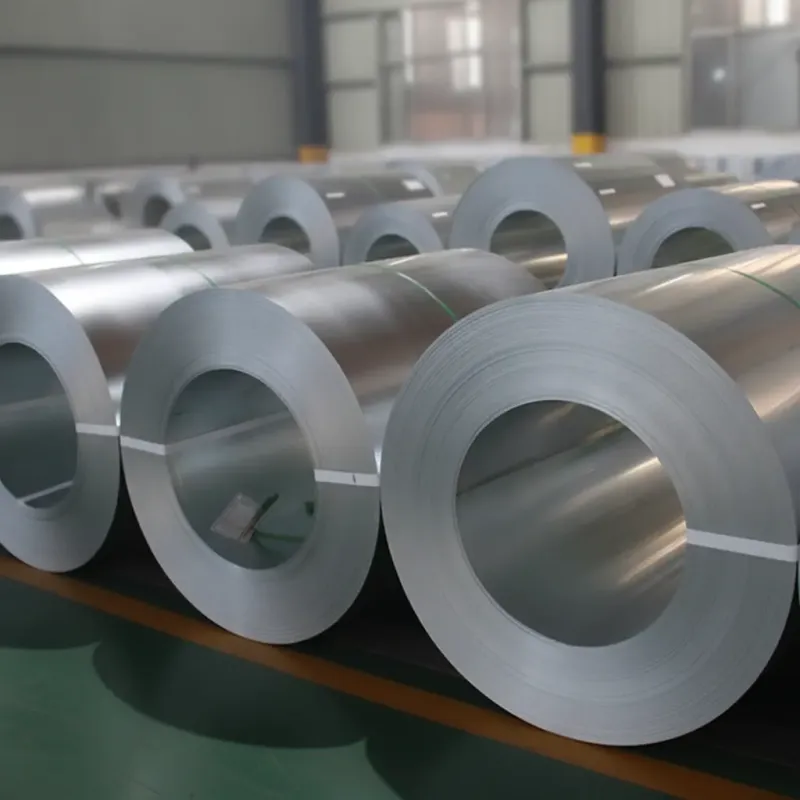
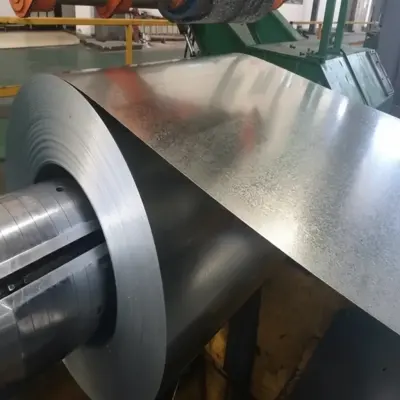
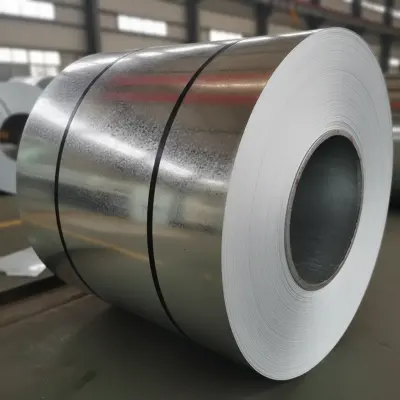
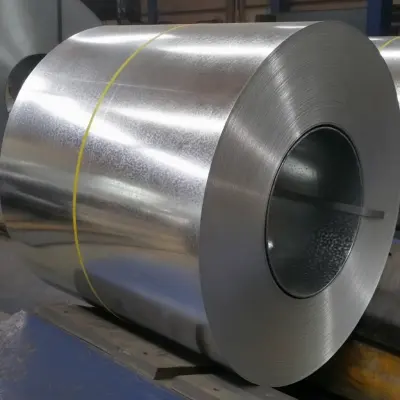
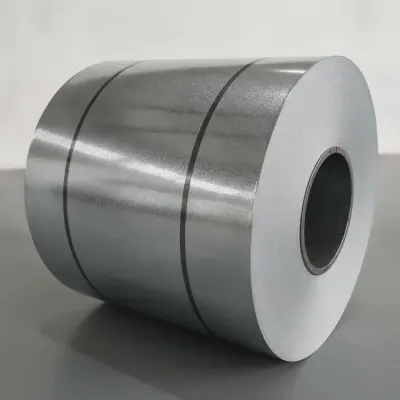
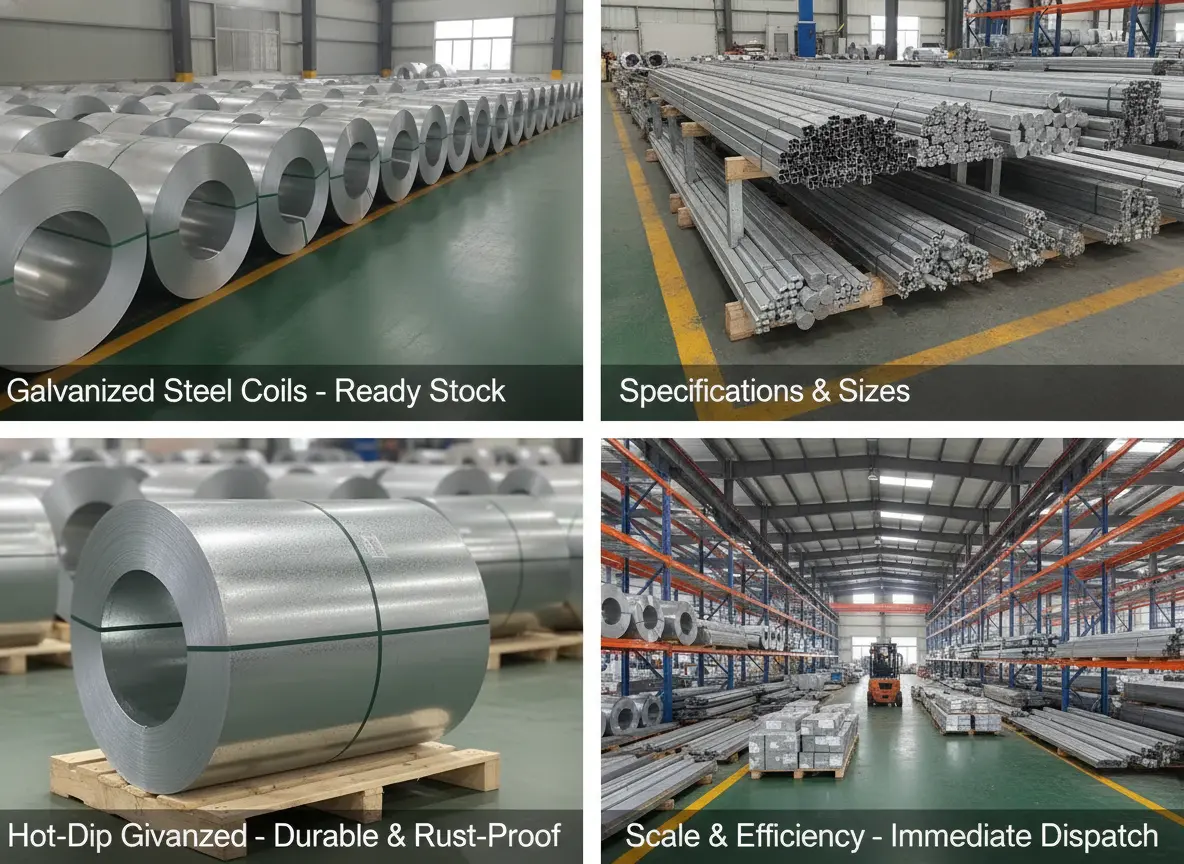
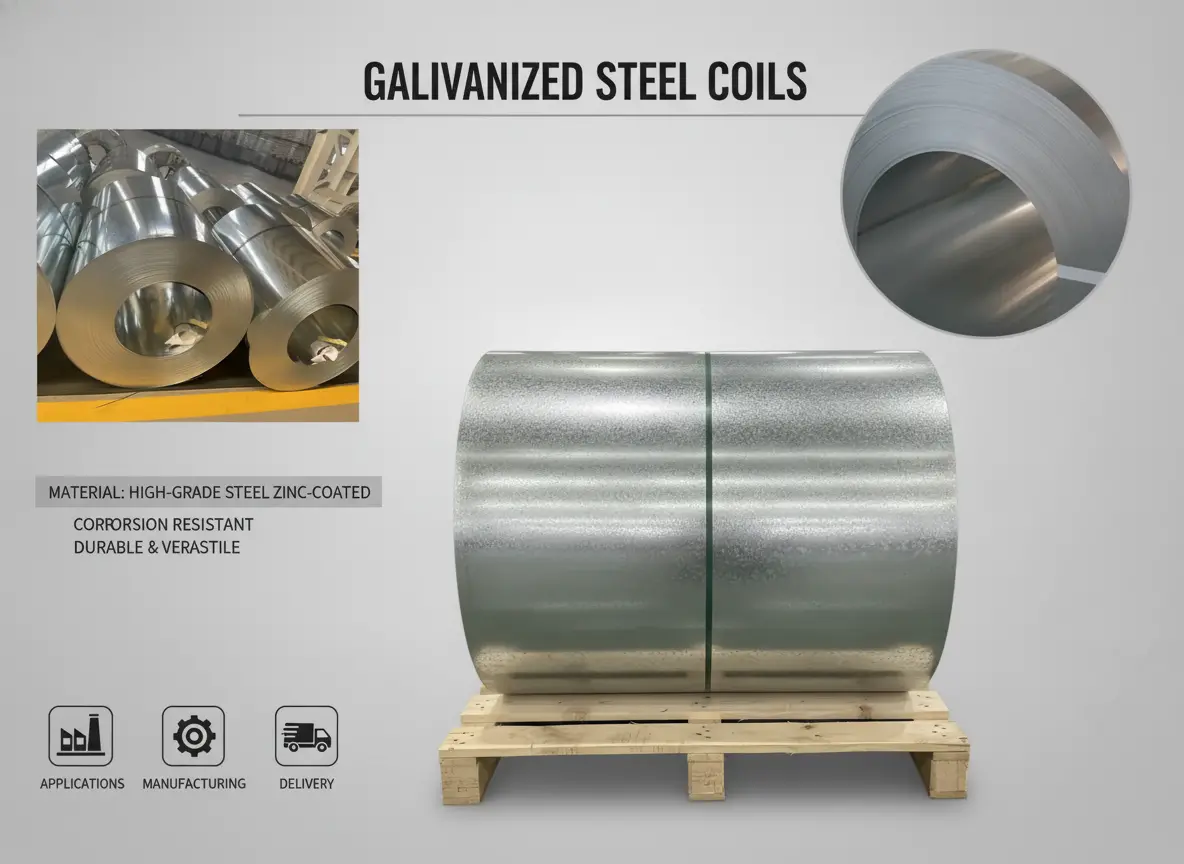
Galvanized steel coil is a zinc-coated flat steel product engineered to provide corrosion resistance, consistent formability, and efficient processing for industrial manufacturing. It is widely sourced by overseas distributors, construction-material importers, roofing producers, HVAC fabricators, appliance manufacturers, and metalworking companies. By combining a steel substrate with a continuous protective zinc coating, the product offers longer service life than uncoated carbon steel in many indoor and outdoor environments. International buyers can specify the substrate grade, thickness, width, zinc coating designation, surface finish, passivation, oiling, and coil dimensions according to their fabrication process and applicable market standards.
Galvanized Steel Coil Product Overview
Galvanized steel coil is produced by applying a protective zinc layer to cold-rolled or hot-rolled steel strip. In continuous hot-dip galvanizing, the prepared steel strip passes through a molten zinc bath, after which air knives control the coating mass and uniformity. The coated strip is then cooled, surface-treated, inspected, and rewound into coils for transportation and further processing.
The zinc layer protects the steel through both barrier protection and sacrificial action. If a small area of the coating is scratched, the surrounding zinc can help protect the exposed steel from premature corrosion. Actual service life depends on coating mass, atmospheric conditions, moisture, chemicals, installation details, and maintenance. For projects in coastal, industrial, or highly humid environments, purchasers should assess the required corrosion resistance instead of selecting a coating solely by unit price.
Common supply variables include base-metal grade, nominal thickness, coil width, zinc coating designation, regular or minimized spangle, skin-passed surface, chromated or chromium-free passivation, oiling, and edge condition. Coils may be supplied for general forming, structural use, deep drawing, or other applications when the corresponding grade and standard are stated in the purchase contract. Buyers comparing galvanized products with [[INTERNAL_LINK]] should also consider fabrication method, exposure conditions, appearance, and coating compatibility.
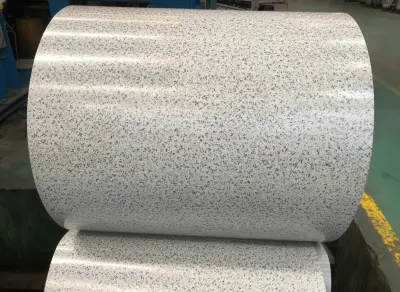
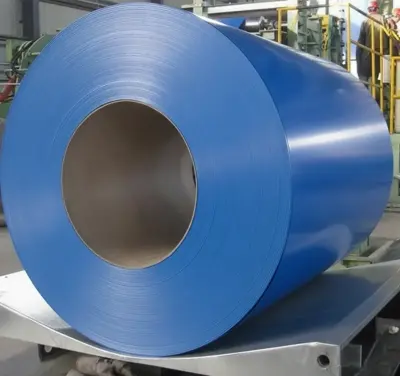
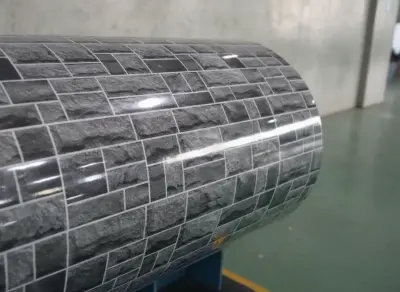
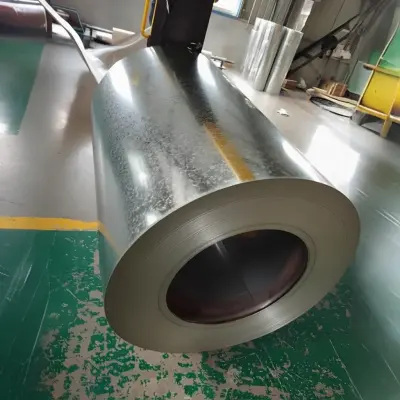
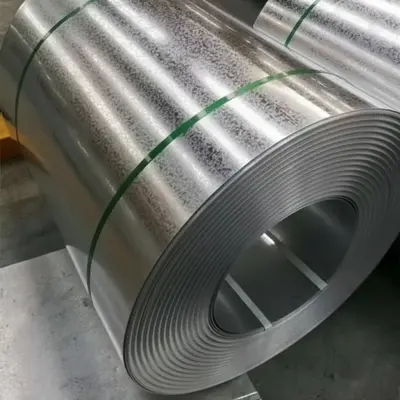
Surface appearance is an important commercial requirement. Regular spangle shows a visible zinc crystal pattern, while minimized or zero-spangle surfaces provide a more uniform appearance for painted, exposed, or appliance-related parts. Skin passing may improve flatness and surface consistency, but the correct finish should be agreed upon using samples or documented acceptance criteria. Galvanized steel coil can also serve as a metallic-coated substrate for downstream painting and profiling, subject to suitable pretreatment and paint-system compatibility.
Galvanized Steel Coil Specifications & Standards
Galvanized steel coil specifications should be tied to a recognized standard and a clearly identified grade. Relevant international standards include ASTM A653/A653M for steel sheet, zinc-coated or zinc-iron alloy-coated by the hot-dip process; EN 10346 for continuously hot-dip coated steel flat products for cold forming; JIS G 3302 for hot-dip zinc-coated steel sheet and strip; and GB/T 2518 for continuously hot-dip zinc-coated steel sheet and strip. The applicable edition, grade, coating designation, dimensional tolerance, and test requirements should appear on the purchase order.
| Specification Item | Available Selection Principle | Purchasing Note |
|---|---|---|
| Base steel | Cold-rolled or hot-rolled substrate, depending on grade and end use | Specify forming, structural, drawing, or general commercial requirements |
| Thickness | Selected according to load, forming process, and applicable tolerance standard | Clarify whether the ordered thickness includes or excludes the metallic coating |
| Width | Mill-width coil or slit width | State width tolerance, slit-edge condition, and burr limits where relevant |
| Zinc coating | Specified by coating designation or coating mass under the selected standard | Do not treat designations from different standards as automatically equivalent |
| Surface finish | Regular spangle, minimized spangle, or smoother processed surface where available | Use approved samples when appearance is critical |
| Surface treatment | Passivated, oiled, passivated and oiled, or another agreed treatment | Confirm environmental restrictions and downstream painting requirements |
| Coil configuration | Agreed coil weight, inside diameter, outside diameter, and winding direction | Match the receiving line, crane capacity, and uncoiler limits |
The standards use different grade systems and coating nomenclature. ASTM A653/A653M includes commercial, forming, drawing, and structural steel categories, while EN 10346 includes designations for cold-forming and structural applications. JIS G 3302 and GB/T 2518 have their own grade, coating, and dimensional provisions. A supplier should not substitute a supposedly similar grade without written buyer approval, especially when yield strength, elongation, bend performance, weldability, or surface appearance affects production.
| Standard | Primary Scope | Typical Purchase Information |
|---|---|---|
| ASTM A653/A653M | Hot-dip zinc-coated and zinc-iron alloy-coated steel sheet | Steel designation, coating designation, dimensions, surface treatment, and required tests |
| EN 10346 | Continuously hot-dip coated flat steel products for cold forming and structural use | Grade, coating symbol, coating mass, surface quality, finish, and treatment |
| JIS G 3302 | Hot-dip zinc-coated steel sheet and strip | Grade symbol, coating mass designation, dimensions, and surface requirements |
| GB/T 2518 | Continuously hot-dip zinc-coated steel sheet and strip | Grade, coating, dimensions, surface quality, treatment, and inspection requirements |
Chemical composition and mechanical properties are grade-dependent; therefore, one universal value cannot accurately describe every galvanized steel coil. The mill test certificate should report the applicable results or compliance information required by the ordered specification. For critical forming or structural parts, buyers should review yield strength, tensile strength, elongation, bend performance, and substrate chemistry against the selected standard rather than relying on a generic product description. Additional guidance on interpreting steel certificates is available through [[INTERNAL_LINK]].
Inspection may include dimensional measurement, coating mass testing, adhesion or bend evaluation, mechanical testing, and visual surface examination as required by the contract. Third-party inspection can be arranged when agreed before production. If coating thickness is measured with a handheld instrument, the method, calibration, number of readings, and acceptance basis should be defined because coating designations are commonly based on specified test procedures rather than a single spot reading.
Galvanized Steel Coil Applications
Galvanized steel coil supports a broad range of fabrication processes, including roll forming, bending, stamping, slitting, cutting, lock forming, and selected welding operations. The following applications are common, but the grade and coating should always be matched to the manufacturing process and service environment.
Roofing, Wall Cladding, and Rainwater Systems
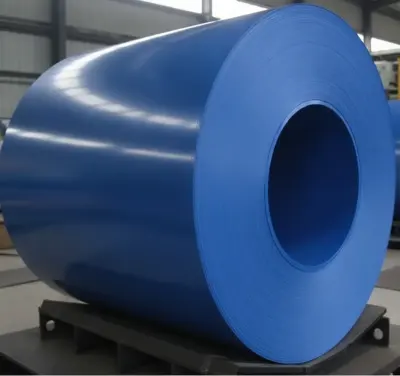
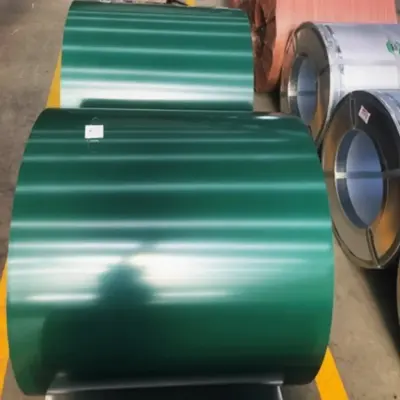
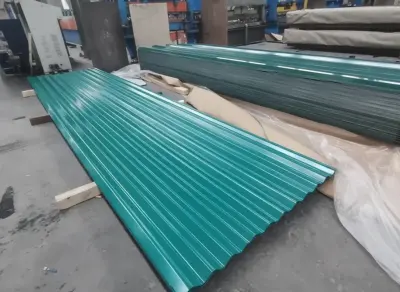
Profiled roofing sheets, wall panels, flashing, gutters, and downpipes frequently use galvanized feedstock because the zinc coating provides practical corrosion protection before and after forming. Roofing manufacturers should specify profile-forming performance, coating designation, width, and surface treatment. For pre-painted roofing products, buyers may compare galvanized substrate with [[INTERNAL_LINK]] according to the paint system and warranty requirements.
HVAC Ductwork and Ventilation Components
HVAC fabricators use galvanized steel coil for ducts, plenums, access panels, elbows, and equipment housings. Consistent thickness, flatness, coating adhesion, and slit-edge quality help reduce problems during lock forming and automated fabrication. The coil inside diameter and maximum coil weight must also fit the purchaser’s decoiling equipment.
Construction Framing and Light-Gauge Sections
Galvanized strip can be roll-formed into studs, tracks, purlins, channels, cable supports, and other light-gauge construction sections. Structural applications require an explicitly stated grade and verified mechanical properties. Engineers and purchasing teams should align the material specification with local design codes and the relevant product standard. Related cold-formed steel options can be reviewed at [[INTERNAL_LINK]].
Appliances, Cabinets, and General Fabrication
Selected grades and surface qualities are used for appliance components, electrical cabinets, shelving, enclosures, partitions, and metal furniture. These products may require tighter controls on surface appearance, flatness, formability, and oil residue. If the finished component will be powder-coated or wet-painted, pretreatment compatibility and trial production should be confirmed.
Automotive and Transport Components
Galvanized material may be used for selected brackets, panels, reinforcements, trailer components, and transport-related parts. Such applications often involve detailed requirements for forming, spot welding, coating consistency, and traceability. Buyers should provide drawings, process information, and approval requirements rather than ordering only by thickness and width. For applications requiring different corrosion or heat-resistance characteristics, [[INTERNAL_LINK]] may provide a more suitable comparison.
How to Choose Galvanized Steel Coil / Buying Guide
Galvanized steel coil purchasing begins with the finished component, not merely the coil price. Procurement managers should identify how the steel will be formed, what environment it will face, which standard governs acceptance, and what equipment will process the coil. A complete inquiry reduces quotation differences and helps prevent unsuitable substitutions.
First, specify the standard, grade, thickness, width, and tolerance. If a drawing calls for a particular strength or elongation range, include that requirement and request supporting inspection documents. For severe bending or drawing, discuss the forming radius, direction of bending, and fabrication trials with the supplier. General commercial material should not be assumed to perform like a drawing-grade or structural-grade product.
Second, select the zinc coating according to corrosion exposure and forming needs. A heavier coating may support longer corrosion protection in many environments, but it can also affect forming behavior, weld settings, surface texture, and cost. Buyers should compare coating designations within the same standard and evaluate real operating conditions. Guidance on zinc coating selection can be linked through [[INTERNAL_LINK]].
Third, define surface quality and post-treatment. State whether visible spangle is acceptable, whether a smoother skin-passed surface is required, and whether the material will be painted, bonded, welded, or left exposed. Passivation and oiling help protect coils during handling and storage, but they may influence downstream cleaning and coating processes. Requirements concerning restricted substances or chromium-free treatment should be included in the inquiry.
Fourth, request the appropriate documentation. Depending on the project and contract, this may include a mill test certificate, commercial invoice, packing list, certificate of origin, inspection report, or third-party inspection documentation. The required inspection certificate format should be agreed before production. A certificate confirms reported compliance; it does not replace incoming inspection or process validation at the buyer’s factory.
Fifth, confirm the minimum order quantity and production schedule. MOQ depends on the requested standard, grade, dimensions, coating, surface finish, and whether the order requires mill production, stock processing, or slitting. Lead time can also vary with raw-material availability, production scheduling, testing, packaging, and vessel arrangements. Buyers should communicate the required arrival date and allow time for inland transport, customs clearance, and port handling.
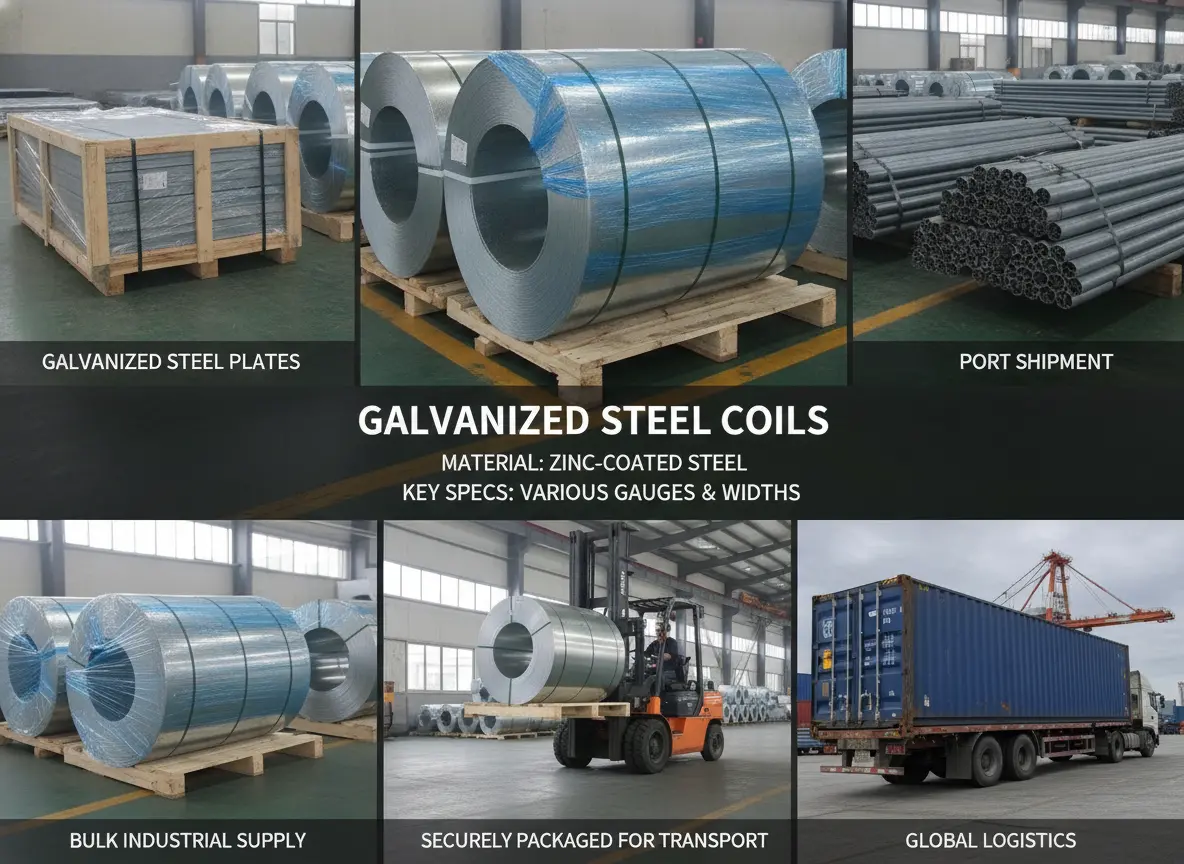
Finally, review export packaging and logistics. Galvanized surfaces can suffer from moisture-related staining if coils are exposed to condensation or trapped water. Export packing may include protective wrapping, edge protection, steel bands, identification labels, and a suitable skid or eye orientation, subject to the agreed shipping method. Coil weight and dimensions must comply with container payload limits, lifting equipment, warehouse capacity, and local transport rules. More information about coil handling and storage is available at [[INTERNAL_LINK]].
Galvanized Steel Coil Frequently Asked Questions
Q: What is the difference between galvanized steel coil and cold-rolled steel coil?
A: Cold-rolled steel coil is an uncoated flat steel product with controlled dimensions and surface characteristics. Galvanized steel coil normally uses a prepared steel substrate with a zinc coating applied for corrosion protection. Cold-rolled steel may be preferable when the buyer needs an uncoated surface for a particular finishing process, while galvanized material is commonly selected when improved corrosion resistance is required. The correct choice depends on forming, welding, painting, appearance, and service exposure. See [[INTERNAL_LINK]] for a broader comparison of coated and uncoated coils.
Q: Which international standard should I specify for galvanized steel coil?
A: Common options include ASTM A653/A653M, EN 10346, JIS G 3302, and GB/T 2518. The appropriate standard usually depends on the destination market, engineering specification, customer approval system, and end use. These standards are not interchangeable in every detail. State the exact standard, edition if required, grade, coating designation, dimensions, surface condition, and inspection documentation on the purchase order.
Q: How do I choose the correct zinc coating designation?
A: Consider the installation environment, target service life, exposure to moisture or pollutants, forming severity, painting requirements, and budget. Coating designations under ASTM, EN, JIS, and GB/T systems use different terminology and test rules, so buyers should avoid informal one-to-one conversions. For a critical project, provide the engineering requirement and request a technical review before confirming the order.
Q: Can you provide a mill test certificate and third-party inspection?
A: Mill test documentation can be supplied according to the agreed standard, grade, and contract requirements. The exact certificate content should be confirmed during quotation because reporting practices vary by product and supply route. Independent inspection by an agreed organization may also be arranged before shipment when specified in advance. The buyer should define the inspection scope, sampling plan, acceptance criteria, and responsibility for inspection costs.
Q: What is the minimum order quantity for galvanized steel coil?
A: There is no single MOQ that applies to every specification. The minimum quantity depends on whether the required grade, thickness, width, coating, and finish are available from stock or require a dedicated production campaign. Slit coils and uncommon combinations may have different quantity conditions. Send a detailed specification and required quantity so the supplier can confirm a commercially workable production or stock solution.
Q: What payment methods are available for international orders?
A: Payment terms are negotiated according to order value, destination, production arrangement, credit assessment, and transaction history. Common international trade methods may include telegraphic transfer or letter of credit, subject to contractual agreement. Buyers should confirm the beneficiary details through an established verification process and ensure that payment terms, document requirements, and banking charges are clearly written into the sales contract.
Q: How long is the production and delivery lead time?
A: Lead time depends on material availability, specification complexity, order quantity, mill schedule, slitting or other processing, inspection, packaging, and shipping arrangements. Transit time also varies by route and carrier schedule. A reliable delivery estimate can only be issued after the full specification, quantity, destination, and requested shipment date are reviewed. Buyers planning project deliveries should include reasonable time for customs and inland transportation.
Q: Can galvanized steel coil be painted or powder-coated?
A: Yes, but successful coating requires compatible surface treatment, proper cleaning or pretreatment, and a paint system designed for zinc-coated steel. Oiled or passivated surfaces may require additional preparation. Adhesion should be validated through sample panels or a production trial, particularly for demanding outdoor, architectural, or appliance applications. Consult the coating supplier’s technical instructions before mass production.
Q: How should galvanized steel coils be stored after delivery?
A: Store coils in a dry, covered, well-ventilated area and protect them from rain, condensation, ground moisture, and sudden temperature changes. Water trapped between closely contacting surfaces can cause wet-storage staining. Keep packaging intact until processing where practical, inspect any damaged wrapping promptly, and use lifting equipment suitable for the coil weight and orientation. Detailed warehouse practices can be found through [[INTERNAL_LINK]].
Q: What information is required for an accurate quotation?
A: Provide the applicable standard and grade, nominal thickness, width, zinc coating designation, surface finish, treatment, coil inside diameter, preferred coil weight, total quantity, destination, packaging requirements, inspection documents, and target delivery date. If the material is intended for drawing, structural use, visible parts, welding, or painting, include that information as well. A drawing or end-use description can help identify requirements that are not obvious from basic dimensions.
Send your galvanized steel coil specification, required quantity, destination, and application details to request a technical review and export quotation. Our supply team can evaluate the selected standard, grade, coating, dimensions, documentation, packing, and delivery requirements before confirming a factory-direct offer.
Ratings & Reviews

Know your supplier
Supplier's customization ability
- Drawing-based customization
- Sample-based customization
- Full customization
Minimum order quantity: 1 ton
Shipping total: To be negotiated
- Lead time:
- confirmed with the quotation
- Packaging:
- standard export packing
- Samples:
- available on request