 English
 Español
 Français
 Deutsch
 Português (Brasil)
 Русский
 العربية

Aerospace Specialty Fiber For High-Performance Applications
 China




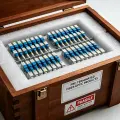
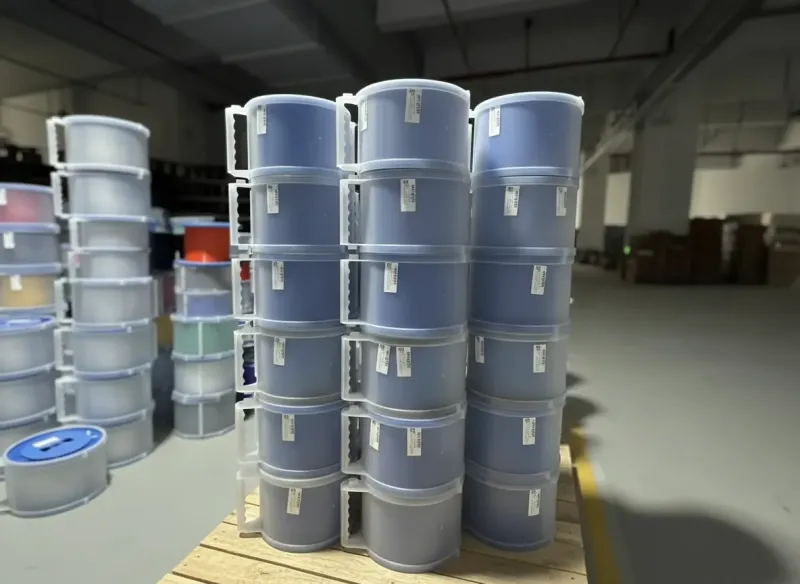
Supplier's customization ability
- Drawing-based customization
- Sample-based customization
- Full customization
Minimum order quantity: 1 kilometers
Shipping total: To be negotiated
- Lead time:
- confirmed with the quotation
- Packaging:
- standard export packing
- Samples:
- available on request
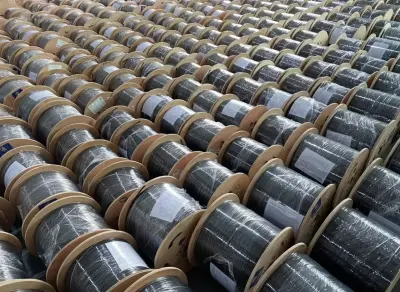
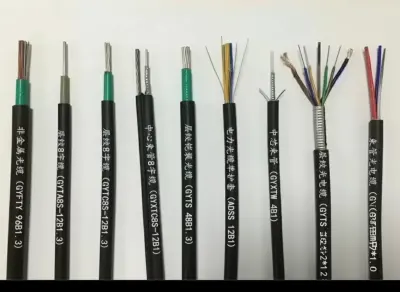

Product details
Technical Specifications of Aerospace Specialty Fiber
| Property | Parameter | Description |
|---|---|---|
| Optical Fiber Product Name | Aerospace Specialty Fiber | High-performance specialty optical fiber engineered for aerospace and defense applications |
| Fiber Grade & ITU-T Classification | Aerospace Grade / MIL-PRF-49291 Compliant | Meets military and aerospace qualification standards; compatible with ITU-T G.652/G.657 reference benchmarks |
| Core & Cladding Diameter Range | Core: 8–62.5 μm; Cladding: 125 ± 0.7 μm | Tight-tolerance geometry for single-mode and multimode aerospace variants; hermetic coating available |
| Attenuation Coefficient at 1310 nm | ≤ 0.35 dB/km | Low-loss transmission at 1310 nm wavelength under aerospace thermal cycling conditions |
| Attenuation Coefficient at 1550 nm | ≤ 0.20 dB/km | Optimized for long-haul avionics data links and satellite communication systems |
| Macrobending Loss Performance | ≤ 0.10 dB at R = 15 mm (100 turns, 1550 nm) | Enhanced bend-insensitive design for tight routing in aircraft fuselage and spacecraft harnesses |
| Chromatic Dispersion Coefficient | ≤ 18 ps/(nm·km) at 1550 nm | Dispersion-shifted or dispersion-flattened profiles available for high-speed avionics data buses |
| Batch Qualification Rate | ≥ 99.5% | 100% proof-test screening at ≥ 100 kpsi; full traceability documentation per batch |
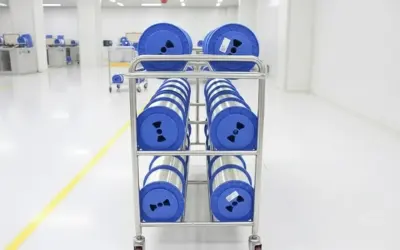
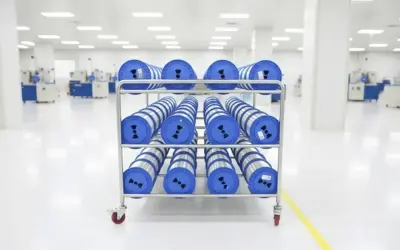
| Manufacturing Environment Standards | ISO Class 5 (ISO 14644-1) Cleanroom | Controlled particulate and humidity environment; ESD-protected production lines for aerospace-grade consistency |
| Core Raw Material Source | Ultra-high-purity synthetic silica (SiO₂ ≥ 99.9999%) | Radiation-hardened and hydrogen-darkening-resistant preform; sourced from qualified aerospace-grade suppliers |
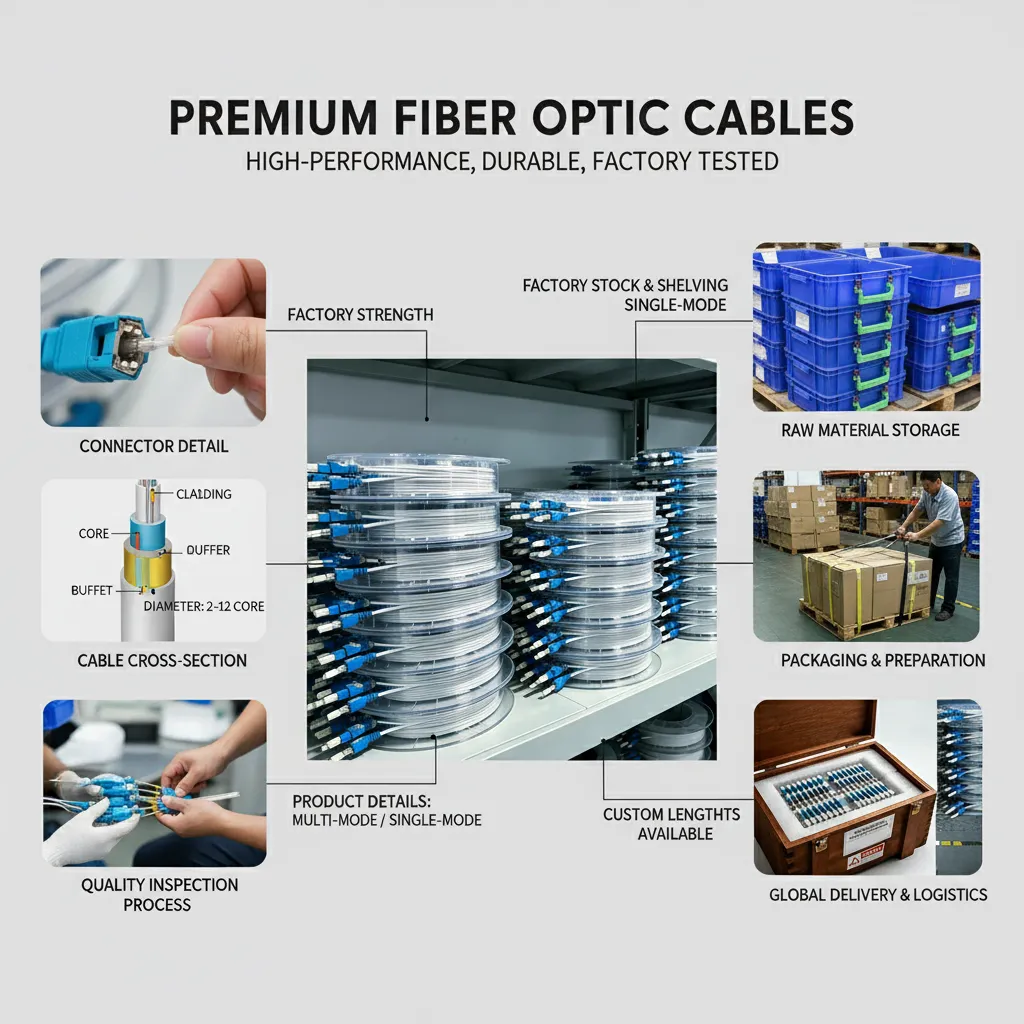
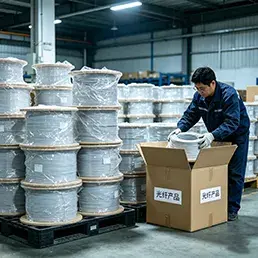
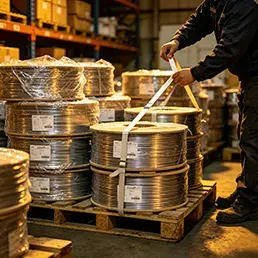
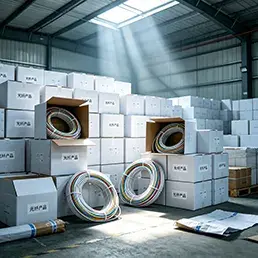
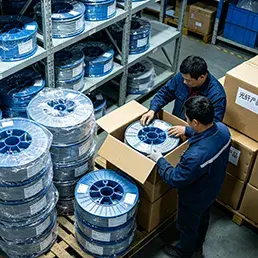
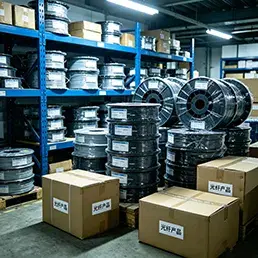
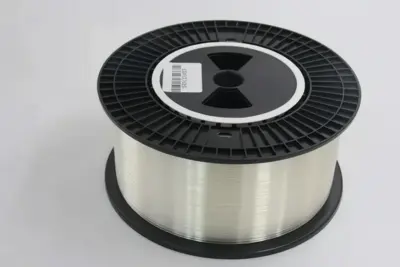
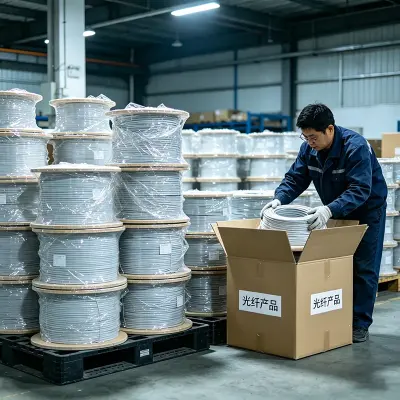
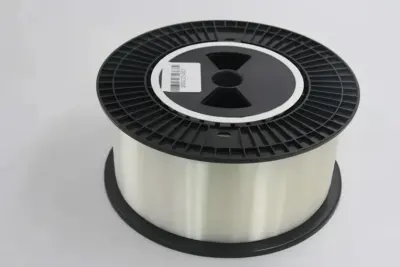
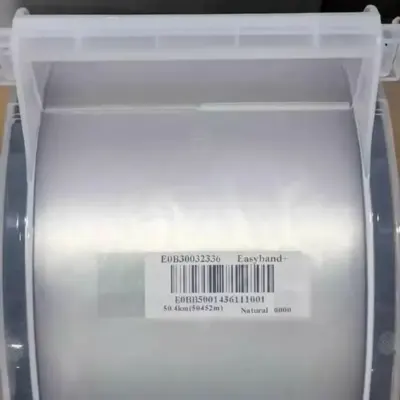
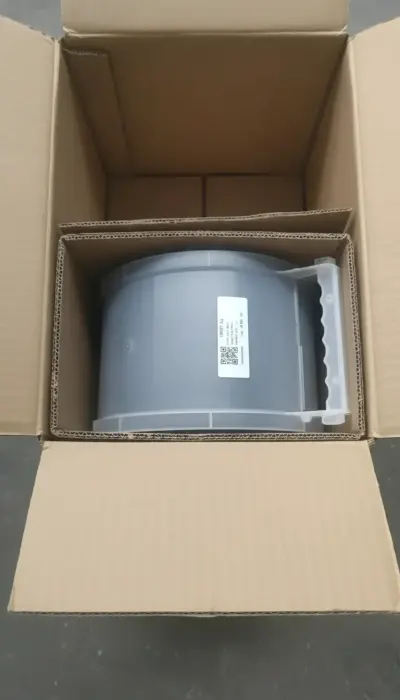
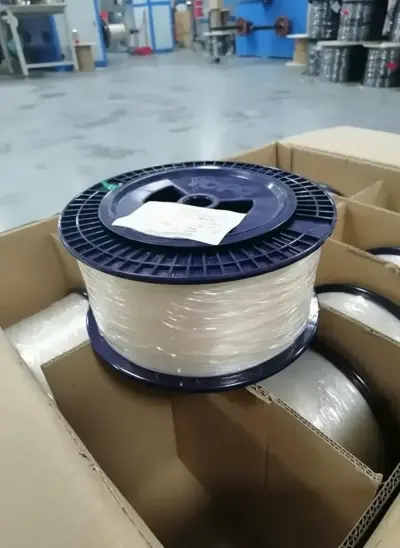
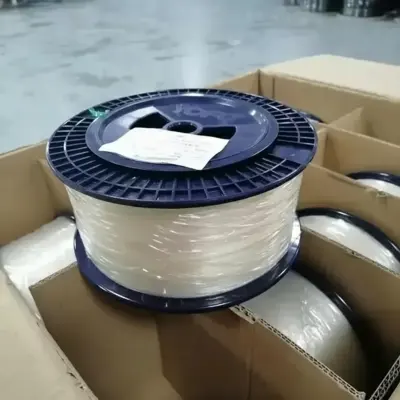
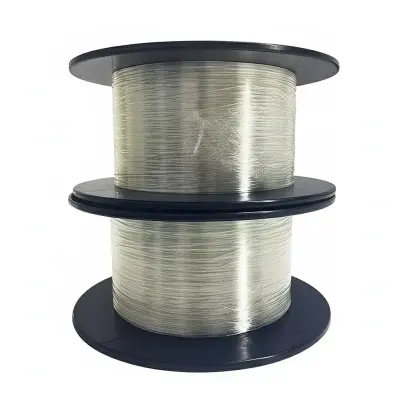
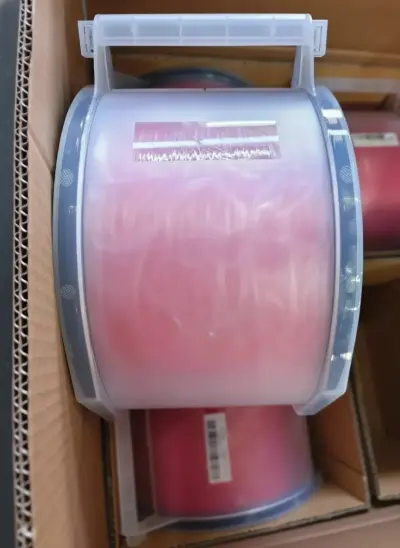
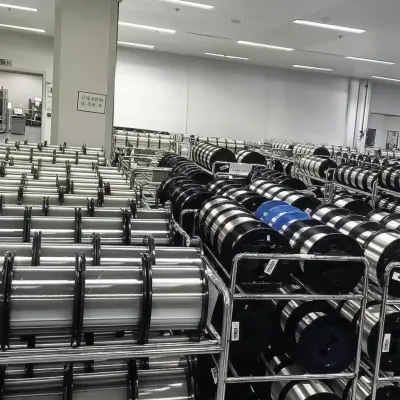
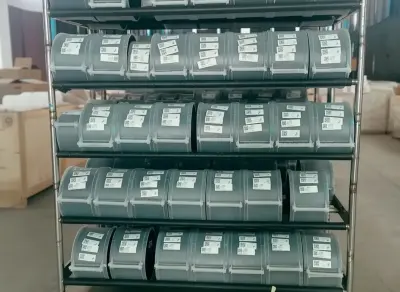
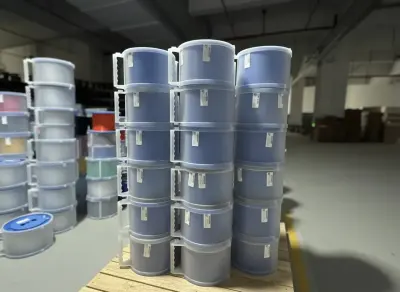
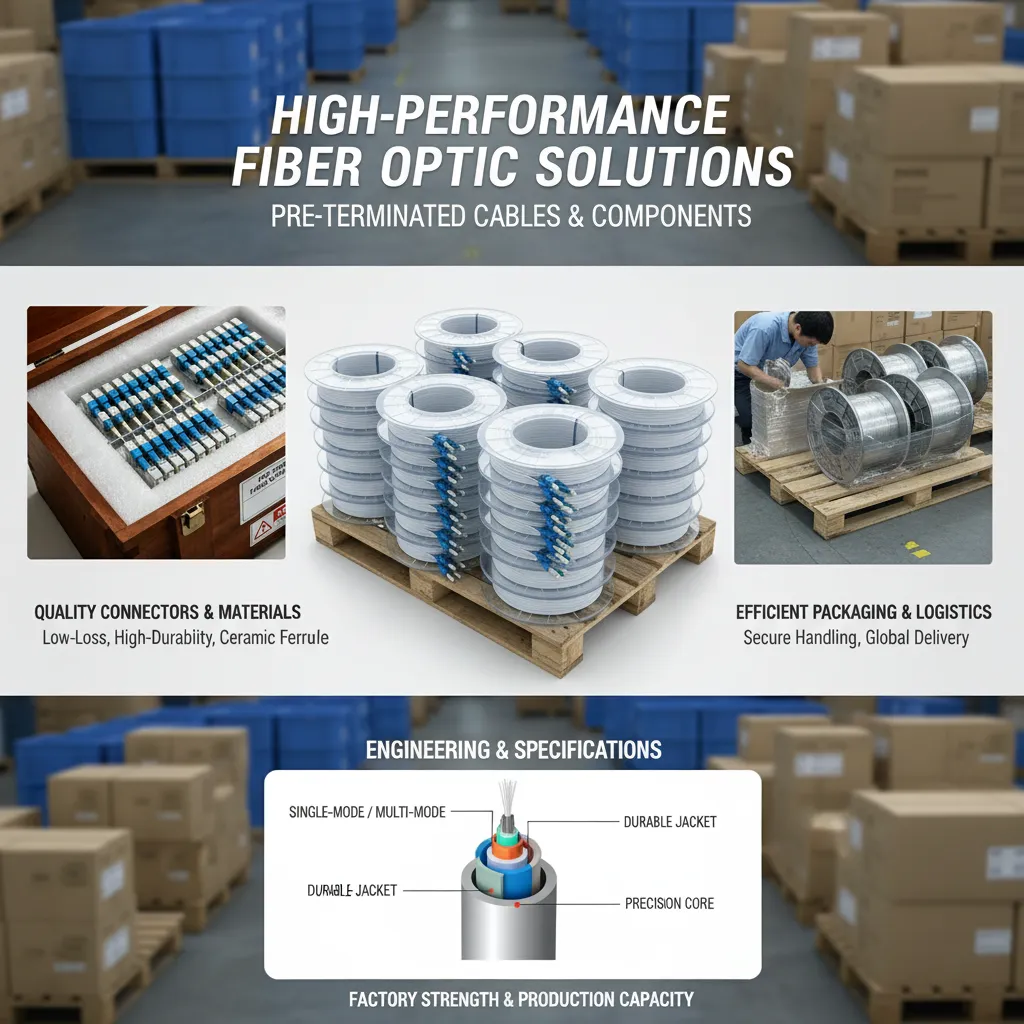
| Packaging Specification | Wooden drum or Al-alloy spool; 1 km / 2 km / 5 km per reel | Anti-static, moisture-barrier sealed packaging; shock-resistant for air freight and military logistics |
| Storage Conditions | Temperature: -40°C to +85°C; Humidity: ≤ 60% RH | Store away from UV exposure and corrosive gases; hermetic-coated variants tolerate H₂-rich environments |
| Valid Shelf Life | ≥ 25 years (hermetic coating); ≥ 20 years (standard acrylate) | Validated per MIL-STD-810 accelerated aging protocols; fatigue life tested to n = 20 stress corrosion parameter |
| Application Scenarios | Avionics, satellite payloads, UAV data links, space launch vehicles, military fiber-optic gyroscopes (FOG) | Suitable for fly-by-light systems, inertial navigation, high-radiation orbital environments, and hypersonic platforms |
| Compliance & Certification | MIL-PRF-49291, IEC 60793-2, AS9100D, RoHS 2.0, REACH | Full qualification test reports available; ITAR-compliant export documentation supported upon request |
| Minimum Order Quantity (MOQ) | 5 km (single-mode); 2 km (specialty/polarization-maintaining) | Custom short-length qualification samples available for aerospace program qualification phases |
| Monthly Supply Capacity | 500,000 km/month (standard); 50,000 km/month (PM/specialty) | Dedicated aerospace production lines with priority scheduling for defense and space program contracts |
Aerospace Specialty Fiber For High-Performance Applications
Aerospace specialty fiber represents one of the most advanced categories of optical and structural fiber technologies available in the modern industrial market, engineered specifically to meet the extreme demands of aviation, satellite systems, defense platforms, and space exploration missions. As global aerospace programs push the boundaries of altitude, speed, and environmental endurance, the need for high-performance specialty fiber solutions has never been greater. These fibers deliver exceptional signal integrity, mechanical resilience, and thermal stability across mission-critical communication, sensing, and structural monitoring systems. From fly-by-wire aircraft networks to satellite telemetry links and unmanned aerial vehicle (UAV) guidance systems, aerospace-grade specialty fiber serves as the backbone of reliable, lightweight, and interference-resistant data transmission infrastructure. Leading aerospace OEMs, system integrators, and defense contractors worldwide rely on precision-manufactured specialty fiber to ensure operational safety, reduce onboard weight, and maintain signal fidelity under the harshest conditions imaginable, making it an indispensable component in next-generation aerospace design and deployment.
What is Aerospace Specialty Fiber?
Aerospace specialty fiber refers to a class of high-performance optical or structural fiber specifically engineered to operate reliably within the demanding environmental conditions of aerospace applications. Compliant with MIL-SPEC, DO-160, and AS9100 aerospace quality standards, these fibers are designed to withstand extreme temperature cycling, radiation exposure, high vibration, and mechanical stress. Core variants include radiation-hardened single-mode fiber, polarization-maintaining (PM) fiber, and high-temperature multimode fiber, each tailored for specific aerospace subsystem requirements.
Aerospace Specialty Fiber Manufacturing and Production Process
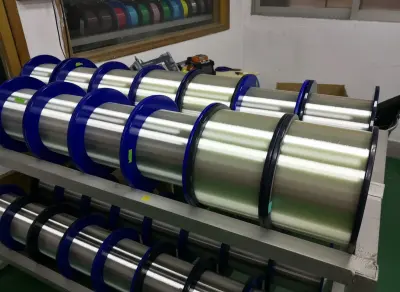
The production of aerospace specialty fiber is conducted in ISO Class 5 cleanroom environments using advanced modified chemical vapor deposition (MCVD) and outside vapor deposition (OVD) processes. Preform geometry, dopant concentration, and coating application are precisely controlled to achieve radiation-hardened and thermally stable profiles. Each batch undergoes rigorous proof testing, attenuation measurement, and environmental simulation screening, with full traceability documentation to meet AS9100 Rev D and MIL-PRF-49291 compliance requirements before delivery.
Aerospace Specialty Fiber Technical Specifications
Typical aerospace specialty fiber parameters include operating temperature ranges from -65°C to +300°C, attenuation values as low as 0.35 dB/km at 1310 nm and 0.20 dB/km at 1550 nm for single-mode variants, and numerical apertures (NA) of 0.12–0.22 for multimode configurations. Polarization-maintaining fiber achieves extinction ratios exceeding 30 dB. Radiation-hardened grades maintain attenuation increase below 0.5 dB/m at 10 kGy total dose. Fiber diameters are available in 125 µm cladding standard, with custom polyimide or acrylate coatings for enhanced chemical and thermal resistance.
Get a Competitive Quote for Aerospace Specialty Fiber
Partner with a trusted aerospace specialty fiber supplier to secure reliable inventory, certified documentation, and competitive wholesale pricing for your next program. We support global aerospace contractors with flexible MOQs, expedited shipping, and full compliance packages tailored to your project timeline and technical requirements.
- 24/7 expert optical communication engineer support
- Full ITU-T, ISO, RoHS compliance guarantee for all batches
- Exclusive wholesale discounts for bulk telecom, FTTH and data center orders
- Complete technical data sheets and on-site deployment guidance included
Contact us today to get your free quote and full specification sheet within 24 hours!