 English
 Español
 Français
 Deutsch
 Português (Brasil)
 Русский
 العربية

Aluminum Magnesium Manganese Color Coated Steel Coil
 China



Supplier's customization ability
- Drawing-based customization
- Sample-based customization
- Full customization
Minimum order quantity: 1 ton
Shipping total: To be negotiated
- Lead time:
- confirmed with the quotation
- Packaging:
- standard export packing
- Samples:
- available on request

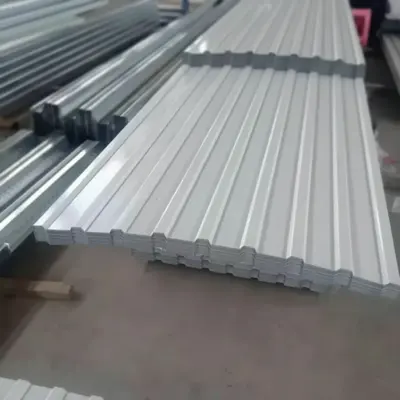
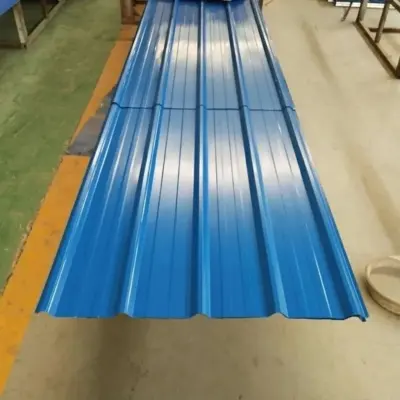
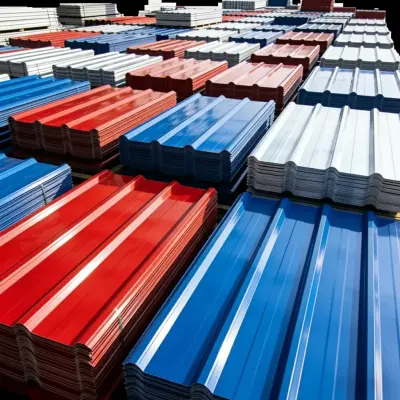
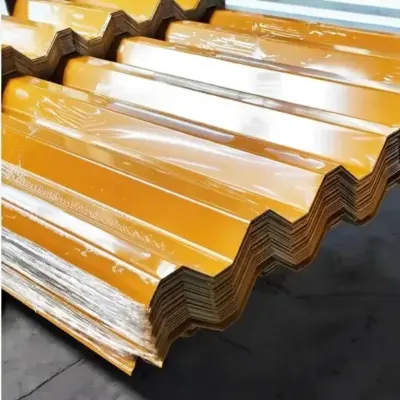
Product details
Technical Specifications of Aluminum Magnesium Manganese Color Coated Steel
| Property | Parameter | Description |
|---|---|---|
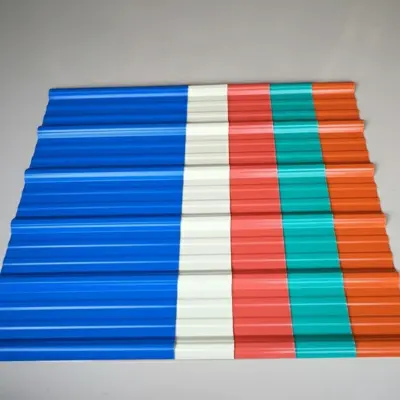
| Product Name | Aluminum Magnesium Manganese Color Coated Steel | Color-coated aluminum-magnesium-manganese roofing and cladding sheet |
| Material Grade | EN AW-3004/3005-H44; ASTM 3004/3005-H44 | International equivalent aluminum alloy grades suitable for architectural applications |
| Standard Compliance | ASTM B209, EN 485, EN 1396, GB/T 3880.1 | Applicable standards depend on alloy grade, temper, coating system and project requirements |
| Chemical Composition | Mn: 1.0–1.5%; Mg: 0.8–1.3%; Cu: 0.05–0.25%; Fe: ≤0.70%; Si: ≤0.30%; Zn: ≤0.25% | Typical composition range for 3004-series aluminum alloy; exact limits shall follow the selected material standard |
| Tensile Strength | 180–220 MPa | Typical value for H44 temper, subject to ASTM B209 or EN 485-2 requirements |
| Yield Strength | 150–190 MPa | Typical 0.2% proof strength for H44 temper |
| Elongation | 4–8% | Typical elongation range depending on thickness and temper |
| Thickness Range | 0.50–1.50 mm | Common thickness range for roofing, façade and decorative cladding panels |
| Width Range | 600–1,500 mm | Available in standard or customized widths according to forming equipment and project design |
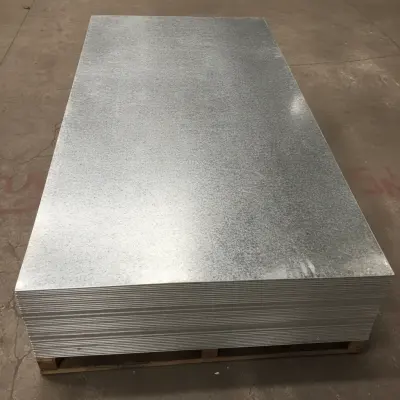
| Length Range | 1,000–6,000 mm | Cut-to-length sheets are available; coil supply can also be specified |
| Surface Finish | PVDF, HDP or PE color coating | Coated surface with uniform color, corrosion resistance and weathering performance |
| Coating Thickness | 20–35 μm | Typical total dry film thickness; final specification depends on coating type and application environment |
| Color Options | RAL colors, metallic colors and customized colors | Color matching can be arranged according to approved samples or project color codes |
| Application | Roofing panels, wall cladding, curtain walls, gutters, canopies and architectural façades | Suitable for lightweight, corrosion-resistant and visually consistent building envelopes |
| Formability | Good roll-forming and bending performance | Recommended forming radius depends on alloy temper, thickness and coating system |
| Surface Protection | Protective film and moisture-resistant interleaving paper | Helps reduce scratching, friction and moisture damage during transportation and storage |
| Packaging | Export seaworthy packaging with steel or wooden pallets | Coils or sheets are secured with edge protection, waterproof wrapping and steel strapping |
| MOQ | 5 metric tons | Minimum order quantity may vary according to alloy grade, color, coating system and dimensions |
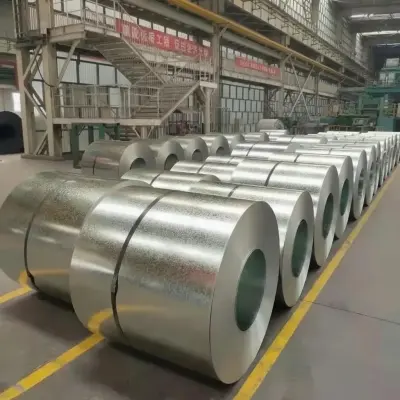
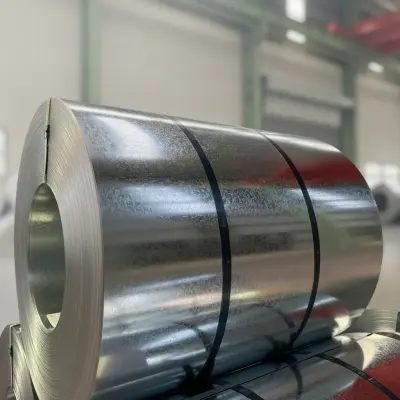
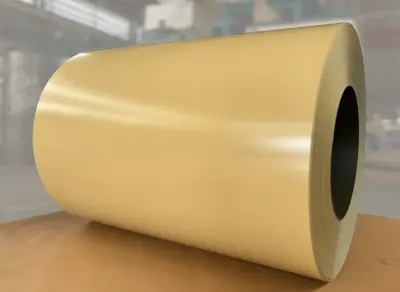
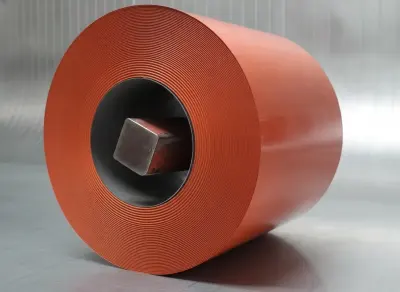
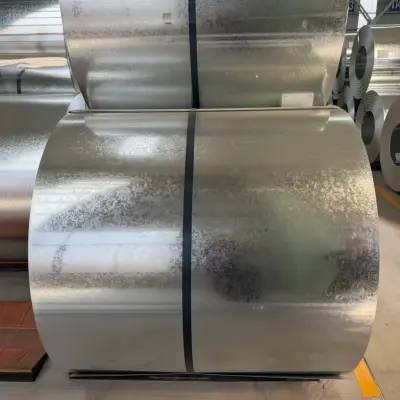
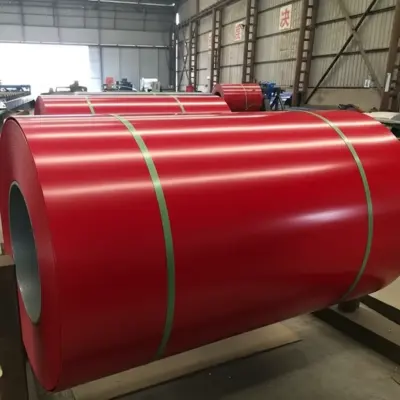
Aluminum Magnesium Manganese Color Coated Steel Coil
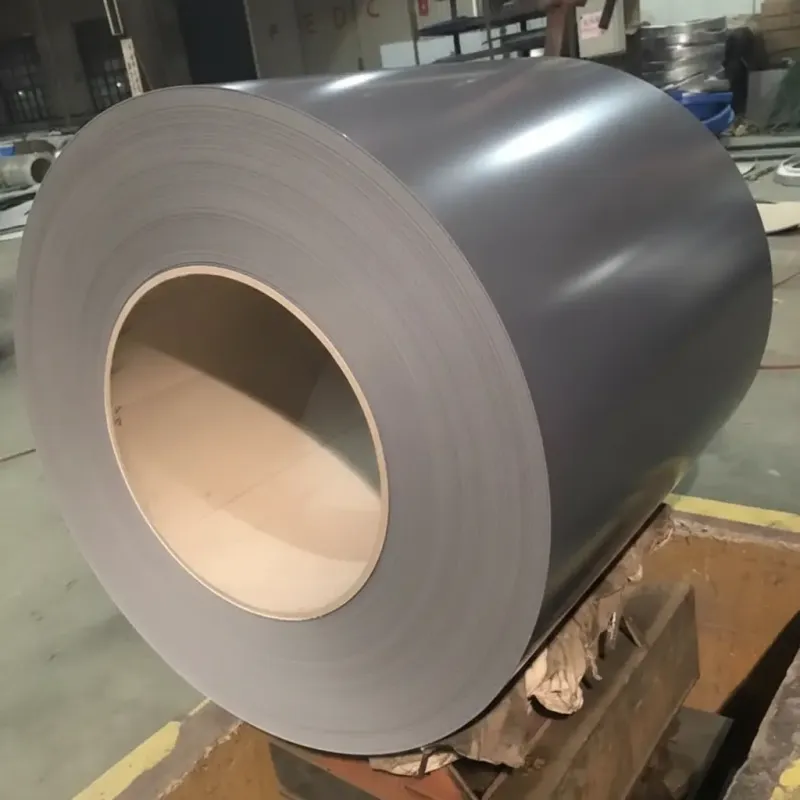
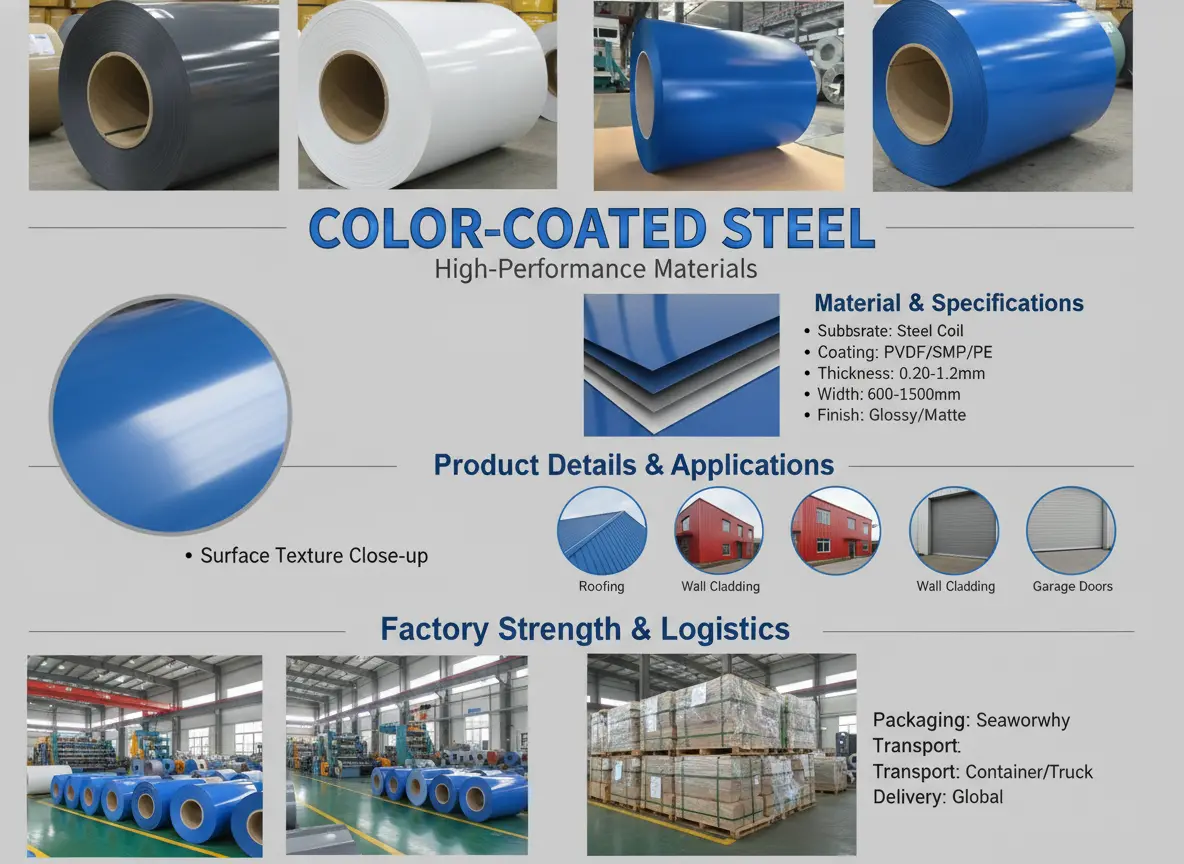
Aluminum Magnesium Manganese Color Coated Steel is a prefinished metal product developed for roofing, cladding, fabricated panels, and other corrosion-sensitive applications. It is intended for overseas distributors, building-material importers, roll-forming companies, contractors, and OEM manufacturers that need a formable steel substrate with a protective metallic layer and factory-applied organic paint. Its main procurement value lies in combining structural strength, corrosion protection, consistent appearance, and production-ready coil supply. Because this commercial product name can describe different coating systems, buyers should confirm the substrate grade, metallic coating composition, paint system, dimensions, and applicable inspection standard before placing an order.
Product Overview: Aluminum Magnesium Manganese Color Coated Steel
Aluminum Magnesium Manganese Color Coated Steel generally consists of a cold-rolled steel substrate, a corrosion-resistant metallic coating containing specified alloying elements, chemical pretreatment, primer, and one or more finish coats. The steel core provides strength and processing stability, while the metallic and organic layers protect the surface from moisture, pollutants, and normal atmospheric exposure.
The phrase “aluminum magnesium manganese” is not, by itself, a universal grade designation. Depending on the manufacturer and market, it may refer to a proprietary alloy-coated steel system, a zinc-aluminum-magnesium coated substrate, or terminology associated with coated architectural metal. Manganese may be part of the steel or alloy specification rather than a separately declared surface-coating component. Importers should therefore request the coating designation and certified composition instead of relying only on the commercial name. Guidance on related metallic coatings is available through [[INTERNAL_LINK]].
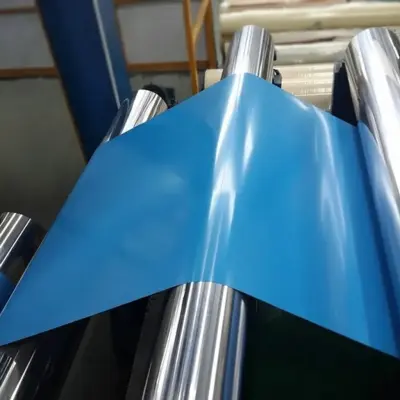
Typical product characteristics include continuous coil production, controlled coating thickness, good roll-forming capability, uniform color, and compatibility with cutting, slitting, bending, profiling, and panel fabrication. Surface finishes may include smooth, textured, matte, or embossed appearances where production capability permits. Common paint families include polyester, silicone-modified polyester, polyurethane, and PVDF, but actual availability and suitability must be confirmed for each project. See [[INTERNAL_LINK]] for a comparison of color-coated steel paint systems.
Aluminum Magnesium Manganese Color Coated Steel Specifications & Standards
Specifications should be agreed in the purchase contract because dimensions, coating mass, paint thickness, gloss, color tolerance, and mechanical properties depend on the selected substrate and end use. The following table presents the information normally required for an Aluminum Magnesium Manganese Color Coated Steel inquiry; it does not imply fixed stock ranges.
| Specification Item | Procurement Requirement | Why It Matters |
|---|---|---|
| Product form | Coil, slit coil, sheet, or profiled product | Determines packing, processing, and freight planning |
| Base metal | Steel grade and applicable substrate standard | Controls strength, elongation, and forming behavior |
| Metallic coating | Coating type, designation, and coating mass | Defines corrosion protection and specification compliance |
| Dimensions | Ordered thickness, width, coil weight, and tolerances | Must match the roll-forming or fabrication line |
| Paint system | Primer, topcoat, back coat, and nominal dry-film thickness | Affects durability, adhesion, chemical resistance, and cost |
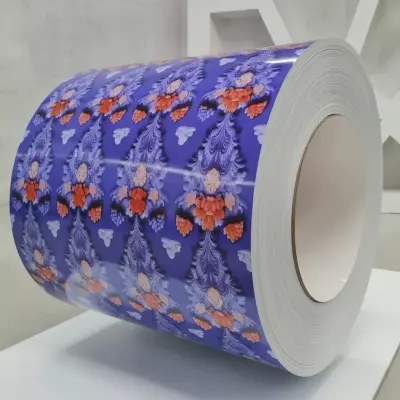
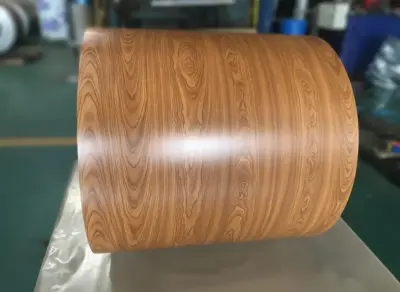
| Surface | Color code or approved sample, gloss, texture, and protective film | Controls architectural appearance and handling protection |
| Coil details | Inside diameter, maximum outside diameter, and weight limit | Ensures compatibility with decoilers and lifting equipment |
| Testing | Mechanical, coating, paint, color, and dimensional inspection | Provides objective acceptance criteria |
Relevant standards depend on the actual coating system. ASTM A755/A755M covers steel sheet metallic-coated by the hot-dip process and prepainted by the coil-coating process for exterior exposed building products. ASTM A1046/A1046M applies to steel sheet with zinc-aluminum-magnesium alloy coating, while ASTM A792/A792M applies to 55% aluminum-zinc alloy-coated steel sheet when that substrate is specified.
For European orders, EN 10346 covers continuously hot-dip-coated steel flat products, including designated zinc-magnesium coating systems, and EN 10169 specifies organically coated steel flat products. JIS G 3322 applies to prepainted 55% aluminum-zinc alloy-coated steel sheet and strip. GB/T 12754 covers prepainted steel sheet and strip, while the relevant metallic-coated substrate standard should also be stated. Buyers can review further standard-selection guidance at [[INTERNAL_LINK]].
Certificates should report the ordered grade, coating designation, dimensions, test results, and traceable coil or batch identity. No chemical or mechanical values should be assumed without an agreed grade because yield strength, tensile strength, elongation, and alloy composition vary by specification.
Applications of Aluminum Magnesium Manganese Color Coated Steel
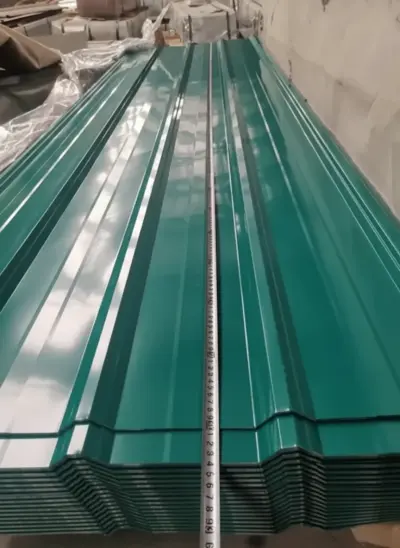
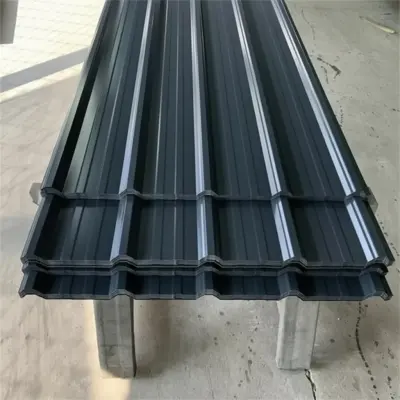
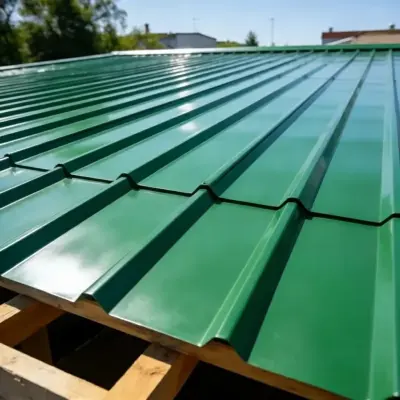
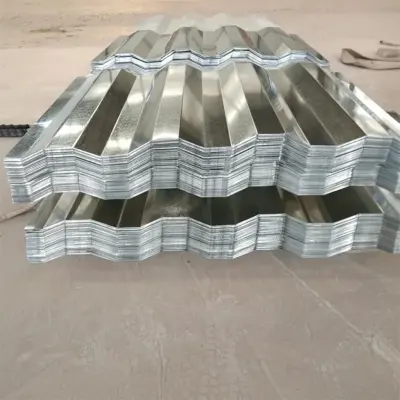
Roofing and wall cladding: The product can be roll-formed into standing-seam roofing, corrugated sheets, facade panels, flashings, and trims. Profile geometry, minimum bend radius, paint flexibility, and local wind-load requirements must be considered. Related roofing products are available through [[INTERNAL_LINK]].
Insulated sandwich panels: Color-coated coil is used as an exterior or interior facing for panels containing mineral wool, polyurethane, or other specified cores. Adhesion between the back coat and panel adhesive should be tested before volume production.
Industrial and agricultural buildings: Warehouses, workshops, logistics buildings, and agricultural facilities use prepainted steel for roofs, walls, doors, and partitions. Environments involving fertilizer, livestock emissions, chemicals, or persistent condensation require a coating system selected for that exposure rather than a general-purpose paint.
Appliance and fabricated components: Suitable grades can be slit, punched, bent, and formed into housings, cabinets, ceiling systems, and equipment panels. The buyer should communicate tooling, forming depth, protective-film needs, and visible-surface requirements.
Transportable and modular structures: Coated steel can be used for modular buildings, site enclosures, container-related panels, and prefabricated rooms where repeatable dimensions and an installation-ready finish reduce downstream painting work. Explore fabrication considerations at [[INTERNAL_LINK]].
How to Choose Aluminum Magnesium Manganese Color Coated Steel: Buying Guide
Start with the application environment and fabrication process. A roof near the coast, a livestock building, and an indoor appliance panel do not require the same metallic coating or paint. State the service location, indoor or outdoor use, expected pollutants, contact with chemicals, roof pitch, forming method, and required service conditions. The supplier can then propose a technically suitable system for approval.
Define dimensions using base-metal thickness or coated-product thickness, and clearly identify which measurement applies. Include width tolerance, edge condition, coil inside diameter, maximum coil weight, and permitted welds. Roll formers should also specify minimum mechanical properties and forming requirements. A sample trial is advisable when the profile has tight bends or a visually critical surface.
Specify the finish through a recognized color reference or an approved physical sample. Color codes alone may not fully define gloss, texture, or allowable color difference. Confirm the primer, topcoat, back coat, nominal film thickness, protective film, and test methods. Consult [[INTERNAL_LINK]] for color and gloss selection.
Request certification to the contractual standard. Depending on the order, documents may include a mill test certificate, coating and paint inspection report, color report, certificate of origin, packing list, and independent inspection report. Confirm whether regulatory documents such as REACH or RoHS declarations are required for the destination or end product; their applicability is not automatic.
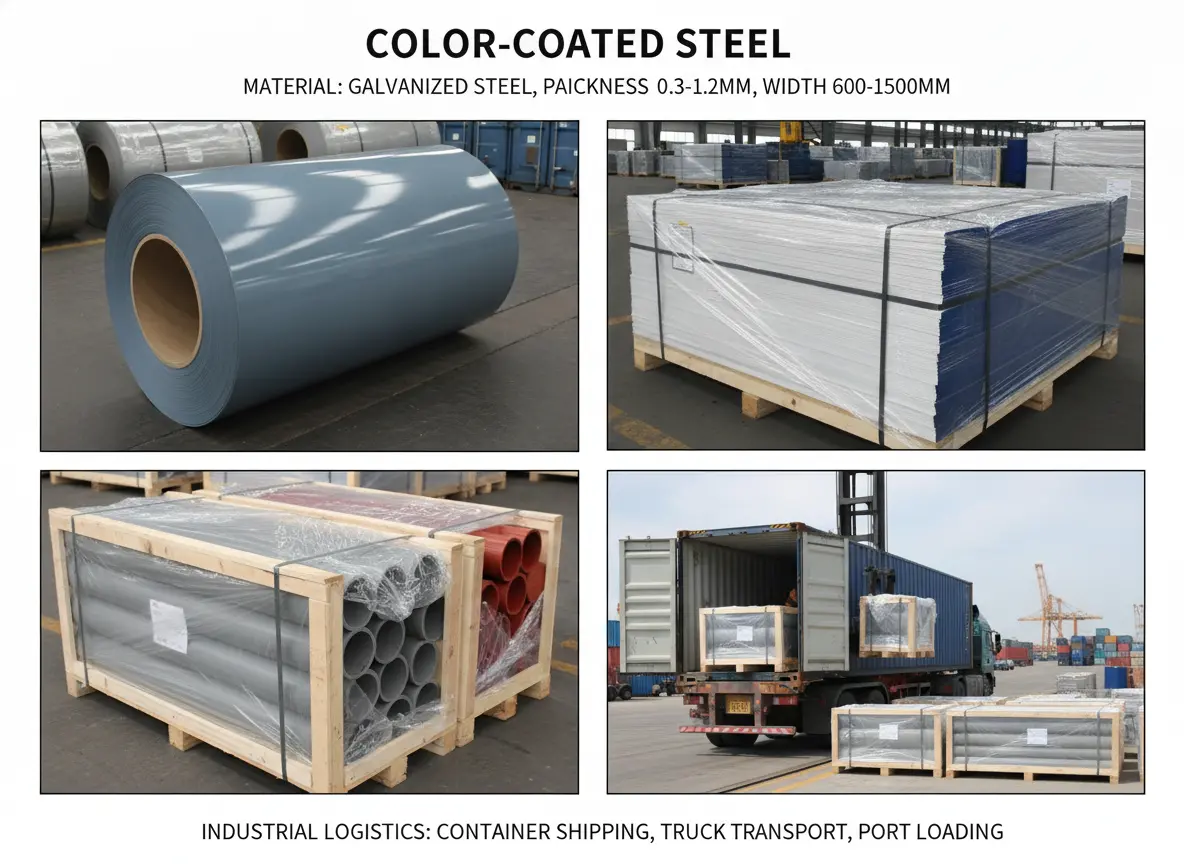
MOQ should be confirmed by grade, coating, color, width, and coil weight. Custom colors and uncommon dimensions may require a production campaign rather than stock supply. Lead time should be quoted only after technical approval and order confirmation. For logistics, verify export packing, eye orientation, lifting method, container payload, moisture protection, and destination handling limits. Packaging guidance can be found at [[INTERNAL_LINK]].
Frequently Asked Questions About Aluminum Magnesium Manganese Color Coated Steel
Q: Is Aluminum Magnesium Manganese Color Coated Steel the same as aluminum-magnesium-manganese alloy sheet?
A: Not necessarily. One product has a steel core with metallic and organic coatings, while the other may be a solid aluminum alloy sheet without a steel substrate. Ask for the base-metal certificate, coating designation, density basis, and applicable standard to prevent substitution or weight-calculation errors.
Q: How does it differ from galvanized or galvalume color-coated steel?
A: The difference lies mainly in the metallic coating beneath the paint. Galvanized steel uses zinc; products commonly called galvalume use an aluminum-zinc coating; zinc-aluminum-magnesium systems include magnesium in the declared coating. Performance cannot be compared by name alone because coating mass, paint type, forming, and exposure also affect durability.
Q: Which international standard should be stated on the purchase order?
A: Use the standard matching the actual substrate and market, such as ASTM A755/A755M, EN 10169, JIS G 3322, or GB/T 12754 for relevant prepainted products. Pair it with the appropriate metallic-coated substrate standard, such as ASTM A1046/A1046M or EN 10346, when applicable.
Q: Can the supplier provide certification and third-party inspection?
A: Certification can be requested, but the required document type and inspection scope must be agreed before ordering. Buyers should define the tests, acceptance criteria, inspection agency, witness points, and responsibility for inspection costs. Learn more about steel inspection at [[INTERNAL_LINK]].
Q: What is the minimum order quantity?
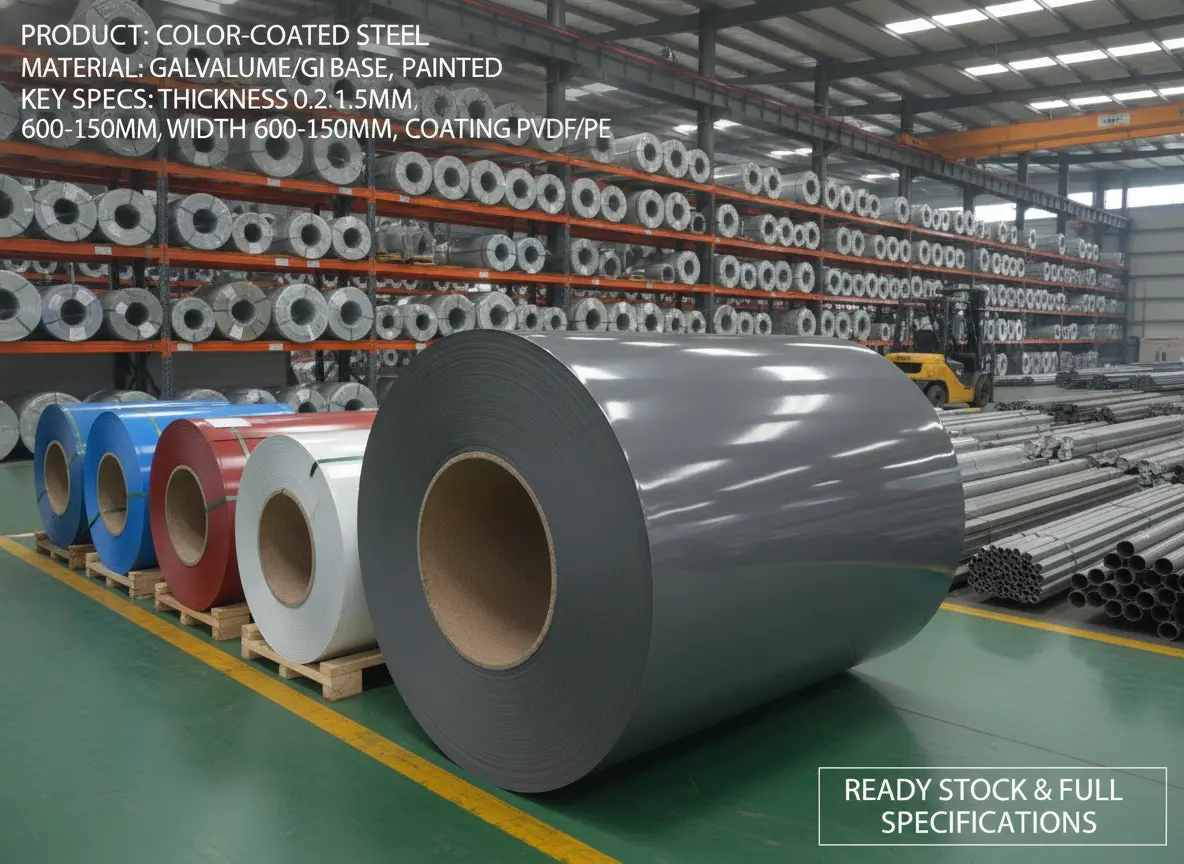
A: MOQ varies with the substrate grade, coating system, color, width, coil size, and current production schedule. Standard combinations may have different requirements from custom colors or narrow slit coils. Submit a complete specification to receive an order-specific MOQ.
Q: What payment methods are available for export orders?
A: Payment terms depend on supplier policy, order value, destination, and credit assessment. Common international arrangements may include bank transfer or letter of credit, subject to mutual agreement. The sales contract should state currency, deposit or document conditions, bank charges, and payment milestones.
Q: How long does production and delivery take?
A: Lead time depends on material availability, color approval, production scheduling, testing, packing, and transport arrangements. Custom paint or coating requirements can add preparation time. Buyers should request separate estimates for production, inspection, inland transport, and international transit.
Q: What information is needed for an accurate quotation?
A: Provide the standard, steel grade, metallic coating designation and mass, thickness, width, coil weight, paint system, color, gloss, film thickness, surface protection, quantity, packaging, inspection requirements, destination, and Incoterm. A drawing should accompany inquiries for profiled or fabricated products.
Send your Aluminum Magnesium Manganese Color Coated Steel specification, annual or project quantity, destination, and required delivery schedule to request a technical review and export quotation. Where the coating designation is uncertain, provide the application and applicable standard so the proposed material can be checked before pricing.
Ratings & Reviews

Know your supplier
Supplier's customization ability
- Drawing-based customization
- Sample-based customization
- Full customization
Minimum order quantity: 1 ton
Shipping total: To be negotiated
- Lead time:
- confirmed with the quotation
- Packaging:
- standard export packing
- Samples:
- available on request